Last updated November 2026: planning a nuraghe Sardinia itinerary starts with one choice, which Bronze Age tower to prioritise. Su Nuraxi di Barumini is the UNESCO-listed must-see, while Santu Antine and Losa are the strongest alternatives. Most sites need a car, so each pick below carries access notes and a route to the wider Ruins in Sardinia: Best Nuragic and Roman Sites hub.
Featured image: xiquinhosilva, CC BY 2.0, via Flickr.
What is a nuraghe and how do you read one?
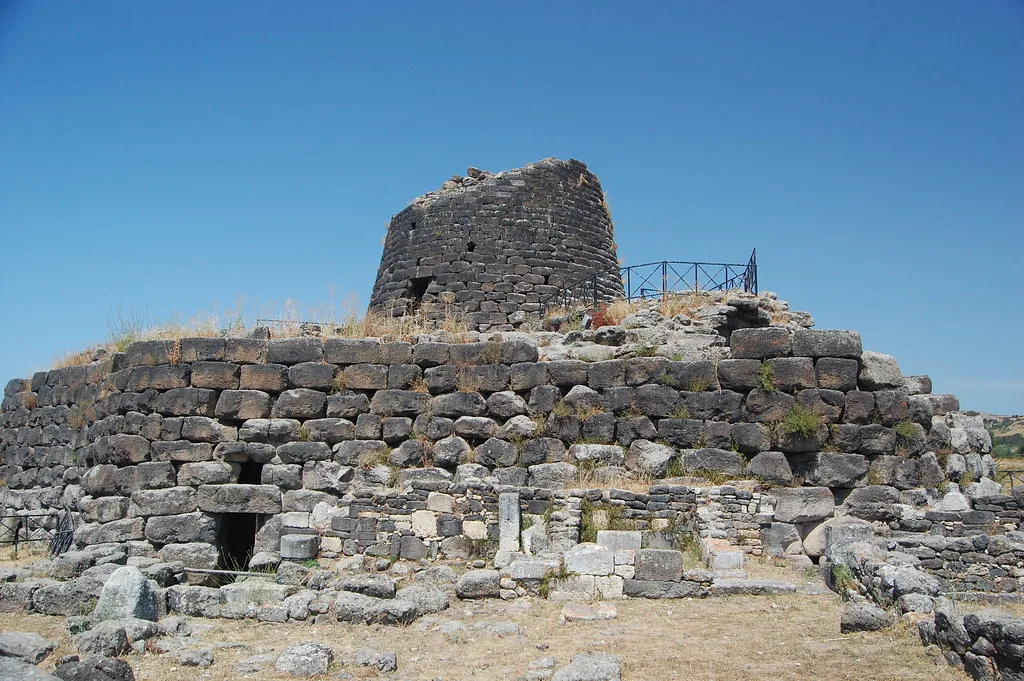
A nuraghe is a drystone tower-fortress built by Sardinia's Nuragic people during the Bronze Age. Builders stacked stone blocks without mortar and roofed the inner rooms with a false dome, known as a tholos. Archaeologists still debate the purpose of these towers. Proposed roles include fortress, chief's residence and meeting place. Treat any single label with caution. Four features help you make sense of the ruins on site.
- Central keep
- Look for the tallest tower first. Most complexes grew outward from it.
- Bastion
- Smaller towers and curtain walls were added around the keep. Count the towers to see how a site expanded.
- Village
- Stone huts often cluster around the tower. They show daily life outside the fortress.
- Well
- Some sites hold a water source. Nuragic wells hint at ritual as well as practical use.
Which nuraghe should you visit? Quick picks by traveler type
Staffed sites and unmanaged sites need different planning, so access is the main column below. Most of these places sit on rural roads, and a rental car is the practical default. Prices and hours checked November 2026 against official portals: ticket details change, so confirm them on the operator page before you drive.
| Traveler type | Pick | Why go | Effort | Access |
|---|---|---|---|---|
| First-timer | Su Nuraxi, Barumini | UNESCO benchmark with keep and village | Moderate walking on uneven stone | Staffed site; check tour rules |
| Second tower | Santu Antine, Torralba | Trilobate keep in the Valle dei Nuraghi | Moderate | Check operator page |
| Low effort | Nuraghe Losa, Abbasanta | Easy stop between Cagliari and the north-west | Light | Check operator page |
| Half day | Losa plus Santa Cristina | Tower and sacred well in one outing | Light to moderate | Check each operator page |
| Village focus | Serra Orrios, Dorgali | Nuragic village rather than a tower | Moderate | Check operator page |
| Adventurous | Nuraghe Burghidu, Ozieri | Tall keep on a rocky outcrop | Rural roads and gates | Unmanaged site |
6 Best Nuraghe to Visit in Sardinia
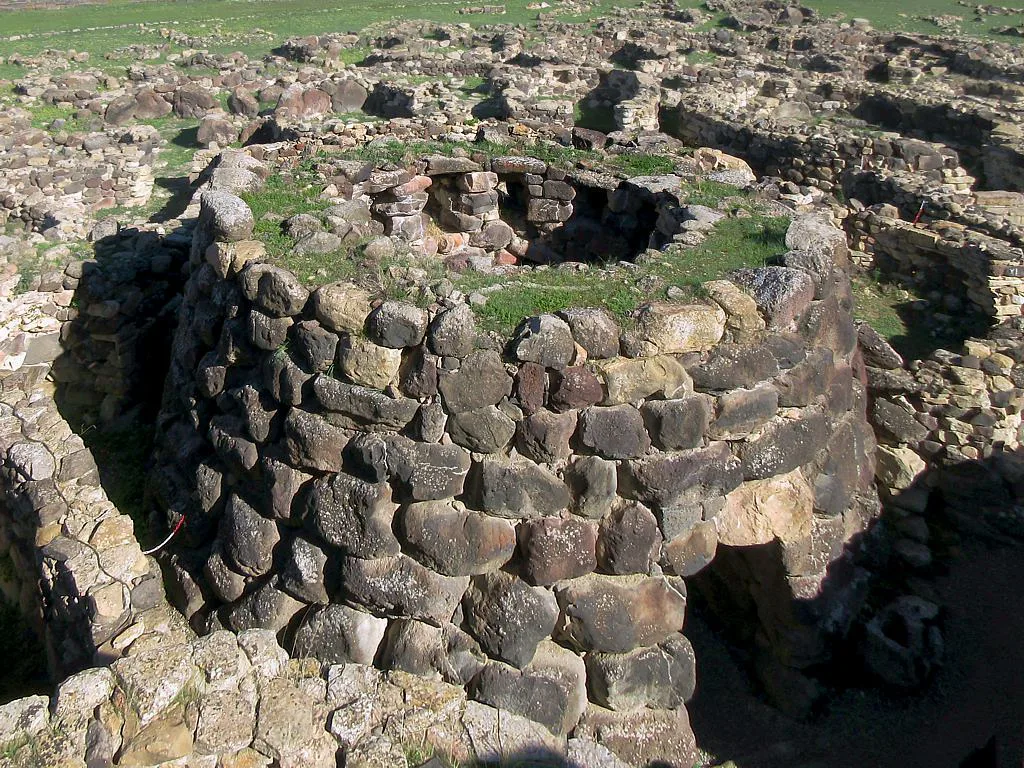
These six picks run from the polished headline site to a tower with no ticket office. Each entry says what to see, how much effort to expect and who should skip it.
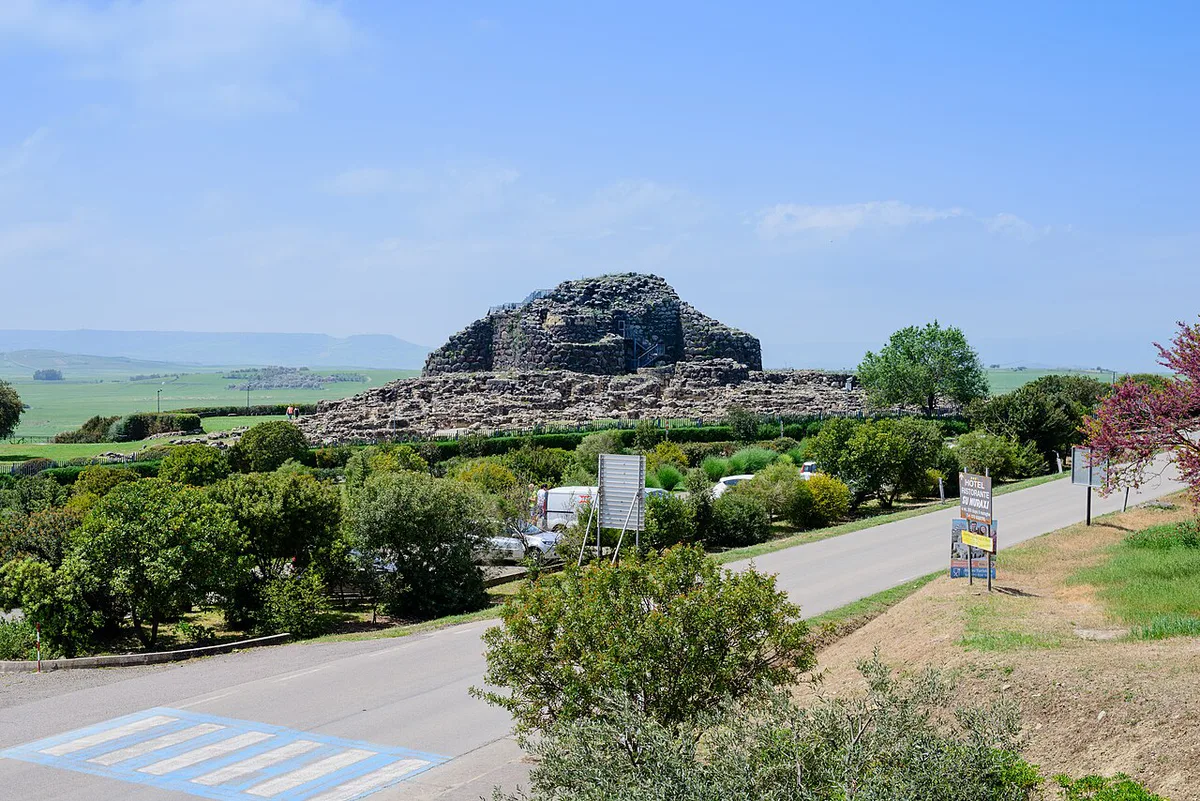
Burghidu's keep reaches 14 m, but reaching it means turning at km 11.5, then driving a small road through a few gates.
1. Su Nuraxi di Barumini
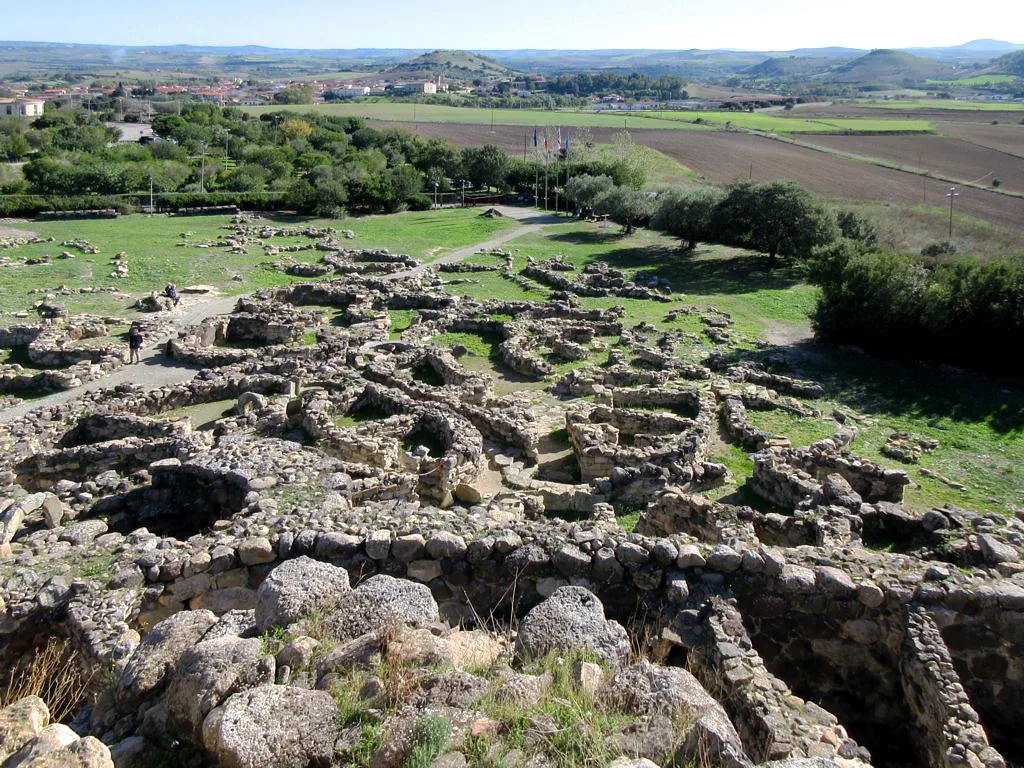
Su Nuraxi in Barumini, in the Marmilla, is the benchmark for every other nuraghe. UNESCO inscribed it in 1997. A central keep rises above a ring of smaller towers, with a village of stone huts spreading around the base. Walk the village lanes first, then study how the later towers wrap around the keep.
Our Su Nuraxi visitor guide covers the visit in detail. Tour format and times are set by the site operator, so read the current rules before you build a day around it. Skip it if uneven stone paths are a problem. Also skip it if you want a quiet site, because this is the most visited nuraghe on the island.
2. Nuraghe Santu Antine, Torralba
Santu Antine stands near Torralba in the Valle dei Nuraghi, a valley with several Nuragic sites. It is the strongest second choice after Su Nuraxi. Its trilobate keep is the draw. Three lobes surround a central tower, which makes the plan easier to read than most ruins.
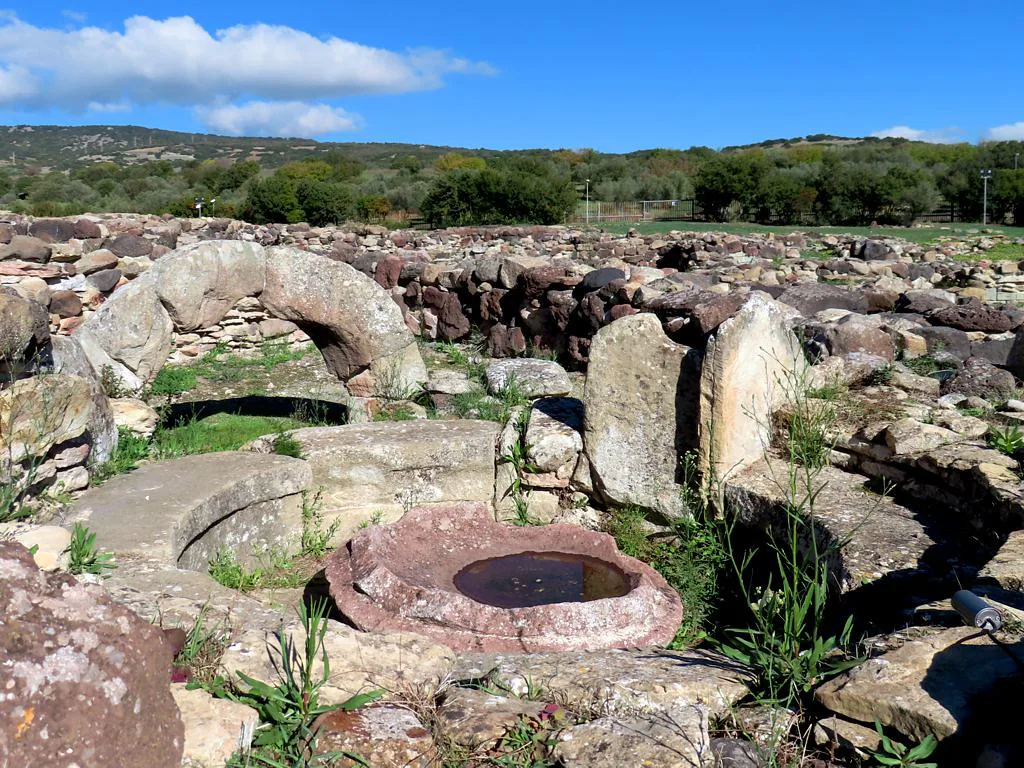
Our Santu Antine guide explains what to look for inside the walls. It works well for travelers based in the north-west who do not want a long drive south. Skip it if the UNESCO name matters to you. Anyone with limited mobility should also ask about access to the upper levels first.
3. Nuraghe Losa, Abbasanta
Nuraghe Losa near Abbasanta is the easiest stop on the list. It sits on the route between Cagliari and the north-west, so you can visit without a detour. It suits families and anyone short on time, because the site is compact. Walk around the outer walls before you go inside.
Our Nuraghe Losa guide has the details. Many travelers pair it with the sacred well below. Skip it if you want a dramatic hilltop setting. The appeal here is convenience and a clear plan.
4. Santa Cristina sacred well
Santa Cristina is a Nuragic water-cult site rather than a tower. Its draw is a carefully built well structure, which shows a ritual side of Nuragic life. It pairs naturally with Losa, so the two together make a sensible half-day outing.
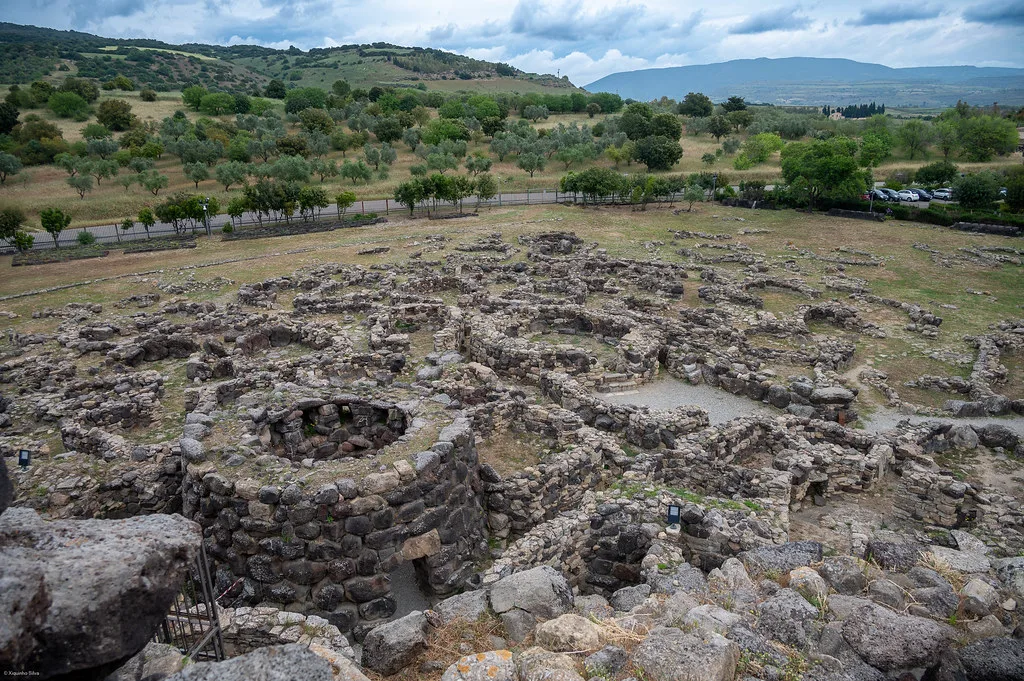
Our Santa Cristina well guide explains the layout. Go early in summer, because exposed ground offers little shade. Skip it if you only want towers and keeps. Skip it also if you have no time for a second stop.
5. Serra Orrios, Dorgali
Serra Orrios in Dorgali is a Nuragic village in the east of Sardinia. It is a different type of site from the towers, because the focus is on dwellings and shared buildings. It rewards visitors who already understand the tower form and now want to see how people lived around it.
Our Serra Orrios village guide covers the visit. Dorgali is a sensible base for the east. Skip it if you want a tall keep to climb through. Skip it also if you are based in the south, since it is a long way from Barumini.
6. Nuraghe Burghidu, Ozieri
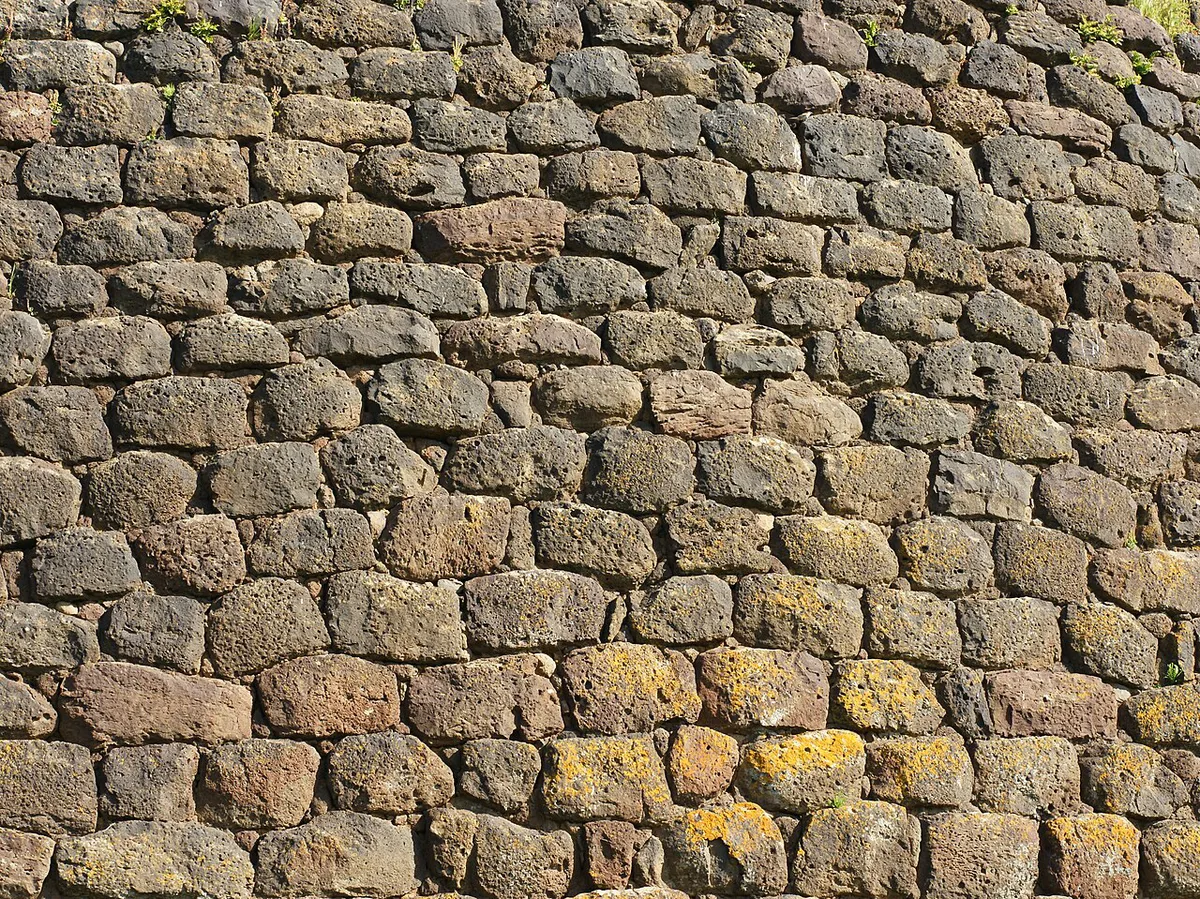
Burghidu near Ozieri stands on a rocky outcrop above the plain. Its quadrilobed plan has a main tower with four secondary towers joined by curtain walls. Squared trachyte blocks sit in regular rows. The keep rises 14 m over three floors, and the 1967 restoration was carried out by the Superintendence for Archaeological Heritage of Sassari and Nuoro.
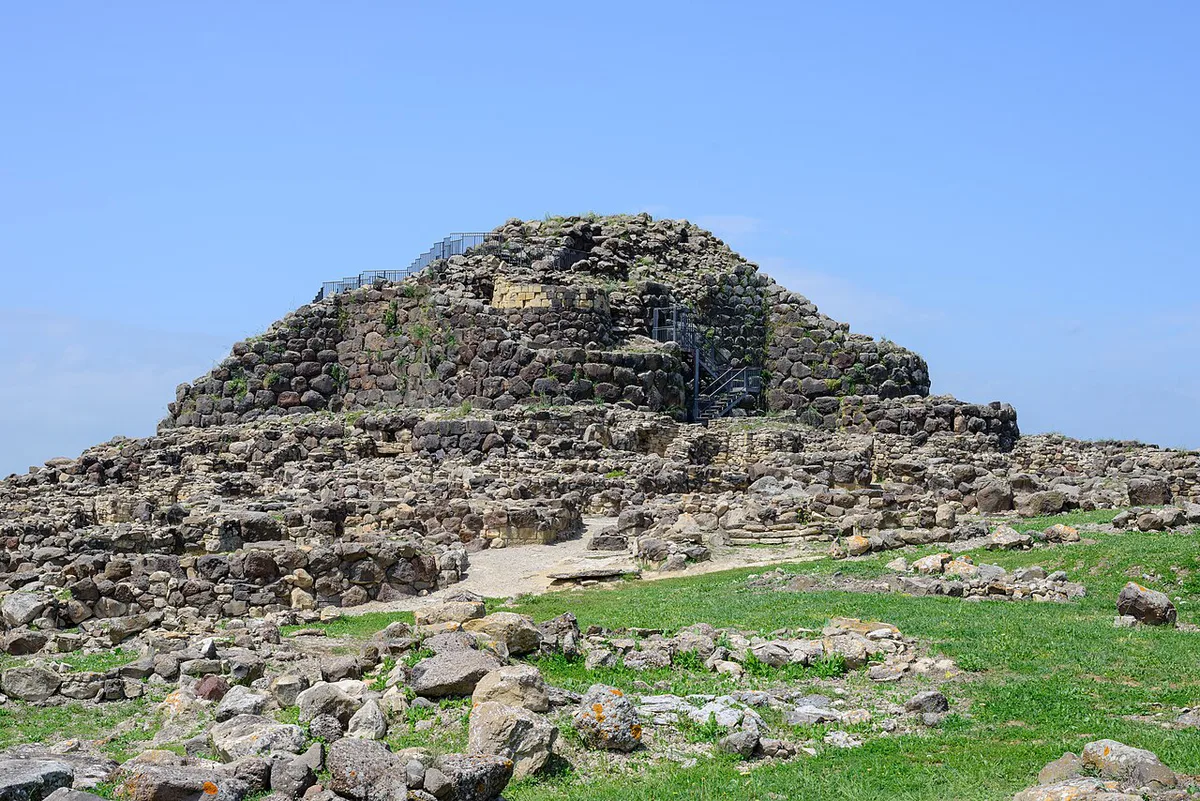
The regional culture portal lists it as an unmanaged site at SP 127, località Burghidu. Access, opening and ticketing are not guaranteed, so check access first. Skip it if you need a staffed site, signage or an easy parking area. Nuraghe Appiu in the north-west falls in the same lesser-known category and needs the same check.
Beyond the towers: Nuragic and earlier context
Nuraghi are one layer of a longer story. Domus de janas rock tombs come from the earlier pre-Nuragic period. Nuragic burial monuments appear in our giants' tombs guide. Carved stone figures from the same culture are covered in Mont'e Prama's stone giants. Later peoples left their own marks. Tharros and Nora show Phoenician and Roman layers for readers who want to see what came next.
Sardinia's nuraghi and giants' tombs belong to Europe's wider tradition of building in large stone; see our overview of megalithic sites in Europe.
Plan your route: south, centre-west and north-west
Group your stops by region to keep drives short. Rural roads add friction, so allow slack between sites. Three sample clusters work well.
- South
- Base yourself near Barumini and give Su Nuraxi its own morning. This works for travelers arriving in Cagliari.
- Centre-west
- Combine Losa and Santa Cristina in one outing. Both sit on the route between Cagliari and the north-west.
- North-west
- Visit Santu Antine and explore the Valle dei Nuraghi. Burghidu near Ozieri is a possible extra if you have checked access.
Tickets, opening hours and guided-tour rules
Some nuraghi are staffed, with tickets and sometimes tours, and others are unmanaged. Fees and hours change by site and season, so use the official Sardinia tourism site or each operator's page. Summer midday heat is a real planning factor on exposed ground. Shoulder seasons are more comfortable, and peak months may call for advance booking.
Getting there and getting around
A rental car is the practical default, because public transport to rural sites is limited. Organised tours and taxis from the nearest town are realistic alternatives, though availability varies. Base yourself by region. Barumini suits the south, the Abbasanta area suits the centre-west, and Torralba suits the north-west. Staying inland puts you close to the towers, while staying on the coast trades that for beaches and restaurants.
Mistakes to avoid and who should skip what
Most problems come from assuming every nuraghe works like Su Nuraxi. Burghidu shows why. Its catalogue entry directs drivers to turn at km 11.5 towards Tula. After about 600 m, a small road leads through a few gates to the tower.
- Arriving unprepared at an unmanaged site
- Check the status of any site before you drive. Do not assume a ticket office or a guide.
- Trusting map pins on farm roads
- Navigation can fail on gated rural roads. Download offline maps and keep a written route.
- Underestimating drive times
- Rural roads are slower than the map suggests. Do not stack more than two sites in one day.
- Visiting at midday in summer
- Exposed stone offers little shade. Carry water and go early or late.
- Expecting every interior to be open
- Some keeps can be entered and others cannot. Look at the outside first and treat interiors as a bonus.
Frequently Asked Questions
How many nuraghi are there in Sardinia?
Sources give roughly 7,000 to 8,000 surviving or recorded nuraghi. The exact total depends on how heavily ruined sites are counted. Ask the Sardinian heritage authorities if you need a current figure.
How do you pronounce "nuraghe"?
It is usually said "noo-RAH-gay". The plural, nuraghi, is said "noo-RAH-gee".
Explore More Guides
Keep planning your trip with these guides.
Guides
- Su Nuraxi di Barumini
- Tharros Ruins, Sardinia
- Nora, Sardinia
- Santu Antine Nuraghe
- Nuraghe Losa: Visiting Hours, Tickets & What to See
- Santa Cristina Sacred Well: Visitor Guide to the Nuragic Pozzo Sacro
- Giants' Tombs Sardinia
- Giants of Mont'e Prama
- Ruins in Sardinia: Best Nuragic and Roman Sites
- Domus de Janas: Sardinia's Fairy House Tombs & Sites to Visit
- Serra Orrios Nuragic Village
Related guides



Continue reading
Guides on the same trip