
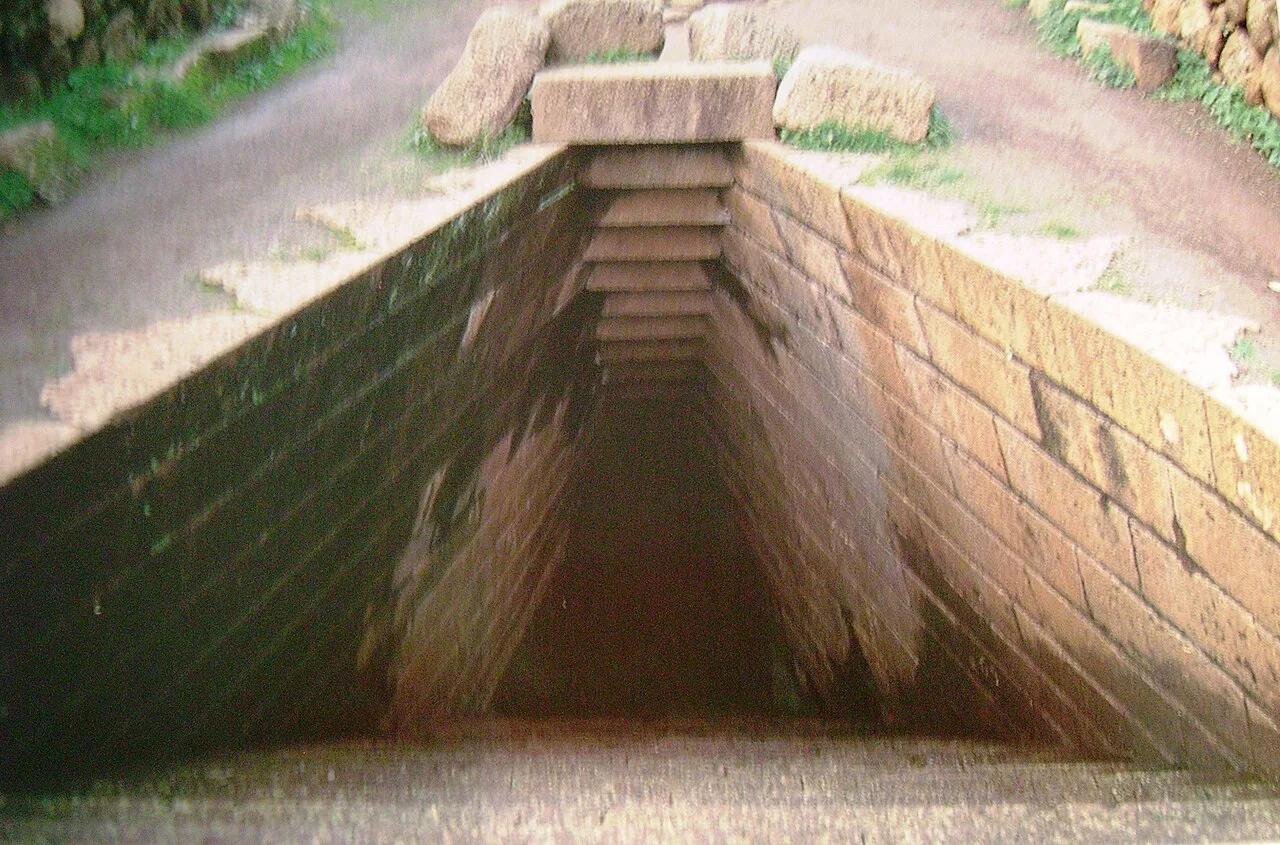
Santa Cristina Sacred Well: Visitor Guide to the Nuragic Pozzo Sacro
Last updated November 2026. The Santa Cristina sacred well is a Nuragic well temple (pozzo sacro) near Paulilatino in Oristano province, with finely cut stonework and a stairway that descends to still water. It stands inside a small sacred precinct that also holds a church and a single-tower nuraghe. We rank it as a short, high-reward stop on an inland Sardinia route, and this guide covers what to see, how to get there and what to pair it with.
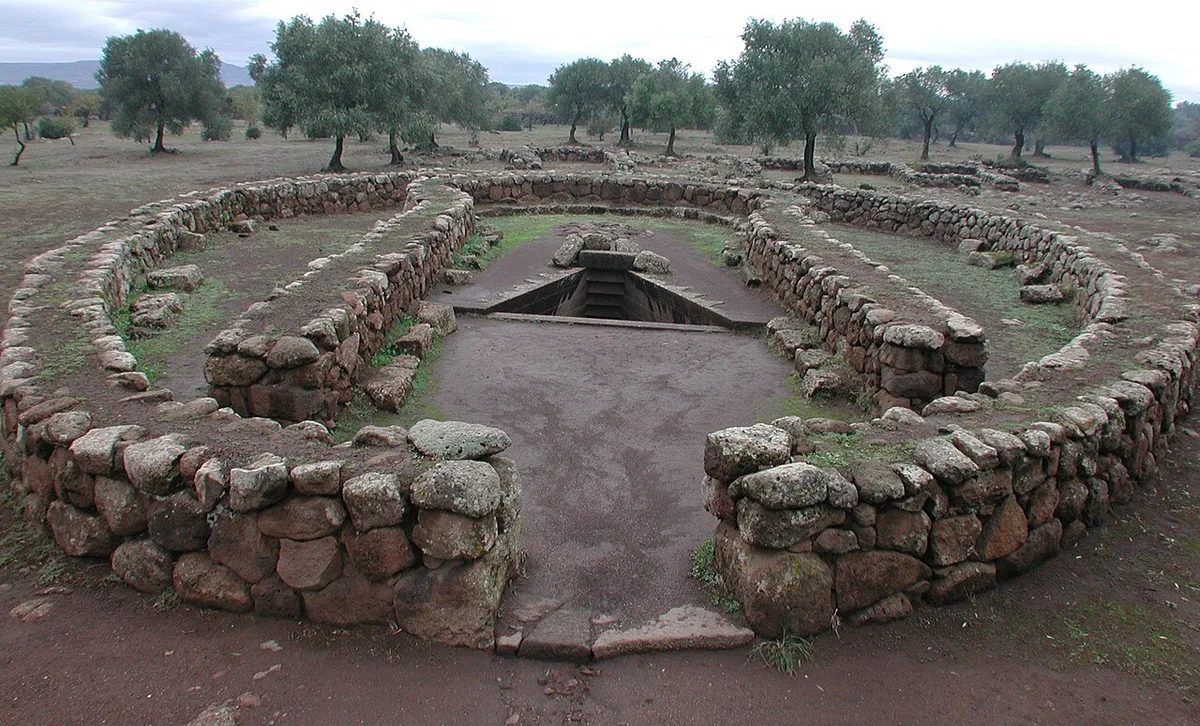
Featured image: No machine-readable author provided. Shardan assumed (based on copyright claims)., CC BY-SA 2.5, via Wikimedia Commons.
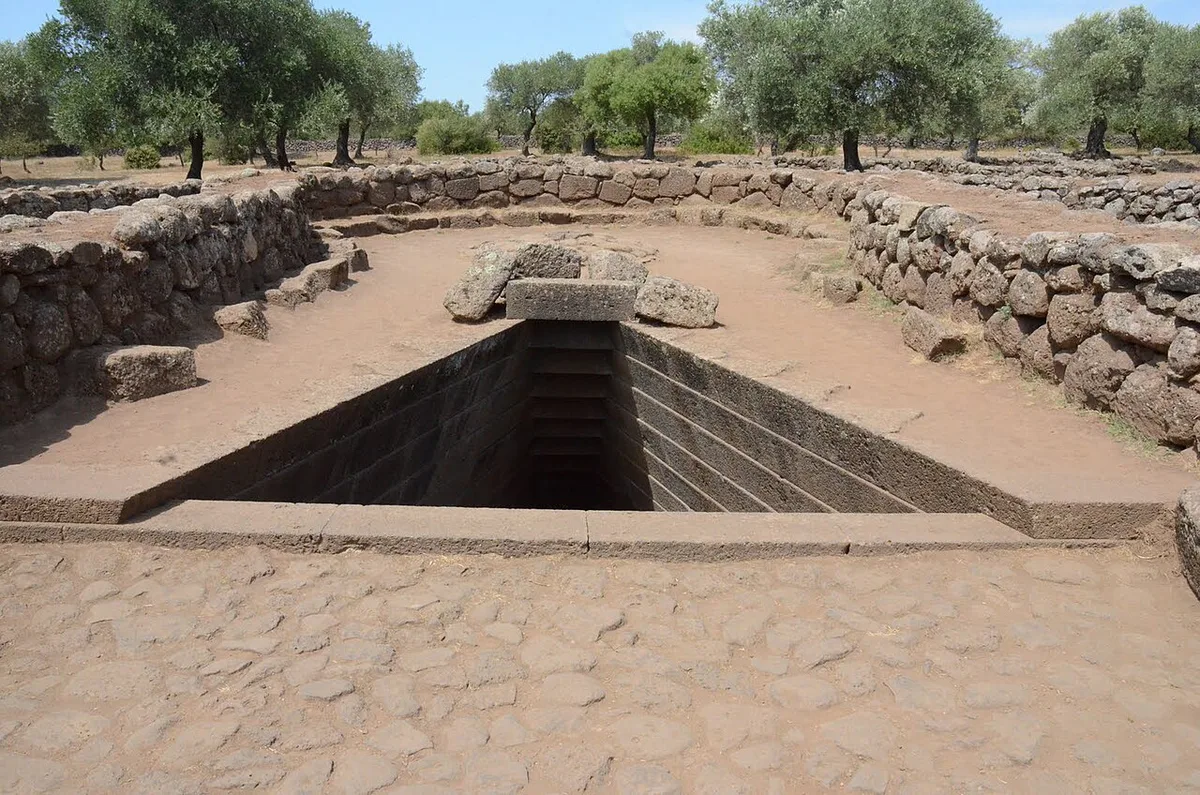
What Santa Cristina Sacred Well Is
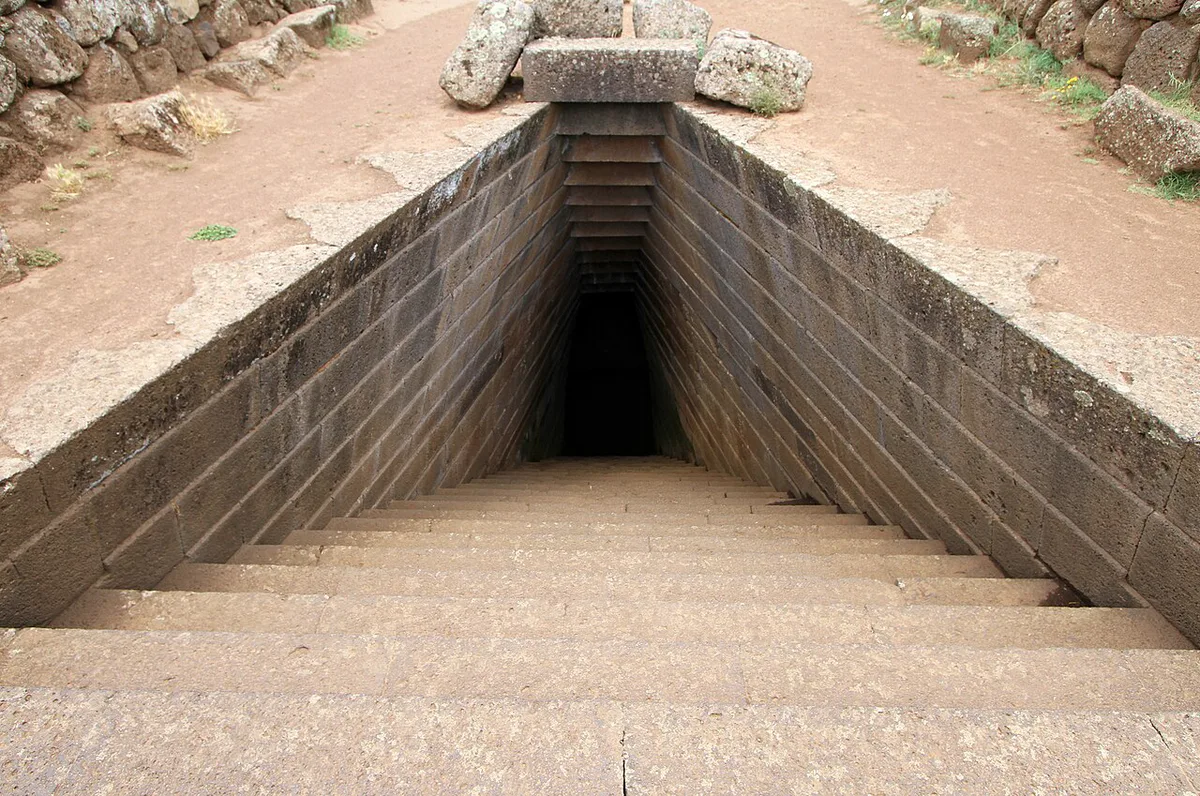
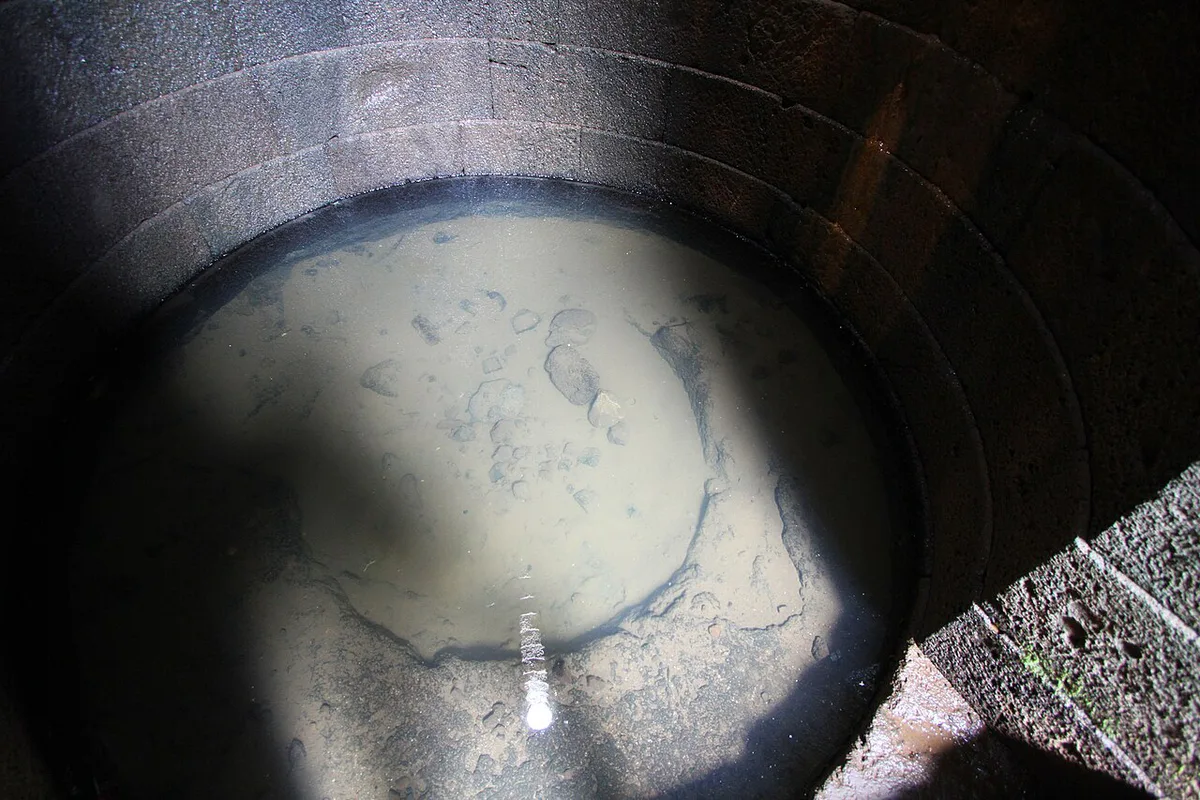
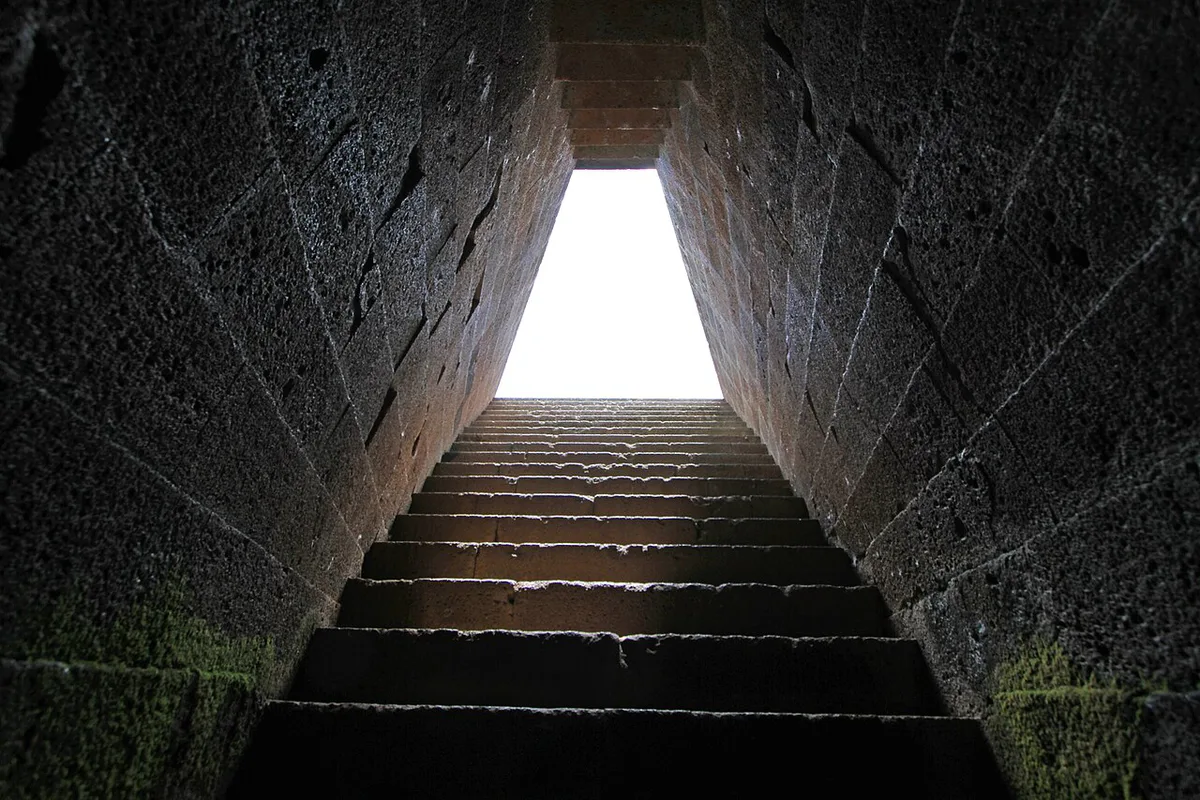
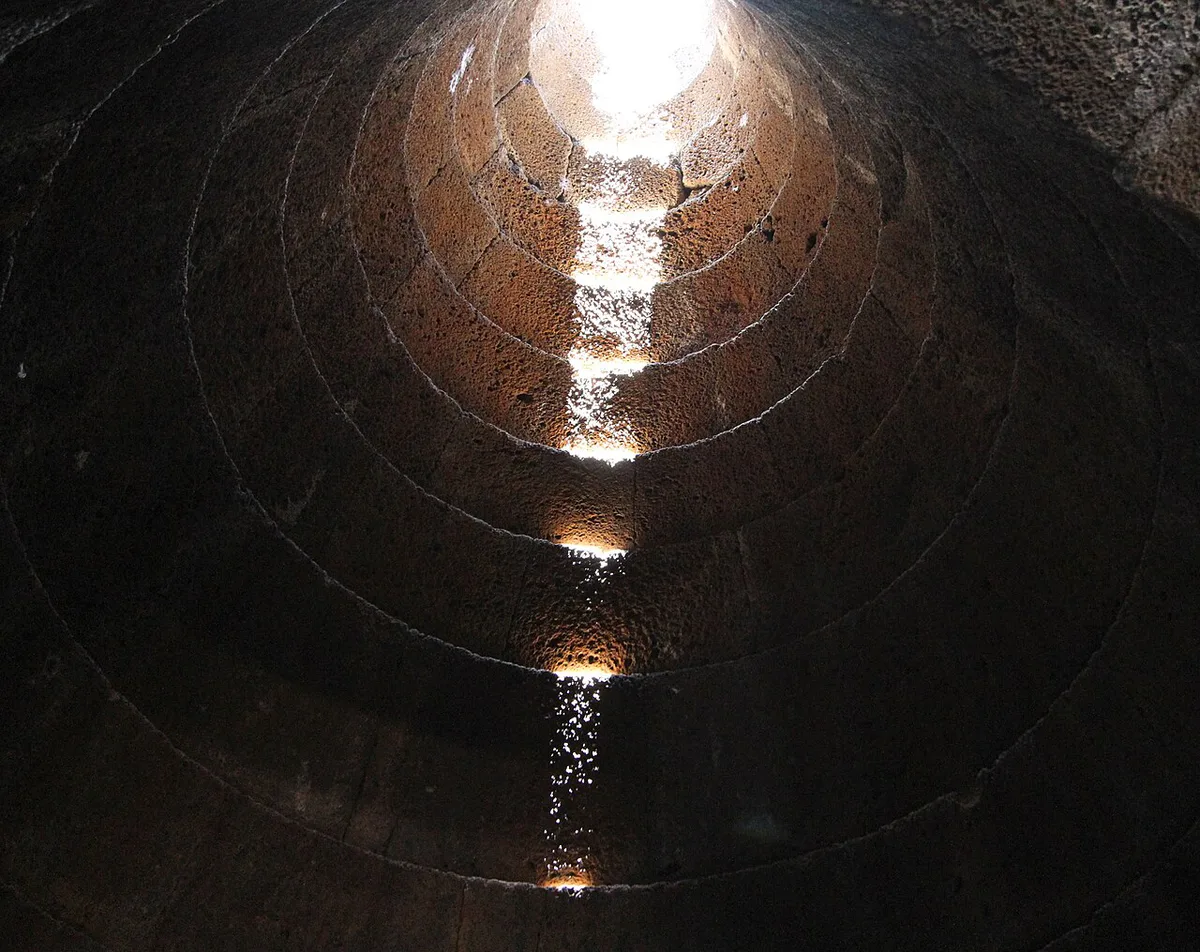
Santa Cristina is a Bronze Age water shrine. Dates in the literature range from about 1000 BCE to the 11th century BCE, so we give it as a range. The well follows a keyhole plan, with a stepped shaft leading down to a pool. Its 24 basalt steps narrow in staggered rows as they descend. Above the pool, a cone-shaped tholos rises about 23 ft (7 m) to an opening that lets daylight into the shaft. Water worship was central to Nuragic religion, which explains why the builders put so much precision into a well. For the wider picture of the tower-fortress culture, start with our overview of Sardinian nuraghi.
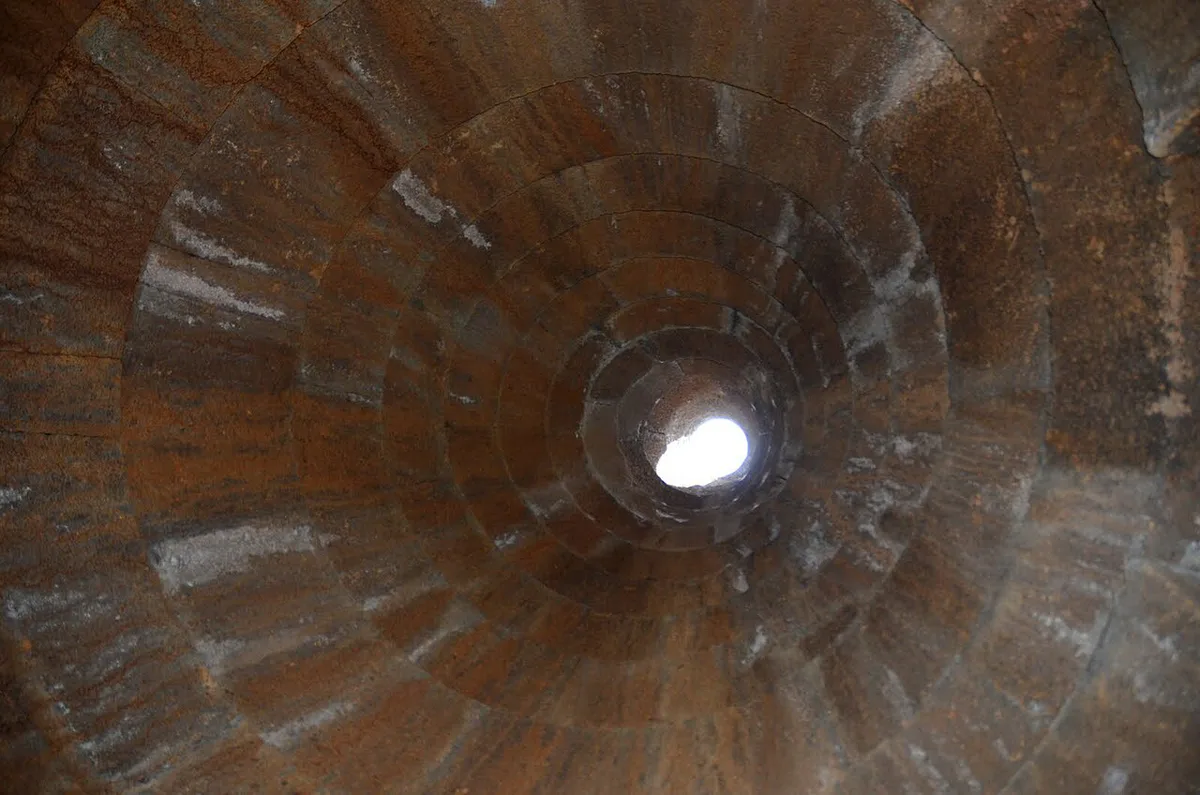
What You See On Site
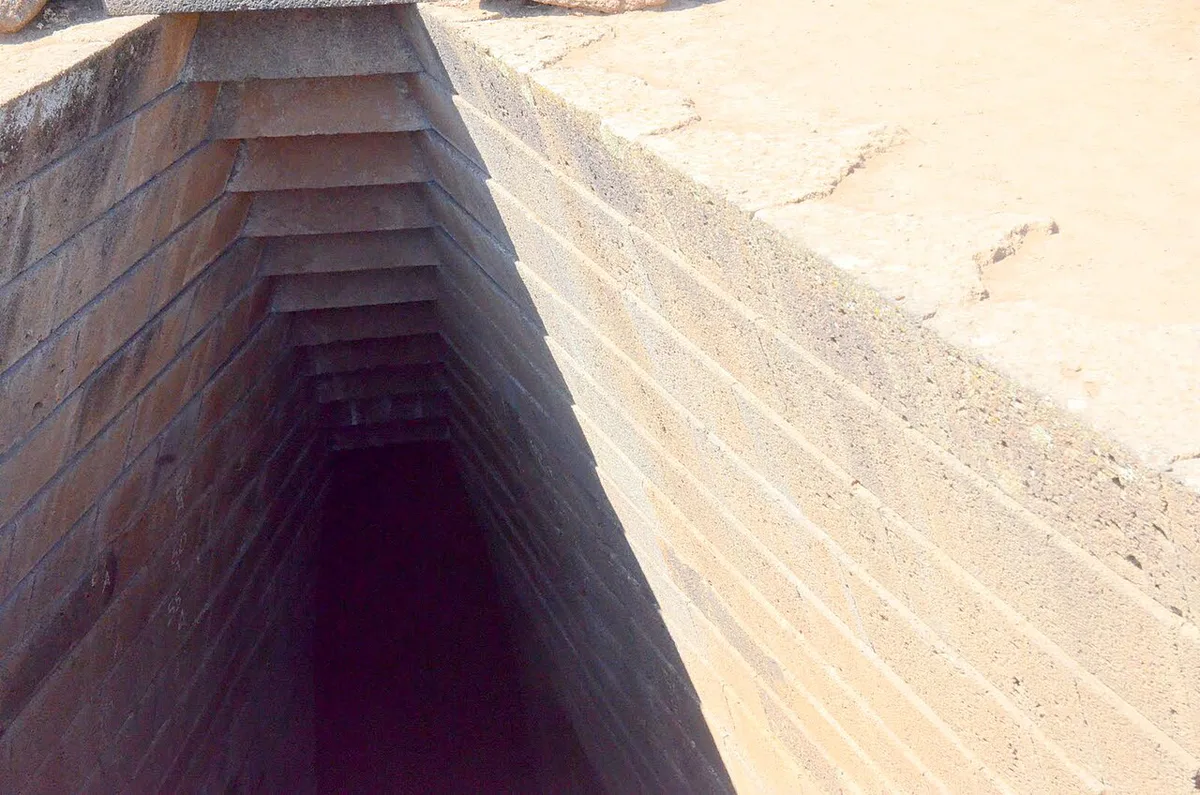
Plan a walk in this order, since each stop explains the next. Start with the well and its stairway. Then look at the elliptical enclosure (temenos), which separates the sacred ground from everyday space. Next, walk to the single-tower nuraghe in the wooded area, which also stands about 23 ft (7 m) high. It once anchored a village that stayed inhabited until the early Middle Ages. Finish at the 13th-century church of Santa Cristina and the muristenes, the pilgrim lodges around it. We'd not skip the nuraghe in the wood, because it shows the settlement that the well once served.
- Well and stepped shaft: the main draw, with 24 basalt steps
- Temenos: the enclosure that marks the sacred precinct
- Nuraghe: a single tower in a wooded glade
- Church and muristenes: usually closed to visitors
The Solar And Lunar Alignments
Two astronomical claims circulate. The first says the sun lights the stairway at the equinoxes, on 21 March and 23 September, and casts your shadow on the water. The second says the moon reflects in the pool every 18 years and 6 months, at the major northern lunar standstill. Treat both as claims rather than settled fact. A normal visit will not catch the lunar event, and the equinox light depends on the exact day and the weather. We'd go on an equinox only if the date already fits your trip.
Getting There And Getting Around
The site lies near Paulilatino, off the SS131 road, in Oristano province. Oristano is the larger town to use as a base. We recommend a car, because it lets you chain this stop with other inland sites. Public transport timetables to the well change, so look up current options on the official Sardinia tourism site before you plan around a bus. Guided tours are the third option if you don't want to drive.
Reach it via the SS131, then add Santu Antine if you want a second large tower. Both stops suit a single inland day.
Tickets, Opening Hours And Best Time To Visit
The site operator is listed as Archeotour. Admission price and hours change with the season, so confirm both with the operator or the regional culture portal before you go. The church is a separate matter. It opens only about nine days a year, on saints' days. The feast of Saint Cristina, on the second Sunday in May, is the best-known of them. Visit on that weekend if you want to see the church and muristenes in use, and expect more people. Otherwise, a quiet day outside peak summer heat suits the stairs and the light shaft best.
How Long To Spend And Who Should Skip It
We treat Santa Cristina as a short stop rather than a full-day destination. Use relative planning, not exact minutes, since your pace and the crowds decide it. Skip it if you want a large settlement to wander. In that case, go to Su Nuraxi di Barumini: Visiting Sardinia's UNESCO Nuraghe instead. If coastal ruins matter more to you, choose Tharros or Nora.
| Factor | Santa Cristina |
|---|---|
| Time needed | Short |
| Effort | Low, but the stairs are steep and narrow |
| Best for | Photographers, archaeology fans, road-trippers |
| Skip if | You want a large village or a coastal site |
Pairing It With Other Nuragic And Archaeological Sites
Santa Cristina works as the water-cult stop on an inland route. Pair it with Nuraghe Losa: Visiting Hours, Tickets & What to See for a tower complex. Add Santu Antine Nuraghe: Visiting Sardinia's King's House if you want a second large tower. Our guide to ruins in Sardinia maps the wider options. For burial context, read about giants' tombs afterward.
| Site | Type | What stands out | Time needed | Best for |
|---|---|---|---|---|
| Santa Cristina | Well temple | Stepped shaft and tholos | Short | Water cult, photography |
| Nuraghe Losa | Tower complex | Inland tower and village | Medium | Seeing a nuraghe up close |
| Santu Antine | Tower complex | Large central tower | Medium | Tower architecture |
| Su Nuraxi | Settlement | Large village layout | Long | A full settlement visit |
Practical Tips And Mistakes To Avoid
Wear shoes with grip, because the basalt steps are steep and narrow. Check the current rules on descending to the water before you plan photos from the bottom. Don't expect the church to be open outside saints' days. Don't assume equinox light appears on any day. Bring a camera that handles contrast, since the light shaft drops into a dark stairwell. Last, don't skip the nuraghe in the wood, which many visitors miss.
Equinox light is said to fall on 21 March and 23 September. Church access depends on saints' days instead, so pick one goal per trip.
Related guides



Continue reading
Guides on the same trip



