6 Best Things to See in Paestum: Temples, Museum & Planning Guide
Last updated November 2026: Paestum is a Greek-founded archaeological site in Campania, ancient Poseidonia, with three Doric temples, a museum and Roman remains. Most visitors need about half a day. It suits anyone who wants well-preserved temples without crowds of ruins to sort through, and it is easy to skip if you only have a few hours and want Pompeii-style variety.
Featured image: Following Hadrian, CC BY-SA 2.0, via Flickr.
Paestum at a glance
Greek colonists founded the city around 600 BC and named it Poseidonia, after the sea god. Lucanians took it between 400 and 273 BC. In 273 BC it became a Roman colony called Paestum. It sits on the Gulf of Salerno in the Piana del Sele, and the site is listed by UNESCO together with the Cilento and Vallo di Diano National Park. Plan on roughly half a day for temples plus museum. The official Parco Archeologico di Paestum e Velia site is the place for current hours and closures.
- What it is
- An archaeological park with three Doric temples, Roman remains and a national museum.
- Time needed
- About half a day. A rushed visit can be done in 2 hours.
- Best for
- History and architecture fans, and anyone who wants a calm alternative to busier ruins.
- Skip if
- You have only a few hours and want a mix of sites in one stop.
6 best things to see in Paestum
Order matters here. Start with the temples while the light is soft, then move to the museum and the Roman area. Prices and hours were checked in November 2026 against published listings, so confirm them on the park site before you travel.
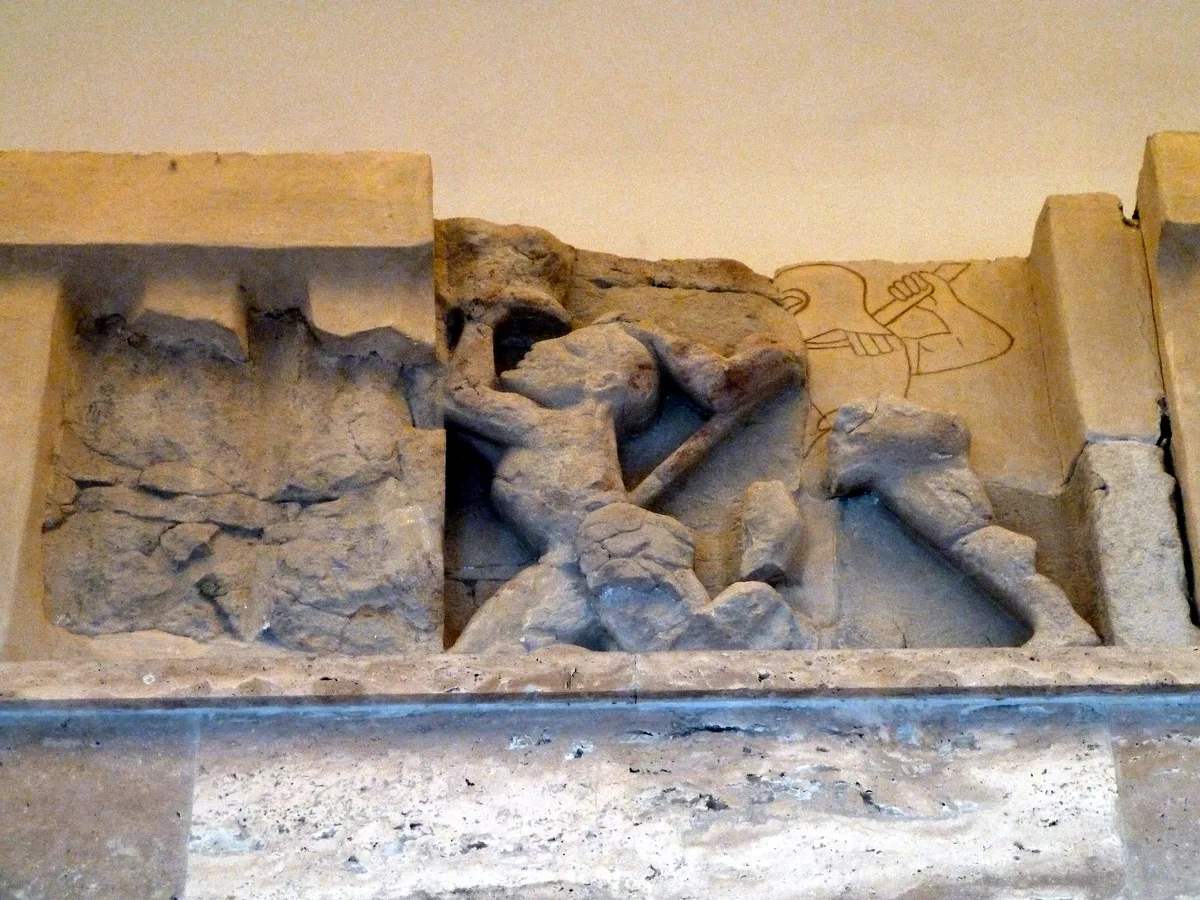
1. Temple of Neptune
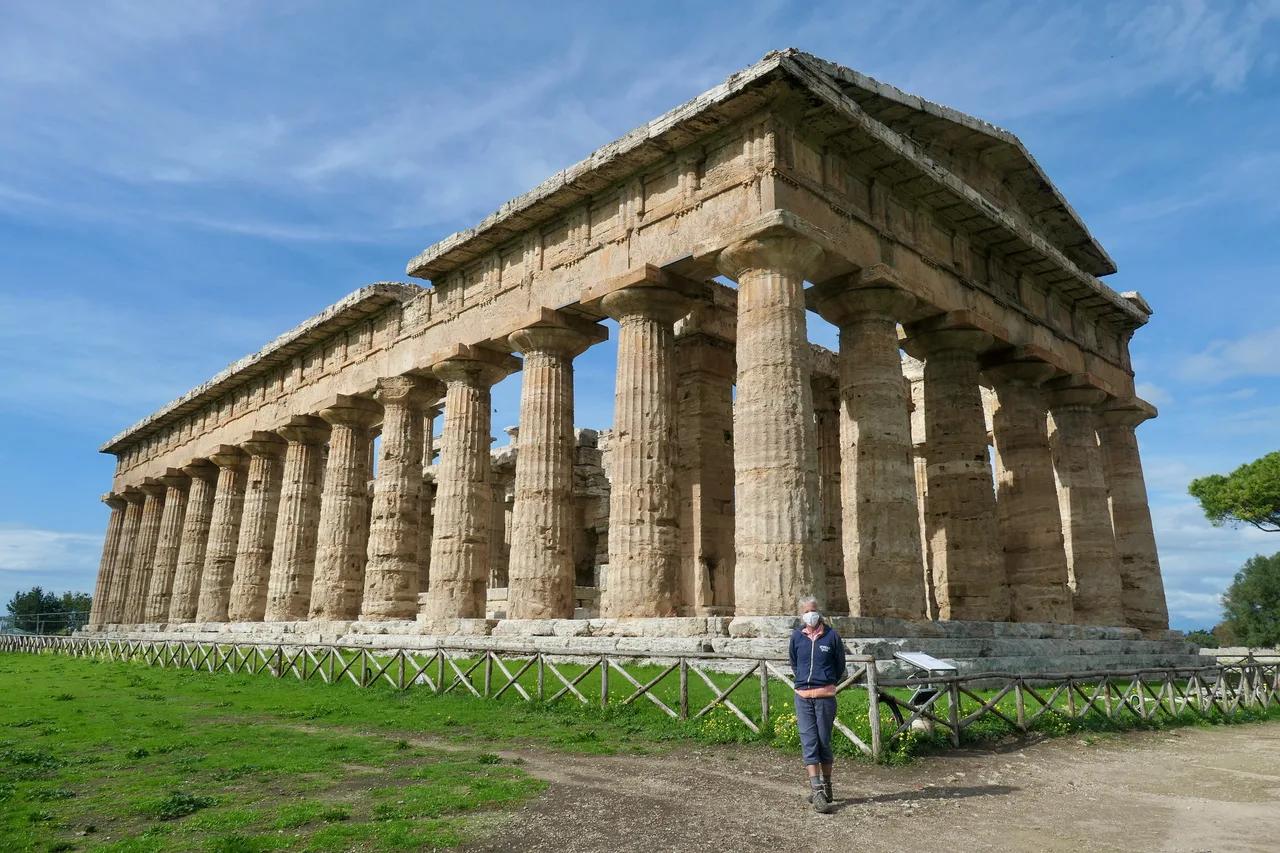
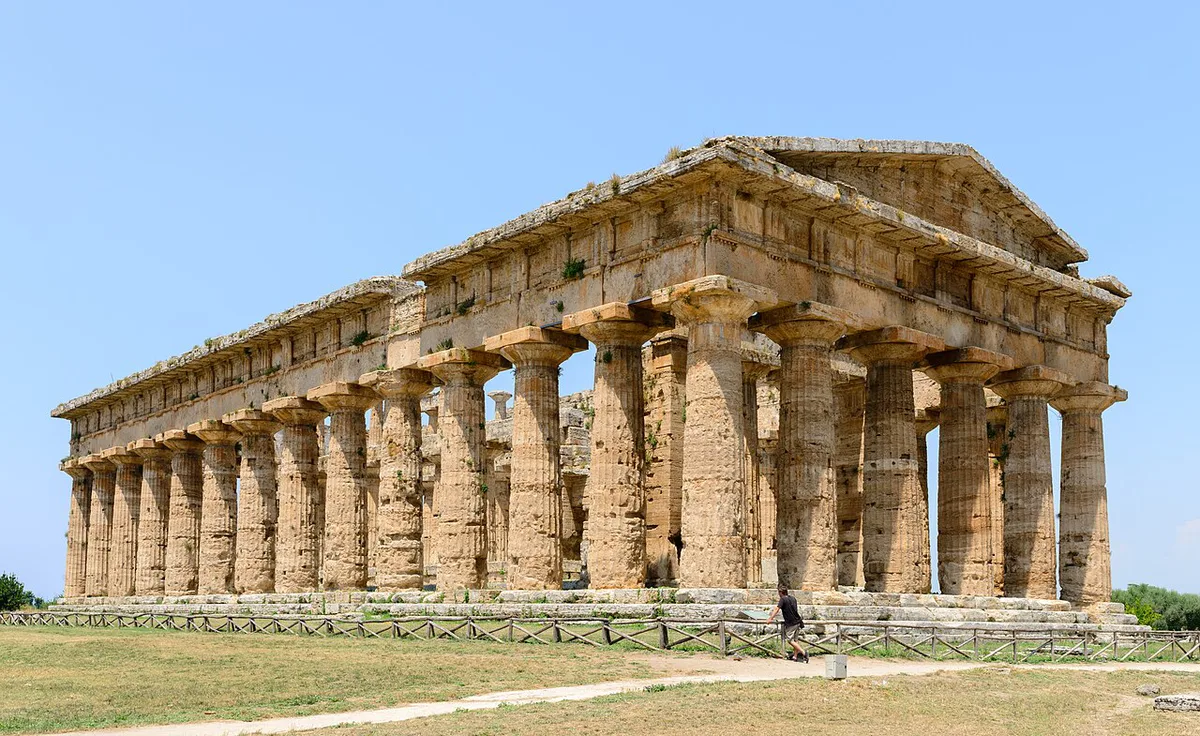
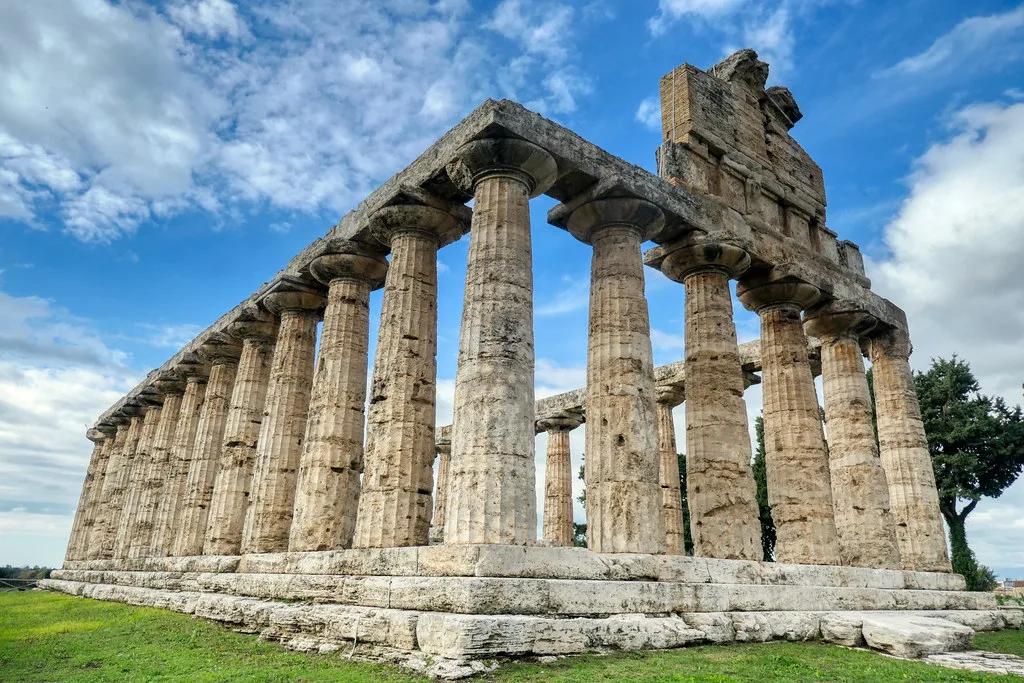
This is the photo stop and the best-preserved building on the site. It dates to the 5th century BC and is built of travertine that shifts from pale to warm gold through the day. It stands in the Southern Sanctuary beside the Temple of Hera. The name Neptune is traditional, and the attribution to the sea god is a historical label rather than a settled fact.
Walk the full perimeter and look at the Doric columns against the plain behind them. Our Temple of Neptune guide covers the details. Skip long stops here at midday in summer. There is almost no shade.
2. Temple of Hera, the so-called Basilica
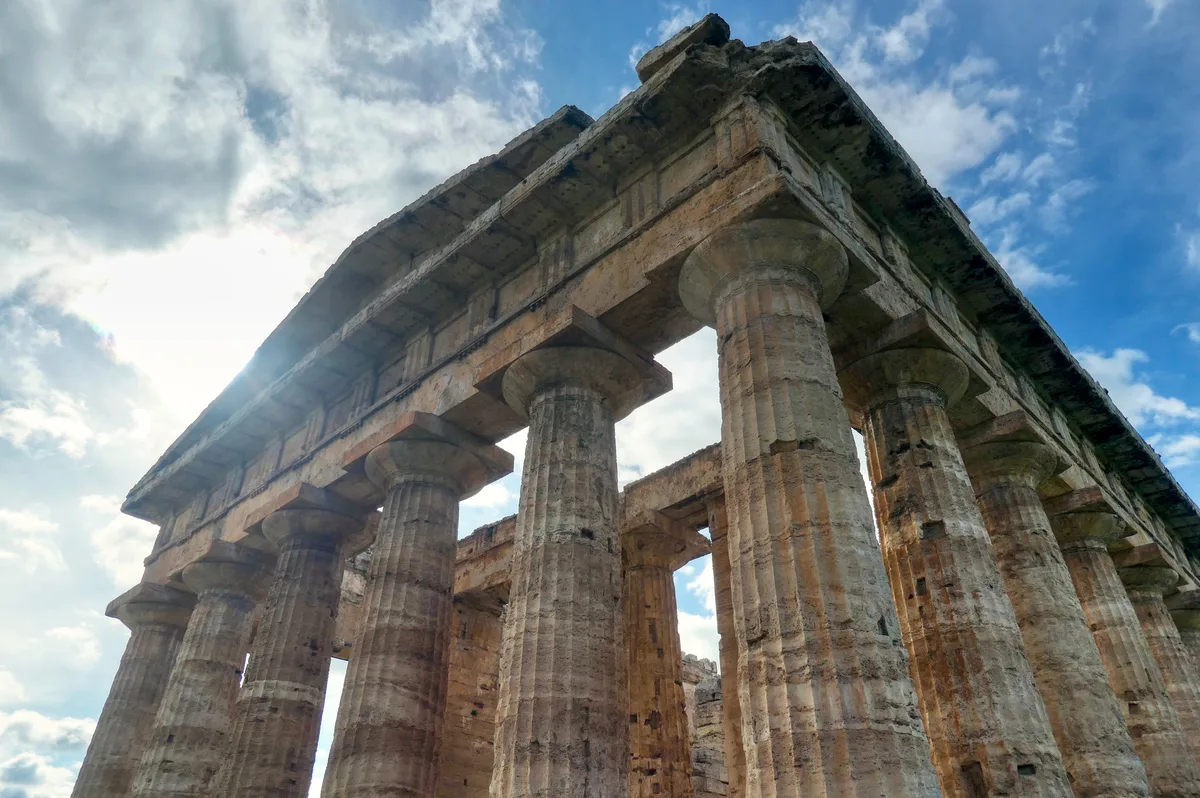
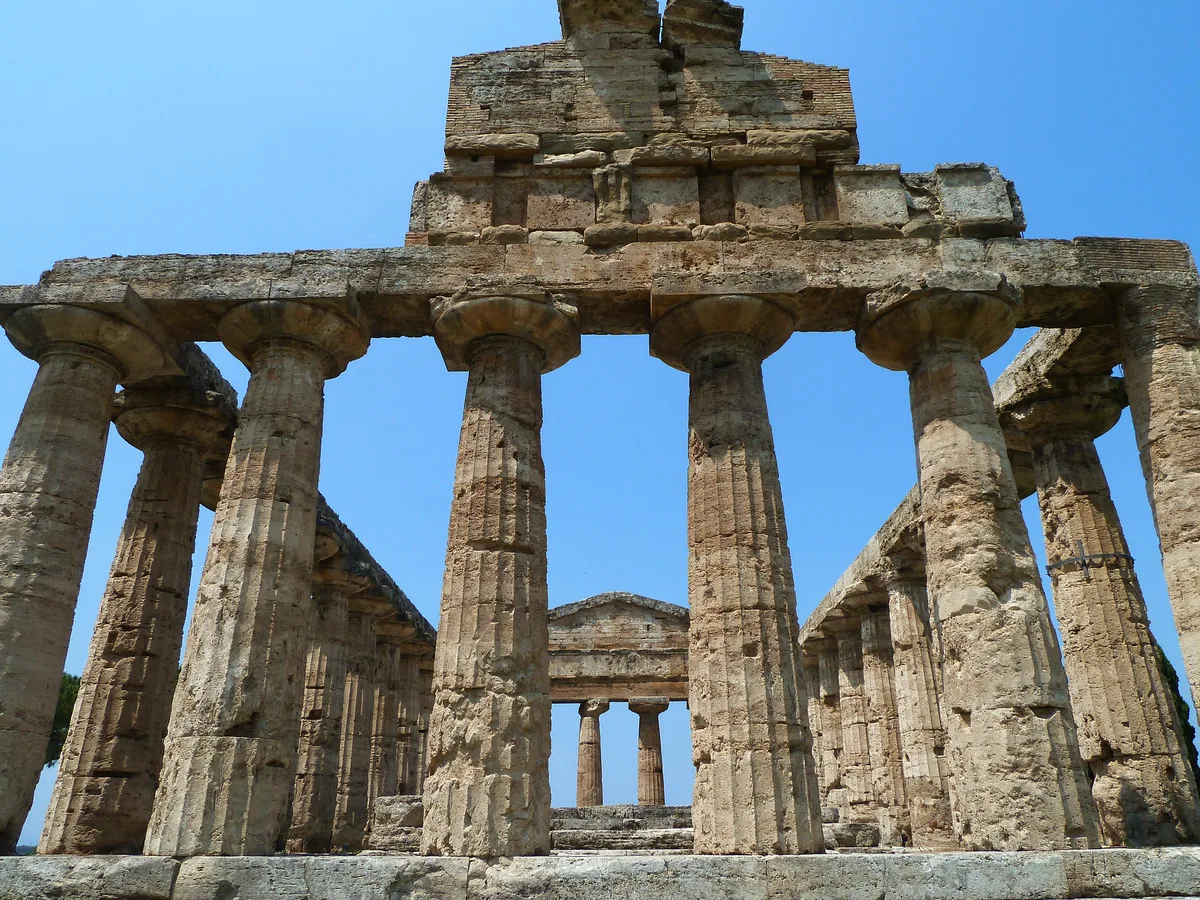
Dating to the 6th century BC, this is the oldest of the three temples. It stands next to the Temple of Neptune in the Southern Sanctuary. Early excavators called it the Basilica, and that name still appears on signs and maps. Its older, heavier look makes a useful contrast with its neighbor. Allow 15 to 20 minutes with the two southern temples together. Visitors who only want one famous profile can treat this stop as optional.
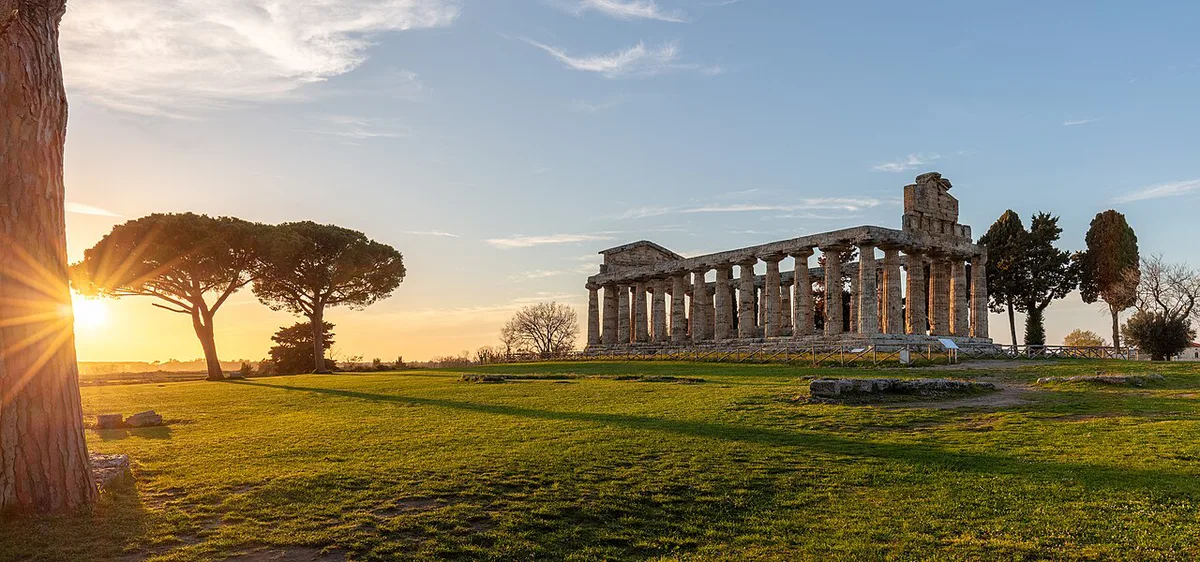
3. Temple of Athena, known as Ceres
This temple also dates to the 6th century BC and stands in the Northern Sanctuary. Older guides call it the Temple of Ceres, but it was dedicated to Athena. In medieval times it was turned into a church. Three Christian tombs lean against its outer wall, which makes it the one temple with a visible later chapter. It is a short walk north from the southern pair across the site. Travelers short on energy can skip the walk and still see the main temples.
4. Archaeological Museum and the Tomb of the Diver
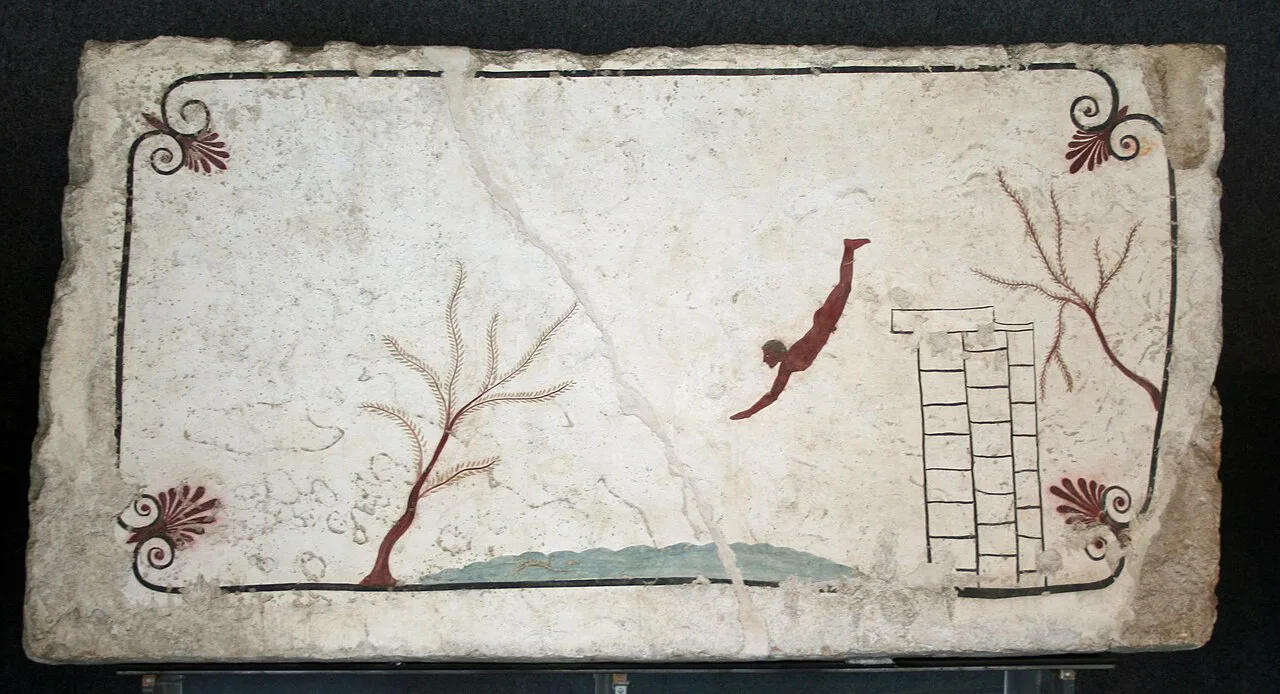
The national museum stands in front of the temples on Via Magna Grecia. Its headline exhibit is the frescoed Tomb of the Diver, painted around 480 BC. It also holds finds from the city's Greek and Roman centuries, so it explains what you just walked past. Read our Paestum Museum guide before you go.
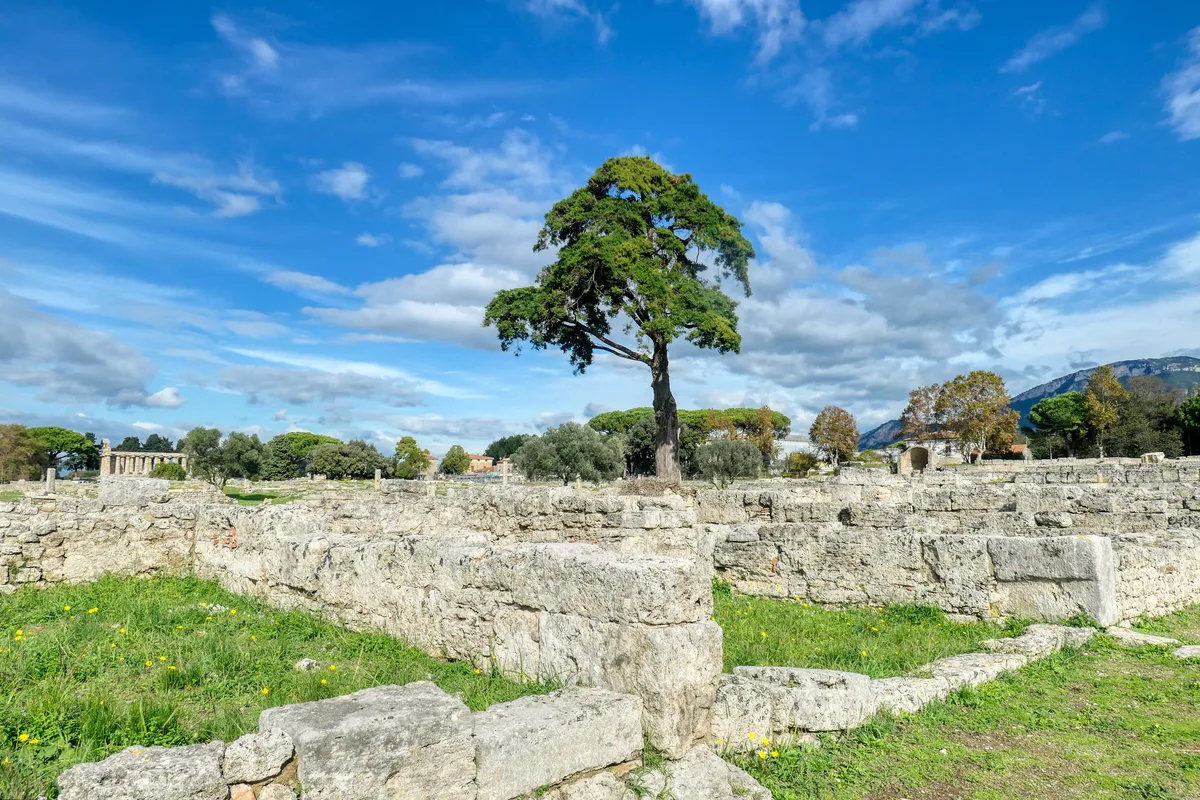
A published listing gives opening hours of 08:30 to 18:45. Visit after the temples if you are short on time, since the museum works as a rainy-day backup. Skip it only if you have under two hours and want to prioritize the outdoor ruins.
5. Roman forum and amphitheatre
Roman Paestum began in 273 BC and its forum sits in the central part of the site. You see extensive foundations of public and private buildings rather than standing walls. A small Roman amphitheatre lies in the northwest. Only its southern half is visible today. This stop rewards readers who like reading a street plan from low stones. Skip it if foundations bore you, because it has none of the drama of the temples.
6. City walls
The Greeks built the surrounding walls, and the Lucanians and Romans later strengthened them. A published listing gives a length of about 5 km, and large stretches are substantially preserved. Outside the walls, a necropolis was found. Much of the wider city has not been excavated. Walk a short section for scale rather than trying the whole circuit. The full loop adds heat and distance for little extra payoff.
How long to spend at Paestum
Two hours covers the three temples at a steady pace. Half a day adds the museum and the Roman area. A full day suits readers who want to linger, add a long lunch or combine the site with the nearby coast. Use this table to match your time.
Give the southern pair 15 to 20 minutes together, then leave the rest of a two-hour visit for the walk north to Athena.
| Visit length | Prioritize | Leave out |
|---|---|---|
| 2 hours | Temple of Neptune, Temple of Hera, Temple of Athena | Museum, amphitheatre, walls |
| Half day | Three temples, then the museum and Tomb of the Diver | Long walk along the walls |
| Full day | Temples, museum, forum, amphitheatre, wall stretch, slow lunch | Nothing; add a nearby beach or farm stop |
Paestum tickets, hours and costs
A published local listing gives €10 for the museum plus the ruins, and €11 for a combined ticket that adds Velia, valid for 3 days. The same listing says EU citizens under 18 and over 65 enter free, with a 50% discount from 18 to 25. It also reports closures on the 1st and 3rd Monday of each month. Confirm every figure on the park site before you travel, since rates and closure rules change. Museum and ruins are listed together in that price, but check whether your ticket covers both. For purchase options, see our Paestum tickets guide.
Closures fall on the 1st and 3rd Monday of each month, so check your date before planning a Monday trip from Naples.
Getting to Paestum from Naples, Salerno and the Amalfi Coast
Your best route depends on where you start. Rail and bus services run toward Paestum from the main hubs, and a car gives the most flexibility on site timing. Whatever you choose, work backward from the last return departure, not the first outbound one. Check timetables with Trenitalia or the regional bus operator before you commit.
| Starting point | Main options | Trade-off |
|---|---|---|
| Naples | Train, bus, organized tour | Longest day; a tour removes planning but fixes your hours |
| Salerno | Train or bus | Closest major hub; the easiest base for independent visitors |
| Amalfi Coast | Bus to Salerno, then onward; or a car or driver | Most connections; the return leg needs the closest checking |
- From Naples
- Read our Paestum from Naples guide for route options.
- From Salerno
- Use our Paestum from Salerno guide for the shortest link.
- From the Amalfi Coast
- Our Paestum from the Amalfi Coast guide covers the late-return risks.
Best time to visit Paestum
The site is open and exposed, so summer midday heat is the main problem. Arrive at the 08:30 opening in hot months and keep the museum for the warmest hours. Spring and autumn give softer light on the travertine and easier walking. Shoulder seasons also tend to be quieter. Bring water and a hat in any season, since shade is scarce among the temples. A published listing gives a closing time of 18:45, so late-afternoon light is possible but short in winter. Check seasonal hours on the official site.
Where to stay near Paestum
You have three practical choices. Staying in Paestum or Capaccio puts you close to the temples and lets you arrive at opening time. Salerno costs more in transit time but gives you better evening dining and the strongest rail links. Naples works if Paestum is one stop on a longer trip, though it makes for the longest day. The Campania tourism office lists regional lodging and transport information. Pick the base by transport, not by price alone.
Is Paestum worth it?
Yes, if you want to stand beside Greek temples that are still largely standing. Our Is Paestum worth it guide gives the full verdict. As a rule, go when you have half a day and an interest in ancient architecture.
- Skip it if
- You have only a few hours in Naples and want Pompeii-style variety.
- You dislike open, sun-exposed sites with little shade.
- You cannot fit a return journey before the last train or bus.
Paestum and other Greek or Roman sites
Paestum pairs well with Velia, the ancient Elea, if you want a second Greek stop on the Cilento coast. Our Velia guide explains what it adds. For a Roman amphitheatre instead, see the Capua Amphitheatre (Santa Maria Capua Vetere): Visit Guide page. Readers comparing wider options can browse our Greek Temples in Italy: Paestum and Where to Go overview. Paestum is the stronger pick for standing temples; the others add a different era or setting.
Paestum was founded by Greek colonists, as were the great temple sites of Sicily; see our guide to Greek ruins in Sicily for Segesta and Selinunte.
Paestum also leads our roundup of Greek ruins outside Greece.
Frequently Asked Questions
Why is Paestum so well preserved?
After the Roman Empire fell, the river and harbor silted up and the area turned marshy. The inhabitants abandoned the city and its traces were lost. It was rediscovered in the 1700s, which kept the temples largely intact.
Is Paestum older than the Parthenon?
Yes, in part. The Temple of Hera dates to the 6th century BC, while the Parthenon dates to the 5th century BC. The Temple of Neptune is a 5th-century BC building.
Explore More Guides
Keep planning your trip with these guides.
Guides
- Paestum from Naples: Train, Bus, Car or Tour
- Paestum From Salerno: Train, Bus & Day Trip Guide
- Paestum from Amalfi
- Paestum Tickets: Prices, What's Included & How to Buy
- Temple of Neptune, Paestum
- Paestum Museum: Tomb of the Diver, Tickets & Visit Tips
- Velia (Elea)
- Capua Amphitheatre (Santa Maria Capua Vetere)
- Is Paestum Worth Visiting? Honest Verdict and Trade-Offs
- Greek Temples in Italy: Paestum and Where to Go
Related guides

Continue reading
Guides on the same trip