6 Ways to Visit Pont du Gard: Costs, Parking and Swimming
Last updated November 2026: Pont du Gard is a Roman aqueduct bridge over the Gardon, about 21 km from Avignon and 27 km from Nîmes. Walking up to it is free, while parking at €9 a day, the discovery area and the guided tour are paid extras. We'd plan anywhere from one hour to a full day, depending on whether you want the museum, a swim or the Nîmes monuments.
Featured image: Benh LIEU SONG (Flickr), CC BY-SA 3.0, via Wikimedia Commons.
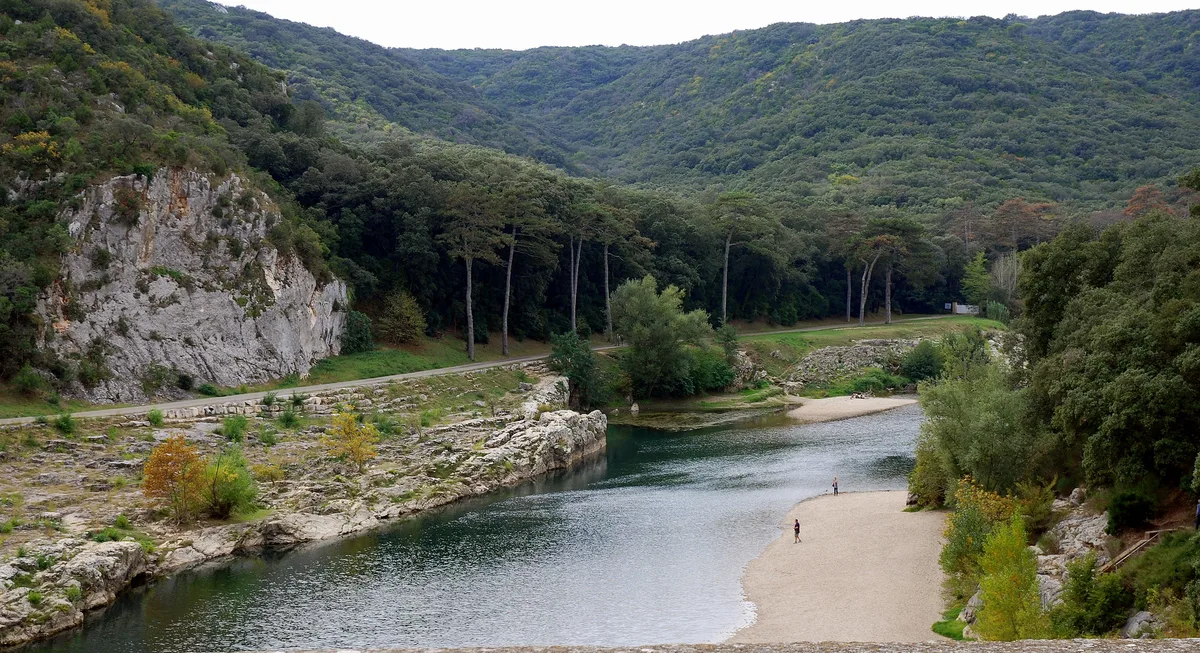
Is Pont du Gard worth visiting?
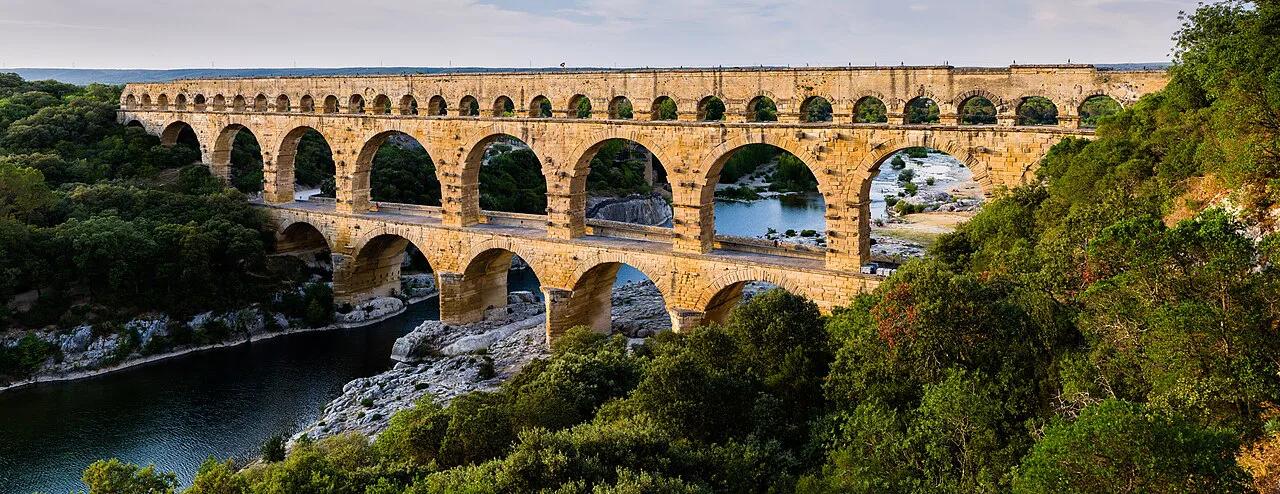
Yes, if you like big, intact Roman engineering set in a river gorge. UNESCO inscribed the site in 1985, and the structure still reads clearly as three stacked tiers of arches. Our pick for most visitors is the free walk plus a swim in summer. Travelers short on time, or with no interest in museums, can skip the paid discovery area without missing the bridge itself. Anyone expecting a rail link should rethink, because buses and cars are the realistic options.
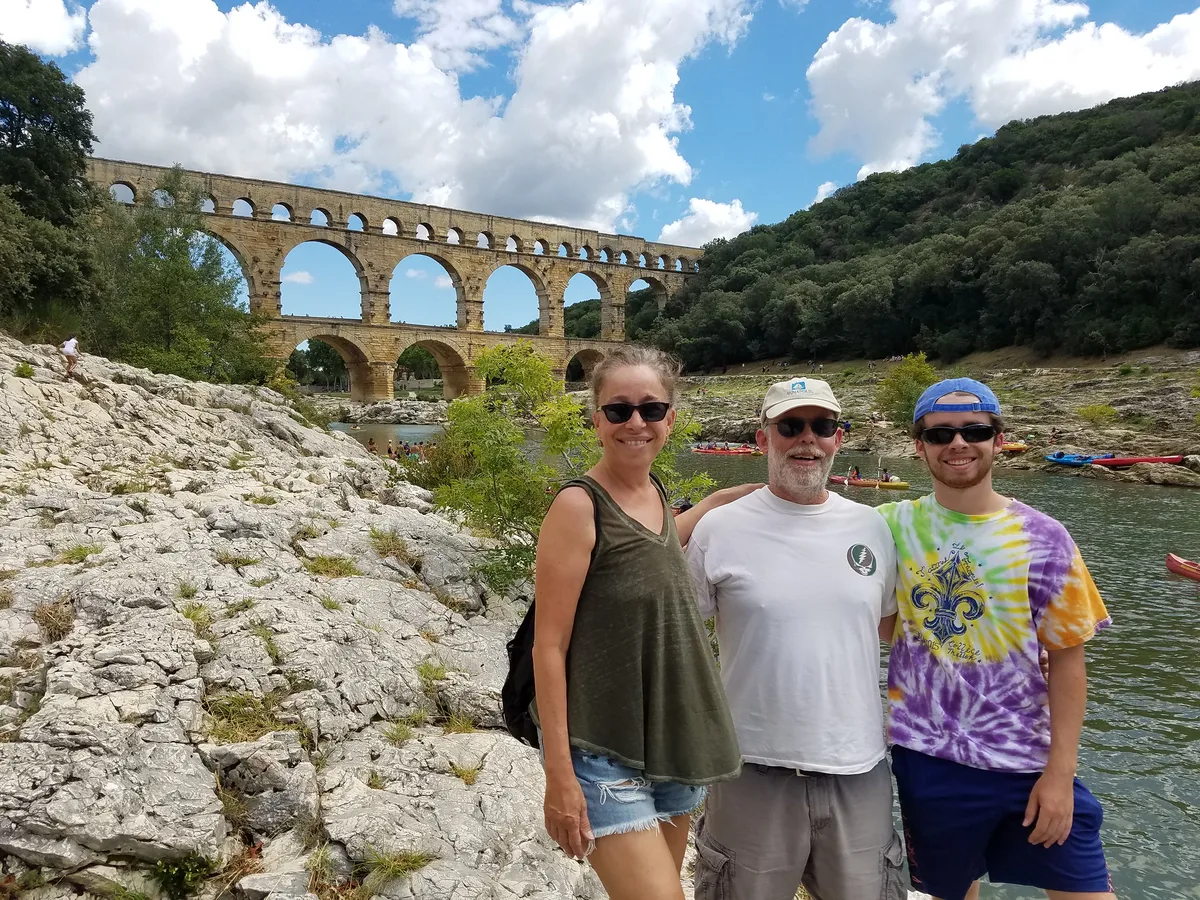
What you're looking at
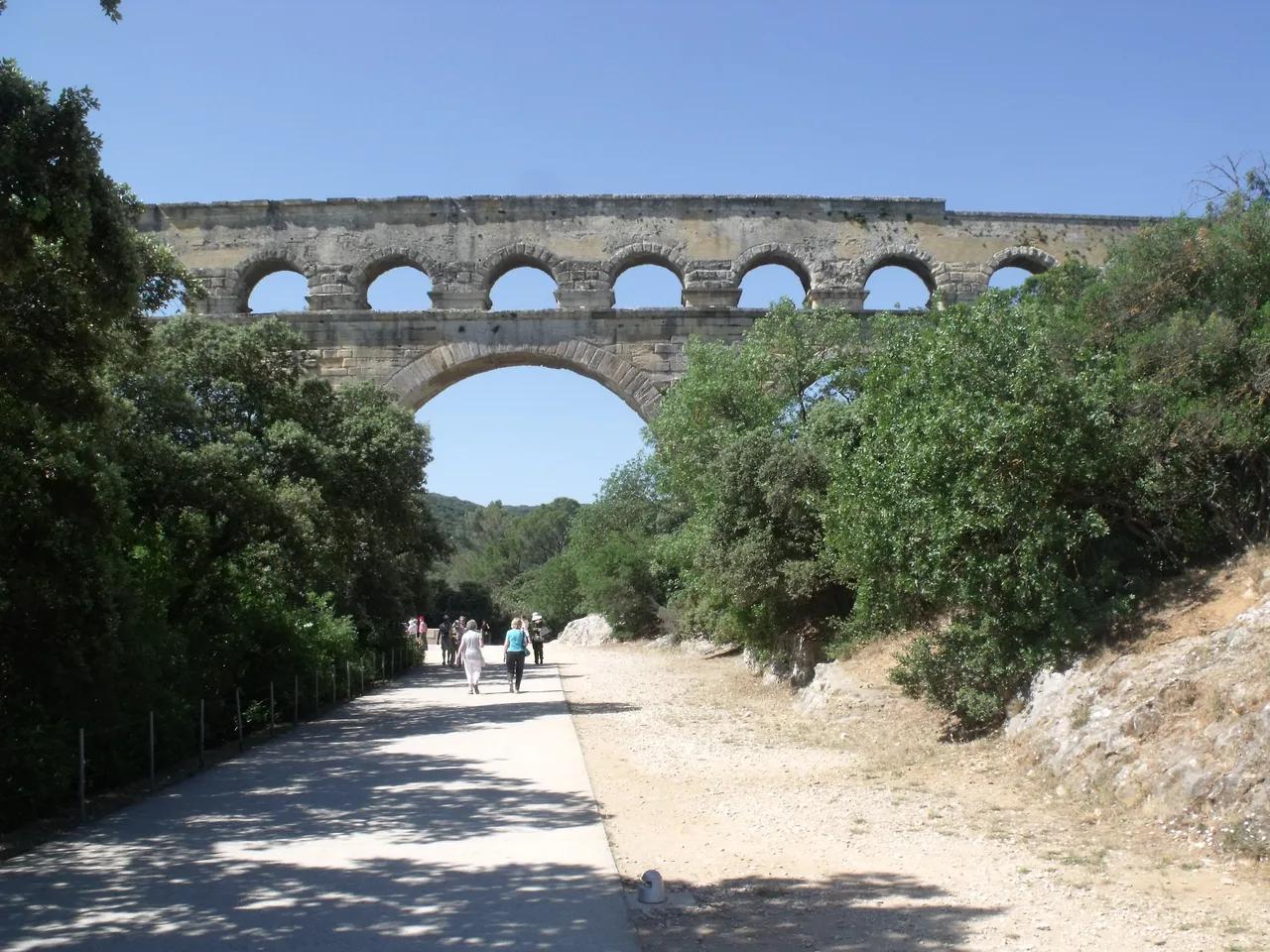
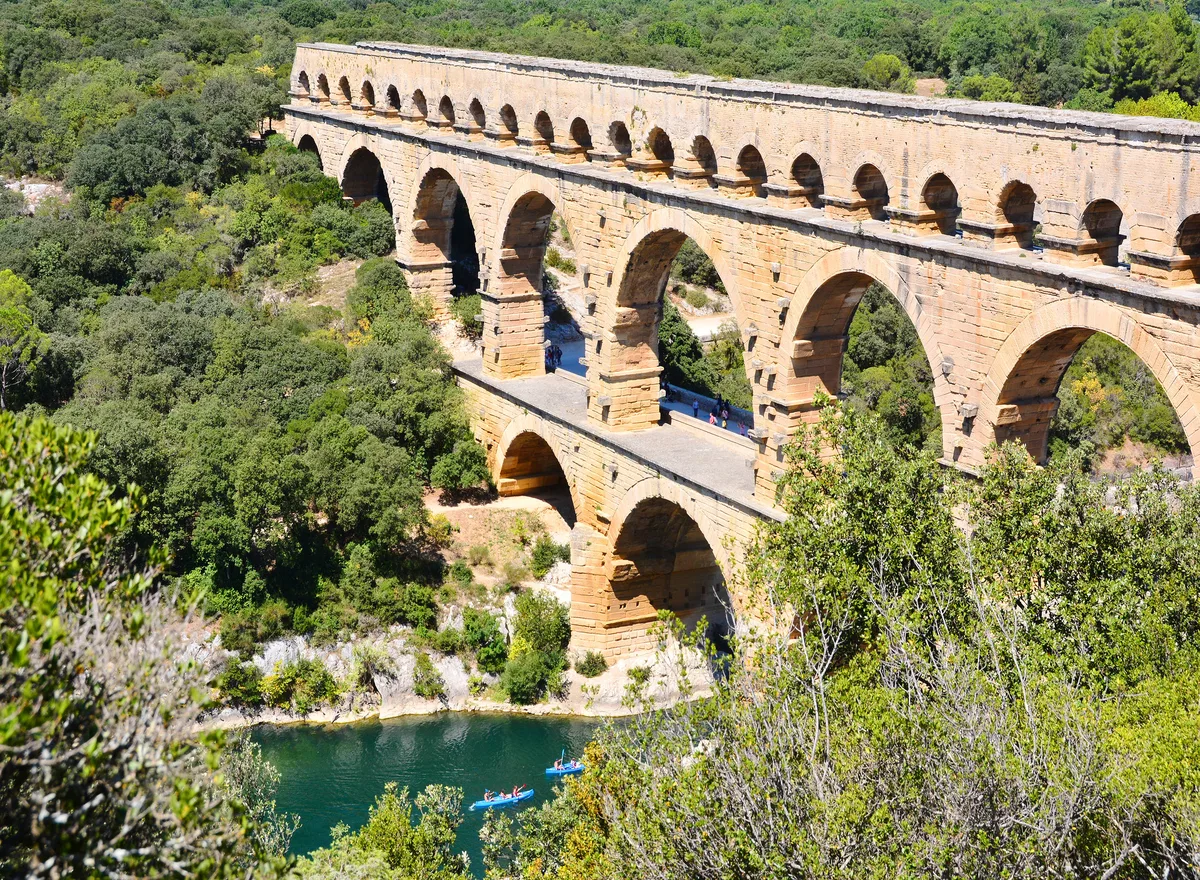
Pont du Gard is about 48 m high and 273 m long, and it carries three tiers of arches across the Gardon. Sources differ slightly on the height, so treat 48 m as approximate. It formed one section of a roughly 50 km aqueduct that brought water from a spring near Uzès to Nemausus, today's Nîmes. Roman builders dated it to around the 1st century AD. The official Pont du Gard site publishes the current visitor details, events calendar and opening calendar.
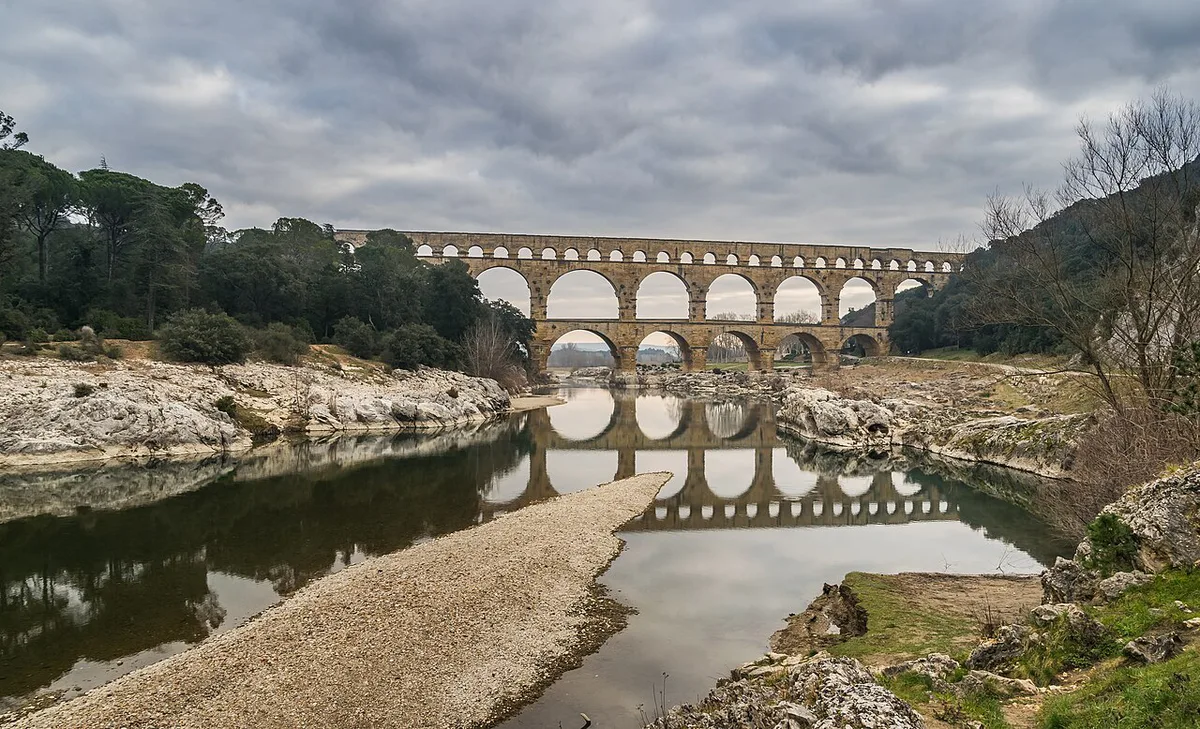
The aqueduct supplied Roman Nîmes, one of several Roman towns in the south of France covered in our guide to Roman ruins in France.
The Pont du Gard is the best known of Europe's surviving Roman aqueducts.
6 Ways to Experience Pont du Gard
Prices below come from operator listings dated July 2024, so check the official site for current 2026 rates. Hours and prices are the figures we could source; swimming and tour rules can change by season.
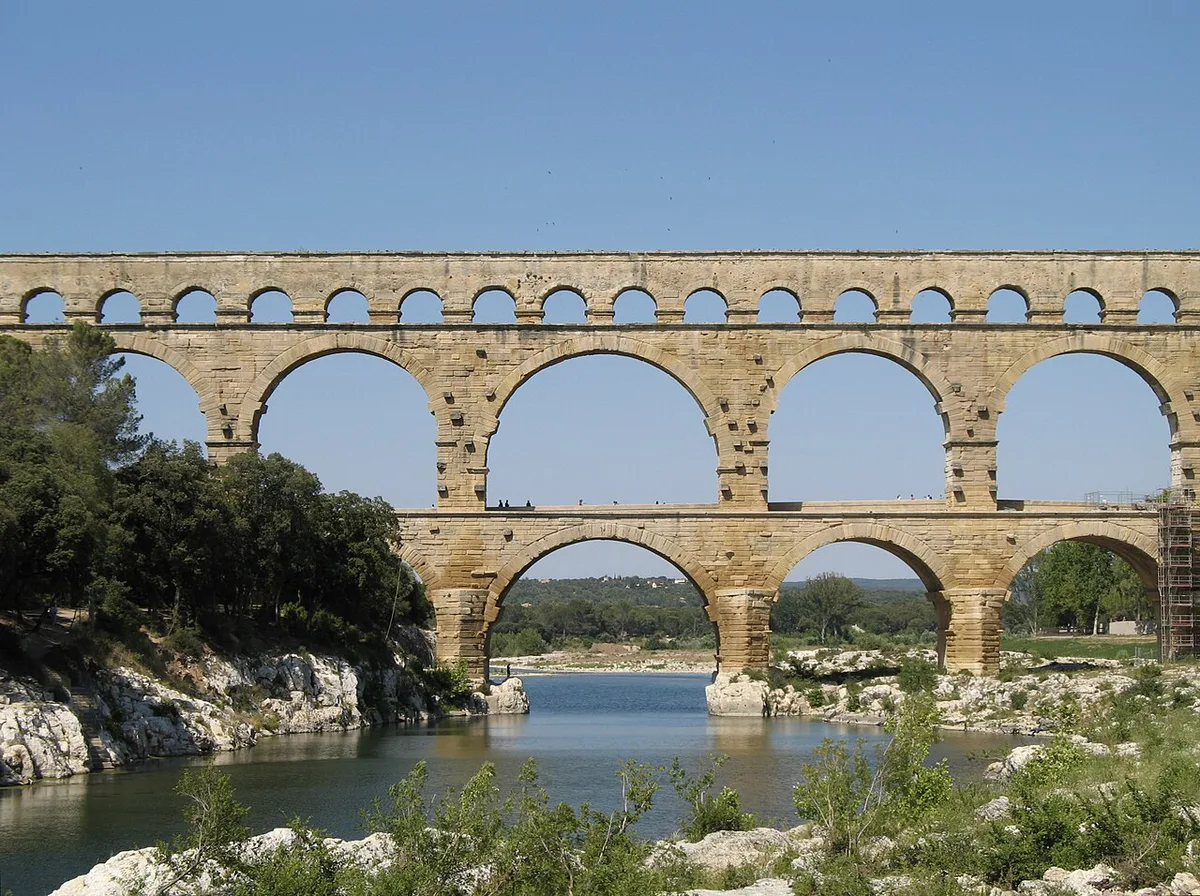
1. Walk the bridge and the riverbanks
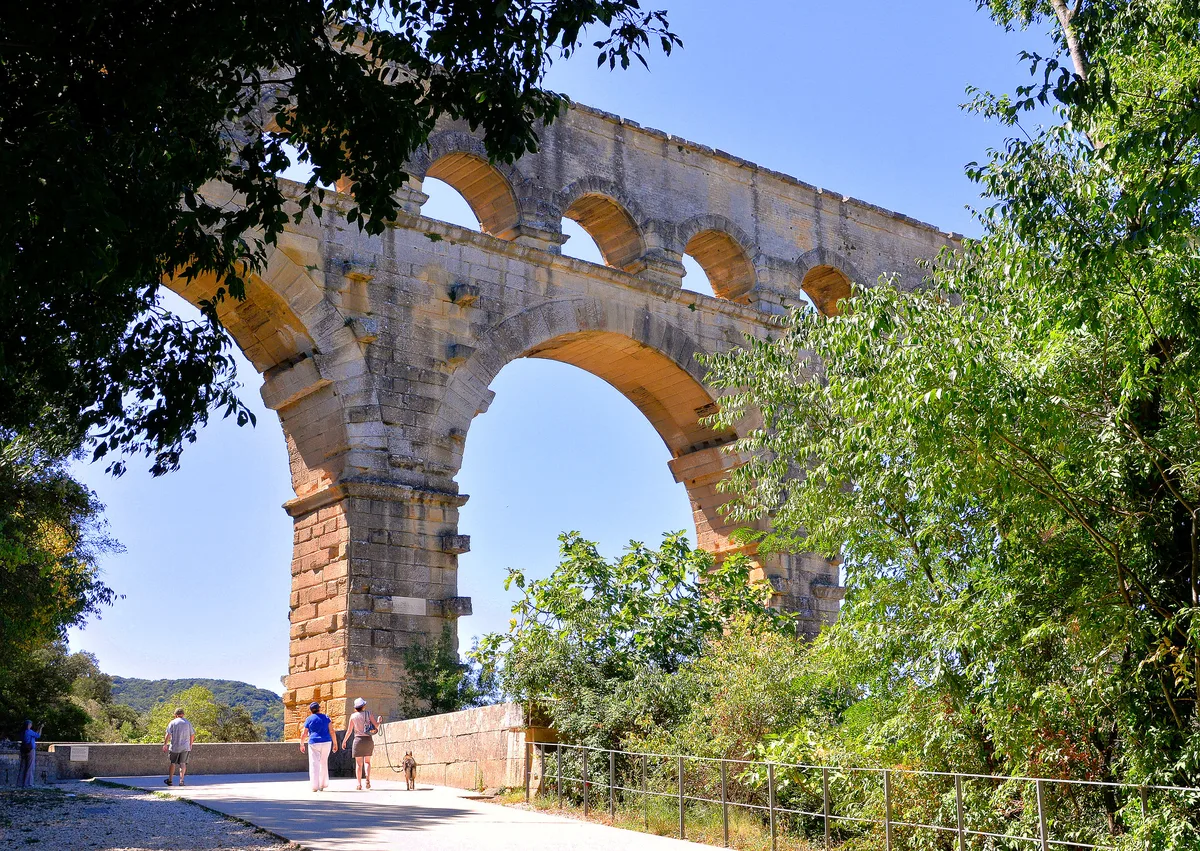
Site access is free, and the site is open daily from 8am to midnight. Cross the bridge, then follow the Gardon's banks for the best views of all three tiers. The Aqueduct Trail adds a 3.5 km walk with views back toward the monument.
Early morning and evening give you softer light and fewer people than midday. Skip the long trail in midsummer heat, because shade along the rocky paths is limited.
2. Visit the discovery area
This paid area holds a museum, a cinema, a games library and temporary exhibitions. It explains how the aqueduct was built and why Nîmes needed it. Entry is €6.50 at full price and €5 with a concession, and under-18s and students enter free.
It closes on Monday mornings, on 25 December and on 1 January. We'd skip it if you have under two hours and only want the monument itself.
3. Take the guided tour
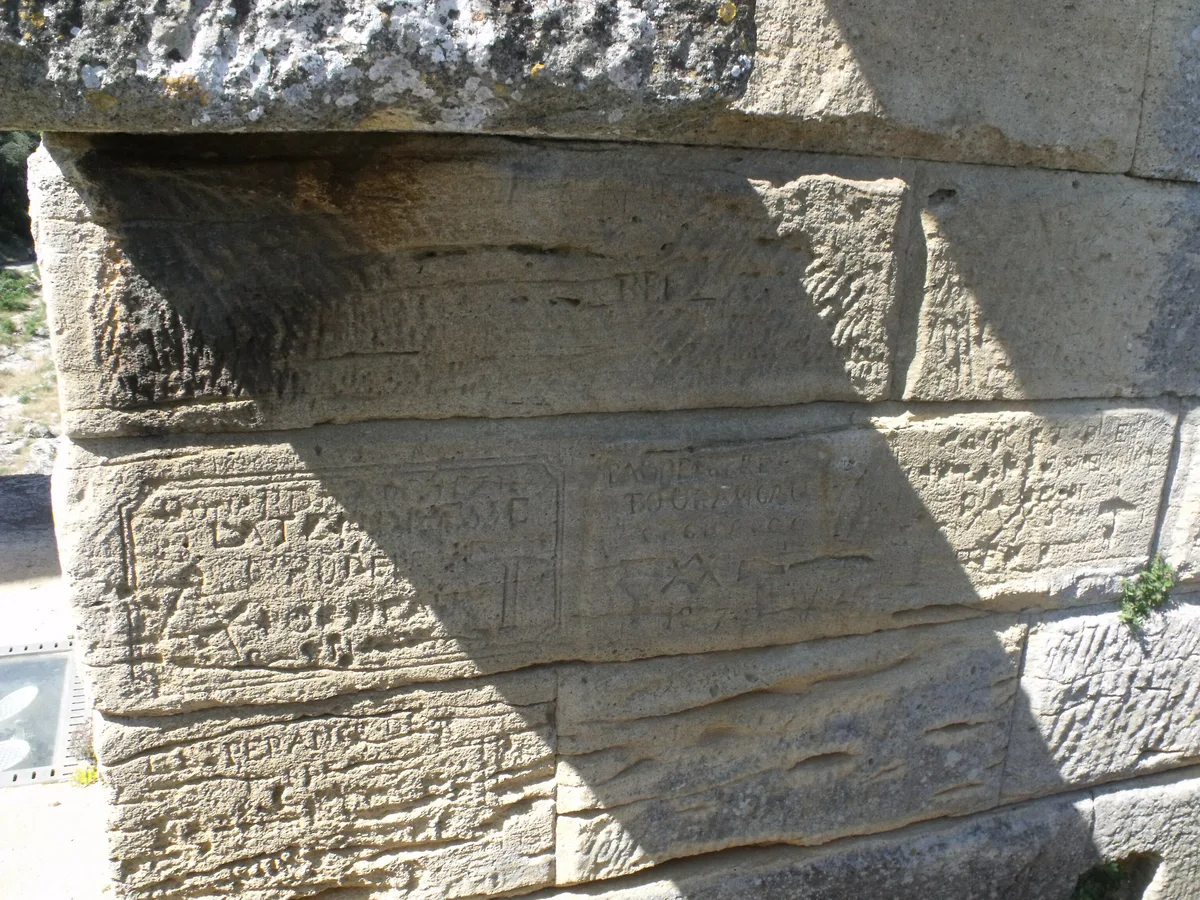
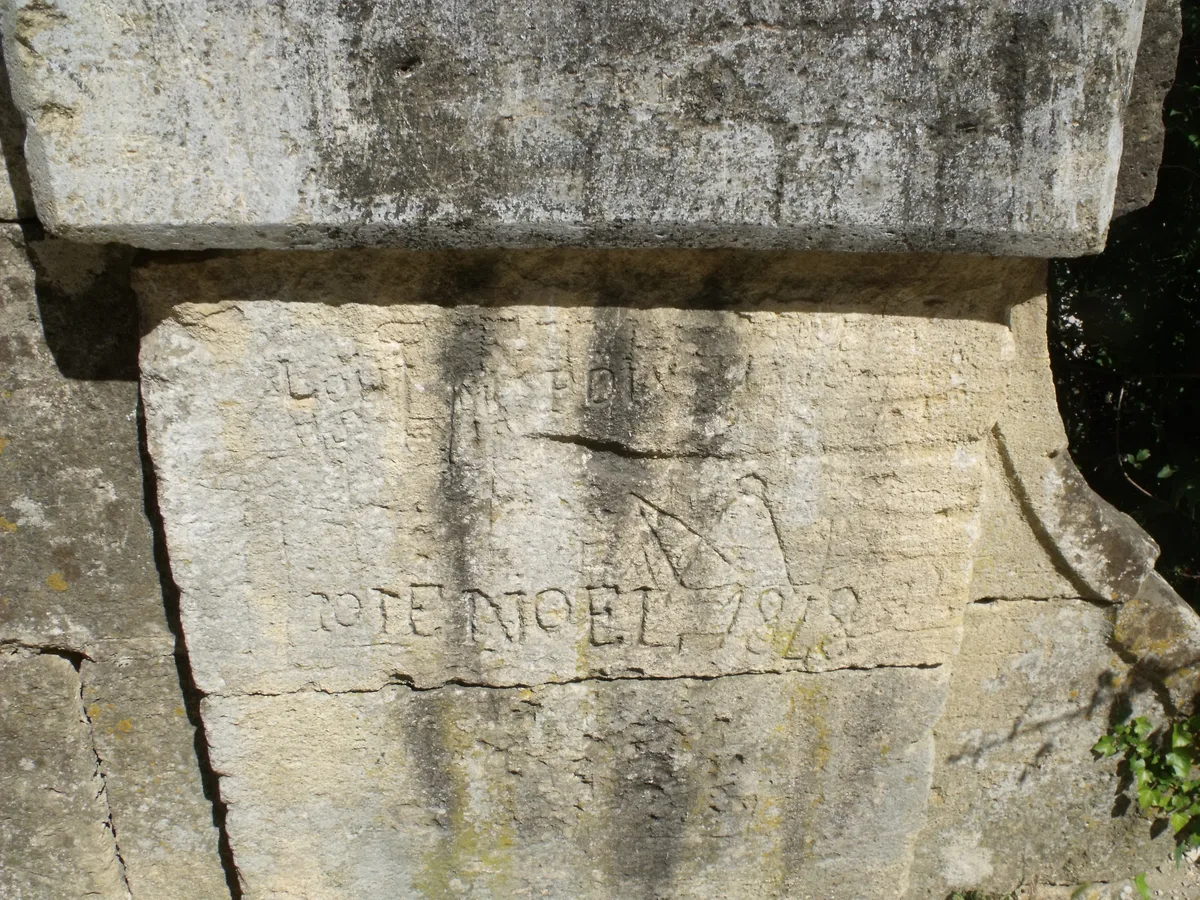
Guided tours cost €15 at full price, €13 reduced and €6 for under-18s, and children under 4 go free. Only the tour reaches the upper channel, and places are limited. Guides also point out tool marks and signs that workers carved into the stones.
Book ahead in busy months so you are not turned away. Skip it if the view from the river is enough for you.
4. Swim in the Gardon
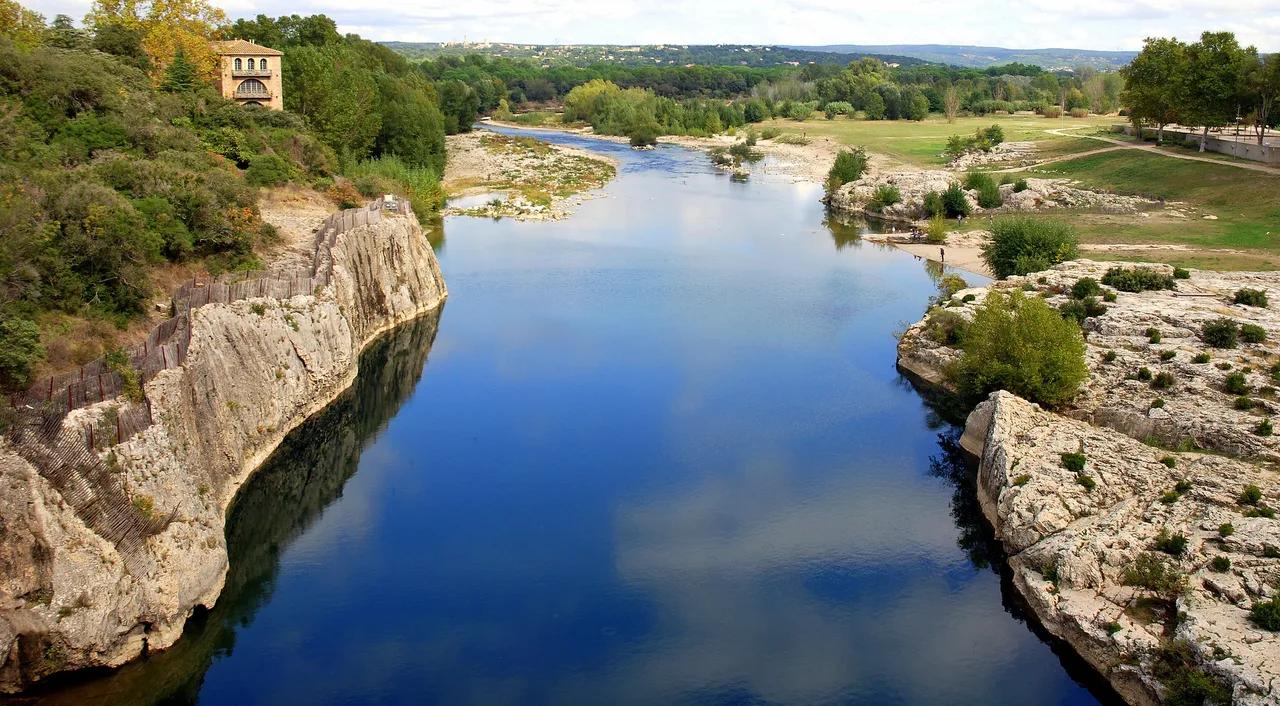
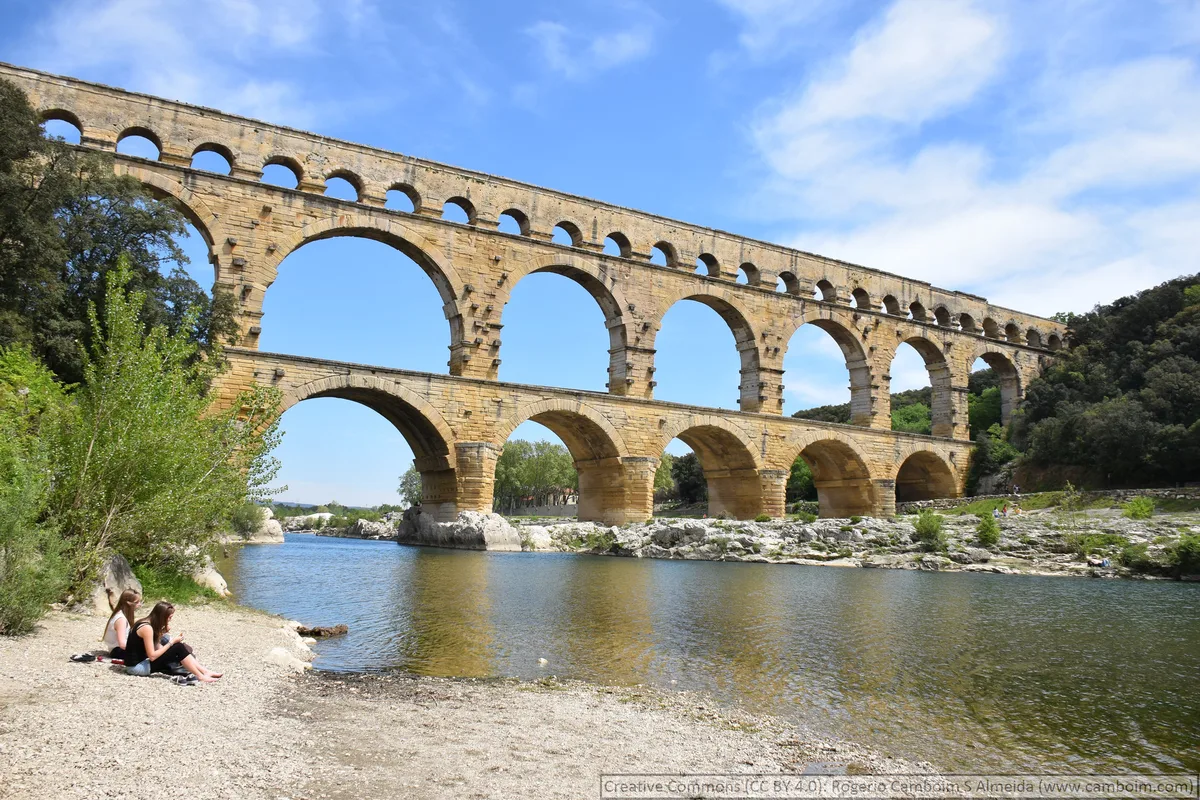
The cool river water is the main summer draw, especially in high season. Pack a swimsuit and expect crowds on hot afternoons. Rules on where you may swim can change, so read where swimming is allowed before you go.
Late morning or early evening is calmer than the 2pm peak. Skip it if you only have an hour or cannot walk down to the water.
5. Paddle under the arches
A kayak trip lets you see the monument from the river, which is a different angle from the footpaths. Our pick for confident paddlers is a summer morning, before the crowds arrive.
Operators and routes are covered in our guide to kayak trips under the arches. Skip it if you dislike busy water or want to keep the day cheap.
6. Add the Roman sites of Nîmes
The aqueduct supplied Nemausus, so the city is the logical second stop. Start with the overview of Roman monuments in Nîmes. Then see the Nîmes Roman arena for the amphitheater.
The temple known as the Maison Carrée is the other headline monument. Climb the Tour Magne tower for a city view. A combined Roman pass may cover several entries, and the Nîmes tourist office lists current options.
Pont du Gard costs: what's free and what's paid
Reaching the monument costs nothing, but parking is €9 per day in the listings we found. The discovery area starts at €6.50, and guided tours start at €6 for under-18s and rise to €15. For ticket choices and booking, see our ticket options guide.
| Item | Price (July 2024 listing) |
|---|---|
| Site access | Free |
| Parking | €9 per day |
| Discovery area, full / concession | €6.50 / €5 |
| Guided tour, full / reduced / under 18 | €15 / €13 / €6 |
How to get to Pont du Gard
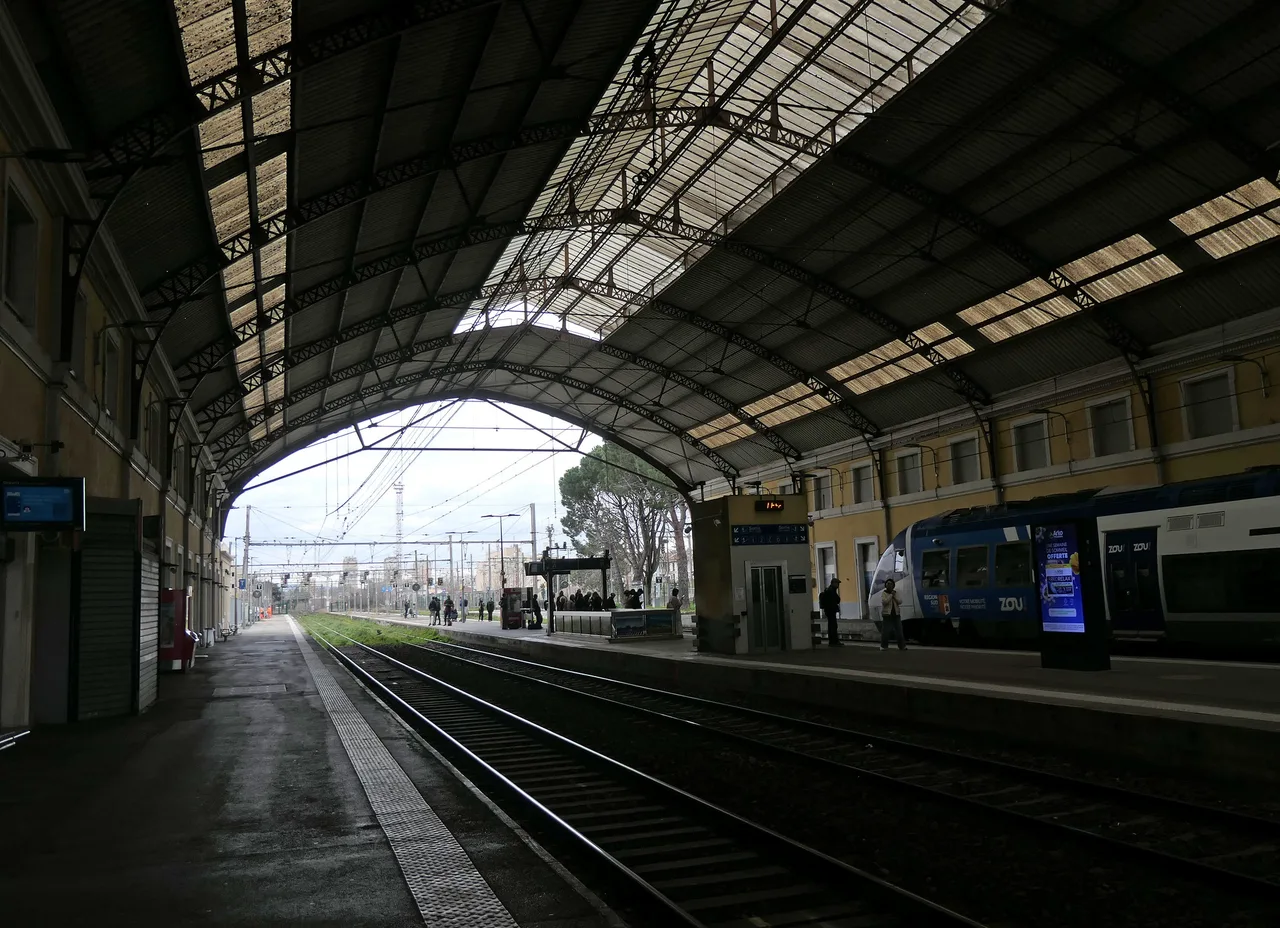
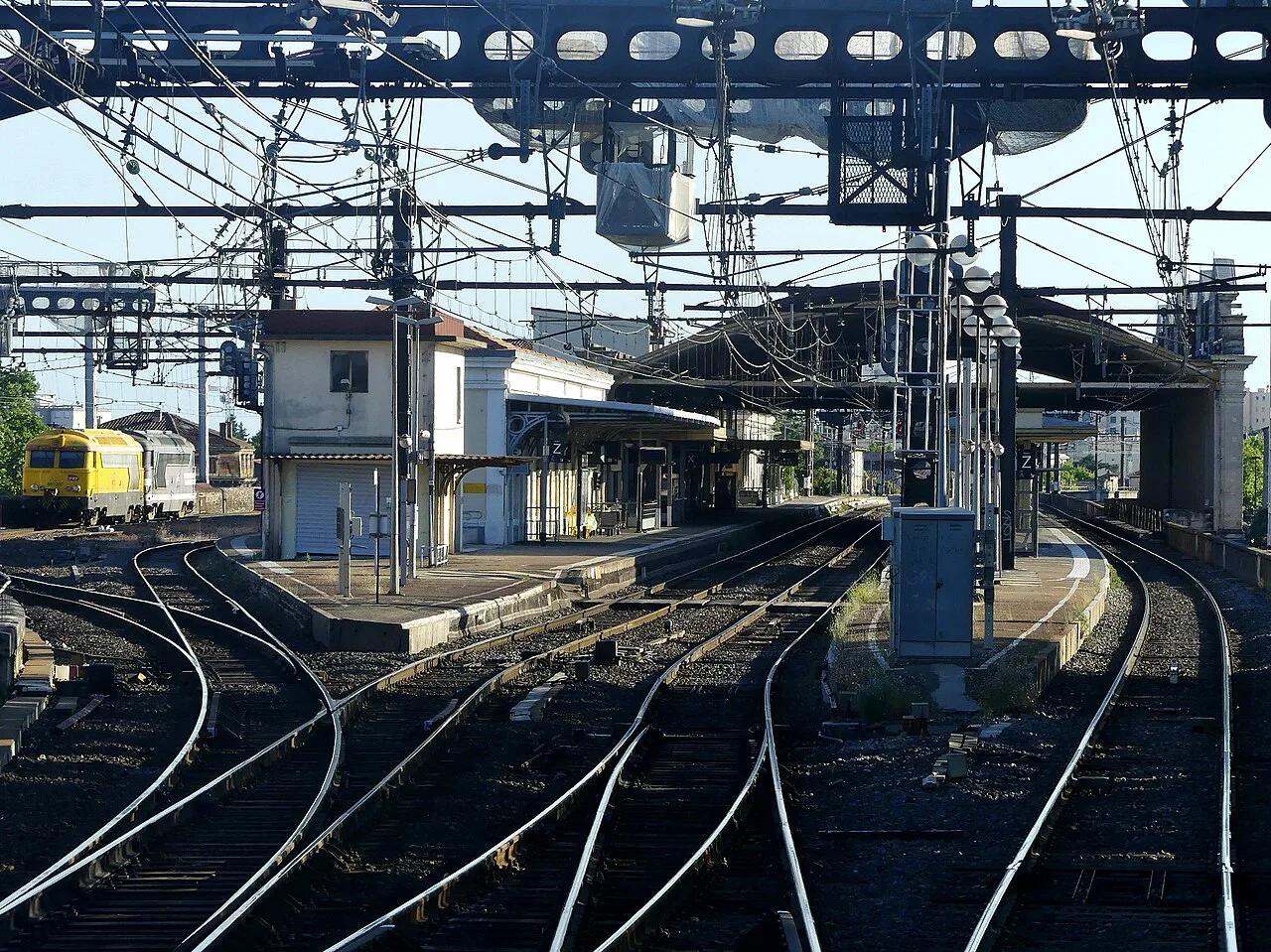
There is no rail link, so you need a car or a bus. By car, take the A9 to exit 23 toward Uzès, then follow the left-bank or right-bank signs. Buses serve the site as route 115 from Avignon and Alès and route 121 from Nîmes, so confirm the seasonal timetable. For step-by-step journeys, read about reaching it from Nîmes. Our separate guide covers the trip from Avignon. Local information is also on the Avignon tourist office site.
| Origin | Distance | Options |
|---|---|---|
| Nîmes | 27 km | Car, or bus route 121 |
| Avignon | 21 km | Car, or bus route 115 |
| Alès | Not listed | Bus route 115 |
How long to stay at Pont du Gard
One source suggests 2 to 3 hours, while another recommends half a day. We'd split it by visit type, as the table shows.
If you add the paid discovery area, plan beyond the 2 to 3 hours that one source suggests.
| Time | Plan |
|---|---|
| 1 hour | Walk the bridge and take photos from the riverbank |
| Half a day | Add the discovery area, the 3.5 km Aqueduct Trail or a guided tour |
| Full day | Add a swim or kayak, then a late stay for evening light |
Best time to visit Pont du Gard
April to June and September to October bring milder weather and fewer people than summer. July is the swimming season, but the heat and crowds peak then. The site stays open until midnight, and summer evenings may include a sound-and-light show, so check the official calendar for dates.
Mistakes to avoid at Pont du Gard
Arriving at midday in July means heat, full car parks and crowded water. Assuming a train will drop you nearby fails, because only buses 115 and 121 serve the site. Skipping advance booking costs you the upper channel, since guided-tour places are limited. Underestimating the walking and shade on the riverbank trails is the last common error, so carry water.
Sitting about 21 km from Avignon, the site is served by bus route 115, so skip the train search.
Frequently Asked Questions
What type of bridge is the Pont du Gard?
It is an aqueduct bridge with three tiers of stone arches over the Gardon. It was built to carry water toward Nîmes.
What is an aqueduct?
An aqueduct is a built channel that carries water over a distance. This one ran about 50 km from a spring near Uzès to the Roman city of Nemausus.
Can you walk across the Pont du Gard?
Site access is free, and visitors can cross the bridge and walk the riverbanks. Only the guided tour reaches the upper channel.
Is the Pont du Gard still in use?
It no longer supplies water to Nîmes, having done so for about five centuries. Today it is a visitor site open daily from 8am to midnight.
Explore More Guides
Keep planning your trip with these guides.
Guides
- Pont du Gard Tickets: What to Buy, Cost and How to Book
- Pont du Gard from Avignon: How to Get There and Plan the Day
- Pont du Gard from Nîmes
- Pont du Gard Kayak: Canoe Trip from Collias (Routes, Prices)
- Swimming at Pont du Gard: Rules, Where to Swim & Safety
- Sites, Pass and Walking Route
- Arena of Nîmes
- Maison Carrée, Nîmes
- Nîmes City Pass
- Tour Magne, Nîmes
Related guides
Continue reading
Guides on the same trip