

Last updated November 2026: Skara Brae is a Neolithic stone village on the west coast of Orkney's Mainland, occupied from about 3100 BC to 2500 BC. It forms part of the Heart of Neolithic Orkney World Heritage Site, and most visits last 1.5 to 2 hours. You look down into the houses from a walkway, step into one replica house and see the finds in the museum.
Featured image: Bill Henderson, CC BY-SA 2.0, via Wikimedia Commons.
Skara Brae at a Glance
Historic Environment Scotland manages the site, which sits beside Skaill House on the Bay of Skaill. Plan on 1.5 to 2 hours, museum included. Entry costs and booking rules are covered in our ticket and booking guide.
| Fact | Detail |
|---|---|
| Location | West coast of Orkney's Mainland, on the Bay of Skaill |
| Age | Occupied from about 3100 BC to 2500 BC |
| Houses | Eight stone houses linked by covered passages |
| Status | Part of the Heart of Neolithic Orkney World Heritage Site, inscribed 1999 |
| Manager | Historic Environment Scotland |
| Typical visit | 1.5 to 2 hours including the museum |
| Best tip | Book ahead in peak summer and dress for wind |
6 Things to See at Skara Brae
Prices and hours checked November 2026 against official listings. Every item below sits on one compact site, so you can see all six in a single visit.
1. Stone dressers facing each door
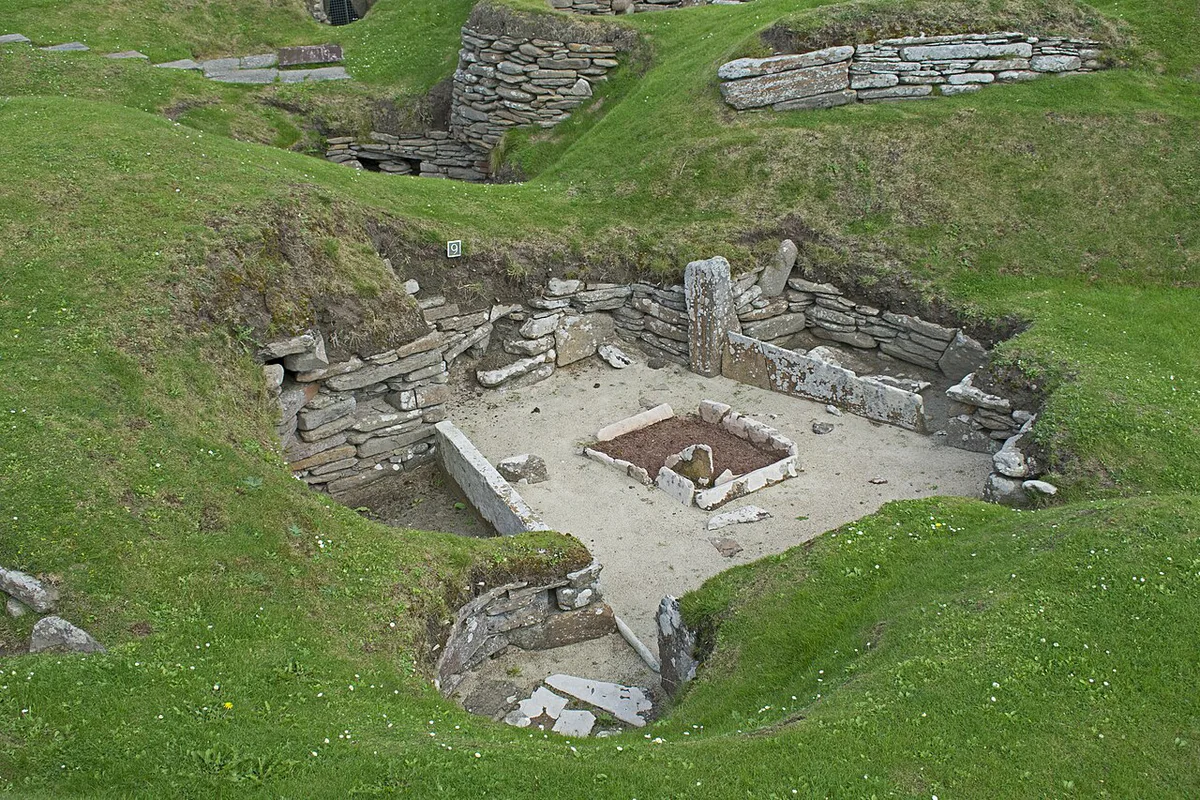
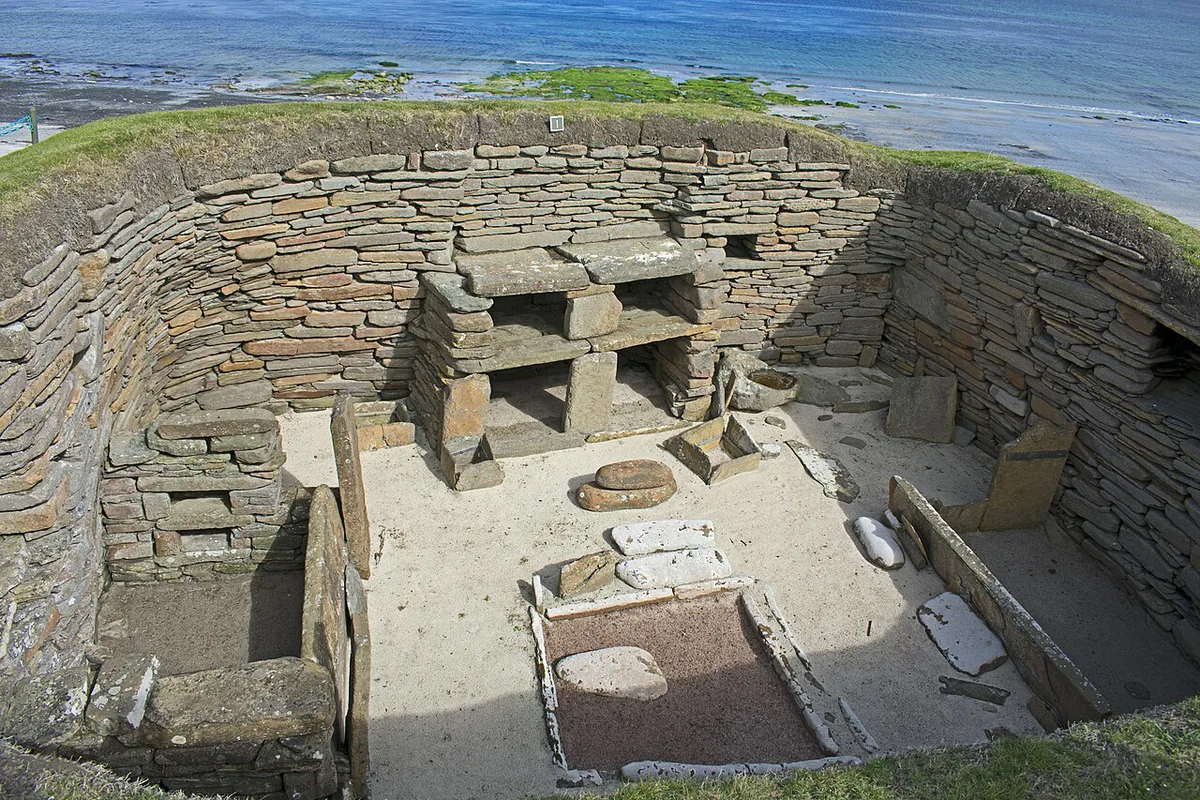
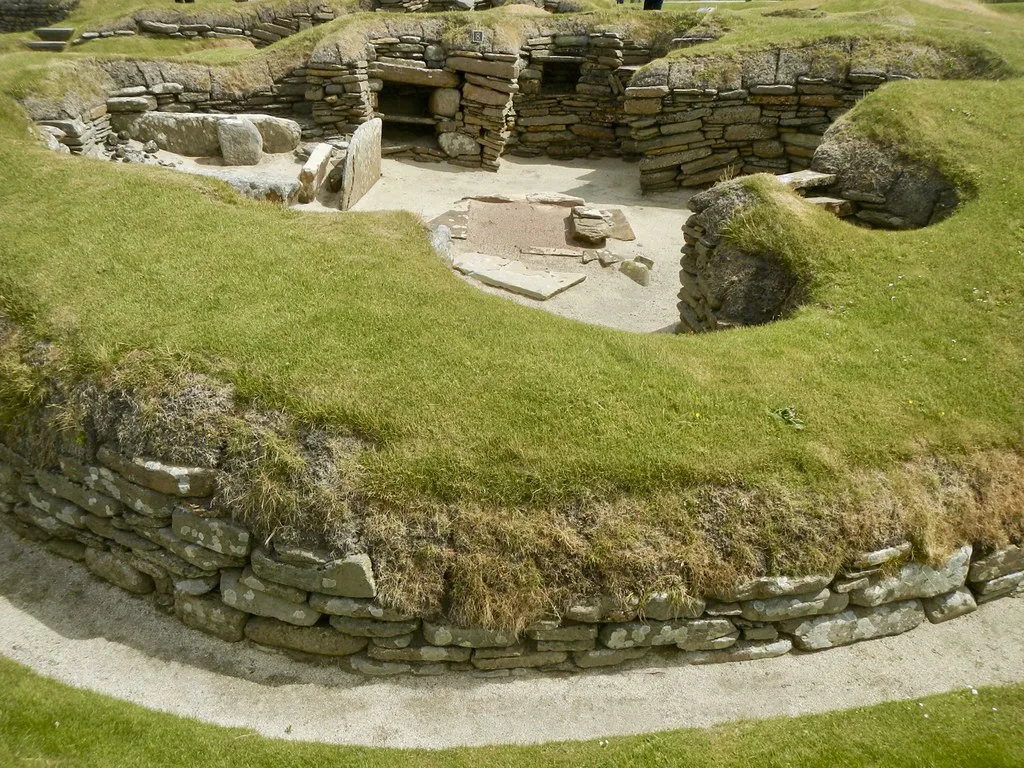
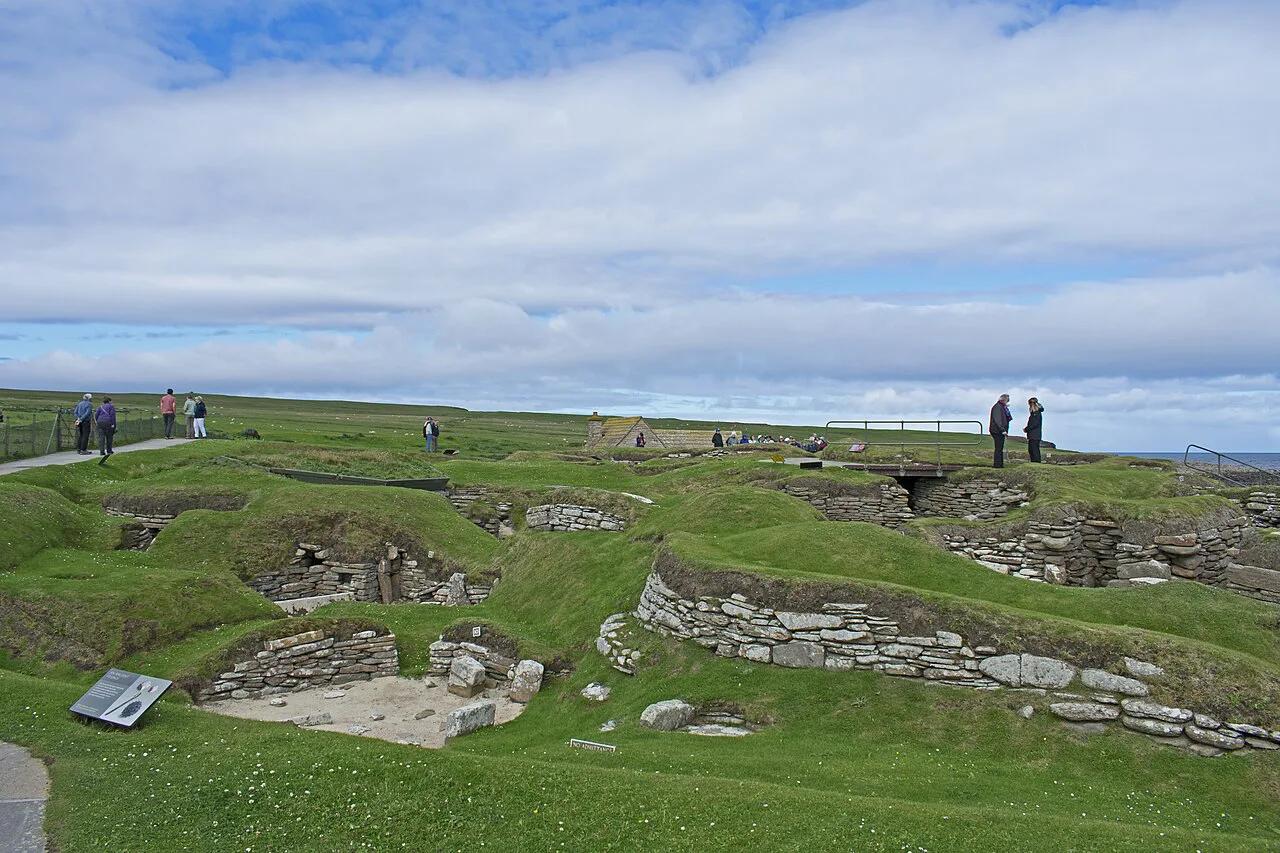
Every house has a stone dresser on the far wall, directly opposite the entrance. It was probably where a family displayed its prized objects. Stone survived where timber would have rotted, so the dressers still stand after roughly 5,000 years.
Orkney has few trees, which is why the villagers built furniture from the flat slabs around them. Compare the dressers from house to house as you walk the path, because the layout repeats across all eight homes. Skip the detailed comparison if you are short on time; two or three houses show the pattern.
2. Box beds and central hearths
Each house is a single room with about 40 sq m of floor space. A hearth sits in the middle, with a stone box bed on either side. The beds were probably filled with heather and animal skins.
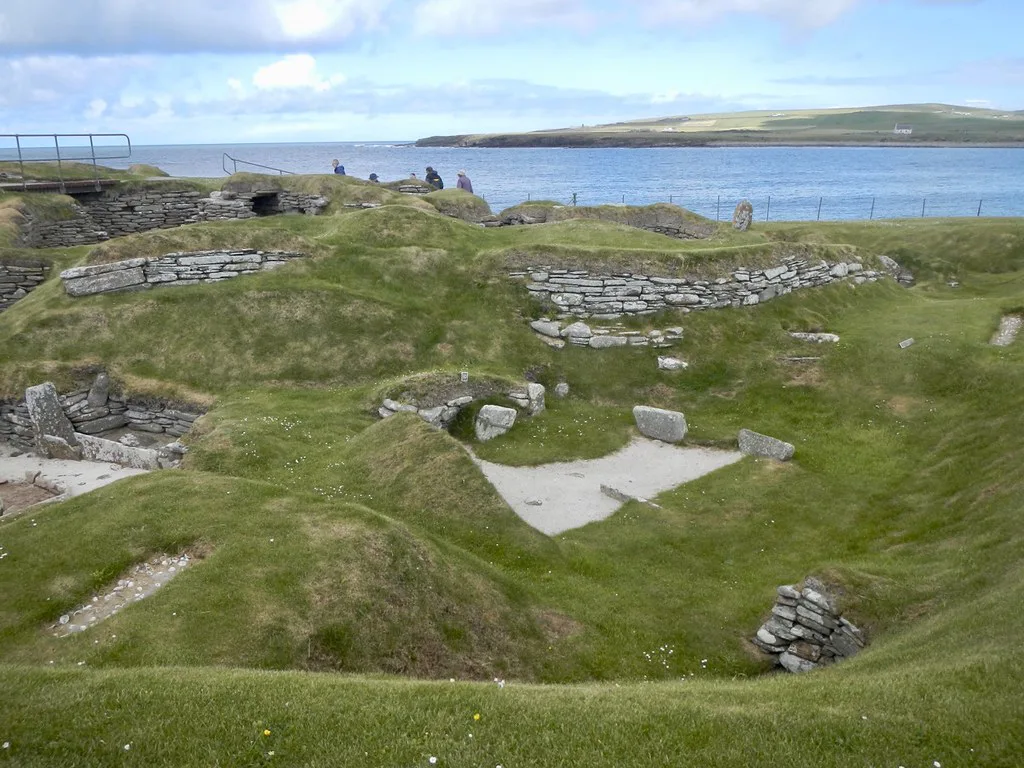
Small tanks set into some floors may have held shellfish or fish bait. Look down from the walkway rather than expecting to enter, because the original houses are viewed from above. Visitors who want to walk inside a house should head for the replica instead.
3. Covered passages and drainage
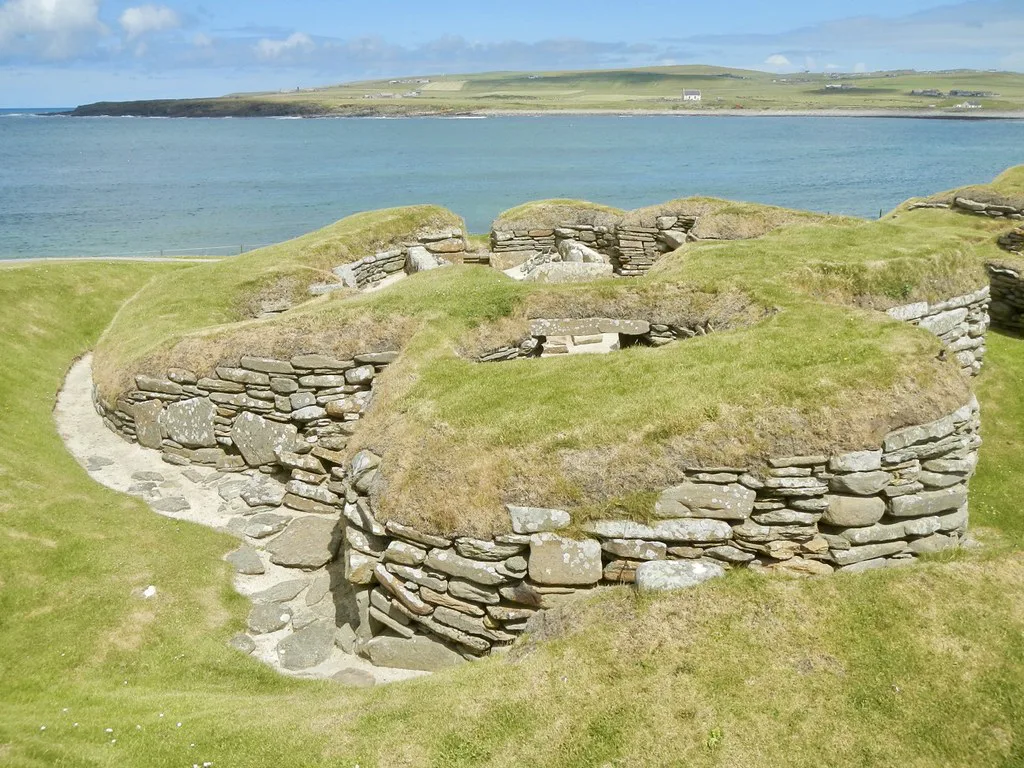
Narrow stone passages join the houses, and they were once roofed over. They let neighbours move between homes while staying out of Orkney's winter wind. Drainage channels run beneath parts of the village.
These details show a planned settlement rather than a loose cluster of huts. Open-air homes today were probably topped with turf and grasses. Anyone hoping for dramatic height should skip this stop, since the walls are low and the interest is in the layout.
4. The replica house
One replica house is the only home you can enter at ground level. Inside, you can sit near the dresser, glance at the beds and judge how small the room really is. It is also the only indoor part of the village, which helps on a wet day.
Heather-and-skin bedding is easier to picture here than from the walkway. Families with children tend to get the most from it. Visitors with limited mobility should look into the access details before going.
5. Museum artefacts
An adjoining museum displays what the excavations found. Look for carved stone balls, whose exact purpose is still debated. Pottery, bone and tooth pendants and beads show the craft work of daily life.
Some finds appear to be gaming pieces. A broken necklace with scattered beads feeds one theory about how the village ended. Skip the long read of every label if the wind has already tired you out; the carved balls and jewellery cover the essentials.
6. Skaill House and the Bay of Skaill
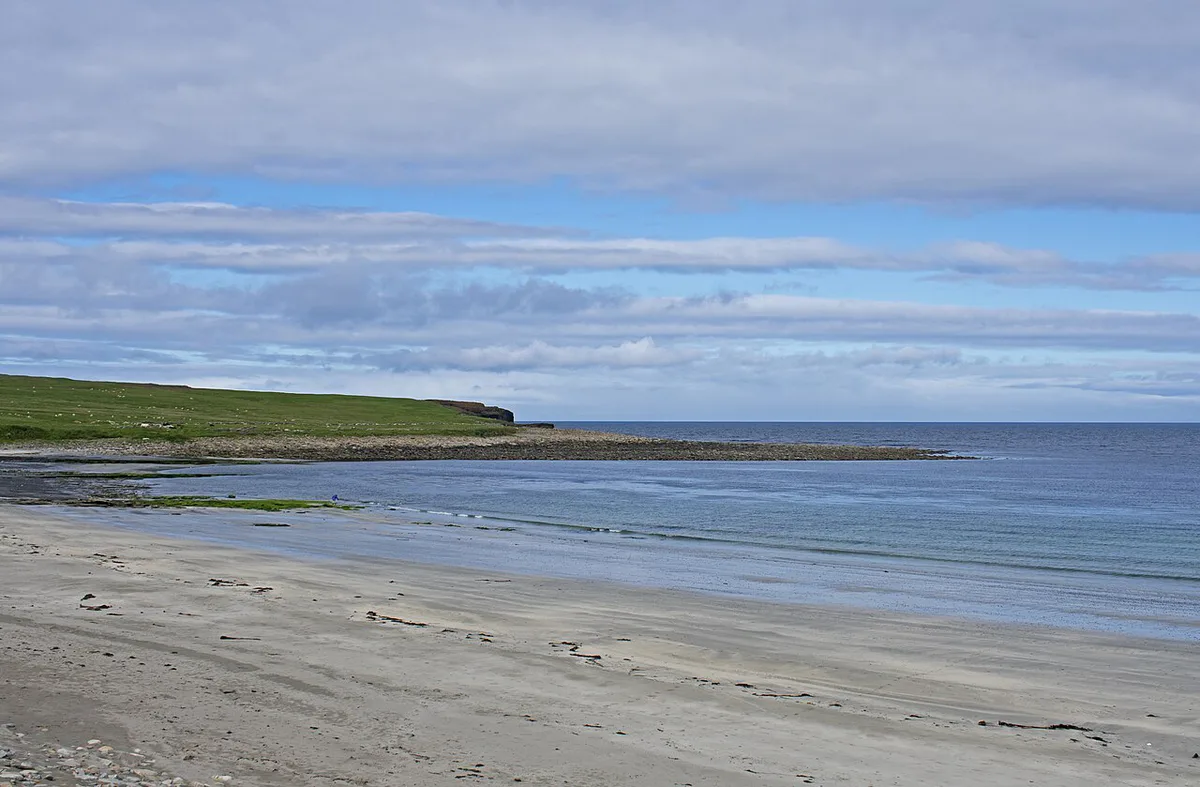
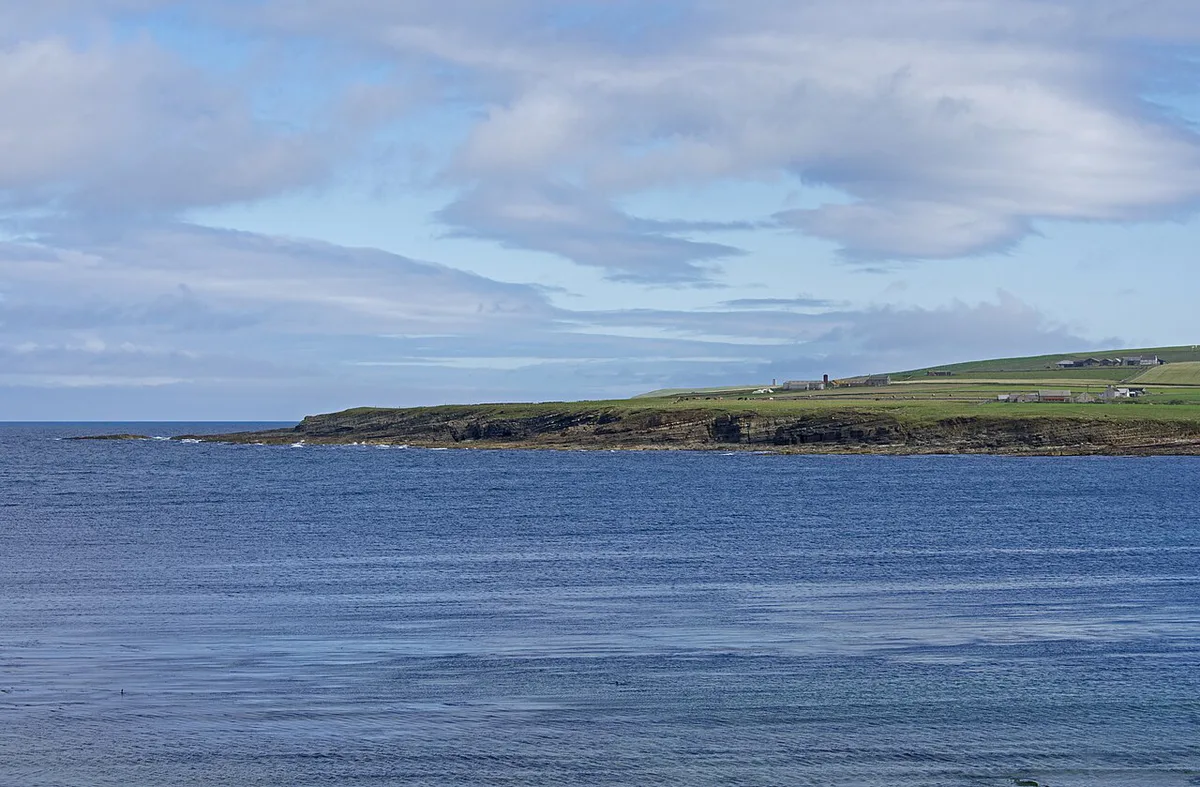
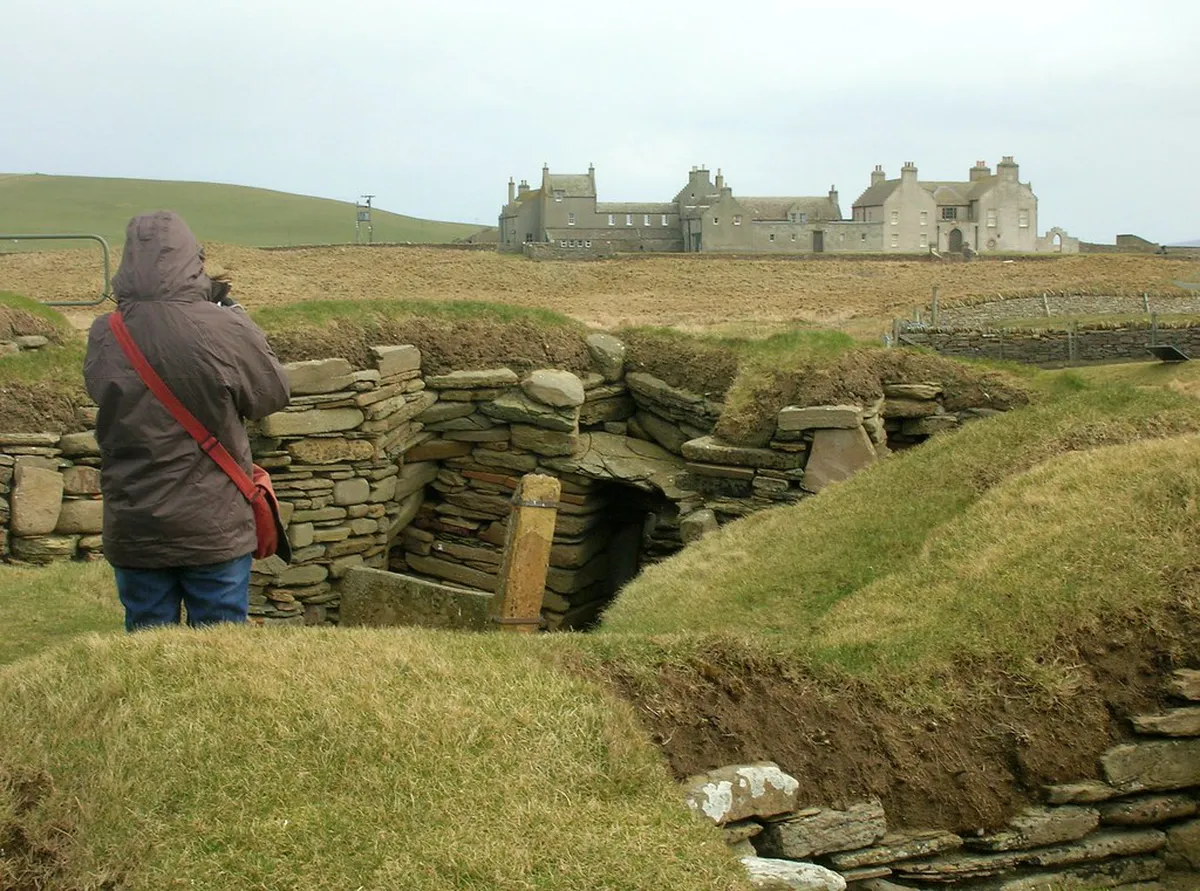
Skara Brae sits right beside Skaill House, with the Bay of Skaill just beyond the village. The shoreline explains the story, because a storm in 1850 stripped the dune and exposed the walls. Stand at the edge of the village and you can see how close the sea is.
Ask on arrival whether house entry is part of your ticket. Photographers will want a calm day, since wind and spray can change the view quickly. Anyone with no interest in later history can skip the house and spend the time at the museum.
How Skara Brae Was Found and Lived In
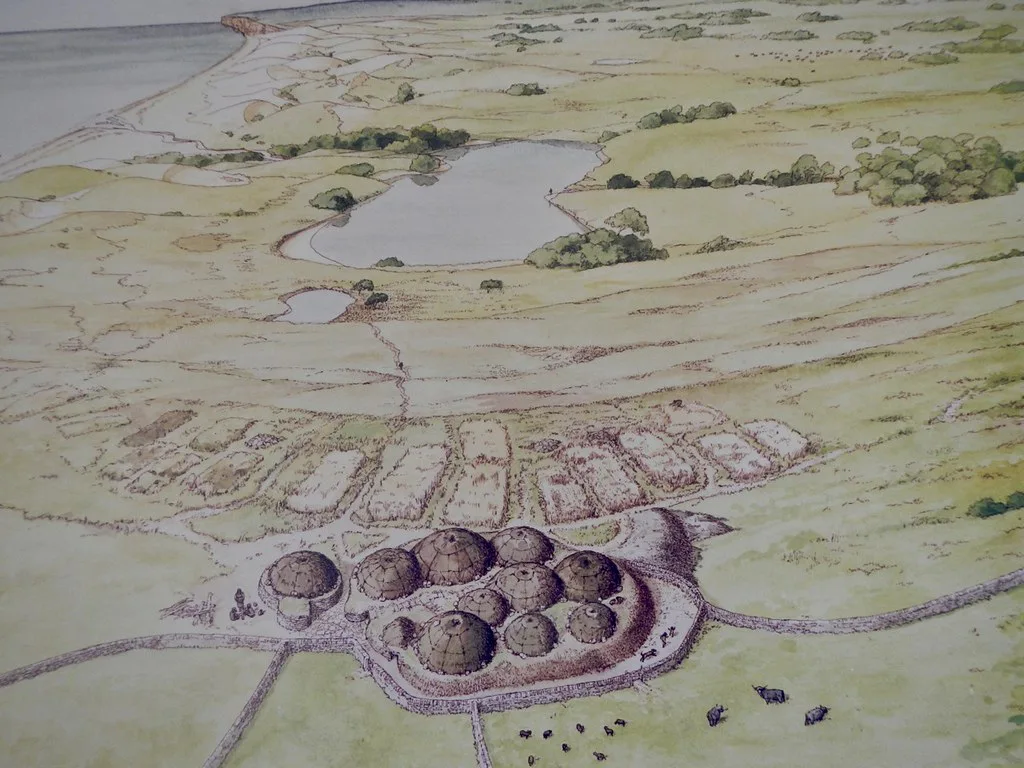
In winter 1850, a storm tore grass from a high dune beside the Bay of Skaill. Stone walls and a large midden, or refuse heap, appeared underneath. Serious excavation began in 1927 under V. Gordon Childe. People lived here for roughly 600 years, farming cattle and sheep and gathering shellfish along the shore. Our guide to the dating of the village explains how the age is worked out. For the Stonehenge comparison, see this side-by-side look at Stonehenge. Wider context sits in our overview of Orkney's Neolithic sites.
Living in the village lasted roughly 600 years, a span that matches the gap between 3100 BC and 2500 BC.
Why Did They Leave? What We Don't Know
Around 2500 BC the village was abandoned, and nobody knows why. One theory points to a catastrophic storm, with a broken necklace and scattered beads hinting at a hasty exit. Another points to a gradual climate shift that made farming harder. Treat both as theories rather than settled fact.
Tickets, Opening Hours and Booking
Historic Environment Scotland sets prices, hours and booking rules, and they change by season. Winter hours can be shorter than summer ones, so read the current listing before you plan a day around it. A joint ticket for Orkney's monuments has been offered in the past. Our guide to entry and booking shows what to look for.
How to Get to Skara Brae
Skara Brae lies about 19 miles north-west of Kirkwall on the B9056. The Scrabster to Stromness ferry takes around 90 minutes. Our guide to the route from Kirkwall covers road and tour options. Cruise passengers on a timed day should read about port-day excursions. Bus times are listed by Orkney Islands Council.
Crossing from Scrabster takes around 90 minutes, then the 1.5 to 2 hour visit still needs fitting into the rest of your day.
| Arrival | Rough time | Main friction |
|---|---|---|
| From Kirkwall | About 19 miles by road via the B9056 | Needs a car, bus or tour |
| From Stromness | Short drive across the Mainland | Bus times limit your day |
| Ferry, Scrabster to Stromness | Around 90 minutes at sea | Fixed sailing times |
| Flight to Orkney | Short hop from Inverness, Edinburgh or Glasgow | Onward transport needed |
| Cruise port day | Set by the ship's timetable | Tight window for any extra stop |
How Long to Spend, and One-Day Plans
A 2-hour visit covers the walkway, the replica house and the museum. A half-day adds the Brodgar stone circle and the Stenness standing stones. A full day adds the Maeshowe chambered tomb. Drop the Ness of Brodgar excavation site first if time runs short, since its access depends on the dig. Cruise passengers should cut to Skara Brae alone.
| Plan | Time | Stops | Cut first |
|---|---|---|---|
| Short | 2 hours | Skara Brae walkway, replica house, museum | Skaill House |
| Half-day | About 4 hours | Skara Brae plus Ring of Brodgar and Stones of Stenness | Stenness |
| Full day | 8 hours | Add Maeshowe and Ness of Brodgar | Ness of Brodgar |
Skara Brae vs Other Orkney Neolithic Sites
Second-day options sit off the main loop. The Tomb of the Eagles visitor site runs its own opening arrangements. Coastal ruins at the Gurness broch suit a different kind of day. Maeshowe has historically used timed entry, and the Ness of Brodgar Trust reports on the dig.
| Site | What it is | Access |
|---|---|---|
| Skara Brae | Stone village with replica house and museum | Ticketed, partly indoor |
| Ring of Brodgar | Stone circle and henge | Outdoor |
| Maeshowe | Chambered tomb | Timed entry historically |
| Stones of Stenness | Standing stones | Outdoor |
| Ness of Brodgar | Excavation site | Depends on dig status |
| Tomb of the Eagles | Chambered tomb visitor site | Separate operator |
| Broch of Gurness | Coastal broch ruin | Outdoor, exposed |
Best Time to Visit and What to Bring
May to September offers the best weather and the longest daylight in Orkney. Midsummer brings the "simmer dim", a long twilight that makes an evening visit memorable. The coast is exposed, so bring a waterproof layer and a windproof jacket at any time of year. Only the replica house and museum are indoors. Visitors with very little time or those expecting walk-in ruins should consider skipping it.
Where to Stay and Getting Around Orkney
Kirkwall and Stromness are the practical bases for visiting Skara Brae. A hire car gives the most freedom across the Mainland. Tours and buses suit those who prefer not to drive. VisitScotland's Orkney pages list accommodation and transport options. Avoid cramming too many sites into one day, and book ahead in peak season.
For stone circles and brochs on the Scottish mainland and in the Western Isles, see our guide to standing stones in Scotland.
Orkney's tombs and circles belong to a wider Atlantic tradition; our overview of megalithic sites in Europe sets them beside Brittany's Carnac.
Explore More Guides
Keep planning your trip with these guides.
Guides
- Skara Brae Tickets: Prices, Booking and Best Options
- Ring of Brodgar: Visitor Guide, Access & Planning
- Maeshowe Tour Guide
- Standing Stones of Stenness: Visit Guide and Day Plan
- Ness of Brodgar: What to See Now and How to Visit
- Tomb of the Eagles, Orkney
- Neolithic Orkney: Sites, Tickets and How to Plan Your Visit
- Broch of Gurness: Visitor Guide, Access & Worth It?
- Skara Brae from Kirkwall: How to Get There and Plan Your Visit
- Orkney Shore Excursions: What You Can Do In One Port Day
- How Old Is Skara Brae? About 5,000 Years, Explained
- Skara Brae vs Stonehenge: Which Is Worth Visiting?
Related guides
Continue reading
Guides on the same trip



