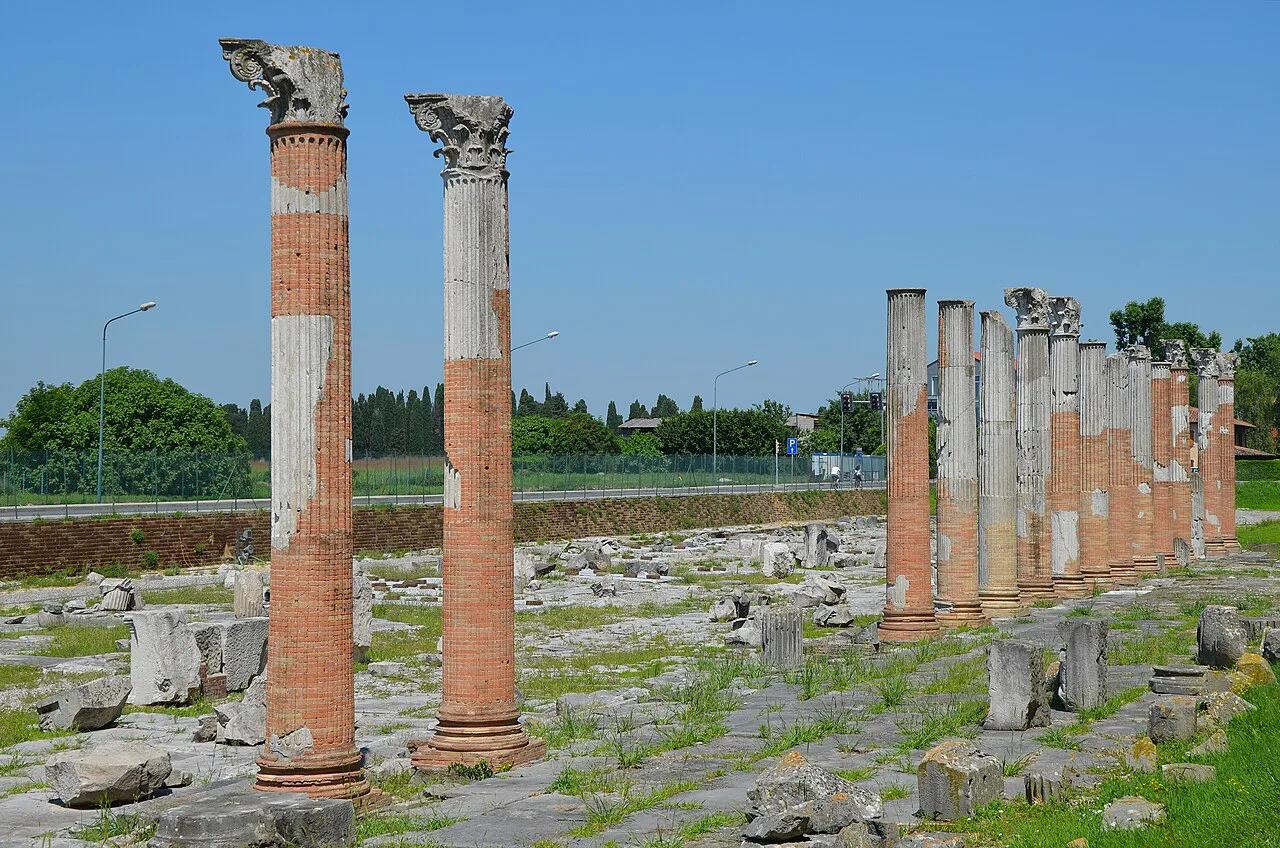
Last updated November 2026. The best Greek ruins in Sicily are the Valley of the Temples at Agrigento, Selinunte, Segesta and the Neapolis area of Syracuse. This guide ranks eight sites by traveller type, then shows how to link them into a route.
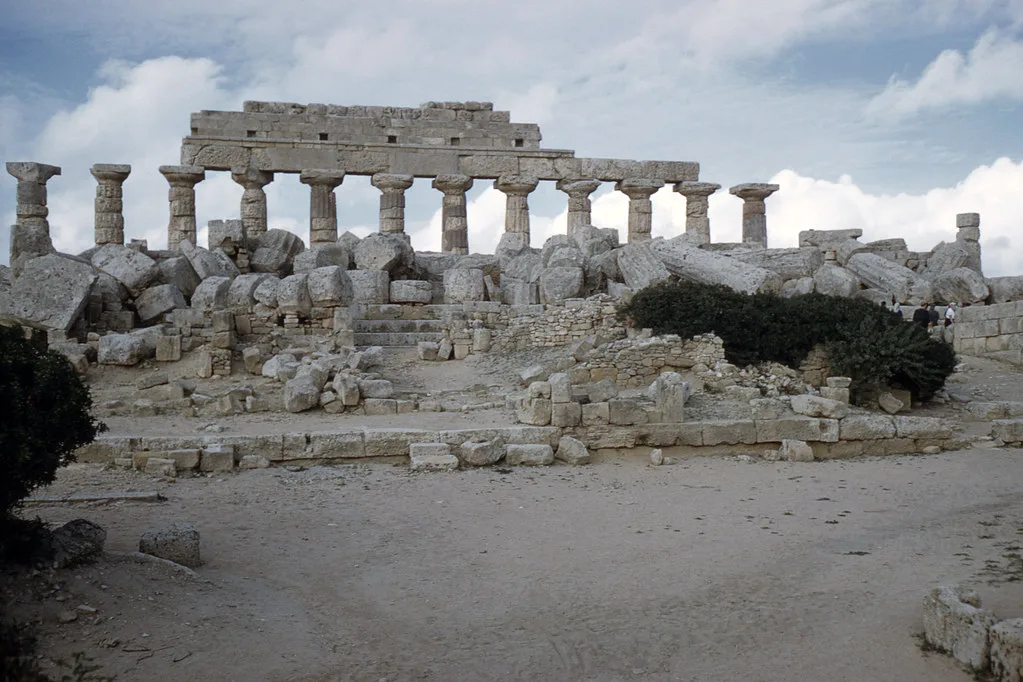
Featured image: dgjarvis10@gmail.com, CC BY-SA 2.0, via Flickr.
Quick answer: the best Greek ruins in Sicily
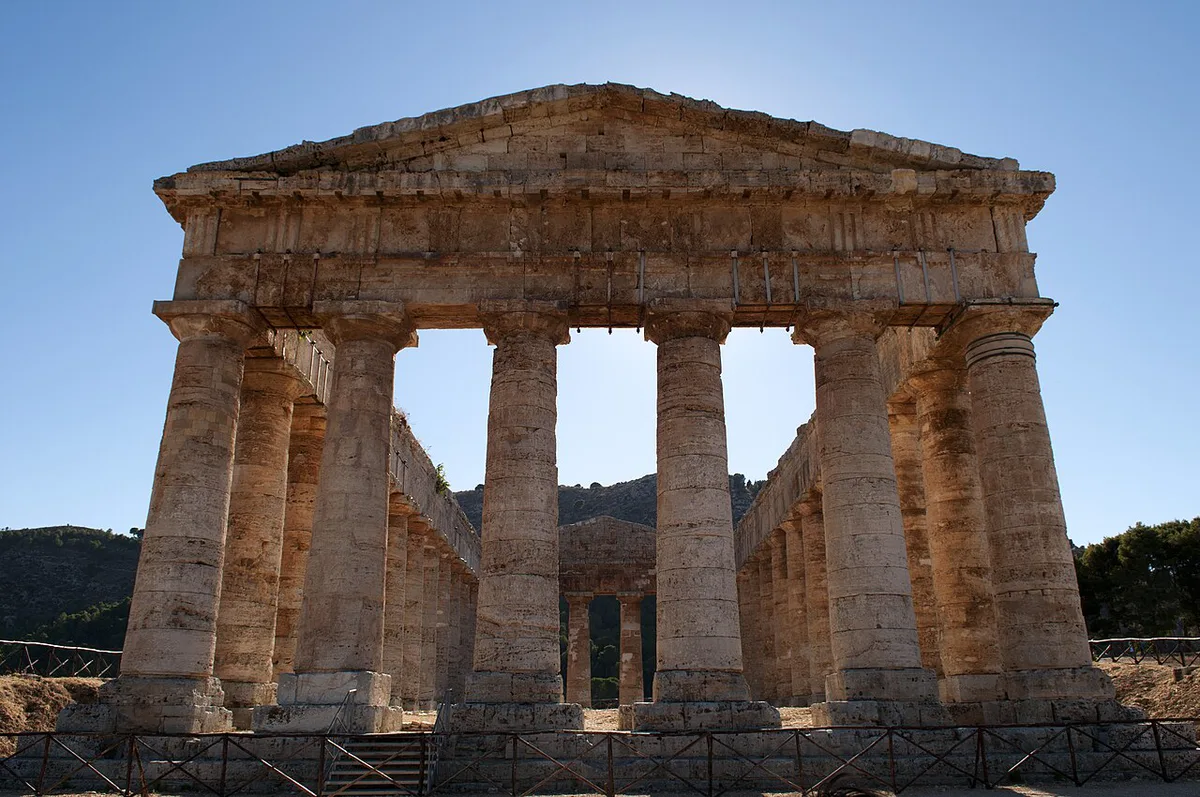
Start with the Valley of the Temples if you have time for one site. Its Greek temples are more than 2,400 years old, and the area holds a UNESCO World Heritage listing. Pick Selinunte for sheer scale beside the sea. Pick Segesta for a temple and theatre on a hilltop, bearing in mind that it was built by the Elymians under strong Greek influence. Pick Syracuse if you want a city base with a theatre and quarries within one archaeological area.
- First visit, one site: Valley of the Temples, Agrigento
- Pair it with the archaeological museum.
- Biggest ruin field: Selinunte
- Best for visitors who like open, coastal ruins.
- Easiest from Palermo: Segesta
- Best for short stays and photographers.
- No car: Syracuse and Neapolis
- Best for train travellers who want a walkable base.
Greek sites compared
Use this table to match a site to your transport and energy. Time needed is given in rough terms because opening hours and routes change. Check the official park pages before fixing an itinerary.
| Valley of the Temples | Agrigento, south coast | First-timers, temples plus museum | Half day or more | Train to Agrigento, then local transport | Shade is scarce in summer |
| Selinunte | Southwest coast | Scale and sea setting | Half day | Limited; tours from Palermo are simpler | Remote, spread-out site |
| Segesta | Northwest, inland | Short stays, temple and theatre | 2-3 hours | Bus or tour from Palermo | Elymian, not purely Greek |
| Syracuse, Neapolis | Southeast coast | City base, theatre | Half day | Train to Syracuse, then on foot or local bus | Less intact temples |
| Himera | North coast | Quiet coastal stop | Short stop | Car strongly preferred | Little standing masonry |
| Heraclea Minoa | South coast | Seaside theatre | Short stop | Car strongly preferred | Out of the way |
| Morgantina | Inland centre | Quiet, uncrowded visit | Half day | Car needed | Long drives |
| Tindari | North coast | Theatre and headland views | 2-3 hours | Possible by regional transport | Hilltop walking |
8 best Greek ruins in Sicily, site by site
Each pick lists who should go and who can skip. Sicily was part of Magna Graecia, so Greek colonies line its coasts and reach inland.
Ephebus of Agrigento, dated 480 BC, sits in the museum, while Agrigento's temples date back more than 2,400 years.
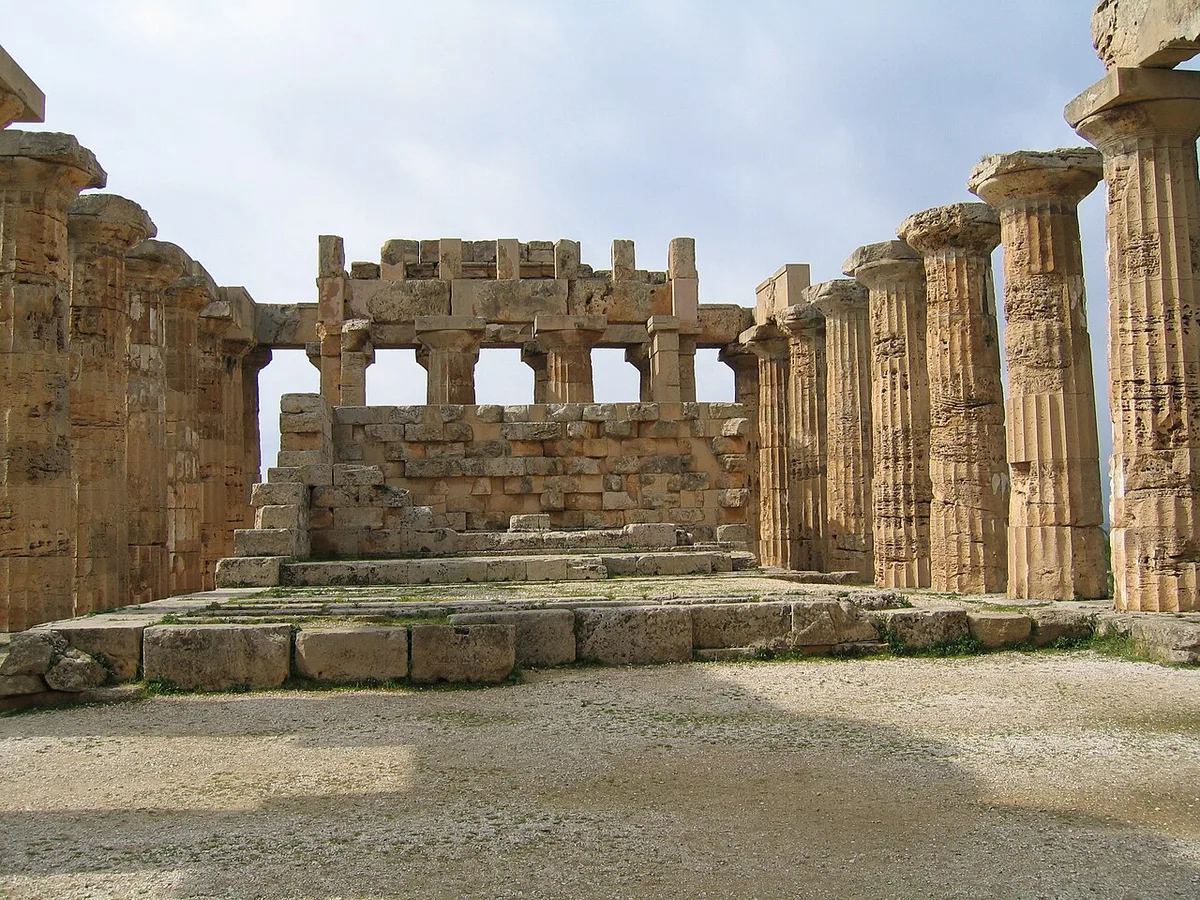
1. Valley of the Temples, Agrigento
Ancient Akragas left a ridge of Doric temples, and the park carries a UNESCO listing. Walk the ridge early or late, because shade is thin. See the archaeological museum before or after the temples. It holds the colossal telamon from the Temple of Olympian Zeus and the Ephebus of Agrigento, dated 480 BC.
Seeing the museum first gives the stones a context, and some visitors report feeling underwhelmed by the temples alone. Who should go: first-timers and anyone with one day. Who can skip: visitors who dislike heat and walking, or anyone with very limited mobility.
2. Selinunte
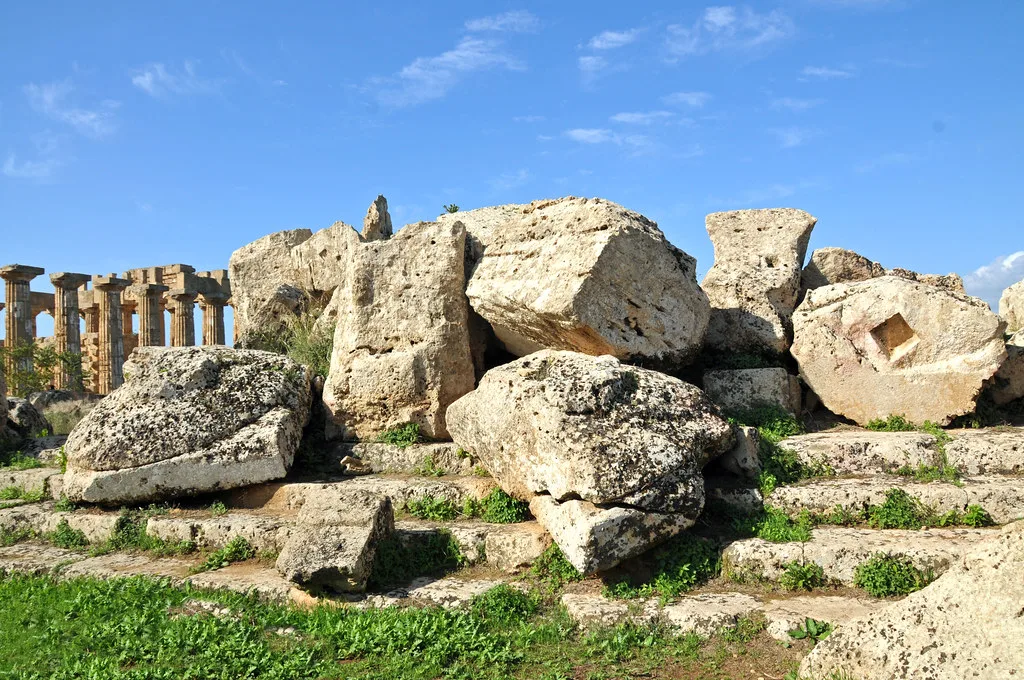
Ancient Selinus stands on a coastal plateau with several temple ruins and a large acropolis. The scale suits visitors who like to wander freely. Read the Selinunte temples guide before you go. Based in Palermo, plan the day with a Selinunte day trip from Palermo.
The wider park includes the Cave di Cusa quarries, where column drums were cut. Who should go: ruin lovers with a car. Who can skip: families with young children in midsummer, and non-car travellers with only a short stay.
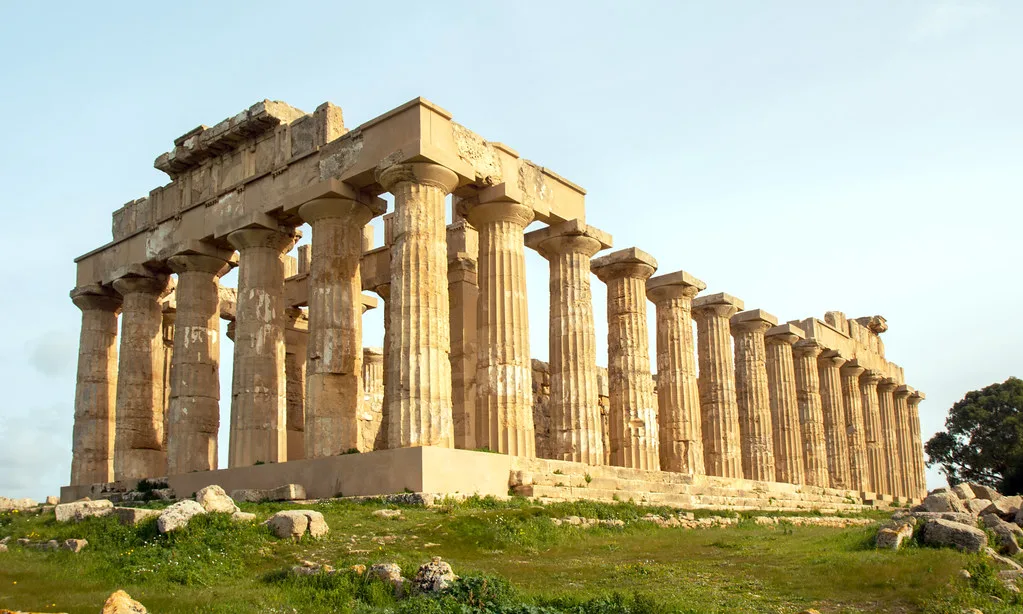
3. Segesta
Segesta is usually described as Elymian-built but heavily Greek-influenced, so call it Greek-style rather than purely Greek. Its Doric temple sits on a hill, and a theatre looks over the valley. Read about Segesta's Doric temple first. Palermo visitors can follow the Segesta route from Palermo. Who should go: short-stay visitors, photographers and anyone based in the northwest. Who can skip: travellers who want a fully Greek city plan, or anyone avoiding a climb to the theatre.
4. Syracuse and the Neapolis archaeological area
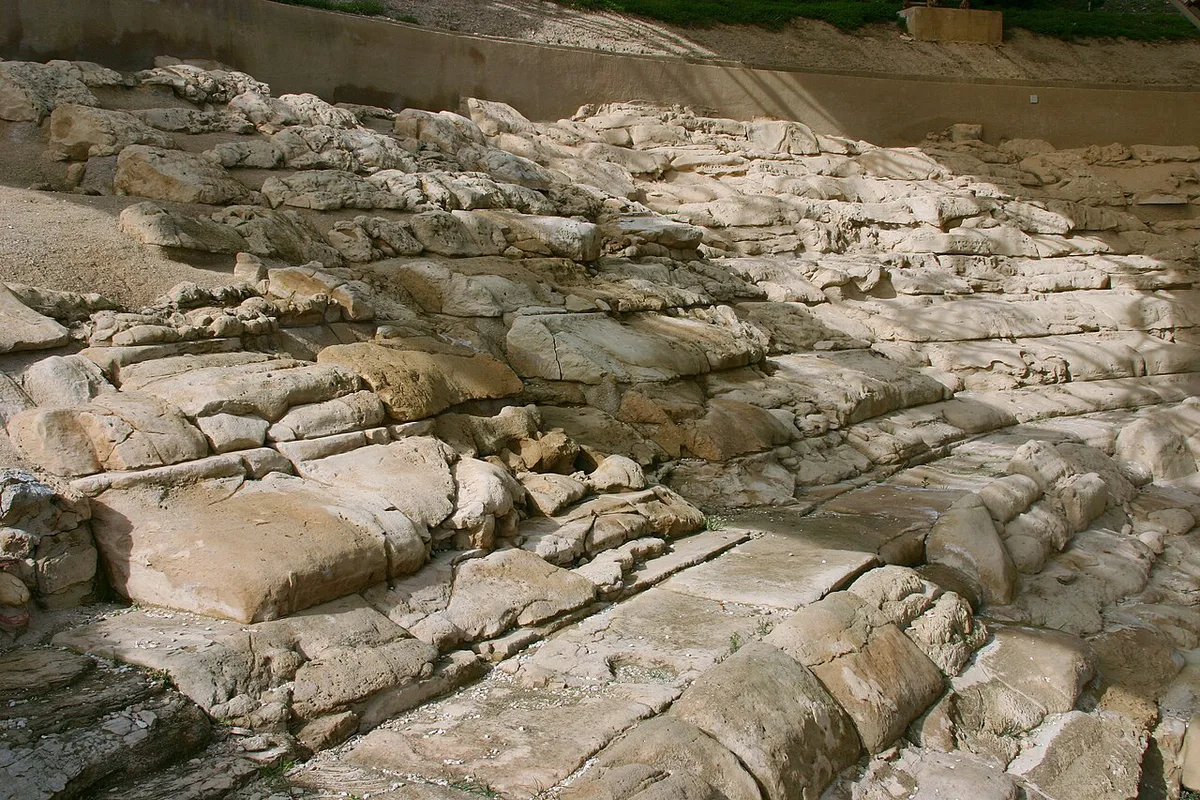
Syracuse was a major Greek city, and its Neapolis area holds a Greek theatre and ancient quarries. It carries a UNESCO listing alongside Pantalica. Syracuse makes the best base if you travel without a car, because the train reaches the city. We have no dedicated page for it, so use the official Sicilian cultural heritage portal for current access. Who should go: train travellers and city-break visitors. Who can skip: anyone who only wants intact temples.
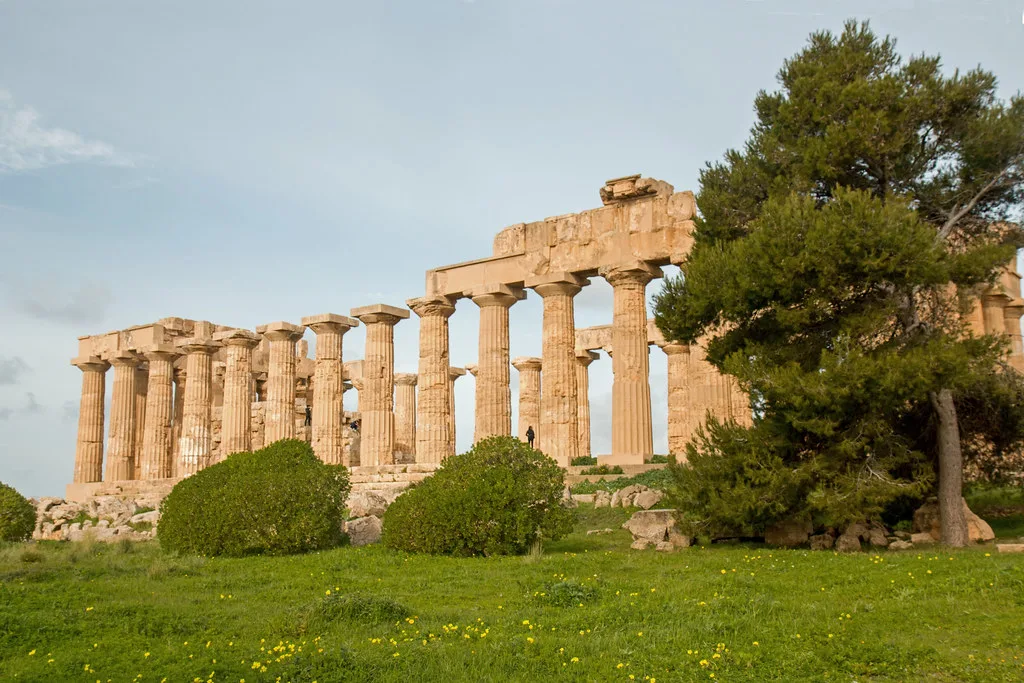
5. Himera
Himera was a Greek colony on the north coast, and it is a calm stop between Palermo and Cefalù. Little stands tall, so go for the setting and the story. Pair it with Himera's colony site in your reading. Who should go: history readers driving the north coast. Who can skip: visitors who need dramatic standing columns.
6. Heraclea Minoa
Heraclea Minoa sits on the south coast between Agrigento and Selinunte. It is known for a theatre set above the sea. Read about Heraclea Minoa's coastal theatre and combine it with the south coast route. Who should go: drivers who enjoy quiet sites. Who can skip: visitors without a car, since public transport is awkward.
7. Morgantina
Morgantina lies inland in central Sicily, and it rewards patient drivers with an agora and theatre that few visitors reach. See Morgantina's hilltop ruins for the full picture. Who should go: repeat visitors who want quiet. Who can skip: first-timers on a short trip, and anyone without a car.
8. Tindari
Tindari is a Greek-founded settlement on a headland on the north coast. Its ancient theatre overlooks the sea. Learn more at Tindari's theatre and headland. Who should go: north-coast travellers. Who can skip: visitors with limited mobility, because the site involves walking uphill.
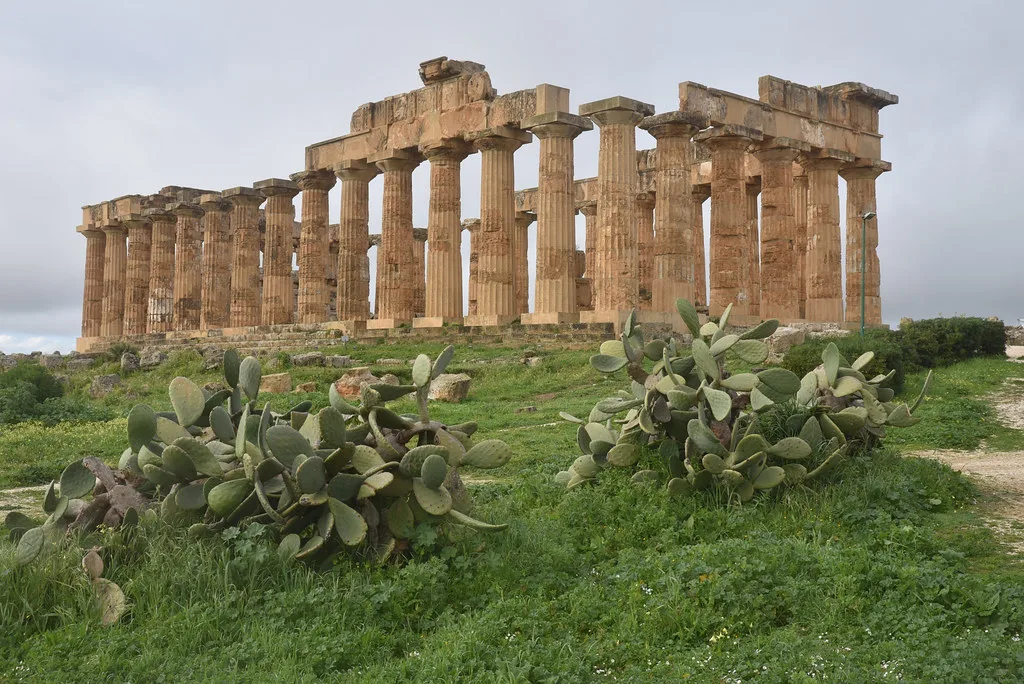
Shorter stops and near-misses
Two more sites fit the theme with caveats. Solunto's hillside town lies near Palermo and has Greek-era roots with Hellenistic and Roman remains. Mozia, called Motya, is a Phoenician island city, so treat it as Greek-era context, not Greek. Read about Motya island, and check the Whitaker Foundation for visiting details. Villa Romana del Casale is Roman, not Greek, but it pairs well with inland routes. See the Roman villa mosaics, and plan with tickets for the Roman villa. Pantalica's rock tombs are prehistoric and pre-Greek.
How to plan your time
Match your route to the days you have. A day trip from Palermo suits Segesta or Selinunte, one at a time.
Segesta needs 2-3 hours on site, so count that block before adding Selinunte to a Palermo day.
- Western loop
- Segesta, Selinunte and Motya suit a car and two or three days. Allow slack, since these sites lie far apart.
- South coast route
- Agrigento, Heraclea Minoa and Selinunte work as a drive along the coast. Add the Roman villa inland only if you have a spare day.
- East-coast base
- Stay in Syracuse and use trains. Add Morgantina only with a car.
Tickets, hours and seasonal timing
Prices, hours and combined tickets change, so use the Visit Sicily official site and each park's page. This guide quotes no figures. Midday summer heat is the main constraint. Spring and autumn suit open sites like Selinunte, Agrigento and Segesta best, and summer works for early starts. Not every site opens daily, so check days before you travel.
Where to base yourself and how to get around
Base in Palermo for Segesta and Selinunte day trips, in Agrigento for the Valley of the Temples, and in Syracuse for Neapolis. A car makes the smaller sites practical. Without one, rely on trains to Agrigento and Syracuse, regional buses and guided tours. A guided tour makes sense for Selinunte or Segesta if you have two days or fewer.
Mistakes to avoid
Do not try the whole island in one trip. Skip midday summer visits to exposed sites. Do not assume every site is open daily. Do not confuse Greek, Roman and Phoenician sites: Segesta is Elymian with Greek influence, Motya is Phoenician, and the Roman villa is Roman.
Explore More Guides
Keep planning your trip with these guides.
Guides
- Selinunte Guide
- Selinunte from Palermo: How to Get There & Plan the Day
- Segesta Temple and Theatre
- Segesta from Palermo: How to Get There and Plan the Day
- Villa Romana del Casale: Visitor Guide & Mosaics
- Villa Romana del Casale Tickets: Prices, Free Days, Booking
- Morgantina Guide
- Tindari, Sicily
- Solunto Ruins Near Palermo
- Himera Sicily
- Eraclea Minoa Guide
- Motya (Mozia) Guide
- Pantalica Sicily
Related guides



Continue reading
Guides on the same trip