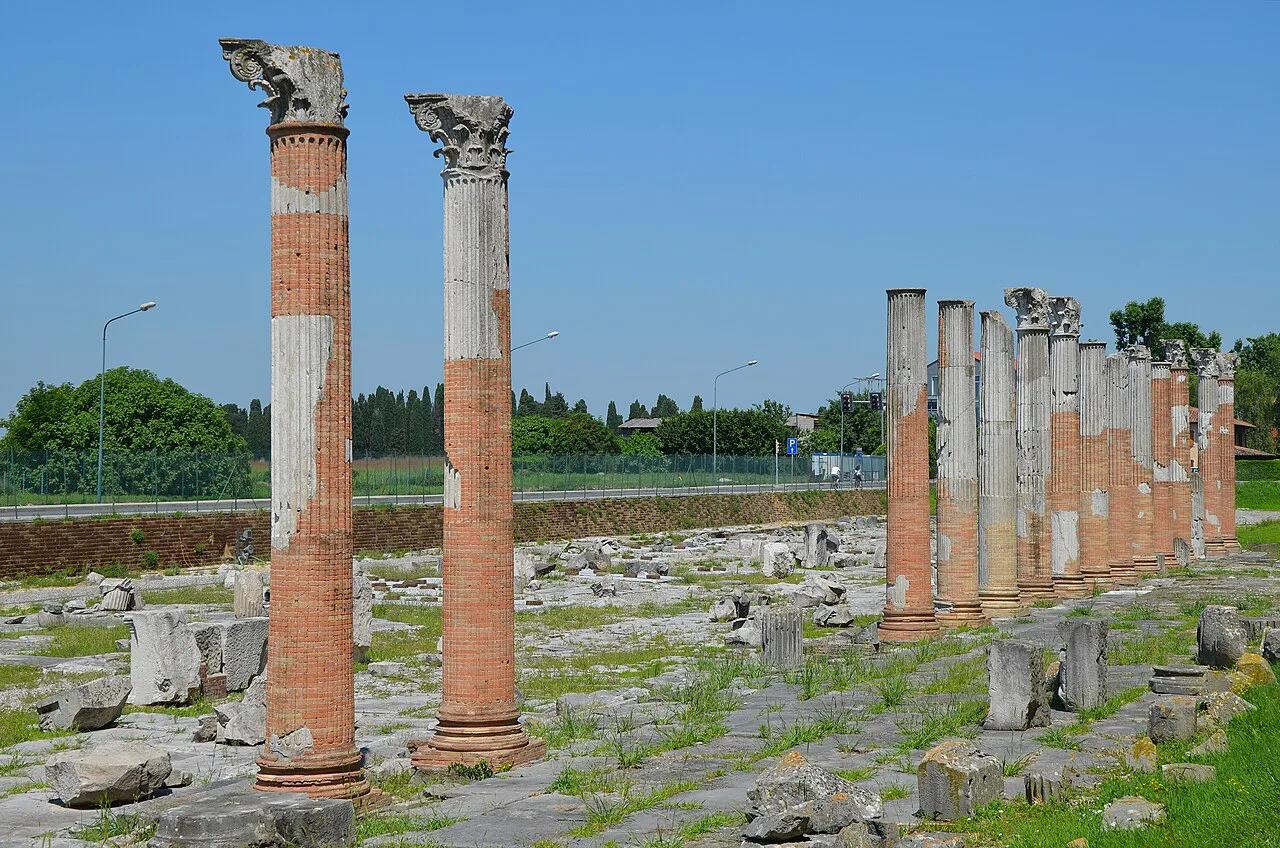
8 Best Etruscan Sites in Italy: Tombs, Museums & Towns
Last updated November 2026. The best Etruscan sites in Italy split into three kinds: painted tombs at Tarquinia, tumuli streets at Cerveteri, and museums that hold the finds. Start in Rome at Villa Giulia, then add Cerveteri and Tarquinia for a first trip. Tuscany adds Volterra, Chiusi, Sovana and Populonia for a longer loop.
Featured image: Unknown authorUnknown author, Public domain, via Wikimedia Commons.
Etruscan Sites at a Glance
Few Etruscan buildings still stand, so the story lives in necropoleis and museums. Cerveteri sits about 35 km (22 miles) north of Rome, which makes it the easiest field site from the capital. Tarquinia is the place for frescoed tombs. For the tomb types behind these sites, read our Etruscan tomb types explainer. The table below sorts all eight entries by what you see and how you reach them.
| Site | Region | What you see | Best for | Access |
|---|---|---|---|---|
| Villa Giulia | Rome (Lazio) | Sarcophagus of the Spouses, tomb finds | Context before field sites | In Rome |
| Cerveteri | Lazio | Tumuli streets at Banditaccia | Tumuli, day trip from Rome | Rome day trip; check train and bus |
| Tarquinia | Lazio | Painted tombs at Monterozzi, museum | Frescoes | Rome day trip; check train and bus |
| Vulci | Lazio | Archaeological park | Open-air ruins | Car recommended |
| Volterra | Tuscany | Guarnacci museum, Etruscan gate | A whole Etruscan town | Check regional bus and rail |
| Chiusi | Tuscany | Museum of urns, pottery, jewelry | Museum lovers | Check regional bus and rail |
| Sovana | Tuscany | Monumental tombs, vie cave | Rock-cut architecture | Car recommended |
| Populonia and Baratti | Tuscany | Seaside park, San Cerbone tombs | The coast | Car recommended |
Who Were the Etruscans?
Etruscans dominated west-central Italy from the 8th to 4th centuries BCE. Their territory, Etruria, centered on a confederation of 12 city-states between the Arno and Tiber rivers. They built a society on agriculture, trade and mining. Scholars still debate whether they migrated from Asia Minor or were indigenous to the area. Much of what we know comes from their tombs. Our guide to who the Etruscans were covers the history in depth.
8 Best Etruscan Sites to Visit in Italy
Each entry below is a short pick, with a cluster guide for depth. Hours, ticket prices and tomb access are set by each site and change, so use the official pages listed in the booking section before you go.
1. Villa Giulia, Rome
Rome's Museo Nazionale Etrusco di Villa Giulia holds Italy's finest Etruscan and pre-Roman collection, in a 16th-century villa. Its best-known piece is the Sarcophagus of the Spouses, a 6th-century BCE terracotta urn unearthed at Cerveteri. Many tomb finds are no longer on site, so the museum gives context that the necropoleis cannot.
Our Villa Giulia visit guide walks through the key rooms. Skip it only if you have a single day and want painted tombs, because Tarquinia delivers more of those.
2. Cerveteri (Necropoli della Banditaccia)
Cerveteri was a powerful Etruscan center from the 7th to 5th centuries BCE. Its star is the Banditaccia necropolis, a city of the dead with streets of tumuli cut into the earth and capped by turf. Most tombs are unadorned, but the Tomba dei Rilievi keeps traces of painted reliefs and is reached by a long stairway dug into the rock.
The Museo Nazionale Cerite sits in the compact historic center. Start with our Cerveteri necropolis guide, and skip the site if frescoes are your priority.
3. Tarquinia (Necropoli di Monterozzi)
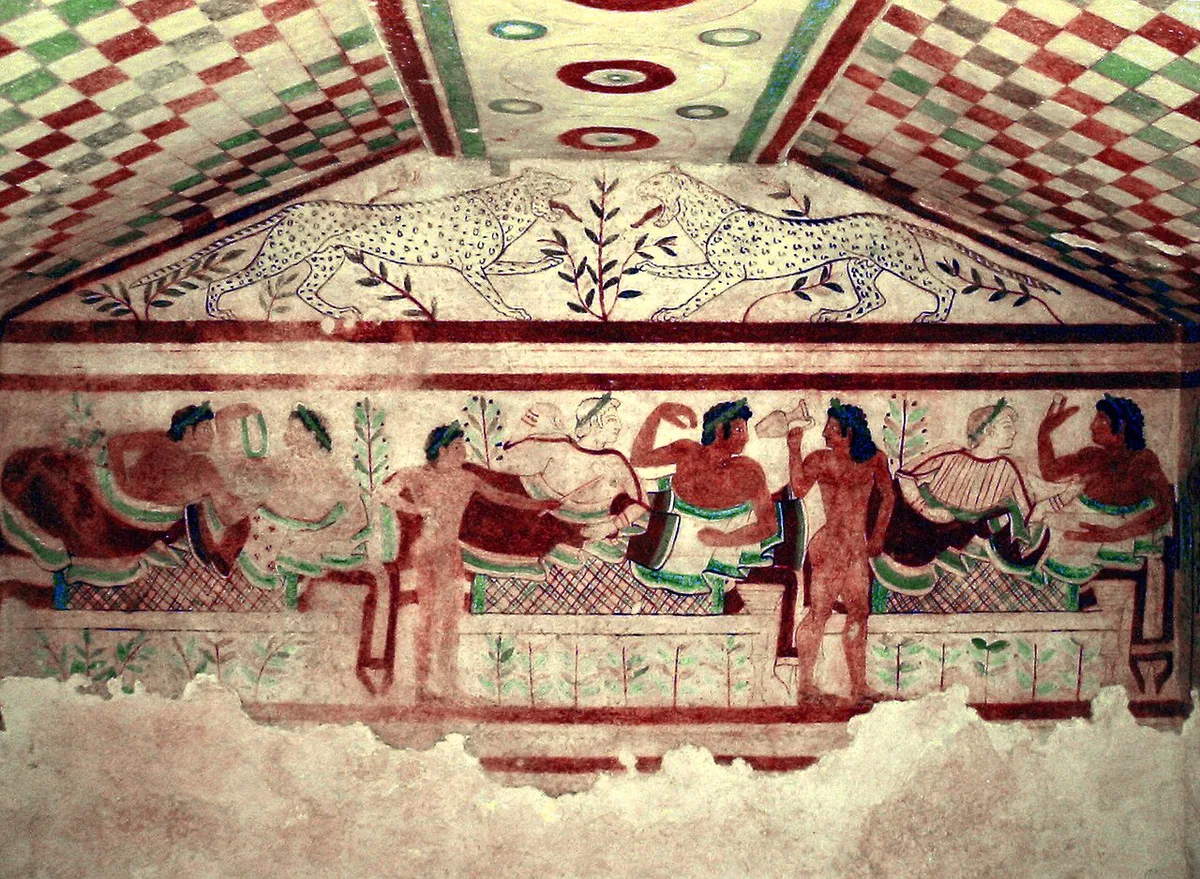
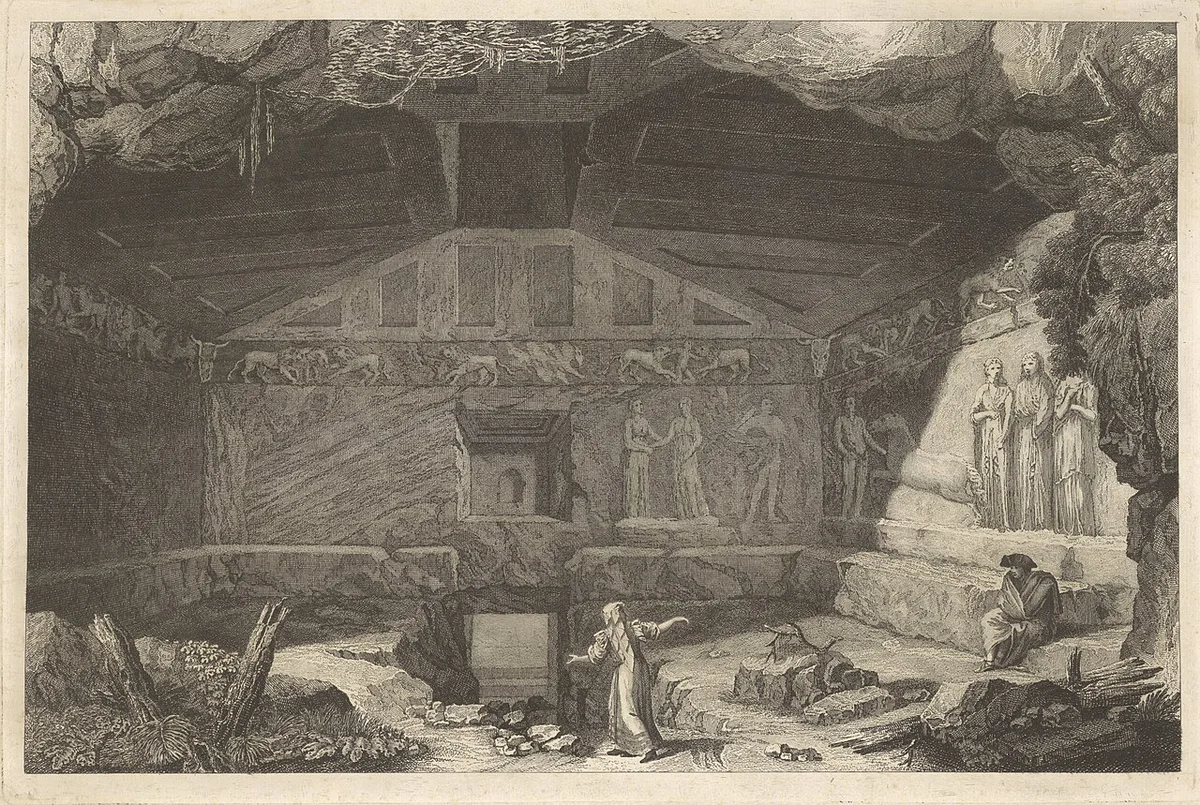
Tarquinia is the place to see Etruscan painting. Monterozzi dates to the 7th century BCE and is pitted with thousands of underground tombs. Around 20 are open to the public, and a handful hold vivid frescoes. Look for the Tomba della Caccia e della Pesca, the Tomba dei Leopardi and the Tomba della Fustigazione.
The Museo Archeologico Nazionale Tarquiniense and the medieval center make good supporting stops. Use our Tarquinia necropolis guide to plan, and check the Cerveteri and Tarquinia park site for which tombs are open. Skip it if you expect large standing monuments, because the art is underground.
4. Vulci Archaeological Park
Vulci is an archaeological park run by Fondazione Vulci, with its own official site at vulci.it. It suits travelers who prefer open-air ruins to museum rooms. You will want a car to reach it, and it pairs naturally with Norchia and Tuscania.
Our Vulci park guide covers the layout. Skip it in the midday heat, since the park is open-air and exposed.
5. Volterra
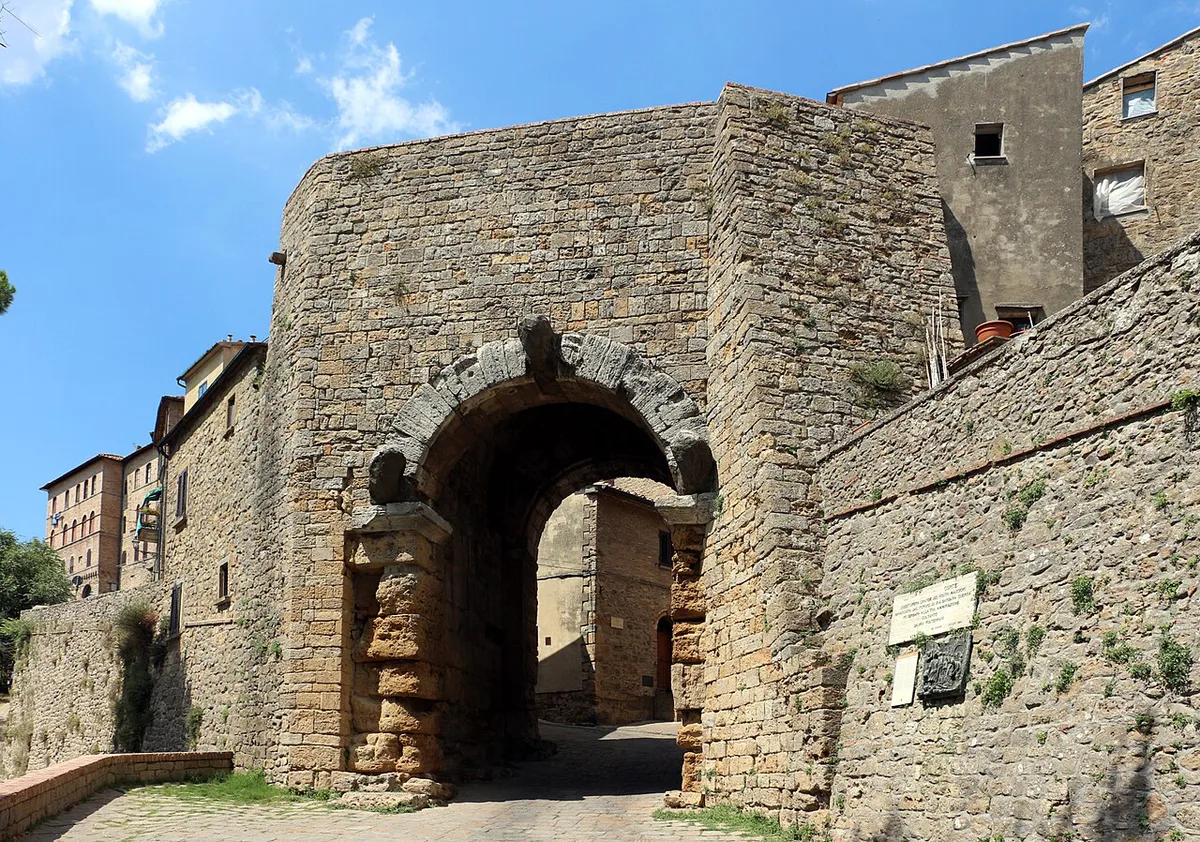
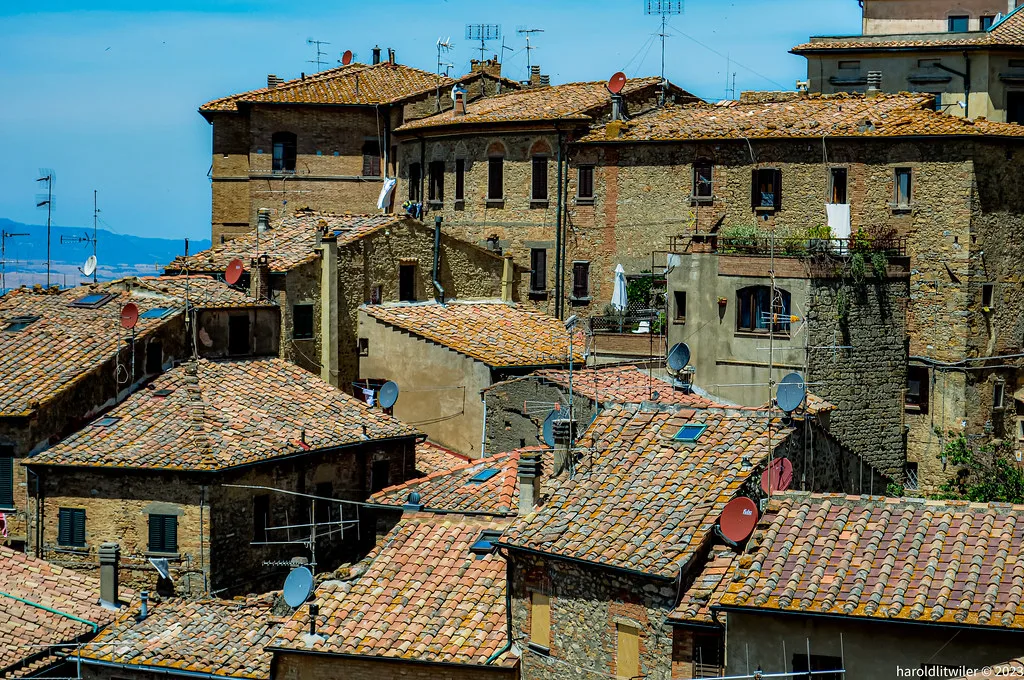
Volterra looks largely medieval, but its Etruscan origins show in the Porta dell'Arco, a gate from the original walls that dates to the 4th century BCE. The Museo Etrusco Guarnacci holds the Urna degli sposi, a realistic urn showing an elderly couple. It also holds L'Ombra della sera, an elongated bronze nude figurine.
This is the best pick for a whole Etruscan town, with an indoor museum as the anchor. Our Volterra Etruscan guide adds the walking route. Skip it if you only want tombs.
6. Chiusi
Chiusi sits in Tuscany's Etruscan heartland and has a small but outstanding collection of finds. The Museo Archeologico Etrusco di Chiusi shows pottery, jewelry and cinerary urns from the 9th to 2nd centuries BCE. A standout is the pietra fetida, a funerary sphinx from the 6th century BCE.
Check Musei Nazionali di Siena e Chiusi for opening details. Read our Chiusi Etruscan tombs guide before you go. Skip it if you want landscape and open-air tombs.
7. Sovana and the Vie Cave
Sovana holds Tuscany's most significant Etruscan tombs, in the Necropoli di Sovana. The monumental Tomba Ildebranda preserves traces of carved columns and stairs. Nearby are the Tomba dei Demoni Alati, the Tomba del Tifone and the Tomba della Sirena.
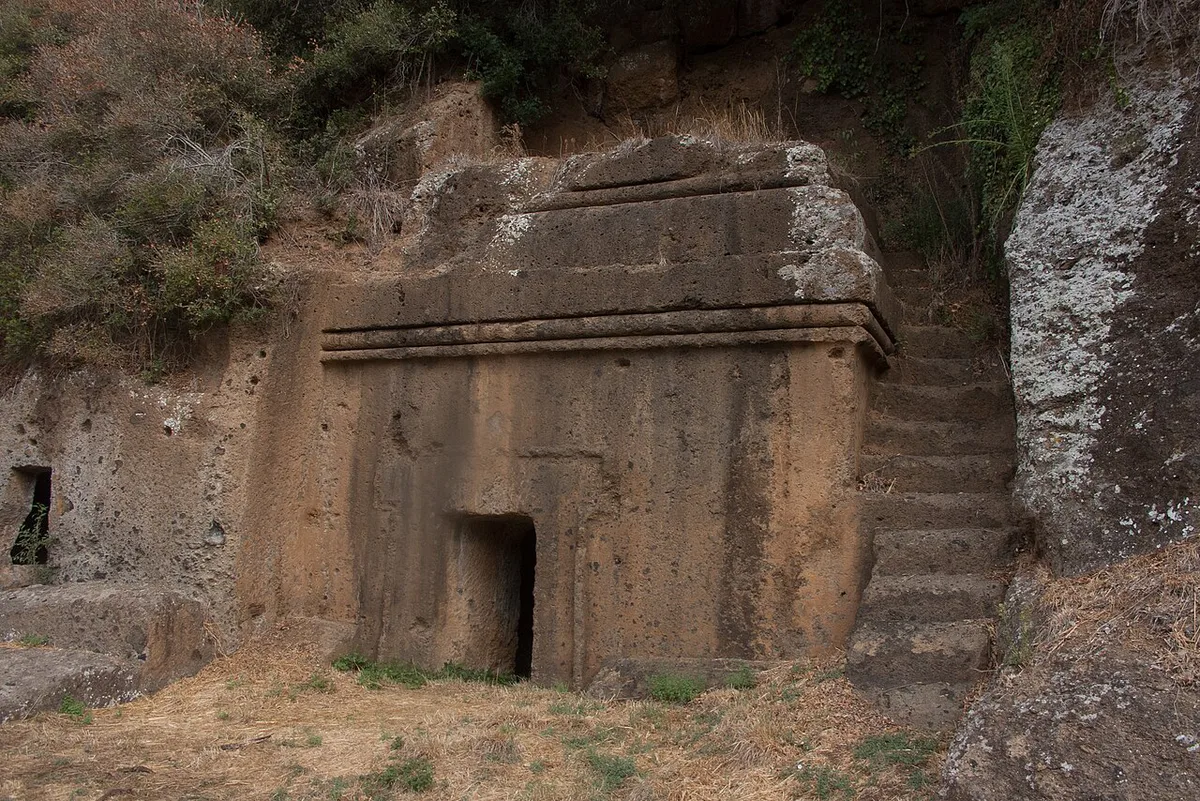
Several stretches of excavated Etruscan road, the vie cave, run between the tombs. See the Parco Archeologico Città del Tufo for the park, and our Sovana and vie cave guide for the route. Skip it without a car.
8. Populonia and Baratti
Parco Archeologico di Baratti e Populonia covers a seaside Etruscan city on a promontory of the Tuscan coast. Trails lead to ruins and prehistoric tombs such as the Tomba dei Cari, 28 m (92 ft) across, in the Necropoli di San Cerbone. At the Acropoli, digs found foundations of a 2nd-century BCE Etruscan temple and a roughly paved road.
Our Populonia and Baratti guide explains the park layout. Skip it if you want painted tombs, and plan for a car.
Orvieto and Other Extras
Orvieto was an important Etruscan city, known then as Velzna, and its Etruscan finds are in the Museo Claudio Faina e Civico. Cortona with its Sodo tomb complex and Perugia with its Etruscan Arch also appear on expert itineraries. We have no cluster pages for these yet, so check opening details before you add them.
How to Choose: Tombs, Tumuli or Museums
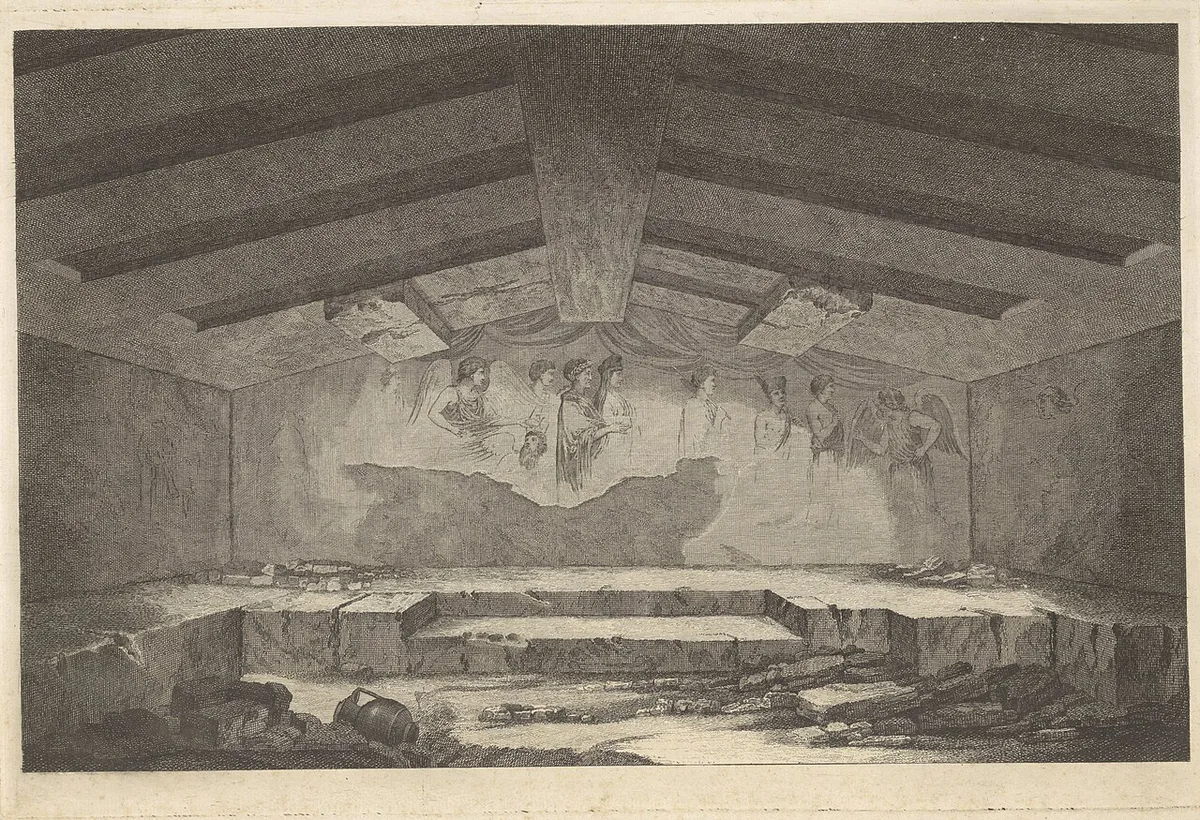
Painted frescoes are at Tarquinia, tumuli streets at Cerveteri, and many finds in museums. Pick by what you want to see.
Around 20 are open to the public at Tarquinia, so it suits a short frescoes stop only if you check which tombs are open.
- First-timer: Villa Giulia, Cerveteri and Tarquinia.
- Short on time: Tarquinia for frescoes, or Cerveteri for tumuli.
- History buff: add Volterra, Chiusi and Sovana.
- Whole town: Volterra.
- Coast: Populonia and Baratti.
- No car: stay with Rome-based sites and Tuscan towns you can reach by public transport.
Sample Itineraries
Match the loop to your transport. Our Cerveteri and Tarquinia day trip covers the Rome option in detail.
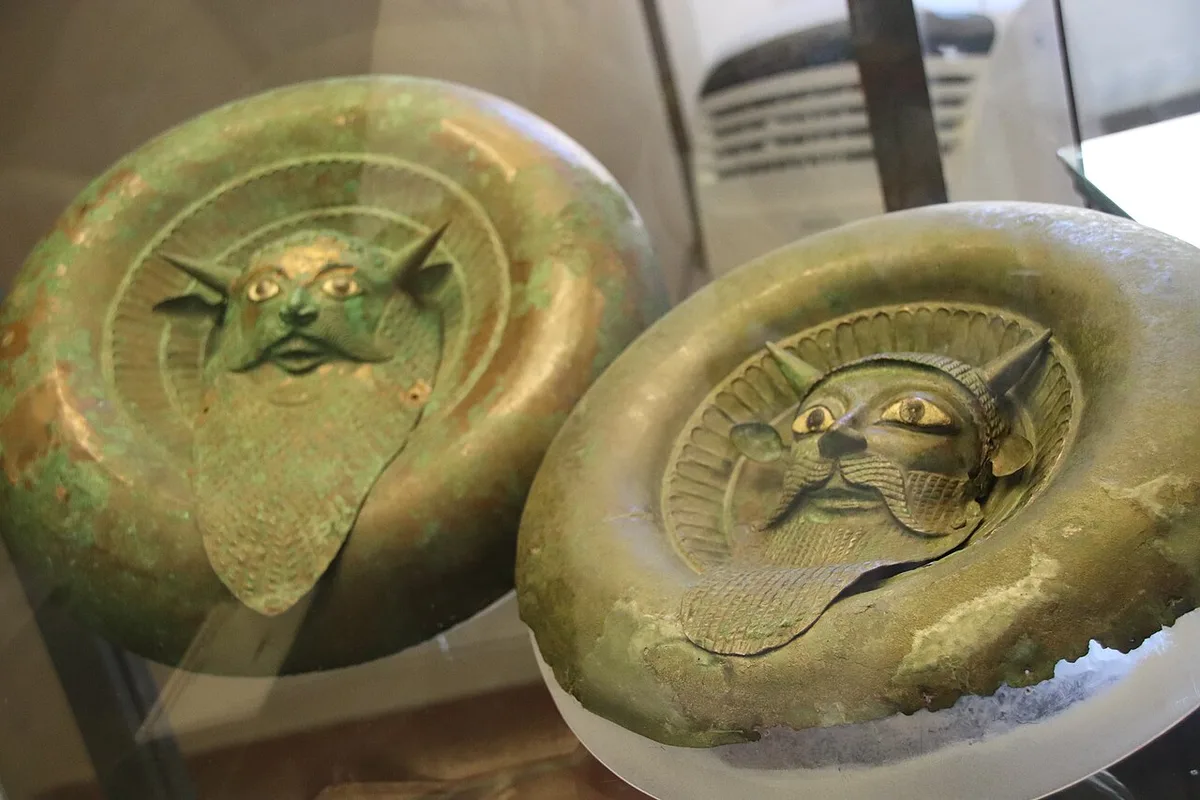
Cerveteri is about 35 km (22 miles) from Rome, so it is the easiest of these field sites to add to a Rome day.
- Rome day trip: Villa Giulia first, then Cerveteri and Tarquinia on another day if time is short. Public transport works for both.
- Tuscany loop: Volterra, Chiusi and Populonia. Allow separate days, and expect to drive to the coast.
- Maremma loop: Sovana, Vulci, then Tuscania Travel Guide: Basilicas, Etruscan Museum & Day Plan. This route needs a car.
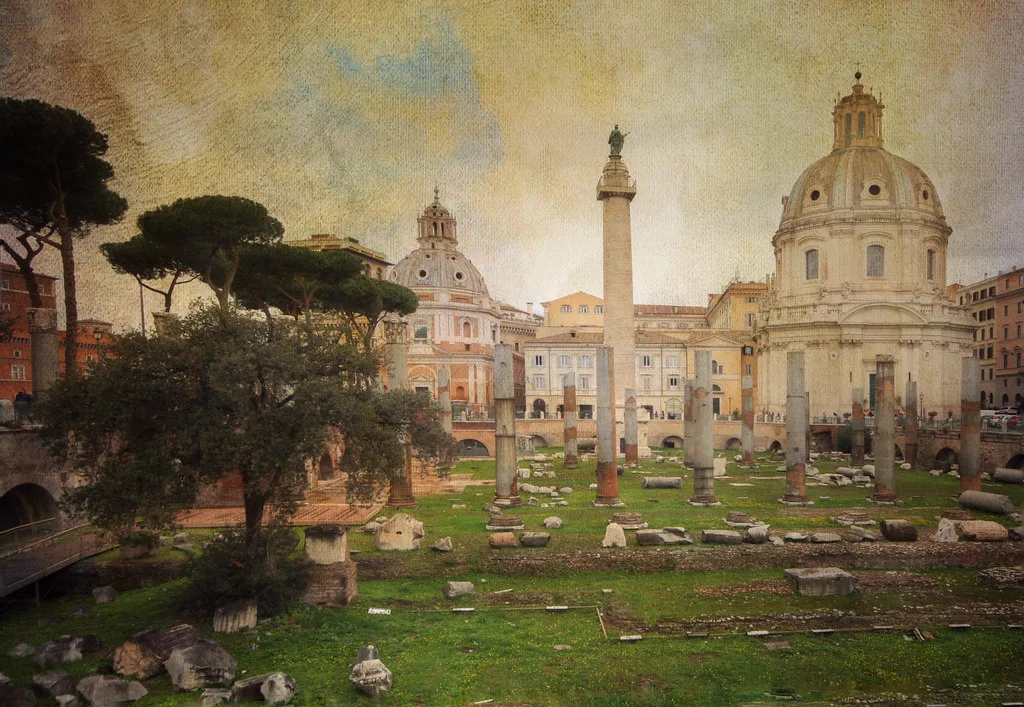
Cerveteri and Tarquinia are day trips from Rome; for the Roman sites in the city itself, see our guide to Roman ruins in Rome.
Painted tombs were also built by the Thracians in what is now Bulgaria; see our guide to the Thracian tombs of Bulgaria.
Tickets, Hours and Booking
Ticket prices, hours and tomb rules are set by each site and change through the year. Use the official pages for each stop.
- Cerveteri and Tarquinia parks: tomb access and guided-visit rules.
- Vulci park: hours and booking.
- Volterra tourism: town and museum information.
- Villa Giulia: museum hours.
Mistakes to Avoid
These are the common planning errors.
- Expecting standing buildings: most survivals are tombs, gates and roads.
- Skipping the museum: finds from the tombs sit in galleries, not on site.
- Ignoring tomb closures: at Tarquinia only around 20 tombs are open.
- Visiting open-air sites at midday in summer heat.
- Assuming no car is needed for Vulci, Sovana or Populonia.
Frequently Asked Questions
Where are most Etruscan tombs located?
Most visitable Etruscan tombs are in the necropoleis of Cerveteri and Tarquinia in northern Lazio. Tarquinia alone has thousands of underground tombs, although only around 20 are open. Sovana in Tuscany adds monumental rock-cut tombs.
Are Etruscans considered Italian?
The Etruscans lived in what is now west-central Italy, between the Arno and Tiber rivers. Scholars debate whether they migrated from Asia Minor or were indigenous to the area. Their lands covered Tuscany, Umbria and northern Lazio.
Explore More Guides
Keep planning your trip with these guides.
Guides
- Etruscan Tombs in Italy
- Tarquinia Necropolis: Painted Tombs, Tickets & Visit Tips
- Cerveteri Necropolis: Visit Guide & Rome Day Trip
- Tarquinia from Rome
- Vulci Archaeological Park
- Volterra Etruscan Sites and Museum
- Chiusi Etruscan Tombs and Museum
- Vie Cave Tuscany
- Populonia and Baratti: Etruscan City on the Sea (Visit Guide)
- Villa Giulia Museum Rome
- Tuscania Travel Guide
- Who Were the Etruscans? History and Where to See Them
Related guides



Continue reading
Guides on the same trip