
Serra Orrios Nuragic Village: Visiting Guide and Access Tips
Last updated November 2026: Serra Orrios is a Nuragic village near Dorgali, in the Supramonte area of Nuoro province, with round huts, two megaron-style temples and a surrounding wall. It suits travellers who want to see how Nuragic people lived, not climb a tower. This guide covers what survives, the access checks and how the site compares with other Nuragic sites.
Featured image: Aldo Ardetti, CC BY-SA 3.0, via Wikimedia Commons.
What Serra Orrios Is And Whether It Is Worth Visiting
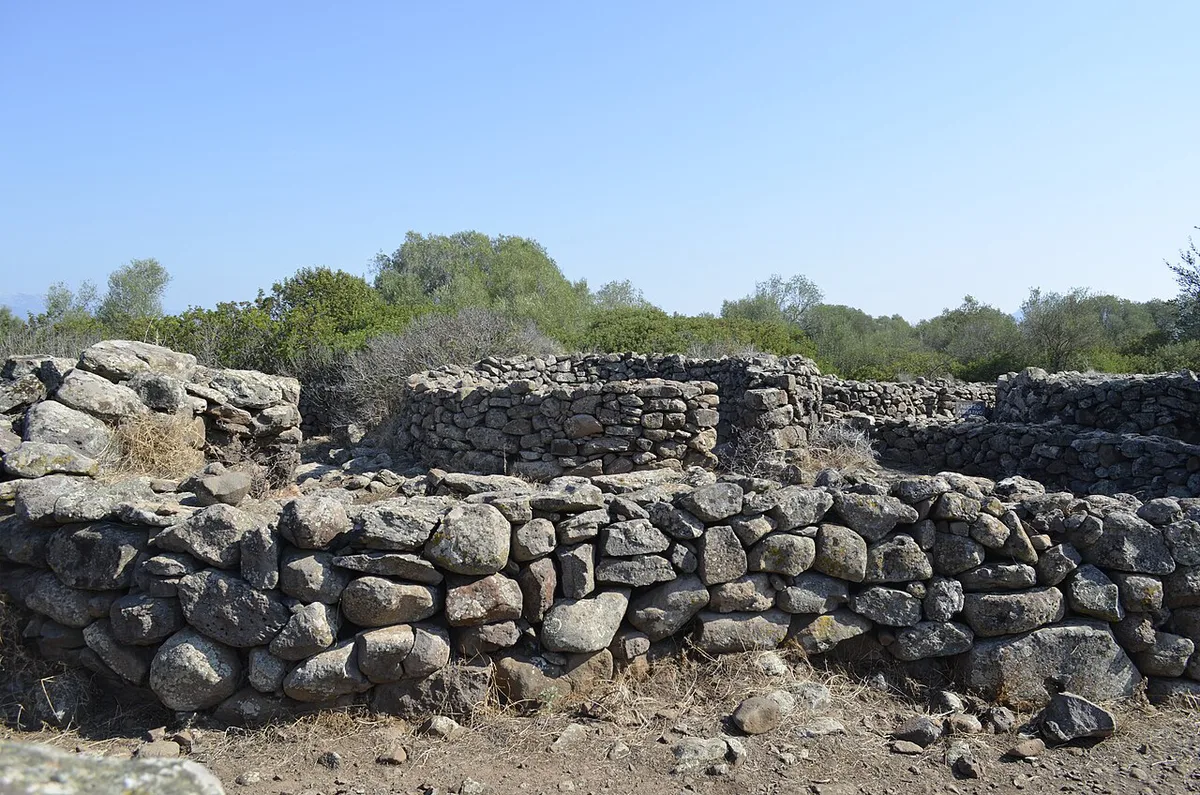
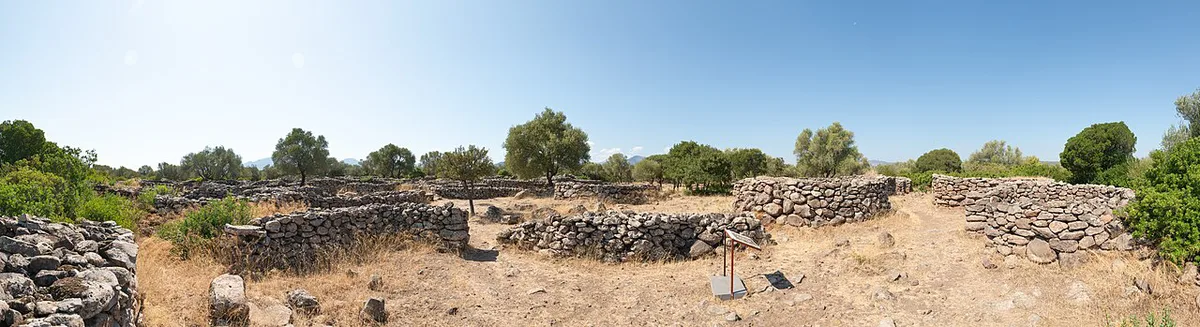
Serra Orrios is a settlement of about a hundred huts built from local basalt without mortar. It stands on the Gollei basalt plateau, about 10 km (6 miles) from Dorgali. Two rectangular megaron temples set it apart from most Nuragic villages. Excavation began here in 1936, and restoration has made the layout easy to read.
- Worth it if you care about daily life, village layout and sacred architecture.
- Worth it as a half-day add-on to a Dorgali or Gulf of Orosei day.
- Skip it if you only want dramatic standing towers.
What You Will See On Site
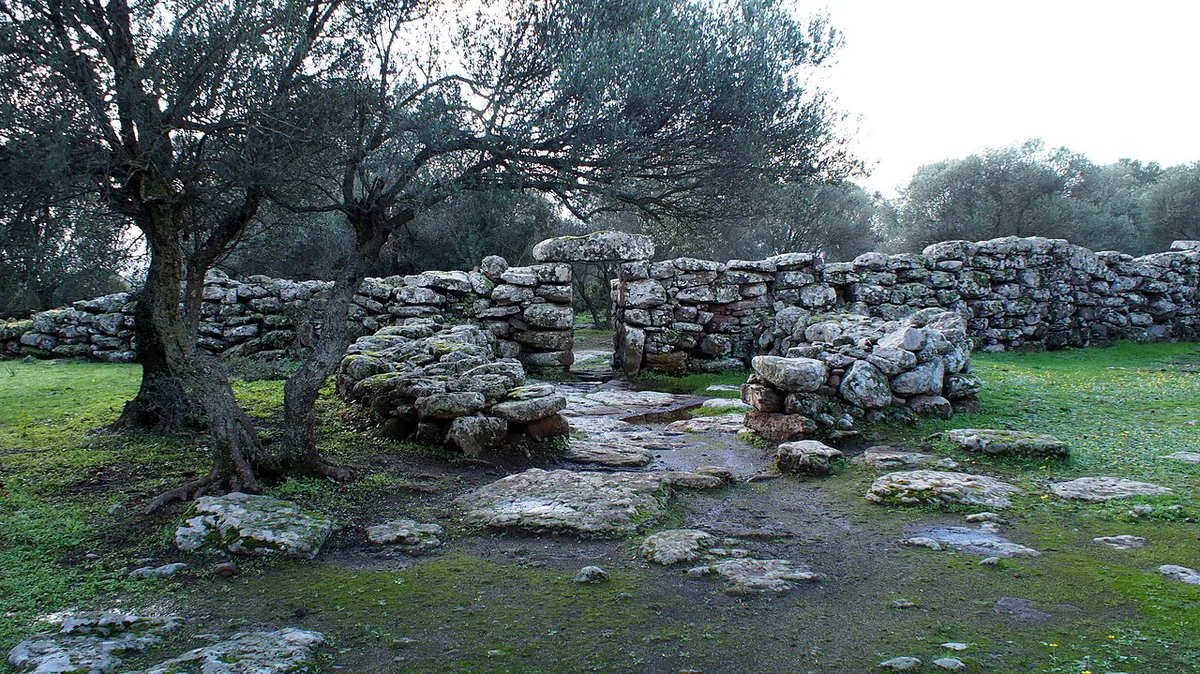
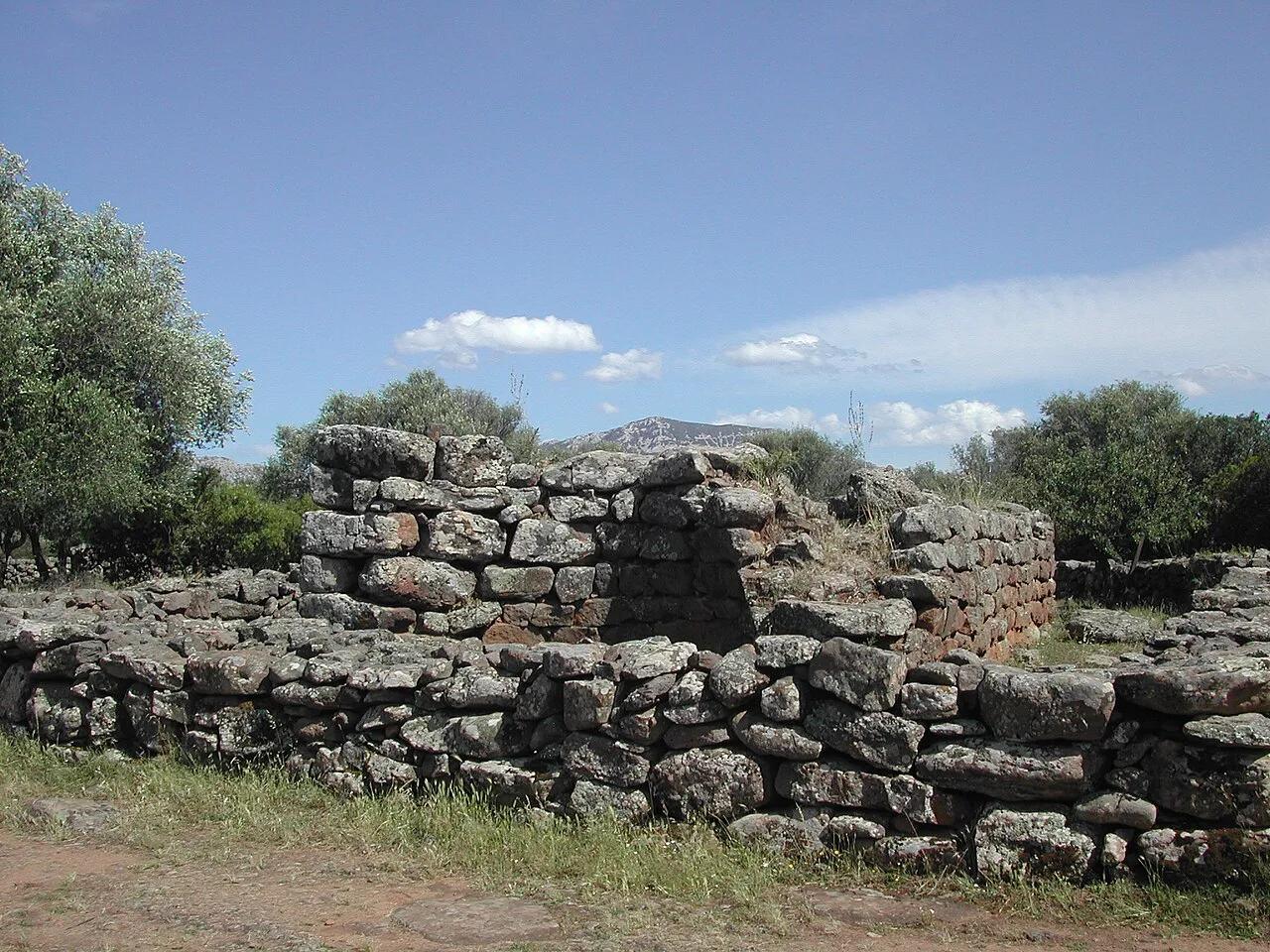
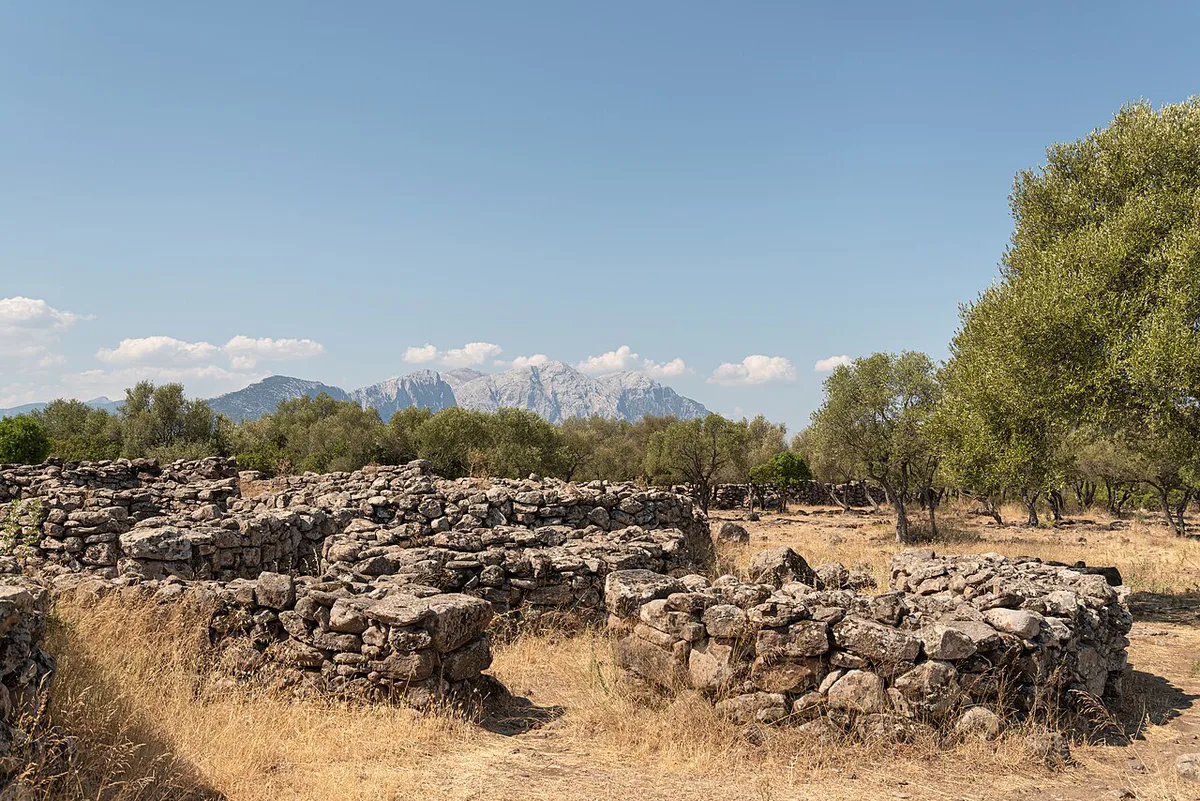
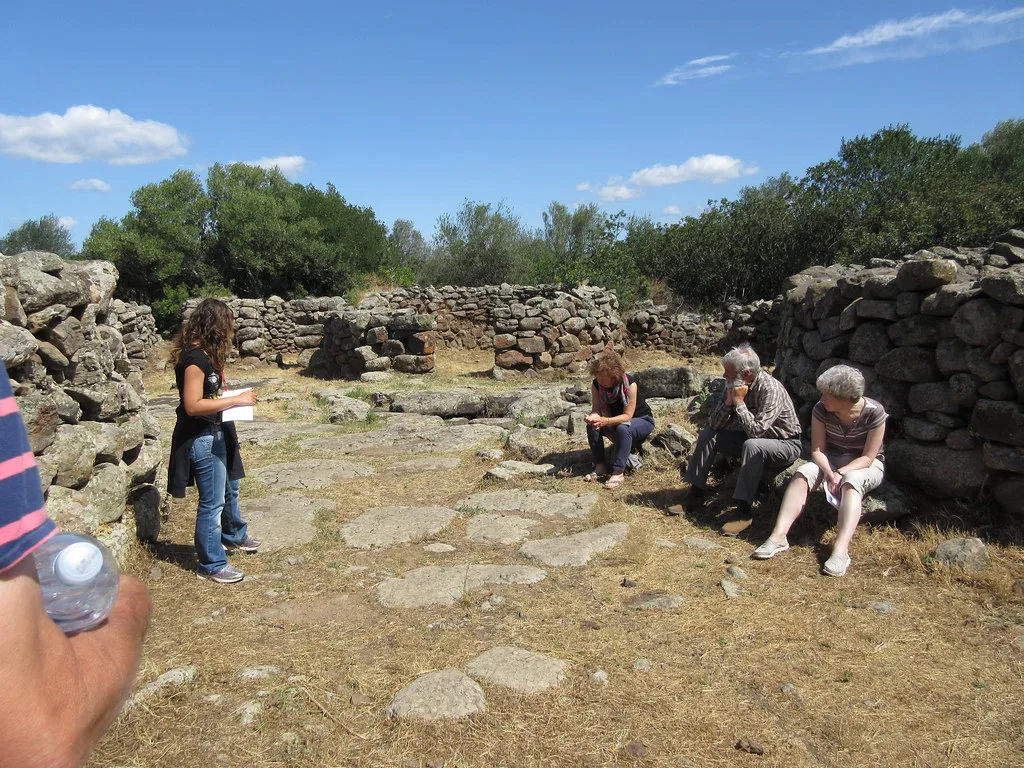
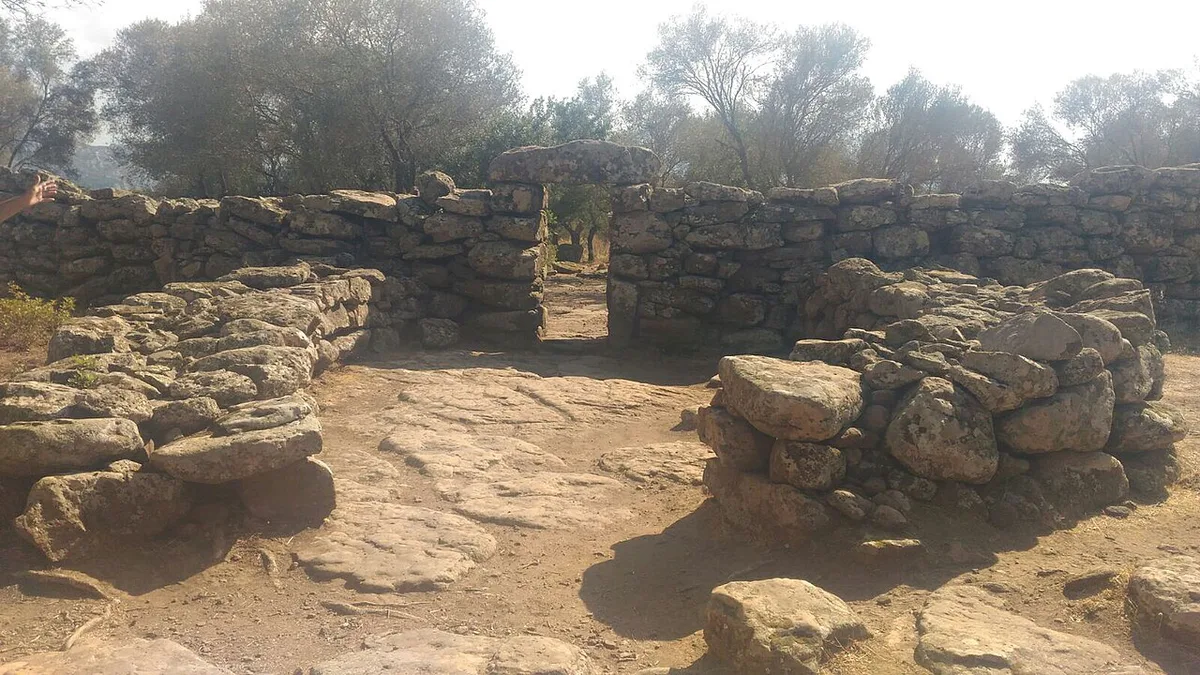
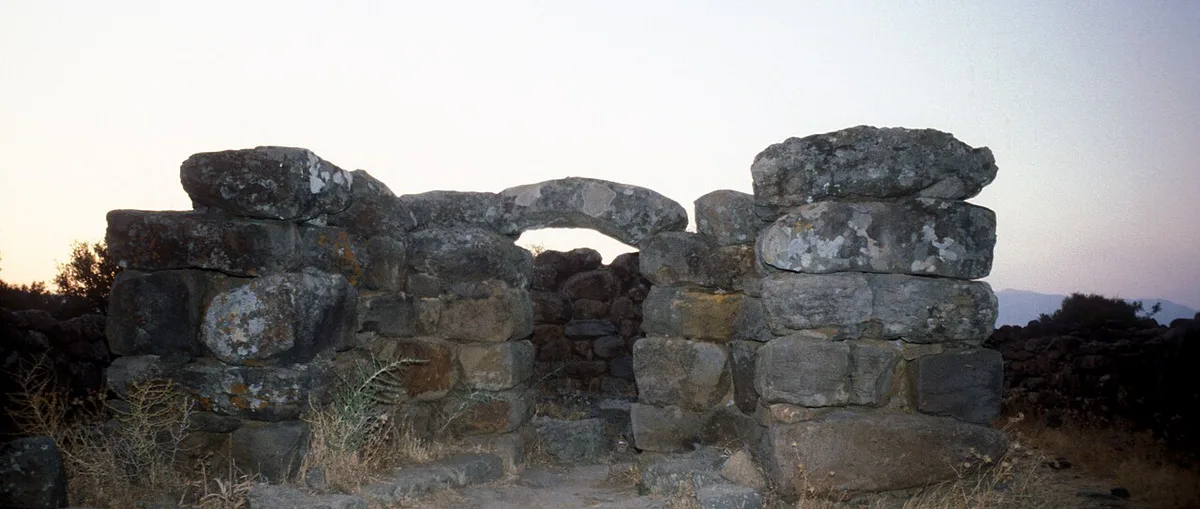
Expect low basalt walls, not towers. Most huts are circular and irregularly placed. Three groups of huts wrap around shared courtyards that still hold the remains of wells and cisterns. Researchers read these blocks as a later, more organised layout than isolated huts. Two temples have long rectangular plans with enclosures. One small temple sits behind an elliptical wall, and a larger one stands close to the huts. A so-called meeting hut stands out among the round dwellings. Dating varies by source. Pottery points to use from the Bronze Age, with the busiest phase in the Recent and Final Bronze Age. Popular accounts give roughly the 15th to 9th centuries BC. The nearest nuraghe is only about 500 m away, so this was a village in its own right, not a settlement huddled around one tower. Finds such as loom weights, spindle whorls and bronze-casting moulds are shown at the Archaeological Museum of Dorgali.
Its nearest nuraghe sits about 500 m away, so the village works as a stop on its own, not a tower add-on.
- Approach and first enclosure: the elliptical wall and small temple.
- Huts and courtyards: follow the wells and cisterns between the hut groups.
- Meeting hut: look for the larger circular room among the dwellings.
- Larger megaron temple: note the vestibule in front of the inner cell.
Serra Orrios Compared With Other Nuragic Sites
Pick the site that matches what you want to see. Su Nuraxi di Barumini: Visiting Sardinia's UNESCO Nuraghe combines a tower with a village and carries UNESCO status. Santu Antine Nuraghe: Visiting Sardinia's King's House is a tower fortress. Nuraghe Losa: Visiting Hours, Tickets & What to See is another standing-tower option. Serra Orrios is the one to choose for village streets and temple plans.
| Site | Type of site | What you see | Best for |
|---|---|---|---|
| Serra Orrios | Village | Huts, courtyards, two megaron temples | Understanding how people lived |
| Su Nuraxi | Tower and village | Nuraghe with surrounding village | A UNESCO-listed headline site |
| Santu Antine | Tower fortress | Standing nuraghe complex | Imposing architecture |
| Nuraghe Losa | Tower | Standing nuraghe | A tower stop on a longer route |
Getting There From Dorgali
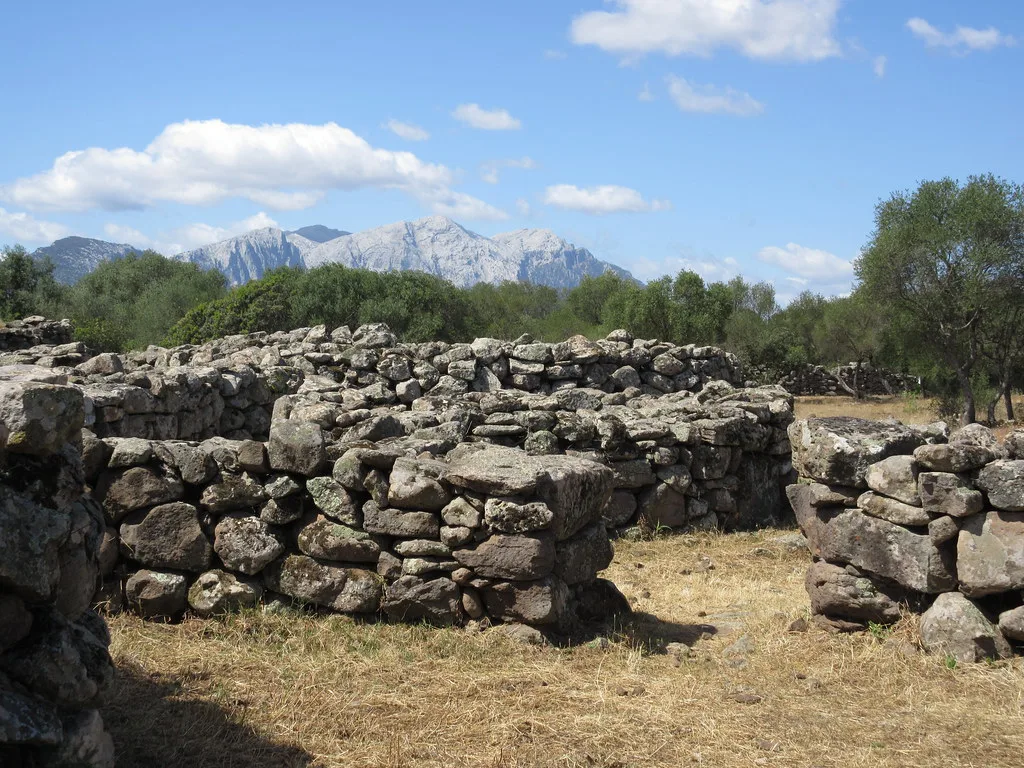
Serra Orrios lies about 10 km from Dorgali on the Gollei plateau, in farmland. Driving is the practical option. Look for brown archaeological signs on the approach. Ask your accommodation in Dorgali about parking at the gate and the current road conditions. Mobile maps can place rural sites imprecisely, so confirm the pin against the signage.
Tickets, Opening Hours And Access Checks
A Dorgali archaeology cooperative, Coop Ghivine, has published a ticket price of €5.00 full, €2.50 concession and €4.00 for groups of more than 20 people. Its table also shows a 9:00 morning start all year and an afternoon start between 14:00 and 16:00, with 16:00 in July and August. Treat those as dated figures. Access has changed before, and one visitor photo shows a closed-area board at the entrance. For current hours, start with Sardegna Turismo. Heritage details are also listed on the Sardinian culture portal.
Groups of more than 20 pay €4.00 in the cooperative's listed prices, below the €5.00 full fare, so a large group should check that rate first.
- Is the site staffed on your day?
- Are tickets sold on site, or through a guide cooperative?
- Does a midday closure apply in your season?
- Is the Dorgali museum open if you want to see the finds?
How Long To Allow And When To Go
Plan a half-day add-on to a Dorgali day, including the drive of about 10 km each way. Walking distances and terrain have not been confirmed, so ask locally if mobility matters. Basalt ruins on an open plateau offer little shade, so spring and autumn are likely more comfortable than midsummer. In July and August, the afternoon slot in the cooperative's older table opens at 16:00, which also suits the cooler end of the day.
Pairing It With A Dorgali Day
Start at the Archaeological Museum of Dorgali to see the finds, then walk the village itself. Burial sites make a natural second stop for a Nuragic theme. Read about Nuragic giants' tombs for the communal tombs of the same culture. Earlier rock-cut burials are covered in our guide to domus de janas tombs. For a themed route, add the sacred well at Santa Cristina. Statues from the same civilisation are covered in the guide to the Mont'e Prama giants. More options are listed in our overview of ancient ruins across Sardinia.
Related guides



Continue reading
Guides on the same trip



