Last updated November 2026: Ostia Antica is Rome's ancient port city, a ruined town near the mouth of the Tiber that you can reach from Rome by train. It suits travelers who want to see how Romans lived and worked, not only how emperors built. This guide covers eight highlights, the route from Metro B, ticket checks and a plan for each time budget.
Featured image: Marie-Lan Nguyen (User:Jastrow), CC BY 2.5, via Wikimedia Commons.
Ostia Antica at a Glance
Ostia Antica is the Parco Archeologico di Ostia Antica, entered at Scavi di Ostia Antica off Via dei Romagnoli. Ancient Rome used this port at the Tiber mouth, and what survives is a working town of streets, shops, baths and apartment blocks. Most visitors come from Rome for a half day.
| Fact | Detail |
|---|---|
| Location | Scavi di Ostia Antica, off Via dei Romagnoli |
| From Rome | Metro B to Piramide, then the Ostia-line train |
| Typical visit | 90 minutes to a full day |
| Best for | Daily-life ruins, mosaics, insula streets |
| Watch for | Little shade and uneven paving in summer |
Is Ostia Antica Worth It? Who Should Go and Who Can Skip
Ostia Antica rewards visitors who like walking through streets, shops and bathhouses at their own pace. It reads as an everyday port town, not a frozen disaster scene. Our short answer on whether the trip pays off is yes for a second or third Rome visit. Skip it if you have a very short Rome stay, limited mobility on rough paving, or a hot midday slot. Skip it too if you only want intact Pompeii-style houses.
How to Get to Ostia Antica from Rome
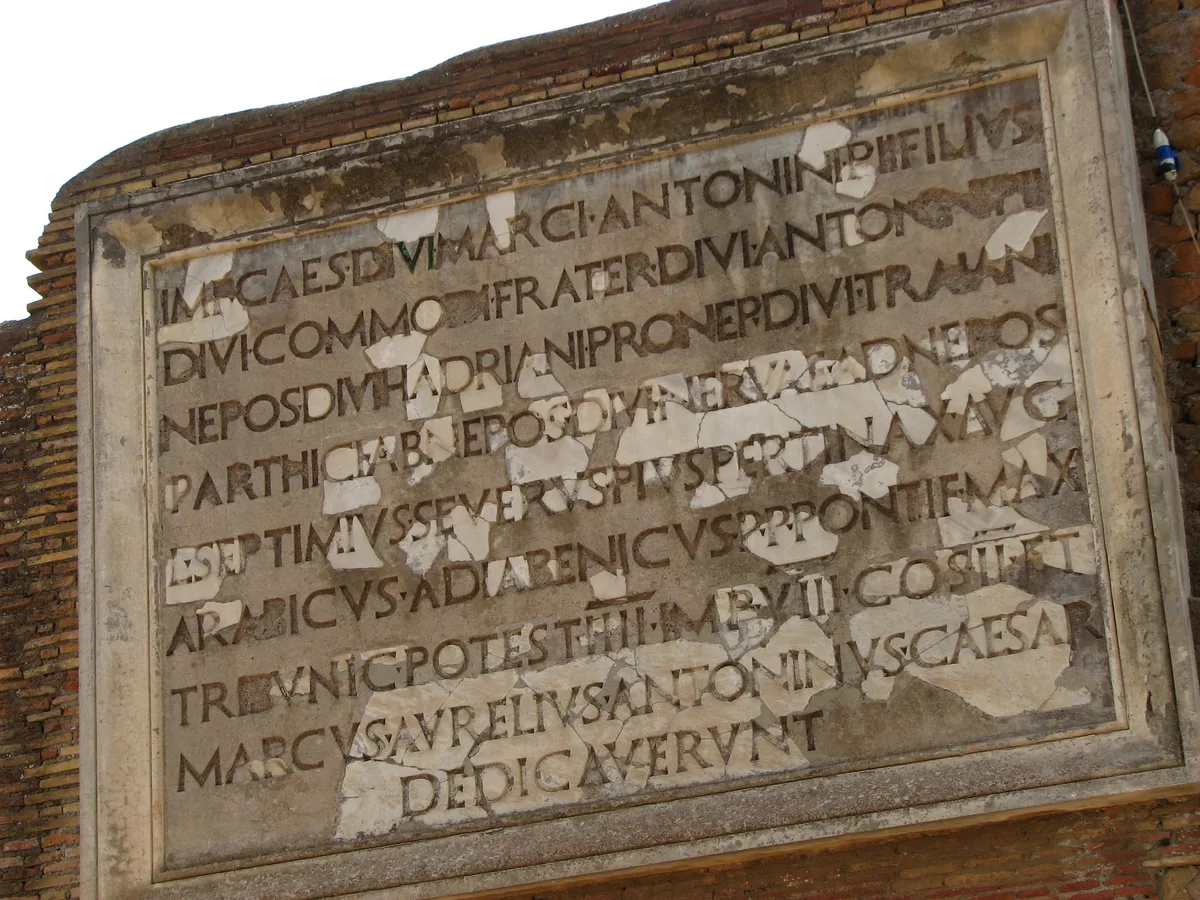
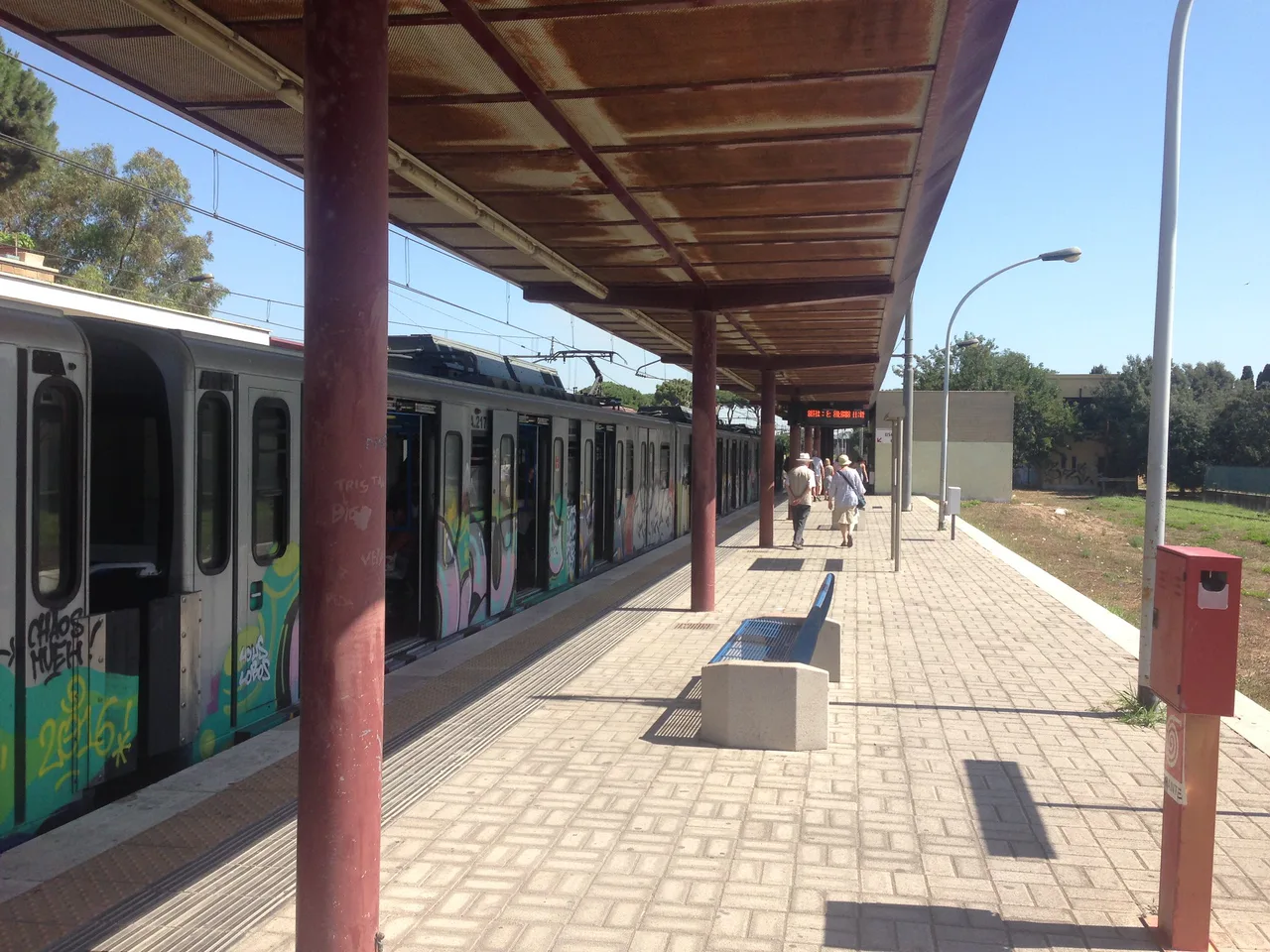
Start on Metro B and ride to Piramide. Change there to the Ostia-line train, known as the Roma-Lido line, and ride to the stop for the ruins. From the station you walk to the entrance on Via dei Romagnoli. Roma Mobilità publishes current lines, fares and service changes. Check the last return train before you start exploring. Our guide to getting there from Rome covers each step in more detail.
Tickets, Opening Hours and Costs
Ticket types, prices, closing days and last-entry time are set by the park, so read them on the official park site before you go. Entry costs less than most guided tours and less than a combined Rome day tour. Note which areas are closed for works that day. Card and cash acceptance varies, so carry some cash. Our page on ticket types and prices keeps the details together.
8 Highlights of Ostia Antica
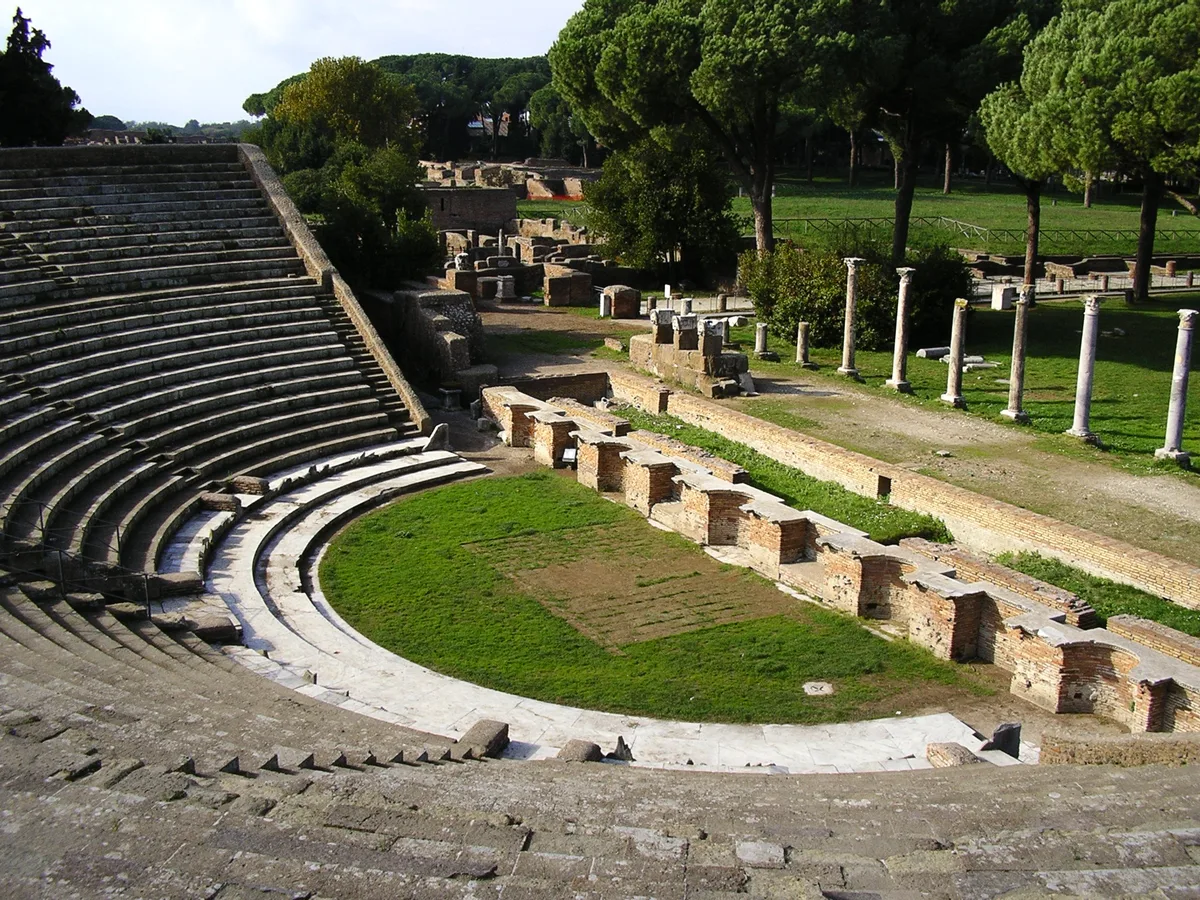
These eight stops follow a sensible walking order, from the main street to the optional add-on. Prices and hours checked November 2026 against the official park site.
If your Ostia visit runs 3 hours, the Baths of Neptune fits in the cooler morning, when shade around the ruins is limited.
1. Decumanus Maximus
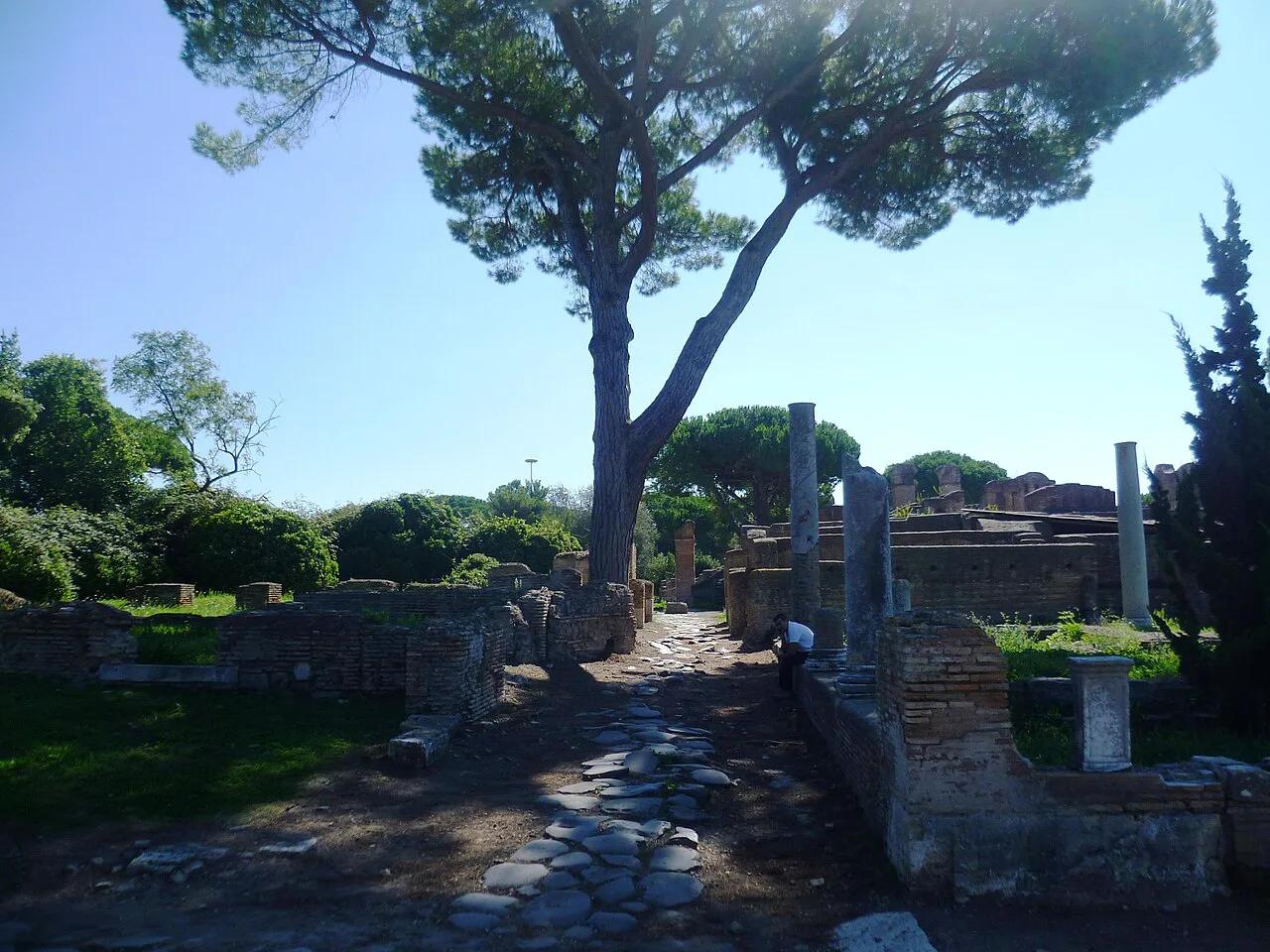
This is the main road through the city, a paved axis lined with the remains of shops, porticoes and public buildings. Walk it first, because most other highlights branch off it. Look for the worn paving and the ruts of carts underfoot.
Allow time to stop at the side streets, where taverns and workshops show how a port town ran day to day. Skip nothing here, but don't rush: it sets the scale for everything else.
2. Forum and Capitolium
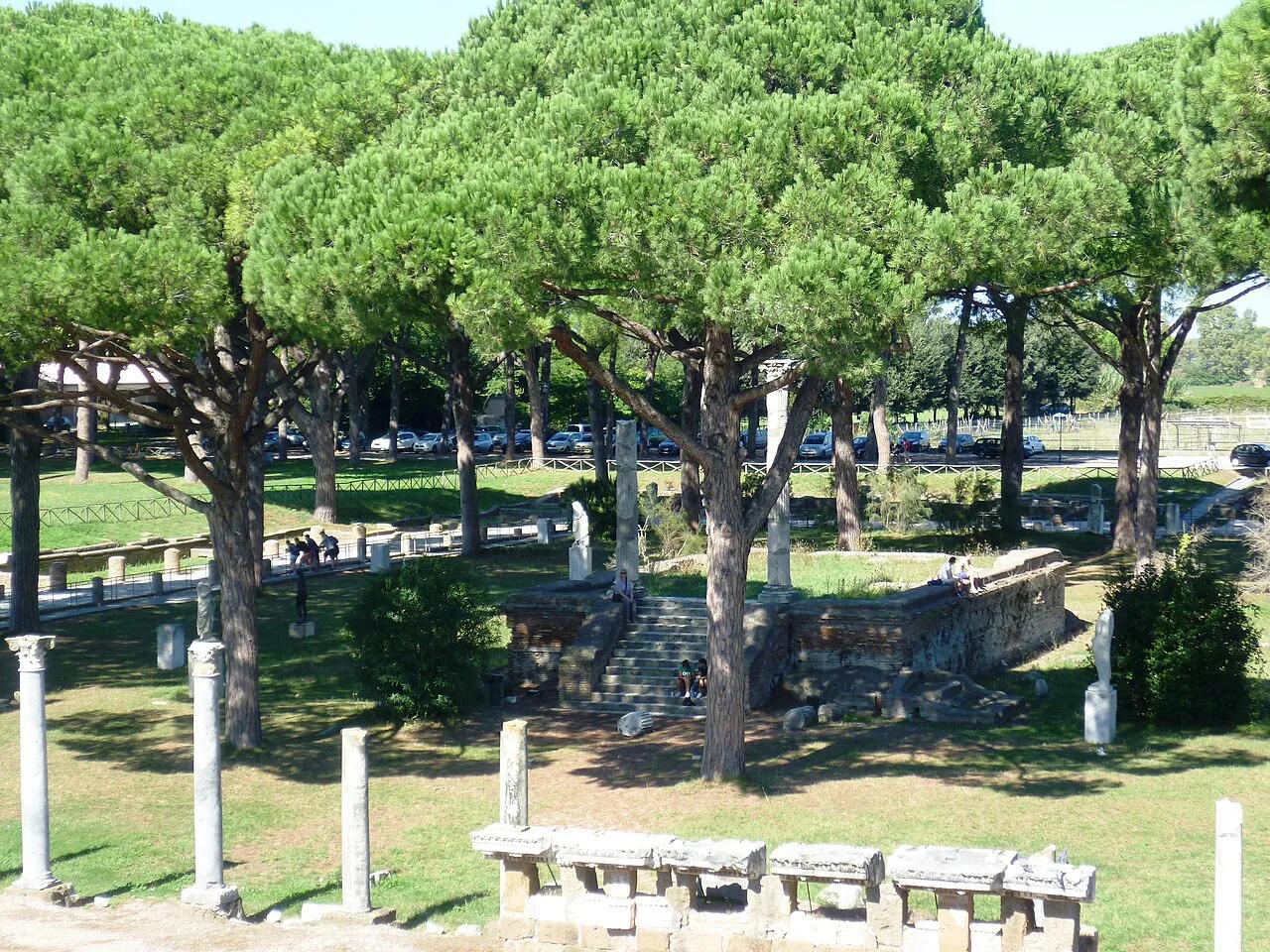
The Forum was the political and religious center of the city. Its main landmark is the Capitolium, a temple to Jupiter, Juno and Minerva, whose raised podium and steps still dominate the square. Stand at the foot of the steps and look across the open space to see how civic life was arranged.
Most visitors reach it within the first half hour on the Decumanus. Anyone with very little time should still make this stop.
3. Theatre
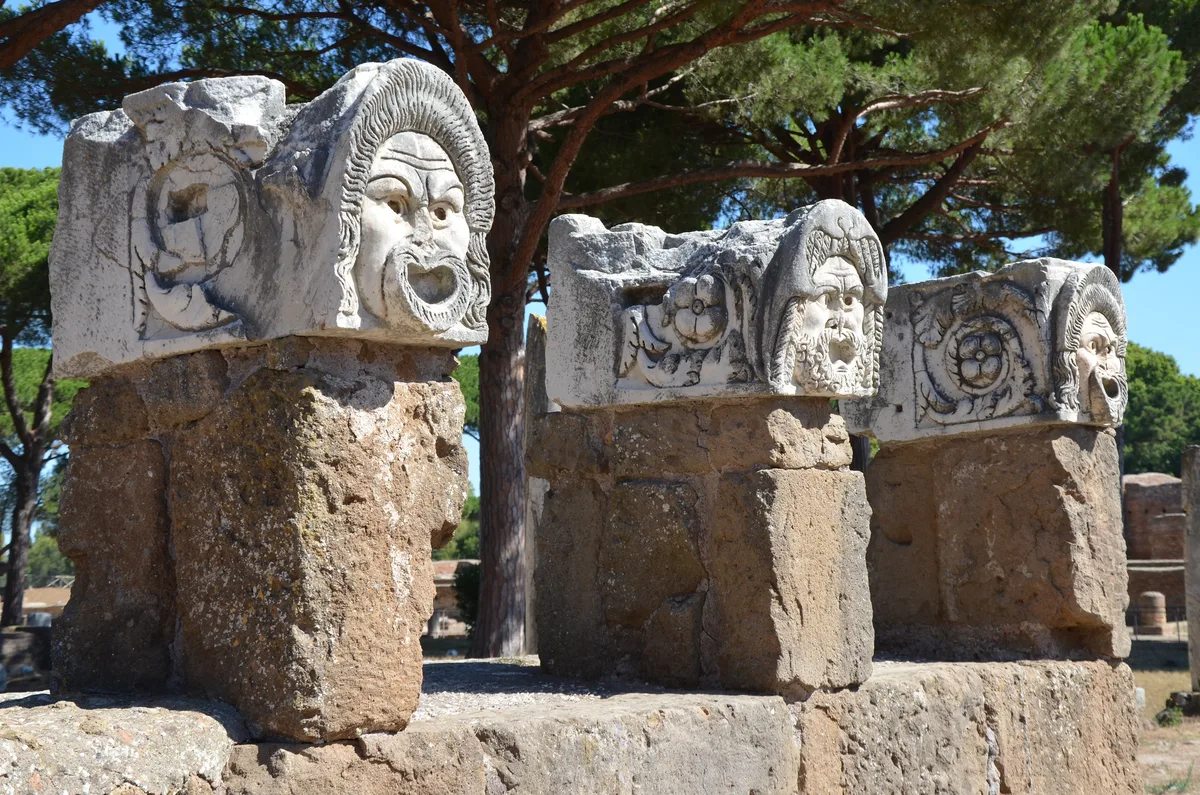
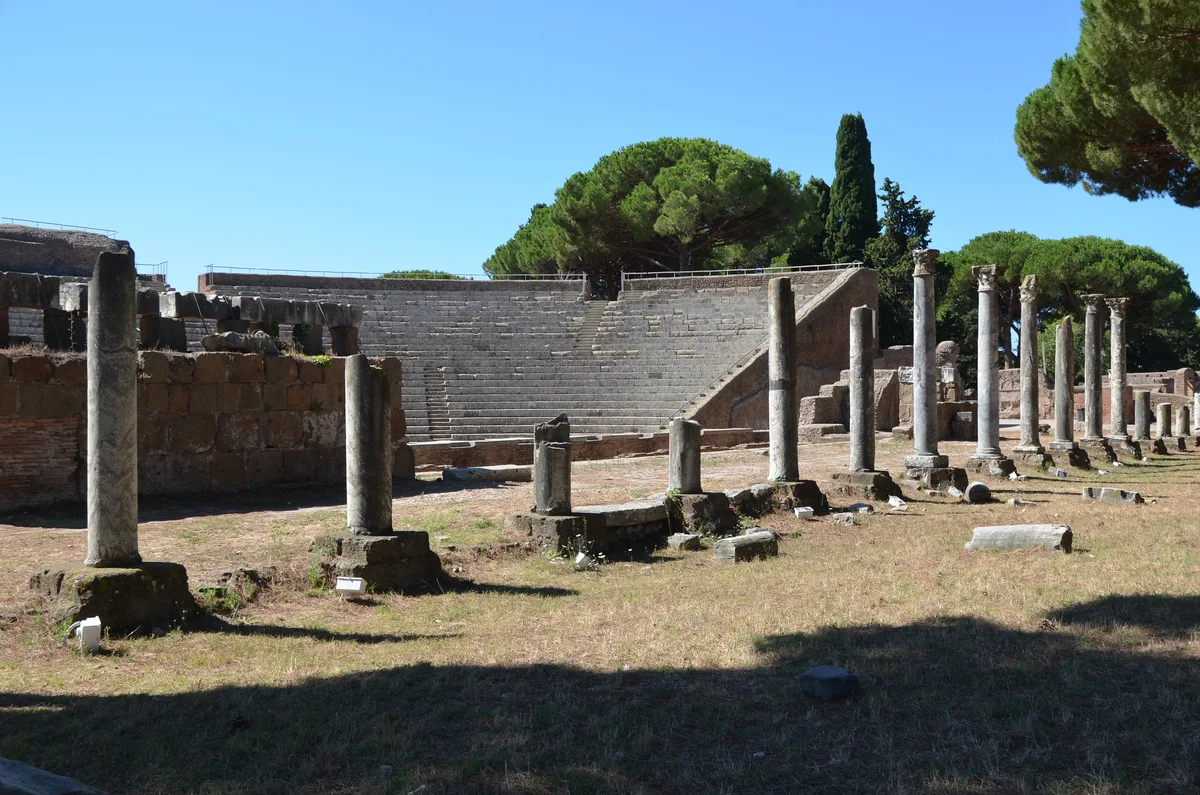
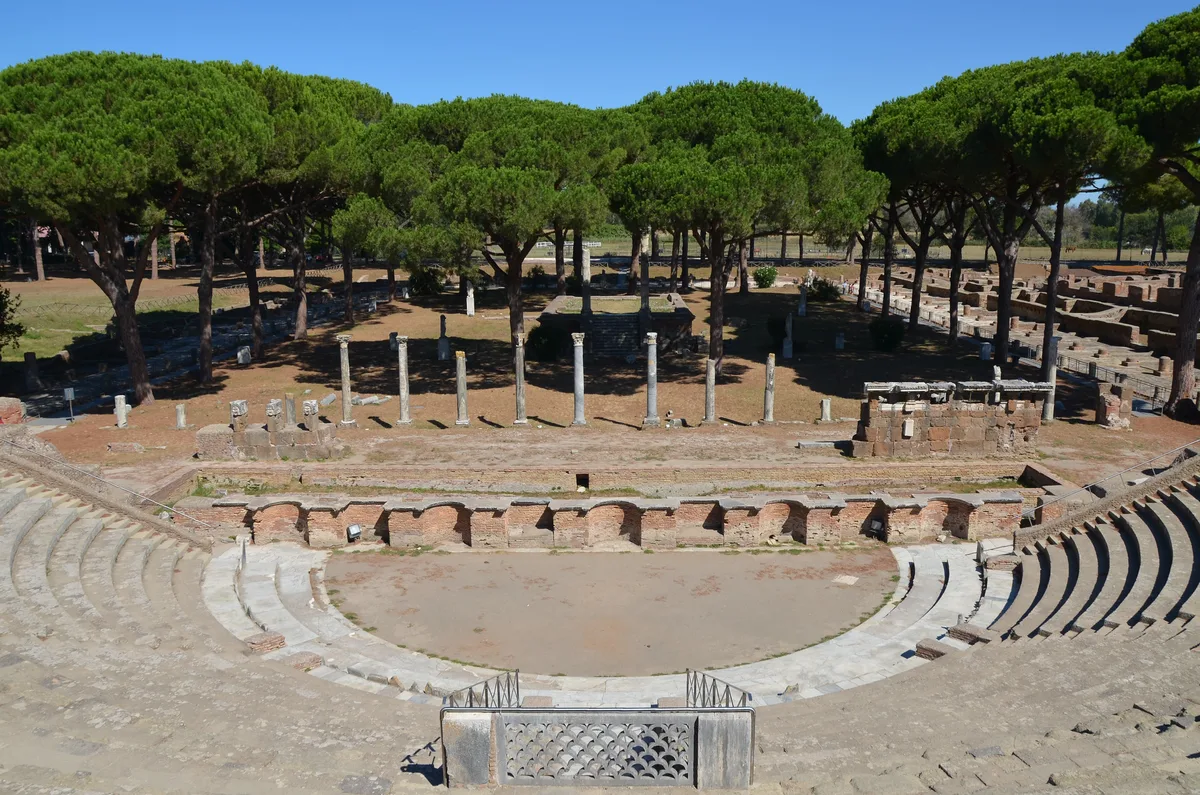
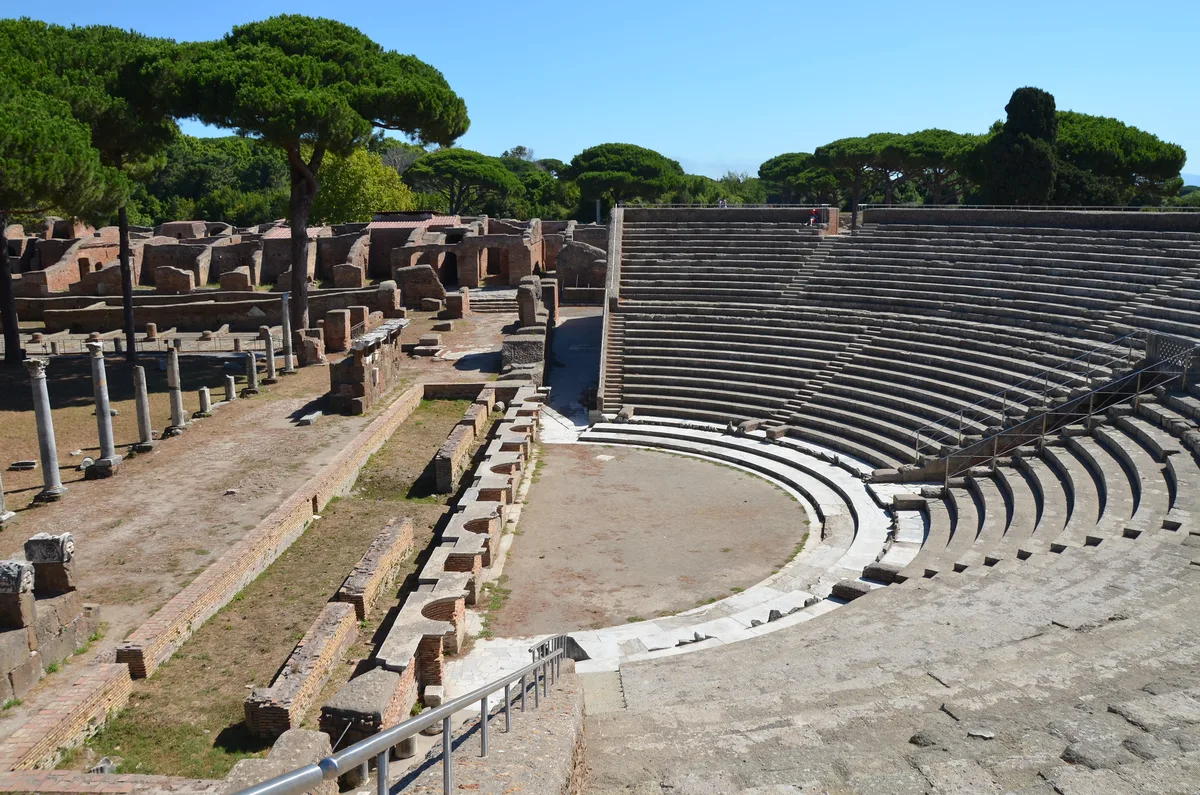
Ostia's Roman theatre stands near the center of the site and is one of its most recognizable structures. Climb the seating for a view across the surrounding ruins. Summer performances are sometimes held here, so check the current season's programme and ticketing.
The steps are uneven and exposed to sun, which matters in July and August. Our page on the Ostia Antica theatre covers its history and access.
4. Baths of Neptune
These public baths were a social space as well as a place to wash. The Baths of Neptune are known for their mosaic work, but attribute details only to the official site's descriptions. Look at the floor patterns and the layout of the bathing rooms.
Visit in the cooler morning, because shade is limited around the open ruins. Skip a long stop if you have already spent time in Rome's larger bath complexes.
5. Piazzale delle Corporazioni
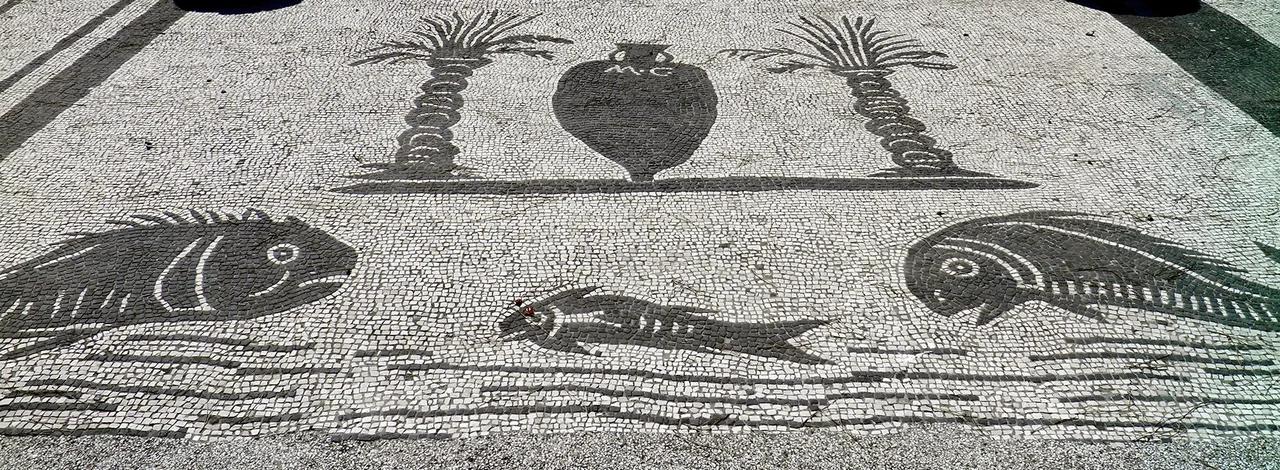
This square behind the theatre held the offices of trading and shipping companies. Its mosaic floors carry images tied to the trades and places that fed Rome. It is the best stop for seeing Ostia as a commercial port, not a monument.
Take a few minutes at each floor panel and read the signs. Visitors who find mosaics repetitive can pass through quickly.
6. Insulae and Residential Areas
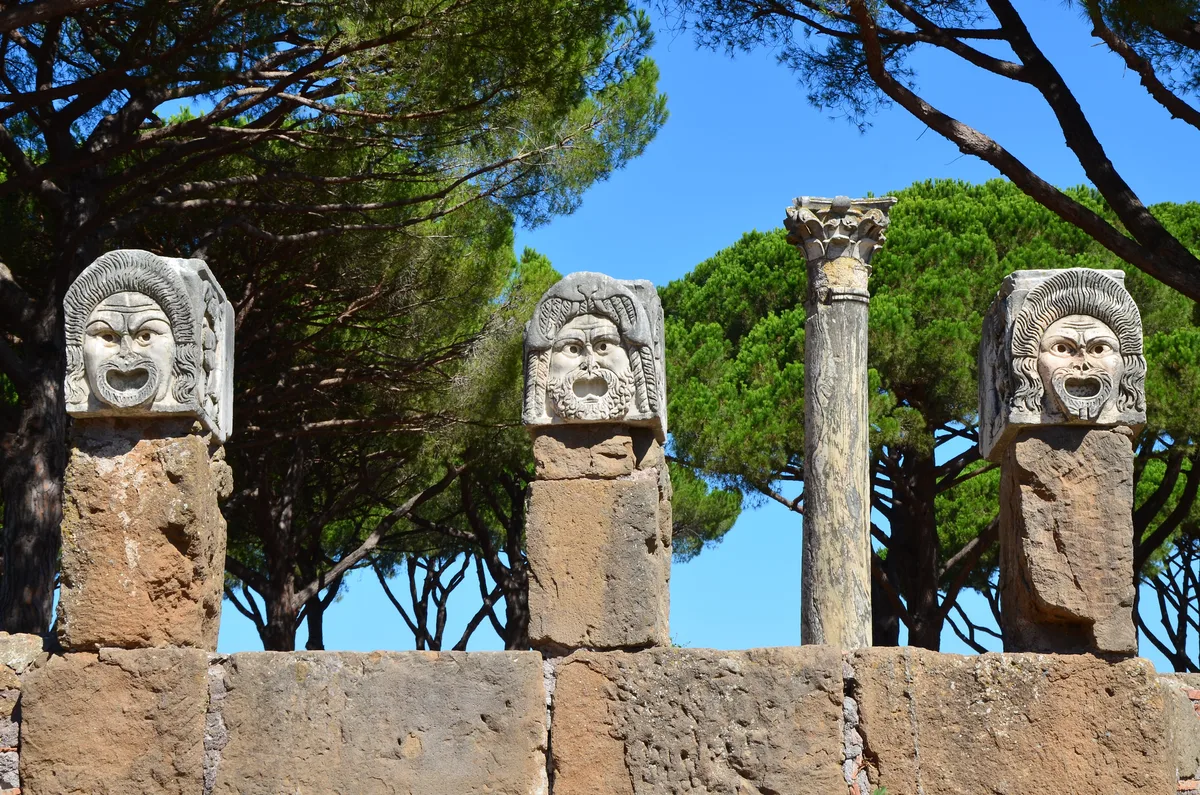
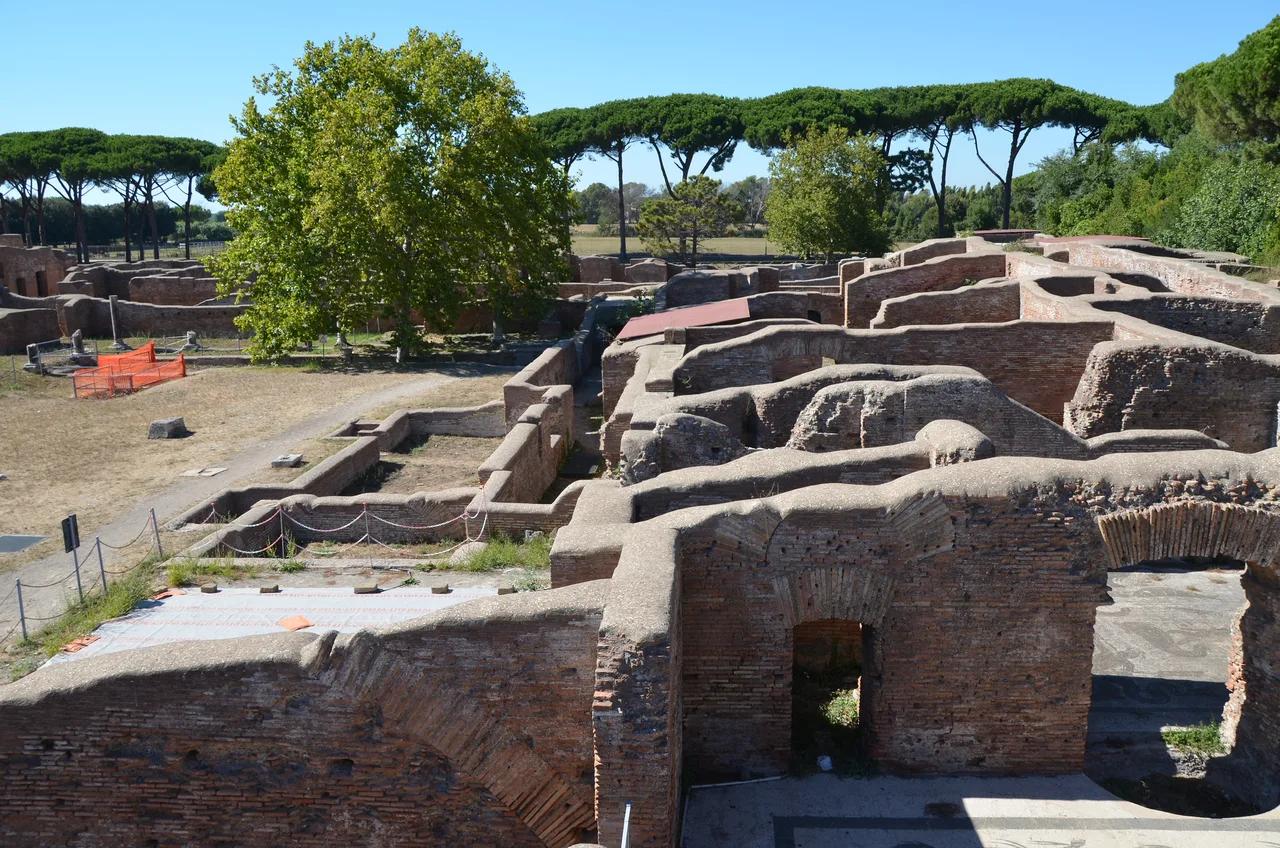
Insulae were multi-story apartment blocks, and Ostia preserves several of them. Walk the side streets to see courtyards, stairwells and ground-floor shops. This is where Ostia differs most from Pompeii's preserved villas.
Expect uneven stone and fewer signs than on the main road. Skip it if you only want grand houses with painted rooms.
7. Mosaics
Mosaic floors turn up across the site, in baths, squares and private buildings. Treat them as a thread through the visit, not a single stop. Notice how the designs change from room to room.
Carry a map so you can find the best examples without backtracking. Our page on mosaic floors lists where to look.
8. Portus and Isola Sacra
Portus and the Isola Sacra necropolis sit beyond the main ruins and add a harbor and burial-ground view of the same port system. They are an optional extra, not part of a standard visit. The trade-off is extra time and transport on top of Ostia itself.
Add them only if you have a full day and still want more. Our guide to Portus and the Isola Sacra necropolis explains the logistics.
How to Plan Your Time: 90 Minutes, 3 Hours or a Full Day
With 90 minutes, walk the Decumanus, the Forum and the theatre, then leave. With 3 hours, add the Baths of Neptune, the Piazzale delle Corporazioni and one insula street. A full day lets you cover everything slowly and add Portus. See how long to spend for more detail. Pick up the site map and route to avoid backtracking.
| Time budget | Stops in order | What to cut |
|---|---|---|
| 90 minutes | Decumanus, Forum, theatre | Baths, insulae, mosaics detours |
| 3 hours | Add Baths of Neptune, Piazzale delle Corporazioni, one insula | Far residential streets |
| Full day | All eight, with breaks | Nothing, but skip Portus in heat |
What Makes Ostia Antica Unique, and How It Differs from Pompeii
Ostia shows the daily workings of a port: warehouses, trade offices, apartment blocks and baths. Pompeii is a preserved snapshot of a resort town. Both are worth seeing, but they answer different questions. The Pompeii comparison goes deeper. The Pompeii archaeological park publishes its own visitor details if you plan both.
Guided Tours vs Going Solo
Self-guided visits cost least and give you the most flexibility. Audio guides add context at a modest extra cost. A guided tour gives the most background, but it fixes your pace and usually costs more. Combined Rome tours save planning but leave less time on site. Our summary of guided tour options compares them in plain terms.
| Option | Cost level | Flexibility | Context |
|---|---|---|---|
| Self-guided | Lowest | Highest | Signs only |
| Audio guide | Low | High | Moderate |
| Guided tour | Higher | Lower | Deepest |
| Combined Rome tour | Highest | Lowest | Varies |
Practical Tips and Mistakes to Avoid
Bring water and wear shoes with grip, because paving is uneven. Shade is minimal, so avoid midday in summer. Check closing days and last entry on the Ministry of Culture pages or the park site. Do not assume card-only payment. Don't try to combine too many sites in one day. Missing the last return train is the costliest mistake.
Build a visit around 90 minutes and check the last return train first, since missing it costs the most.
Where to Stay and Eat
Most visitors day-trip from Rome and stay in a Rome neighborhood near Metro B. Modern Ostia and the Lido are alternatives if you want a seaside base. Food and water on site vary, so carry your own and check what is open.
Ostia is an easy half-day from Rome; for the ancient sites in the city itself, see our guide to Roman ruins in Rome.
To compare Ostia with other Roman towns that survive in plan, see our list of the best-preserved Roman towns in Europe.
Explore More Guides
Keep planning your trip with these guides.
Guides
- Ostia Antica from Rome: Train Route, Options and Day Plan
- Ostia Antica Tickets: Price, Booking & How to Visit
- Ostia Antica Tour: Guided vs DIY
- Ostia Antica vs Pompeii: Which Roman Ruins Should You Visit?
- How Long to Spend at Ostia Antica
- Ostia Antica Theatre: What to See, Access and Events
- Ostia Antica Map: Site Layout & Walking Routes
- Ostia Antica Mosaics: Where to Find Them and What They Mean
- Ancient Harbour, Isola Sacra and How to Visit
- Is Ostia Antica Worth It? Honest Verdict for Rome
Related guides
Continue reading
Guides on the same trip