
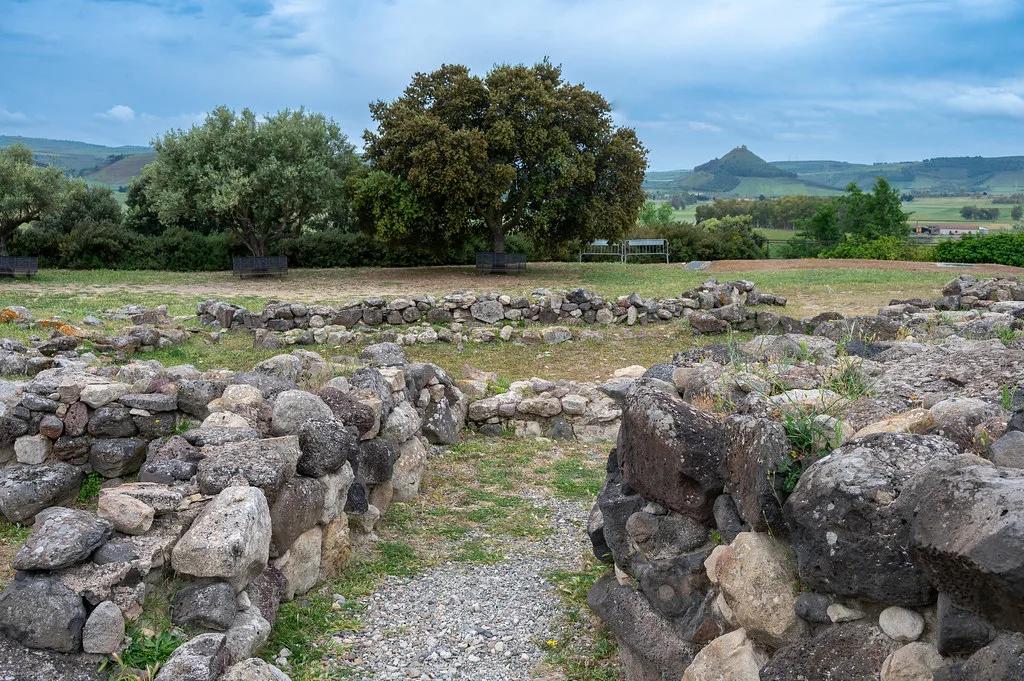
Su Nuraxi di Barumini: Visiting Sardinia's UNESCO Nuraghe
Last updated November 2026: Su Nuraxi is the UNESCO-listed Nuragic complex at Barumini in the Marmilla, with a central tower and a village built around it. Its name means "the nuraghe" in Campidanese Sardinian. Barumini is inland, so a car is the usual way to get there.
Featured image: xiquinhosilva, CC BY 2.0, via Flickr.
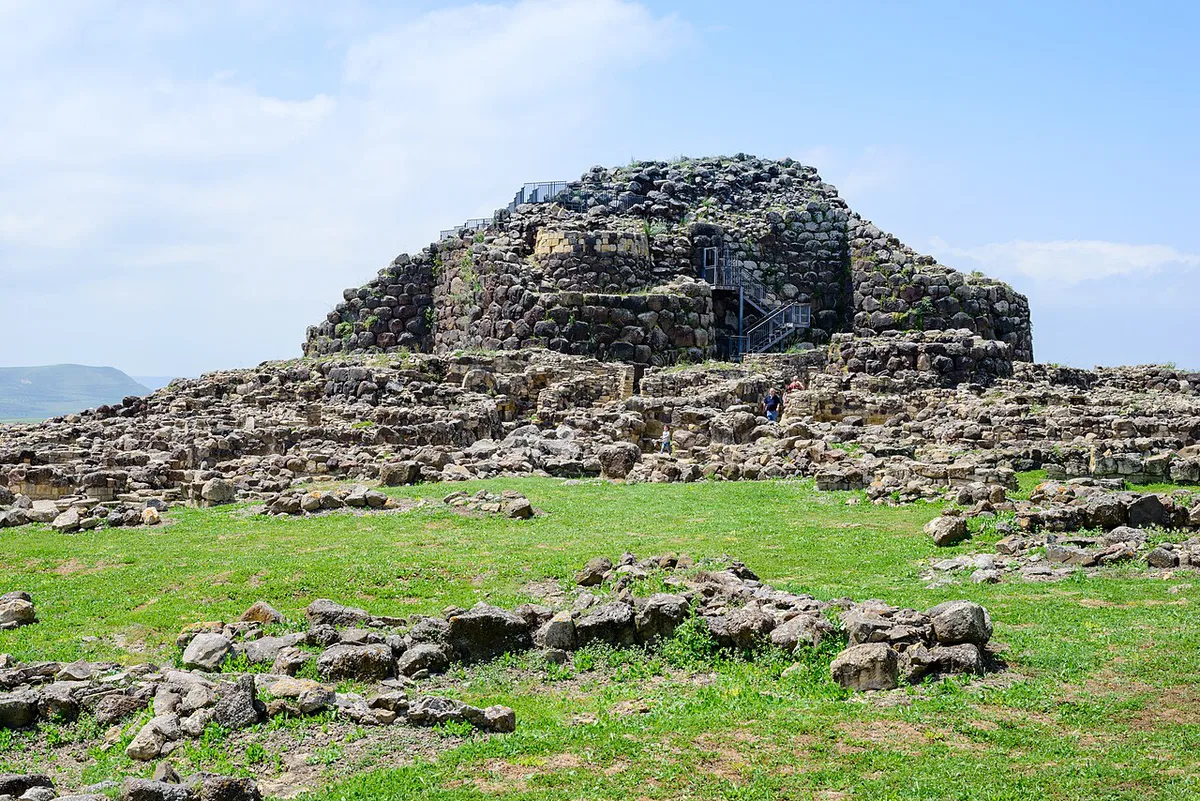
What Su Nuraxi Is and Whether It Is Worth Visiting
Barumini's Nuragic settlement joined the UNESCO World Heritage list in 1997 as Su Nuraxi di Barumini. Scholars regard it as the most impressive expression of Nuragic civilization. Few Sardinian sites let you walk through a whole prehistoric village instead of a single tower. That makes it a strong pick for anyone with a day to spend on archaeology. For background on the culture behind it, read our Nuragic Sardinia guide.
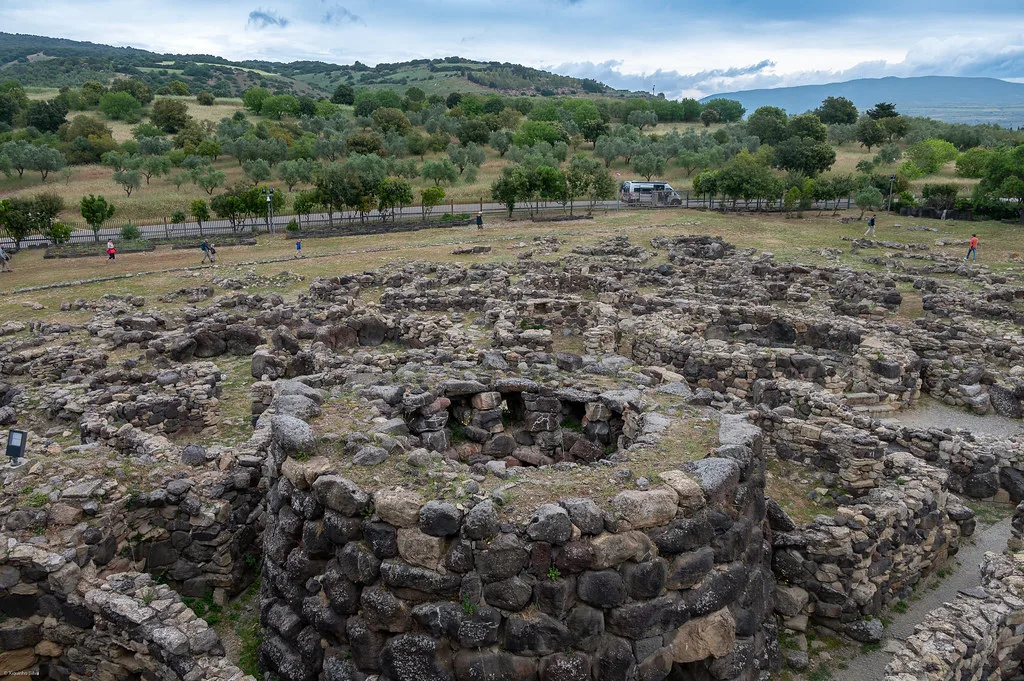
What You'll See at Su Nuraxi
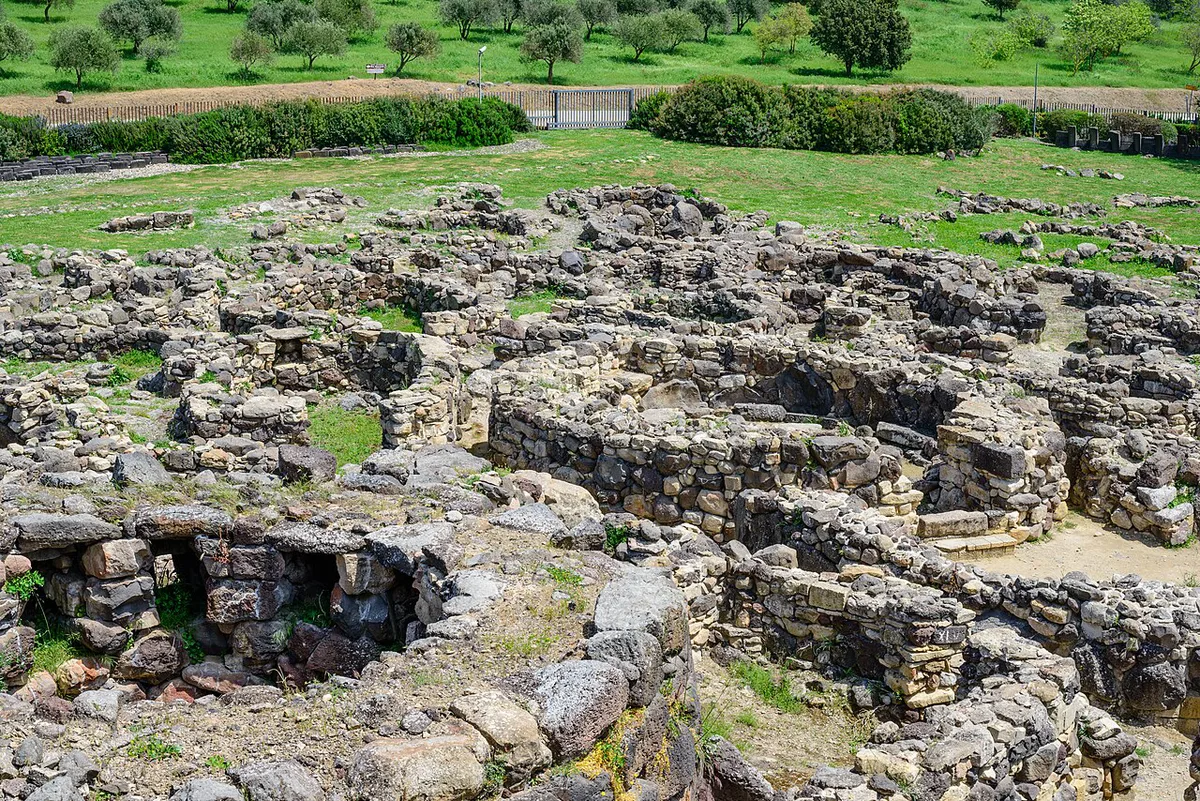
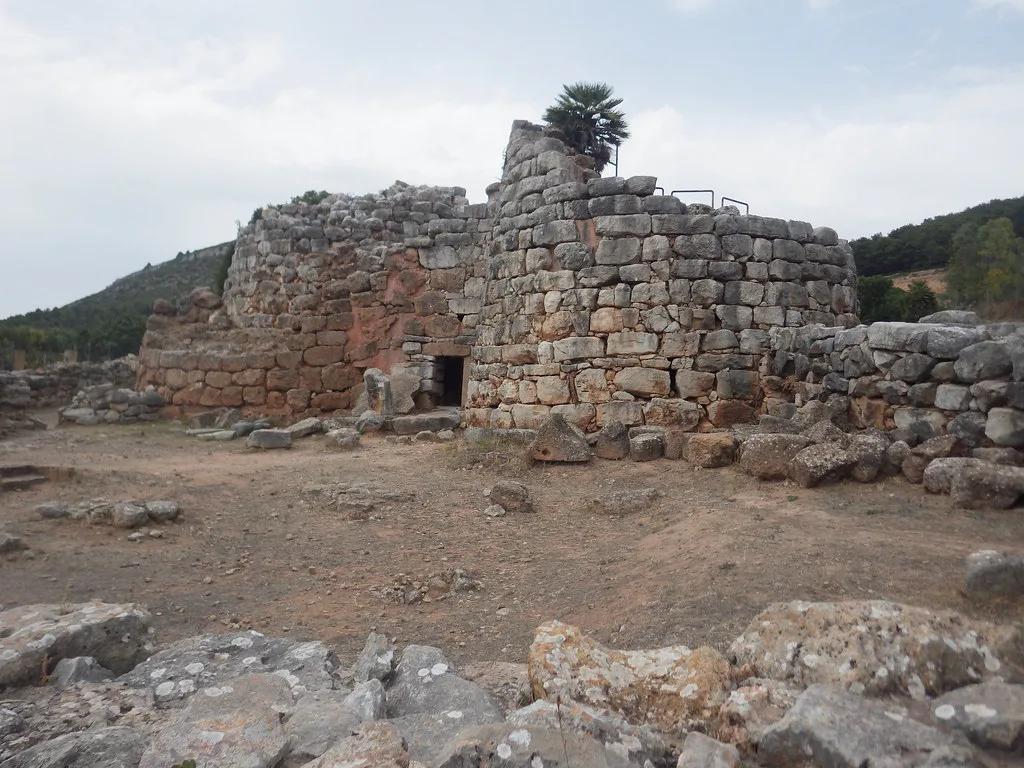
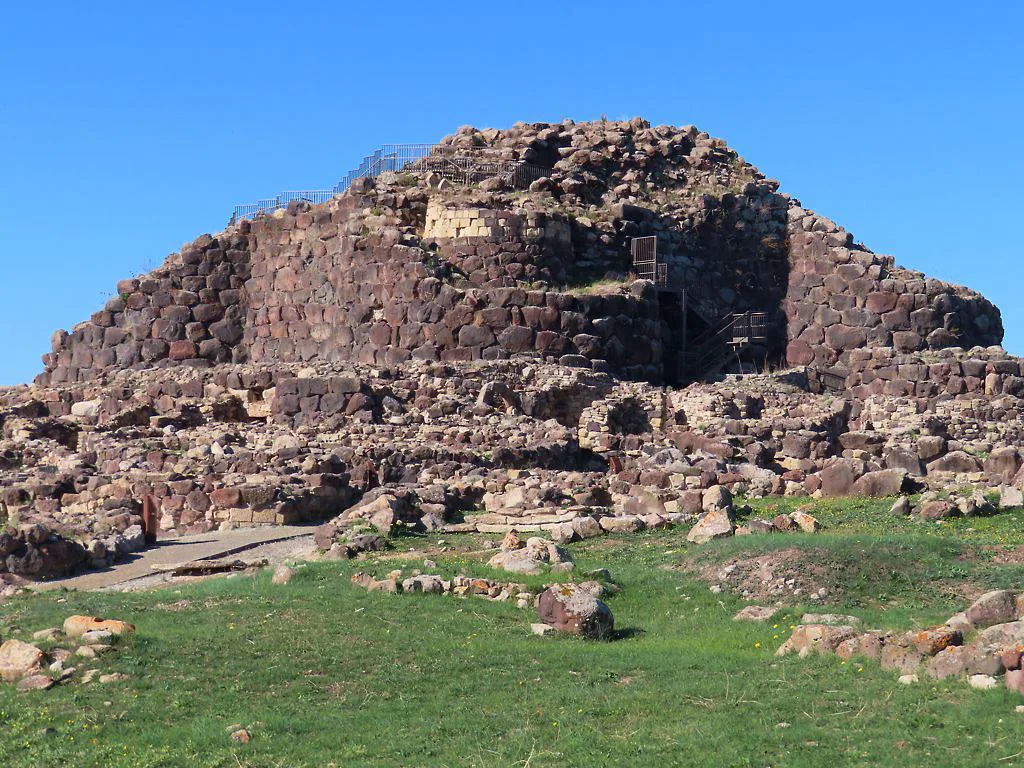
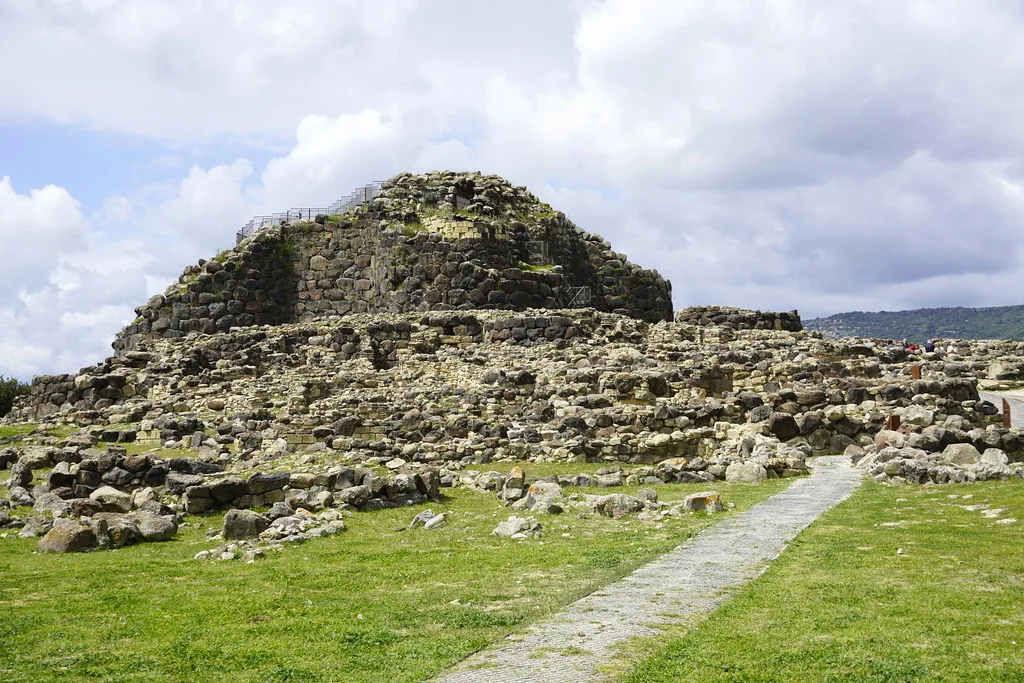
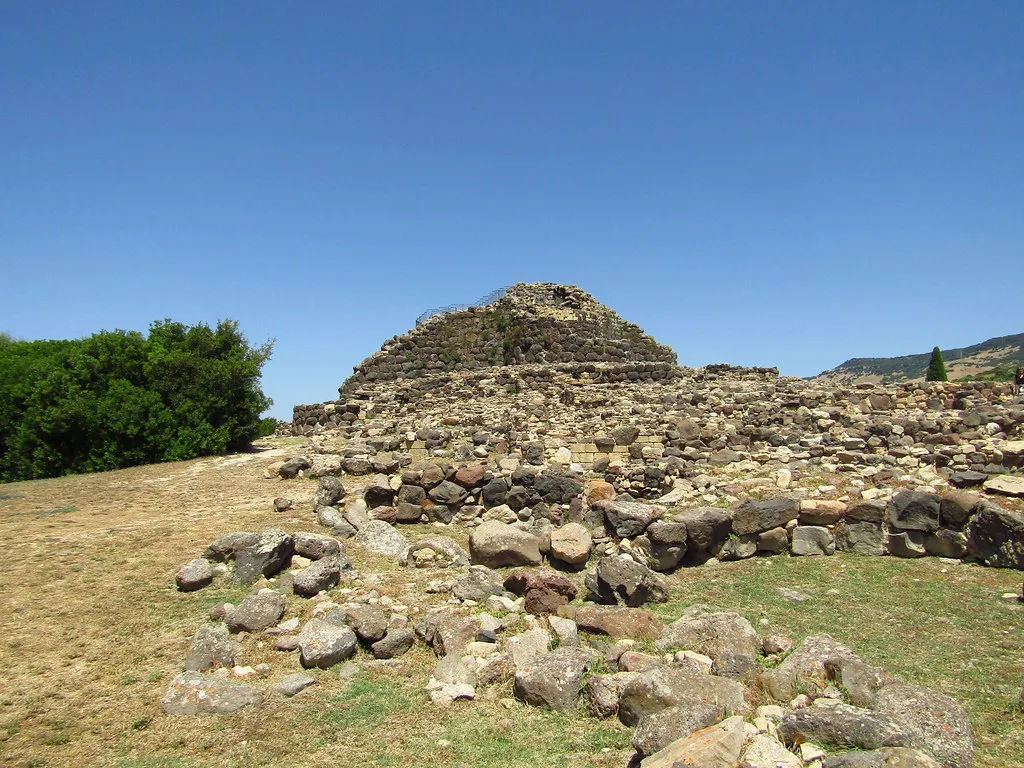
Start with the central tower, a nuraghe dated to about the 17th century BCE. Around it sits a bastion with four corner towers, which together with the central tower makes five. Beyond the walls, the village grew from about the 13th to the 6th century BCE. Builders stacked large basalt blocks without mortar, so the walls read as stone laid on stone. Giovanni Lilliu excavated the site in the 1950s. Reported 2015 digs found a previously unknown hut foundation and animal remains, including the bones of two small pigs. Dates vary between accounts, so treat every figure as approximate. Why nuraghi were built is still debated, and defensive, ritual and communal uses are all proposed.
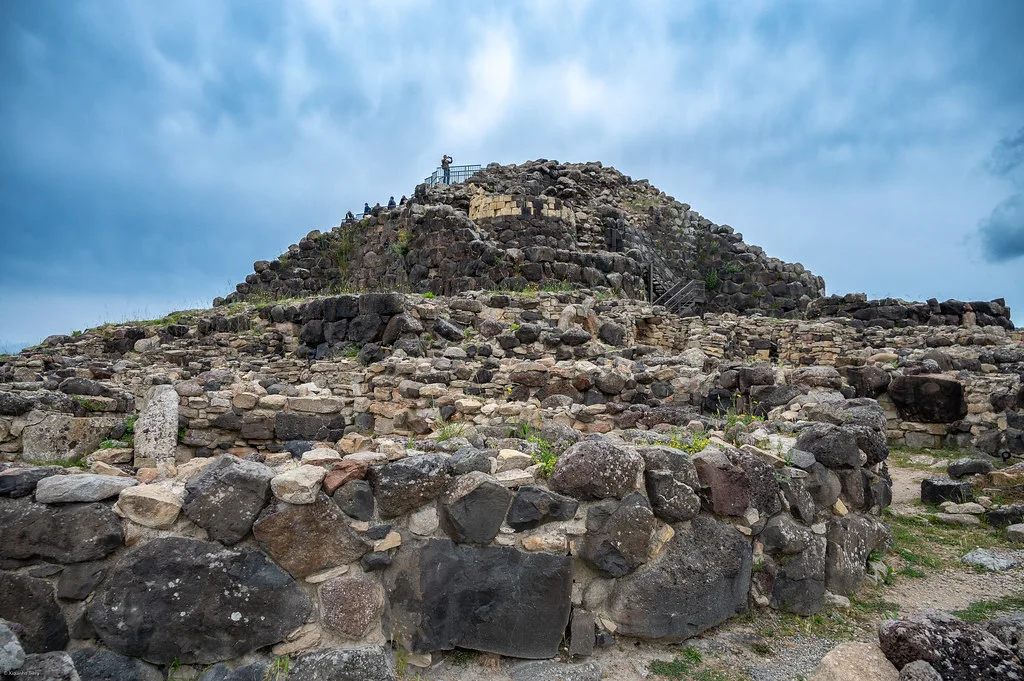
- Central tower: the oldest core, with internal rooms inside its dry-stone walls.
- Bastion: four corner towers linked by massive walls around the central tower.
- Village: small circular huts clustered around the bastion, with spaces for domestic or ritual activity.
- Setting: open landscape toward the La Giara di Gesturi plateau.
Getting to Barumini
Barumini sits inland in the Marmilla, so a rental car is the usual way to reach Su Nuraxi. Navigate to Strada Provinciale 44, 09021 Barumini. From Villasimius on the south coast, expect about 110 km (roughly 68 miles) and 1 hour 50 minutes. Cagliari and Oristano bases will differ, so run a routing app from your own starting point. Do not assume easy bus or train links to a rural site. Sardegna Turismo is the place to check current connections.
Tickets, Hours and Booking
We do not list ticket prices or opening hours here because they change by season. Current prices, hours and guided-visit rules are on the Sardegna Cultura portal.
How Long to Allow and When to Go
Give the village as much time as the tower. People lived there from the 13th to the 6th century BCE, roughly seven centuries, and the huts reward slow walking. The hilltop is exposed, so in a Sardinian summer aim for early morning or late afternoon. Expect uneven stone and steps. Visitors with limited mobility should ask the site about access before travelling.
Pairing Su Nuraxi With Other Sites
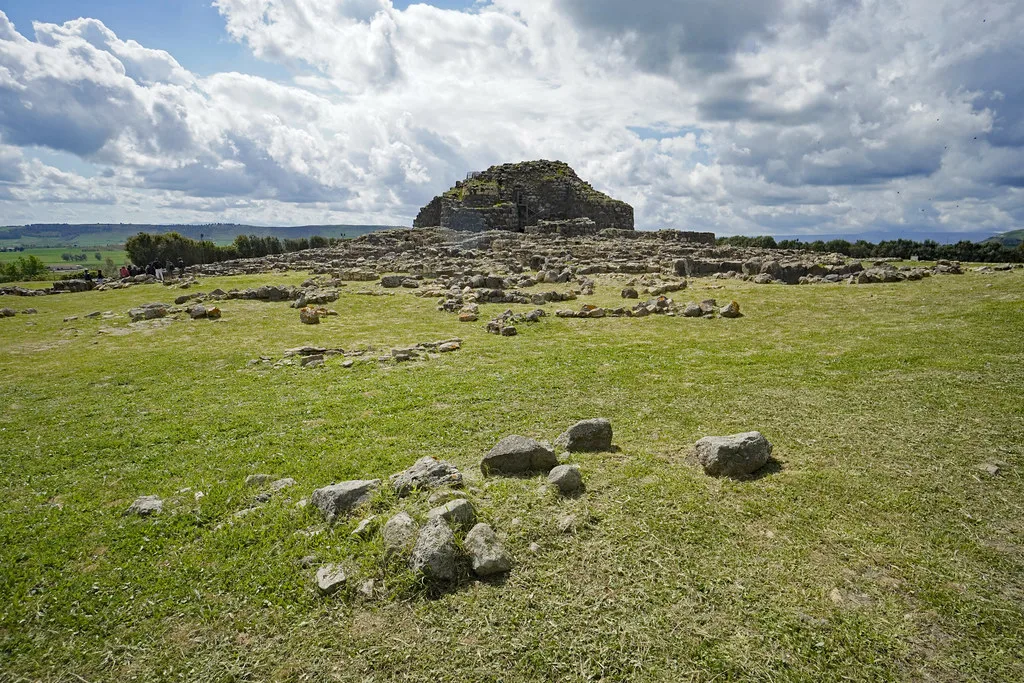
Su Nuraxi works best as the anchor of a day in the Marmilla, with the Giara di Gesturi plateau as the backdrop. Other Nuragic sites lie in different parts of the island, so treat each as its own trip leg. Funerary context comes from Giants' tombs across the island. Older burial traditions appear in Sardinia's prehistoric rock-cut tombs. Statues from the same wider culture are covered in our Mont'e Prama statues guide.
Since the drive from Villasimius runs 1 hour 50 minutes, treat each other Nuragic site as a separate trip leg.
| Site | Why pair it | Same day? |
|---|---|---|
| Santu Antine nuraghe | Another Nuragic site for comparison | Separate trip leg |
| Losa nuraghe | Another Nuragic tower | Separate trip leg |
| Serra Orrios village | Another Nuragic settlement | Separate trip leg |
| Santa Cristina well | Nuragic sacred well | Separate trip leg |
| Tharros ruins | Phoenician and Punic-Roman coastal site, a different era | Separate trip leg |
| Nora ruins | Phoenician and Punic-Roman coastal site, a different era | Separate trip leg |
Who Should Skip It and Common Mistakes
Su Nuraxi rewards curious walkers who like open-air ruins. It is not a museum, and it is not a beach stop. For other options, browse our wider Sardinian ruins roundup.
- Skip it if your trip is beach-only.
- Skip it if you want a museum-style experience with indoor displays.
- Avoid midday summer visits, since the hilltop offers little shade.
- Avoid assuming buses or trains will get you to Barumini easily.
- Check whether guided visits are required before you set off.
Frequently Asked Questions
Who were the ancient Sardinians?
The Nuragic civilization built the dry-stone nuraghi that dot the island. At Su Nuraxi, the village around the central tower was inhabited from about the 13th to the 6th century BCE. Scholars still debate whether the towers were defensive, ritual or communal.
What are some ancient ruins to visit in Sardinia?
Su Nuraxi at Barumini is the UNESCO-listed Nuragic complex. Santu Antine, Nuraghe Losa and Serra Orrios are other Nuragic sites. Tharros and Nora are coastal sites from a later, Phoenician and Punic-Roman era.
Related guides



Continue reading
Guides on the same trip


