
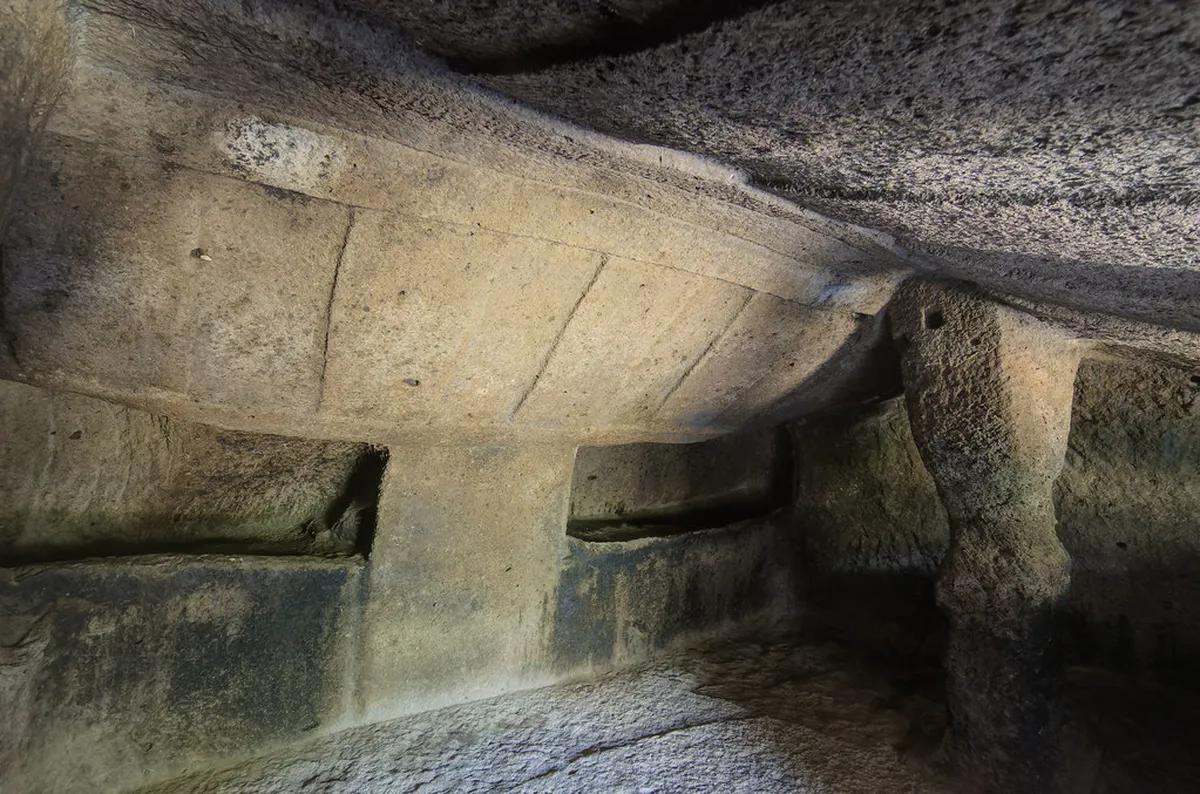
Domus de Janas: Sardinia's Fairy House Tombs & Sites to Visit
Last updated November 2026. Domus de janas are Neolithic rock-cut chamber tombs scattered across Sardinia, dated to roughly 3400–2700 BC. The name means "fairy houses" in Sardinian, and the tombs predate the towers described in our guide to Sardinian nuraghi. This page explains what you will see, how the main sites differ, and how to fit one into a trip.
Featured image: Á. M. Felicísimo, CC BY 2.0, via Flickr.
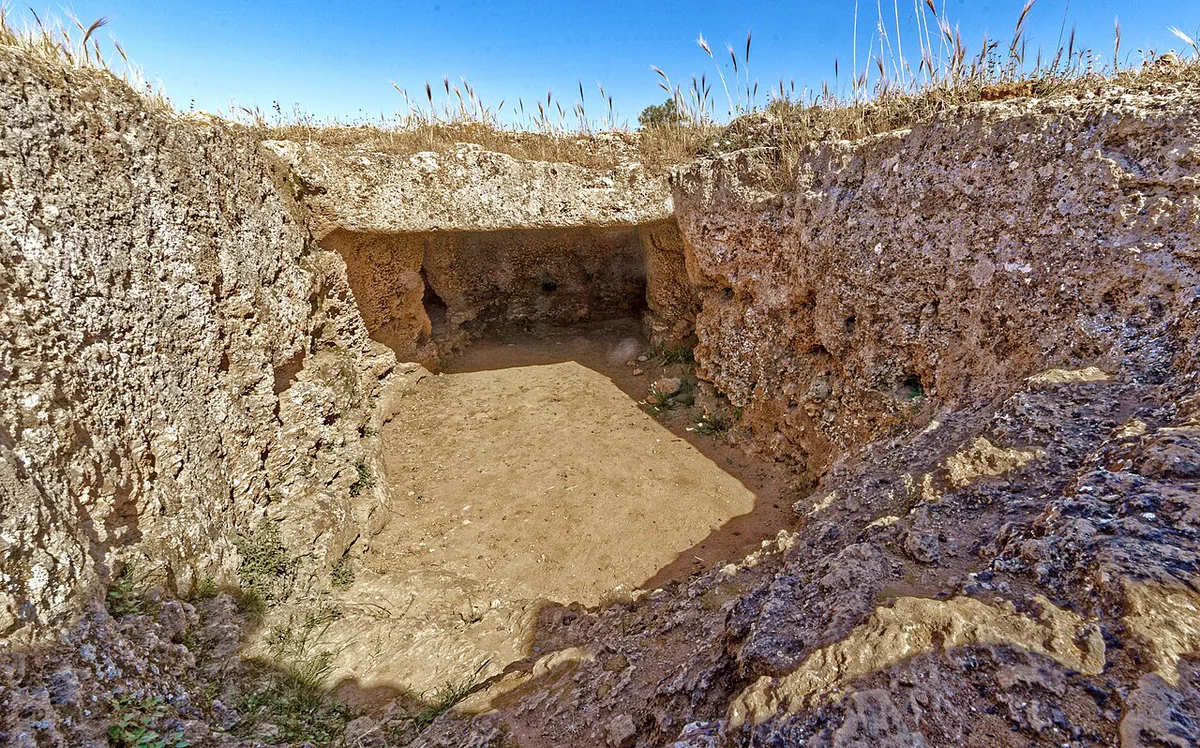
What are domus de janas?
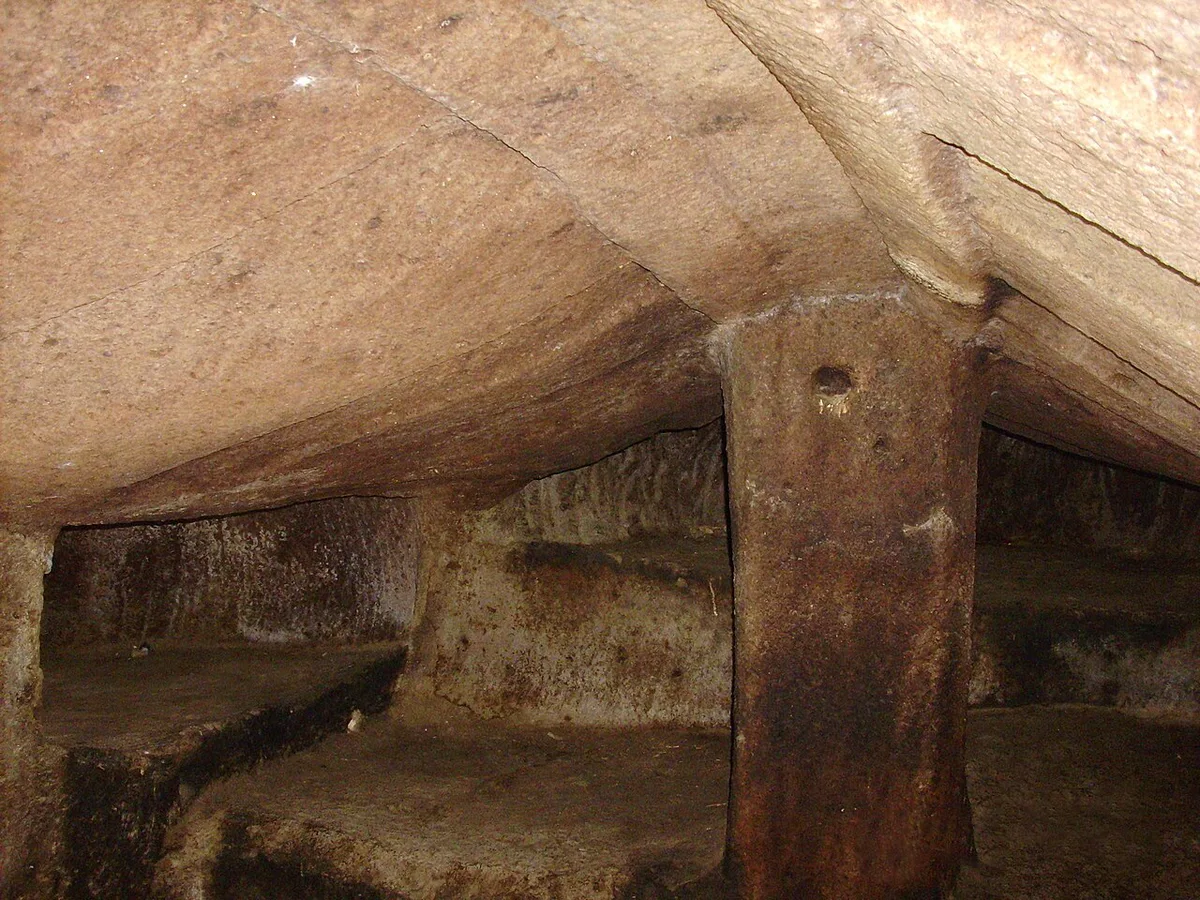
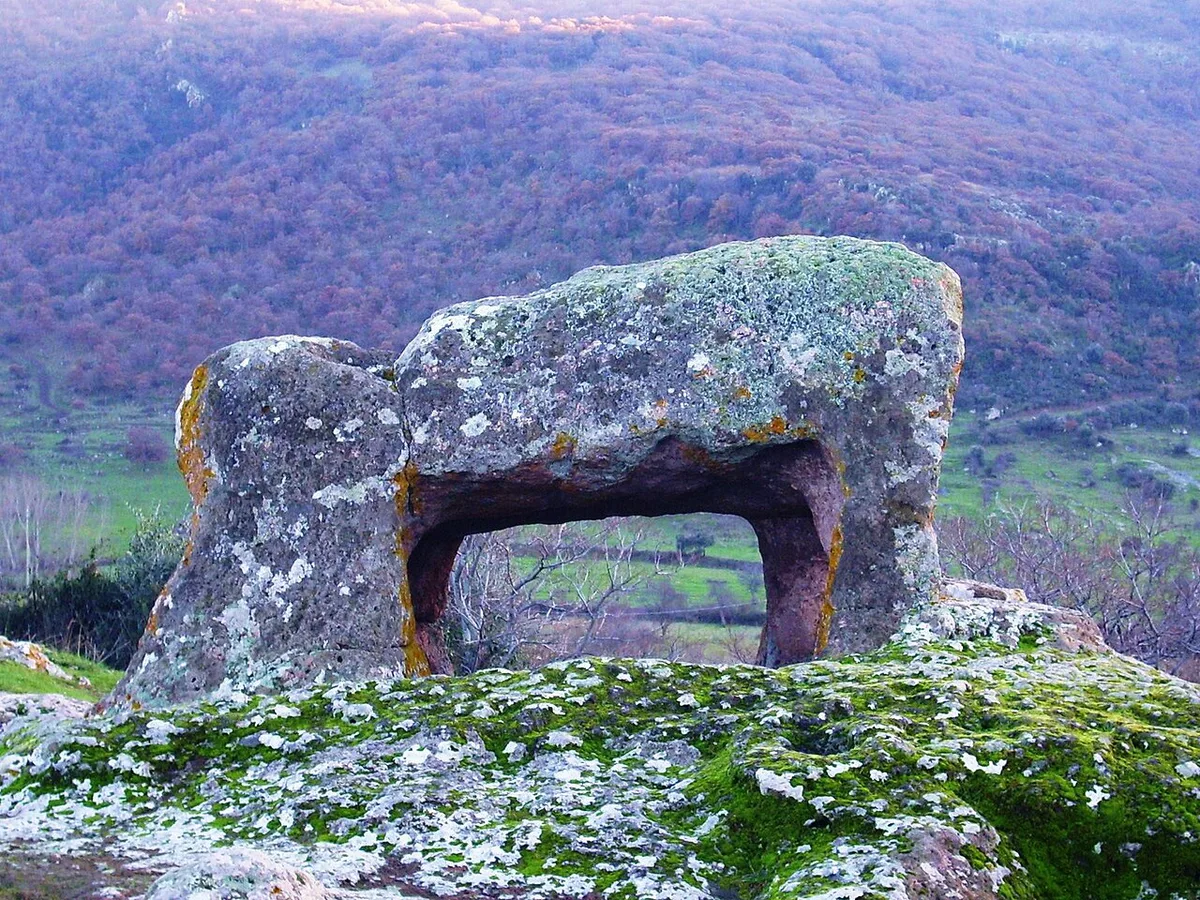
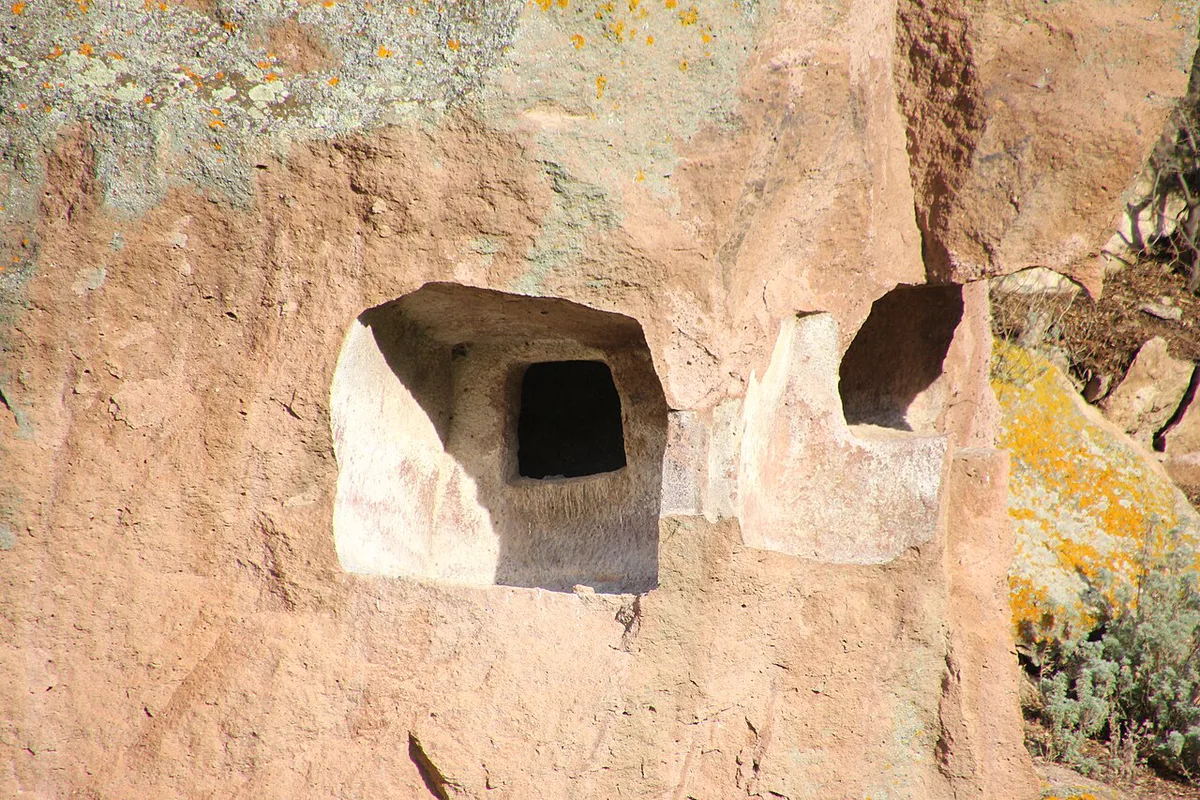
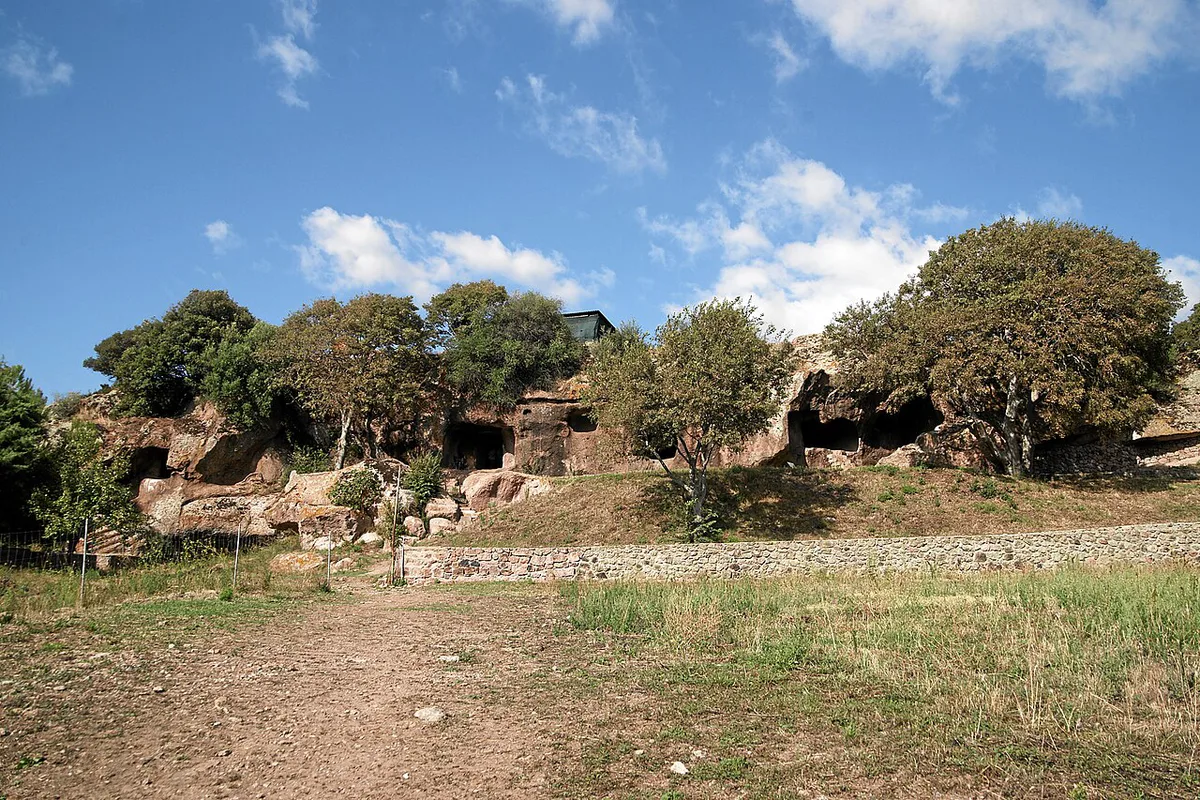
Domus de janas are burial chambers carved into soft rock by a pre-Nuragic Neolithic culture. Many were cut into volcanic rock walls, and some necropolises hold dozens of tombs. Local legend says tiny fairies, the janas, lived inside and wove gold thread. Archaeologists read the same chambers as tombs and ritual spaces whose design copied the houses of the living. That architecture suggests the people who built them saw death as continuity, not a hard break. For wider context on the island's ancient remains, start with our overview of Ruins in Sardinia: Best Nuragic and Roman Sites.
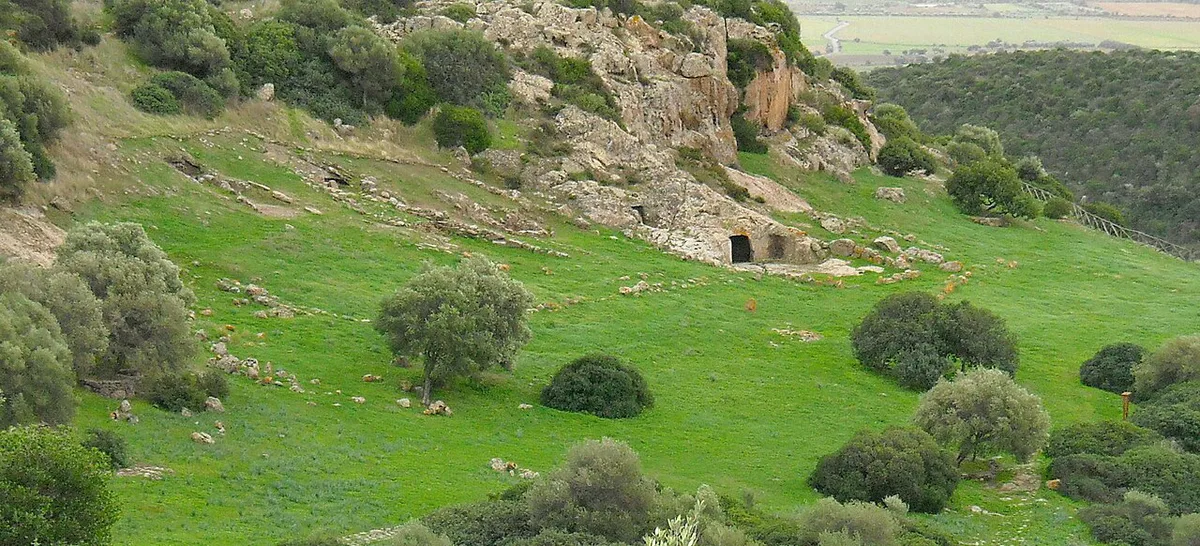
What you'll see inside
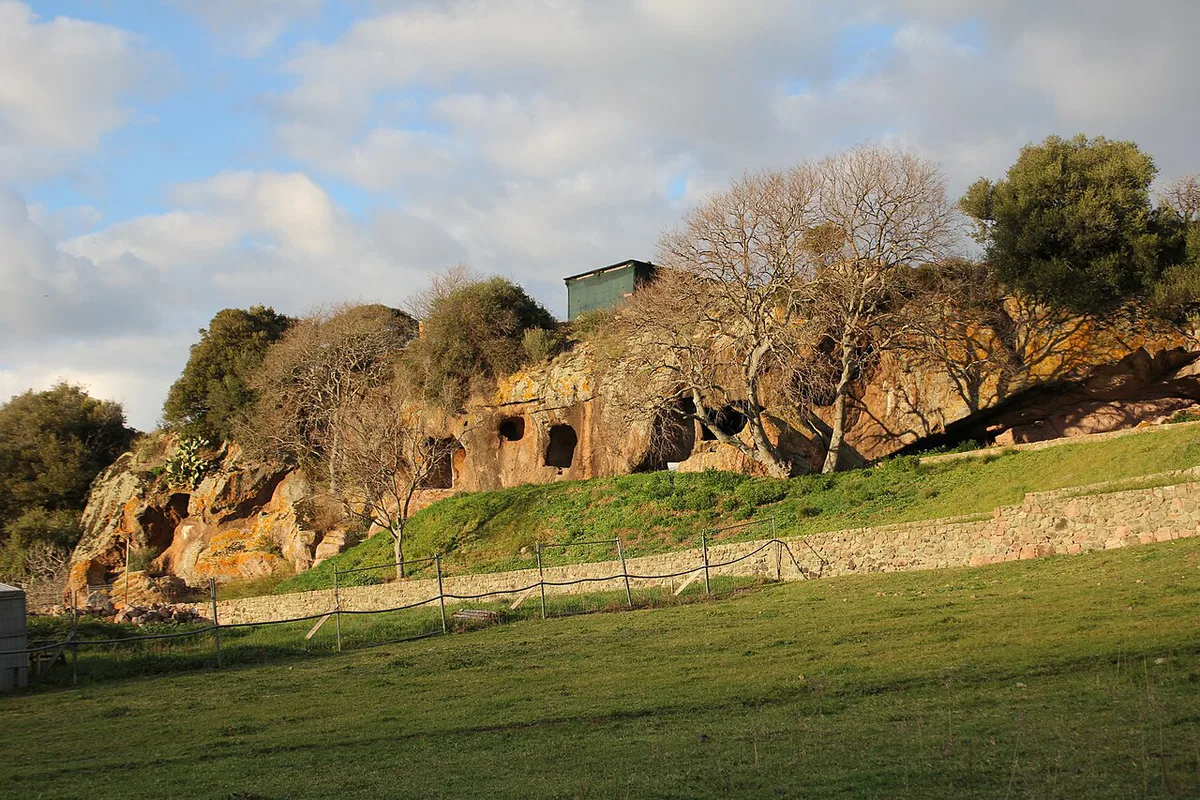
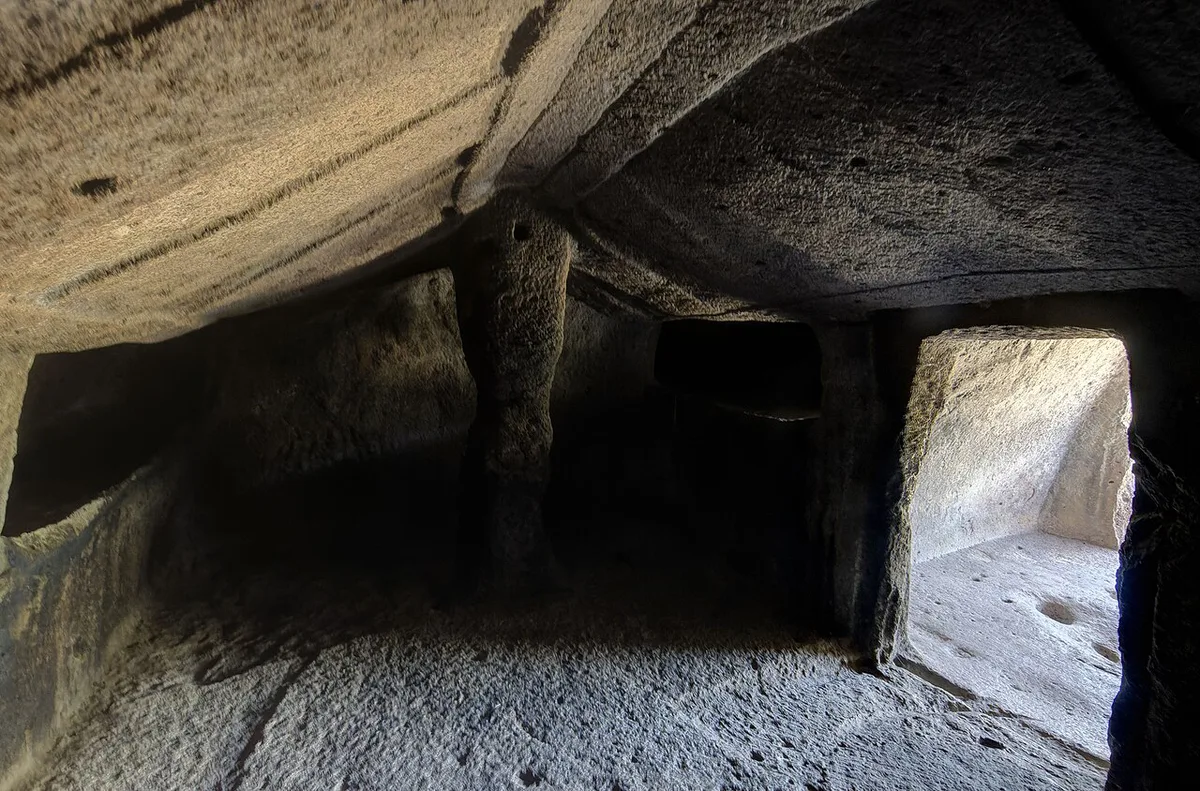
Expect small, dark, carved rooms rather than grand monuments. Chambers are usually compact but linked into larger funerary complexes. Inside, look for vaulted or house-like ceilings, false doors, and columns. Some tombs carry engraved or painted symbols, including bull horns and spirals. Researchers connect these motifs with fertility, renewal and ancestor worship.
- Worth the detour if you enjoy archaeology, carved detail and quiet rural sites.
- Easy to skip if you want towering stonework or a full museum experience.
Domus de janas vs giants' tombs vs nuraghi
Sardinia's prehistoric monuments are easy to confuse. Domus de janas are the earliest of the three and are cut into rock, not built up from stone blocks. Each type has its own guide on this site.
Dated to 3400–2700 BC, domus de janas predate Nuragic monuments, so the itinerary advice is to visit a tomb before a nuraghe.
| Monument | Built how | Era | Where to read more |
|---|---|---|---|
| Domus de janas | Carved into rock as chamber tombs | Neolithic, pre-Nuragic | This page |
| Giants' tombs | Megalithic communal tombs | Nuragic | Giants' tombs in Sardinia |
| Nuraghi | Stone towers | Nuragic | Nuraghe towers |
Which domus de janas site should you visit?
Three sites stand out for visitors. Pick by region first, since they sit far apart. Operating details differ by site, so the access column points you to the official source.
| Site | Base | Area | What stands out | Access | Best for |
|---|---|---|---|---|---|
| Anghelu Ruju | Alghero | Northwest Sardinia | Chambers lined across a rocky plateau | Check official source | Travelers already staying in Alghero |
| Montessu | Sulcis area | Southwest Sardinia | Near-geometric layout and rich engravings | Check official source | Visitors exploring the southwest |
| Sant'Andrea Priu | North Sardinia, Sassari side | North Sardinia | Large tombs reused as dwellings in the Christian era | Check official source | Travelers who want scale and later history |
Anghelu Ruju, Montessu and Sant'Andrea Priu: what each offers
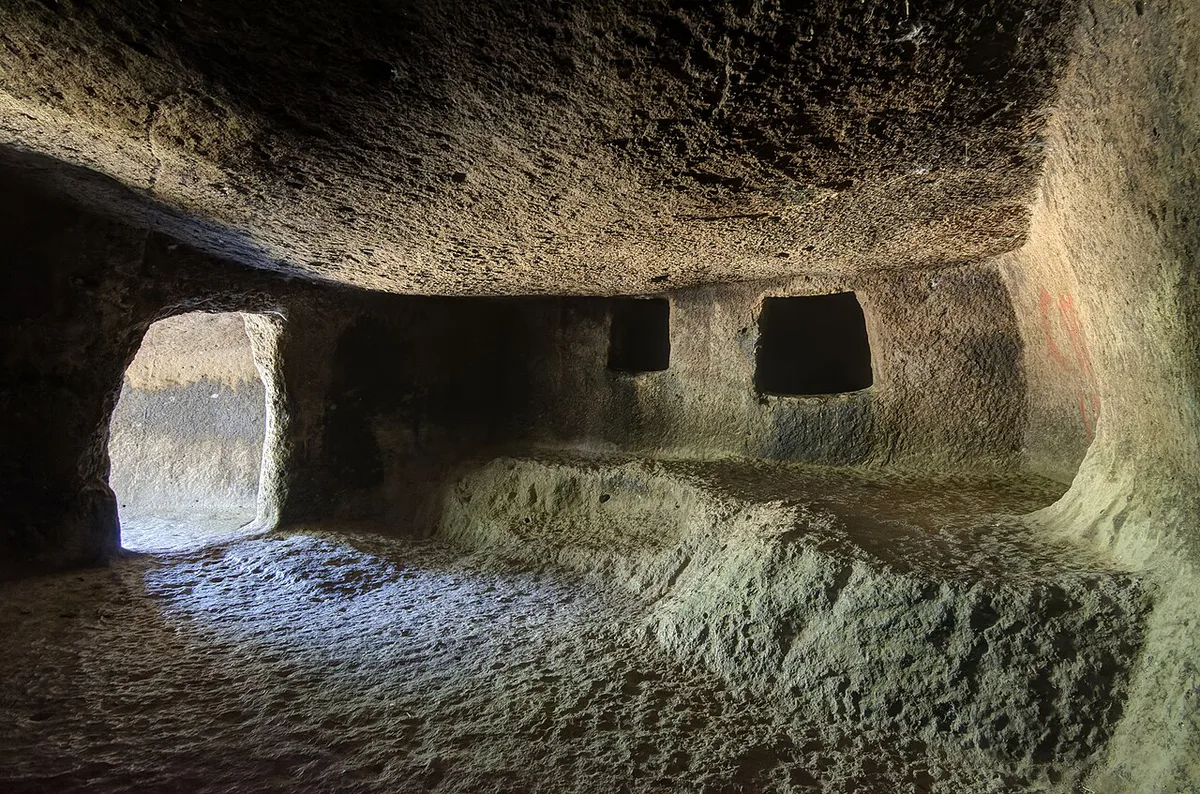
Each site shows a different side of the tradition. For a first visit, Anghelu Ruju is the simplest choice if you already have a base in Alghero. Montessu rewards a longer drive south. Sant'Andrea Priu suits anyone curious about how the tombs were reused centuries later.
- Anghelu Ruju: a necropolis near Alghero, with chambers spread across a rocky plateau.
- Montessu: a Sulcis-area site known for its almost geometric organization and detailed engravings.
- Sant'Andrea Priu: large tombs in the north that people later lived in during the Christian era.
UNESCO status: what was listed
Reports say several domus de janas sites were listed as World Heritage in July 2025. The exact inscription name and component sites should be read on the UNESCO World Heritage Centre page, because not every site above may be included. Listing mainly brings visibility and conservation support. It does not guarantee longer hours or new facilities, and the official Sardinian culture portal is the place to follow local updates.
Hours, tickets and getting there
We have no confirmed 2026 hours, ticket prices or guided-visit rules for these sites. Check each one on Sardegna Turismo or with the local municipality before you set out. Plan on a car for these scattered rural sites, and use Alghero, the Sulcis area and the Sassari side as bases.
Fitting domus de janas into a Sardinia itinerary
Treat each site as a short stop, not a full-day destination. From Alghero, pair Anghelu Ruju with a nuraghe stop from our nuraghe overview. For a prehistoric day, move forward in time: tomb first, then a Nuragic monument. Su Nuraxi di Barumini: Visiting Sardinia's UNESCO Nuraghe is the flagship nuraghe, and Santu Antine Nuraghe: Visiting Sardinia's King's House and Nuraghe Losa: Visiting Hours, Tickets & What to See are other options. Check the distance between your chosen pair on a map before committing. Other prehistoric stops include the Santa Cristina Sacred Well: Visitor Guide to the Nuragic Pozzo Sacro and Serra Orrios village. Statues from the same later era are covered in the Mont'e Prama giants guide.
Visitor etiquette and common mistakes
Do not touch the carvings, and do not climb on the rock. Follow posted signs at each site. Wear sturdy shoes and expect uneven ground, low entrances and stooping inside small chambers. Chambers are tight, so ask the site operator about access for wheelchairs or small children.
- Expecting grand ruins: these are small, dark rock-cut rooms.
- Relying on the name alone: search by site name and town, and follow signs.
- Assuming every site is open daily: confirm opening days first.
- Skipping the official source: hours and rules vary by site.
Related guides



Continue reading
Guides on the same trip


