
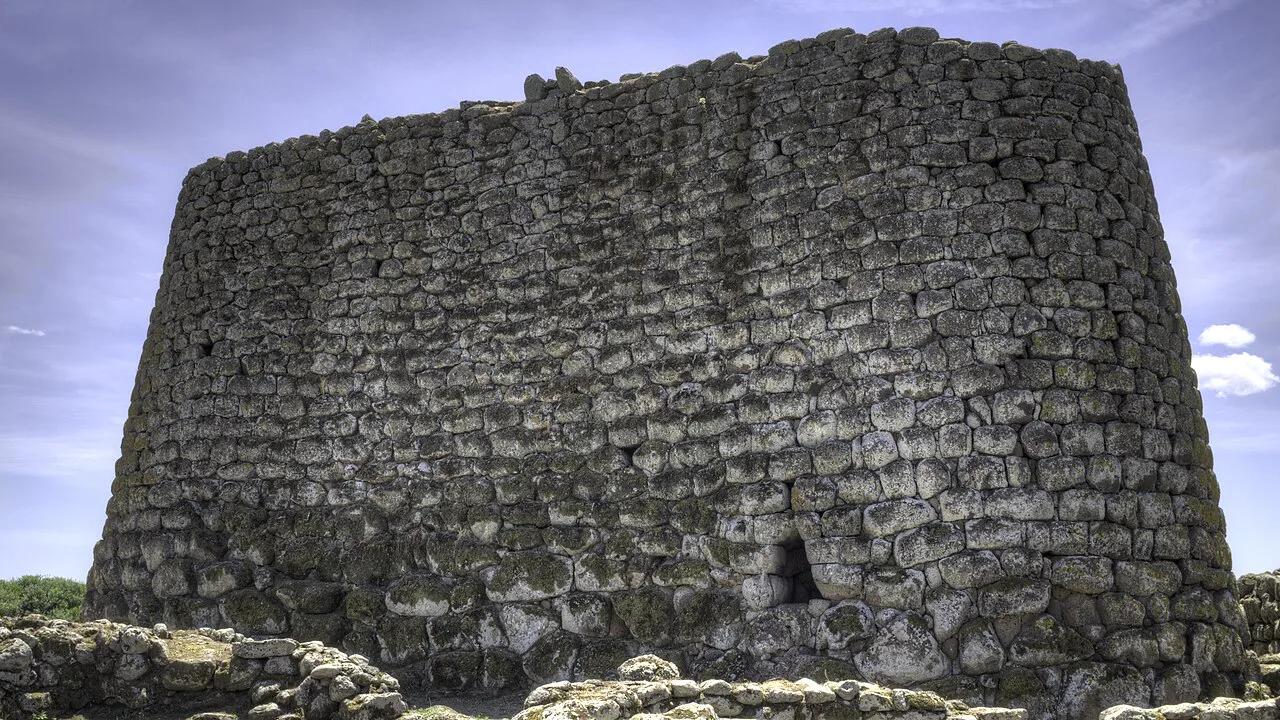
Last updated November 2026. Nuraghe Losa is a complex nuraghe near Abbasanta in central-west Sardinia, built as a tower with a bastion, an outer wall and a surrounding village. Most visitors come for the layered stonework and the chance to walk through a Bronze Age fortress in sequence. Losa is one stop in our wider guide to Sardinia's nuraghi, and the sections below cover access, the walk-through and how it compares with its better-known neighbours.
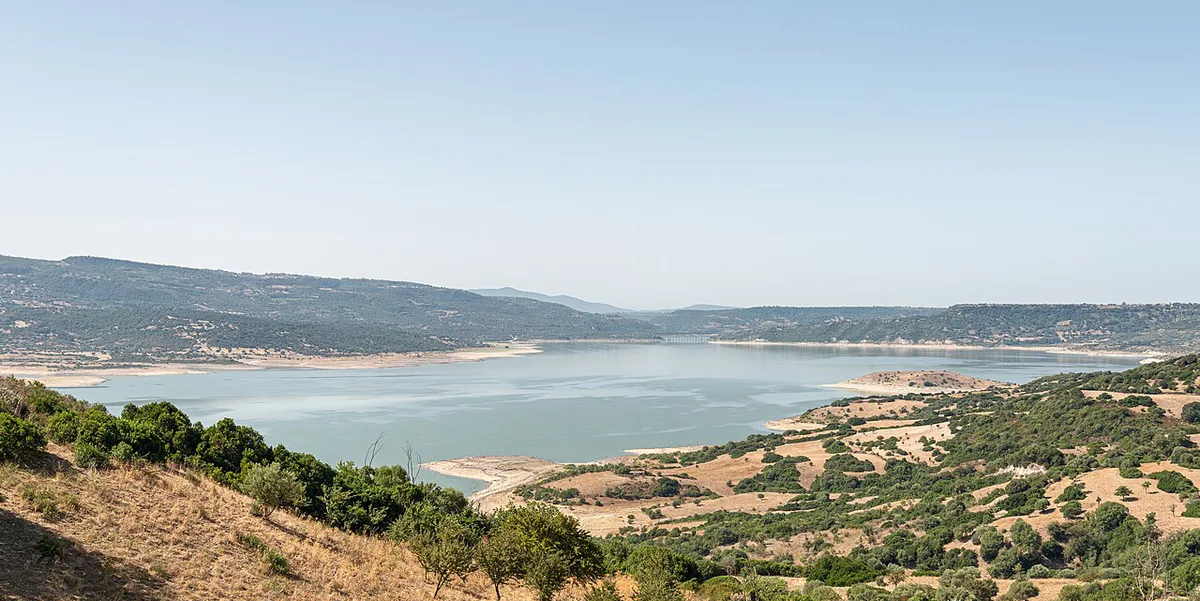
Featured image: CV1958, CC BY 4.0, via Wikimedia Commons.
Nuraghe Losa at a Glance
Losa sits in the Guilcer area, about 3 km in a straight line from Abbasanta. Its type is a complex nuraghe, meaning a central keep tower with added defensive structures. The national Nurnet database lists it under the code NUR3551. Visitors who like architecture and archaeology get the most from it.
- Location: Guilcer area, municipality of Abbasanta, Oristano province
- Type: complex nuraghe with keep tower, bastion, outer wall and village
- Database code: NUR3551
- Best for: travellers with a car and a spare hour or two
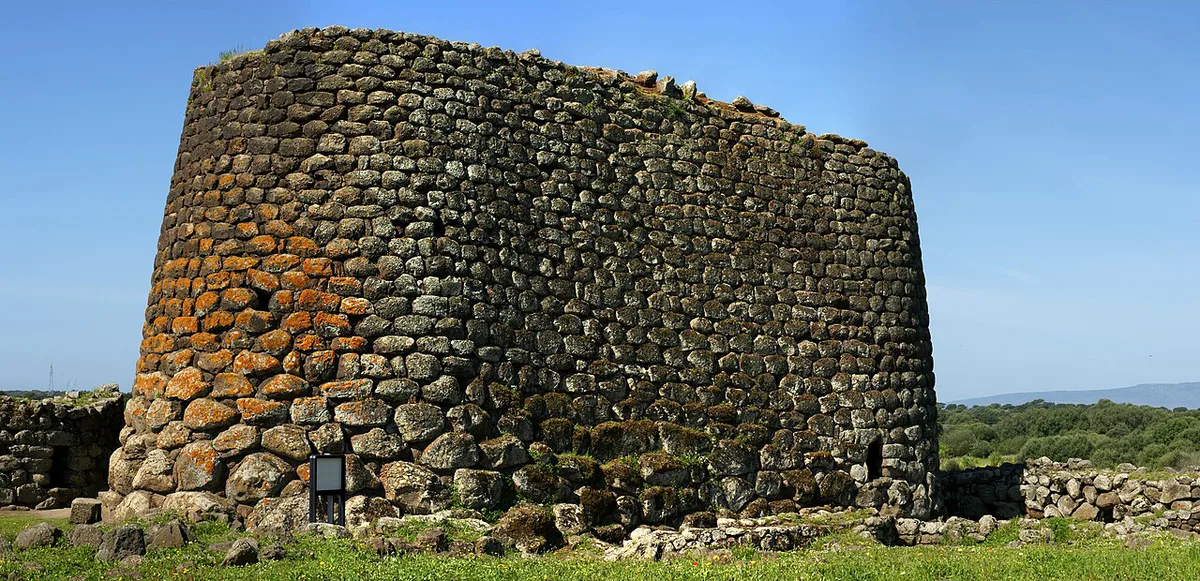
Is Nuraghe Losa Worth Visiting?
Yes, if you want to see how a nuraghe grew from one tower into a walled complex. Losa suits readers who have already seen one simple nuraghe and want a fuller defensive layout. Anyone short on time can skip it for a single flagship site. In that case, Su Nuraxi at Barumini is the usual first choice. With a half day in central Sardinia, Losa adds a different layout without much extra planning.
How to Get to Nuraghe Losa
Plan on driving. Set your navigation to latitude 40.11690, longitude 8.79032, which places you in the Guilcer area. Abbasanta is the nearest town, roughly 3 km away in a straight line, so it makes the natural base for food and fuel. Do not assume a bus or train drops you at the gate. Ask the Abbasanta tourist office about parking and walking distance from the entrance before you set out.
Opening Hours, Tickets and Guided Visits
Hours, ticket prices and guided-visit schedules at Losa change by season and are not fixed in our notes. Start with the official Sardegna Turismo site, then contact Abbasanta's municipal tourist office for current times. Ask three things: whether a guide is required, whether English tours run, and whether you need to book. Prices and hours checked November 2026 as unavailable in published form, so confirm them there.
What You'll See: A Walk-Through of the Complex
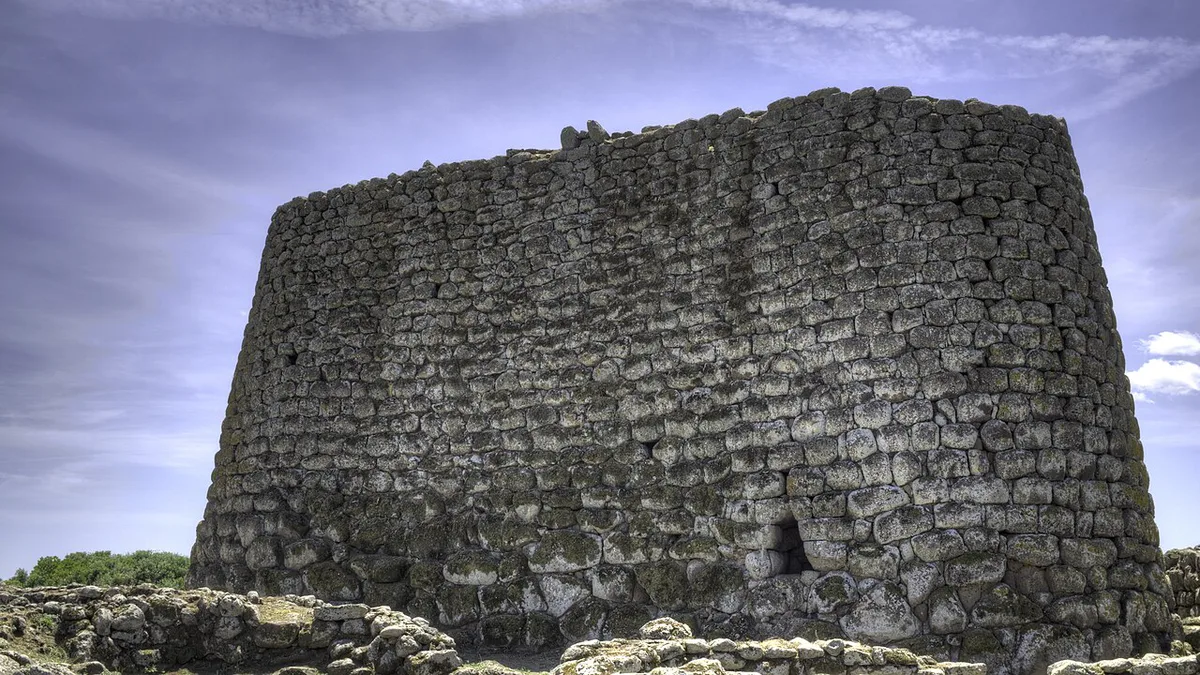
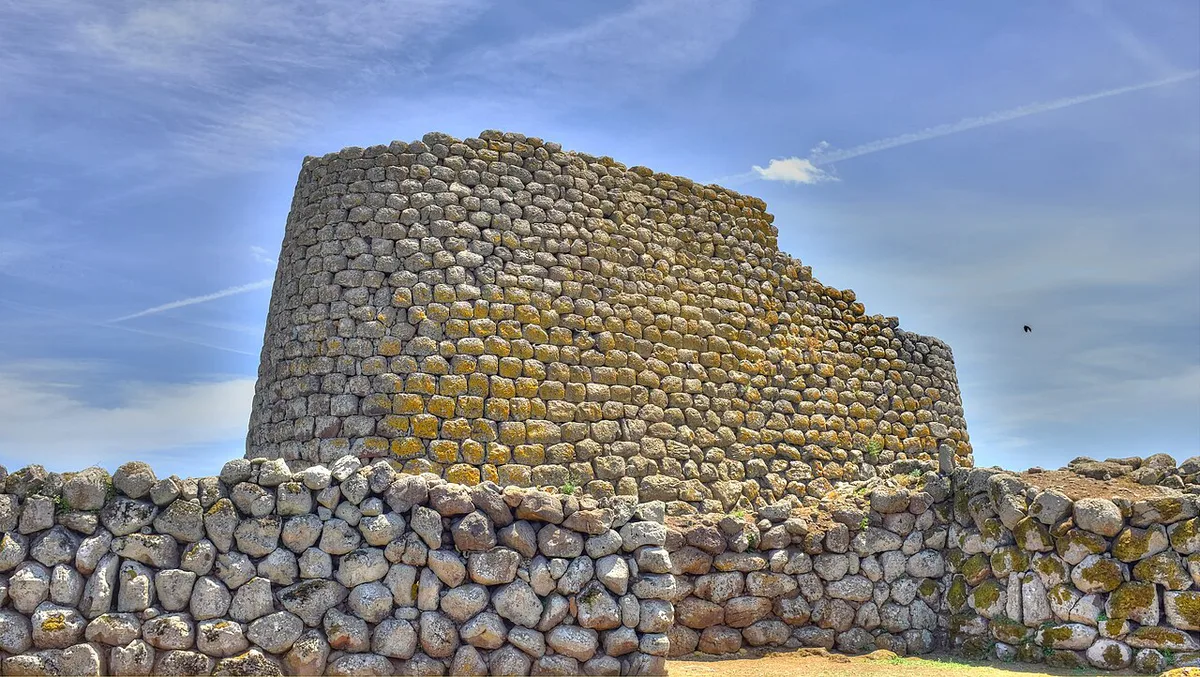
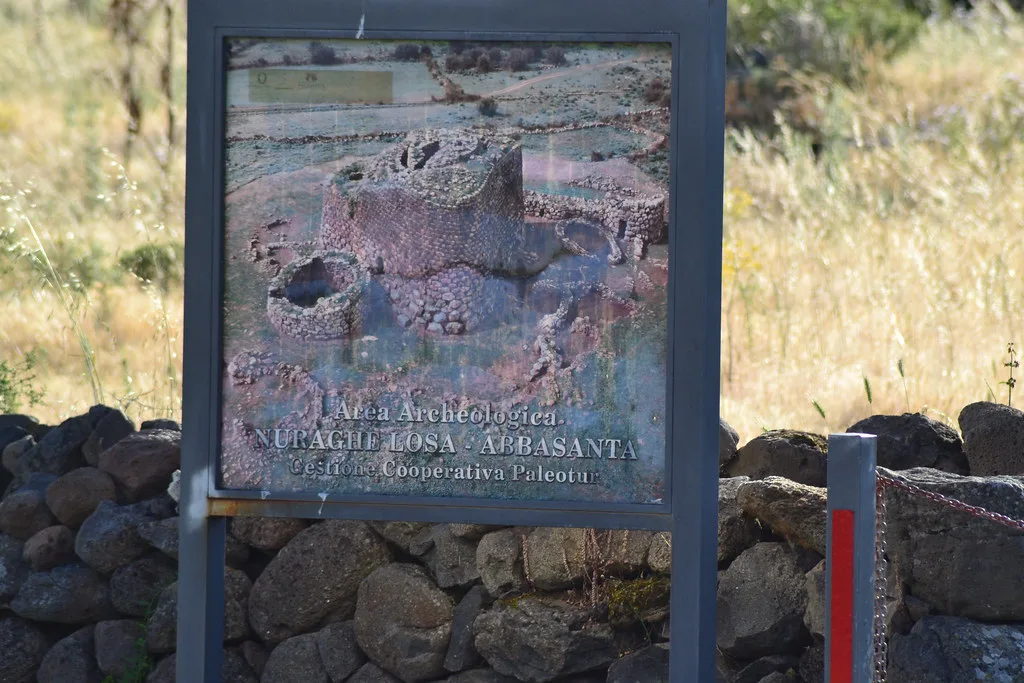
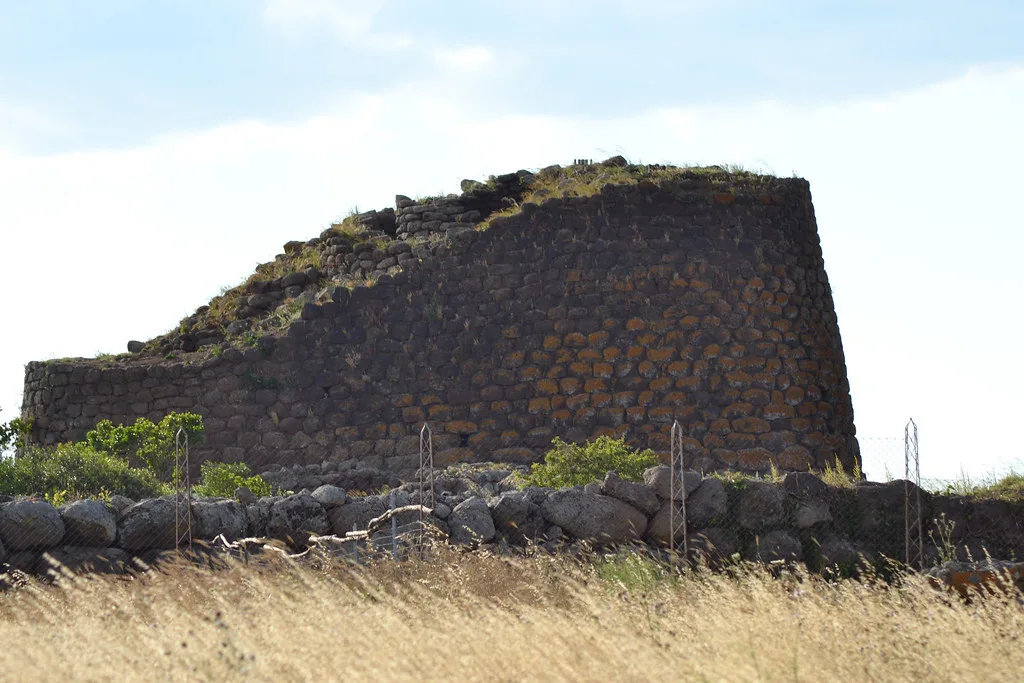
Follow the site in the order it was built. Begin at the keep tower, called the mastio in Italian. Then move to the bastion that wraps around it, which gives the complex its multi-lobed plan. Next, look at the antemurale, an outer defensive wall, and the surrounding perimeter wall. Finally, look for the village remains outside the fortress. Inside the tower, look up at the corbelled roof of the chamber. Stones in each course project slightly past the one below, narrowing the space toward the top. Walking the sequence in order makes the later additions easy to read as separate phases.
Work outward from the keep tower, dated to the 15th–13th century BC, since the bastion and walls followed later.
A Short History in Context
The keep tower dates to the 15th–13th century BC. The bastion, antemurale and surrounding wall followed between the 13th and the late 12th century BC. Use of the site declined in the early Iron Age but did not stop. Later finds show the site was reused for burials. For dating and the archaeological record, the regional Sardegna Cultura portal is the place to read more.
How Long to Plan and What to Combine
Allow about an hour as a working estimate, longer if a guided tour is scheduled. Official visit lengths are not published in our notes, so check with the tourist office. Within the same trip, Santa Cristina's sacred well pairs well as a second nuragic stop. Check the drive time on your map app first. A longer coastal itinerary can add Tharros or Nora, though neither is a short hop from Losa.
Straight-line distance can mislead. Losa is about 3 km in a straight line from Abbasanta, so check the real drive on your map app before adding a second stop.
Nuraghe Losa vs Other Nuraghi
Losa is a complex nuraghe, so the useful comparison is with other large sites. Su Nuraxi's base chamber is 4.80 m across. Santu Antine's main chamber is about 7.55 m high. Neither figure describes Losa. Fill in the blanks below from the official pages before you plan around them.
| Site | Type | Setting | Time and access |
|---|---|---|---|
| Nuraghe Losa | Complex nuraghe | Guilcer area near Abbasanta | Check official source |
| Su Nuraxi | Nuraghe and village at Barumini | Barumini | Check official source |
| Santu Antine | Complex nuraghe | Torralba area | Check official source |
| Santa Cristina | Sacred well site | Check official source | Check official source |
Practical Tips and Mistakes to Avoid
Most problems come from planning, not from the site itself. Wear sturdy shoes, since you will be on uneven stone. Bring water and sun protection, and ask the tourist office about shade and seasonal conditions. Do not arrive without checking guided-tour times. Do not rely on public transport to the entrance. Skip the walk-through order and the layers blur together. For more sites afterwards, try the giants' tombs or the domus de janas rock tombs. Our overview of ruins in Sardinia helps with planning the rest of the route.
Related guides



Continue reading
Guides on the same trip



