
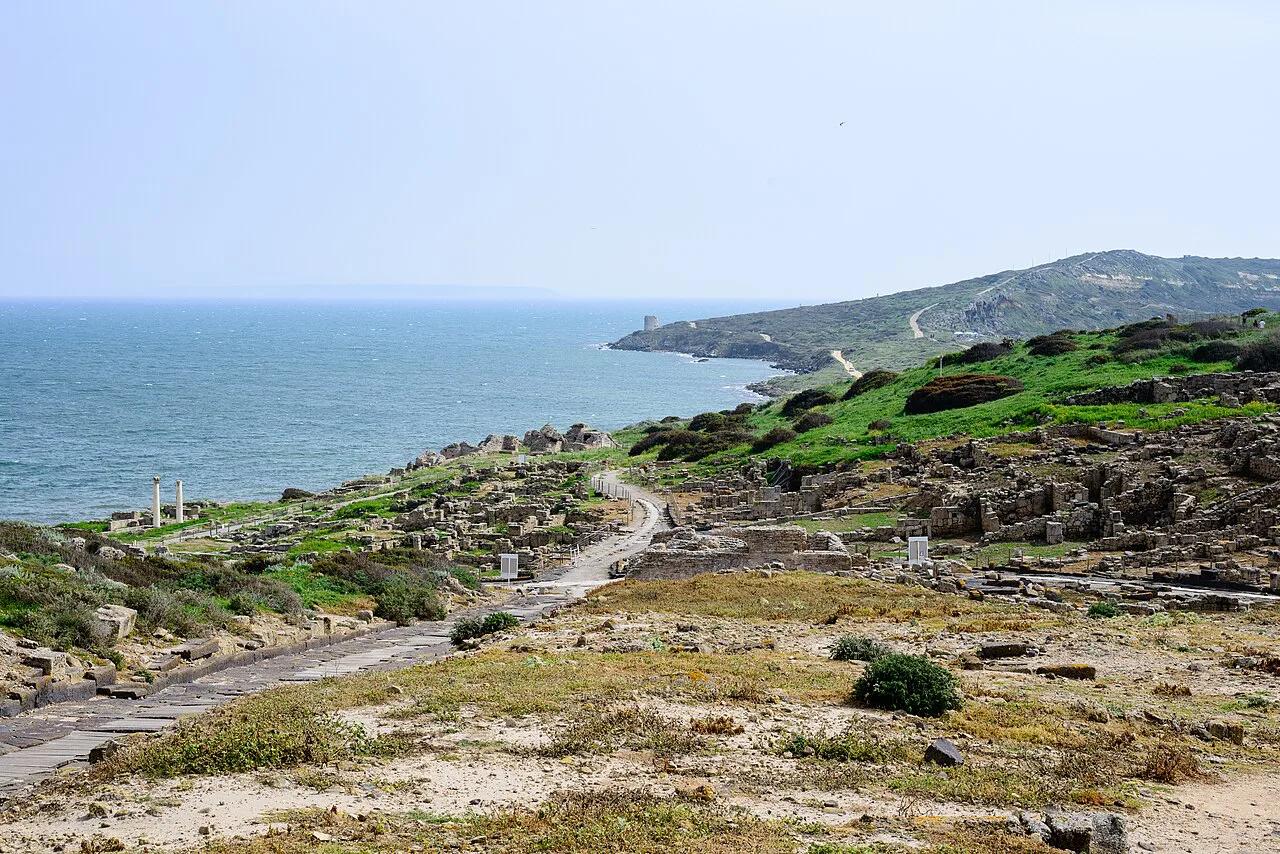
Tharros Ruins, Sardinia: Visit Guide and Planning Tips
Last updated November 2026. Tharros is a ruined ancient coastal city on Sardinia's Sinis Peninsula, near San Giovanni di Sinis in Oristano province. Phoenicians founded it, and Punic and Roman builders later reshaped it, leaving Roman-era columns and a tophet beside the sea. Tharros suits history-minded travelers who want layered ruins with a sea backdrop, and this guide covers what to see, how to sequence the visit and what to pair it with.
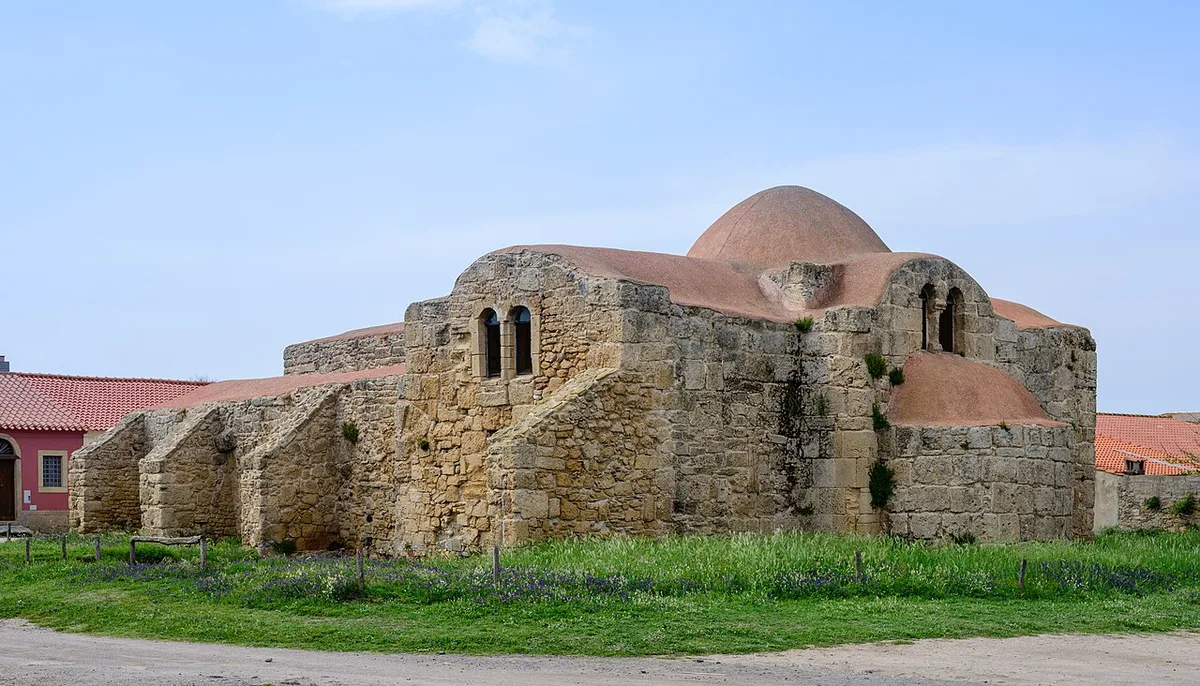
Featured image: Norbert Nagel, CC BY-SA 3.0, via Wikimedia Commons.
Tharros at a glance
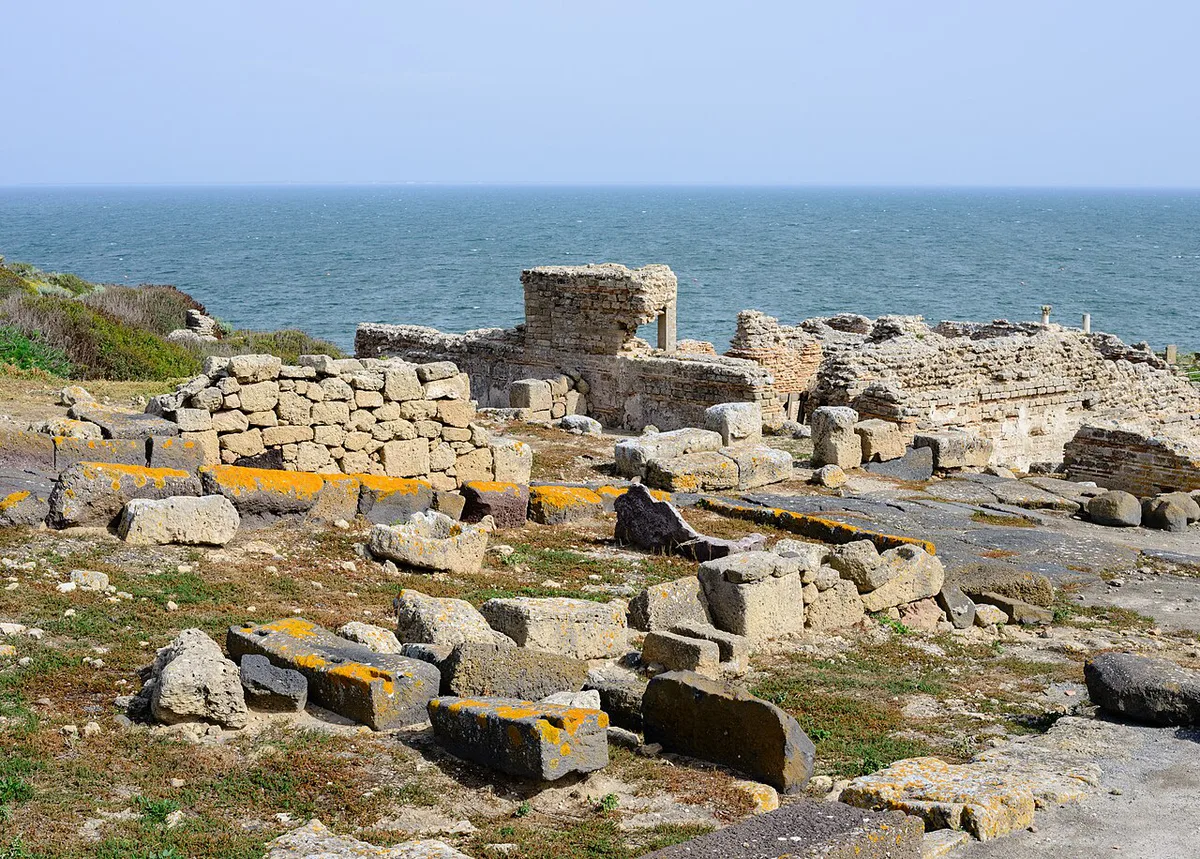
Tharros is an open-air archaeological area on the western coast of Sardinia, not a museum. You walk between houses, baths, temples and streets that sit directly above the water. The site is not the cybersecurity firm or the map directory that share its name. It is the ancient city on the Sinis.
- Location: Sinis Peninsula, close to San Giovanni di Sinis, Oristano province.
- Cultures: Phoenician founding, then Punic and Roman phases.
- Landmarks: Roman-era columns and the tophet.
- Setting: exposed coastal ground, so plan for sun and wind.
- Tickets and hours: published by the site operator and the regional culture portal, covered below.
What you'll see at the Tharros ruins
Tharros is best read as layers: Phoenician origins, Punic rebuilding and Roman civic works. The official visitor app covers 11 of the 19 points in the archaeological area. Those points give you a ready checklist, and the list below follows a sensible walking order.
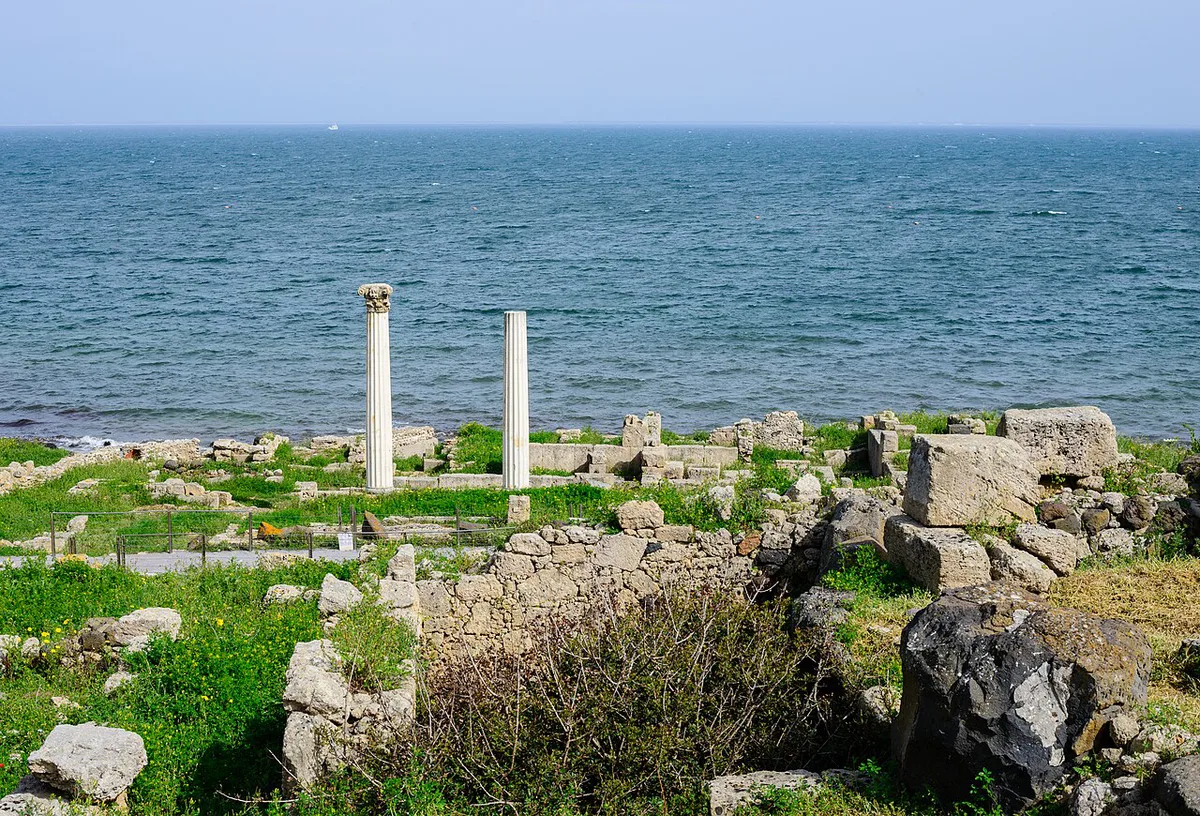
- Baths: thermal baths n. 1 and terme n. 2.
- Houses and streets: the houses, plus streets and sewers that show how the city drained.
- Temples: the temple of the Doric semi-columns and temple K.
- Water systems: the castellum aquae and its aqueduct.
- Religious later phases: the area of the baptistery.
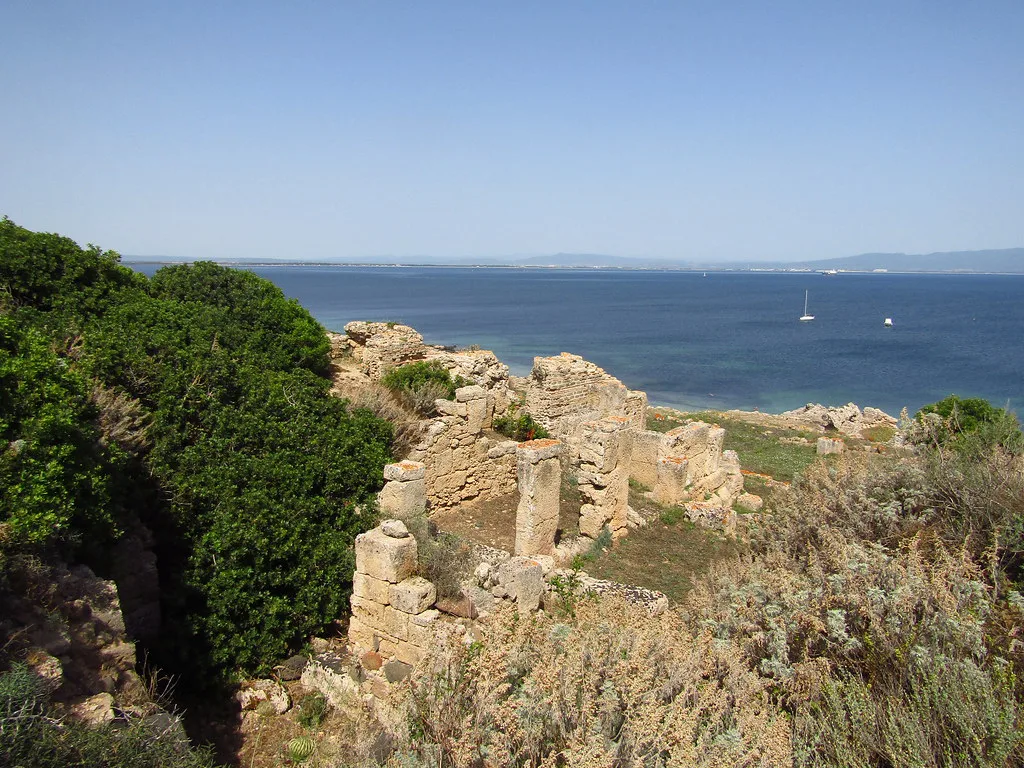
- Hill and walls: the hill of Su Murru Mannu and the city walls.
How long to allow and how to sequence it
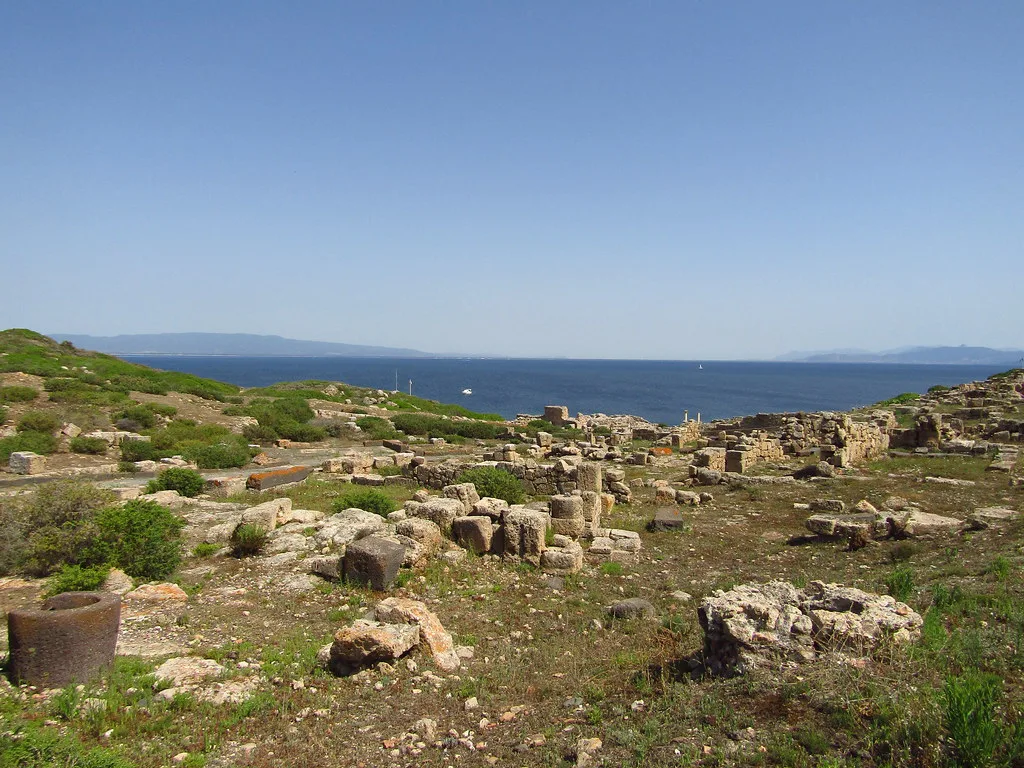
Decide first whether you want a quick look or a full visit. A quick stop means the Roman-era columns and the sea view. A full visit works through the points above with an audio guide. Start early or late in the day, because the peninsula is open and offers little relief from midday sun. Wind also shapes comfort here, so bring a layer even in warm months. Light is gentler for photos at the edges of the day.
Since the official app covers 11 of the 19 points, a full visit with an audio guide fills in the stops the app skips.
Tickets, hours and booking
Published prices, opening days and any combined ticket are not fixed in our notes. Prices and hours checked November 2026 against the regional culture portal are the safest guide. Use it before you travel, since hours on archaeological sites shift by season.
Getting there from Oristano
Tharros lies on the Sinis Peninsula, reached through the San Giovanni di Sinis area. A rental car gives you the most freedom, especially if you add other Sinis stops. Public transport and tour options are limited by season, so check current routes on the Sardegna Turismo site before relying on them. A taxi or organized tour is the alternative if you do not drive.
Pair Tharros with the Sinis Peninsula
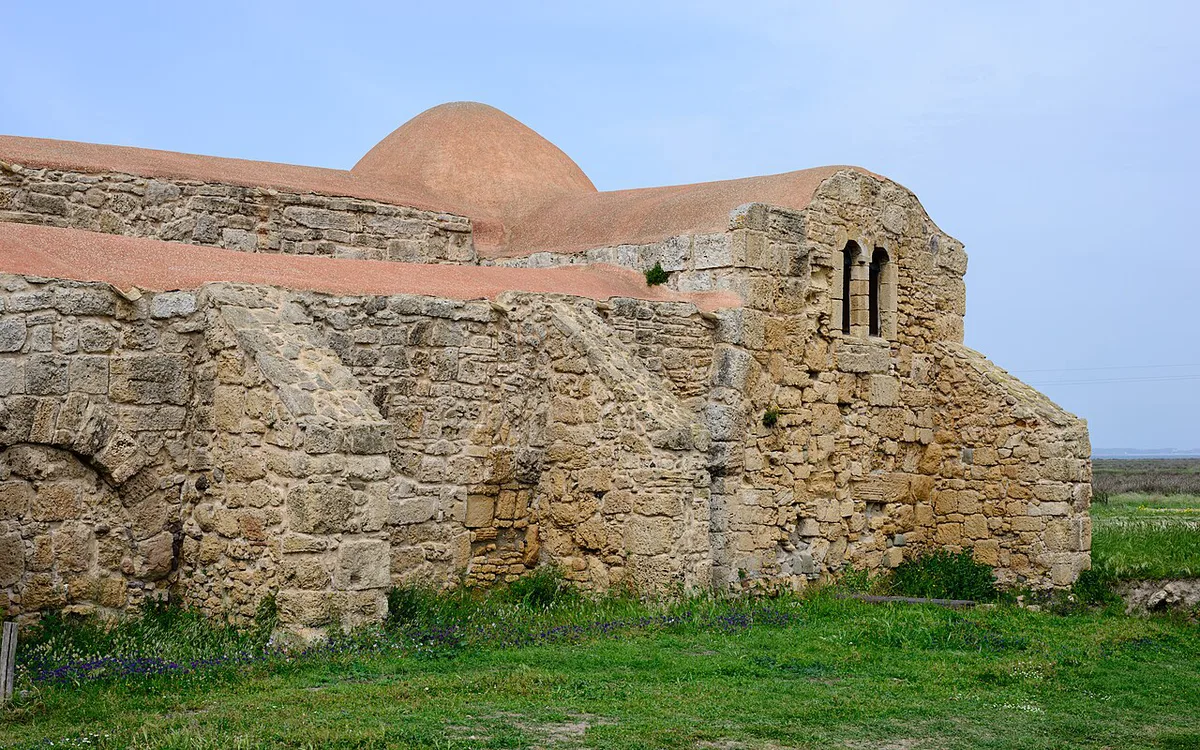
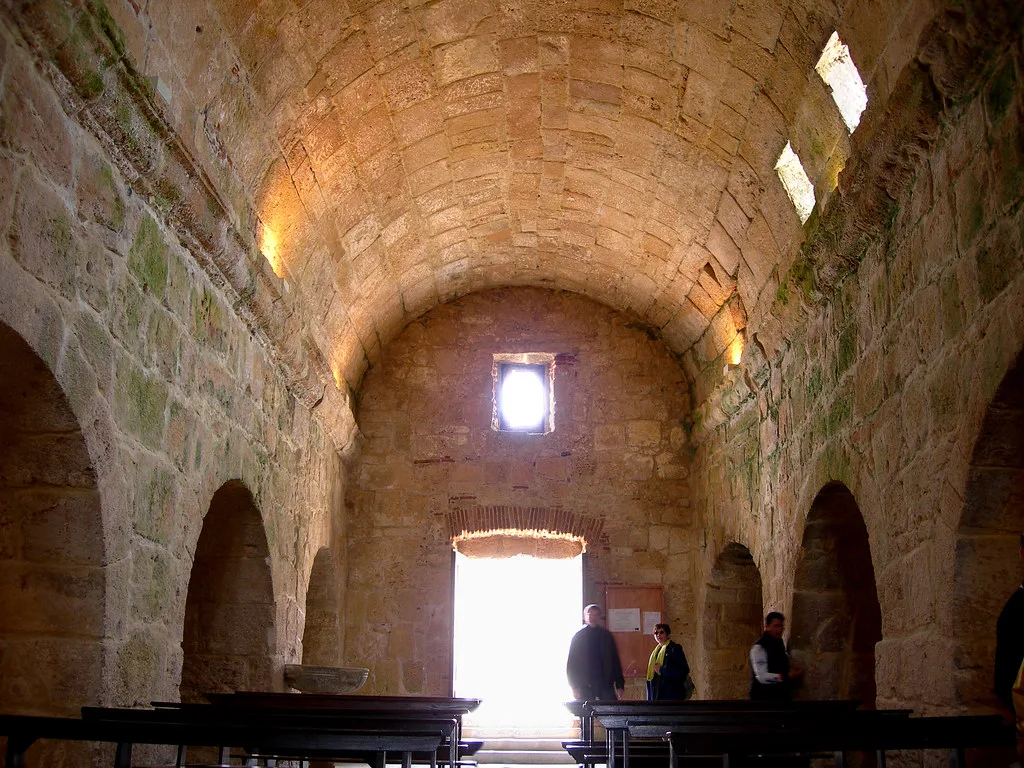
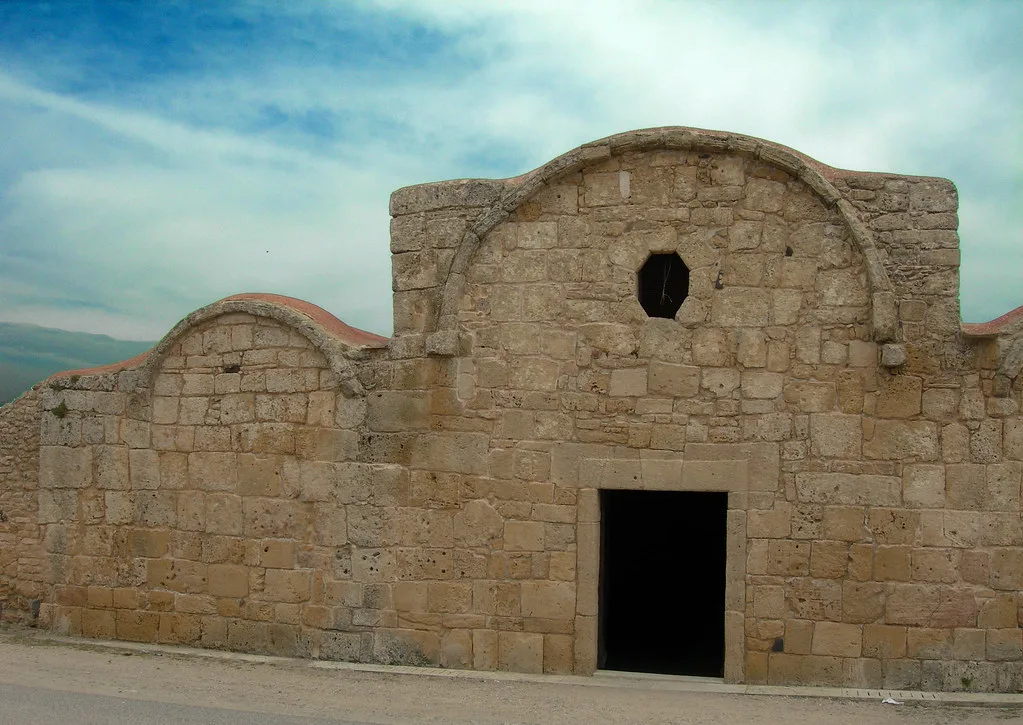
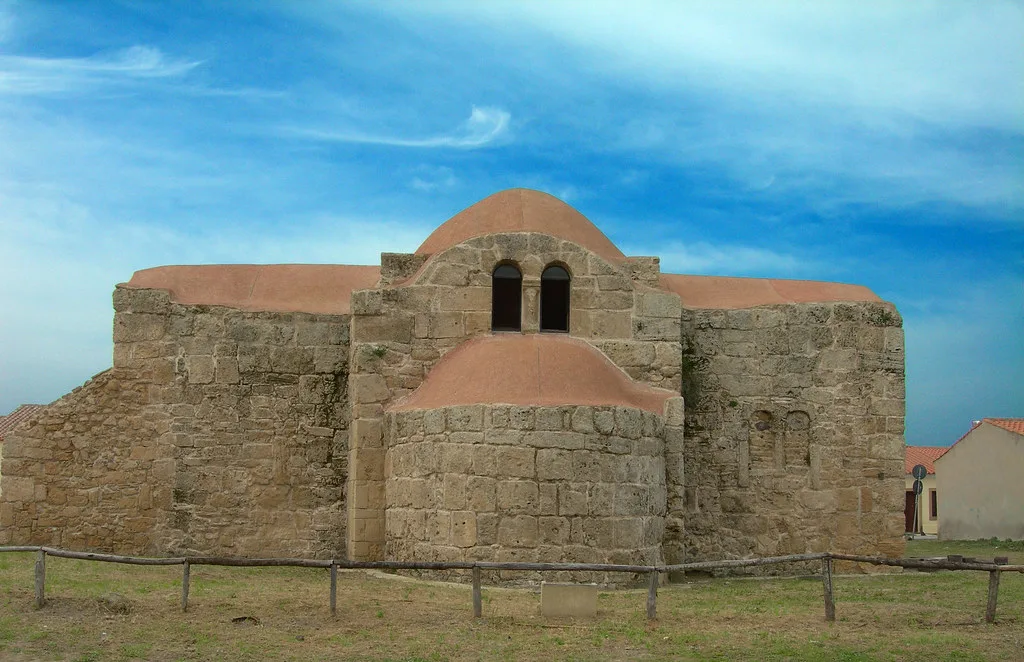
Tharros works as the anchor of a Sinis day. San Giovanni di Sinis has a church beside the ruins. Cabras is nearby and has a museum, and the peninsula's beaches suit a swim after the walk. Confirm opening details for each stop locally. For a different era, add the Mont'e Prama statues, which come from the Nuragic world.
- Half day: Tharros alone, with the app or an audio guide.
- Full day: Tharros plus San Giovanni di Sinis, Cabras and a beach stop.
- Overnight: base yourself near Oristano and add the Mont'e Prama story.
Tharros vs. other Sardinian ruins
Sardinia's ruins come from very different cultures. Nuragic sites such as the ones in our guide to Sardinian nuraghi belong to an earlier culture than Tharros's Phoenician and Roman layers. Choose Tharros if you are on the west coast around Oristano. Choose Nora if you are in the south, since it is the other Phoenician-Roman coastal city. For the main Nuragic complex, see Su Nuraxi di Barumini: Visiting Sardinia's UNESCO Nuraghe. Our roundup of ruins in Sardinia compares more options.
| Site | Era and culture | Setting | Best for |
|---|---|---|---|
| Tharros | Phoenician, Punic, Roman | Sinis Peninsula coast | Layered city ruins with sea views |
| Nora | Phoenician, Roman | Southern coast | Coastal ruins near the south |
| Su Nuraxi | Nuragic | Inland complex | The main Nuragic site |
| Mont'e Prama | Nuragic-era statues | Sinis area | Statues and stone figures |
Mistakes to avoid and who should skip it
Avoid arriving at midday, because shade is scarce on open ground. Carry water and sun protection from the start. Do not expect a museum with a polished path and labels at every stop. Use the app or an audio guide instead, since the app offers 3 languages: Italian, English and French. Skip Tharros if uneven outdoor ground is a problem for you, or if you only want indoor displays.
Use the app in your own language, since it offers 3 languages, when stops have few labels to read.
Frequently Asked Questions
Where is Tharros located?
Tharros sits on Sardinia's Sinis Peninsula, near San Giovanni di Sinis in Oristano province. Oristano is the usual base for reaching it.
Is Tharros worth visiting?
Yes, if you want Phoenician, Punic and Roman ruins beside the sea. It pairs well with other Sinis stops on a full day.
What is Tharros?
Tharros is an ancient coastal city founded by Phoenicians and later used by Punic and Roman builders. Its Roman-era columns and tophet are among its best-known features.
Related guides



Continue reading
Guides on the same trip



