Last updated November 2026: Stonehenge is the ring of standing stones on Salisbury Plain in Wiltshire, run by English Heritage. This guide separates what archaeologists have established from what is still debated and what is myth. It then points you to the right guide for tickets, transport and timing.
Featured image: Diego Delso, CC BY-SA 4.0, via Wikimedia Commons.
What Is Stonehenge and Where Is It?
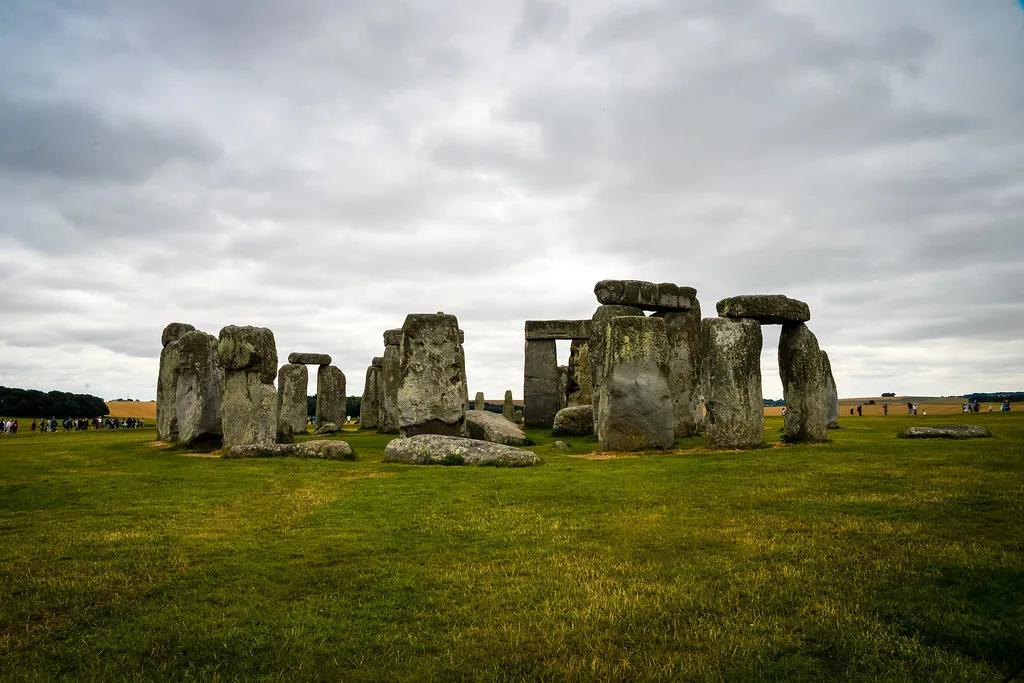
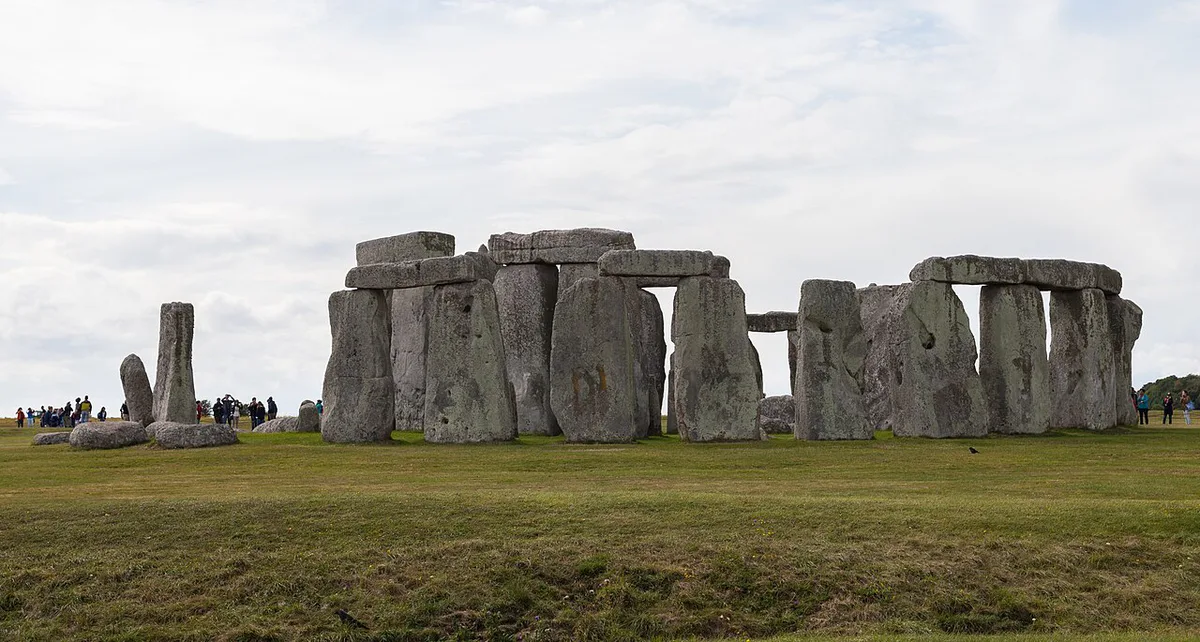
Stonehenge is a prehistoric stone monument on Salisbury Plain in Wiltshire, England. It lies roughly 8 miles (13 km) north of Salisbury and about 90 miles (145 km) west of London. Work began around 3000 BCE with a circular ditch and bank. Around 2500 BCE, builders raised the huge sarsen circle and the inner trilithons. English Heritage manages the stones, and the wider landscape also holds Woodhenge and Durrington Walls.
6 Ways to Experience Stonehenge and Its Landscape
Each option below suits a different visitor. Ticket prices and opening hours change by season, so this guide quotes none. Check the English Heritage Stonehenge page for current rates before you book.
1. Walk the standard stone circle path
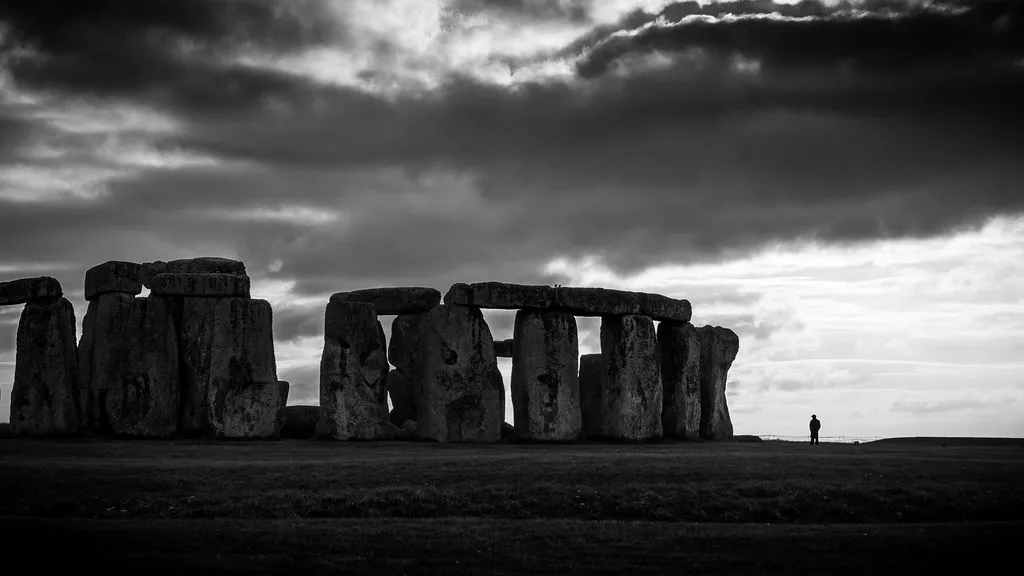
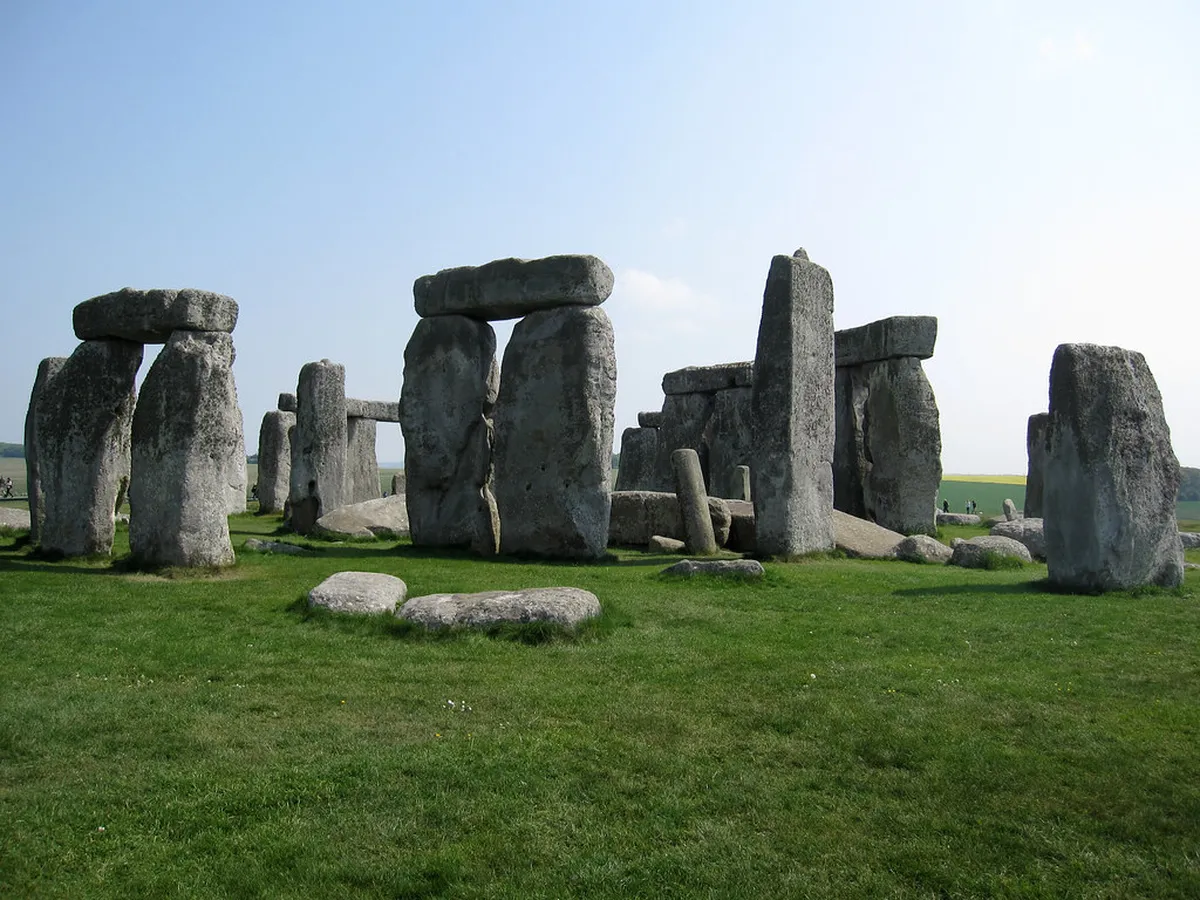
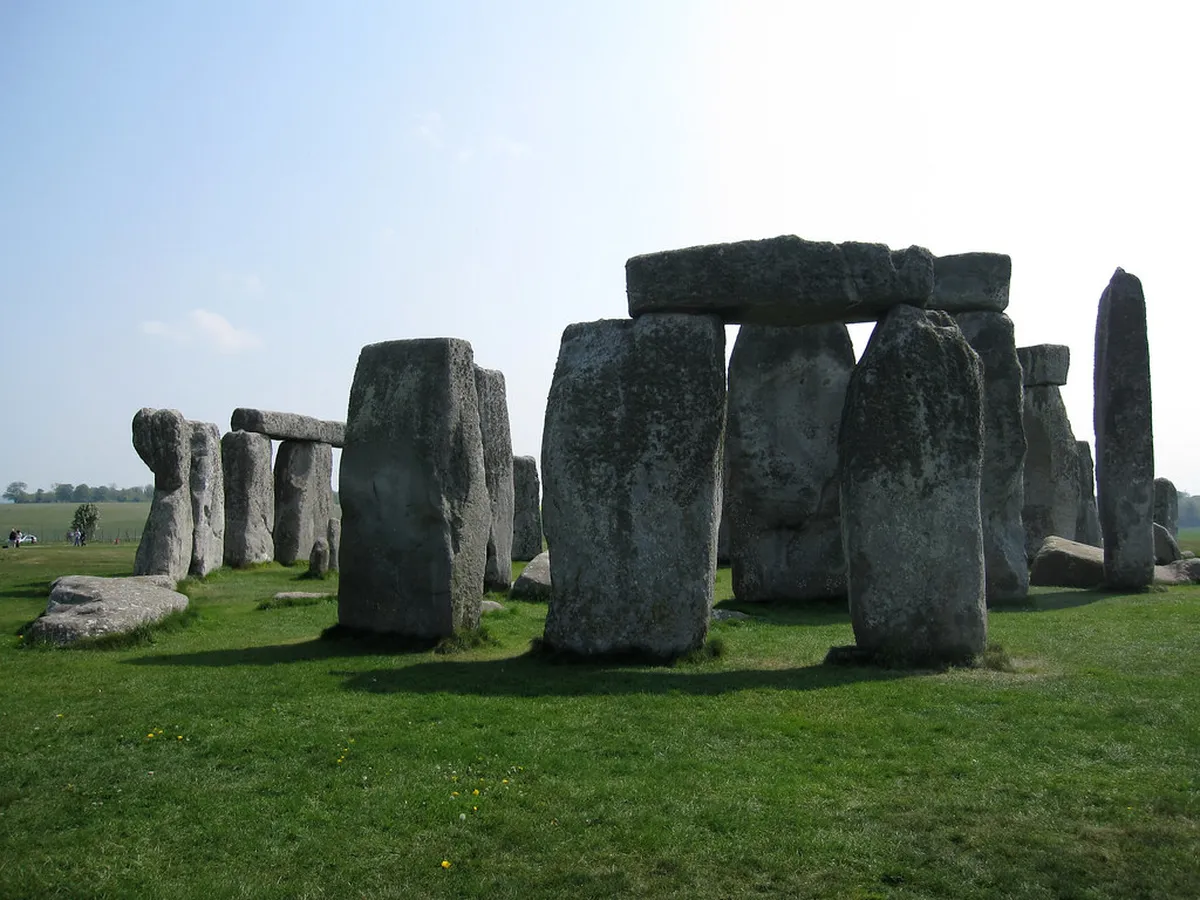
Standard entry is the core visit. You book a timed slot, then follow a path that loops around the monument. Paths keep you outside the circle, so you cannot touch the stones or walk among them. Look for the lintels still sitting on top of the tallest sarsens, and for the smaller bluestones inside the ring. Most sarsens came from West Woods, about 25 km to the north, which makes the scale easier to appreciate.
Allow time for a slow lap, because the photographs people know are taken from the path. Skip it only if you want the inside of the circle to yourself. For that, see item 3. Our guide to booking a timed ticket covers the routes in more detail.
2. Start at the Visitor Centre and the Neolithic houses
Stonehenge Visitor Centre is the entrance building, set apart from the stones themselves. Exhibitions there explain the monument's stages, and reconstructed Neolithic houses show how people may have lived nearby. Walking or taking the shuttle between the centre and the circle is part of the standard visit. This stop suits families, history-curious readers and anyone who wants context before seeing the stones.
Read what the visitor centre holds before you go. Drivers should also read about parking arrangements for ticket holders. Skip the exhibitions if you are short on time and already know the story. The stones alone fill a rewarding hour.
3. Book special access to the stone circle
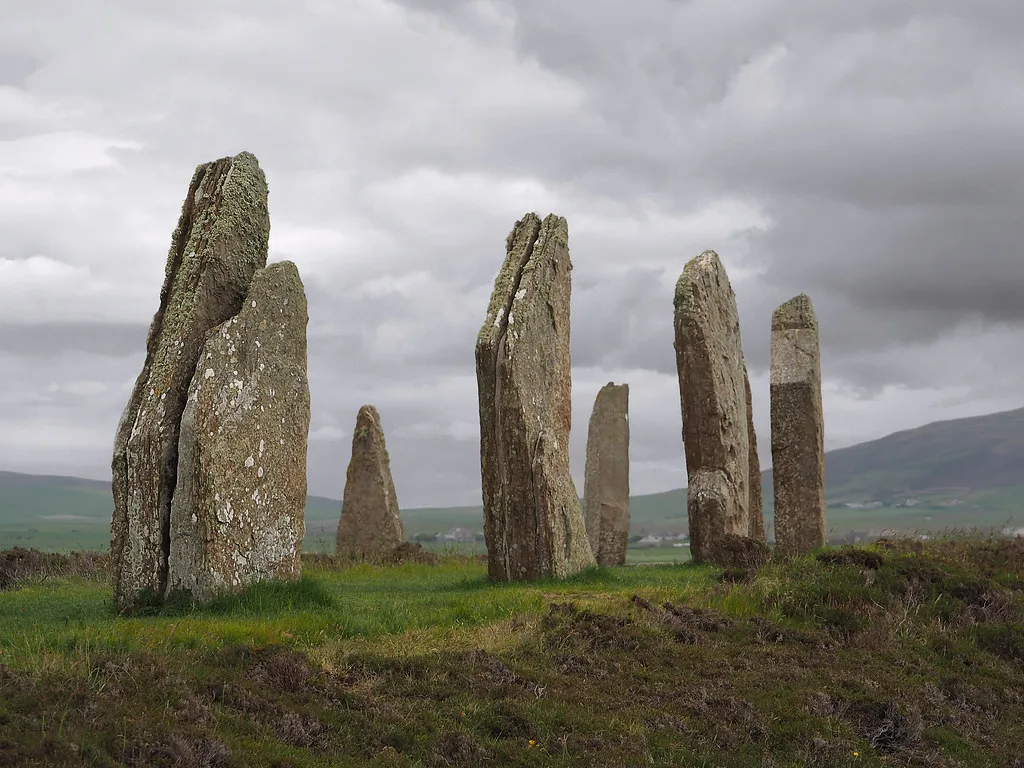
Special access is an out-of-hours visit that lets a small group go inside the circle. It is the closest you can legally get to the sarsens. Standard entry keeps everyone on the path, so this option answers the question "can you still walk through Stonehenge?". It suits photographers, returning visitors and anyone who finds the standard path too distant. Quiet hours also mean fewer people in your frame.
Booking rules and availability change, so check the current offering with English Heritage. Our page on special-access visits explains how the option differs from standard entry. Skip it if you only want a quick look, since it takes planning and more effort.
4. View the stones for free from the road and footpaths
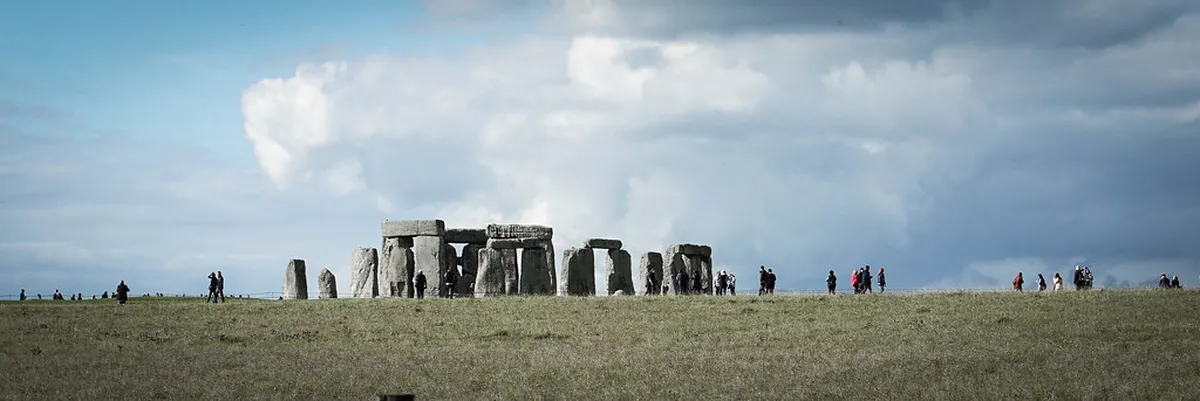
You can see Stonehenge from public roads and footpaths nearby without buying a ticket. The view is distant, and the stones look small against Salisbury Plain. This works as a budget option or a quick stop on a longer drive. The National Trust looks after the surrounding Stonehenge landscape, which makes a good walking base.
Weather matters here. The site is exposed, and winter days are short and often windy. Skip this option if you want detail, because a close-up is not possible from outside the fence. It also gives no access to the exhibitions.
5. Add Woodhenge and Durrington Walls
Woodhenge and Durrington Walls sit in the same prehistoric landscape as Stonehenge. They show that the stone circle was one part of a much larger ceremonial area. Woodhenge is the timber counterpart to the stones. Durrington Walls is a large henge enclosure. Both reward visitors who have already seen the main monument and want more depth.
Our guide to the same-landscape add-ons covers what to see at each. These sites suit repeat visitors and archaeology fans. Skip them if your day is already tight, because they add little for casual sightseers.
6. Compare Avebury before you commit
Avebury is another famous stone circle in Wiltshire. Many visitors confuse it with Stonehenge, though the two sites feel quite different. Avebury's circle is larger than Stonehenge's, and it is looked after by the National Trust. Access, setting and ticketing all differ from Stonehenge, so compare them first.
Our Avebury comparison sets the two sites side by side. Choose Avebury if you want a quieter, more open site. Skip it if the famous trilithons are the whole point of your trip.
How to Get to Stonehenge
Stonehenge is about 90 miles (145 km) west of London. By car, expect roughly 2 hours depending on traffic. By train to Salisbury and then a bus, expect roughly 2.5 to 3 hours. Check National Rail for current times on the Salisbury leg. Services from London are run by South Western Railway. Starting in Salisbury or Bath? See our guides to reaching Stonehenge from Salisbury and a Bath day trip. Our London route guide compares tours with self-organised trips.
Driving in from London takes roughly 2 hours depending on traffic, which is a large share of the half-day estimate for the visit.
| Route | Time | Cost tier | Effort | Best for |
|---|---|---|---|---|
| Day tour from London | About 2 hours by road each way | Mid to premium | Low | First-timers who want everything arranged |
| Train to Salisbury plus bus | Roughly 2.5 to 3 hours each way | Budget to mid | Medium | Independent travellers |
| Self-drive | About 2 hours from London | Budget to mid | Medium | Flexible timing and add-on stops |
How Long to Spend and the Best Time to Visit Stonehenge
Allow a half-day once transit is included. A full day works if you combine Stonehenge with Bath or Salisbury. Weather shapes the visit because the monument is exposed. Winter days are short and windy, and summer weekends are busier. Our guide to the best time to visit breaks down the seasons. Unsure whether it is worth the journey? Read whether Stonehenge is worth visiting.
How and When Was Stonehenge Built?
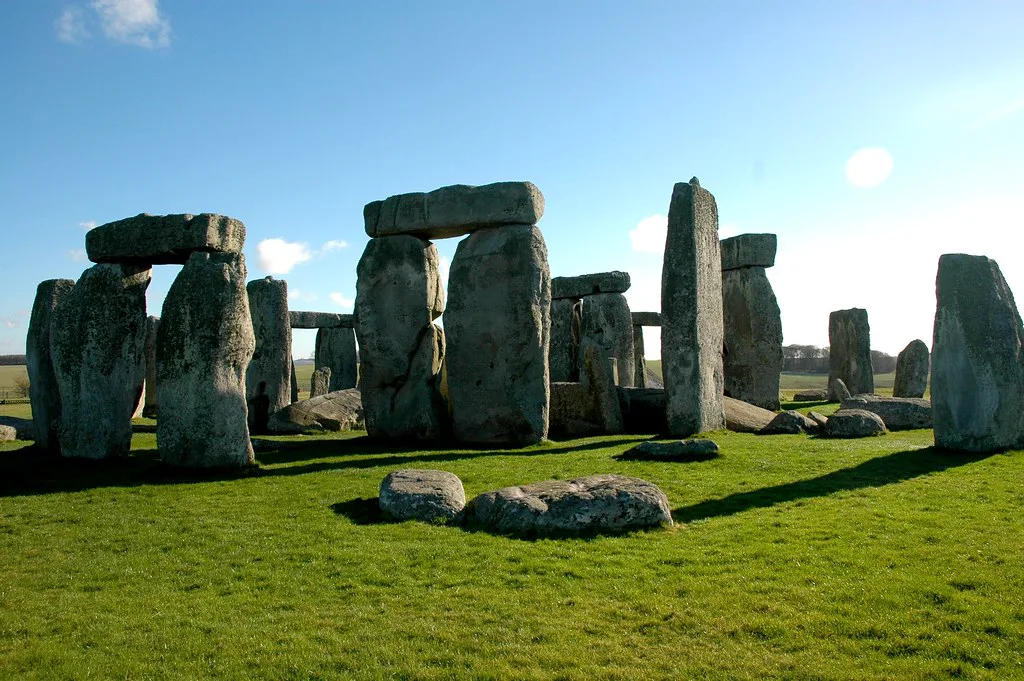
Stonehenge was built in stages, not all at once. Radiocarbon dating has made that sequence well established. Some questions remain open, so the table separates evidence from argument. Sourcing is solid. A 2020 geochemical study traced most sarsens to West Woods, about 25 km north. The bluestones came from the Preseli Hills in Wales, roughly 225 km away. In 2024, a team led by Anthony Clarke of Curtin University reported in Nature that the six-ton Altar Stone came from northeast Scotland, more than 700 km away. Nobody left a written record of who built it. Our guide to Who Built Stonehenge? Builders, Dates and How covers the people involved.
| Claim | Status |
|---|---|
| Ditch and bank dug around 3000 BCE, with cremated remains buried there | Established |
| Sarsen circle and trilithons raised around 2500 BCE, then rearranged | Established |
| Sarsens from West Woods; bluestones from the Preseli Hills | Established |
| Altar Stone from northeast Scotland | Reported in Nature in 2024 |
| How the stones were moved, by land, sea or both | Debated |
| Why it was built: burial, ceremony, ancestors, calendar or healing | Debated |
| Built by Druids | Myth |
Stonehenge, the Solstices and Astronomy
Stonehenge's main axis lines up with the midsummer sunrise and the midwinter sunset. That alignment is clearly deliberate. Why the monument was built remains debated, and the evidence fits more than one idea. Solstices fall around 20 to 21 June and 20 to 21 December. Access on those mornings is managed, so check English Heritage's current rules. Our guides cover the summer solstice and the winter solstice separately.
Winter solstice falls on 20 to 21 December, when days are short and windy, so dress warmly for the morning visit.
Other Stone Circles and Is Stonehenge Unique?
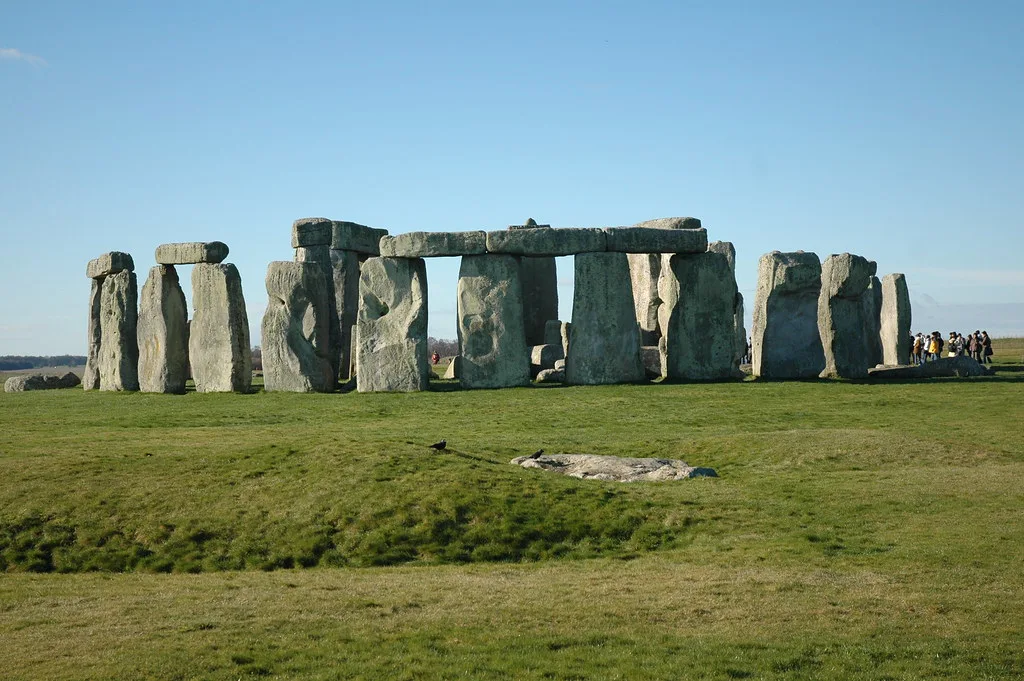
Stonehenge is famous, but it is not the only stone circle in Britain. Some others are larger. Each managing body sets its own access and ticketing rules, so check them before travelling. Orkney's Ring of Brodgar, for example, is looked after by Historic Environment Scotland.
| Site | Region | What it is |
|---|---|---|
| Stonehenge | Wiltshire, England | Sarsen and bluestone monument on Salisbury Plain; no touching |
| Avebury | Wiltshire, England | Large stone circle of standing stones and megaliths |
| Ring of Brodgar | Orkney Islands, Scotland | Large circle with more stones than Stonehenge |
| Rollright Stones | Oxfordshire, England | Standing stones and circles from the Neolithic period |
| Long Meg and Her Daughters | Cumbria, England | One of the largest stone circles in Britain |
Ley Lines, Druids and Other Myths
Ley lines are supposed lines linking ancient sites across the landscape. No scientific evidence supports them. Druids are the other popular claim, yet Stonehenge is about 2,000 years older than the Druids. Treat both as folklore. The astronomy and sourcing evidence is far stronger.
Stonehenge Mistakes to Avoid and a Quick Verdict
First-time visitors usually go wrong in the same five places. Stonehenge is worth the trip for history-curious readers and first-timers. It disappoints people who expect to touch the stones or want a lengthy, quiet visit.
| Mistake | Better move |
|---|---|
| Arriving without a pre-booked timed ticket | Book ahead for your chosen slot |
| Underestimating transit time from London or Salisbury | Plan for 2 to 3 hours each way |
| Expecting to touch the stones | Choose special access to get inside the circle |
| Expecting a close-up on a short, windy winter day | Dress warmly and allow extra time |
| Confusing Stonehenge with Avebury | Check the sites' differences before booking |
Frequently Asked Questions
How old is Stonehenge and why was it built?
Work began around 3000 BCE with a ditch and bank, and the sarsen circle followed around 2500 BCE. Why it was built is still debated, with burial, ceremony, a calendar and healing all proposed.
Can you still walk through Stonehenge?
Standard entry keeps you on a path outside the stones. Special out-of-hours access can take a small group inside the circle, so check English Heritage for the current offering.
Was Stonehenge rebuilt?
Stonehenge was rearranged over several centuries rather than built in one go. Radiocarbon dating shows the monument changed in stages after the first ditch and bank.
Explore More Guides
Keep planning your trip with these guides.
Guides
- Stonehenge Tickets: Which to Buy and When to Book
- Stonehenge from London: Tour, Train or Drive?
- Stonehenge from Bath: Car, Train, Tour Compared
- Salisbury to Stonehenge
- Stonehenge Inner Circle Tour
- Stonehenge Summer Solstice: How to Go and What to Expect
- Stonehenge Winter Solstice 2026
- Stonehenge Visitor Centre: What's Inside and How to Plan Your Visit
- Best Time to Visit Stonehenge: Season, Month & Crowd Guide
- Is Stonehenge Worth Visiting? An Honest Verdict
- Who Built Stonehenge? Builders, Dates and How
- Stonehenge Parking: Where to Park, Cost and Booking Tips
- Woodhenge and Durrington Walls: Visitor Guide
- Stonehenge vs Avebury: Which Should You Visit?
Related guides
Continue reading
Guides on the same trip