
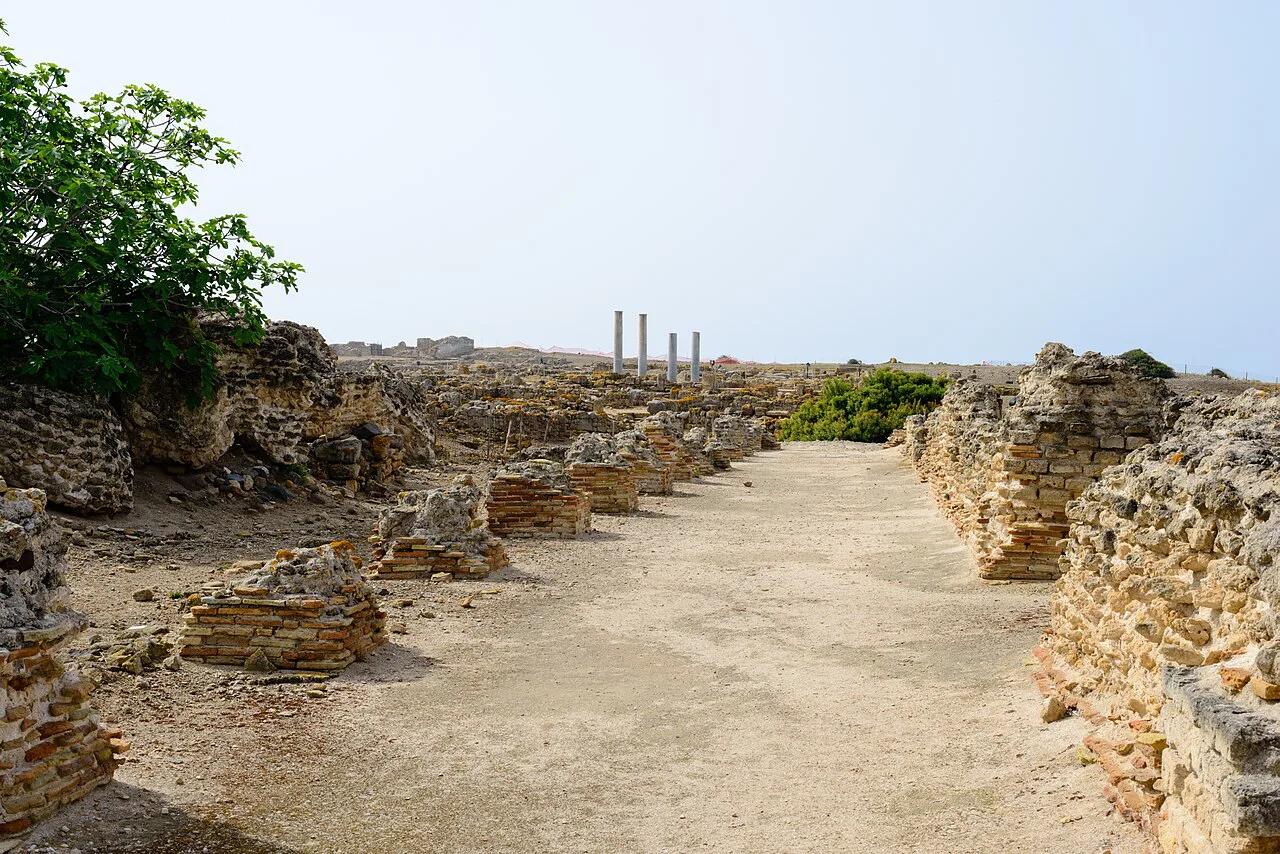
Nora, Sardinia: Visiting the Ancient Phoenician-Roman Site
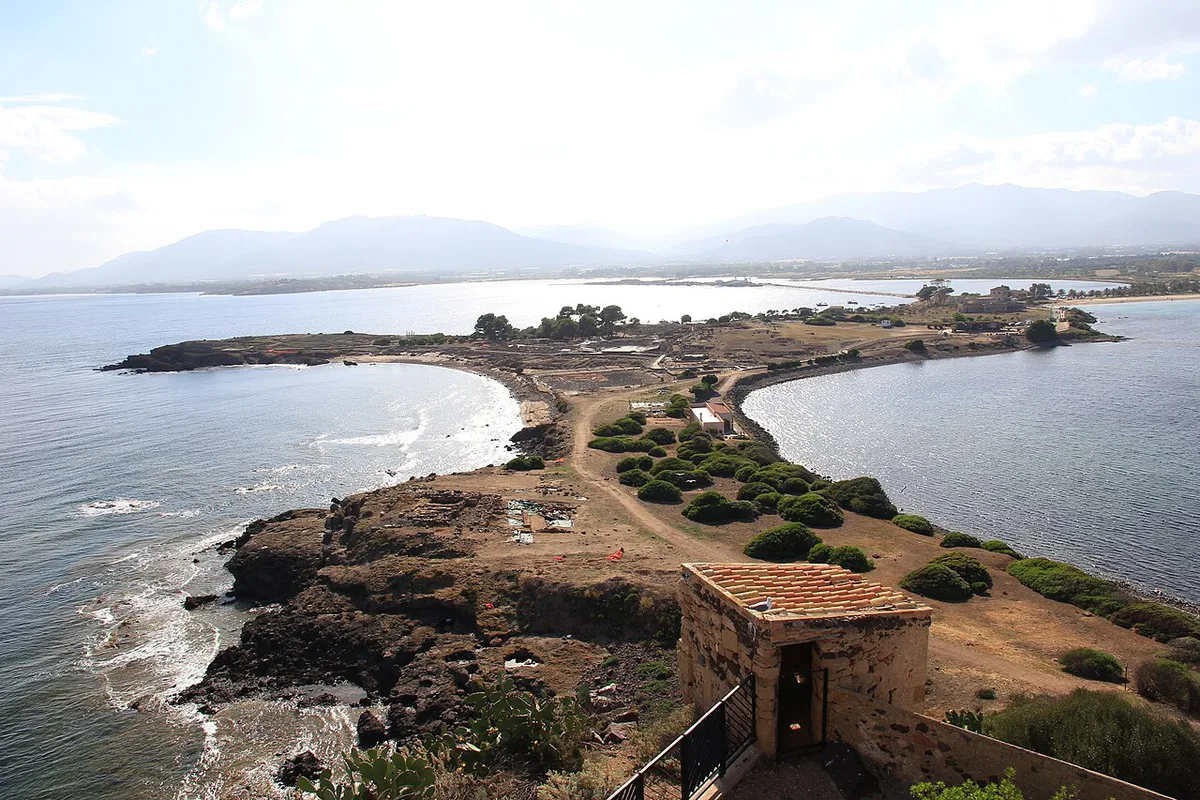
Last updated November 2026: nora sardinia is the ancient Phoenician, Punic and Roman port city on the Capo di Pula headland near Pula, south of Cagliari. It suits readers who like ruins beside the sea, and you can skip it if you want Bronze Age stone towers. Nora is not a nuraghe site, so head to our guide to Sardinia's nuraghe for those.
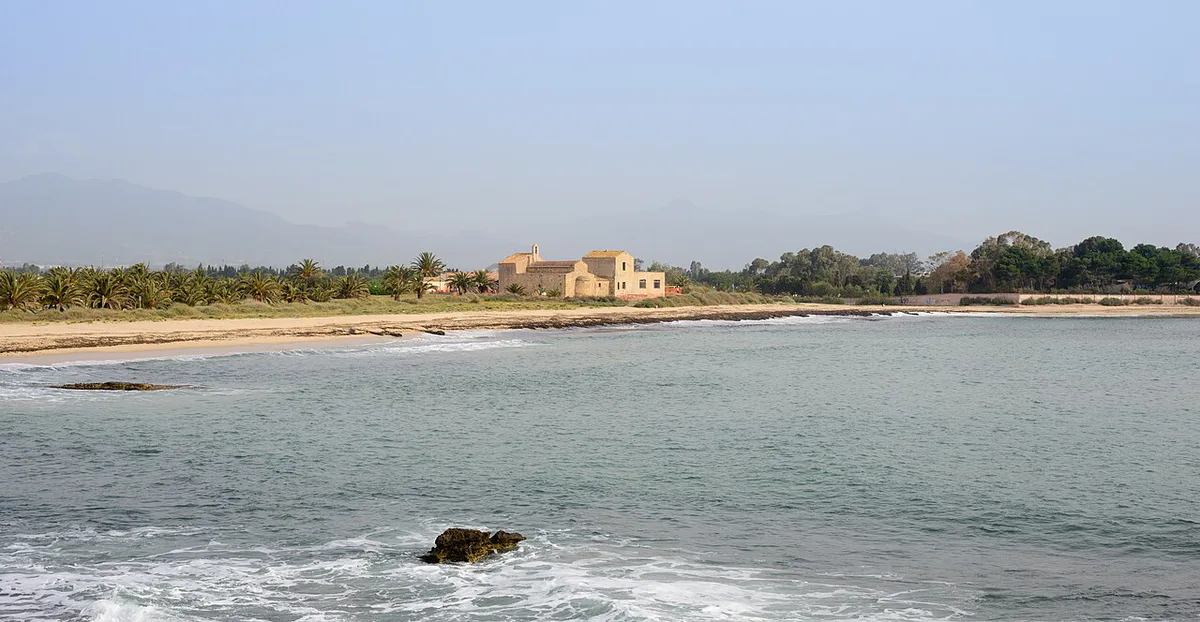
Featured image: Norbert Nagel, CC BY-SA 3.0, via Wikimedia Commons.
Nora, Sardinia at a glance
Nora sits on a peninsula beside Pula, and its listed address is 09010 Nora, Cagliari. Its main layers are Phoenician, Punic and Roman. One listing gives roughly 2 hours as a typical visit, which is a rough estimate rather than an official figure. Hours and tickets are covered below.
- Location: Capo di Pula headland, near Pula, south of Cagliari
- Eras: Phoenician, Punic and Roman
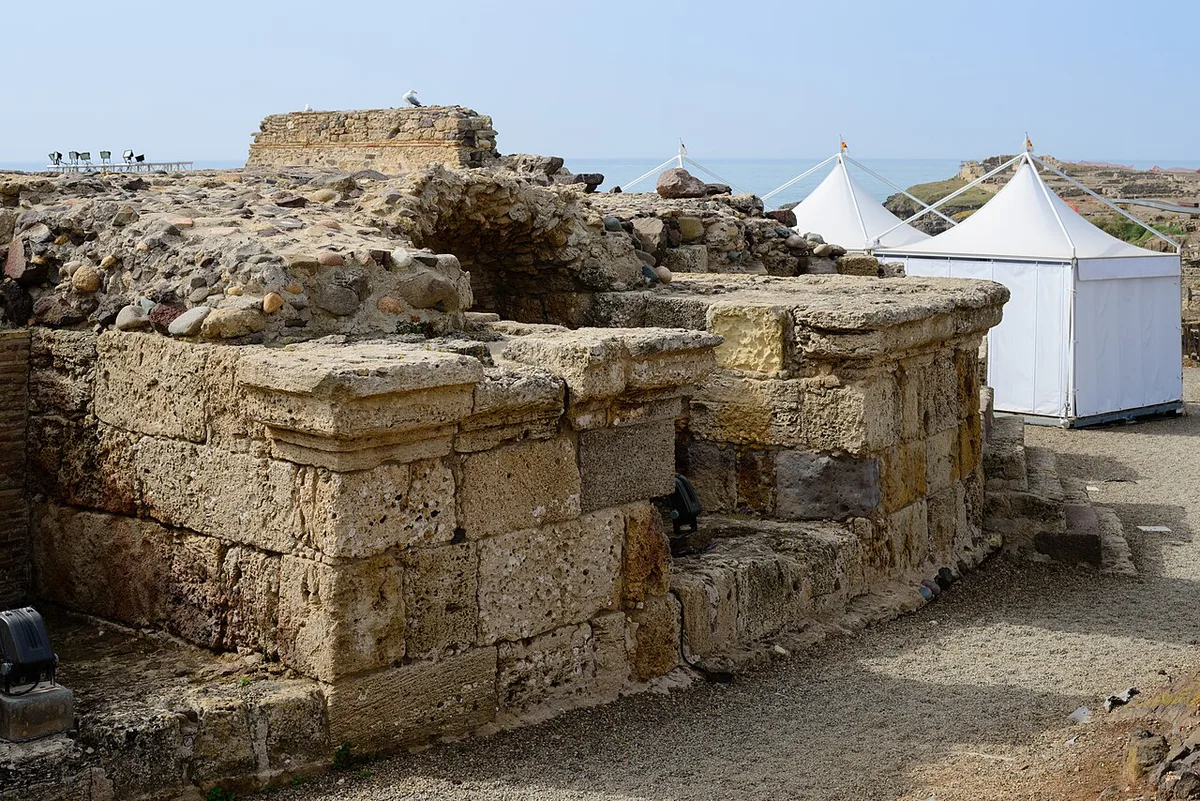
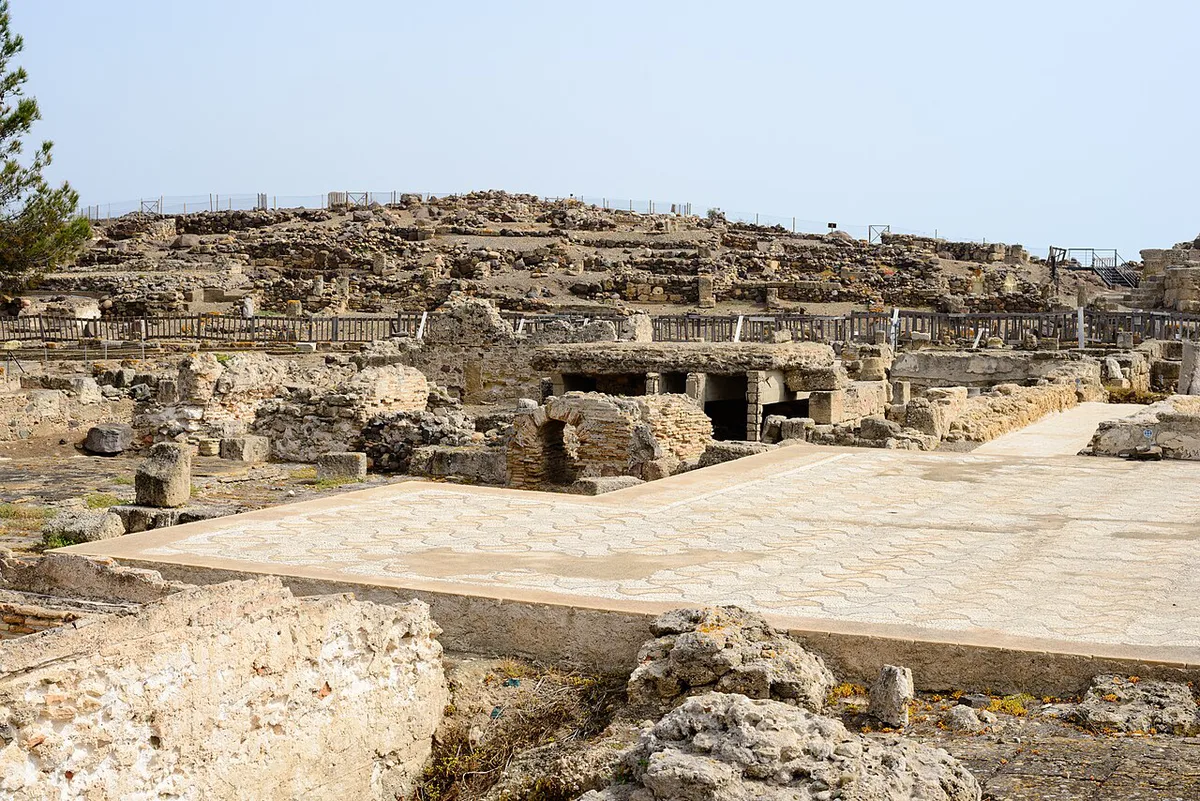
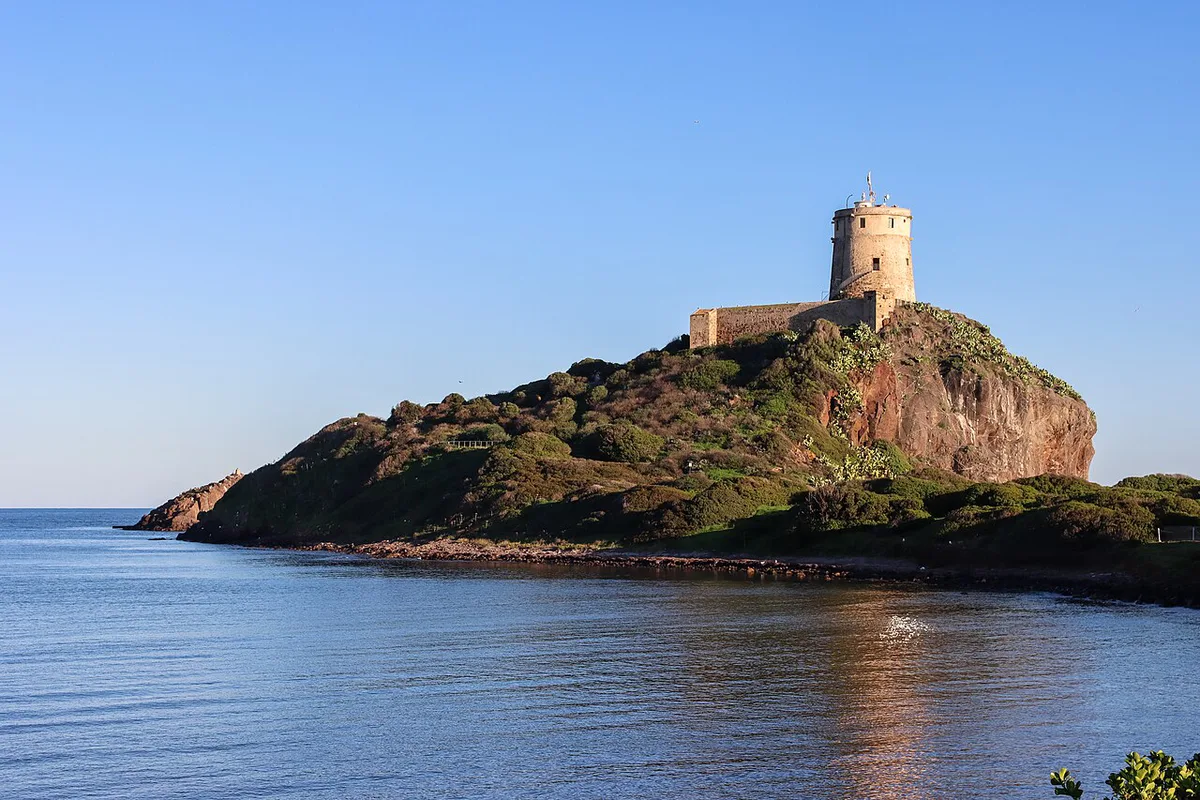
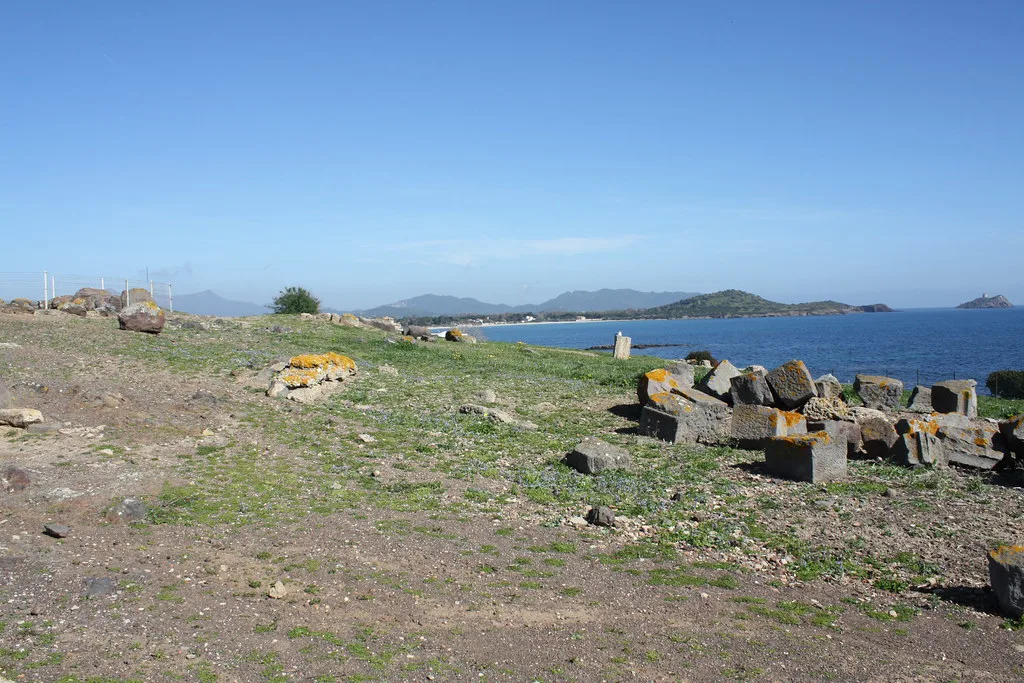
- On the ground: Roman theater, baths with mosaics, Tanit sanctuary, Coltellazzo tower
- Typical visit: about 2 hours, as a rough estimate
- Ticket: check the current price on the official booking page
What you'll see at Nora
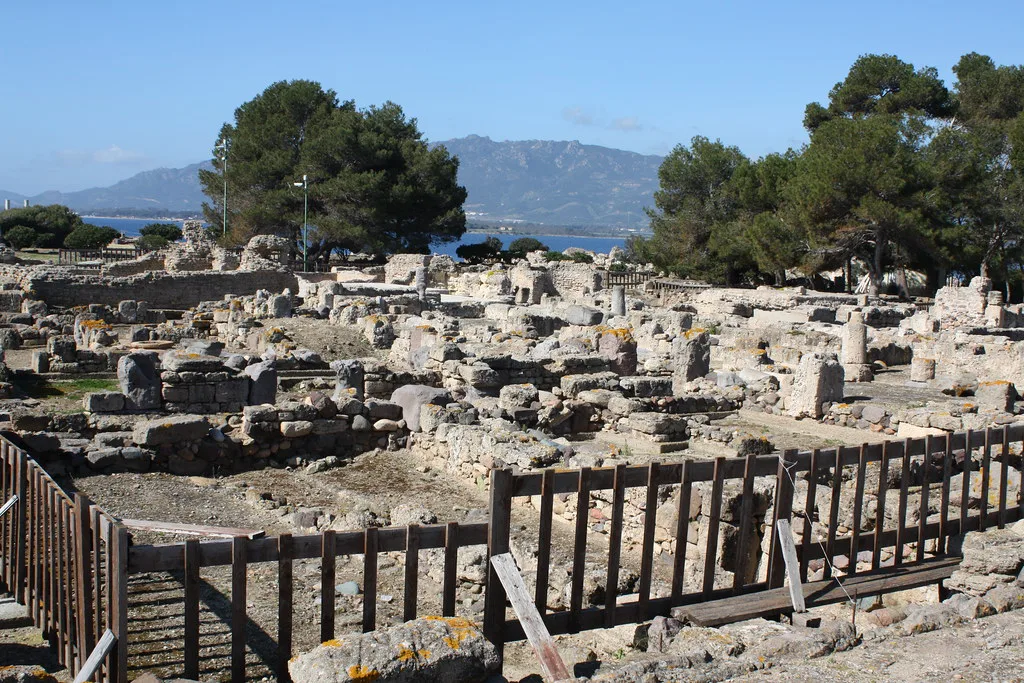
Roman Nora is the easiest layer to read. A Roman theater survives in good condition, and parts of the Temple of Aesculapius, the god of medicine, remain. The site also holds the remains of a Punic-Roman port, houses, public buildings, mosaics and baths. An on-site museum shows pottery, jewelry and other finds from the digs.
- Roman theater: the best-preserved structure, and the natural first stop.
- Tanit sanctuary and tophet: the oldest layer, tied to the Carthaginian fertility goddess Tanit.
- Temple of Aesculapius: partial remains from the Roman period.
- Coltellazzo tower: stands on the promontory, with sea views over the peninsula.
- Nora beach: a short walk from the ruins, so it fits easily into the same trip.
New research on Nora's age
Newspaper reports from October 2025 describe preliminary carbon-14 results on bones from the oldest necropolis. If confirmed, they would put Nora's founding roughly between 820 and 750 BCE, about a century earlier than thought. Prof. Jacopo Bonetto of the University of Padua urged caution and said further tests are needed. Treat the oldest-city idea, which echoes the ancient writer Pausanias, as unproven. The same digs found Punic walls 2 m (about 6.5 ft) wide and 80 m (about 260 ft) long toward the Coltellazzo promontory. Researchers also reported 1,500 Vandal-era coins. Five universities run the annual excavations.
Is Nora worth it? Who should go and who should skip
Go if you like ancient history set against the sea. Families with older children can enjoy the theater and the beach in a single outing. Skip it if ruins tire you quickly or if you want standing Bronze Age towers. Shade is scarce on a headland, so heat tolerance matters in July and August. Beach-only travelers can pass on the ticket and still reach the coast nearby.
Tickets, opening hours and guided tours
One listing quotes €6 including a guided tour, but it does not say which ticket type or season that covers. Another shows identical hours every day, which is unlikely to hold year-round. Prices, hours and ticket cut-offs change with the season and the operator. Read the current figures on the official Sardinia tourism site or the site's own booking page before you set out.
Only one listing quotes €6, and it includes a guided tour, so confirm which ticket covers your visit.
How to get to Nora from Cagliari
Nora lies south of Cagliari, near Pula, so you can reach it by car, bus or organized tour. A car gives the most flexibility and lets you add the beach on your own schedule. Buses cost less but run less often, and service thins out on Sundays and off-season. Tours remove the parking and timetable problem but fix your hours on site. Parking fills up in peak season, so arrive early. For route and operator details, start with Sardinia's culture portal.
Enter 09010 Nora, Cagliari in your navigation app, since that is the listed address for the site.
Plan your time: half-day itinerary and combos
Aim for the ruins in the morning and the beach after lunch. That order keeps you out of the midday sun on the headland. Allow about 2 hours at the site, then use the afternoon for Nora beach. A Cagliari day gives you the city instead, and a nuraghe day means a long drive inland. Choose Nora when you want one easy half-day by the sea.
Nora vs. Sardinia's nuraghe and Punic sites
Nora belongs with the Phoenician-Punic-Roman coastal cities, not the Bronze Age towers. For a wider view, see our overview of ruins across Sardinia. The table below sorts the main alternatives by culture and best use.
| Site | Era / culture | What you see | Best for |
|---|---|---|---|
| Nora | Phoenician, Punic, Roman | Theater, baths, mosaics, tophet, seaside headland | Ruins plus beach |
| Tharros | Phoenician, Punic, Roman | Another coastal ancient city | Closest comparison to Nora |
| Su Nuraxi di Barumini: Visiting Sardinia's UNESCO Nuraghe | Bronze Age nuraghe | Stone tower complex | The best-known Bronze Age site |
| Santu Antine Nuraghe: Visiting Sardinia's King's House | Bronze Age nuraghe | Nuraghe structure | Readers who want towers |
| Mont'e Prama | Ancient Sardinian statuary | The giants of Mont'e Prama | A more ancient Sardinia story |
Where to stay and what to avoid
Cagliari gives you the most restaurants and transport links. Pula or the nearby coast puts you closer to the ruins and the beach, with fewer city services. Pick based on whether you value access or nightlife. Avoid going at midday in summer, because the headland offers little shade. Check the ticket cut-off before you arrive late. Do not expect a full-service resort at the site itself.
Related guides



Continue reading
Guides on the same trip



