
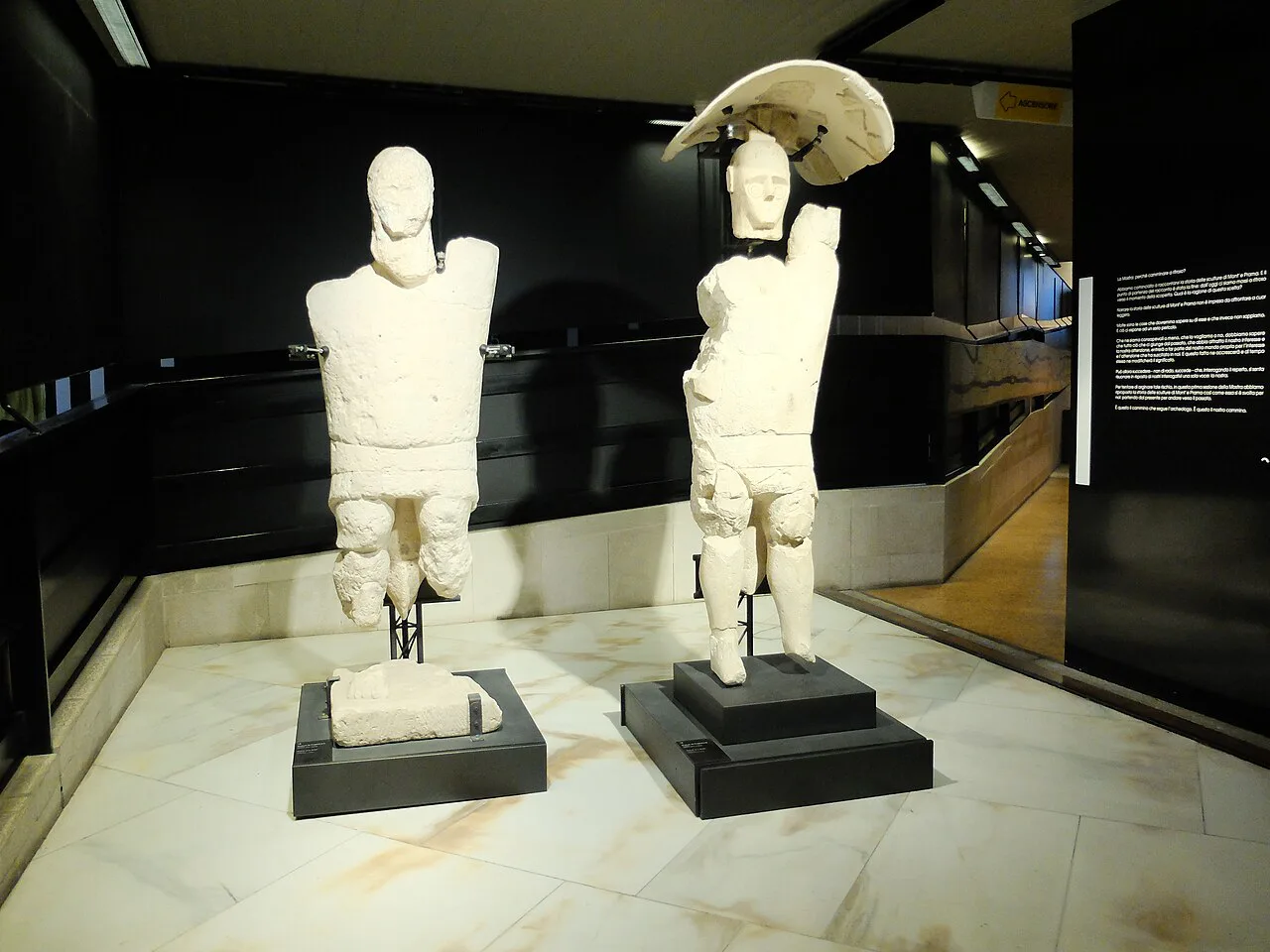
Last updated November 2026: the giants of Mont'e Prama are limestone statues of warriors, boxers and archers, plus models of nuraghi, found in a Nuragic necropolis at Cabras on the Sinis Peninsula. Experts describe pieces about two metres (6.5 ft) high and date them between the 11th and 8th centuries BC. Most visitors miss that the statues and the excavation site are in different places, so plan for a museum visit first and the necropolis second.
Featured image: Ludovica Dal Molin, CC BY-SA 4.0, via Wikimedia Commons.
What are the Giants of Mont'e Prama?
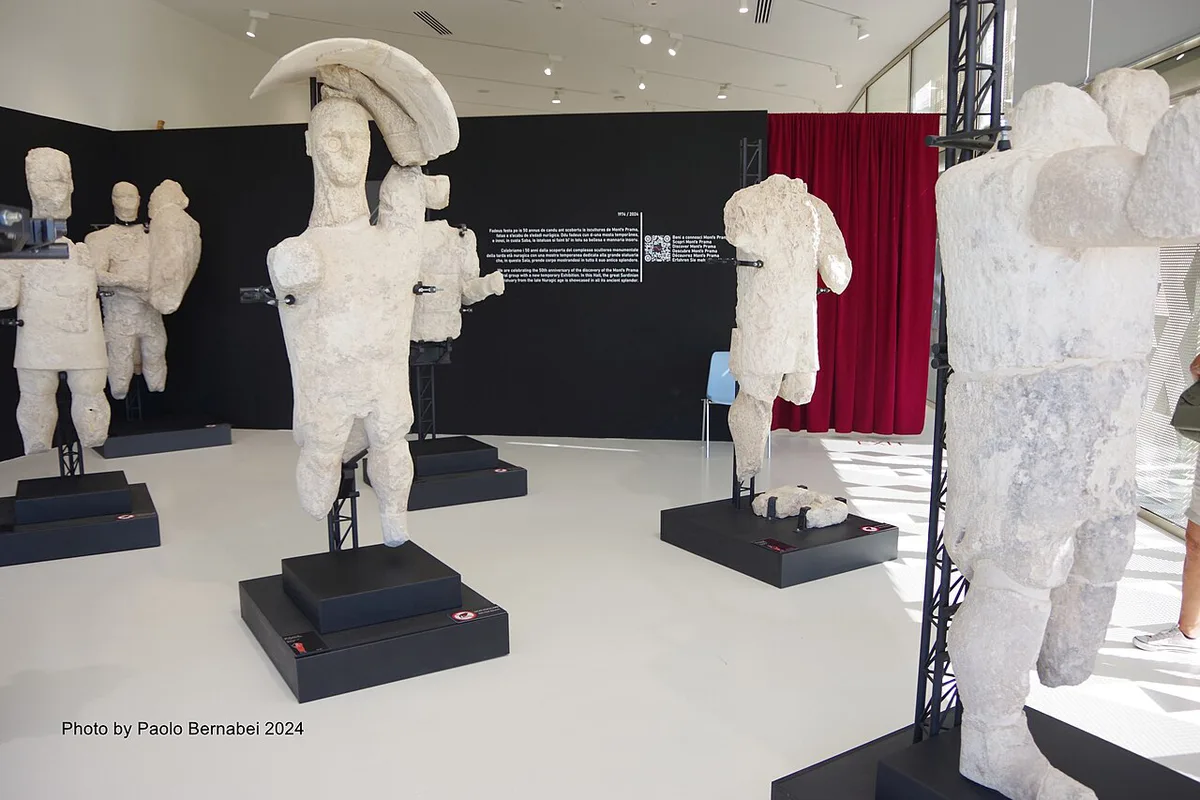
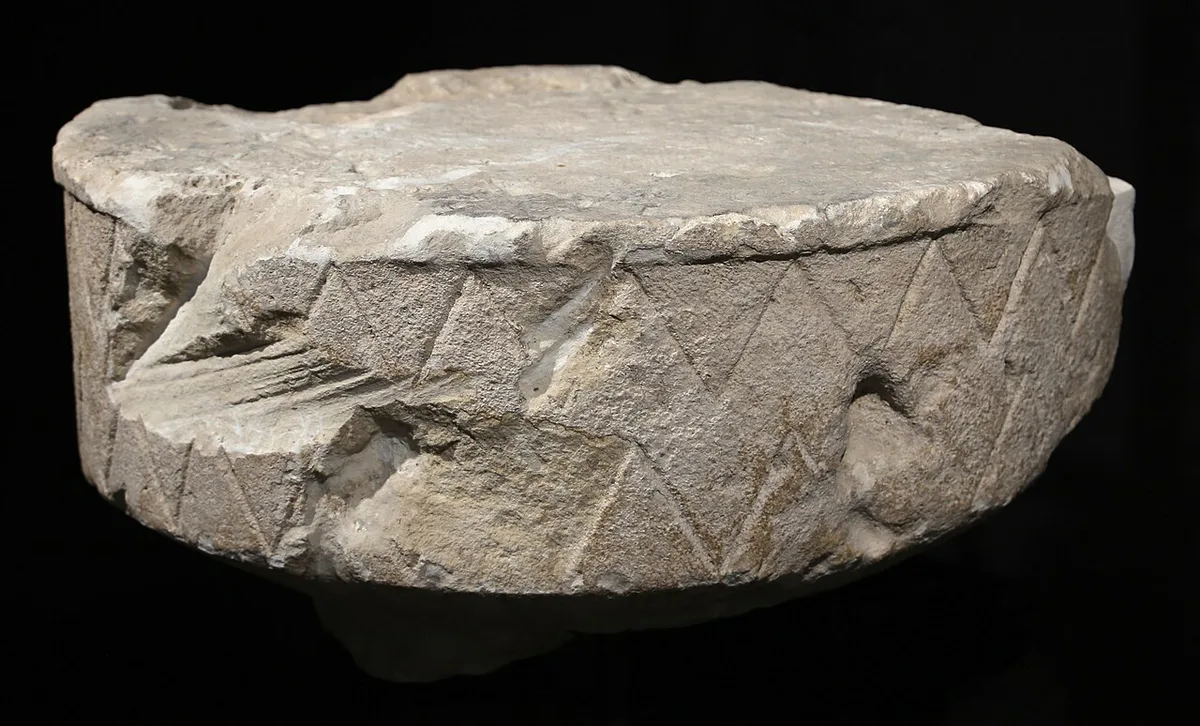
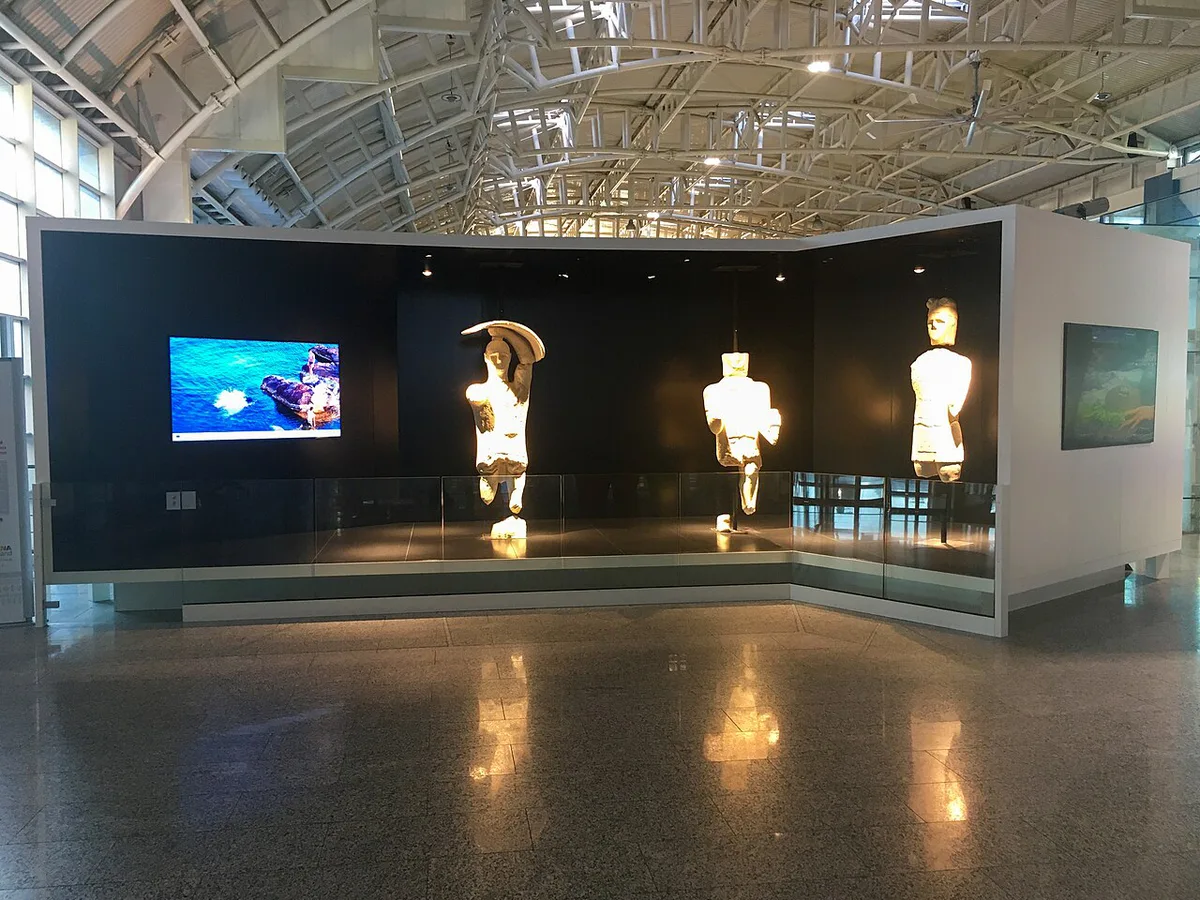
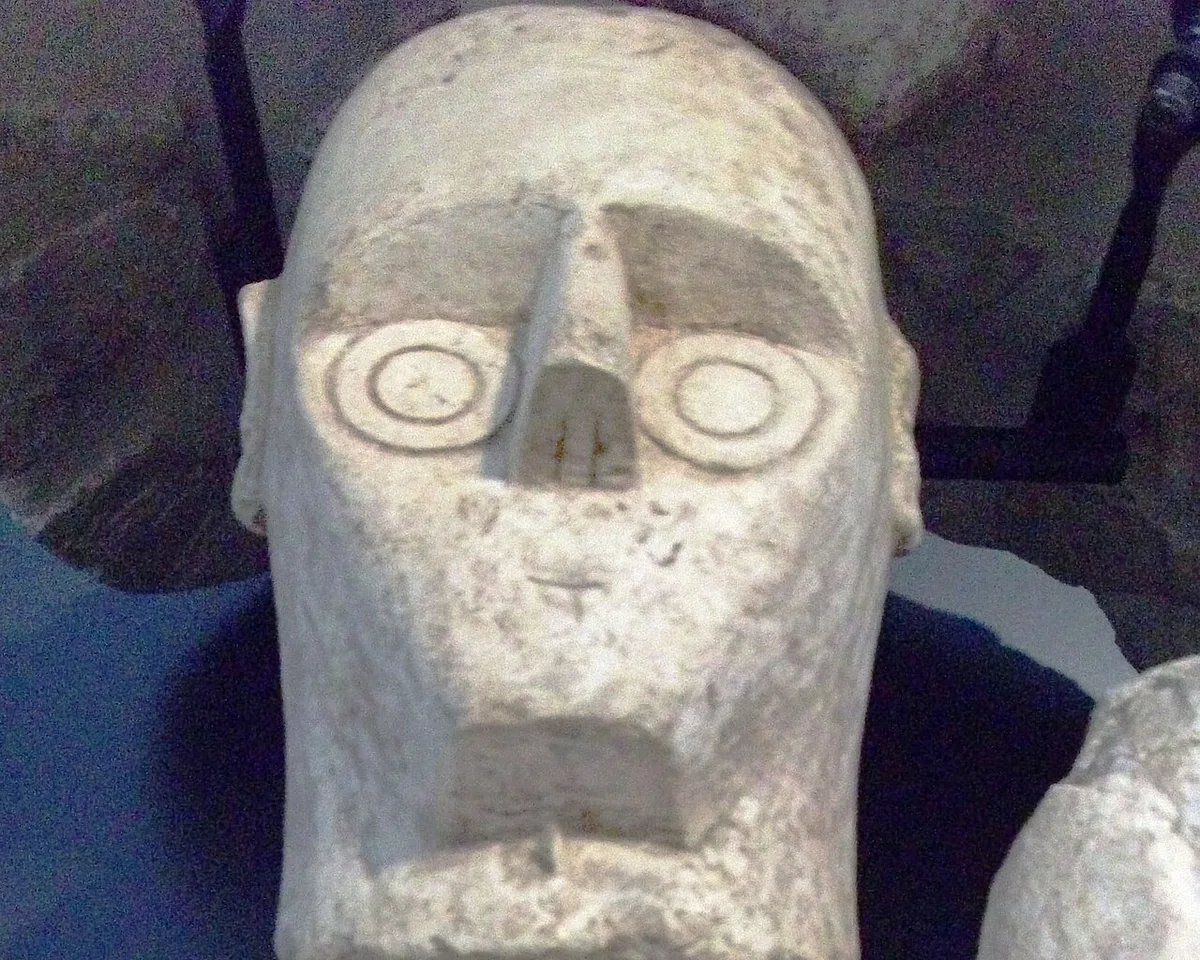
These are among the most striking Nuragic statues known, and Mont'e Prama (also spelled Monte Prama) is the place name of the burial ground. Italian reporting from 2022 calls them "huge 3,000-year-old sculptures" and describes colossal figures about two metres (6.5 ft) high. Experts date the giants between the 11th and 8th centuries BC. The cemetery itself began around the 12th century BC. Treat all of these dates as expert estimates rather than settled fact. The necropolis was uncovered by accident in the mid-1970s, and the figures come in recognisable types. Boxers and warriors are the best known, and archers and nuraghe models belong to the same group. A 'Cavalupo' type with a curved shield has also been identified. It is linked to a Nuragic bronze statuette from Vulci that is now in the Villa Giulia museum in Rome. For the wider culture behind them, start with our guide to Nuragic Sardinia.
Where to see the statues
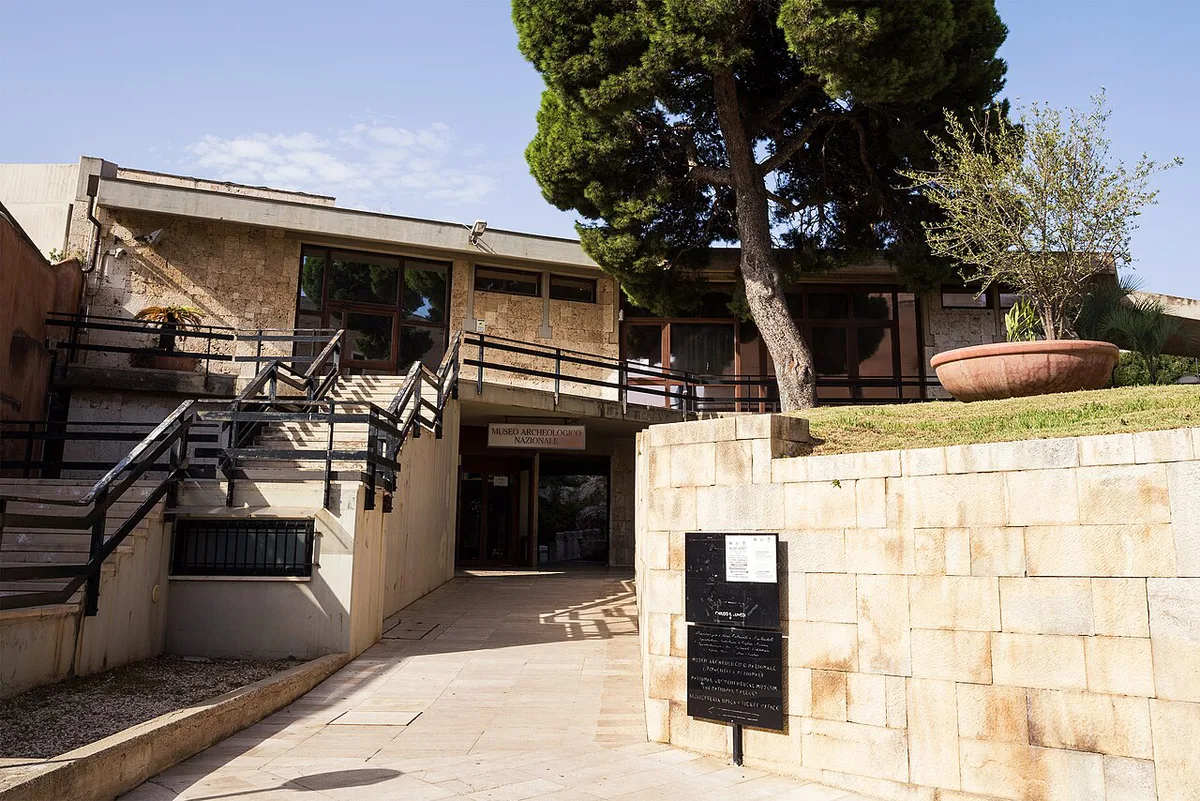
The restored figures belong in a museum, not in the field. A 2022 restoration project was designed to put the newly restored statues on show along with the others at the Cabras Museum. That makes Cabras town your first stop. Some pieces have also been displayed in Cagliari in the past, so check the current display location on the regional culture portal before you commit to a route. Expect heavily reconstructed figures. Most were rebuilt from many fragments of fragile limestone, so what you see is a careful assembly rather than an intact original. Museum opening days, hours and ticket prices are not listed here, because they change. Confirm them with the museum directly.
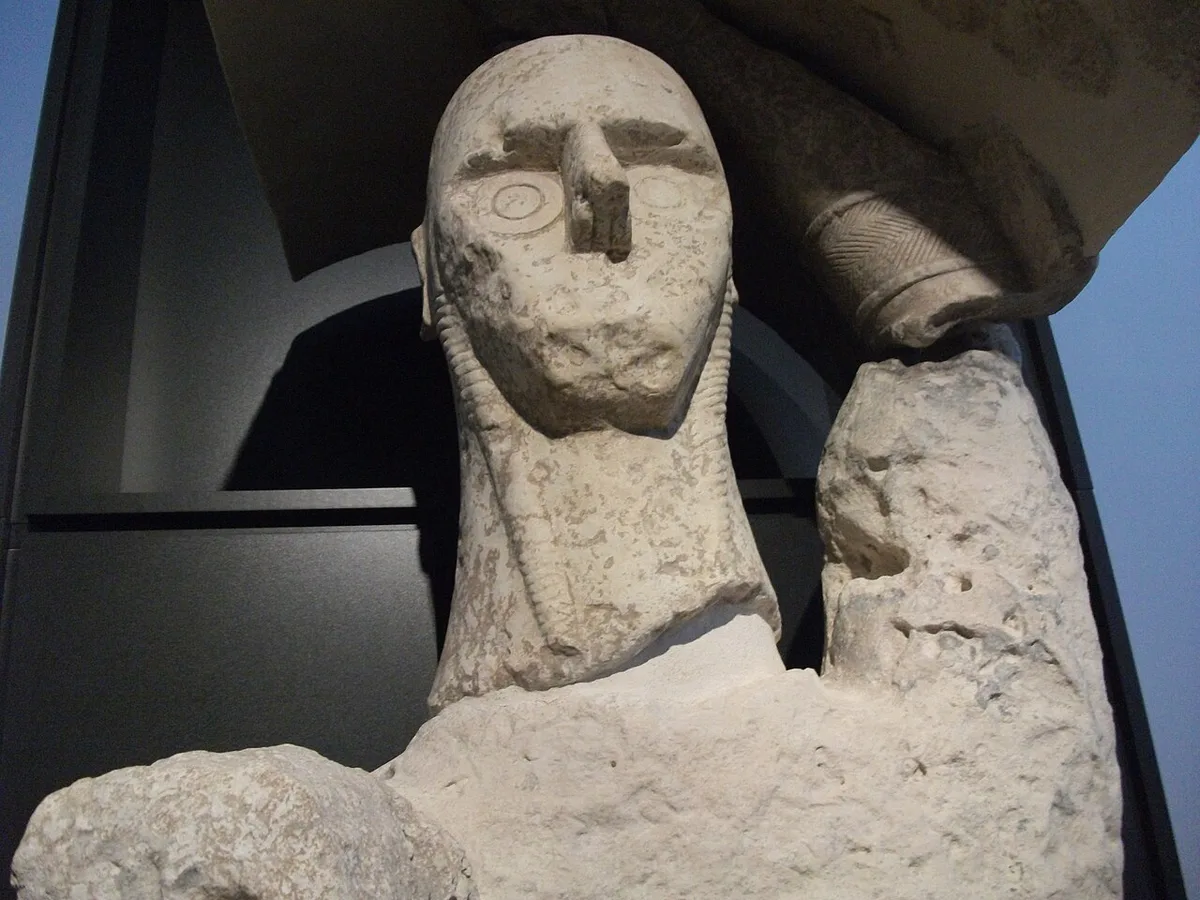
Archaeologists have studied about 170 tombs at the necropolis, but the figures you came to see are in Cabras, so the museum comes first.
Visiting the Mont'e Prama necropolis site
The burial ground lies in the municipality of Cabras, and it is where the statues once stood over the tombs. Archaeologists have studied about 170 tombs so far. They line a burial road that the 2022 campaign, begun on 4 April, showed stretching further south. Do not expect statues in place. The figures were found broken and fallen, and the restored ones are in the museum. The site is an active research area, and excavation campaigns can limit entry. Check Sardegna Turismo for current access and guided-visit options before you drive out. If it is closed, the museum still gives you the main experience.
Getting there and how long to allow
Cabras is the base for both stops, and Oristano is the nearest larger town. No verified drive times or bus timetables are published here, so check route times with the regional transit operator and your map app. A car makes the Sinis Peninsula far easier, because the sites sit apart. Use the table below to choose how much of the area to cover.
| Plan | What you see | Access | Best for |
|---|---|---|---|
| Museum only | Restored statues and finds | Check museum hours | Short stops and rainy days |
| Museum plus site | Statues, then the burial ground | Site access may be limited | Readers who want context on the ground |
| Full Sinis day | Museum, necropolis and a second ancient site | Car recommended | Readers with a full day to spare |
Tickets, hours and booking
Published prices and hours were not confirmed when this guide was written, and guessing would only mislead you. Check the museum's own page and the official Sardinia tourism site for opening days, fees and booking rules. Ask specifically about guided visits to the necropolis, since access there depends on the research schedule.
What the Giants tell us, and what remains unknown
No one has settled what the statues were for. Archaeologist Alessandro Usai, who has directed the excavation since 2014, lists several ideas: guardians of a sacred area, heroes, ancestors or identity symbols of a community. The burial pattern is just as striking. Most of the dead were young men, very few were women, and elderly people and children are almost absent. Why the figures fell is also debated. Usai favours gradual natural collapse, because the statues were overbalanced forwards. Fighting between local communities or Carthaginian action is the alternative hypothesis. Two more giants were announced on 7 May 2022, so the story may keep changing. A Nuragic monument with a similar name is easy to confuse with these. The giants' tombs of Sardinia are communal burial monuments, not the Mont'e Prama statues.
Pairing with other Nuragic sites
The statues are often shown with models of nuraghi, so seeing a real tower helps. Su Nuraxi di Barumini: Visiting Sardinia's UNESCO Nuraghe is a major nuraghe worth adding to a longer Sardinia trip. For Phoenician and Roman ruins on the peninsula, add Tharros, but check the distance from Cabras first. Our roundup of ancient ruins in Sardinia covers further options.
Who should skip it, and mistakes to avoid
Skip this stop if you only want standing ruins, or if you dislike heavily reconstructed pieces. Otherwise, avoid these common errors.
- Expecting statues in place at the necropolis.
- Not checking museum hours before driving to Cabras.
- Assuming the site is open during an active excavation.
- Treating the dates as proven rather than expert estimates.
Why the Giants matter in Nuragic Sardinia
The Giants are remarkable because they bring a Nuragic burial landscape into human scale. The cemetery began around the 12th century BC, while experts date the statues between the 11th and 8th centuries BC. Their warriors, boxers and archers were not small offerings. The largest reconstructed figures stand about 2 metres high.
Nuragic communities are best known for stone towers called nuraghi, which appear across Sardinia. The Mont'e Prama sculptures add something unusually direct: idealised human figures, carved in limestone and placed beside a burial road. Models of nuraghi found with them connect the statues to that wider island culture. Their purpose remains uncertain. They may have marked ancestors, heroes or a community's identity. That uncertainty is part of the site’s importance. It makes the museum displays more than portraits of the past; they are evidence from a society whose political and religious meanings are still being worked out.
Related guides



Continue reading
Guides on the same trip



