
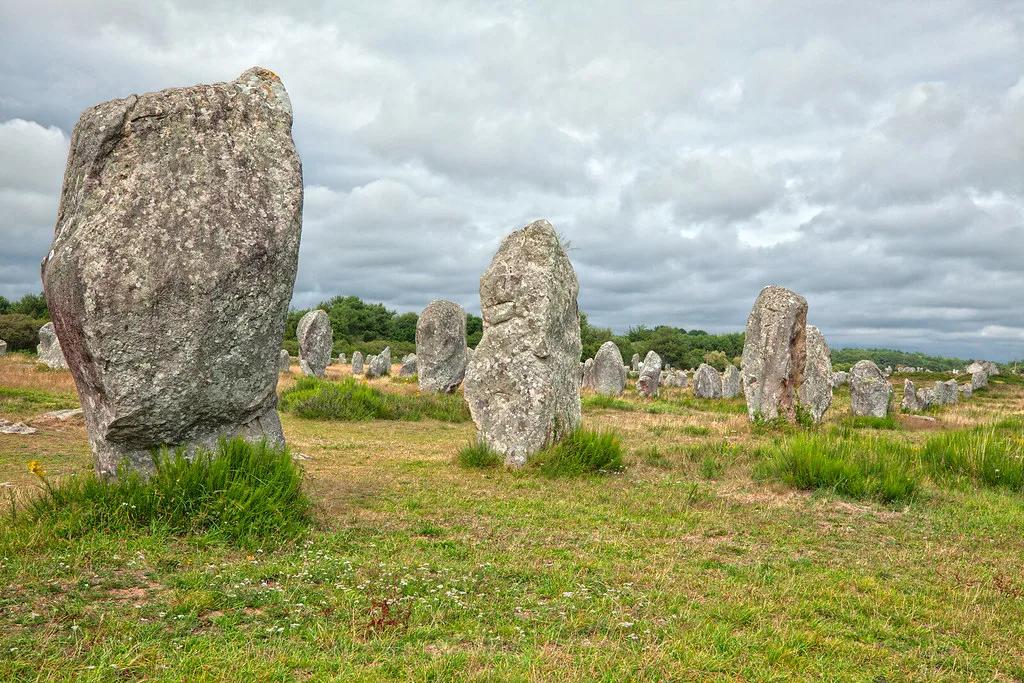
Megalithic Sites in Europe: Where to See Dolmens, Menhirs and Stone Circles
Last updated November 2026: megalithic sites in Europe are prehistoric monuments built from very large stones, from single menhirs to chambered tombs and stone circles. The best-known are Stonehenge and Avebury in England, Callanish and the Ring of Brodgar in Scotland, Newgrange in Ireland and Carnac in Brittany. Use this guide to match a region, a site type and an access style to your trip, and see our wider guide to ancient ruins for later periods.
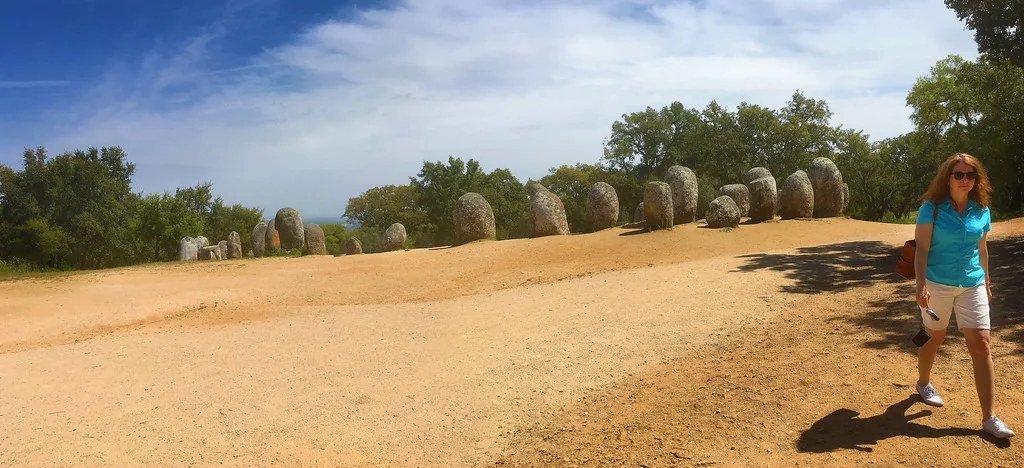
Featured image: Bold Frontiers, CC BY 2.0, via Flickr.
Quick answer: where to see megaliths in Europe
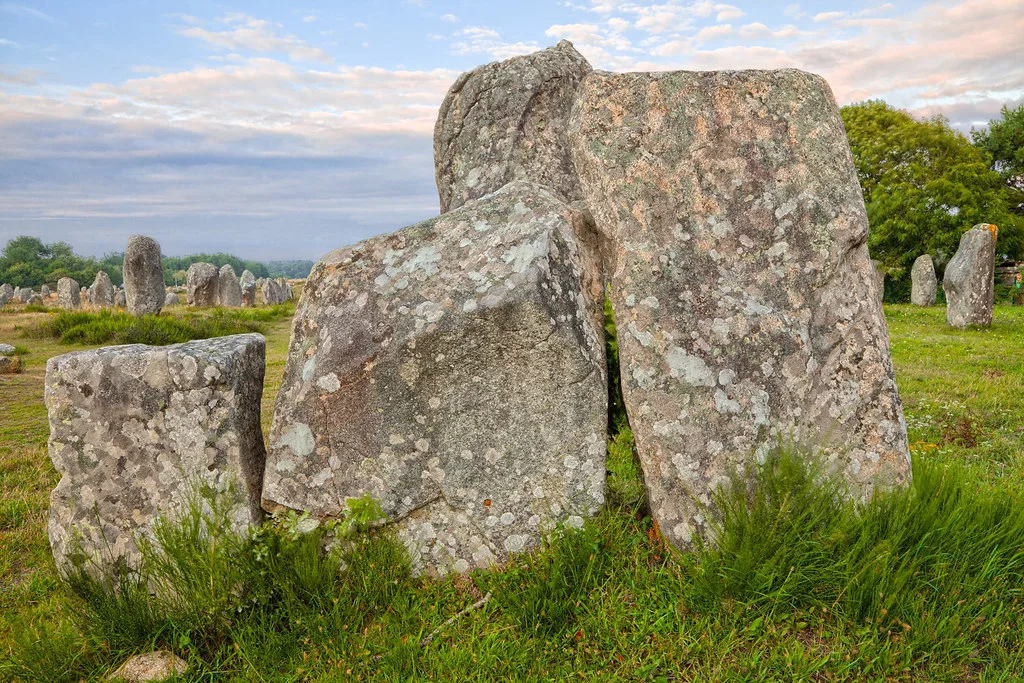
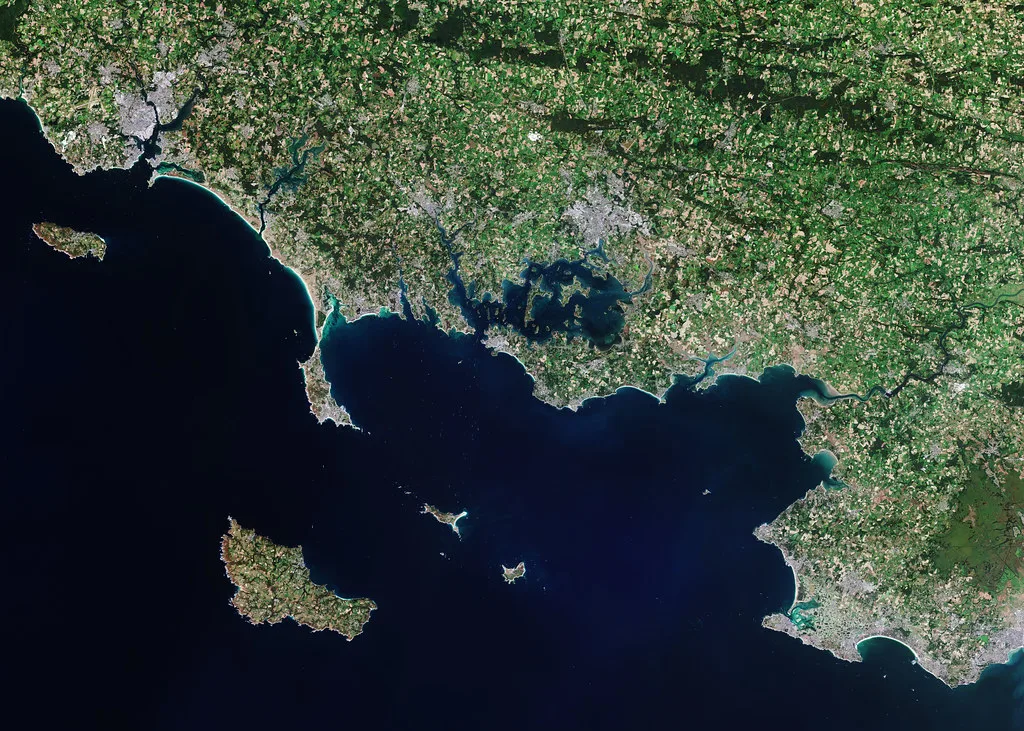
Megalith comes from two ancient Greek words meaning "big stone". Brittany is described as home to the oldest known megalithic monuments in Europe, about 7,000 years old. From there the practice spread to the British Isles, the Pyrenees and Scandinavia, and later to Iberia, Italy, Malta and Sardinia. Pick a region first, because the sites cluster tightly and the experience differs sharply between them.
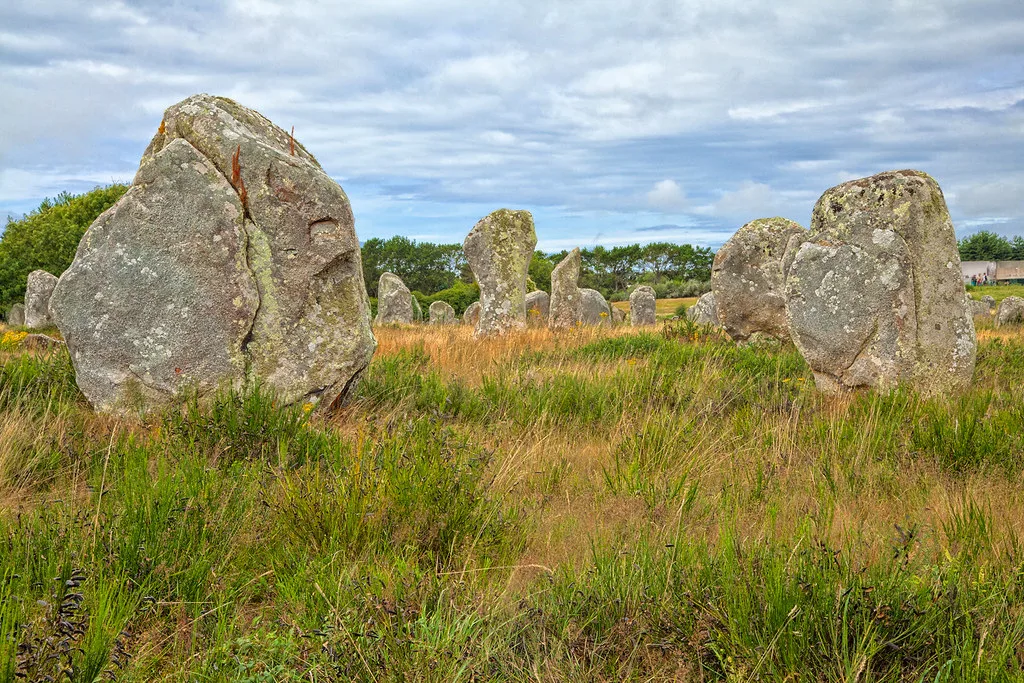
- Brittany, France: Carnac and a dense landscape of menhirs and dolmens.
- England: Stonehenge and Avebury, the best-known stone monuments in the country.
- Scotland: Callanish and the Ring of Brodgar, both stone circles.
- Ireland: Newgrange, a passage tomb.
- Pyrenees and Iberia: scattered dolmens and menhirs, often free and unstaffed.
- Malta, Sardinia and Gotland: island megaliths for a longer, more specialist trip.
Megalith types in plain language
Names overlap across languages, so learn six terms before you read a site map. Meanings shift slightly between countries, but these definitions work for planning.
- Menhir: a single standing stone, the most basic megalith. Its original purpose is unclear and probably changed over centuries.
- Dolmen: two or more upright stones carrying a roughly horizontal capstone. Most are thought to be the core of a communal tomb.
- Tumulus or barrow: a mound of earth or scree raised over one or more tomb chambers.
- Cromlech or stone circle: a ring of standing stones that may have surrounded a dolmen, tracked the calendar or served a ritual purpose.
- Passage tomb: a burial chamber reached by a stone-lined passage under a mound. Newgrange is the Irish example.
- Statue-menhir: a standing stone with carved decoration.
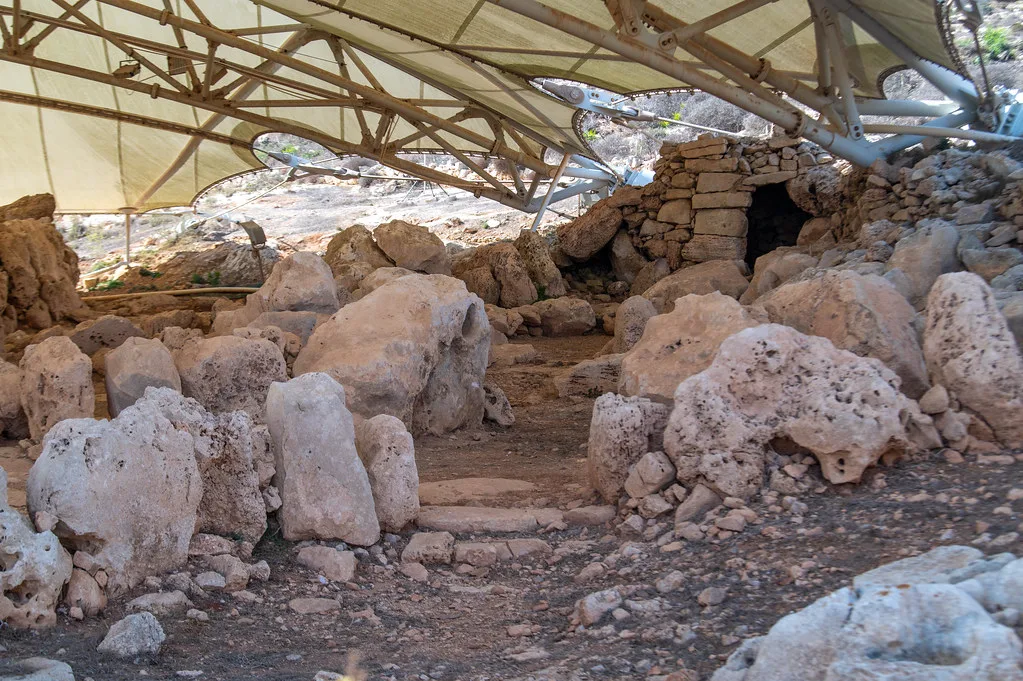
Megalithic sites in Europe compared by region
This table shows what you actually get in each region and how hard it is to reach. Access styles vary site by site, so treat the last column as a starting point.
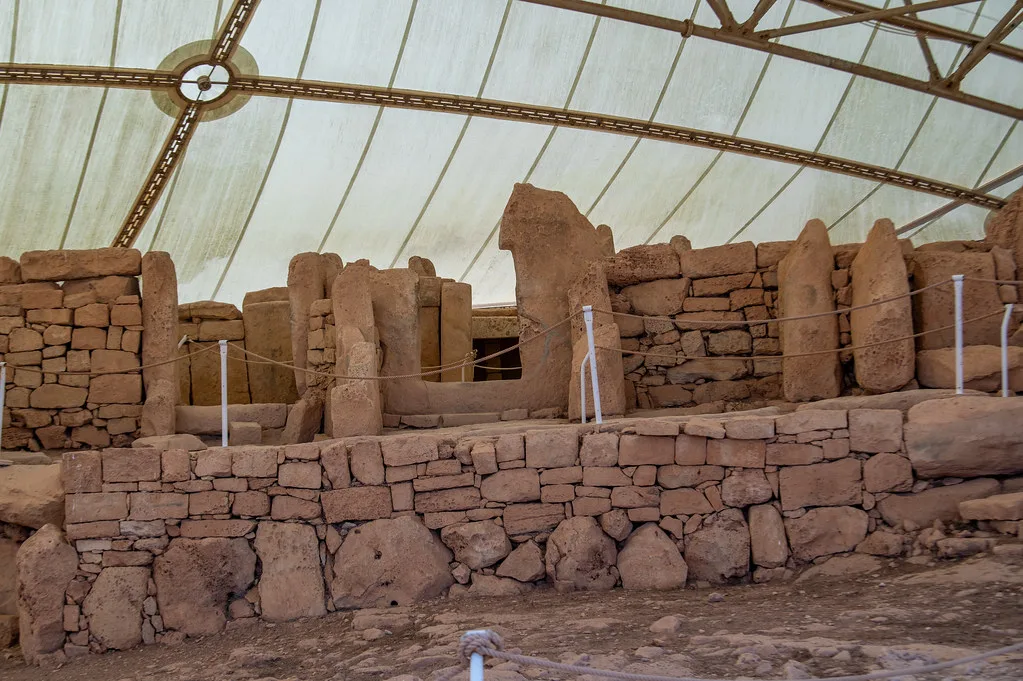
| Region | Typical site types | What you see | Access style | Best for |
|---|---|---|---|---|
| Brittany (France) | Menhirs, dolmens, tumuli | Carnac alignments and many tombs across farmland and coast | Mix of roadside stones and managed areas | Road-trippers, photographers |
| British Isles (England, Scotland, Ireland) | Stone circles, passage tombs | Stonehenge, Avebury, Callanish, Ring of Brodgar, Newgrange | Staffed visitor centres at headline sites; some entries ticketed or guided | First-timers, families, history readers |
| Iberia (Pyrenees, Atlantic Portugal) | Dolmens, menhirs, statue-menhirs | Scattered field monuments, some on waymarked walks | Mostly free, often a car and a short walk | Walkers, quiet-site seekers |
| Malta and Sardinia | Temples, tombs, megalithic islands sites | Island monuments with local museums | Mix of staffed and open sites | Longer island trips |
| Scandinavia and the Baltic (Gotland) | Chambered tombs, stone settings | Burial sites such as Ansarve on Gotland | Rural, usually a car | Specialists, slow travellers |
Famous sites versus quiet sites
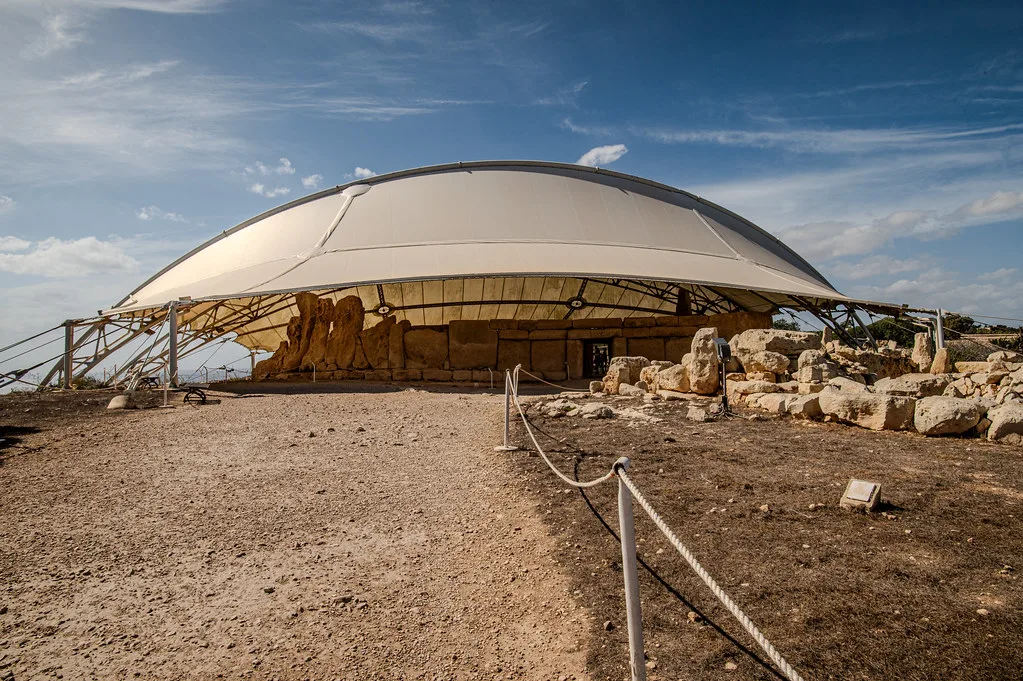
Headline monuments such as Stonehenge and Avebury come with visitor facilities, set routes and crowds. Expect timed entry or paid access at some of them. Quiet field sites are usually free and unstaffed, but nothing explains what you are looking at. In the Spanish Pyrenees, the village of Seró holds a statue-menhir described as the largest in Europe. It stood about 7 m tall, was carved around 5,500 years ago and was later cut into four pieces to build a dolmen. That detail comes from a single regional guide, so treat it as a local claim. In the French Cerdagne, Eyne has a waymarked 5 km "balade néolithique" with information boards. Near Organyà in Catalonia, the Cabó valley is said to hold seven dolmens. Cap de Creus National Park, across the border from Banyuls and Collioure, has dozens more.
- Free and unstaffed: most Pyrenees dolmens and menhirs. Bring a map and offline directions.
- Low cost and waymarked: walking trails such as Eyne's Stone Age stroll.
- Ticketed or managed: headline sites with visitor centres. Check each operator's official page for current access.
Pick by traveller type
Choose one region and go deep rather than sampling everywhere. These matches follow site layout and access style.
- First-timer: England or Ireland, where Stonehenge, Avebury and Newgrange have staffed visits.
- Photographer: Scotland for Callanish and the Ring of Brodgar, or Brittany for repeated rows of stones.
- Family: a staffed English or Irish site with a visitor centre and short paths.
- History reader: Ireland or Gotland, where burial evidence is central.
- Road-tripper: Brittany, with stones scattered along minor roads.
- Car-free traveller: stick to headline sites near towns, and skip scattered rural dolmen fields.
Planning logistics for megalithic sites
Many rural sites need a car, because buses are rare and trails start in villages or fields. Eyne's 5 km loop is a good example of a manageable first walk. Light is best in early morning and late afternoon, and winter days are short in Scotland and Scandinavia. Field sites sit on farmland, so close gates, keep to paths and stay away from livestock. Costs run from free at roadside and field monuments, to low for waymarked areas, to mid for ticketed headline sites. Timed entry may apply at the busiest monuments. Check each operator's site for hours, parking and seasonal closures before you set out.
Eyne's 5 km loop sits in the Pyrenees, a region the table lists as mostly free and often reached by car.
Sample route ideas
Match trip shape to effort. None of these needs an invented schedule.
- Brittany loop: two to three days by car, stopping at Carnac and nearby dolmens.
- Southern England pair: one day each for Stonehenge and Avebury, with a single base between them.
- Pyrenees day walk: Eyne's 5 km Stone Age stroll in the Cerdagne, half a day on foot.
Mistakes to avoid
Treating every stone as equal wastes time, so rank sites by what you want to see. Do not assume facilities exist at field sites; carry water and a map. Stay off fragile stones and respect protection rules. Tomb interiors are often closed, and passage tombs may be visible only from outside.
Why they were built
Many megaliths served as communal burial places, and some scholars think they also marked territory. A 2019 study in the journal Proceedings of the National Academy of Sciences analysed 24 individuals from five megalithic burial sites in Ireland, Scotland and Gotland. It found close kin links and paternal continuity over more than ten generations. Megaliths appear along the Atlantic coast from around 4,500 B.C. Not every megalith is a tomb, so avoid that assumption. After the Neolithic, Roman ruins across Europe show later building. For Mediterranean sites beyond Greece, read about Greek Ruins Outside Greece: Best Sites in Europe & Beyond.
Ireland, Scotland and Gotland all appear in the regional table, and they are where the 2019 study drew on 24 individuals from five megalithic burial sites.
Frequently Asked Questions
What are megaliths?
Megaliths are large prehistoric stones set up by people, often as tombs, circles or markers. The word comes from Greek terms meaning "big stone".
What is the most famous megalith?
Stonehenge is among the best known, alongside Avebury, Carnac and Newgrange. Fame does not mean best visit, so match the site to your access needs.
Related guides
Continue reading
Guides on the same trip