
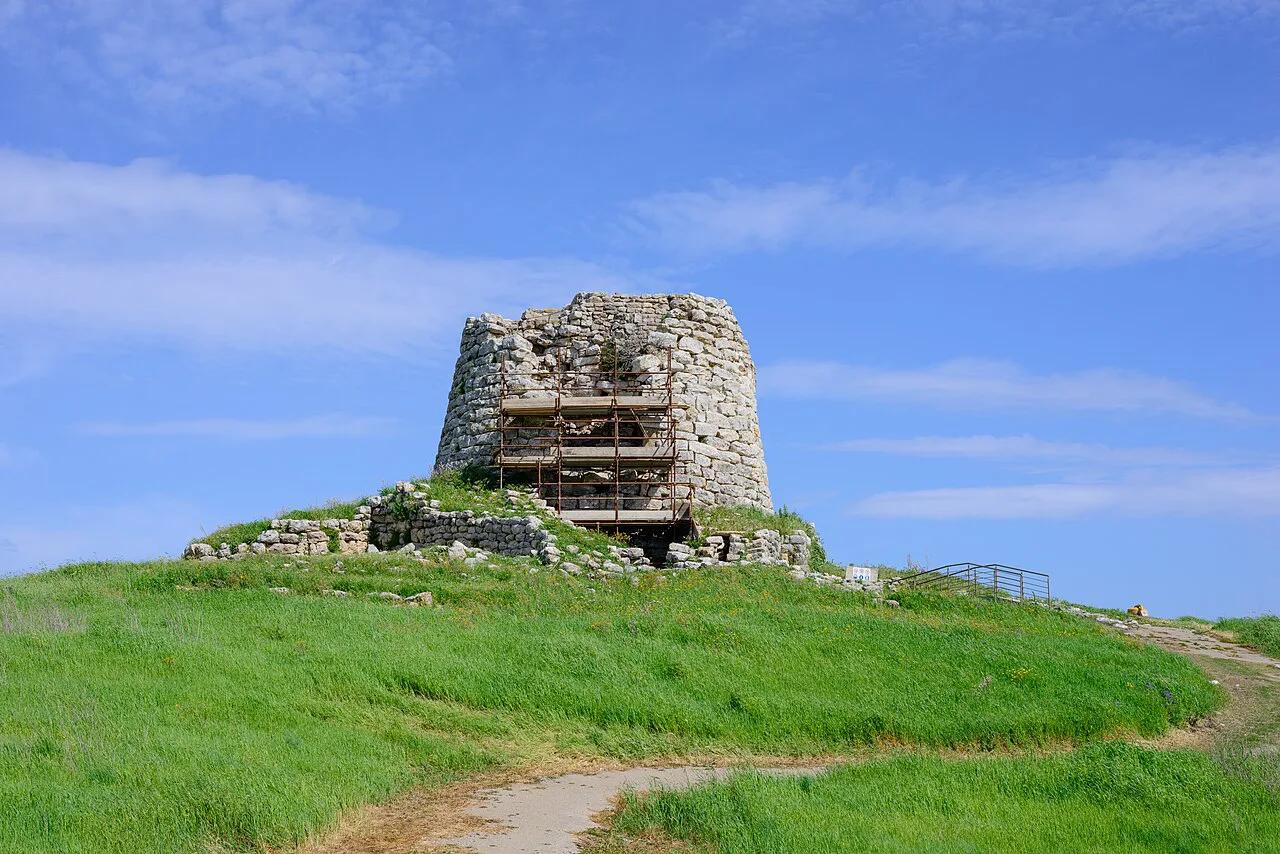
Last updated November 2026: ruins in Sardinia go well beyond the nuraghi towers. Top picks are Su Nuraxi for Nuragic stone architecture, Nora and Tharros for Phoenician-Roman coastal towns, and Mont'e Prama for ancient statues. Below, sites are sorted by period, region and effort so you can build a route that fits your days.
Featured image: Norbert Nagel, CC BY-SA 3.0, via Wikimedia Commons.
Ruins in Sardinia: The Short Answer
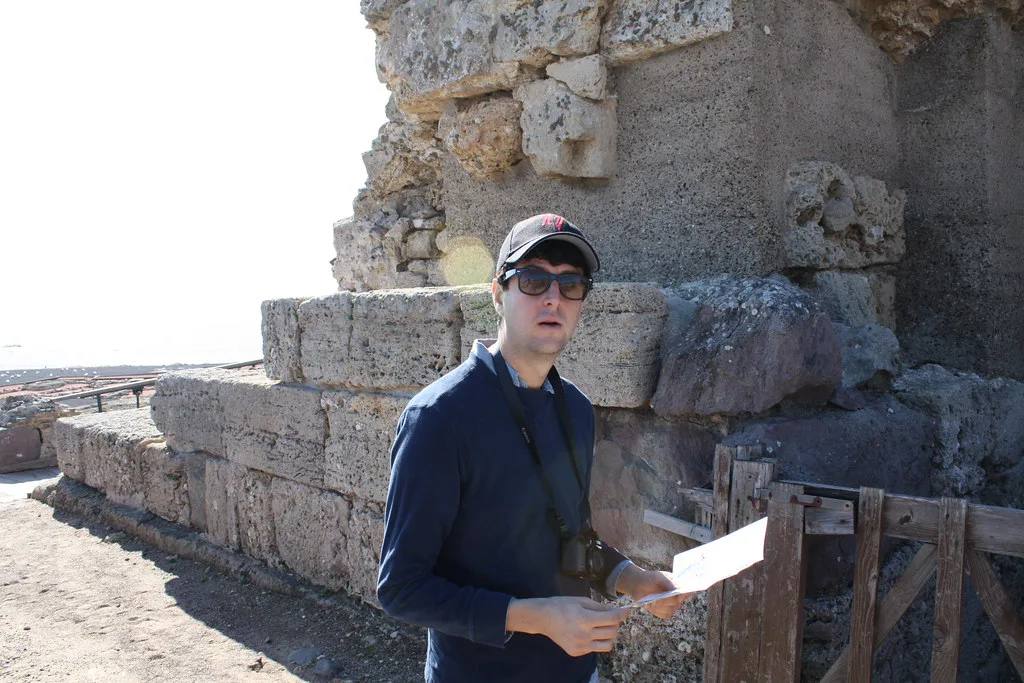
Start with Su Nuraxi di Barumini if you want one headline Nuragic complex. Add Nora for a Phoenician and Roman town beside the sea. Choose Tharros if you prefer a coastal ruin on the Sinis peninsula. Finish with the Mont'e Prama giants to see how Nuragic people shaped the human figure. Together, these four cover the main layers of the island's past.
What Counts as Ruins in Sardinia
Sardinia's official culture portal, SardegnaCultura, lists four layers. Pre-Nuragic sites include domus de janas rock-cut tombs, circle tombs, dolmens, menhirs and the Monte d'Accoddi temple-altar. Nuragic sites include nuraghi, villages, temples, sanctuaries and giants' tombs. Phoenician and Punic settlement then shaped the coast. Roman rule added towns with baths, aqueducts, theatres and amphitheatres. Most first-time visitors should begin with Nuragic and Roman sites, because those are the best set up for visitors.
Ruins Compared: Period, Access, Time Needed
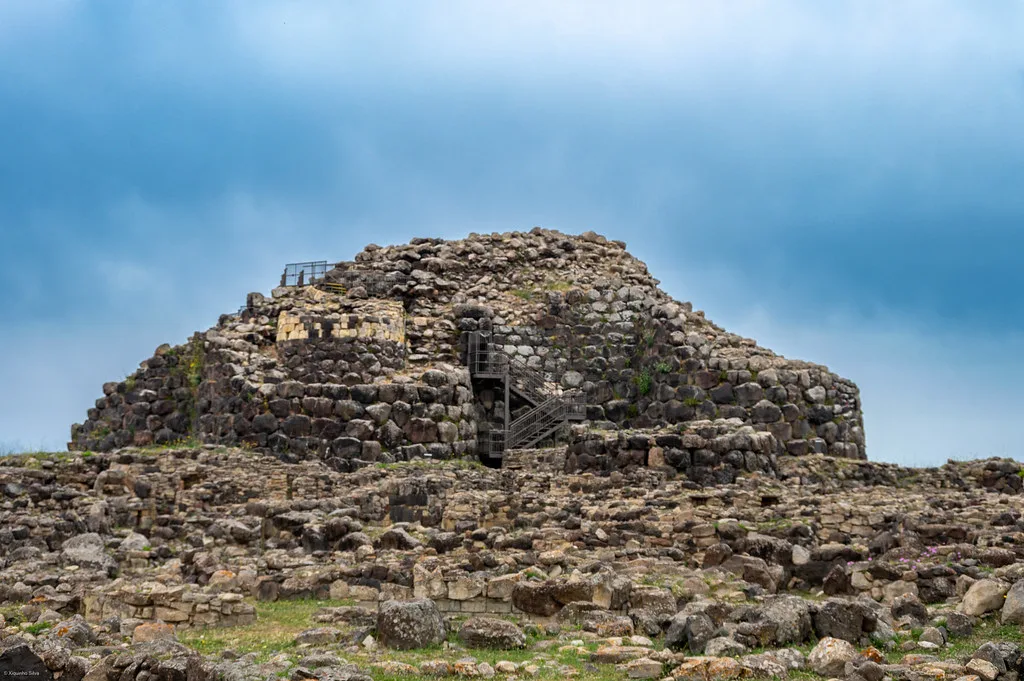
Use this table to match a site to your interest. Opening rules and visit length differ by site, so read each site's official page before you plan a day around it.
| Site | Period | What you see | Area |
|---|---|---|---|
| Su Nuraxi di Barumini | Nuragic | Towered nuraghe with village | Marmilla |
| Santu Antine | Nuragic | Large nuraghe near Torralba | Logudoro-Meilogu |
| Santa Cristina | Nuragic | Sacred well and sanctuary | Paulilatino |
| Nuraghe Losa | Nuragic | Nuraghe with surrounding village | Abbasanta area |
| Nora | Phoenician-Roman | Coastal town remains | South of Cagliari |
| Tharros | Phoenician-Roman | Seaside town remains | Sinis peninsula |
Nuragic Sites
A nuraghe is a Bronze Age stone tower, and our guide to Sardinia's nuraghi explains what to look for inside. Some stand alone, while others sit within a village. Serra Orrios Nuragic Village: Visiting Guide and Access Tips is a useful example of a village rather than a tower. For towers, Santu Antine Nuraghe: Visiting Sardinia's King's House is the northern option. Nuraghe Losa: Visiting Hours, Tickets & What to See is a central-west alternative. Pair it with the Santa Cristina Sacred Well: Visitor Guide to the Nuragic Pozzo Sacro, which shows the ritual side of Nuragic life.
Giants' Tombs, Domus de Janas and Prehistoric Burials
Funerary sites show how people honoured their dead long before towns appeared. Giants' tombs are Nuragic burial monuments. Domus de Janas: Sardinia's Fairy House Tombs & Sites to Visit are pre-Nuragic rock-cut chambers, called fairy houses in local tradition. On 12 July 2025, UNESCO recognised the first 17 Domus de Janas as World Heritage Sites, according to SardegnaCultura. Because only some chambers are listed, check which ones you plan to visit. At Mont'e Prama, the statues are the draw, so see the Mont'e Prama statues page before you go.
Only the first 17 Domus de Janas hold UNESCO status, so a Domus de Janas on your route may not carry that listing.
Phoenician and Roman Coastal Sites
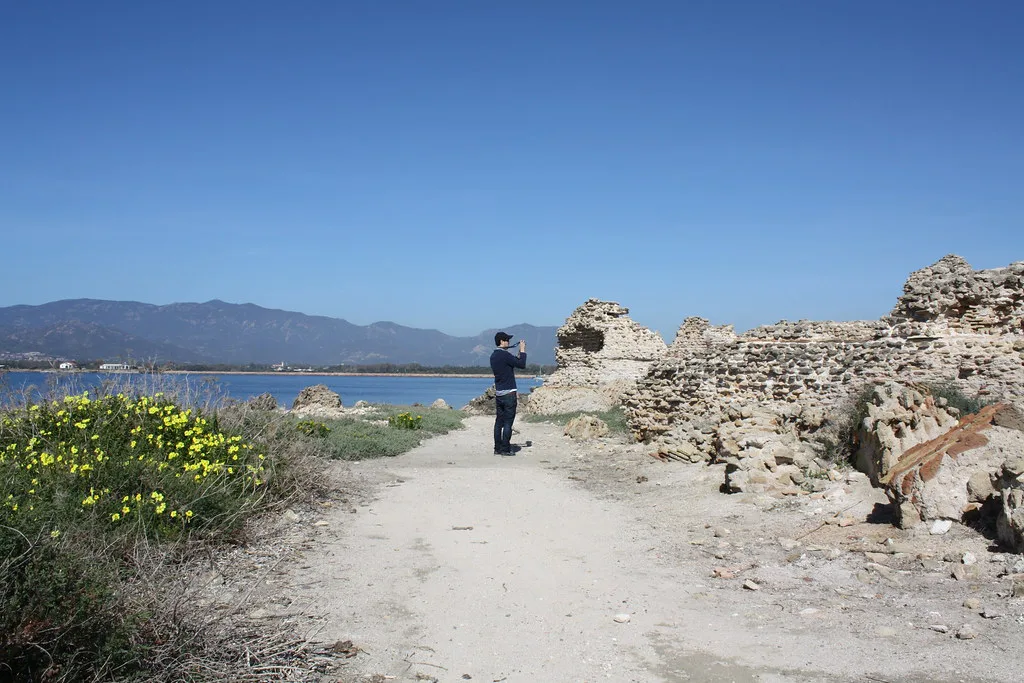
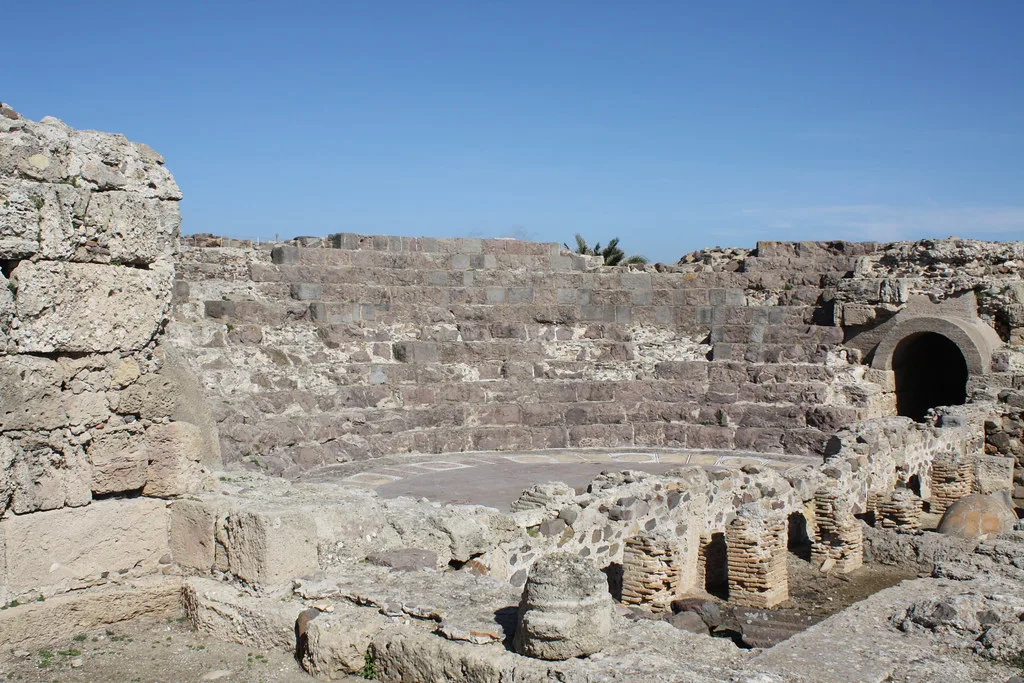
Phoenician settlers and later Punic and Roman rulers built the island's first true towns on its shores. SardegnaCultura names Cagliari, Nora, Sant'Antioco, Tharros and Porto Torres as the main Roman coastal centres. Nora and Tharros are the two with dedicated guides here. Walk Nora for its town layout beside the water. Choose Tharros for its Sinis peninsula setting. Both reward a slow visit more than a rushed photo stop.
How To Combine Sites by Region
Group sites by area so you spend less time driving. These routes follow the regions named in the official listing.
- Marmilla: Su Nuraxi di Barumini, with Genna Maria and Arrubiu as other Nuragic complexes nearby.
- Logudoro-Meilogu: Santu Antine and the Valle dei Nuraghi museum at Torralba.
- Centre-west: Santa Cristina and Nuraghe Losa, around Paulilatino and Abbasanta.
- Coast: Nora south of Cagliari, and Tharros on the Sinis peninsula.
Tickets, Hours and Booking
Fees, hours and guided-visit rules differ by site and change by season. Start with the Sardegna Turismo official site, then use each site's own operator page.
Getting Around, Mistakes To Avoid and Who Should Skip What
Inland nuraghi sit in rural areas, so check public transport before you commit to them without a car. Do not treat every nuraghe as a tourist-ready site, since some are only open at certain times or on guided visits. Avoid stacking remote sites into one day. Skip the inland routes if you only have a half day or dislike rural roads. In that case, choose Nora, which sits south of Cagliari.
How to Choose a Prehistoric Burial Site
Prehistoric burial sites suit visitors who want a quieter counterpoint to Sardinia’s towers and coastal towns. Domus de janas are rock-cut chambers from the pre-Nuragic period. Giants’ tombs are later Nuragic monuments, so they make a useful comparison with a nearby nuraghe.
UNESCO recognised the first 17 Domus de Janas on 12 July 2025. That distinction does not mean every chamber offers the same access or visitor facilities. Decide whether you want a rock-cut interior, an exterior monument, or the statue-focused stop at Mont'e Prama.
Check the specific site before setting out. Some places work best as a short stop alongside a larger archaeological complex. Others deserve their own visit if you want time to notice tomb shape, stonework and the surrounding landscape.
Related guides



Continue reading
Guides on the same trip



