
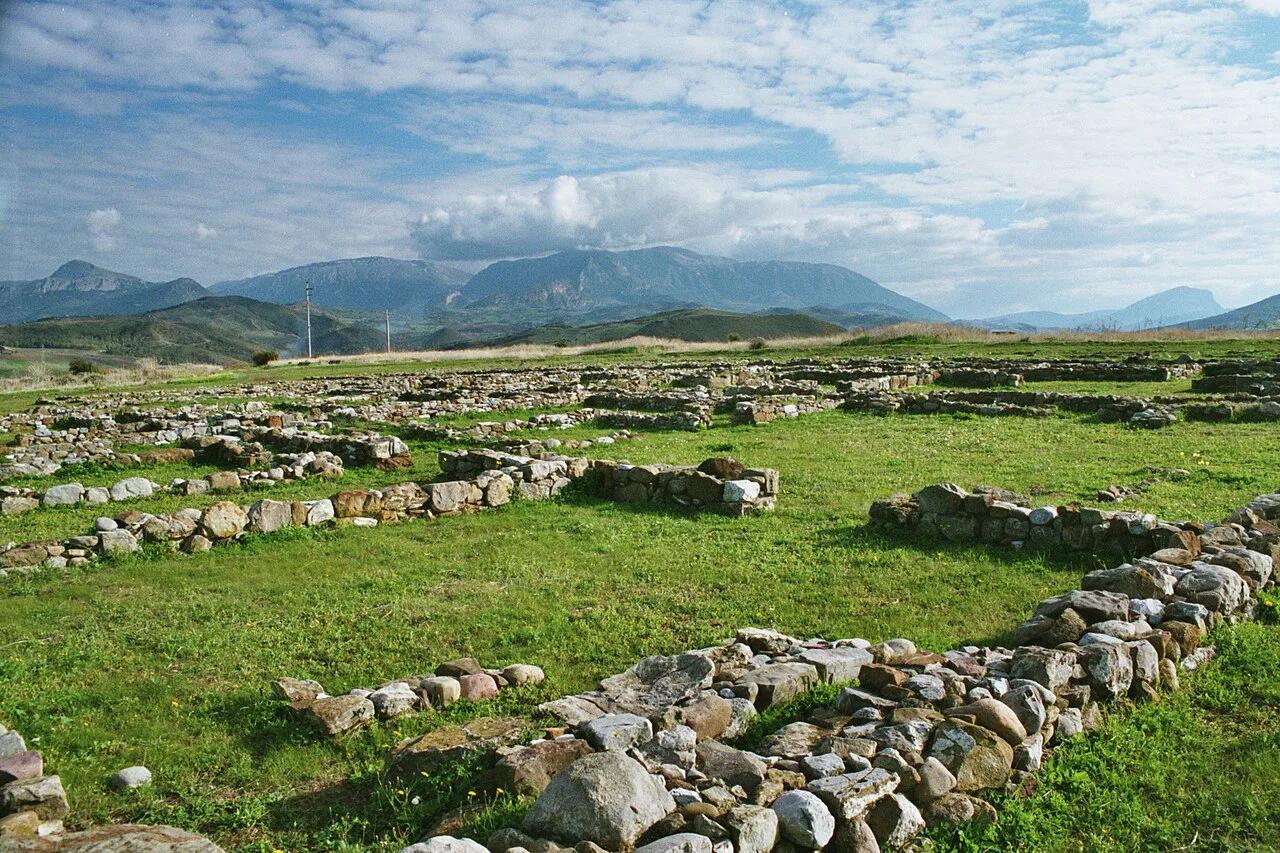
Last updated November 2026. Himera was a Greek colony on Sicily's north coast near Termini Imerese, and it is visitable today as an archaeological park. It is known for the Doric Temple of Victory and for the battle fought here in 480 BC. Himera suits travellers building a route through the Greek sites across Sicily.
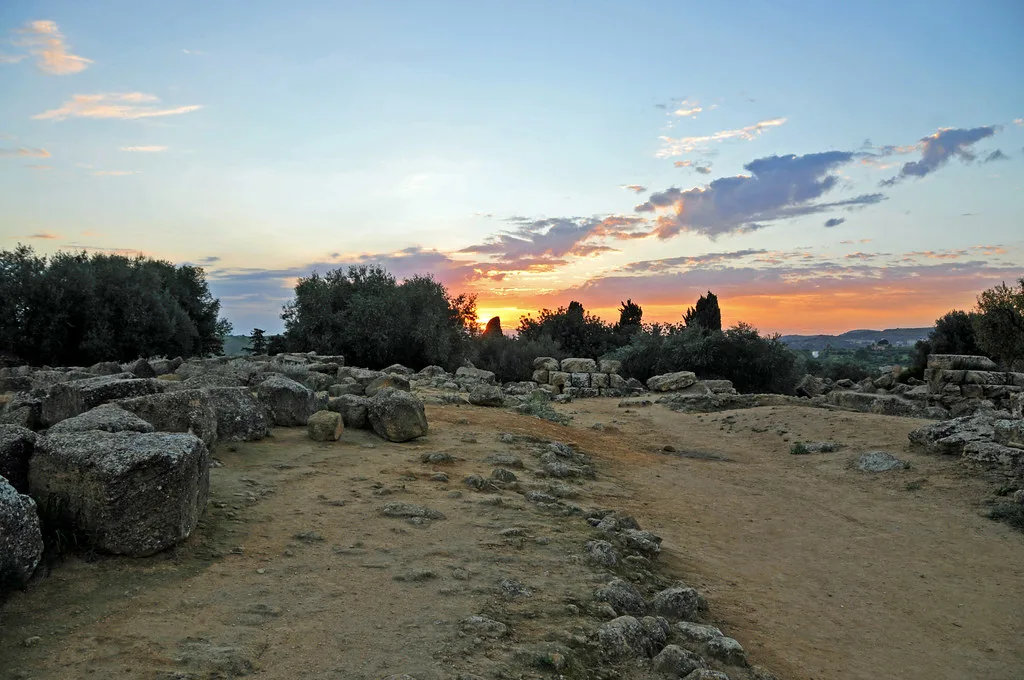
Featured image: Bjs, CC BY-SA 4.0, via Wikimedia Commons.
What Himera Is And Why It Matters
Himera also names a tech brand and a music act, but this guide covers only the ancient Greek city. Greek settlers founded it on the north coast, and it became one of the main Greek outposts on that side of the island. Its fame rests on the battle of 480 BC, a clash between Greek forces and Carthage that is still taught as a turning point for Sicily. Today it is a quieter stop than the big-name temple sites. Visitors come for the history and the setting rather than for tall, intact monuments.
What You Can Actually See
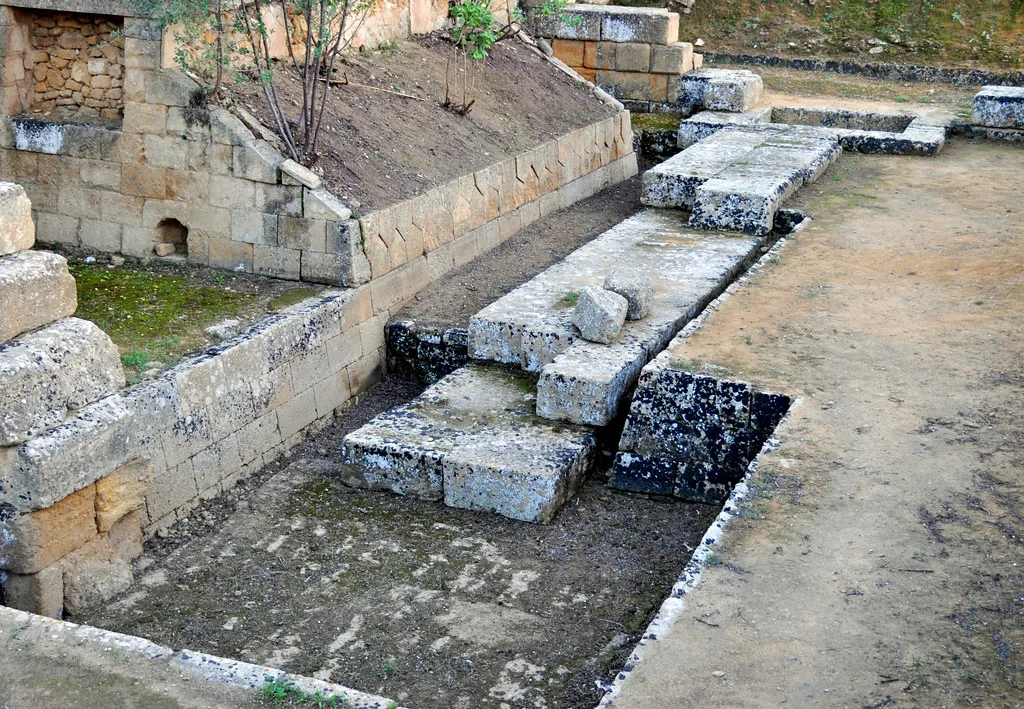
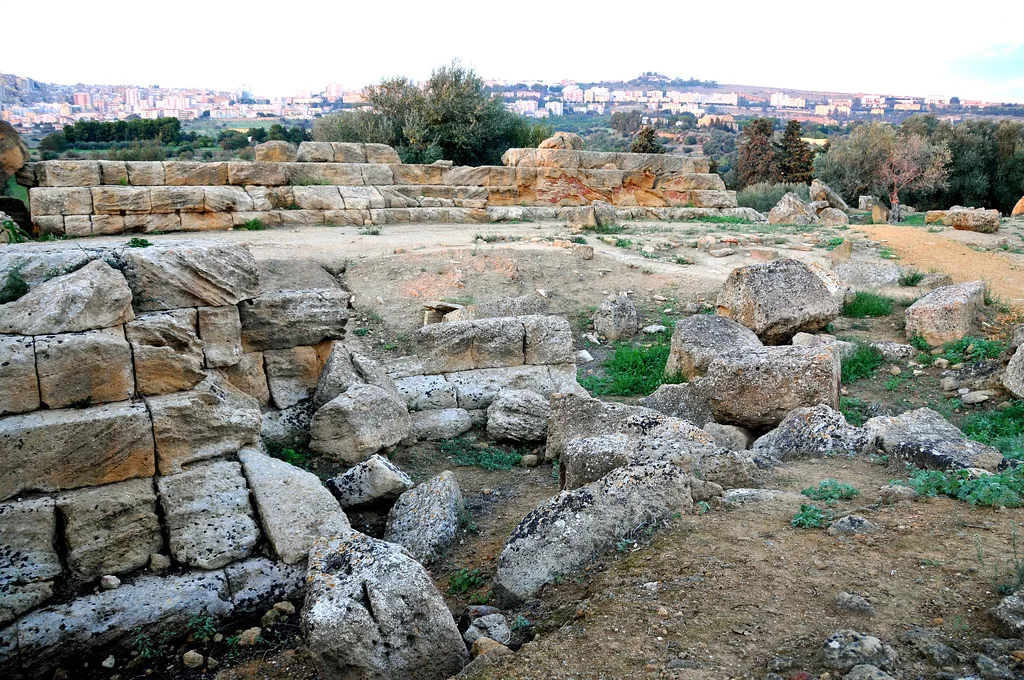
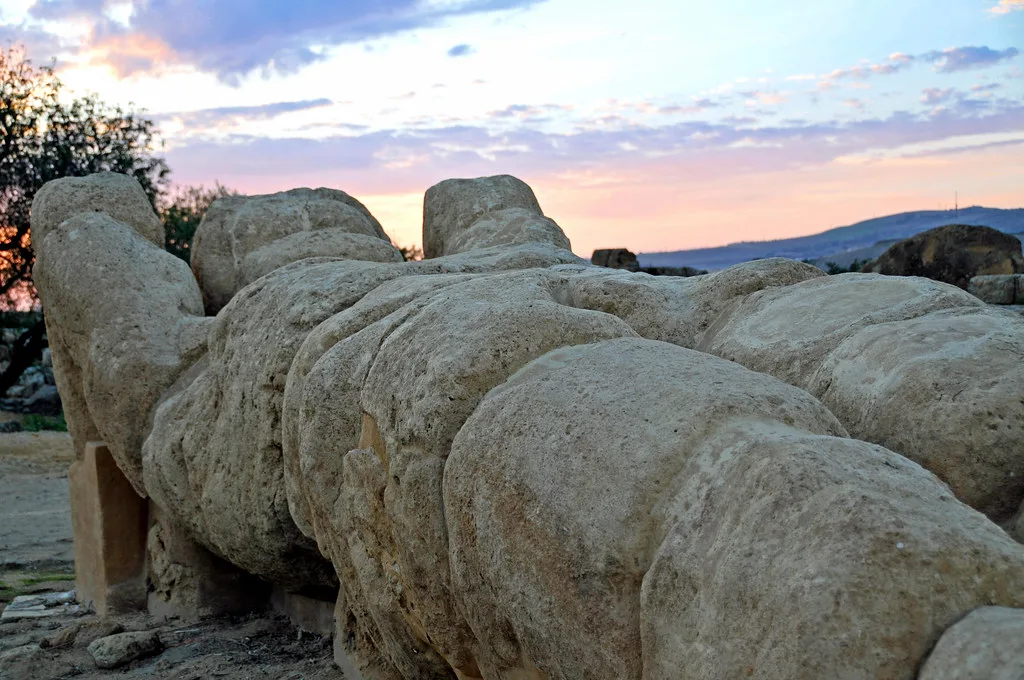
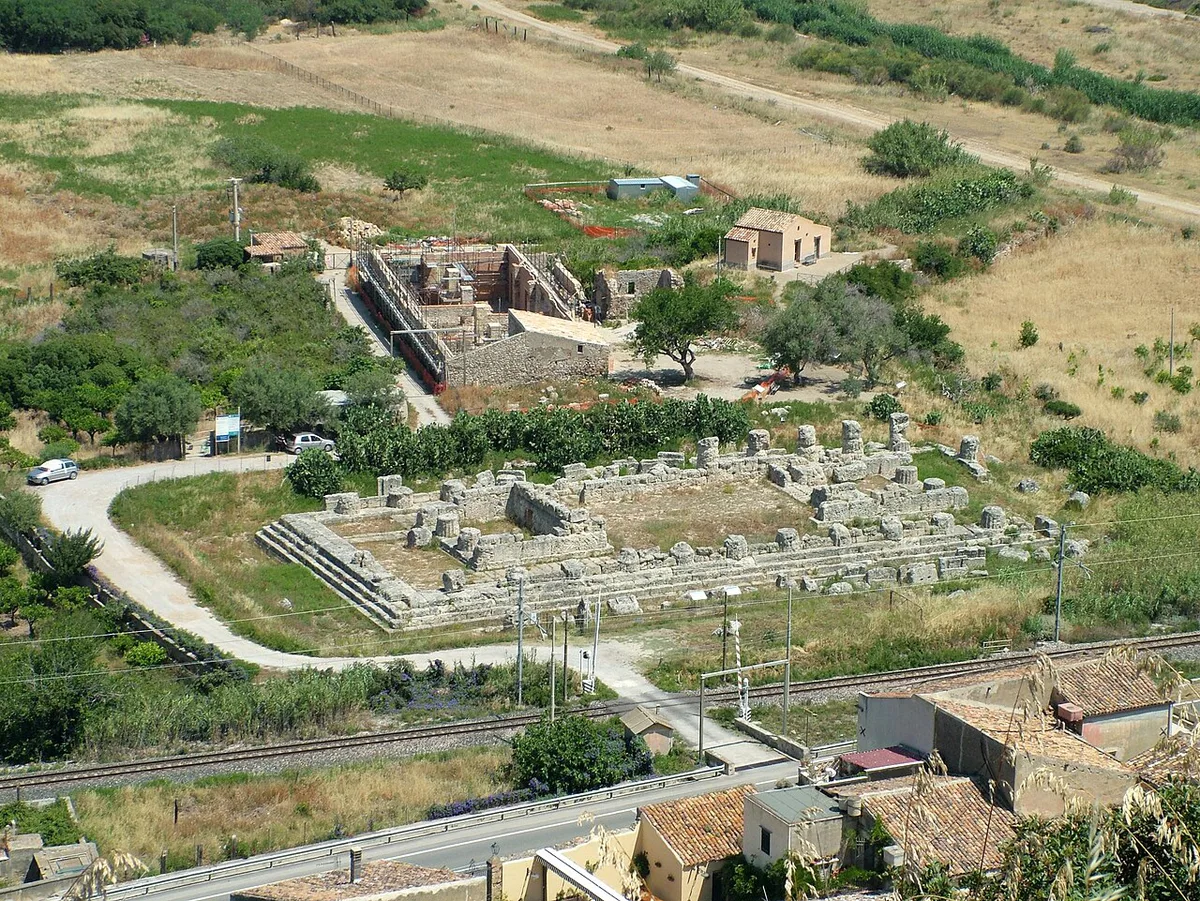
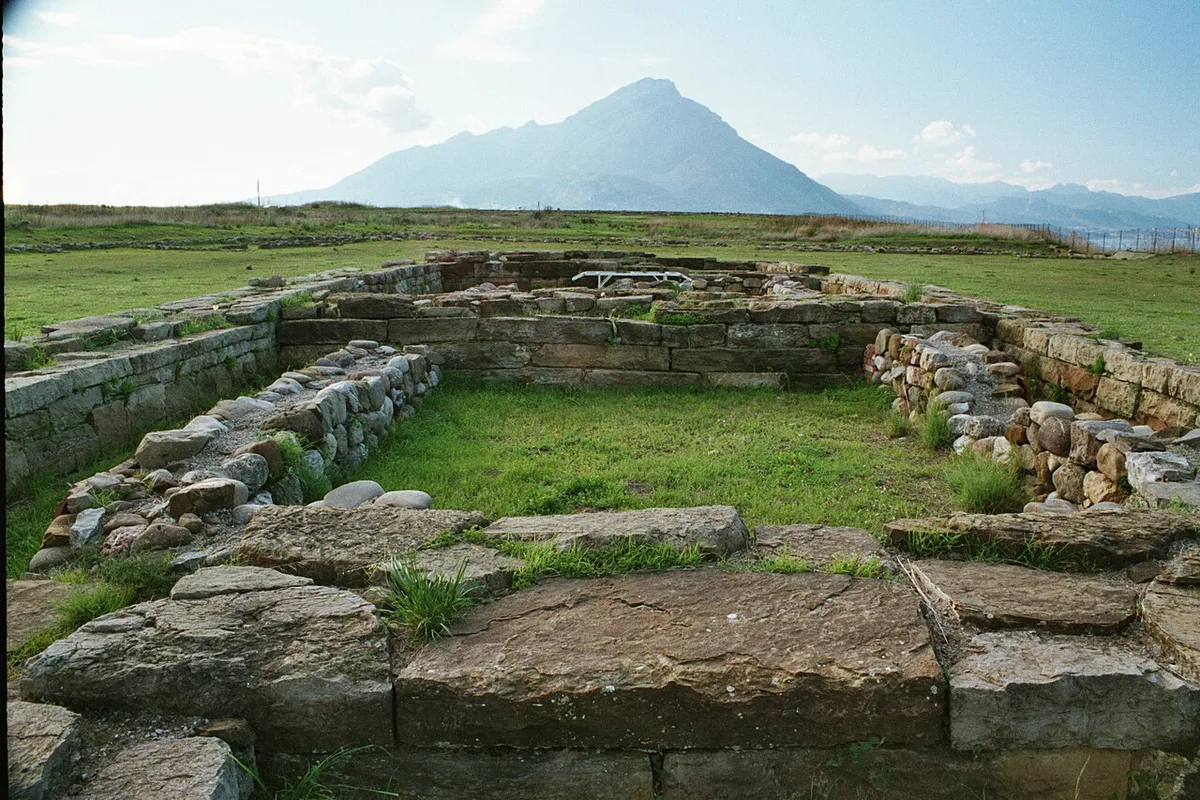
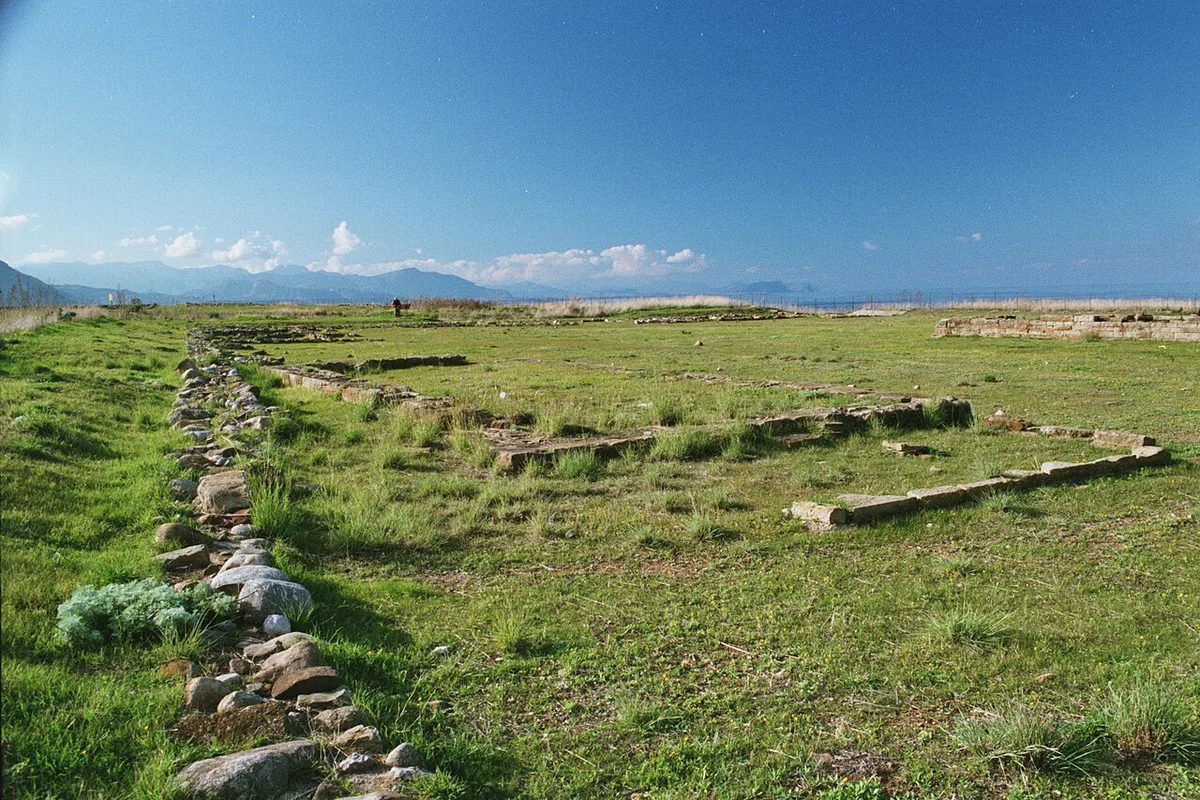
Himera has two parts: the open-air archaeological area and the museum, usually called the Antiquarium. Out on the site, the best-known remains belong to the Temple of Victory, a Doric building. Expect foundations, stonework and partial structures rather than a standing temple. The museum is where finds from the excavations are displayed, which helps you picture what the ruins no longer show.
- Open-air area: temple remains and the excavated ground of the ancient city.
- Antiquarium: finds from the site, useful for context before or after the walk.
- Expectation check: partial ruins, so read the museum labels first and the site will make more sense.
Getting There And Getting Around
Palermo is the practical gateway, and Himera sits on the coast to the east, near Termini Imerese. Driving gives you the most flexibility for linking the site and the museum on your own schedule. Trains and regional buses serve the coast, but timetables change by season. Check Trenitalia and the regional bus operator before you commit to a public transport day. Readers who like a ready-made model can compare the Palermo-to-Segesta route. The Palermo-to-Selinunte route shows the same trade-offs for a longer trip.
| Option | Best for | Trade-off |
|---|---|---|
| Car from Palermo | Flexible timing, pairing site and museum | Parking and driving are your responsibility |
| Train or bus | Travellers without a car | Timetables decide your time at the site |
| Guided or private transfer | Short itineraries | Less control over how long you stay |
Tickets, Opening Hours And Seasonal Notes
Sicily's regional cultural-heritage authority sets tickets and hours for state archaeological sites. Start at the Sicilian Region cultural heritage portal for current prices, closing days and any separate arrangements for the site and the museum. Hours shift with the season, and the museum may not keep the same schedule as the open-air area. Prices and hours were last checked November 2026, and the official page remains the final word. For wider trip planning, Visit Sicily offers regional background.
How Much Time To Plan
Himera is a modest site, so it fits easily into a day with other stops. Choose a plan by how much history you want, and keep the museum in your budget. Short visits work best when you read the museum labels first.
| Plan | Include | Cut | Suits |
|---|---|---|---|
| Quick stop | Temple remains, a short look at the museum | Extended wandering | Road-trippers passing the north coast |
| Half day | Site, Antiquarium, a slow walk | Other sites the same day | Readers curious about the 480 BC battle |
| Full Greek-ruins day | Himera plus one neighbouring site | Long lunches and detours | Travellers short on days in Sicily |
Himera Versus Other Greek Sites In Sicily
Himera is a history-first stop. Segesta and Selinunte win on visual impact because their temples are far more complete. If you want a standing Doric building, choose Segesta's Doric temple. For a vast temple landscape, the temples of Selinunte are the better call. Himera makes sense when the story of the battle matters more to you than the skyline. Other coastal options include Solunto's ruins and Heraclea Minoa's coastal ruins.
| Site | What survives | Best for | Effort from Palermo |
|---|---|---|---|
| Himera | Temple remains, excavated area, museum | History and battle context | Moderate, easiest by car |
| Segesta | A largely intact Doric temple | First-time visitors wanting a photo-ready temple | Moderate, see the route guide |
| Selinunte | Large temple area on the coast | Travellers wanting scale | Longer, see the route guide |
Practical Tips And Mistakes To Avoid
Midday heat is the main comfort issue at open archaeological areas, so go early or late in warm months. Wear sturdy shoes, because paths are uneven. Carry water, since services at ruins can be limited. Confirm the closing day before you set out. If you want to stretch the trip, a wider itinerary can add Villa Romana del Casale: Visitor Guide & Mosaics on another day.
- Arriving without checking site and museum hours.
- Expecting standing temples like those at Segesta.
- Relying on public transport without reading the current timetable.
- Visiting in the midday heat without shade or water.
Related guides



Continue reading
Guides on the same trip



