
Greek Ruins Outside Greece: Best Sites in Europe & Beyond
Last updated November 2026. The best Greek ruins outside of Greece are in southern Italy and Sicily, the region historians call Magna Graecia, led by Paestum, the Valley of the Temples at Agrigento, Selinunte, Segesta and Syracuse. This guide counts sites built by ancient Greeks or in the Hellenic and Hellenistic Mediterranean, and the Roman remains at the same places are a separate layer covered in our Roman vs Greek Architecture: Key Differences and Sites comparison. For the wider picture, start with our 8 Best Ancient Ruins in Europe: Sites by Era and Region hub.
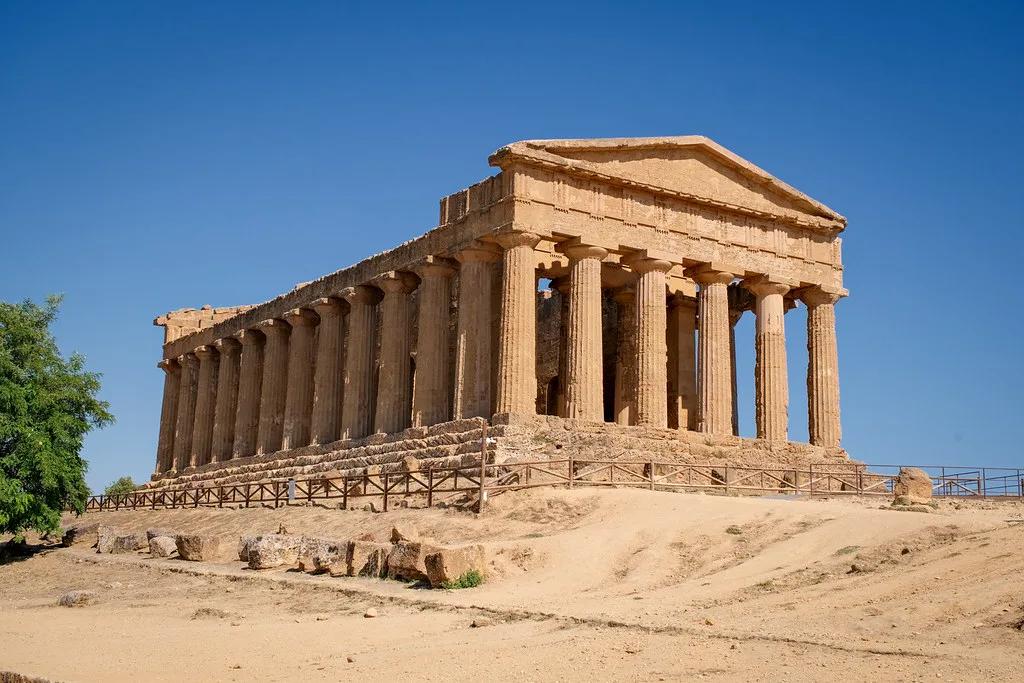
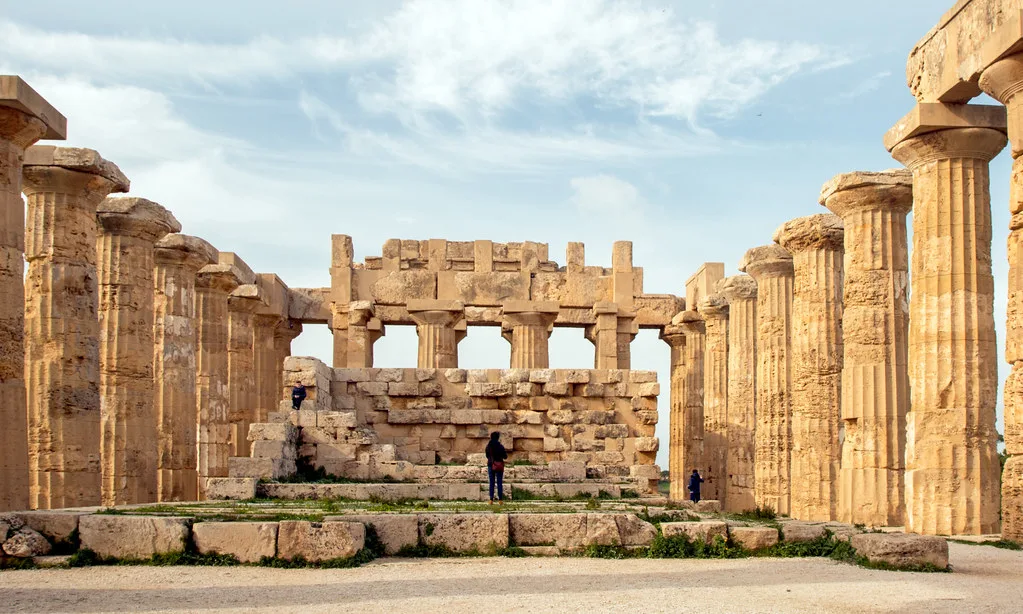
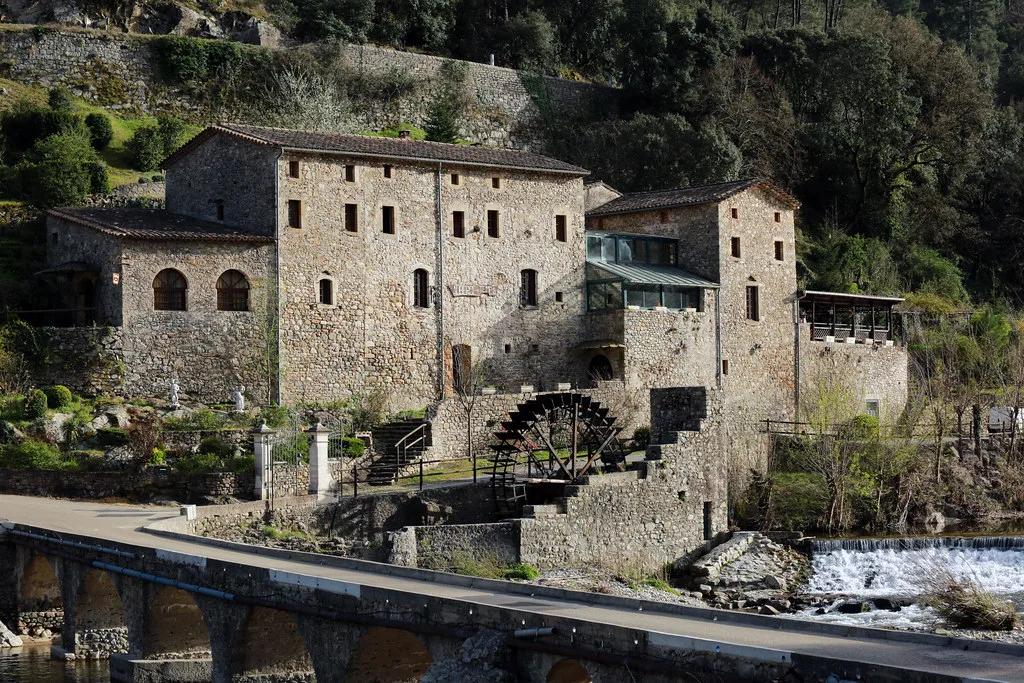
Featured image: Francisco Anzola, CC BY 4.0, via Flickr.
Short answer: where the main Greek ruins outside Greece are
Greek colonists settled coasts from Sicily to the Black Sea, so the ruins are spread across several modern countries. These are the destinations most worth planning a trip around.
- Southern Italy: Paestum, Cumae and the Campanian coast.
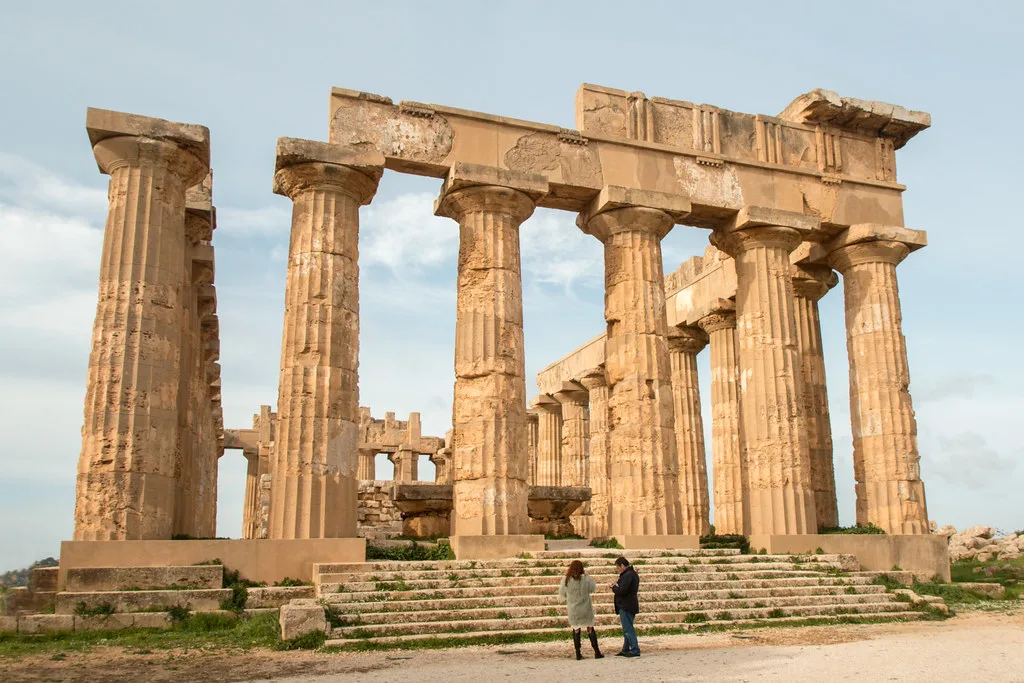
- Sicily: Agrigento, Selinunte, Segesta and Syracuse.
- Turkey's Aegean coast: Ephesus, Priene, Didyma and Pergamon.
- Cyprus: Salamis and Kourion.
- Spain: Empúries on the Catalan coast.
- Black Sea coast: Histria in Romania and Nessebar in Bulgaria.
How to choose the right Greek site
Five questions sort the options quickly. Answer them before you book anything, because the sites differ more in access and layering than in fame.
- Preservation: standing temples and theatres, or low foundations that need imagination.
- Layering: is the Greek phase dominant, or buried under Roman and later building?
- Access: reachable by train or bus, or does it need a car or a tour?
- Trip fit: a destination in itself, or an add-on to a city break?
- Site type: temple, theatre, street grid, necropolis, or a site that depends on a museum for its finds.
Greek ruins outside of Greece by region
Each region below gets a reason to go and a reason to skip. Treat the lists as a starting shortlist rather than a complete census.
Southern Italy and Sicily: the strongest concentration
Paestum is the easiest first stop, with three Doric temples standing close together, and the Paestum archaeological park also runs the museum holding finds from the site. Go for the temples, and skip it if you only want a quick photo stop, because the museum rewards extra time. Cumae, west of Naples, was one of the earliest Greek settlements on the Italian mainland, and the Campi Flegrei archaeological park covers it alongside other sites. Go for the acropolis setting. Skip it if you expect large standing temples.
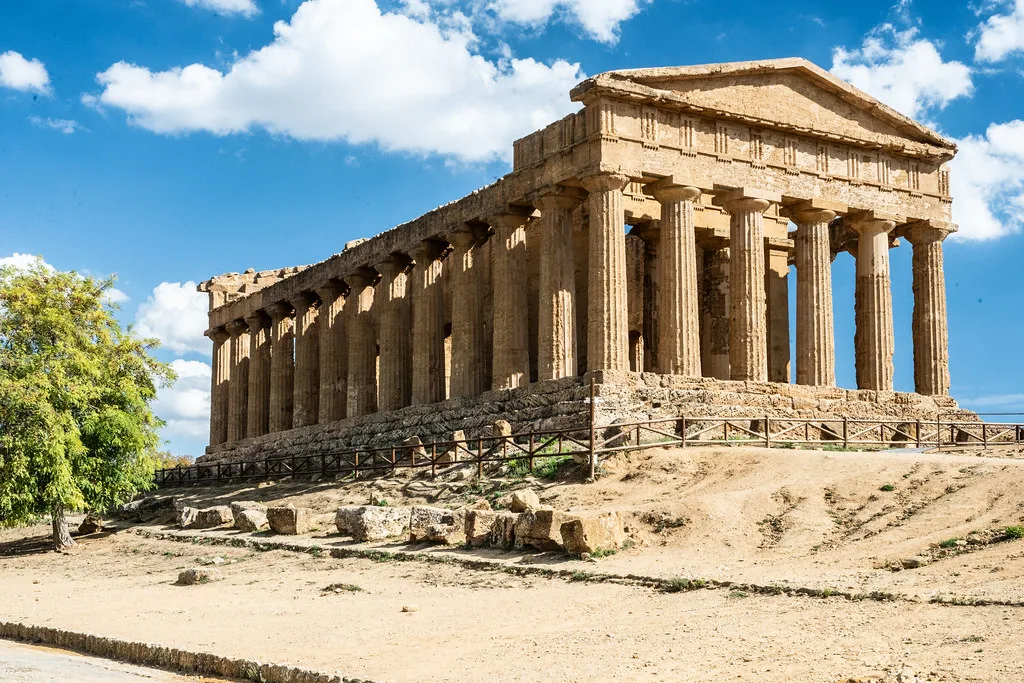
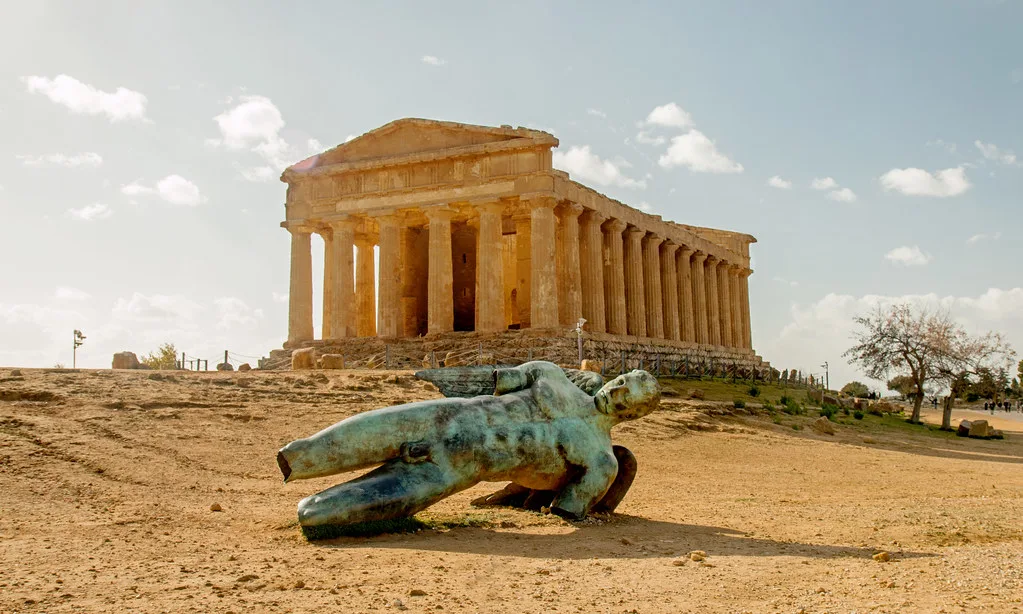
In Sicily, the Valley of the Temples at Agrigento is the headline site, with a ridge of Doric temples that reward a long visit. Selinunte offers a vast ruined city of toppled columns, so skip it if you want tidy, reconstructed views. Segesta has a Greek-style temple and a hillside theatre, though its builders were local Elymians rather than Greek settlers. Syracuse adds a Greek theatre cut into rock, and it pairs well with a city stay. Our guide to Ancient Greek Theatres: Best Sites to Visit and How to Plan explains how to read theatres like these.
Turkey's Aegean coast: Ionia and beyond
Ionia was a core Greek region, and its cities sit on the Aegean coast of modern Turkey. Ephesus is the best known, but its visible streets and monuments are largely Roman, so go for scale and skip it if you want a purely Greek experience. Priene is the better pick for Hellenistic planning, with a clear street grid on a terraced hillside. Didyma has the huge Temple of Apollo, and Pergamon has a steep acropolis theatre. Coastal buses and rental cars both work, but each site needs its own transfer.
Cyprus, Spain and the Black Sea
Cyprus pairs Salamis with Kourion. Go for sea-view settings, and skip them if you want pure Greek architecture, since Roman rebuilding is prominent. Empúries in Spain began as a Greek trading settlement and also has a Roman town beside it, so it suits a Catalan coast trip. On the Black Sea, Histria in Romania and Nessebar in Bulgaria show how far Greek colonies reached. Both are quieter and lower in drama than Sicily.
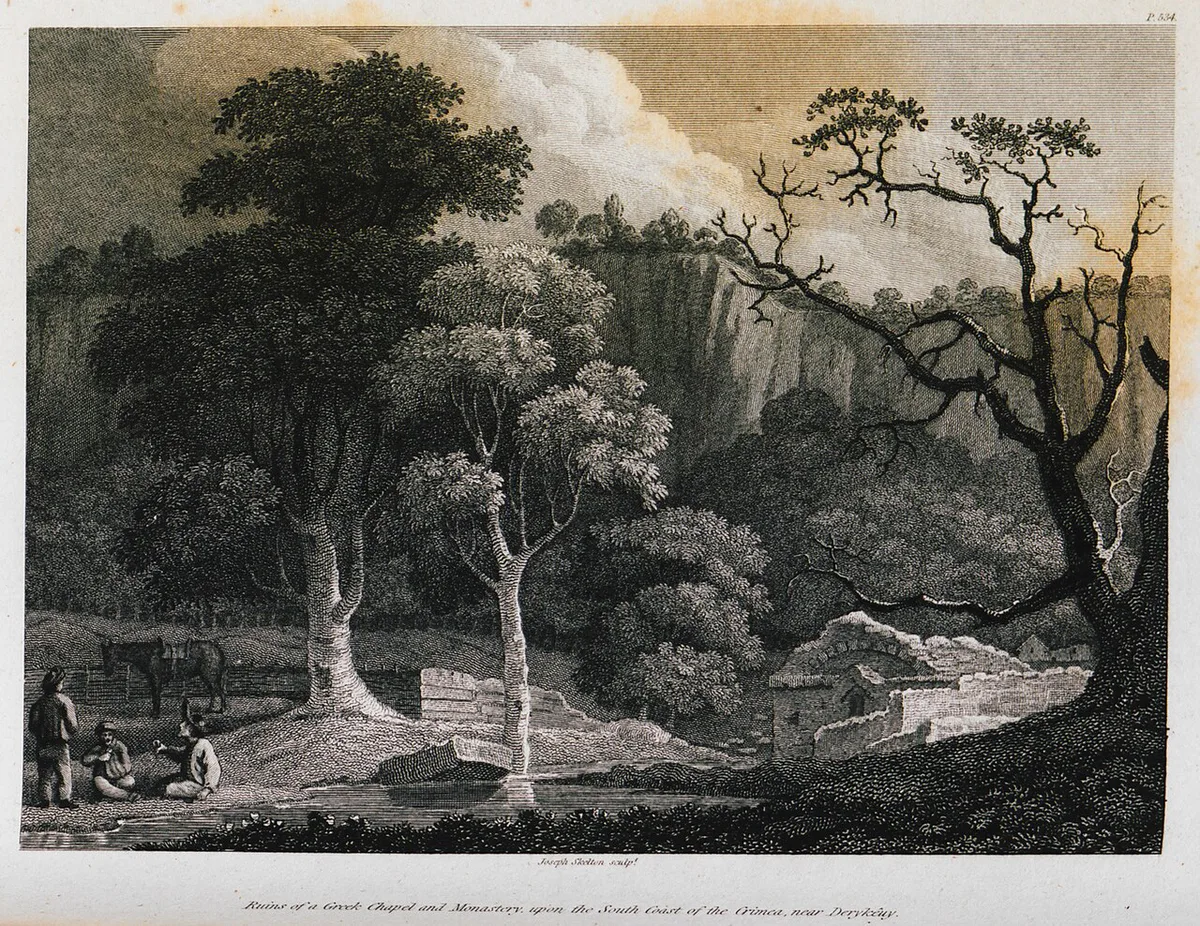
Crimea, Libya and parts of North Africa also hold famous Greek sites, including Cyrene in Libya. Government travel advice there is restrictive and changes, so check your own government's current advisory before considering them. This guide does not recommend planning around them.
Comparison table: which Greek site fits your trip
Use this table to match site type to travel style. Greek layer visibility means how much of what you see is Greek rather than Roman or later.
| Site | Country | Best for | Greek layer visibility | Access difficulty | Combine with |
|---|---|---|---|---|---|
| Paestum | Italy | Standing Doric temples | High | Easy | Naples and the Campanian coast |
| Agrigento | Italy (Sicily) | Temple ridge | High | Moderate, car helps | Selinunte, Segesta |
| Selinunte | Italy (Sicily) | Ruined city scale | High | Car needed | Segesta |
| Syracuse | Italy (Sicily) | Greek theatre | Mixed | Easy | Ortigia old town |
| Priene | Turkey | Hellenistic street grid | High | Moderate | Didyma, Ephesus |
| Ephesus | Turkey | Scale and Roman streets | Low to mixed | Easy | Selçuk, Pergamon |
| Salamis | Cyprus | Seaside ruins | Mixed | Moderate | Kourion |
| Empúries | Spain | Greek and Roman towns together | Mixed | Easy | Girona or the Costa Brava |
Greek vs Roman: what you are actually looking at
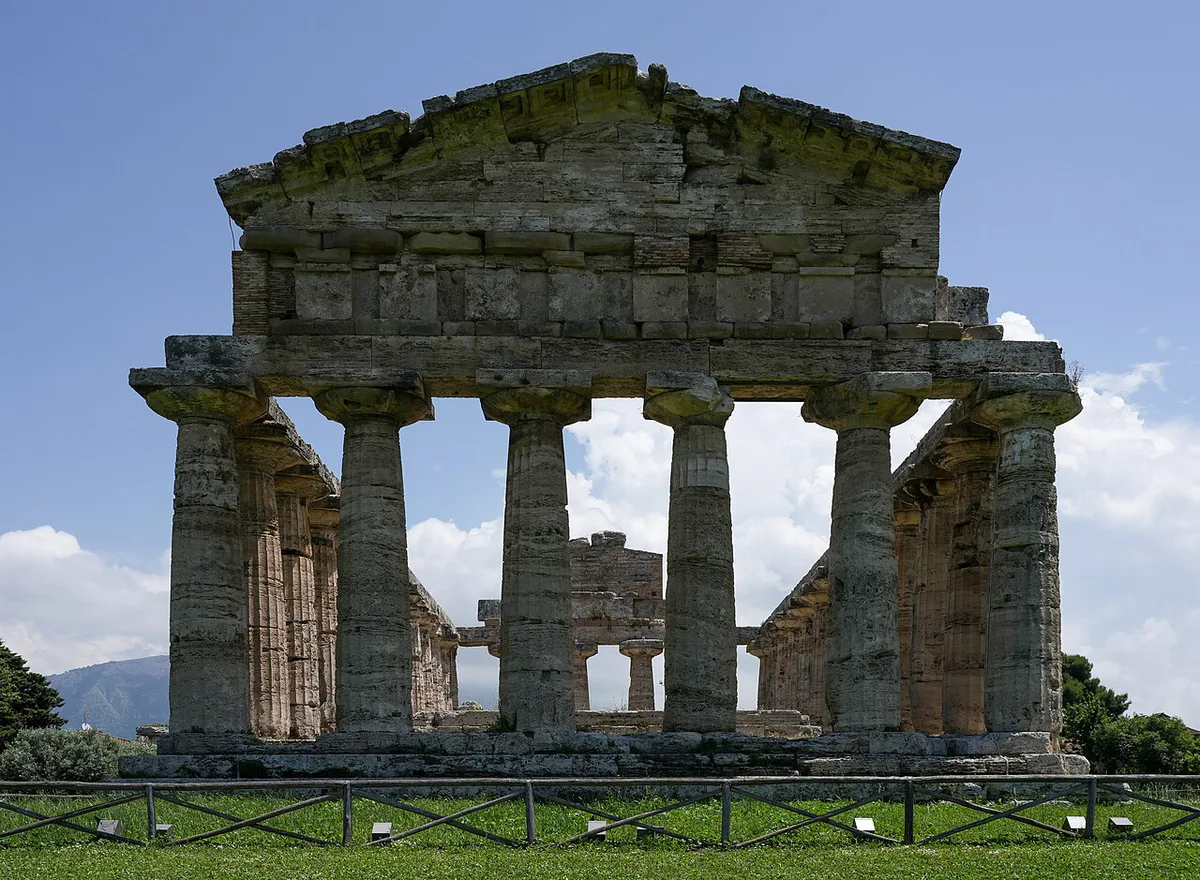
Greek sites usually follow the terrain, with temples on ridges and theatres cut into hillsides. Roman additions tend to bring arches, concrete, forums and amphitheatres. If you see an oval arena, you are almost certainly looking at the Roman layer, and our guide to Roman Amphitheatres in Europe: Best Sites to Visit and How to Choose covers those. A theatre can be either, and many Greek theatres were remodeled by later builders. For the broader Roman side, see Roman Ruins in Europe: Beyond the Big Three.
Sample routes and time budgets
Plan roughly a half day per major site, and a full day when transfers are long. Each route below keeps the pace realistic.
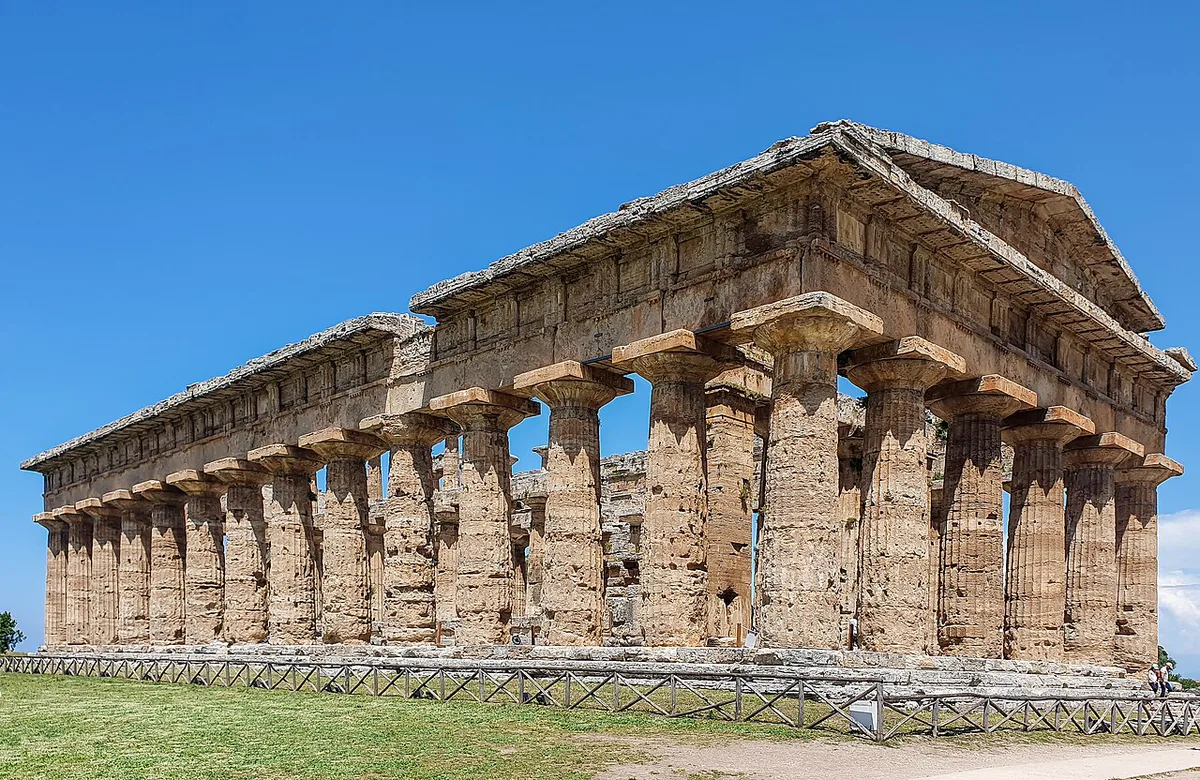
- Campania in two days: Paestum on one day, Cumae and the Campi Flegrei sites on the next.
- Sicily loop in four to five days: Syracuse, then Agrigento, then Selinunte and Segesta, with one transfer day.
- Aegean Turkey in three days: Priene and Didyma together, then Ephesus on its own, with Pergamon as an optional extra day.
Costs, tickets and hours: how to check
Hours and tickets change by season, and many parks sell combined tickets with their museums. Use the official park pages, such as the Paestum and Campi Flegrei sites linked above, rather than third-party listings. For Campania more broadly, the regional Campania tourism site is a useful starting point. Prices and hours were not collected for this guide, so read each site's own page before you travel.
Mistakes to avoid
Avoid assuming every ancient site is Greek. Ephesus and parts of Kourion show how much Roman building can sit on top. Check whether the best finds are in a separate museum, which is common at Paestum and Syracuse. Summer heat and thin shade at open sites like Selinunte and Agrigento can end a visit early, so start in the morning. Finally, do not overpack a day, because a second major site usually means a rushed first one. Our best-preserved Roman towns guide helps if you want to add a Roman stop instead.
Related guides
Continue reading
Guides on the same trip