
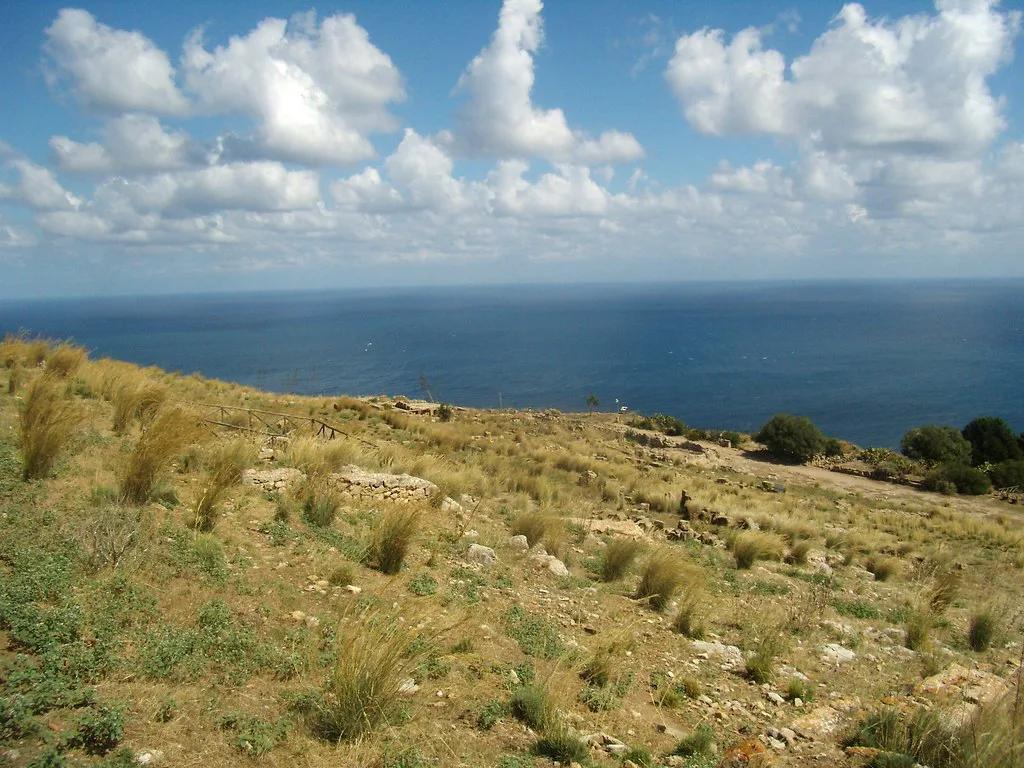
Last updated November 2026: Solunto is a hilltop ancient town on Monte Catalfano near Santa Flavia, roughly 15 km east of Palermo. It suits a short half-day trip for ruins and sea views, and it is far smaller than Selinunte or Segesta. Skip it if steep, uneven ground is a problem or if you want a major standing temple.
Featured image: Hyspaosines, CC BY-SA 2.0, via Flickr.
What to See at Solunto
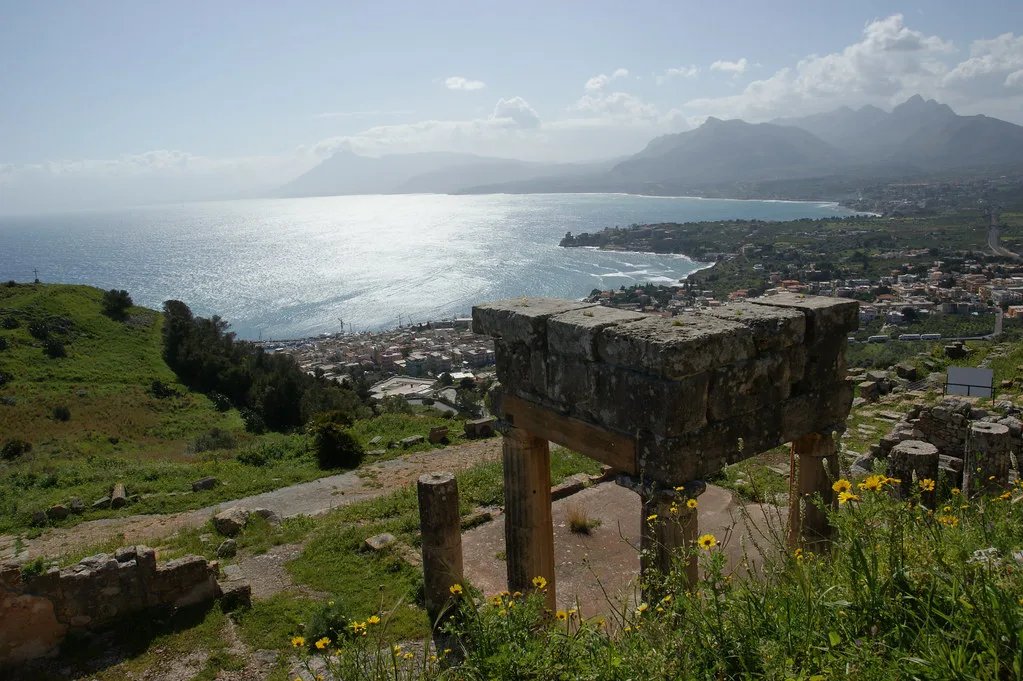
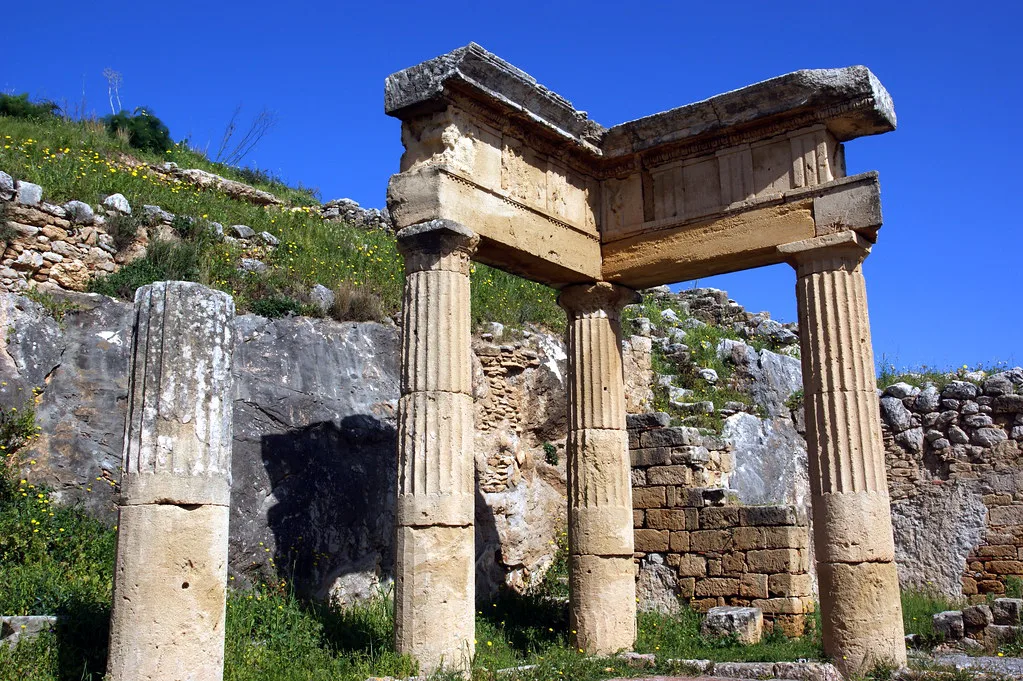
Solunto, also written Soluntum, Solus or Solunt, is terraced on the slope of Monte Catalfano. Plan your route from the entrance uphill. The Antiquarium sits at the entrance and shows finds from two Solunto houses, including incense burners, 4th-century BC pottery and fragments of painted plaster. Coins from several Sicilian cities are also on display. From there, the main street climbs past excavated houses, workshops and cisterns toward the upper town.
- Antiquarium: small finds from the houses, Punic-style tablets and a relief of horsemen.
- Gymnasium: a large building where a mosaic floor survives.
- House of Leda: excavated in 1963, with mosaic and painted decoration and small female statuettes.
- Temple-like complex: an altar and a basin linked by a sloping slab, probably used for sacrificial blood.
- Theatre and agora area: public spaces of the Hellenistic-style town on the upper slope.
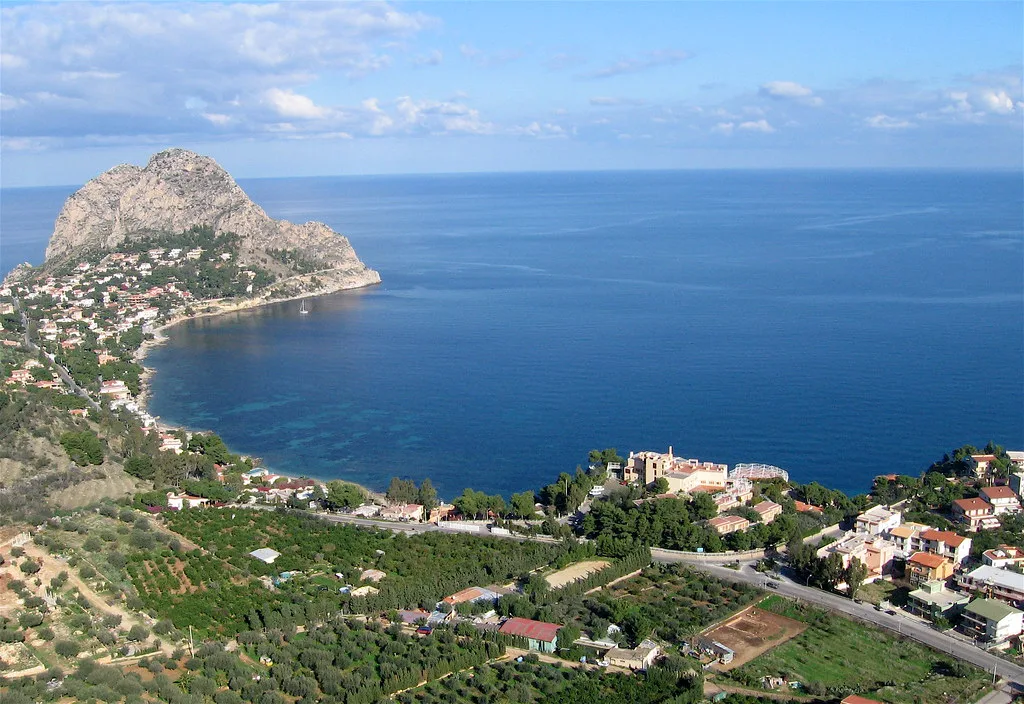
- Viewpoints: the Tyrrhenian Sea, Capo Zafferano and Porticello Bay.
A Short History of Soluntum
Solunto has Phoenician-Punic roots and was rebuilt in Hellenistic and Roman style. Dating is debated. Some scholars place the earliest settlement well before the 4th century BC, and its first inhabitants are poorly known. The urban area covers about 40 ha, protected by steep rock faces on the north and north-west and by walls on the east and south slopes. Its position let it watch the route toward Palermo, then called Panormos. After the First Punic War (264–241 BC) the town surrendered to Rome. Arab occupation followed. Frederick II destroyed Solunto in 1246 and expelled its people, and the site stayed empty afterward. For the Sicilian Region's overview of its archaeological parks, see the regional cultural heritage portal.
How to Get to Solunto from Palermo
The simplest public route is a regional train from Palermo to Santa Flavia-Solunto-Porticello station. From the station, the walk to the site is uphill along the slope of Monte Catalfano. Expect a steady climb on stone and uneven ground, with little guaranteed shade, so wear shoes with grip. Train timetables change by season, so check Trenitalia for the current Palermo departures. Driving covers roughly 15 km from central Palermo to Santa Flavia. Look up the current parking situation near the entrance before you set out. A taxi from the station is another option if the climb looks too much.
Roughly 15 km from central Palermo, the train is the simplest route, but the uphill walk from the station still needs proper shoes.
Solunto Tickets, Opening Hours and Practical Tips
Opening hours, closing days and ticket prices at Solunto change by season and by year. Check the current figures on the Visit Sicily tourism site or the regional heritage portal before you go. Ask whether a combined ticket covers the Antiquarium. Bring water, a hat and sun protection, since facilities on a hillside ruin may be limited.
Solunto vs Other Greek Ruins in Sicily
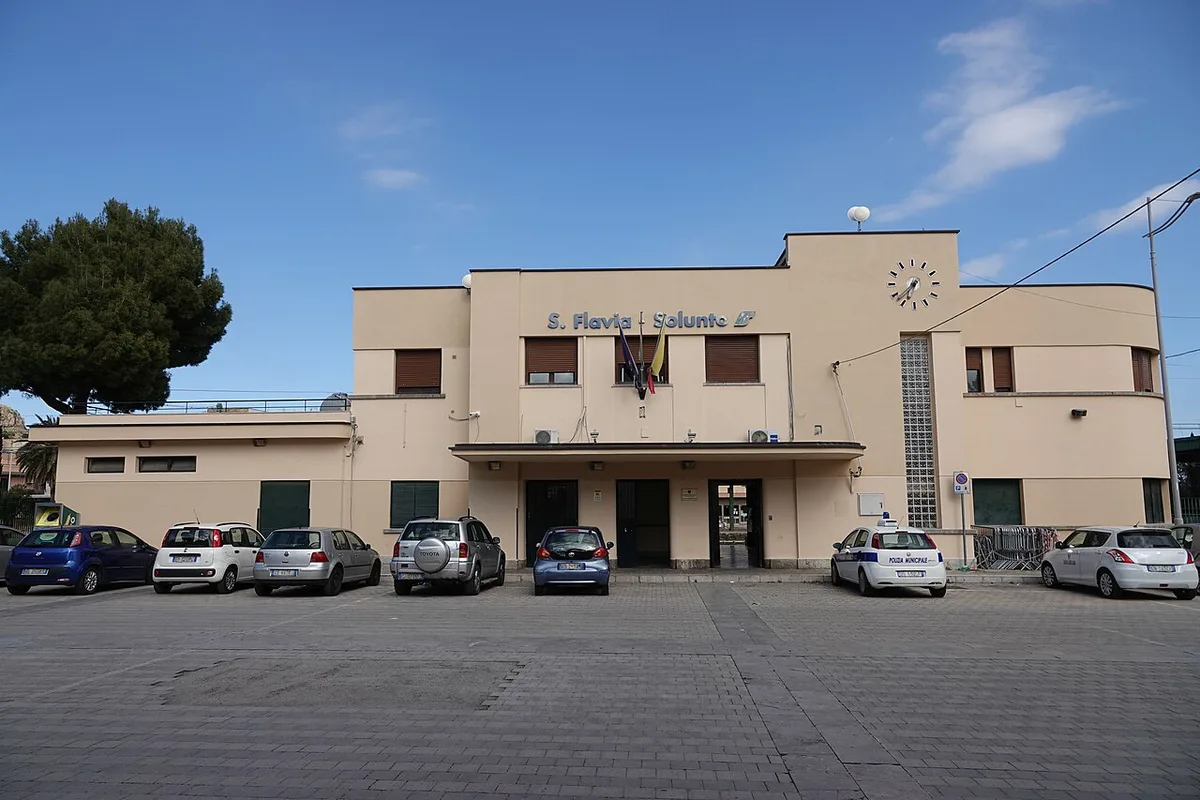
Solunto is the quick, low-effort choice. It works as a half-day add-on to Palermo. For a wider map of ancient Sicily, start with our overview of Greek ruins in Sicily. Segesta is the other major Palermo-area day trip, so see our Segesta day-trip guide and the page on the Segesta Temple and Theatre: Visitor Guide (Sicily). Selinunte is the larger site for a full day, and our Selinunte from Palermo guide covers the transfer. Motya is a Phoenician-Punic site on the west coast and a separate trip. Read our Motya guide before deciding.
| Site | Scale | What stands out | Effort | Best for |
|---|---|---|---|---|
| Solunto | Small | Hillside streets, houses, sea views | Low; short trip, steep climb | Half-day add-on to Palermo |
| Segesta | Medium | Temple and hilltop theatre | Medium; full day | First-time visitors wanting a classic temple |
| Selinunte | Large | Extensive temple remains | Higher; full day | Archaeology fans |
| Himera | Small to medium | North-coast Greek city site | Medium; combine with coast stops | Combined north-coast itinerary |
| Tindari | Small to medium | Theatre and coastal outlook | Medium; combine with coast stops | Views plus ruins |
| Motya | Island site | Phoenician-Punic remains | Separate trip | Punic history |
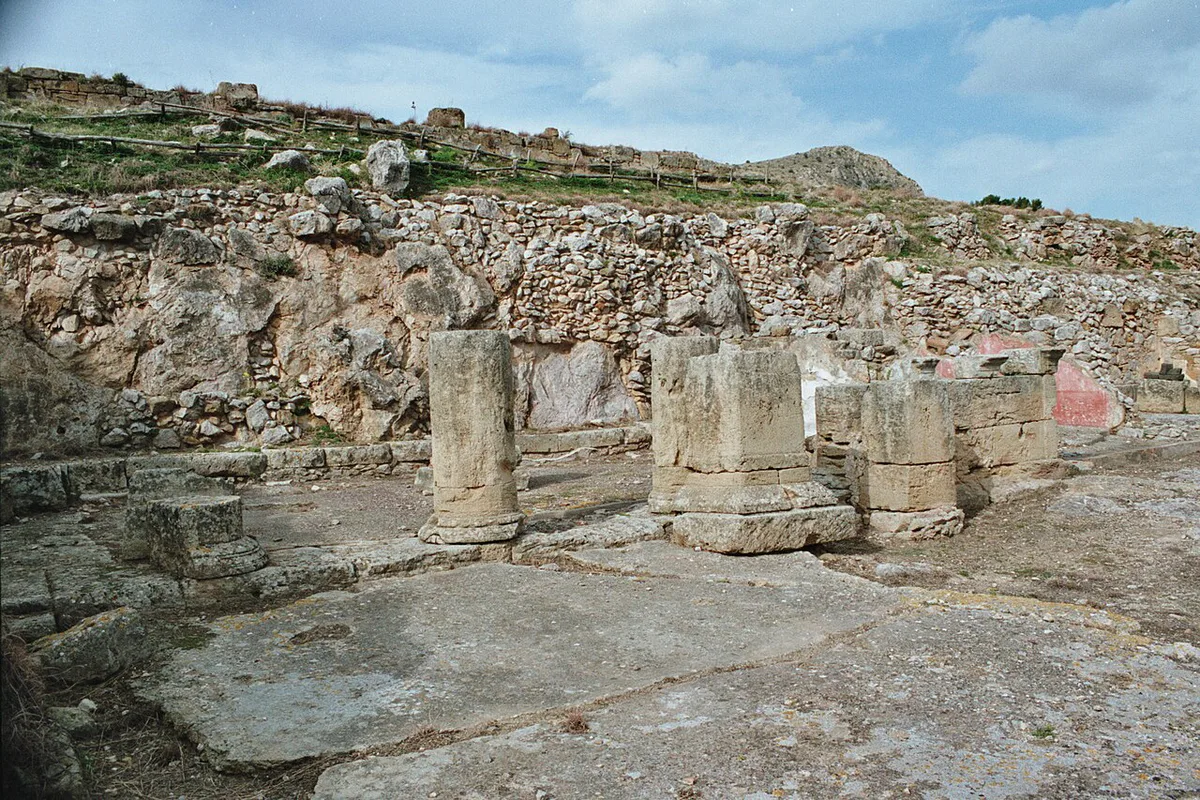
How Long to Spend at Solunto and When to Go
Plan roughly half a day including the trip from Palermo. That is an estimate, and slower walkers or photographers will want longer. Go in the morning or late afternoon, especially in summer, when midday heat on the exposed slope is a real risk. Afternoon light suits the sea views over Capo Zafferano. For a longer outing, see Himera on the north coast or Tindari.
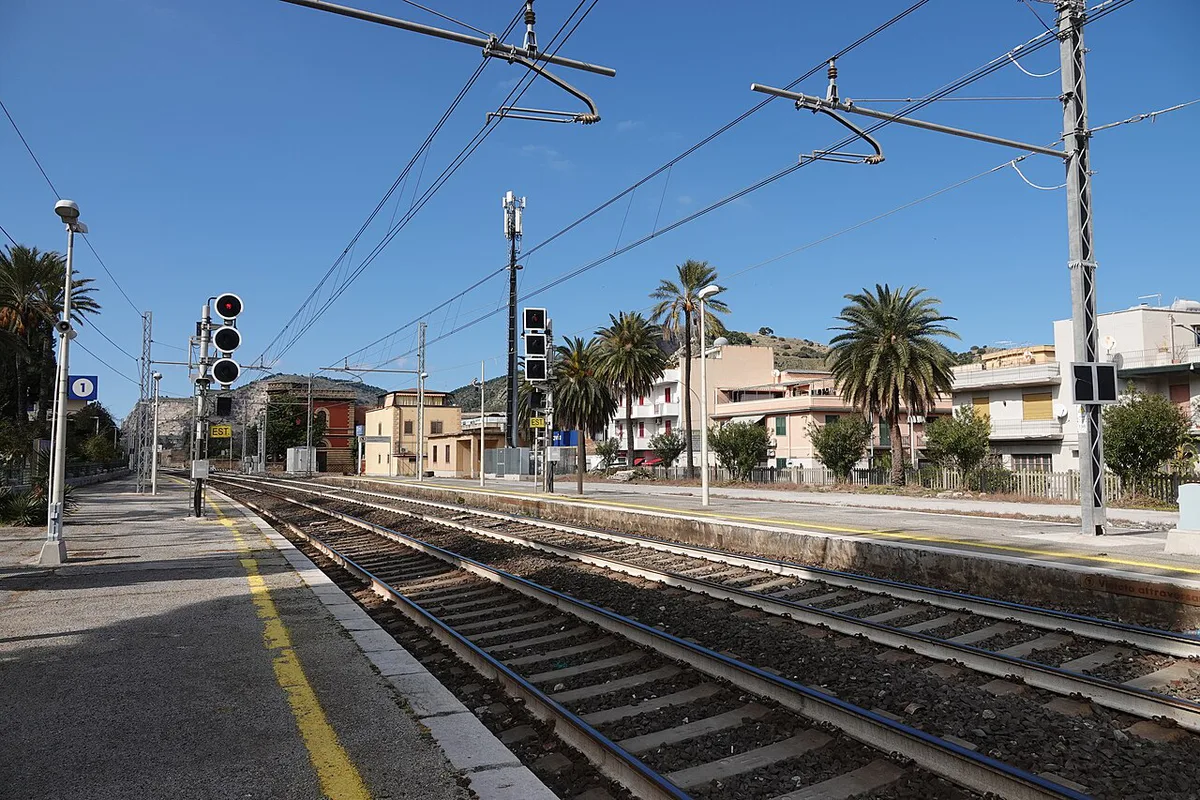
- Suggested plan: train from Palermo, walk up, Antiquarium, then the main street, Gymnasium, House of Leda, upper viewpoint, and lunch near Porticello.
- Mistakes to avoid: arriving without checking opening hours, wearing smooth-soled shoes, and expecting a site on the scale of Selinunte.
- Who will love it: archaeology and sea-view fans.
- Who may skip it: families with strollers and visitors with reduced mobility.
Where to Stay Near Solunto
Most visitors stay in Palermo and treat Solunto as a half-day trip. Coastal towns such as Santa Flavia, Porticello or Bagheria are quieter bases if you prefer to be near the sea. Check current accommodation listings for each.
Related guides



Continue reading
Guides on the same trip


