
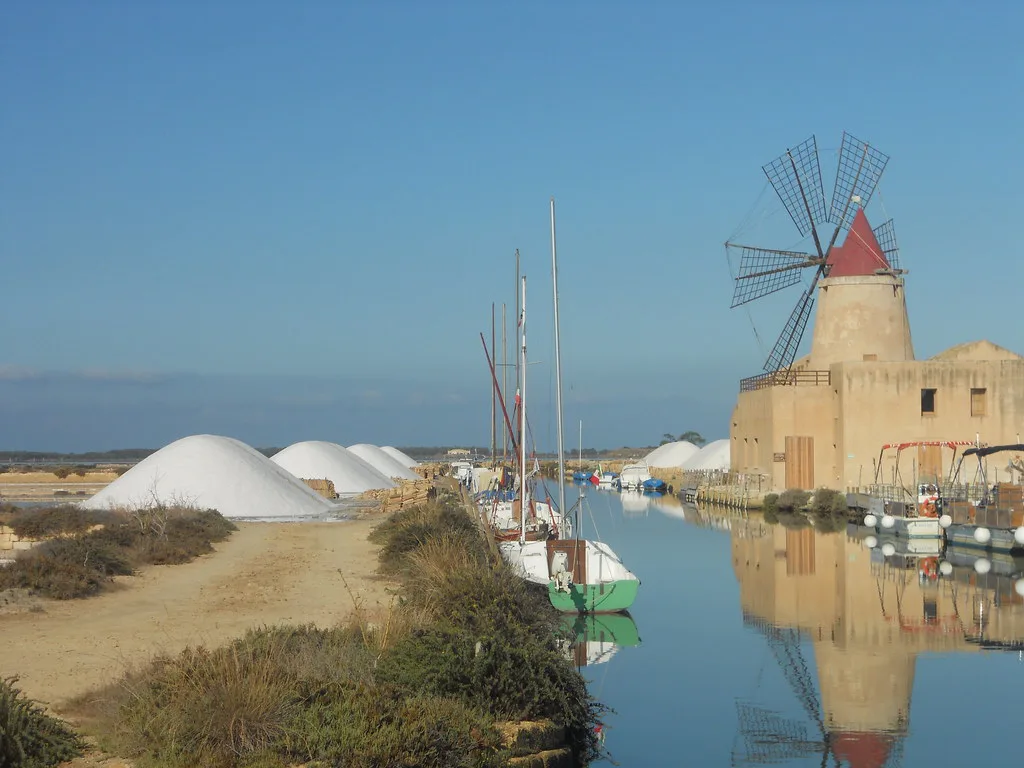
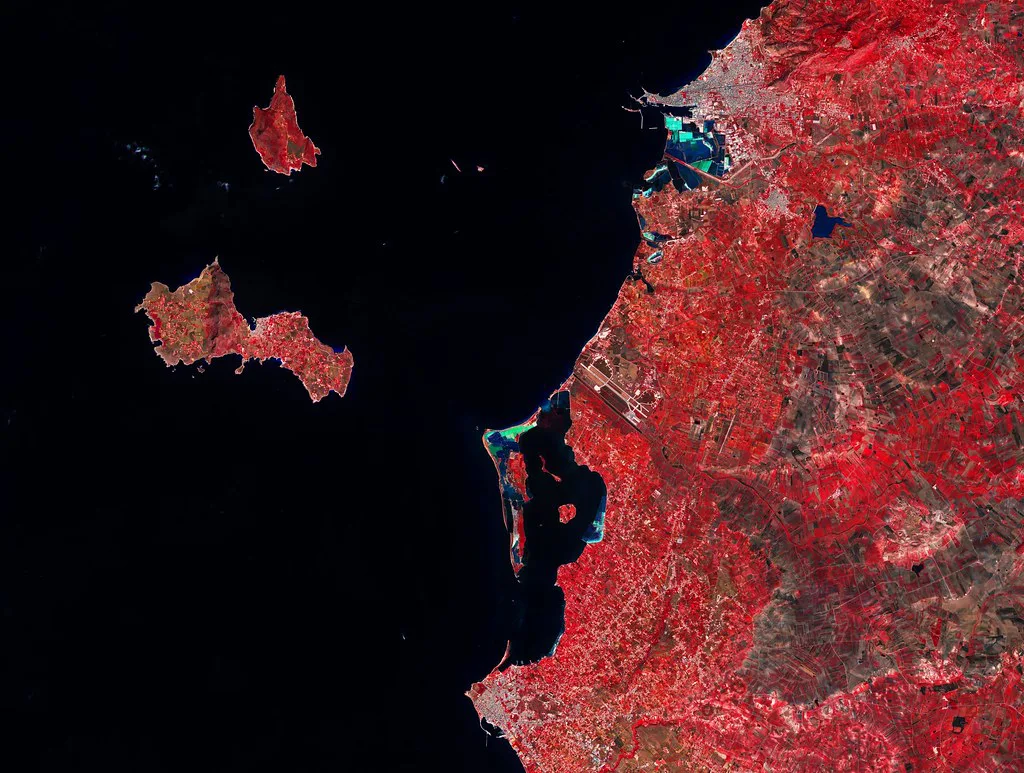
Last updated November 2026. Motya, also called Mozia or Mothia, is a Phoenician-Punic island town in the Stagnone lagoon near Marsala. It is Phoenician rather than Greek, which is why it sits at the edge of our 8 Greek Ruins in Sicily: Best Sites and Routes guide. Dionysios of Syracuse destroyed the town in 397 BC, and you can only reach it by a short boat crossing.
Featured image: jamesonf, CC BY 2.0, via Flickr.
Is Motya worth visiting?
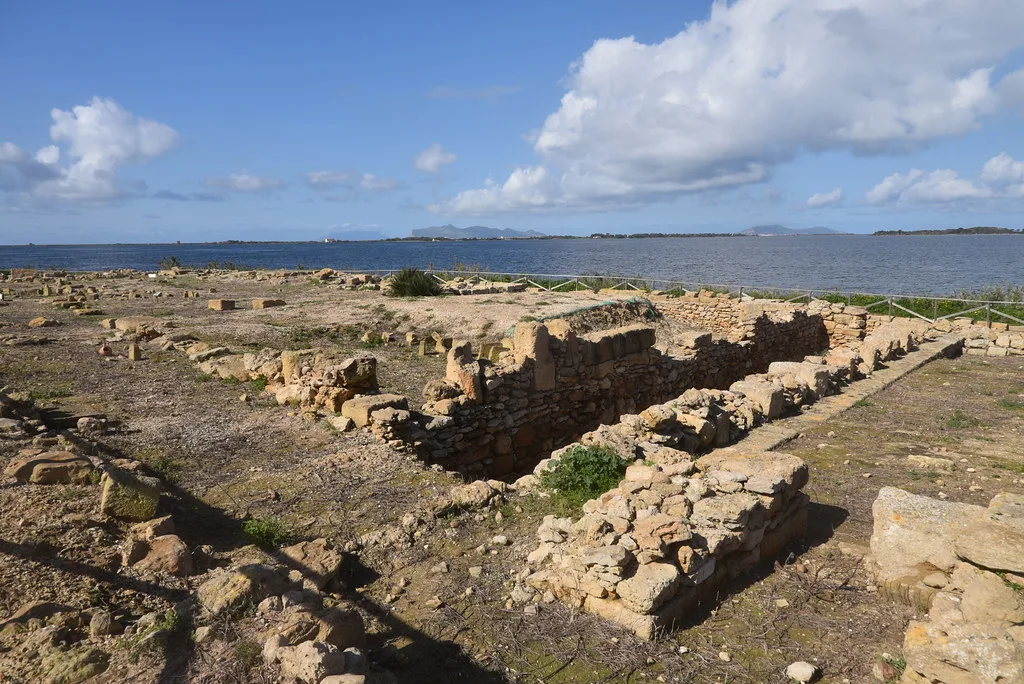
Yes, if you want archaeology in an unusual setting. Motya sits on the island of San Pantaleo, and its walls, harbour basin and museum are all within a short walk of the landing place. Dionysios of Syracuse razed the town in 397 BC and it was hardly inhabited afterwards. That is why so much of its Phoenician and Punic layout survives. Use the lists below to decide.
- Go if you like archaeology, lagoon scenery and a half-day boat trip.
- Go if you want to see the marble Youth of Motya statue in the Whitaker museum.
- Skip or shorten it if you want standing Greek temples on a short Sicily trip.
- Check the island paths first if you have mobility limits, because much of the ground is uneven.
How to get to Motya: ferry, car and public transport
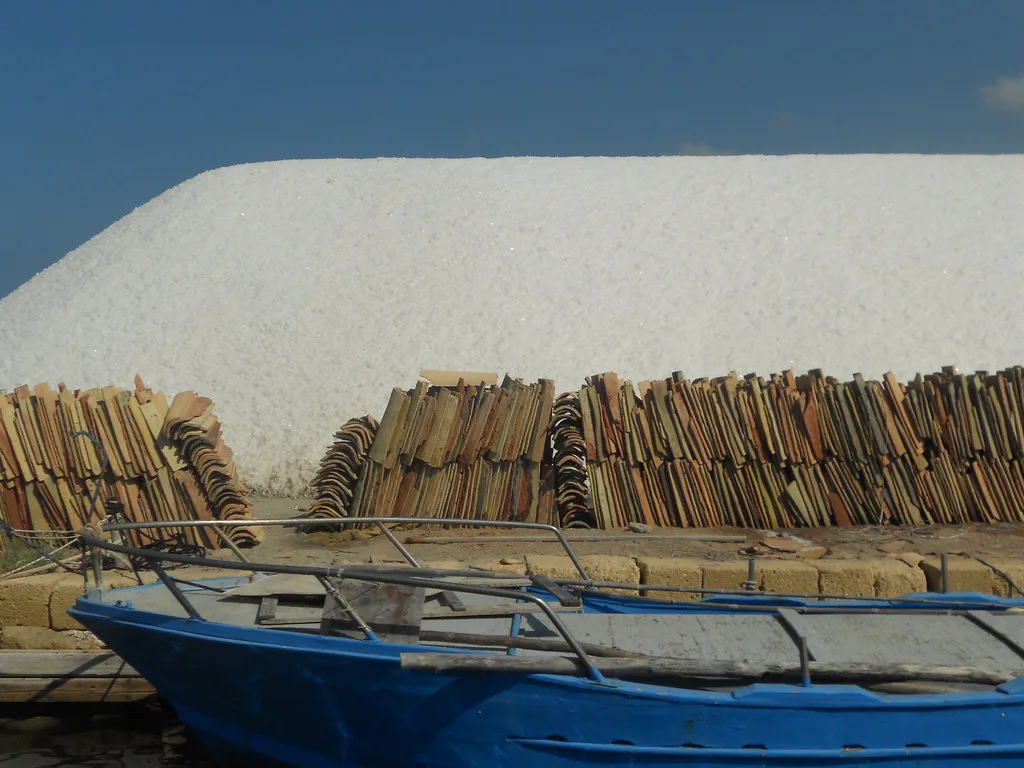
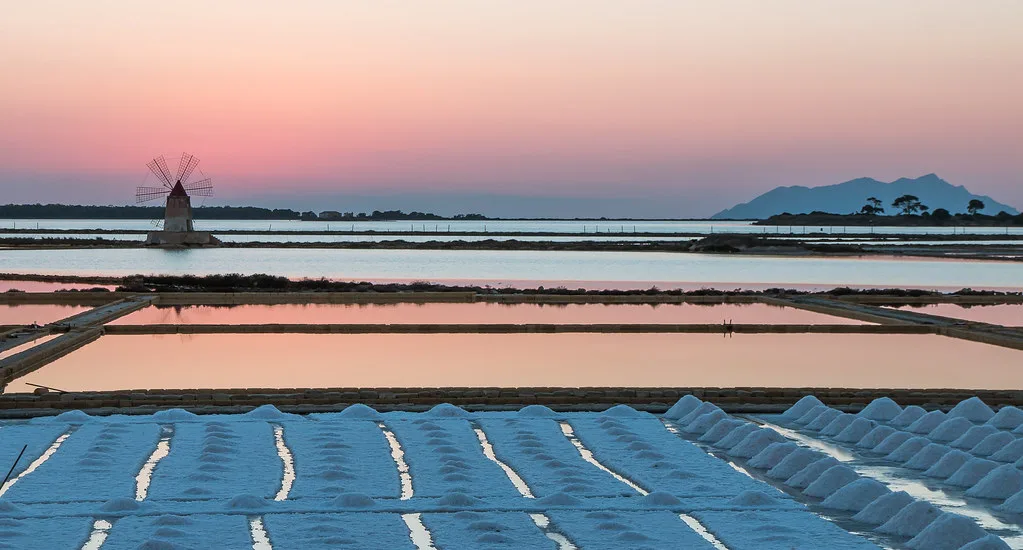
Motya has no bridge, so the boat is not optional. Visitor ferries leave from the Saline di Ettore Infersa on the Marsala side of the Stagnone lagoon. A sunken causeway once linked the island to the mainland near Birgi, but it now lies under water. Drive to the salt pans, park, and take the boat from there. Without a car, ask a taxi in Marsala or Trapani to take you to the Saline Infersa landing. Ferry fares, frequency and the last return boat change by season, so ask the operator on the day. Do not plan to walk from Marsala.
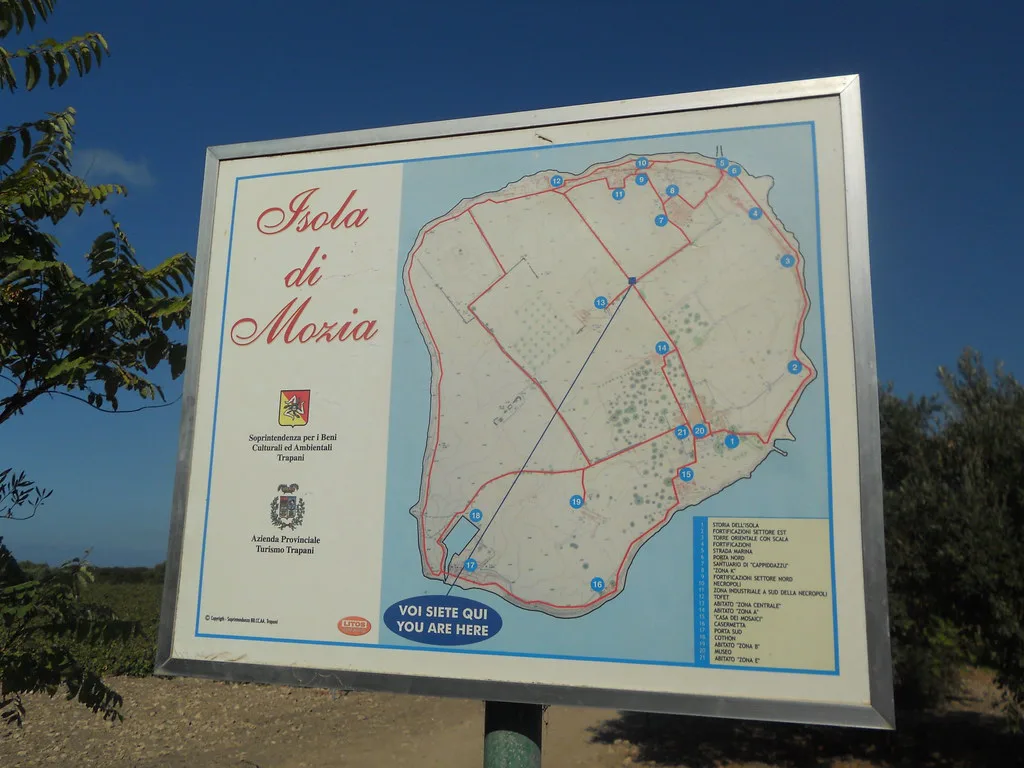
What to see on Motya, in route order
The path loops around the island, so a simple order saves backtracking. The boat lands in front of the Whitaker house, which is now the museum. The family that owned the island gave the museum its name.
- Landing place and Whitaker museum: the Youth of Motya statue and two stone reliefs of lions attacking a bull are inside.
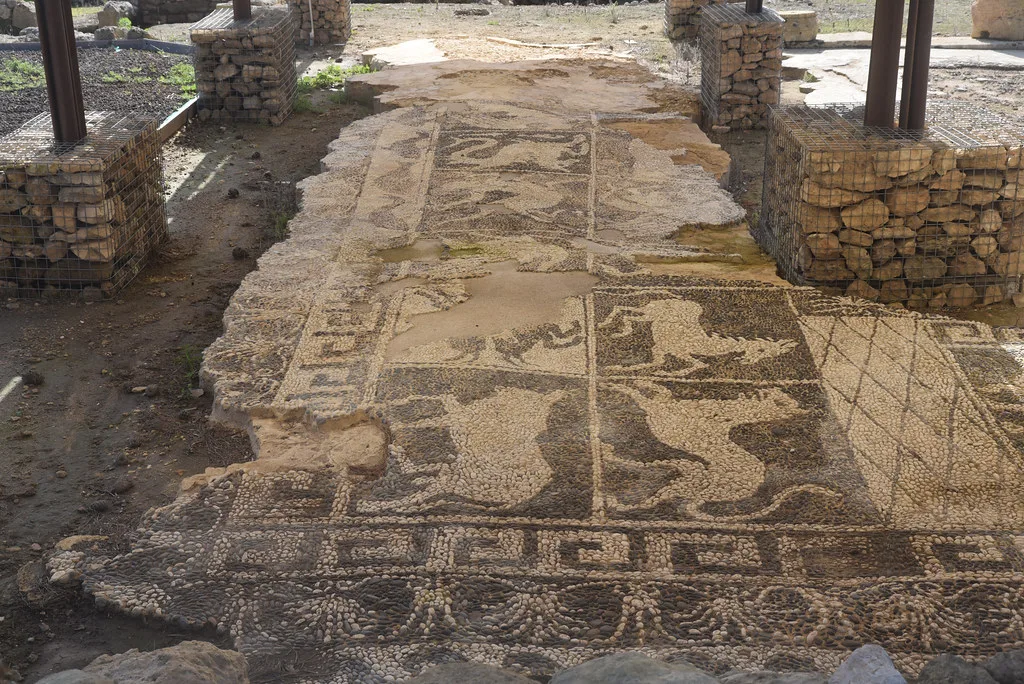
- House of the Mosaics: pebble mosaics in white, grey and black, with a lion attacking a bull and a griffon attacking a deer.
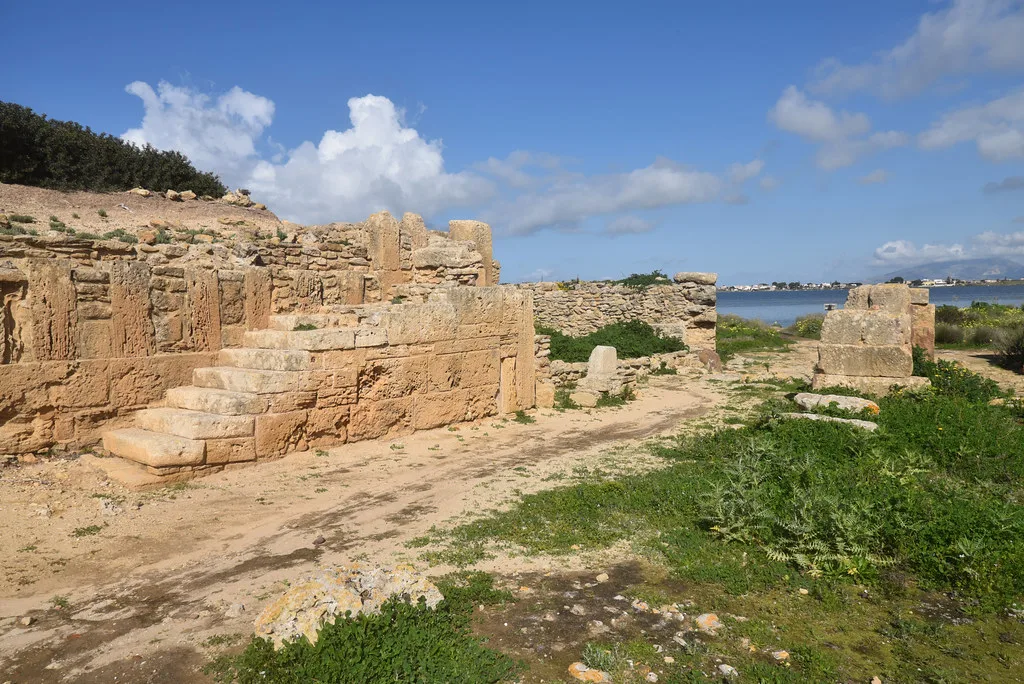
- Cothon and south gate: a rectangular basin linked to the sea by a canal that could be closed. Archaeologists now think it belonged to a sanctuary.
- Northwest side: the tophet, an open-air sanctuary where urns were placed, with the archaic necropolis just east of it.
- Cappiddazzu sanctuary and north gate: wheel ruts and door hinge sockets are still visible in the stone road.
- Back along the walls to the museum: finish here if you saved the finds for last.
Tickets, opening hours and ferry costs
Fondazione Whitaker runs the museum and island site, and its official site is the place for current ticket prices and hours. Hours differ between summer and winter, and the ferry fare is paid separately from the site ticket. Older guides print figures that may be out of date, so we have left them out. Ask the ferry operator at the Saline Infersa for the last return boat before you cross.
How long to plan and the best time to go
Plan a half-day. If you only have 90 minutes on the island, walk the south loop to the House of the Mosaics and Cothon, then spend the rest in the museum. A full visit adds the north side with the tophet and Cappiddazzu. The island has little cover, so bring water, sun protection and sturdy shoes, and go in the morning in summer. Pair the trip with the Saline Infersa salt pans and their windmill on the mainland. Visit Sicily lists regional tourism information for the Marsala area.
With only 90 minutes on the island, transport delays bite hard, so confirm the last return boat at the Saline Infersa landing before you cross.
Motya compared with Sicily's Greek temple sites
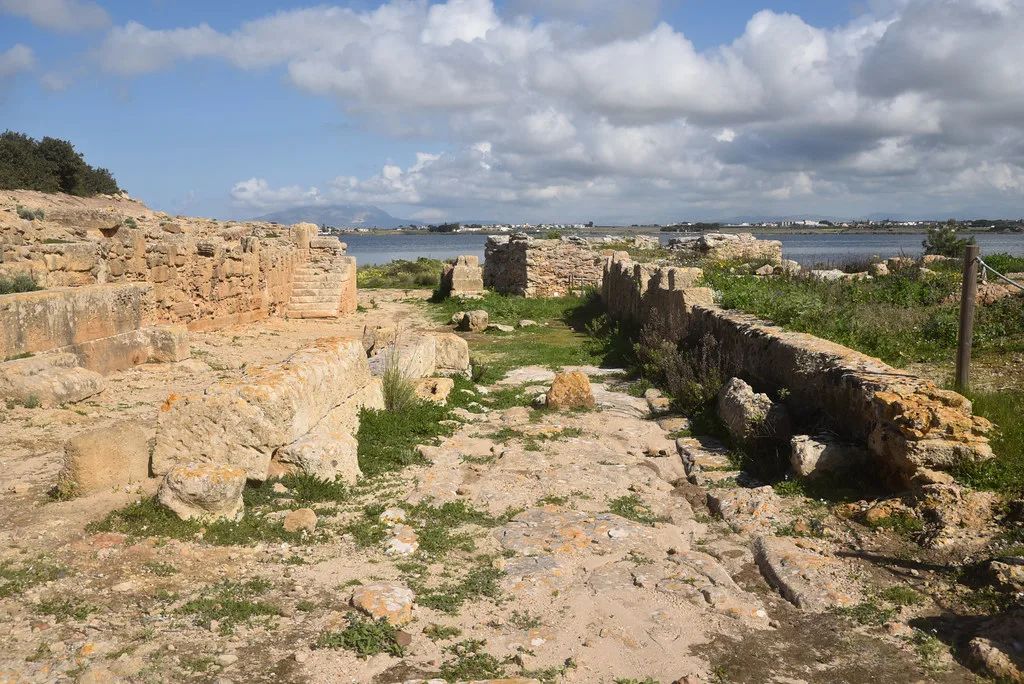
Motya is a different kind of site from the Greek temples. It shows a working Phoenician-Punic town, with a harbour, walls and a workshop quarter, rather than monumental columns. For a standing temple, read about the Segesta Temple and Theatre: Visitor Guide (Sicily) or the ruins at Selinunte. Staying in Palermo? Compare Segesta from Palermo: How to Get There and Plan the Day with Selinunte from Palermo: How to Get There & Plan the Day. Building a longer archaeology trip across the island? Add the mosaics at Villa Romana del Casale: Visitor Guide & Mosaics or the rock tombs of Pantalica. Our Sicily ancient sites hub links the rest.
Where to stay for Motya and the Stagnone lagoon
Marsala is the simplest base for Motya. The boat departure is on the Marsala side of the Stagnone lagoon, and taxis can take car-free visitors from town to Saline di Ettore Infersa. It also makes it easy to combine the island with the salt pans and windmill.
Trapani can work if you are linking Motya with Erice, Segesta or the western coast. It involves more road time, so confirm a taxi or transfer for both directions before relying on it. Ask the boat operator about the final return crossing before leaving the mainland.
A 90-minute island visit suits travellers with a tightly planned day, but it leaves little margin for transport delays. Plan a half-day if you want the museum, the Cothon, and the north-side sanctuaries without rushing. Staying near the lagoon is best for an early start or a sunset visit, though a car makes the logistics much easier.
Related guides



Continue reading
Guides on the same trip


