
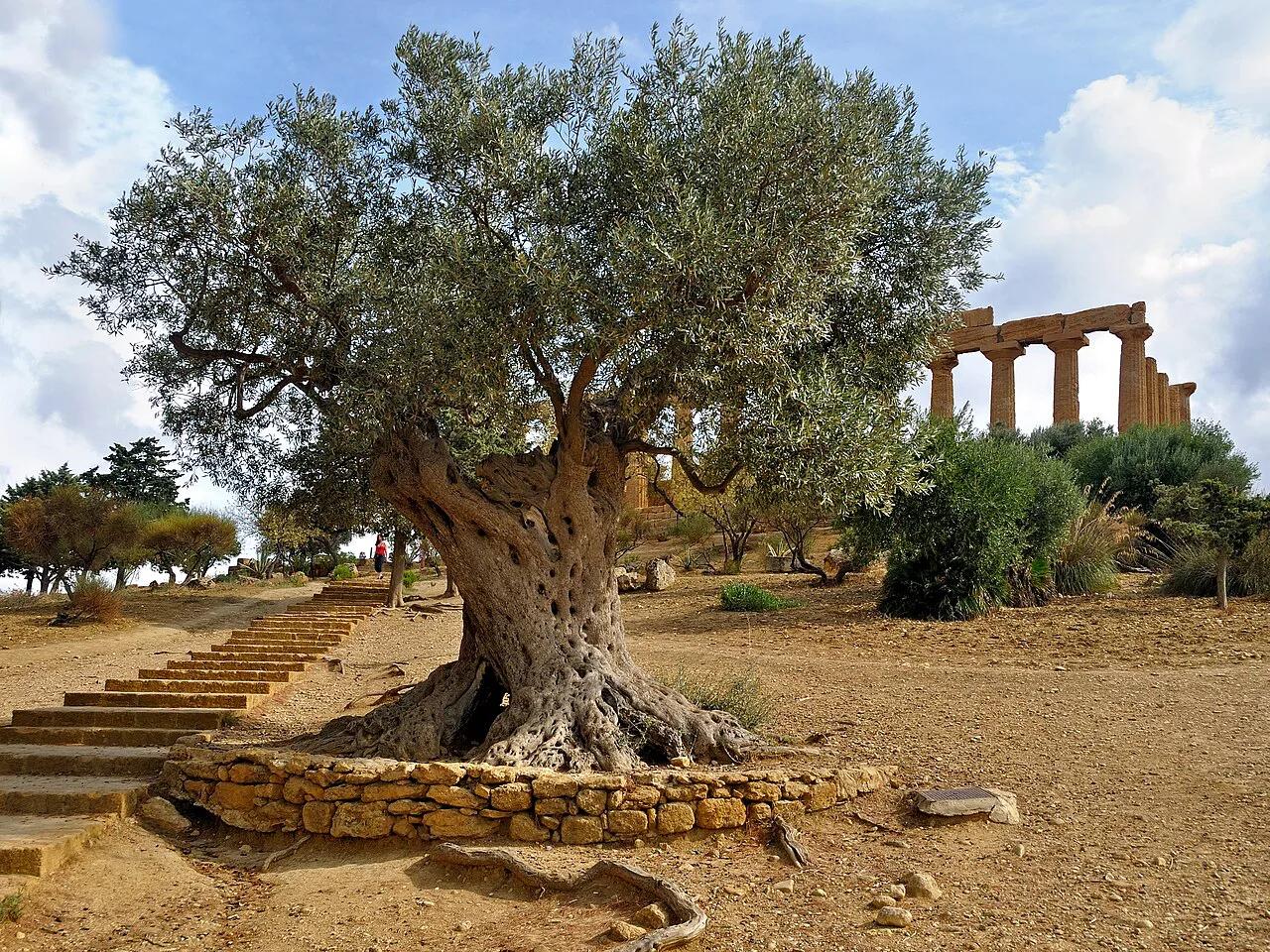
Last updated November 2026: the Greek temples in Italy that are easiest to visit stand at Paestum, where three Doric temples sit in an open archaeological park south of Naples. Elea-Velia in Cilento is a quieter second stop, and Sicily holds further sites. This guide helps you choose between them, then covers the temples, transport, tickets, timing and the museum.
Featured image: Ввласенко, CC BY-SA 3.0, via Wikimedia Commons.
Where to See Greek Temples in Italy: the Short Answer
Start at Paestum on the Campanian coast. It is the most visitable Greek temple site on the Italian mainland, and trains and roads from Naples and Salerno reach it. Elea-Velia, further south in Cilento, is the Greek-founded add-on for a second day. Sicily has more, including the Valley of the Temples at Agrigento, which has its own archaeological park. Segesta and Selinunte are also on the island. A Sicily trip needs its own plan, so the rest of this guide stays on Campania and Cilento.
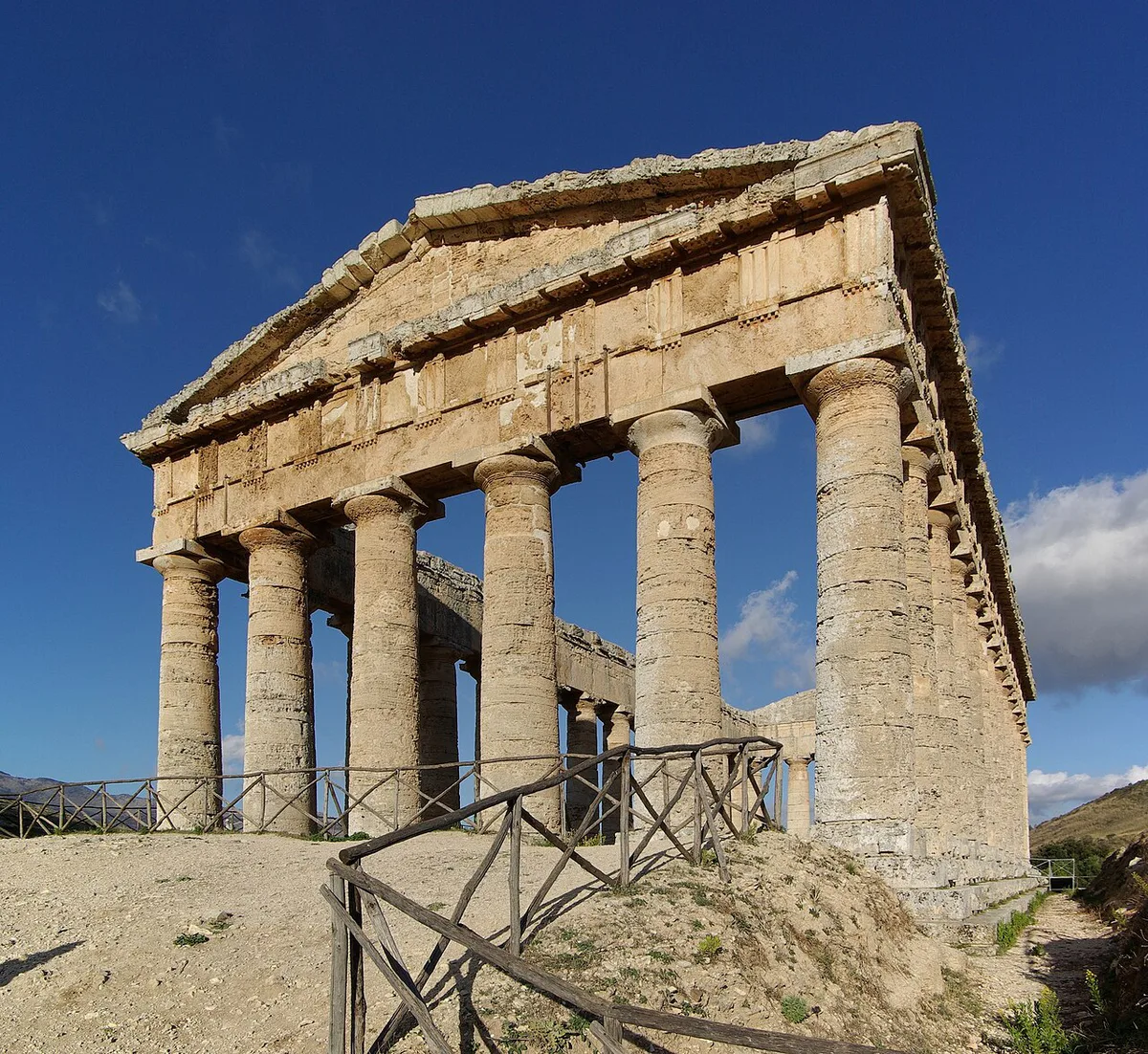
- Paestum: three Doric temples, a museum and Greek, Lucanian and Roman layers on one site.
- Elea-Velia: a quieter Greek-founded town in Cilento, best as an add-on.
- Sicily: Agrigento, Segesta and Selinunte, planned as a separate trip.
Why Paestum Is the One to Prioritise
Paestum began as Poseidonia, a Greek colony founded around 600 BC by settlers from Sybaris. Romans took the city in 273 BC and renamed it Paestum. Road building exposed the temples again in 1748, after centuries of marsh and neglect. Today they stand in open ground, so you can walk all the way around each one. That openness is what separates Paestum from ruins squeezed between modern buildings. Our Paestum guide covers the whole park in more depth.
The Three Paestum Temples at a Glance
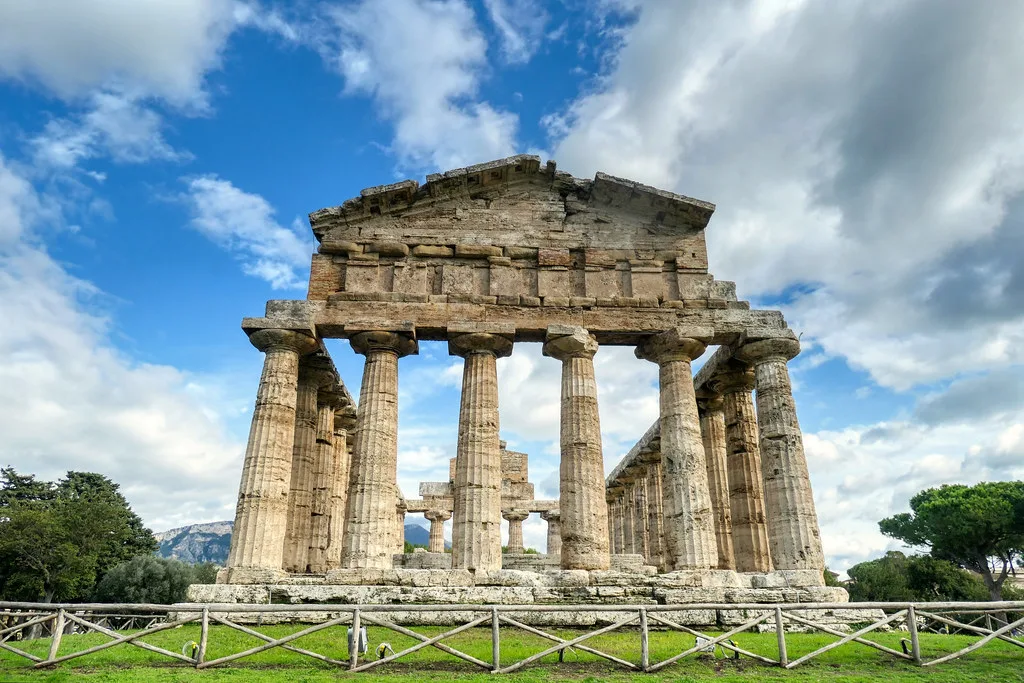
All three temples are Doric, with plain, heavy columns and no carved capitals. Their names are traditional labels, and attributions are debated. Sources disagree on whether the smallest temple belonged to Athena or Ceres, so treat each name as a handy tag rather than proof. Our guide to the Temple of Neptune goes deeper on the most complete building.
| Traditional name | Rough date | What to look for | Caution |
|---|---|---|---|
| Basilica (Hera) | c. 550 BC, the earliest | Densest, lowest and most archaic-looking colonnade | The name "Basilica" is an early mistake, not a clue to its use |
| Neptune (Poseidon) | c. 450 BC | Most complete outline, with heavy columns and an inner structure | Dedication to Poseidon is traditional, not proven |
| Athena ("Ceres") | c. 500 BC, the smallest | Higher ground at the northern end; Doric outside with Ionic hints inside | Sources disagree on Athena versus Ceres |
How to Get to Paestum from Naples, Salerno and the Amalfi Coast
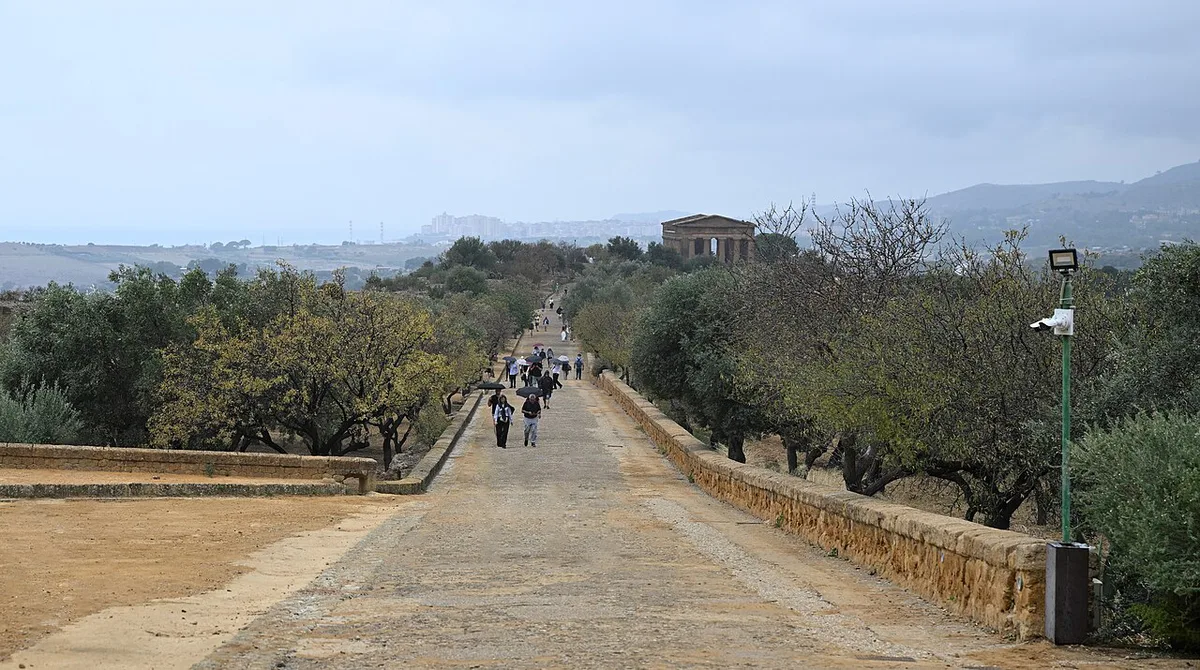
Trains are the simplest public option. Not every southbound train stops at Paestum, so check the timetable before you board. From the station, the site is generally a 10 to 15 minute walk. Driving from Naples takes roughly one and a half hours without traffic, but summer and holiday weekends are slower. Salerno is much closer, which makes it the easiest base. Our Naples route guide compares the options in detail. The Salerno route guide covers the shortest trip. Amalfi Coast visitors can read the Amalfi Coast route guide. For regional services, the CSTP Salerno site is a starting point.
Trains that stop at Paestum leave you a 10 to 15 minute walk from the site, so count that walk before you commit to a half-day.
| Base | Mode | Effort | Watch for |
|---|---|---|---|
| Naples | Train | Moderate: travel via Salerno | Confirm the service stops at Paestum |
| Naples | Car | Roughly 1.5 hours without traffic | Summer and holiday-weekend delays; parking near the site |
| Salerno | Train or car | Low: much shorter than from Naples | Same stop check applies to trains |
| Amalfi Coast | Via Salerno | Moderate: allow a connection | Plan the return before you leave |
Tickets, Opening Hours and What to Check First
Our ticket guide covers the options. Current fees and hours are on the official park site.
- Whether one combined ticket covers the ruins and the museum.
- Opening hours and last admission, which shift by season and on public holidays.
- Museum closing days.
- Drone rules, before you pack one.
- A downloaded or printed ticket, because mobile signal in the park can be patchy.
How Long to Allow and a Simple Route
Allow at least three hours for the temples and museum together. A half-day works if you arrive early and keep to the highlights. A full day adds lunch and a dairy stop. An overnight stay gives you evening light and a quieter site. A sensible walking order runs from Athena to Neptune, then the Basilica, and ends at the museum. Walk around Neptune instead of photographing only the front. Midday summer heat is strong and shade is limited, so bring water, a hat and sunscreen. Low sun warms the Neptune façade, so aim for early or late hours. Paths are mostly level but uneven in places, and rain makes them slippery.
- Treating the museum as optional.
- Rushing the central temple area in twenty minutes.
- Skipping the train-stop check.
- Wearing smooth-soled sandals.
- Visiting at midday in summer.
Don't Skip the Paestum Museum
Roofs, paint and statues are gone from the temples, and the museum supplies what is missing. Its star object is the Tomb of the Diver, a painted Greek tomb from about 480 BC. Its ceiling slab shows a figure diving into water, and the side panels show a drinking party. Large-scale Greek painting from this period is rare, so the tomb matters far beyond its size. You will also see carved metopes from the Hera sanctuary at the mouth of the Sele River. That sanctuary lay about 9 km north of Paestum. Our museum guide suggests what to prioritise.
Tomb of the Diver dates to 480 BC, so it falls between the temples' c. 550 BC and c. 450 BC dates.
Other Greek Sites Nearby
Elea-Velia was a Greek-founded town in Cilento and is much quieter than Paestum. It suits travellers with a second day or a car. Our guide to Elea-Velia explains what remains. Do not confuse these sites with Roman remains elsewhere in Campania. The amphitheatre at Capua is Roman, not Greek, and the Roman arena at Capua belongs on a different itinerary.
Is It Worth It? Who Should Go and Who Can Skip
Go if you have half a day and any interest in ancient architecture, photography or history. The site rewards slow walking more than a quick stop. Skip it if your Naples stay is short and already packed. Rushing Paestum in under an hour wastes the journey. Our guide on whether Paestum is worth visiting weighs the trade-offs for different trips. Families can combine ruins with a beach stop, because the coast is close. For a full overview of the site, return to the Paestum hub.
Where to Eat and Stay
Paestum sits in buffalo mozzarella country, so a dairy stop fits naturally after the museum. Order mozzarella di bufala campana simply, with tomatoes or bread. Food options directly beside the ruins can be thin outside peak periods. Carry water and snacks, especially if you arrive by train. An overnight stay near the site gives you quieter hours and evening light without watching a timetable. Check the Campania tourism office for regional planning.
Paestum or Elea-Velia: Which Greek Site Fits Your Trip?
Choose Paestum if you have limited time or want the clearest introduction to Greek architecture in mainland Italy. Its 3 temples, archaeological park and museum sit in one visitable area. Allow at least 3 hours for the temples and museum together, rather than treating it as a brief photo stop.
Choose Elea-Velia as an addition when you have a second day in Cilento, especially if you have a car and prefer a quieter Greek-founded site. It works best after Paestum, since Paestum has the more complete temple experience and easier rail access.
For a short Naples or Salerno break, prioritise Paestum. For a slower Cilento itinerary, pair the two sites and leave time for lunch, coastal stops or an overnight stay. Sicily’s Agrigento, Segesta and Selinunte are rewarding alternatives, but they need a separate island itinerary rather than a Campania day trip.
Frequently Asked Questions
Are there any temples in Italy?
Yes. Paestum in Campania has three Doric temples in an open park. Sicily has further Greek temple sites, including Agrigento, Segesta and Selinunte.
What is inside a Greek temple?
An inner room called the cella held the cult statue of the deity. At Paestum the roofs, paint and statues are gone. The museum shows objects that help you picture the original interior.
Related guides



Continue reading
Guides on the same trip



