
16 Archaeological Sites in Spain: Roman, Prehistoric and Islamic Ruins Worth the Trip
Last updated November 2026: archaeological sites in Spain run from Ice Age cave art to Roman cities and an Islamic palace-city, so the best choice depends on era and region. This guide groups 16 of them by period, with notes on access, effort and who should skip each one. Read the quick answer first, then jump to the entry that fits your route.
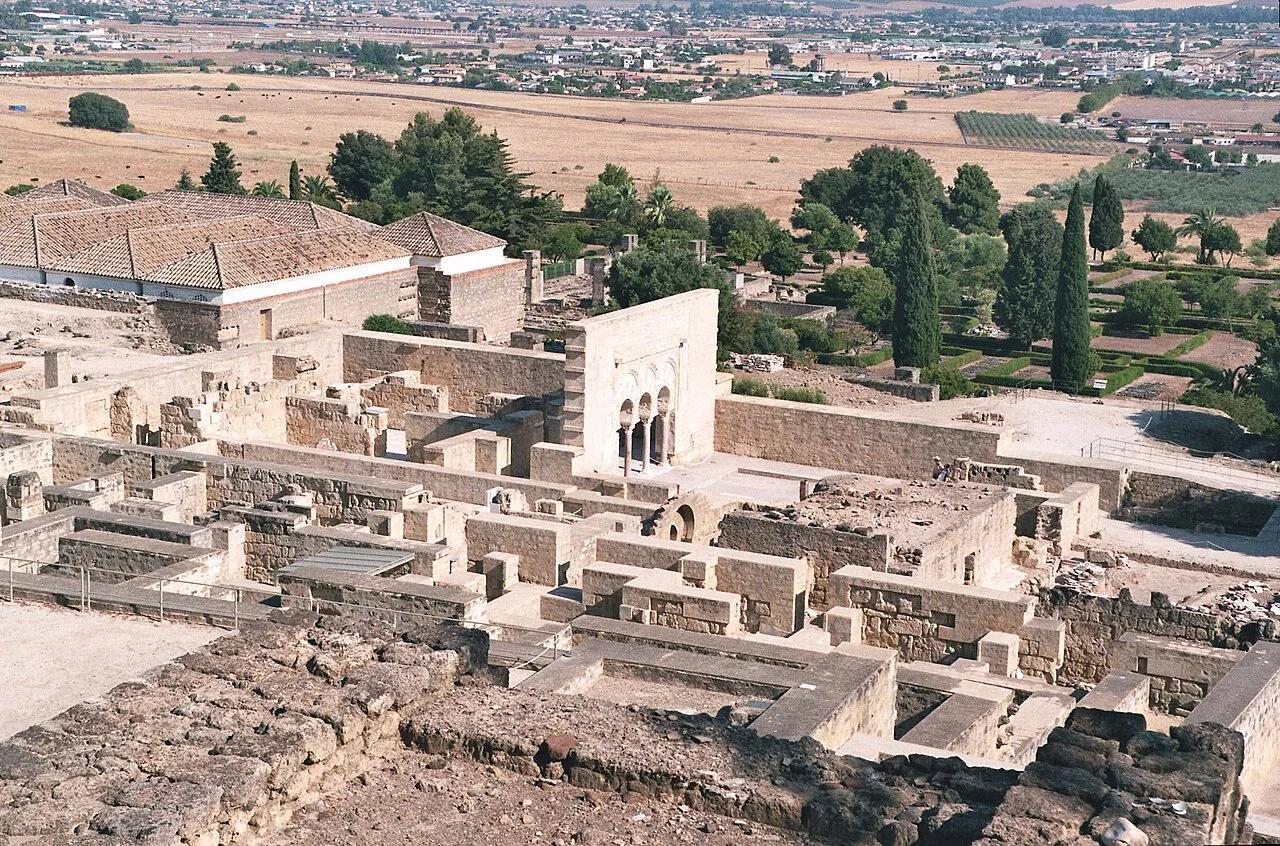
Featured image: Rabe!, CC BY-SA 4.0, via Wikimedia Commons.

Quick answer: which Spanish archaeological sites to see first
For Roman ruins on the sea, start with Baelo Claudia's coastal ruins. For prehistory, head to Castilla y León for Atapuerca and Siega Verde, or to Cantabria for Altamira. Islamic Spain is best told at Medina Azahara outside Córdoba. Greek and Iberian layers sit together on the Catalan coast at Empúries and Ullastret. Short on time in a big city? Barcelona and Zaragoza both have Roman remains inside the modern centre.
How to choose: era, effort and access
Start with the period that interests you, because Spain's sites do not overlap much. Next decide between walking through standing ruins and a museum-led visit. Caves and rock-art sites are tightly managed, so they usually need advance booking and guided entry. Remote sites such as Clunia, Segóbriga and Acinipo are easier with a car. City sites such as Barcino and Caesaraugusta need no planning beyond opening hours. Reserve the hottest summer afternoons for museums and shaded areas, and save open-air ruins for morning or late day.
16 Archaeological Sites in Spain by Era and Region
Entries run from prehistory through Iberian and Roman Spain to Islamic Spain. Each one ends with a pointer to its full guide. Entry details were last reviewed in November 2026, and the official page for each site holds current tickets, hours and booking rules.
1. Atapuerca (prehistory, Castilla y León)
Atapuerca is a research-led site where excavations have shaped the story of early human evolution. Visits focus on the dig areas and interpretation rather than standing monuments. It suits travellers curious about human origins who are happy to follow a guided programme.
| Site | Era | Region | Access note |
|---|---|---|---|
| Atapuerca | Prehistory | Castilla y León | Guided programme |
| Altamira Cave | Prehistory | Cantabria | Museum and replica |
| Siega Verde | Rock art | Castilla y León | Book through the official channel |
| Ullastret | Iberian | Catalonia | Pair with Empúries |
| Numantia | Celtiberian | Soria | Foundations and reconstructions |
| Empúries | Greek and Roman | Catalonia | Walk both layers, plus on-site museum |
| Baelo Claudia | Roman | Cádiz | A car makes the trip simpler |
| Sagunto | Roman and earlier | Valencia | Climb ruins in comfortable shoes |
| Clunia | Roman | Castilla y León | A car is the practical way to reach it |
| Segóbriga | Roman | Cuenca | Less convenient without a car |
| Caesaraugusta | Roman | Aragón | Move through the city on foot |
| Barcino | Roman | Barcelona | Fits easily into a city break |
| Carmona Roman Necropolis | Roman | Near Seville | Seville is the natural base |
| Acinipo | Roman | Málaga | A car is the practical way to get there |
| Las Médulas | Roman mining landscape | Not specified | Walkers get the most out of it |
| Medina Azahara | Islamic | Córdoba | Walk through excavated halls and terraces |
Skip it if you want monumental architecture. Read the full guide to the Atapuerca excavations before you book.
2. Altamira Cave (prehistory, Cantabria)
Altamira is famous for its painted Ice Age cave ceiling. Visitors typically see it through the on-site museum and replica rather than the original cave, since the cave itself is heavily protected. Treat it as a museum visit with exceptional art, not a cave walk.
It suits art lovers and families, and it is a poor fit if you want to explore underground. Our guide to the Altamira Cave museum covers the details.
3. Siega Verde (rock art, Castilla y León)
Siega Verde is an open-air rock-art site with engraved animal figures along a river valley. You walk a marked route outdoors, so footwear and weather matter more than at a museum. Access is managed, so book through the official channel before travelling.
It rewards patient viewers who like spotting faint engravings, and it is less satisfying for anyone expecting painted colour. See the guide to Siega Verde rock art for the route.
4. Ullastret (Iberian, Catalonia)
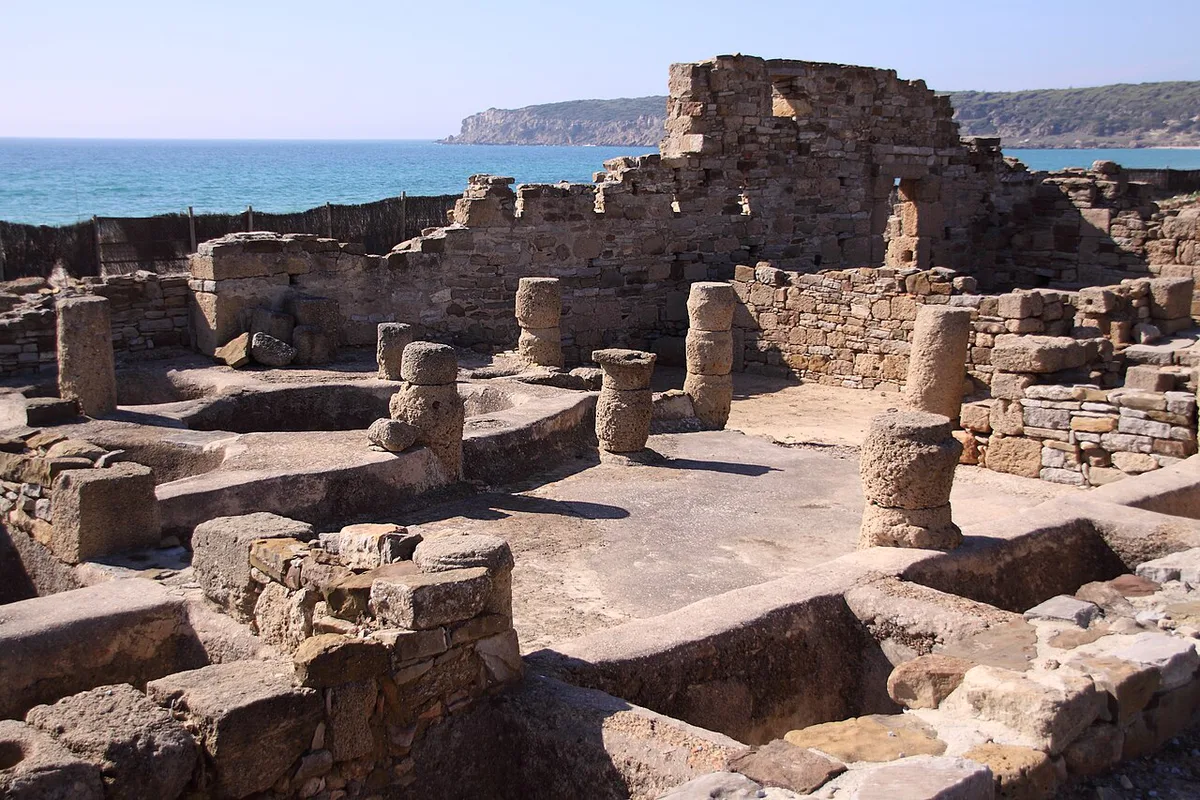
Ullastret preserves an Iberian settlement on a hill in Catalonia, with defensive walls and the layout of a pre-Roman town. It shows how the local Iberian population lived before Greek and Roman influence arrived. Pair it with Empúries for a Catalan coast route that moves from Iberian to Greek to Roman.
Skip it if you only want Roman monuments. The full guide to the Iberian town of Ullastret has more.
5. Numantia (Celtiberian, Soria)
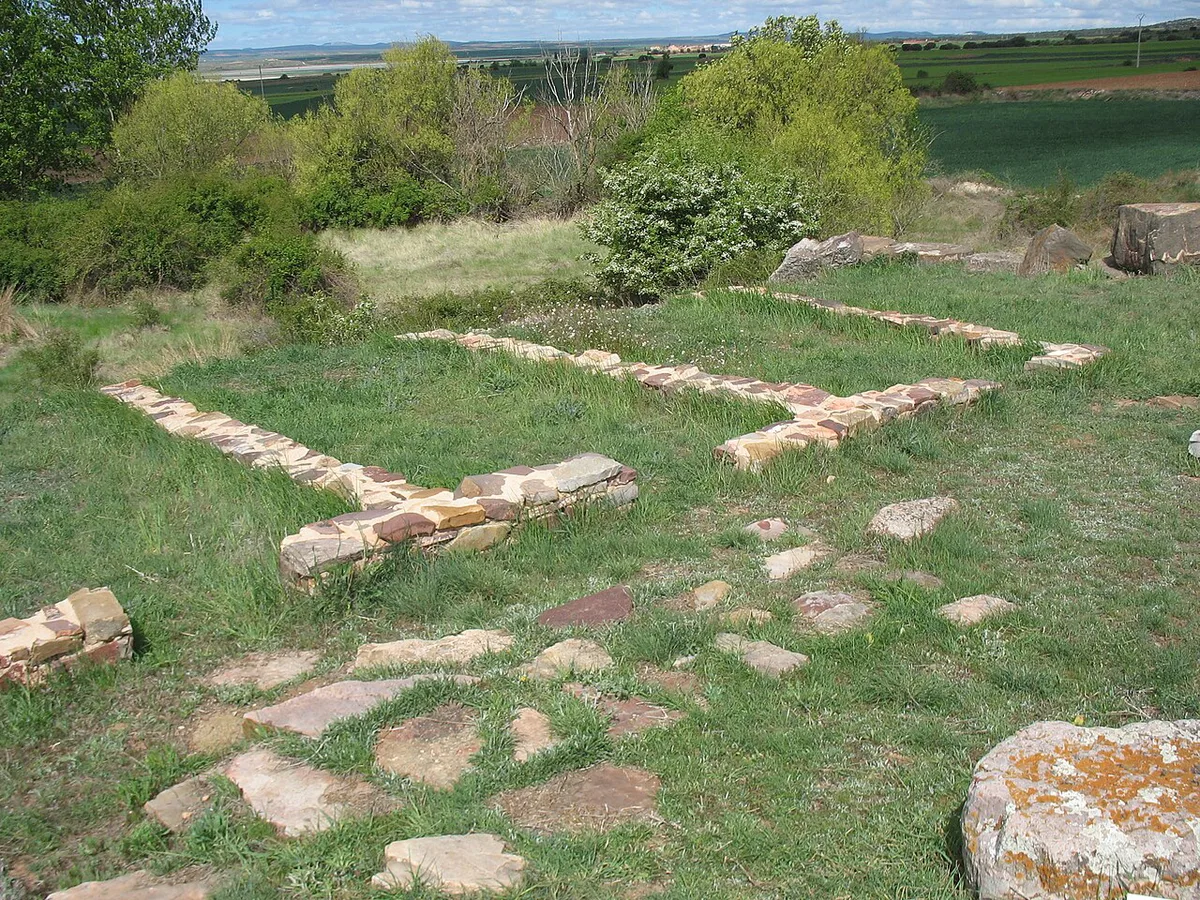
Numantia was a Celtiberian town that resisted Roman conquest, and its ruins sit near Soria. Foundations and reconstructions give a sense of the town plan, while the story matters more than the stonework. It suits history readers who enjoy narrative over spectacle.
Visitors expecting tall Roman monuments may find it modest. Our guide to the Celtiberian site at Numantia explains what remains, and Soria tourism covers the area.
6. Empúries (Greek and Roman, Catalonia)
Empúries began as a Greek colony and later gained a Roman town beside it, so two cultures sit on one coastal site. You can walk both layers, then visit the on-site museum run by the MAC Empúries museum. The setting by the sea makes it one of the easiest ruins to enjoy on a relaxed day.
It is less suited to anyone wanting a single-period site. Continue with the guide to the Greek and Roman ruins at Empúries.
7. Baelo Claudia (Roman, Cádiz)
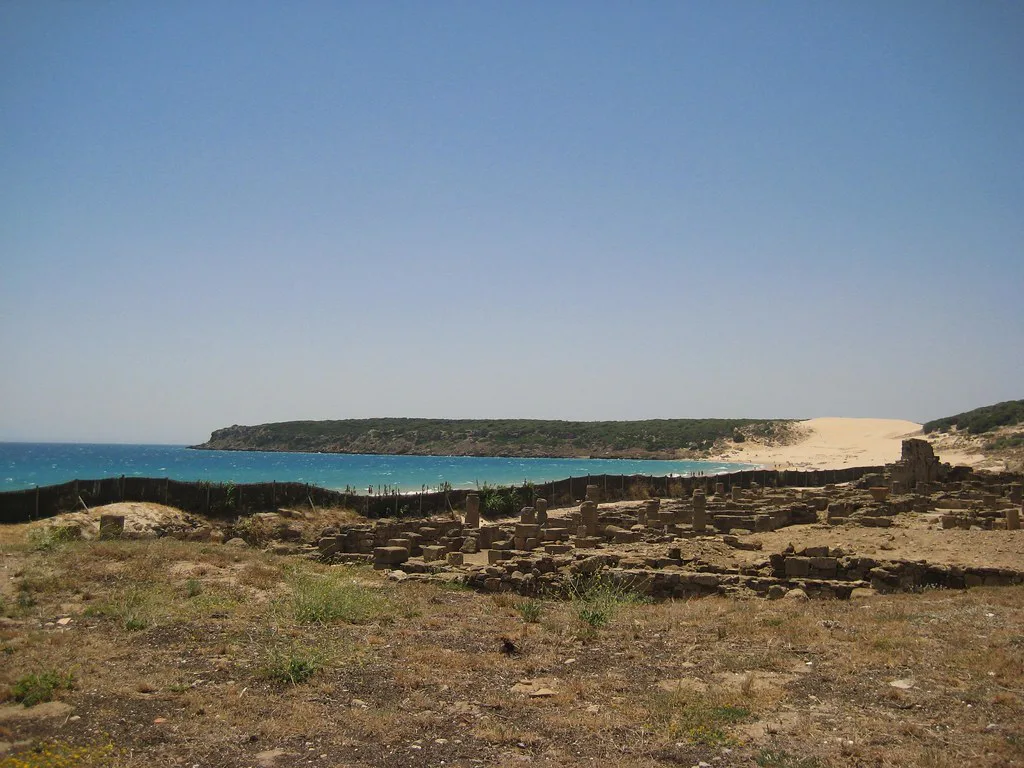
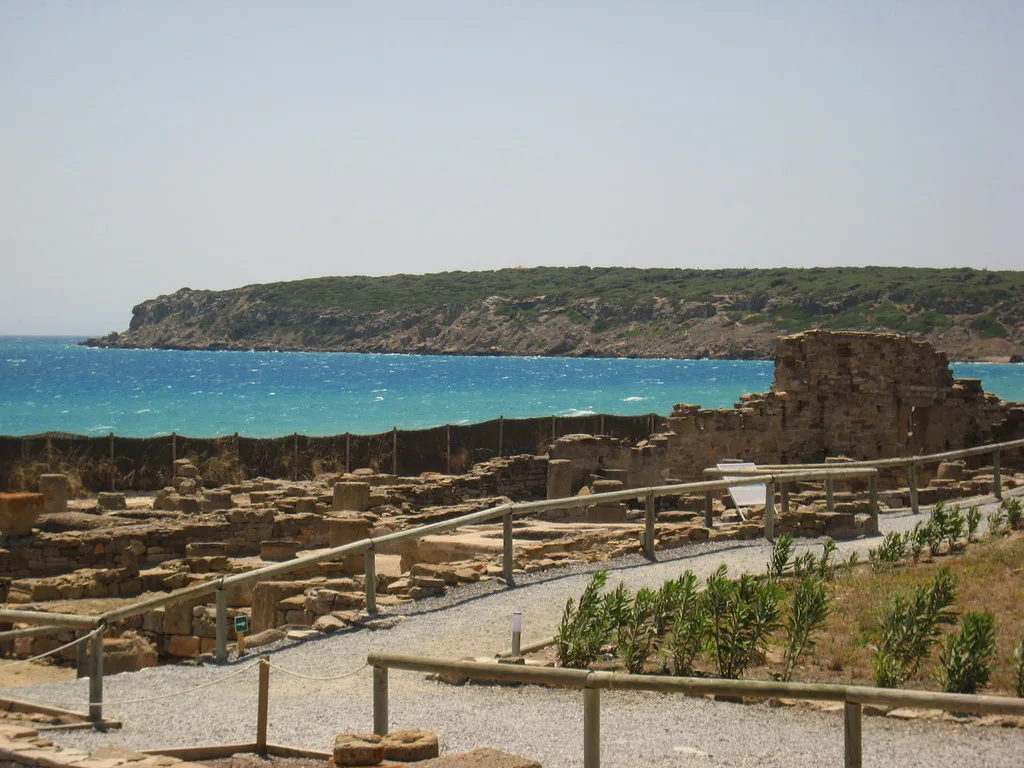
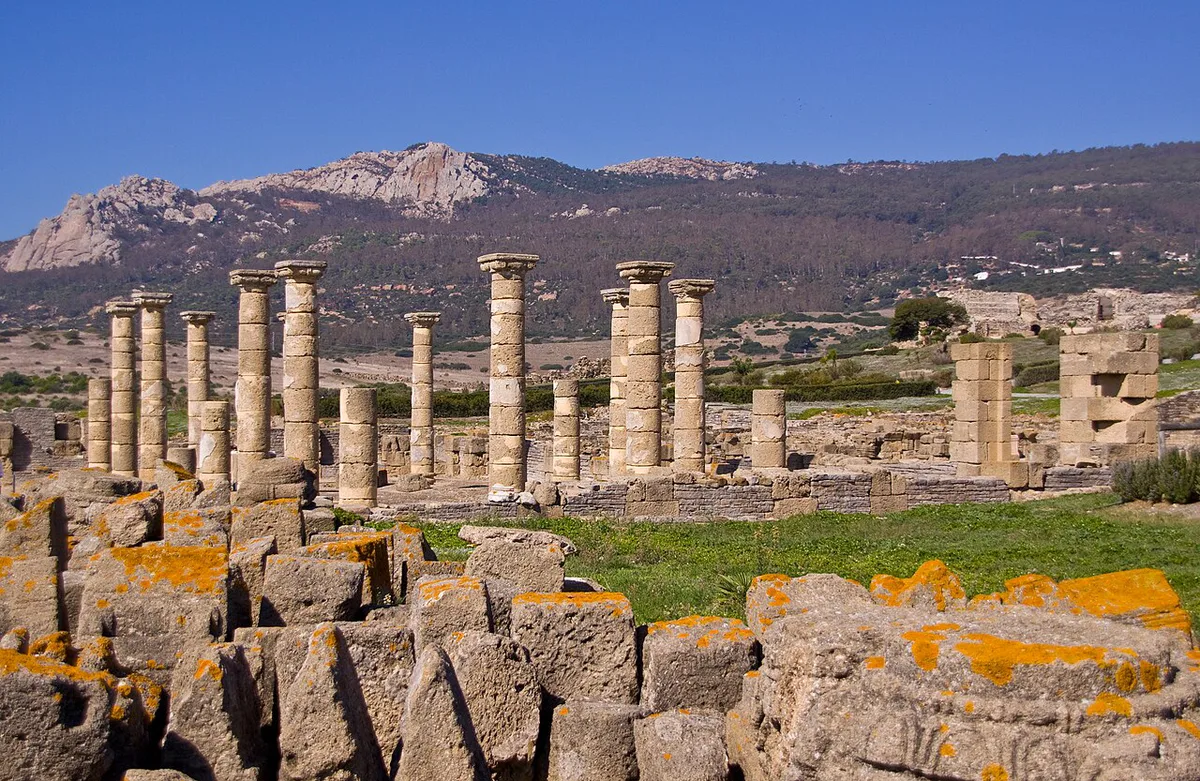
Baelo Claudia is a Roman coastal town in Cádiz, where streets, a forum and a theatre sit beside the sea. It stands out for how readable the town plan is, with the beach and open air framing the stones. The Junta de Andalucía site page lists visiting details.
A car makes the trip simpler. Skip it on very hot afternoons, as shade is limited.
8. Sagunto (Roman and earlier, Valencia)
Sagunto's hilltop fortress area includes a Roman theatre and layers of settlement history above the modern town. Visitors climb through ruins with wide views, so comfortable shoes matter.
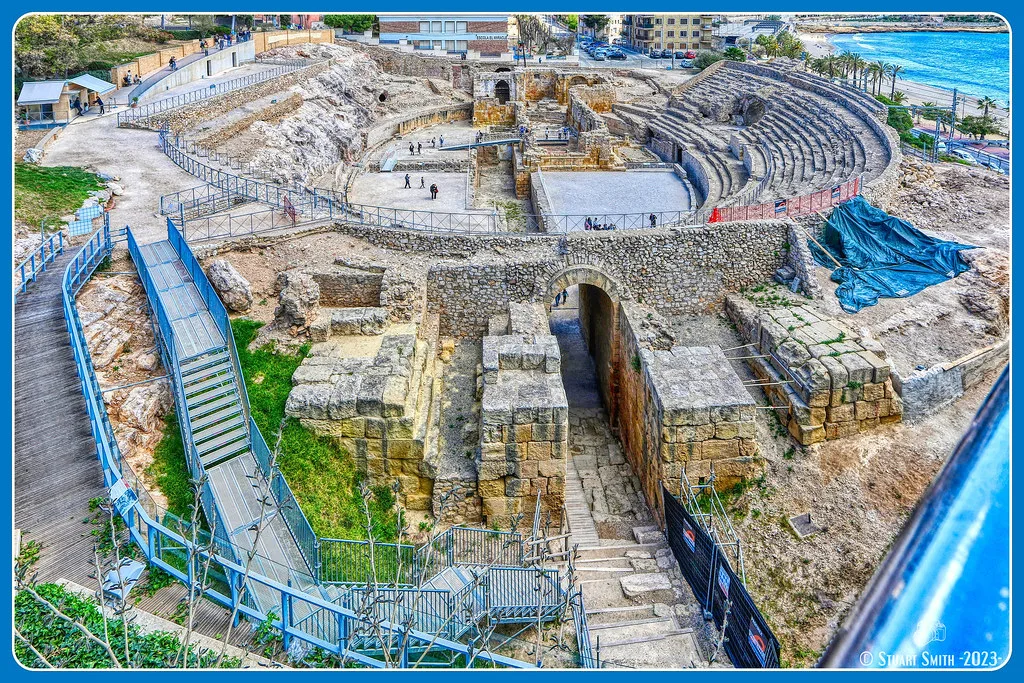
It works well for travellers based in Valencia who want a half-day outing. Read more about Sagunto's Roman theatre, and see Sagunto tourism for local planning.
9. Clunia (Roman, Castilla y León)
Clunia was a Roman city on a high plateau in Castilla y León, with a theatre and large open ground. The remote setting gives a quiet, spacious visit rather than an urban one. A car is the practical way to reach it.
Skip it if you prefer ruins close to a city centre. Our guide to the Roman city of Clunia has the full picture.
10. Segóbriga (Roman, Cuenca)
Segóbriga is a Roman town in the Cuenca and La Mancha area, known for its theatre and amphitheatre. The open landscape means you see the whole layout from a short walk. It suits drivers building a route through inland Spain.
It is less convenient without a car. See the full guide to Segóbriga's Roman amphitheatre.
11. Caesaraugusta (Roman, Aragón)
Caesaraugusta is the Roman layer beneath modern Zaragoza, and it appears as scattered remains rather than a single park. You find them by moving through the city on foot, which makes it ideal for a short stop. It suits city travellers who want ancient history without leaving town.
Skip it if you want one large archaeological complex. Start with the guide to Roman Caesaraugusta in Zaragoza.
12. Barcino (Roman, Barcelona)
Barcino is the Roman town beneath Barcelona's old centre, with walls and street fragments visible among later buildings. It fits easily into a city break and needs little travel. Combine it with a walk through the old quarter for context.
Visitors wanting a large open-air site should look elsewhere. Our guide to Roman Barcino in Barcelona shows what to look for.
13. Carmona Roman Necropolis (Roman, near Seville)
Carmona's Roman necropolis is a burial ground with family tombs cut into rock. It gives a different view of Roman life from theatres and forums, since it focuses on funeral customs. Seville is the natural base for a visit.
Skip it if tombs and burial architecture do not interest you. Read the guide to the Carmona Roman necropolis first.
14. Acinipo (Roman, Málaga)
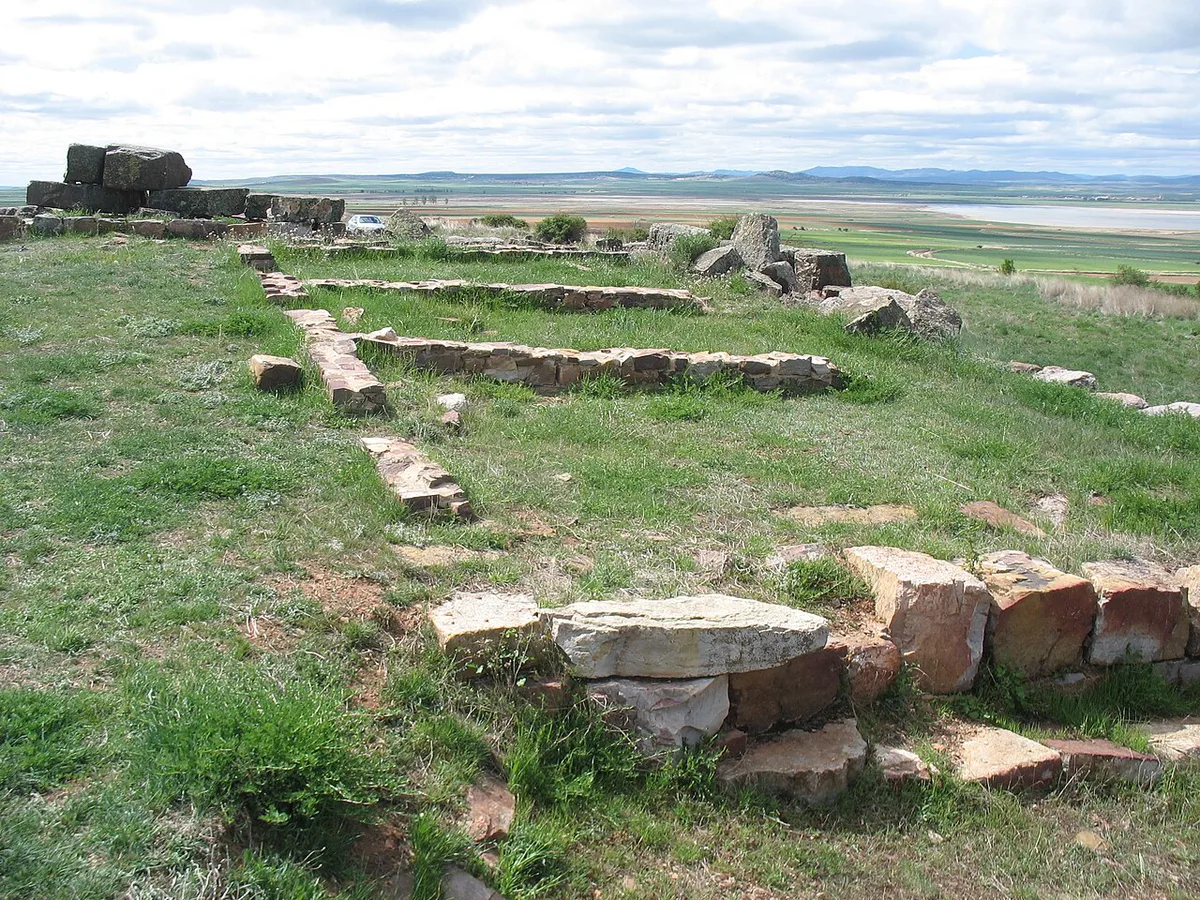
Acinipo is a hilltop Roman site in Málaga province, best known for its theatre. The quiet, exposed setting rewards visitors who enjoy wide views and few crowds. A car is the practical way to get there.
It is a short stop rather than a full-day site. Our guide to the Roman theatre at Acinipo explains the setting.
15. Las Médulas (Roman mining landscape)
Las Médulas is a landscape shaped by Roman gold mining, so expect eroded hills and viewpoints rather than standing ruins. It suits travellers who want scenery and an unusual industrial story. Walkers get the most out of it.
Skip it if you came for temples or theatres. Find route details in the guide to the Las Médulas mining landscape.
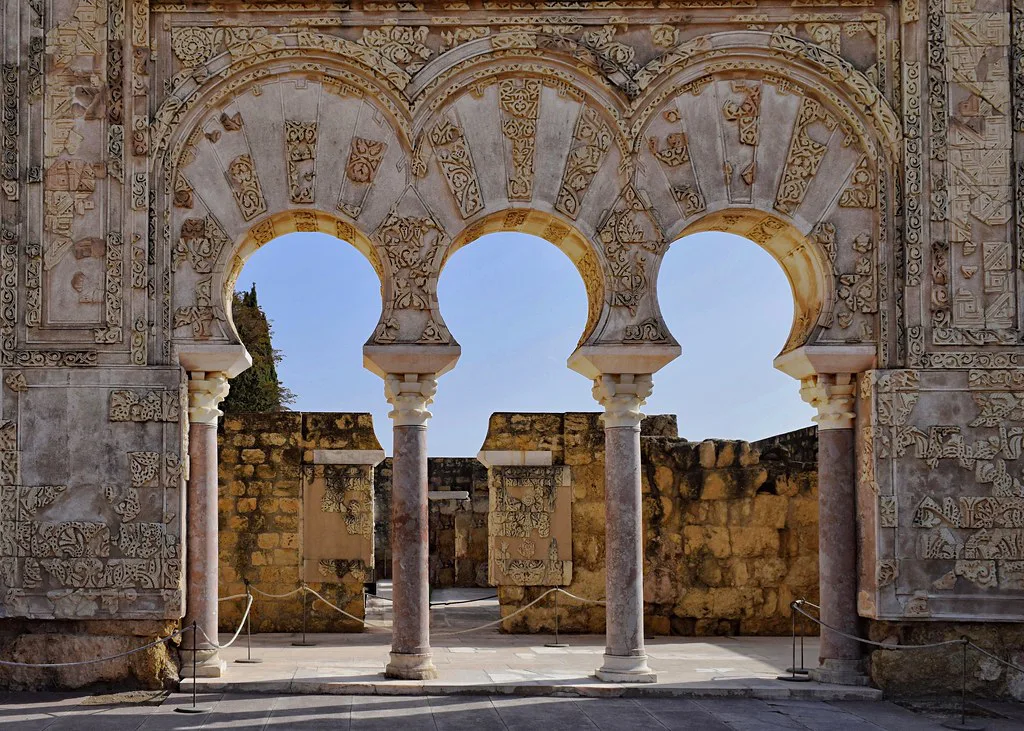
16. Medina Azahara (Islamic, Córdoba)
Medina Azahara is an Islamic palace-city outside Córdoba, from the age of Al-Andalus. Visitors walk through excavated halls and terraces that show the scale of the complex. The Córdoba tourism office is a good source for visiting information.
Read the guide to Medina Azahara's palace-city. Skip it if you only have time for Córdoba's city centre.
Plan by region or base city
Group sites by base to save time. On the Catalan coast, link Empúries, Ullastret and Barcino. From Córdoba, Medina Azahara is the main outing, and our guide to reaching Medina Azahara from Córdoba covers transport. Seville travellers can add Carmona. In Castilla y León, Numantia, Clunia, Siega Verde and Atapuerca form an inland route that typically needs a car. Cantabria has Altamira, Valencia has Sagunto, Cádiz has Baelo Claudia, Aragón has Caesaraugusta, Cuenca and La Mancha have Segóbriga, and Málaga has Acinipo. City sites usually work by train or bus, while remote ones favour a car. Spain's official tourism site helps with regional planning.
Tickets, hours and booking: what to check
Each site runs its own rules, so use its official page. Look for free-entry days and concessions, weekly closing days, seasonal hours and guided-only areas. Many sites sell separate tickets for the museum and the ruins. Caves and rock-art sites often require booking, so reserve early. In summer, plan outdoor sites for the morning.
Common mistakes to avoid
Do not assume every site is walk-up, since caves and rock art are often booking-gated. Do not underestimate distances to remote sites such as Clunia or Acinipo. Avoid midday summer heat at exposed ruins. Do not treat a museum-only visit as the site itself, and do not skip the on-site museum, which usually explains what you are looking at.
Explore More Guides
Keep planning your trip with these guides.
Guides
- Baelo Claudia Guide
- Medina Azahara Guide
- Medina Azahara From Córdoba
- Numantia Travel Guide
- Las Médulas Visit Guide
- Greek and Roman Ruins on the Costa Brava
- Sagunto Guide
- Clunia Roman Ruins, Burgos
- Atapuerca Guide
- Siega Verde Rock Art Guide
- Visit Guide from Madrid
- Caesaraugusta
- Barcino Walls & Walking Route
- Altamira Cave: Can You Visit It? Replica Guide
- Ullastret
- Carmona Necropolis
- Acinipo Roman Theatre near Ronda