
Siega Verde Rock Art Guide: Tours, Tickets & Getting There
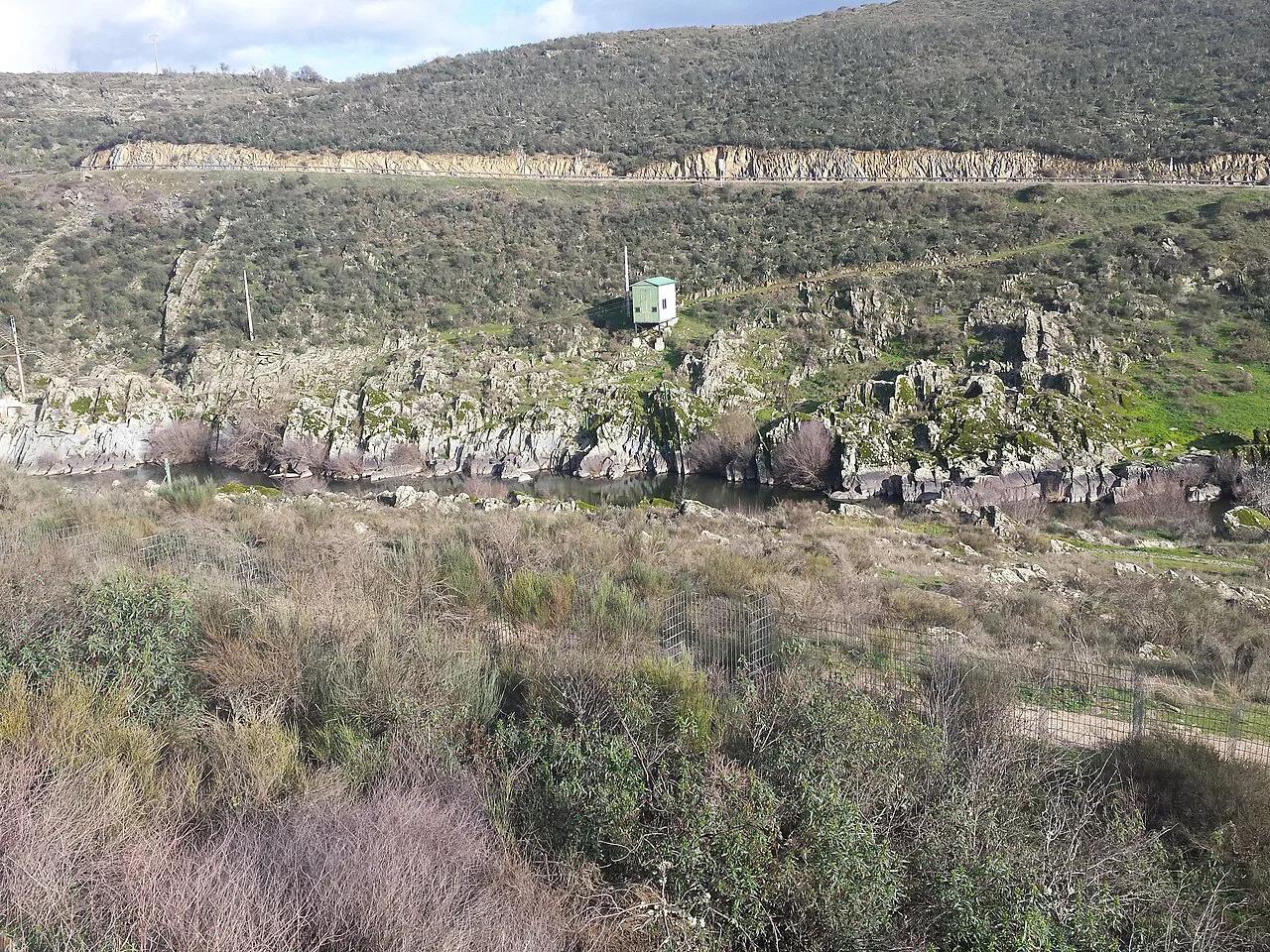
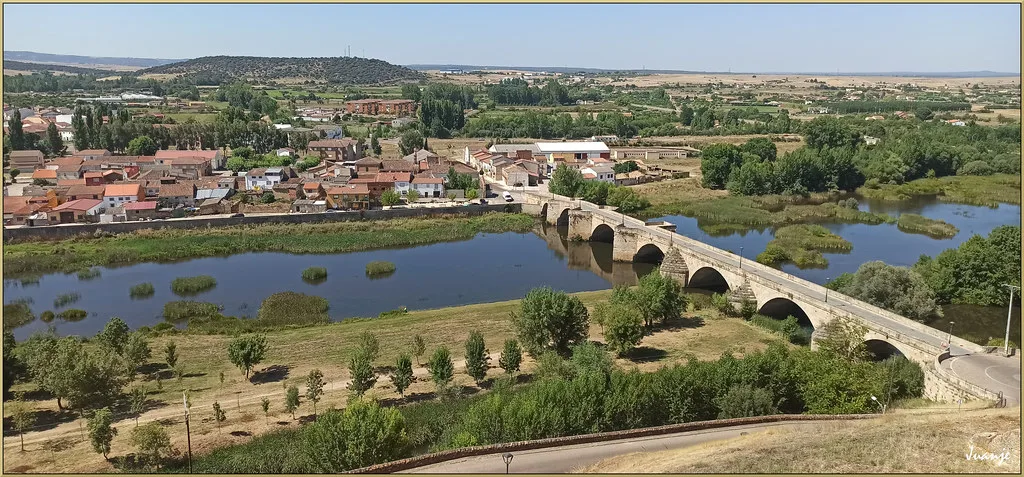
Last updated November 2026. Siega Verde is an open-air Palaeolithic rock-art site on the Río Águeda in Salamanca province, about 15 km (9 miles) northwest of Ciudad Rodrigo, and you can visit it only on a guided tour. Its engravings sit on schist outcrops beside the river, and UNESCO lists the site as an extension of the Côa Valley in Portugal. This guide covers what you will see, which tour to pick, how to get there and whether the trip is worth your time.
Featured image: David Perez, CC BY 4.0, via Wikimedia Commons.
Siega Verde at a glance
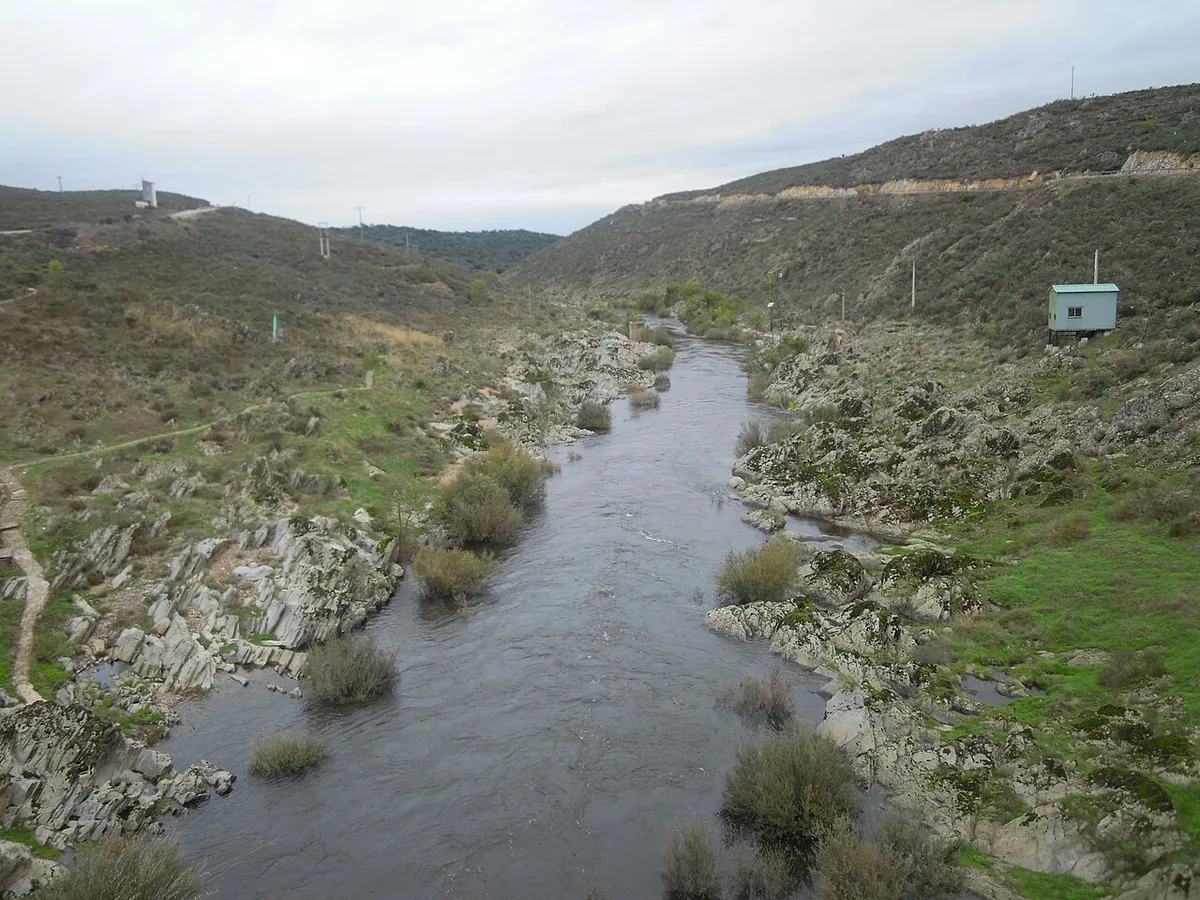
Treat Siega Verde as a booked, guided visit rather than a drop-in ruin. The route runs for a little over 1 km along the riverbank, and a guide leads you between the decorated rocks. Published figures have listed a standard guided visit at €5. Tour times, prices and booking rules change, so confirm them on the official site before you plan a day around them.
| Question | Short answer |
|---|---|
| What is it? | Open-air Palaeolithic engravings on rock outcrops beside the Río Águeda |
| Where is it? | About 15 km northwest of Ciudad Rodrigo, Salamanca province, Castilla y León |
| How do you see it? | Guided visit, booked in advance |
| How many rocks on the standard tour? | 5 decorated rocks |
| Do you need a car? | Yes, in practice |
| Who is it for? | Rock-art fans, prehistory readers and World Heritage collectors |
What Siega Verde is and why it matters
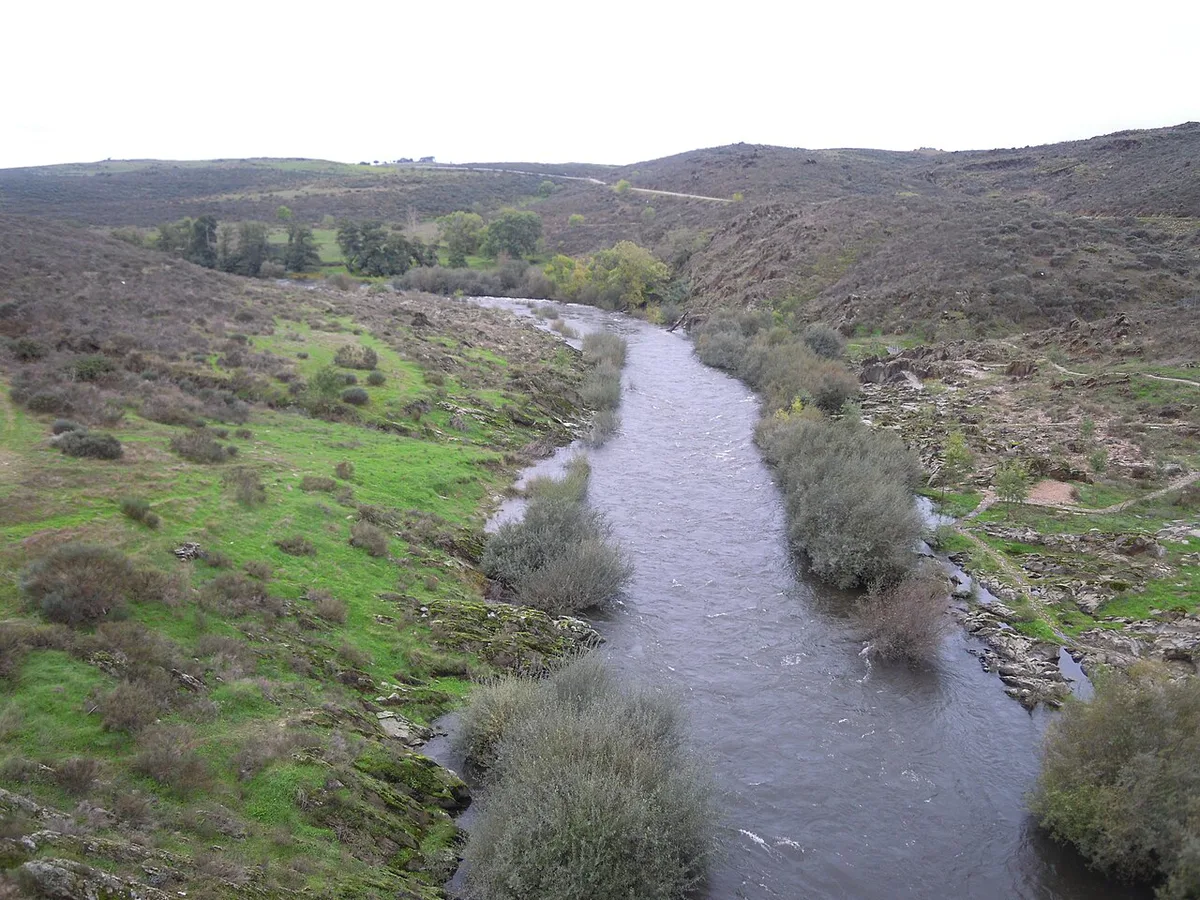
Siega Verde preserves hundreds of animal engravings made by Palaeolithic hunters on schist outcrops along the left bank of the Río Águeda. Listings put the total at 646 engravings across 91 decorated rocks. Those numbers explain why the site is treated as a major prehistoric landscape rather than a single panel.
UNESCO lists it in 2010 as an extension of the Côa Valley rock-art sites in Portugal. Both places record open-air Palaeolithic art on river rock, which is unusual because most famous Ice Age art in Europe sits inside caves. The Águeda corridor was probably a natural route for animals, and hunters followed them.
Local herders knew of the engravings long before anyone understood their age. Accounts date the full documentation of the panels to 1988, when moss and lichen were cleared from the rock. Before the site was protected it stayed open for years and suffered damage, which is why access is now guided.
Dating has been debated, especially for the Côa engravings, but attribution to the Palaeolithic is the mainstream view. The best evidence is the presence of extinct fauna and the style of the animals. Official heritage sources hold the current scholarly position, so use them if the question matters to you.
What you actually see at Siega Verde
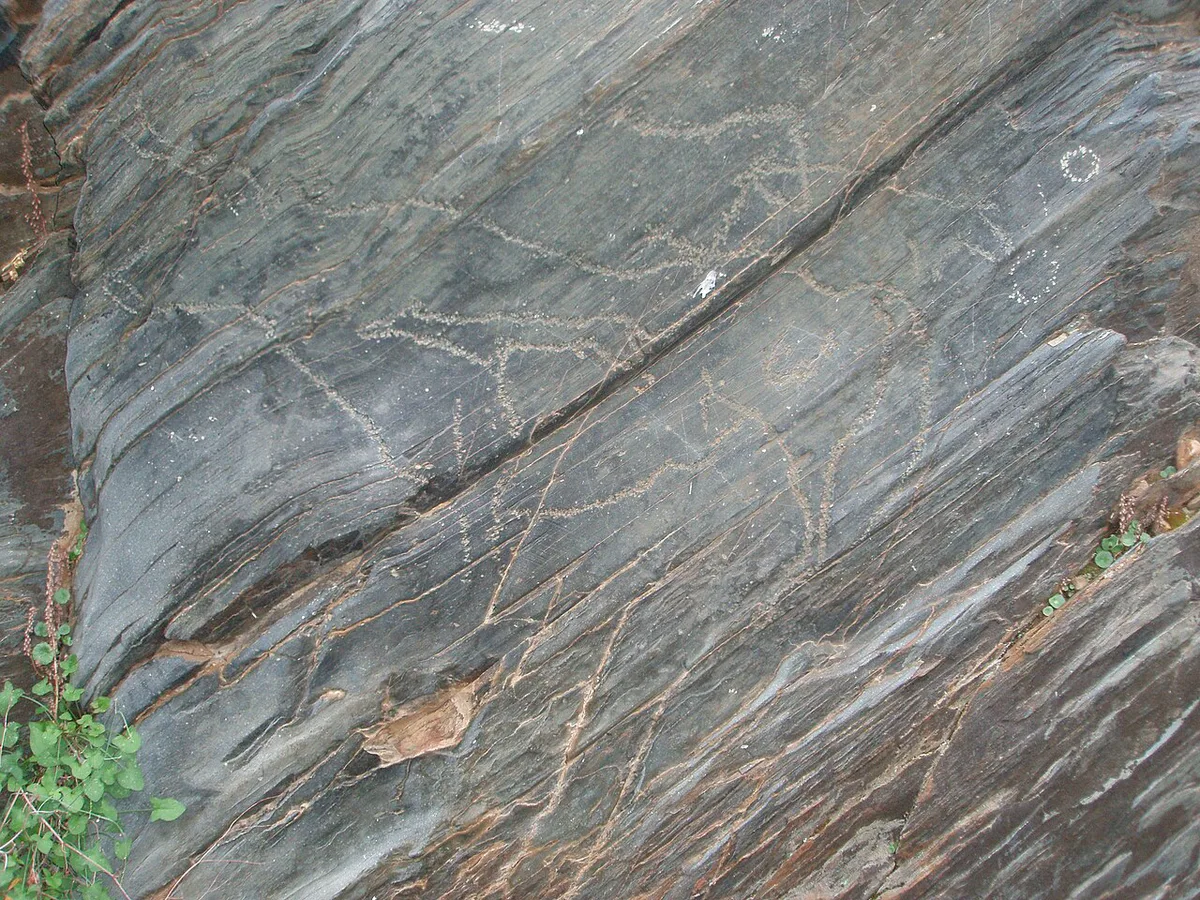
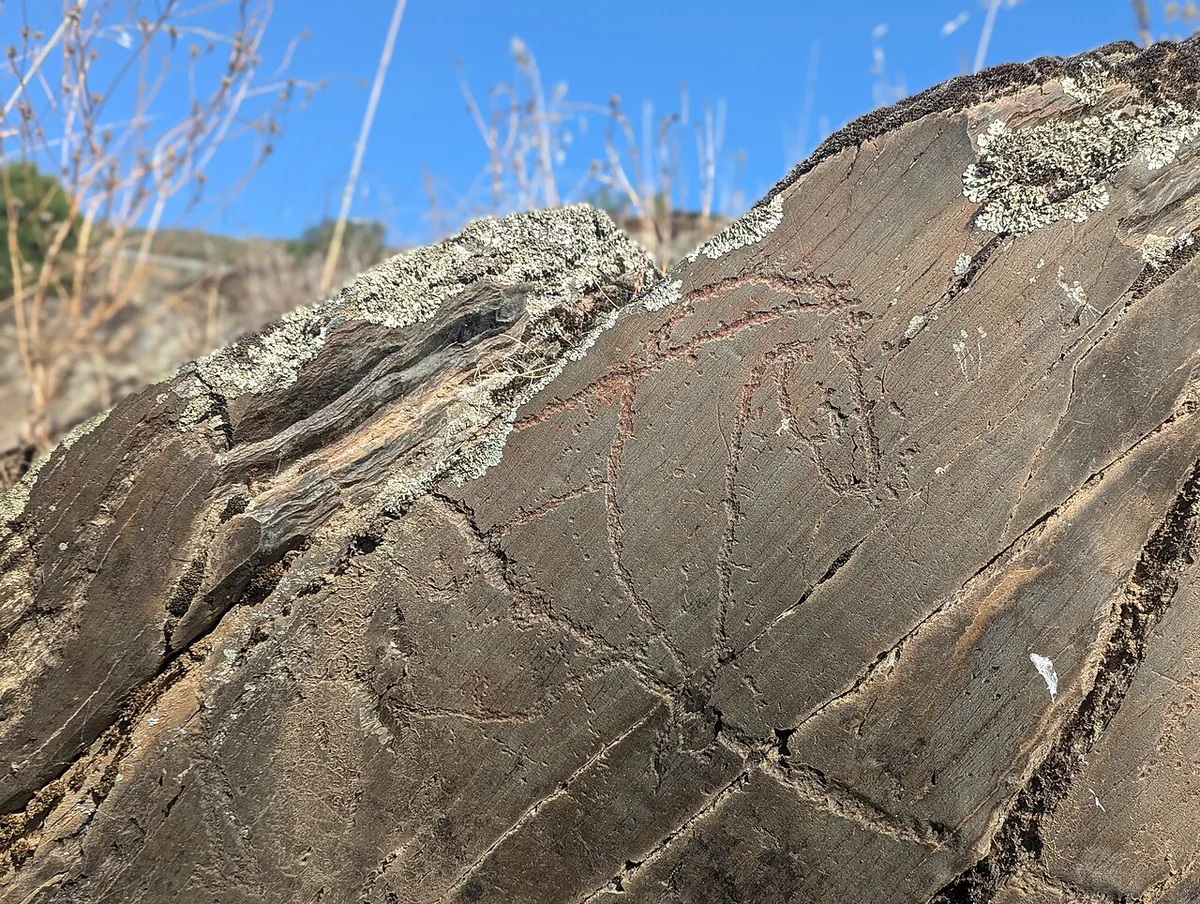
Expect engravings, not paintings. Artists pecked or incised animals into the schist, and many figures are small, shallow and faint. Pecking was used for bovids, equids and complex signs. Incision was used for deer and goats.
Horses dominate the site. One early panel shows a horse about 90 cm (35 inches) long surrounded by four smaller ones. Guides point out outlines that you would miss alone, and low light helps a lot.
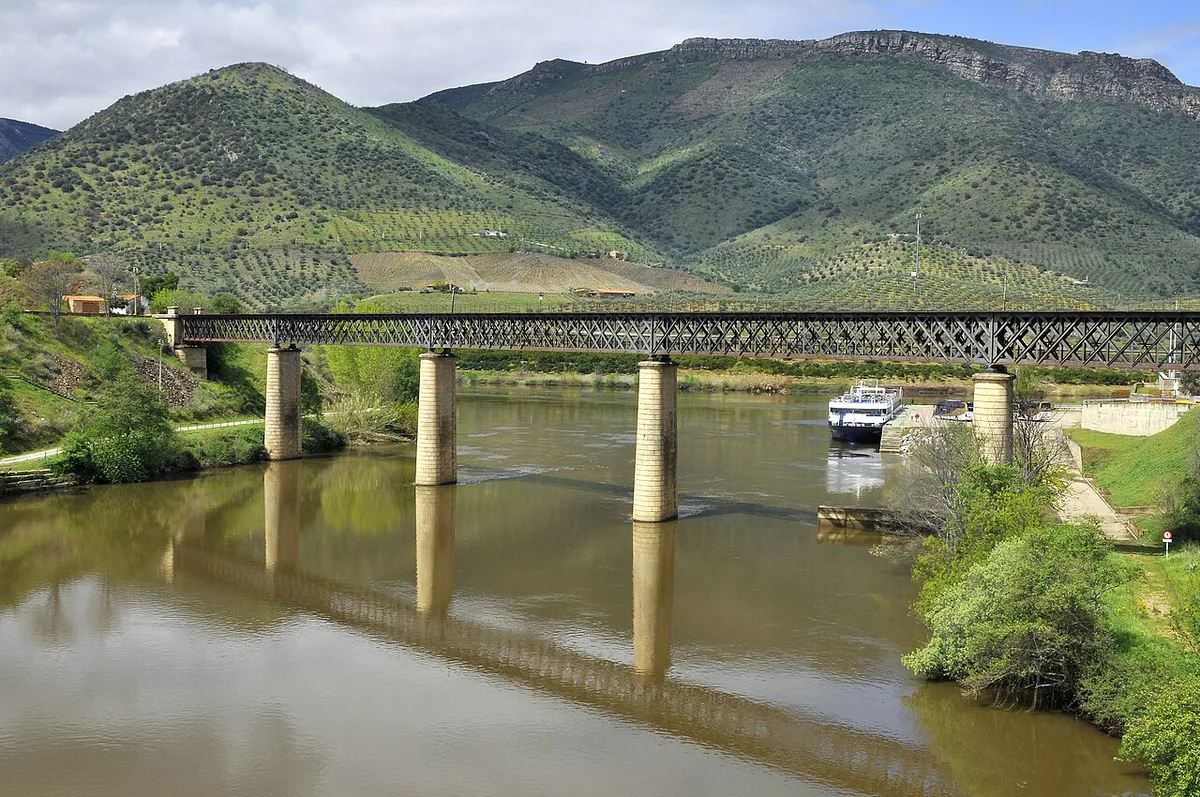
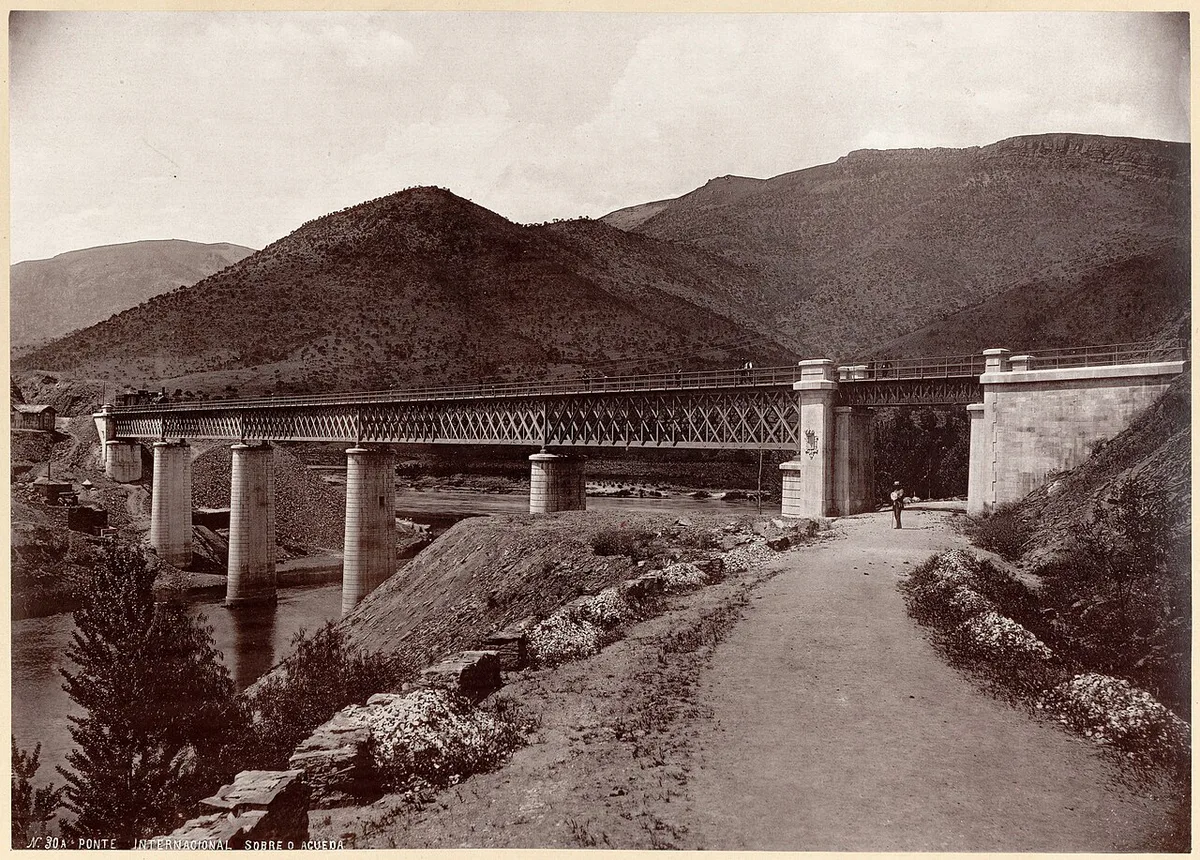
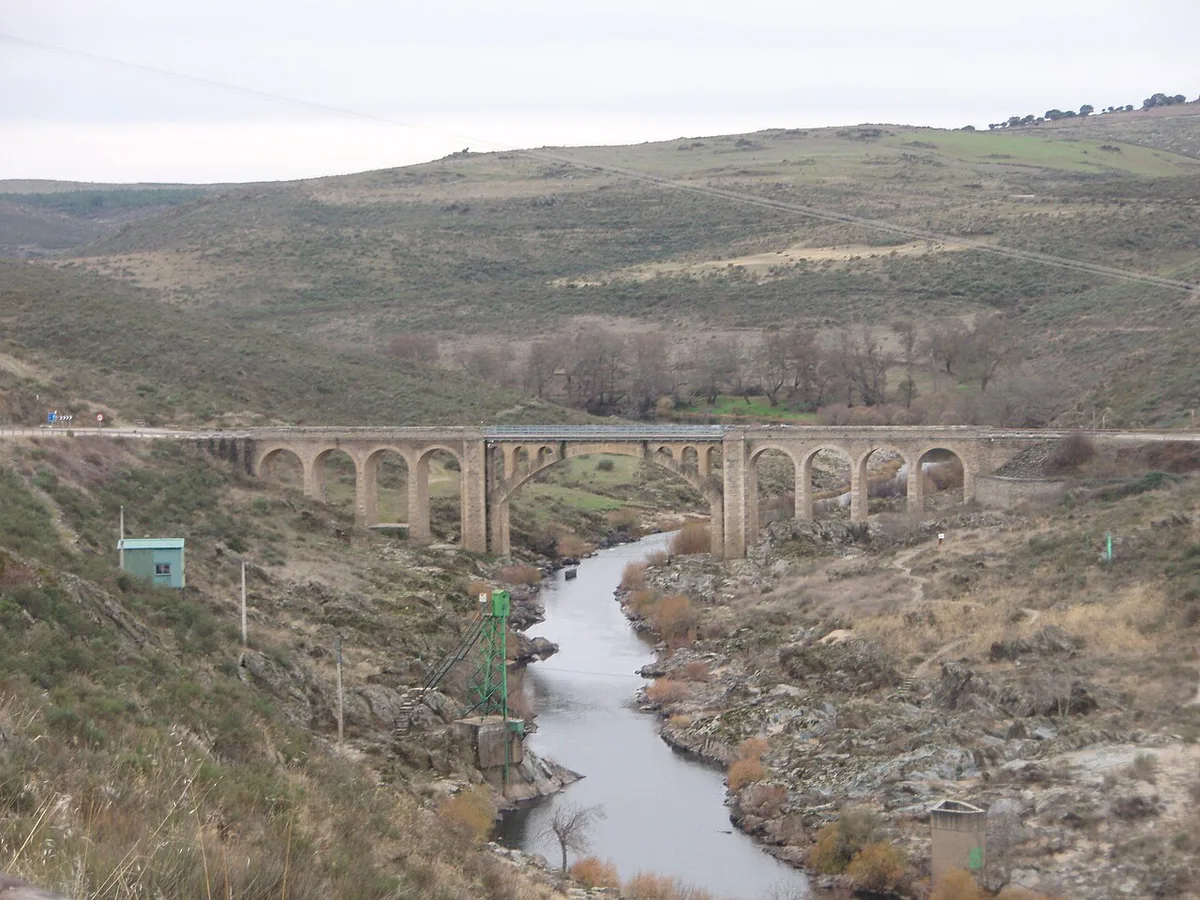
Near the bridge, one pier stands on an engraved rock. A horse body survives there with its head cut off by the construction. The pier shielded the remaining part from river floods, and it is said to be well preserved.
A visit also includes the interpretation centre. It covers Ice Age Europe about 20,000 years ago, engraving tools and dating methods. A short film adds context before you walk down to the river.
- You will love it if you enjoy rock art, prehistory or quiet riverside walks with a guide.
- You may be disappointed if you expect colourful cave paintings or big monuments.
- Families can enjoy it with older children who like animals and detective work.
- Photographers should plan for raking light and accept that faint lines often fail to show on camera.
Siega Verde guided tours: which one to choose
Three formats have been described for the site. The standard visit covers 5 decorated rocks. A longer visit covers 14 rocks, needs booking, and takes up most of a day. A night visit uses torches to bring out the engravings and runs with a small group.
Of 646 engravings across 91 decorated rocks, a standard tour sees only 5 rocks, so choose the longer visit if rock art is your main goal.
Group limits have been listed as 10 people for the longer visit and 8 for the night visit. Guiding has been offered in English and French as well as Spanish. Ask about your language when you book, because guide availability varies.
For most travelers the standard tour is enough. Choose the longer visit if rock art is the main reason for your trip. Choose the night tour if faint engravings are your concern, since torchlight raises relief.
| Option | What you see | Advance booking | Group size | Best for |
|---|---|---|---|---|
| Standard guided visit | 5 decorated rocks plus the interpretation centre | Yes | Check official site | First-time visitors, half-day trips |
| Longer guided visit | 14 decorated rocks | Yes | Up to 10 listed | Rock-art fans with a free day |
| Night visit | Engravings lit by torches | Yes | Up to 8 listed | Photographers and repeat visitors |
Siega Verde tickets, hours and booking
Guided tours have been listed at 11:00, 12:30, 16:00 and 17:30, with a ticket of €5 and year-round opening. Those figures come from an undated listing, so treat them as a guide to the format rather than a current timetable. The Castilla y León tourism portal is the place to check current hours and prices for Siega Verde.
Book before you drive out. You cannot wander the riverbank alone, and a missed slot can cost you the whole trip. Longer and night visits need more notice than the standard tour, so reserve them first and plan the rest of your day around them.
How to get to Siega Verde from Ciudad Rodrigo
The site lies at Puente la Unión, on the road between Castillejo and Villar de Ciervo. That is about 15 km northwest of Ciudad Rodrigo, or roughly 9 miles. Plan on driving, because no public transport option is confirmed for the last stretch.
Reach Puente la Unión 15 to 20 minutes before a 16:00 or 17:30 slot, since parking and the interpretation centre come first.
If you do not have a car, ask the Ciudad Rodrigo tourist office about taxis or organised transfers. Arrive 15 to 20 minutes before your tour so that parking and the interpretation centre do not eat into the guided slot. Small rural roads in Salamanca province can have roadworks, so allow extra time.
How to plan your time around Siega Verde
Allow a half-day for the standard visit. Book a morning slot, then spend the afternoon in Ciudad Rodrigo, which makes a simple base. A 16:00 or 17:30 tour suits a late start but leaves little daylight for anything else.
The longer visit changes the plan. With 14 rocks it fills most of a day, so treat Ciudad Rodrigo as an evening stop only. The night tour is the opposite: you can spend the day in town and drive out after dark.
Heat can matter on summer afternoons, because the riverside route has little shade. In wet weather the path can turn muddy, so wear sturdy footwear. These are general tips rather than official seasonal advice.
Combining Siega Verde with the Côa Valley
Siega Verde and the Côa Valley form a single UNESCO listing across the Spain–Portugal border. Both show open-air Palaeolithic engravings along a river. Siega Verde sits in Spain on the Río Águeda, while Côa lies in Portugal and has its own park and museum.
If you only have time for one, pick by geography. Choose Siega Verde if you are travelling through Salamanca province and want a compact guided visit. Choose Côa if you are already in northern Portugal.
A one-day combination is ambitious. Official sources should give current distances and opening times for the Côa Park before you commit. Do not assume you can finish two guided visits in a single day.
Where to stay and eat near Siega Verde
Ciudad Rodrigo is the most practical base, since it is the closest town and has the services the site lacks. Salamanca is the larger alternative if you want more restaurants and hotels, but it adds driving time. Look for lodging inside or near the old town of Ciudad Rodrigo so you can walk to dinner.
The Ciudad Rodrigo tourist office lists current hotels and restaurants. No food service is confirmed at the site itself, so eat in town before or after your tour.
Common mistakes and practical tips
Most problems come from planning the visit as if it were a monument. Avoid these errors.
- Turning up without a booking and finding no tour with space.
- Expecting cave-style painted art instead of faint engravings.
- Wearing smooth shoes on uneven riverside ground.
- Ignoring the forecast, since the route is outdoors.
- Booking a midday slot in summer when shade is scarce.
Siega Verde compared with Spain's cave sites
Cave sites show a different side of prehistoric Spain. Altamira Cave: Can You Visit It? Replica Guide is known for painted ceilings, while Siega Verde offers open-air engravings. Atapuerca centres on human evolution rather than art.
If you want another Castilla y León stop, Numantia covers a later Celtiberian story. Allow extra travel time if you combine it with this trip, because it lies in a different part of the region. Our guide to archaeological sites in Spain lays out the wider map.
Related guides

Continue reading
Guides on the same trip