
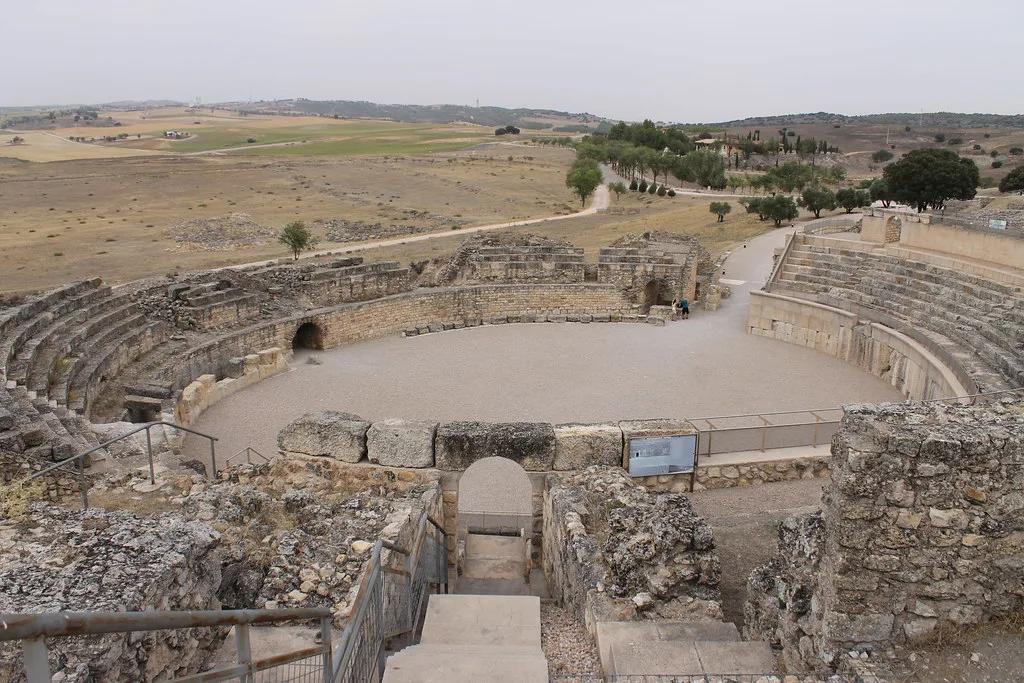
Last updated November 2026: Segobriga, written Segóbriga in Spanish, is a Roman hillside city near Saelices in Cuenca province, just over 100 km (about 62 miles) from Madrid. You walk among an excavated theatre, amphitheatre, forum and baths, with a Visigothic basilica above them. It suits Roman-history fans with a car and a free half day, and it disappoints anyone expecting Mérida-scale monuments.
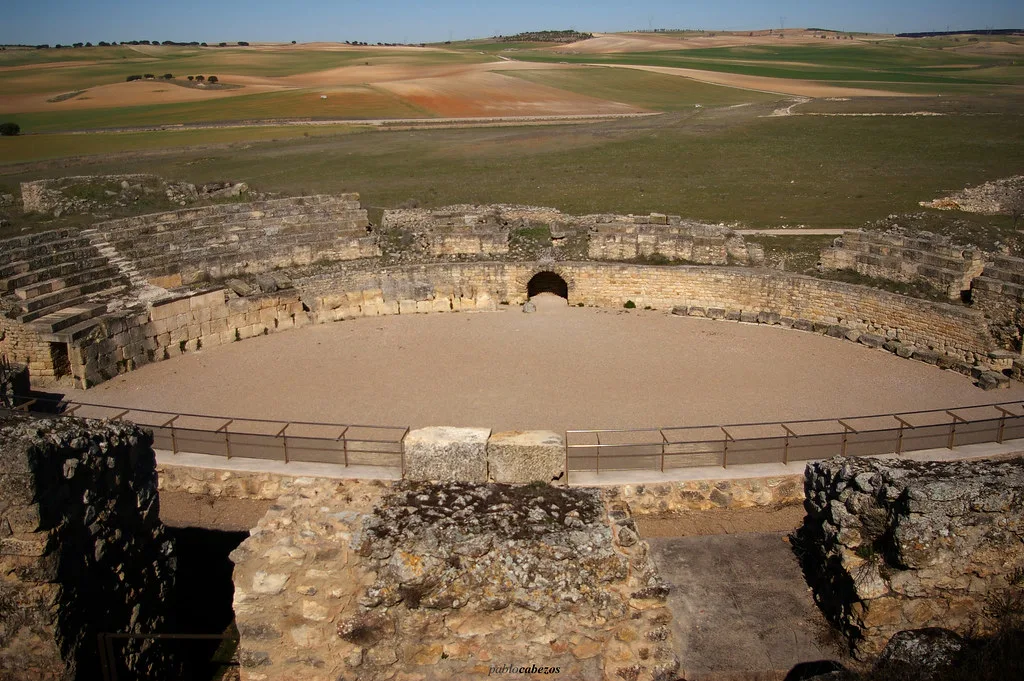
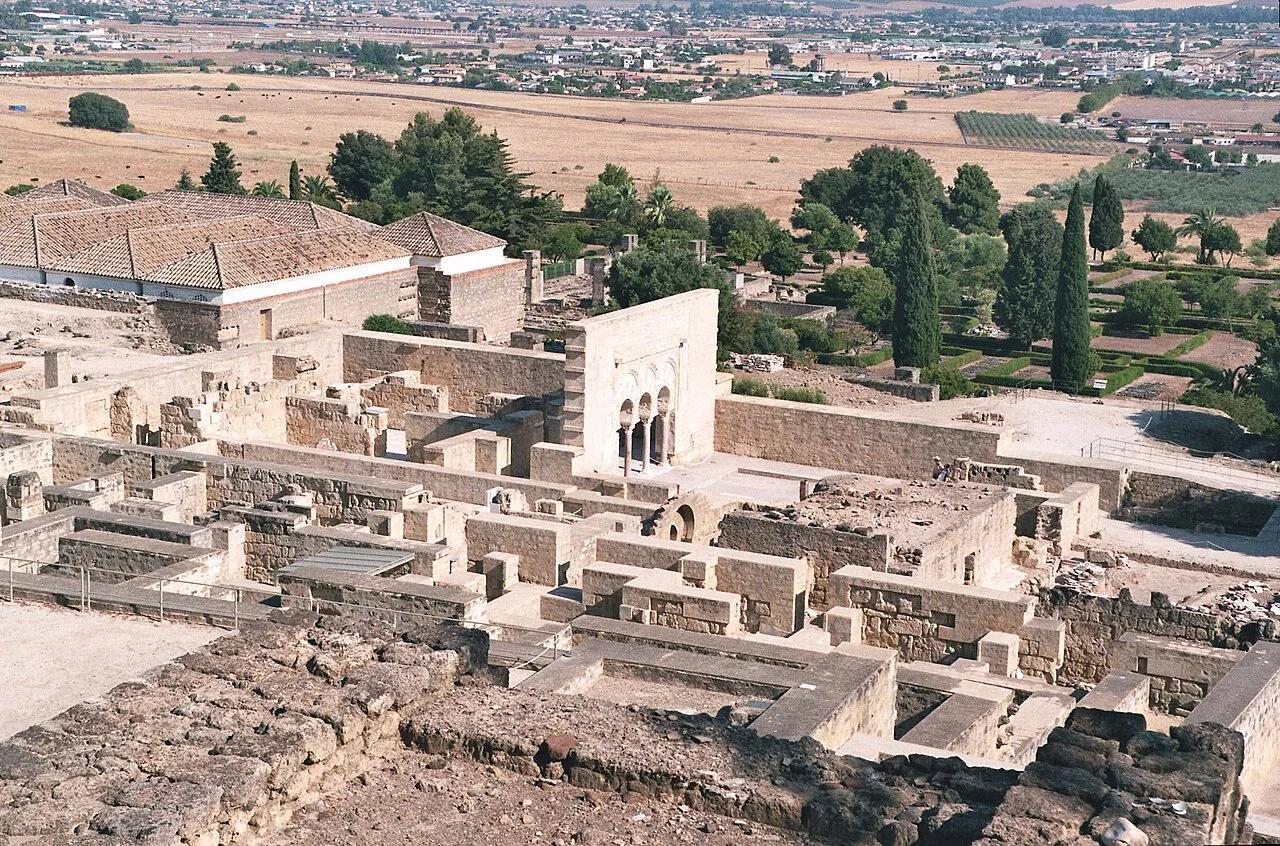
Featured image: viatorimperi, CC BY-SA 2.0, via Flickr.
Segóbriga at a Glance
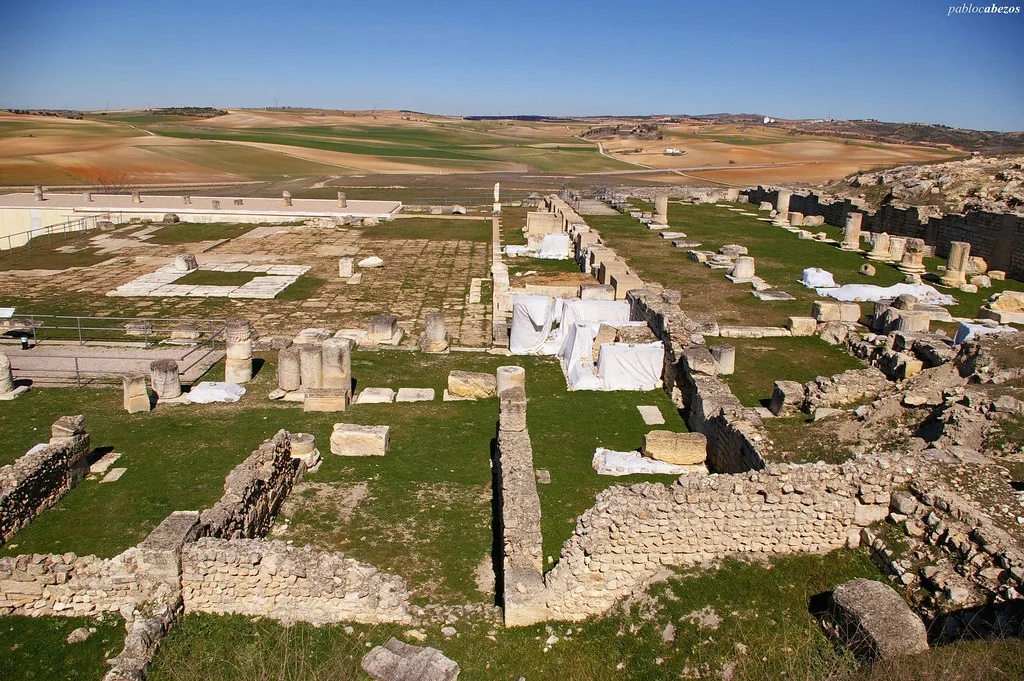
Segóbriga is an archaeological park on a hill in Saelices, Cuenca, in Castilla-La Mancha. Roman builders laid out a full town here, and the amphitheatre alone could seat about 5,500 spectators. Today you see a partly restored ruin, not a reconstructed city. A visitor and interpretation centre holds finds that were removed from the ground, including an original floor mosaic. Our verdict: worth a half day if you like Roman ruins and quiet sites. For more ancient places across the country, see our guide to 16 Archaeological Sites in Spain: Roman, Prehistoric and Islamic Ruins Worth the Trip.
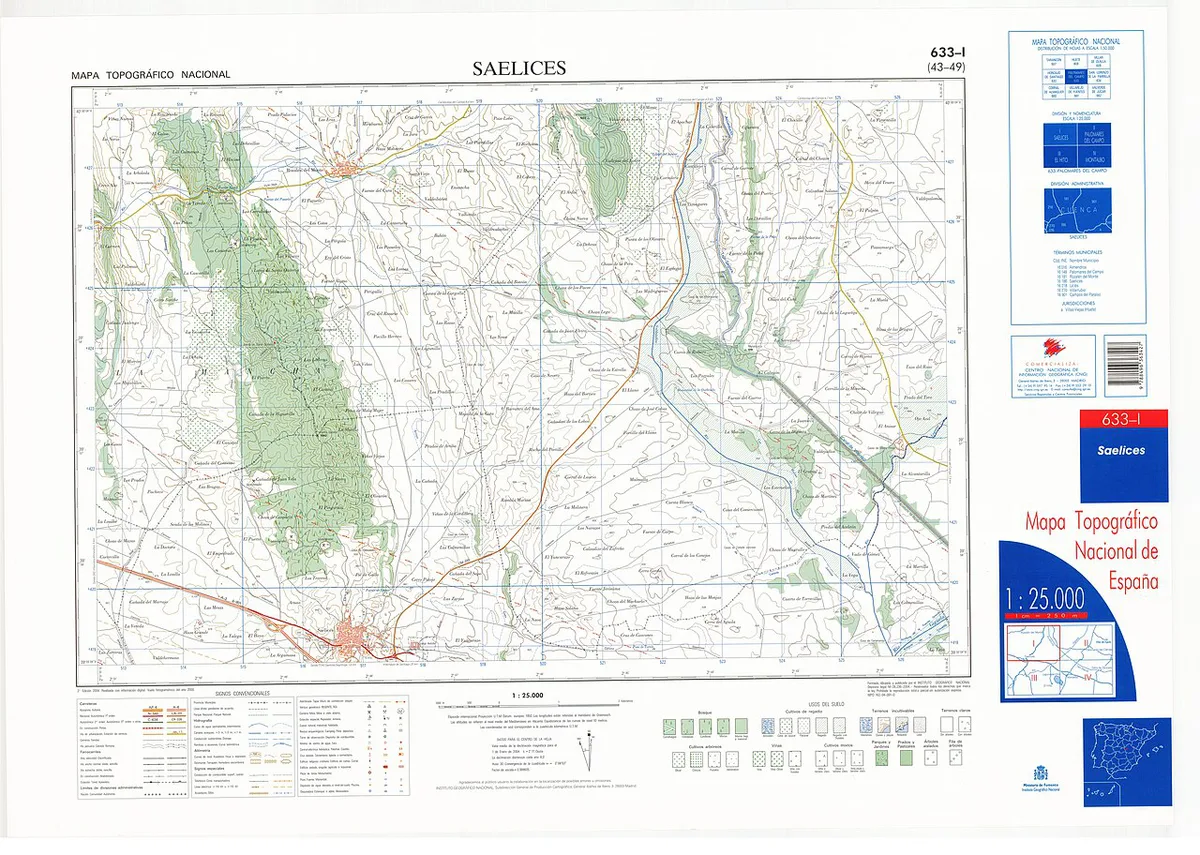
- Where: Ctra. Carrascosa de Campo a Villamayor de Santiago, s/n, Saelices (Cuenca)
- From Madrid: just over 100 km, roughly an hour or a little more by car
- Main sights: theatre, amphitheatre, forum, baths, walls, Visigothic basilica
- Best for: Roman-history and archaeology fans, drivers on the Madrid–Valencia corridor
- Skip if: you have one day in Madrid and no car
How to Get to Segóbriga from Madrid
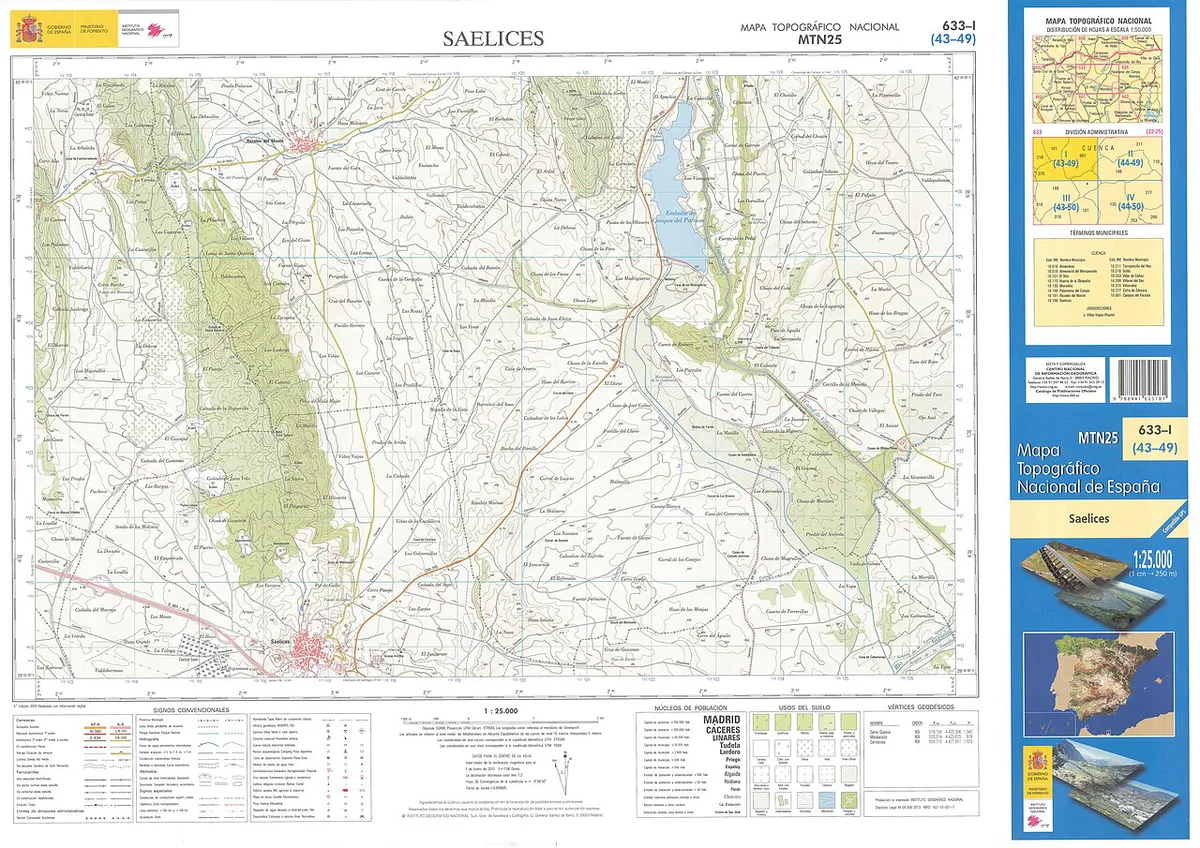
Driving is the realistic option. Saelices sits a short distance from the highway that links Madrid with Valencia, and the trip from Madrid takes about an hour or a little longer. Follow signs for Cuenca and then for Saelices, and use the official address above in your navigation app. We found no public bus or train to the site, so treat a car as required unless an operator confirms a service. Parking arrangements are not published in the sources we reviewed. Ask the interpretation centre before you set out.
| Option | Time | Flexibility | Note |
|---|---|---|---|
| Car from Madrid | About 1 hour or a little more | High | Just over 100 km; best choice |
| Car from Cuenca or Valencia | Varies by route | High | Easy add-on to a Madrid–Valencia drive |
| Public transport | No service confirmed | Low | Ask an operator before planning around it |
| Organized tour | Varies | Low | Check whether any operator currently runs one |
Tickets, Opening Hours, and Booking
Hours, ticket prices and closed days change by season, and no figure is safe to print here. Check the official Segóbriga website before you leave. The interpretation centre publishes a phone number, 629 75 22 57, and an email address, segobriga@dipucuenca.es. Ask them about parking, group visits and whether the site is open on your date. The Castilla-La Mancha tourism portal also lists regional heritage sites and any closures.
What to See: A Walking Order
Check the on-site map for the exact layout. The theatre and amphitheatre face each other and flank the main entrance to the Roman city. Begin there, then climb toward the forum and baths.
- Theatre: one of the smallest in Hispania, opened around AD 78 under Vespasian. The cavea is well preserved, and fragments of a monumental inscription are displayed.
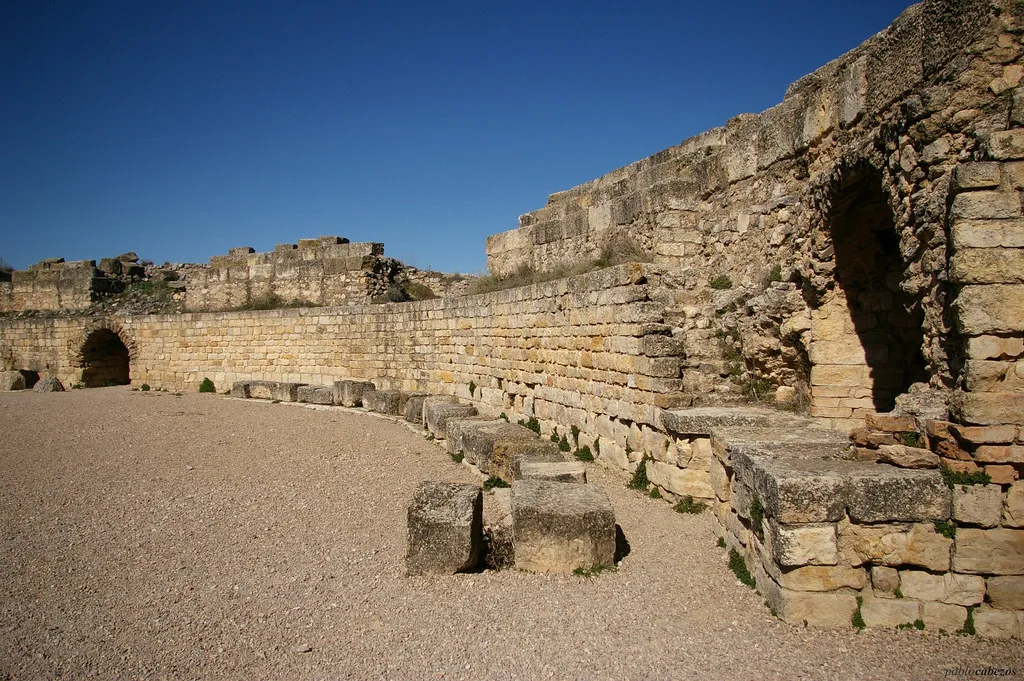
- Amphitheatre: about 75 m long and elliptical, with room for about 5,500 spectators. The north side rises more than 18 m on cut stone walls.
- Walls and gate: a circuit of 1,300 m built around 50 BC. Most of the line shows in the terrain.
- Forum and basilica: the civic centre, begun around 15 BC. Proculus Spantamicus paid for the square's paving and left a gilded bronze-letter inscription.
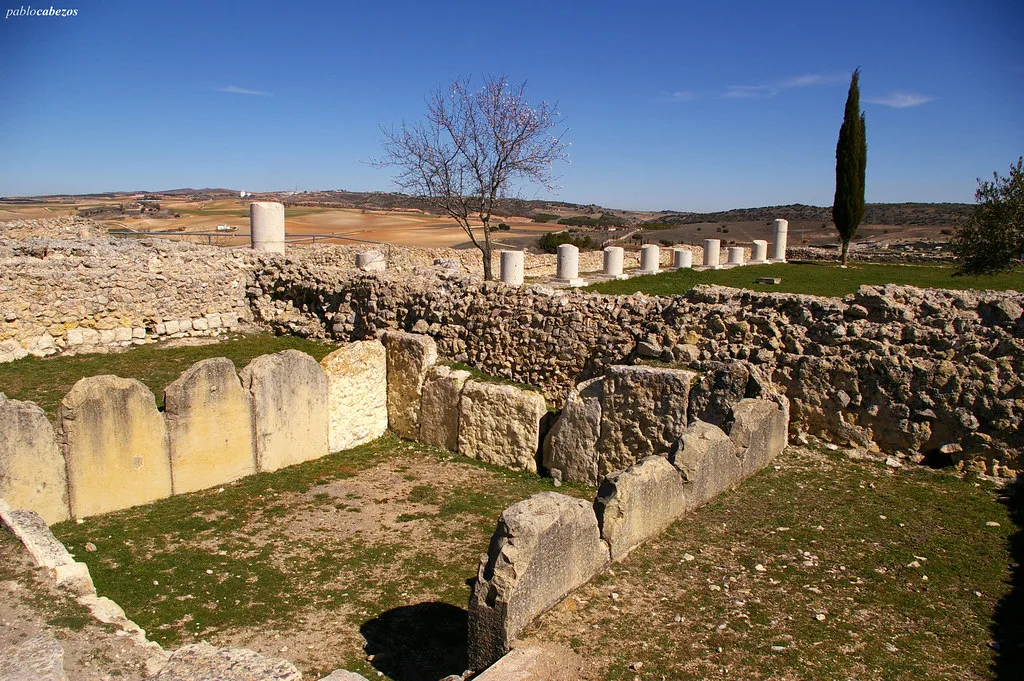
- Forum cryptoporticus: a vaulted substructure with seven stone pillars, rising 4.5 m.
- Theatre baths: about 350 m², with a changing room, dry sauna and hot bath over a hypocaust.
- Monumental baths: the largest bath complex in the city, with cold, warm and hot rooms.
- Procurator's house: built beside the monumental baths. The original mosaic from one room is in the interpretation centre.
- Visigothic basilica and hermitage: late layers on the same hill, a reminder that the site was used for centuries after Rome.
How Long to Spend and How to Plan the Day
Plan about 1.5 hours for the theatre, amphitheatre and forum. Add the baths, museum and basilica, and you have a half day. These durations are editorial estimates, not official figures. There is little shade on a hillside ruin, so bring water, a hat and sturdy shoes. Spring and autumn are more comfortable than midsummer afternoons.
With about 1.5 hours on site and a drive that takes an hour or a little longer from Madrid, the trip works best as a half-day commitment.
| Time budget | What you cover | Best for |
|---|---|---|
| About 1.5 hours | Theatre, amphitheatre, forum | Tight schedules |
| Half day | Adds baths, interpretation centre, Visigothic basilica | Most visitors |
| Full day | Adds a nearby stop such as Cuenca city | Road-trippers with a car |
The Story in Brief
Segóbriga grew from a Celtiberian hill-fort into a Roman city, with its walls dated to about 50 BC. Much of its wealth came from lapis specularis, a translucent gypsum used for window panes. Under Vespasian, a large hall opposite the forum was built for trading it. Pliny called the city Caput Celtiberiae, according to one visitor account. Later, Visigothic and early medieval residents reused the old buildings. Another Roman extraction site is Las Médulas gold mines.
Where to Eat, Stay, and Pair It
Do not assume food is sold on site, and bring snacks and water. Saelices is the nearest town, and Cuenca city is the provincial capital and the larger base for hotels and restaurants. We cannot name specific restaurants or hotels with confidence, so check current listings. For a Castilian archaeology route, pair this trip with Numantia. Another option is Clunia. Further afield, Sagunto lies toward the Valencian coast. For a southern comparison, read about Baelo Claudia Guide: Roman Ruins at Bolonia Beach, Tarifa.
Mistakes to Avoid and Who Should Skip
Avoid these common errors, and skip the trip if the last point describes you.
- Arriving without checking hours or closed days.
- Skipping the interpretation centre, where the finds and original mosaic are kept.
- Going in midday summer heat with no shade.
- Expecting food on site.
- Expecting Mérida- or Tarragona-scale monuments. This is an excavated hillside ruin with restored parts.
Related guides
Continue reading
Guides on the same trip