
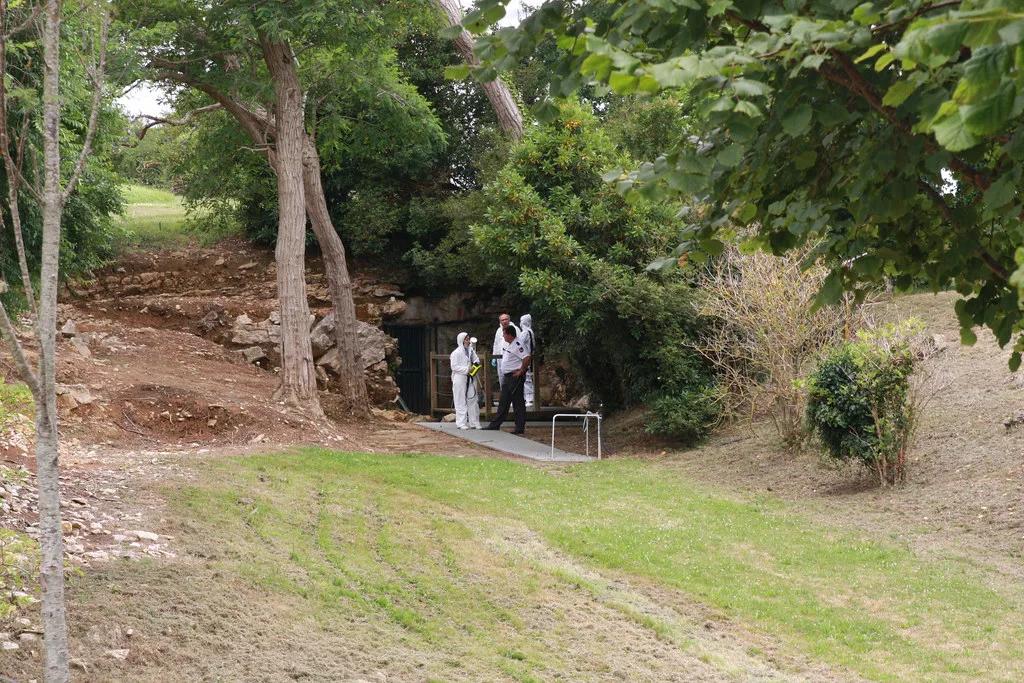
Last updated November 2026: Altamira Cave, near Santillana del Mar in Cantabria, is closed to ordinary visitors. The normal visit is the museum's full-scale Neocave replica, which sits beside the original cave. This guide explains what you can and cannot enter, how to plan the day, and how the art was found, doubted and dated.
Featured image: fernand0, CC BY-SA 2.0, via Flickr.
Can you visit Altamira Cave? The short answer
Not in the ordinary way. Altamira Cave is a UNESCO World Heritage listing, inscribed in 1985, and the original cave is under strict access control. Spain's official tourism board says only five people per week, or 260 per year, can enter by appointment. That waiting list dates from 2002 and is closed to new applications. Everyone else sees the art in the Neocave replica at the museum next door.
- Location: Santillana del Mar, Cantabria, northern Spain.
- UNESCO: inscribed 1985, reference 310.
- Real cave: closed to routine visitors and to new waiting-list applications.
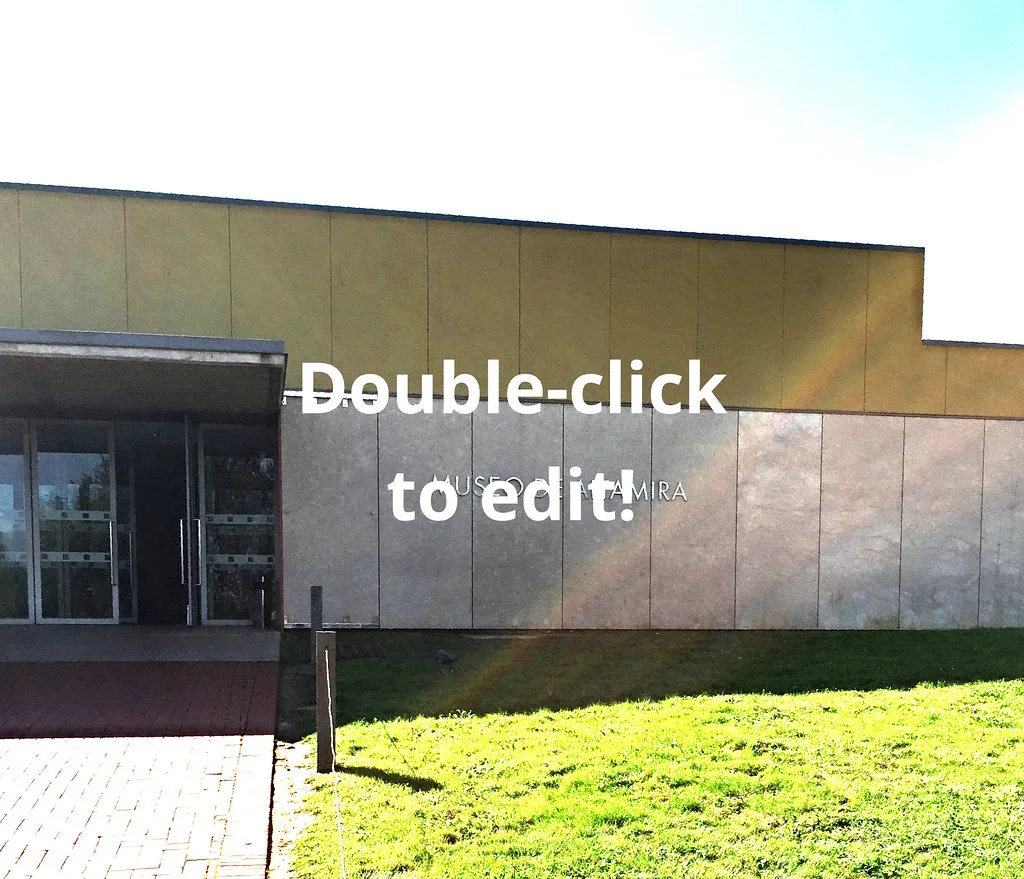
- Replica: the Neocave inside the Altamira National Museum and Research Centre.
- Museum address: Avda. Marcelino Sanz de Sautuola, 39330 Santillana del Mar.
Real cave vs the Neocave replica: which should you plan for?
Plan for the Neocave. Few travellers will ever hold an appointment for the original, and the replica is built to be seen. Spain's tourism board describes it as a carefully made copy of the cave as it looked in the Upper Paleolithic. The table below sets the two side by side.
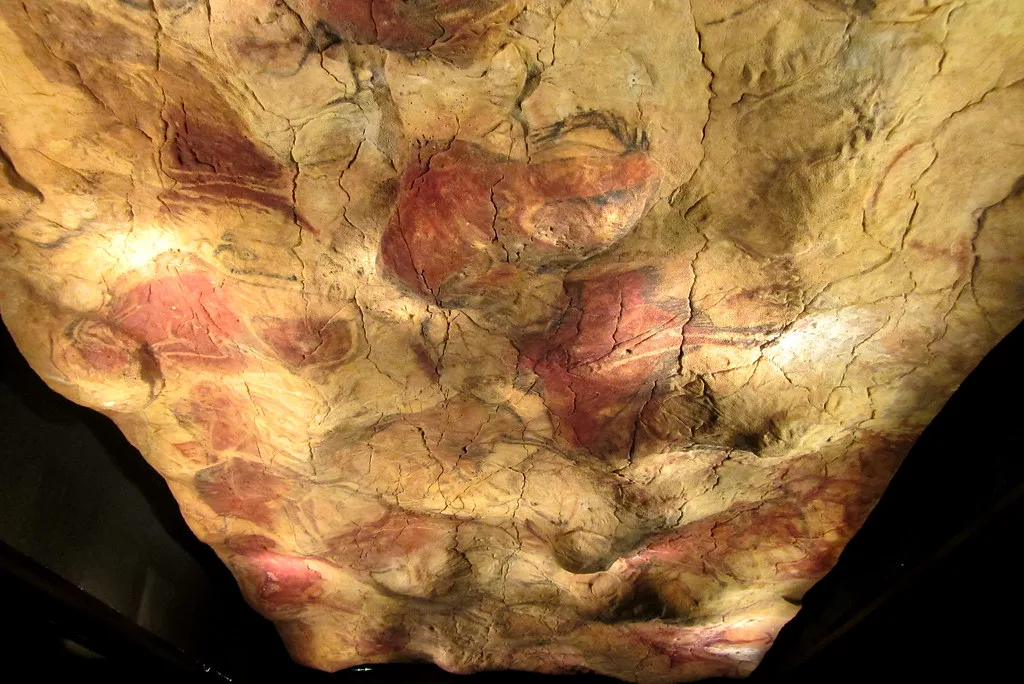
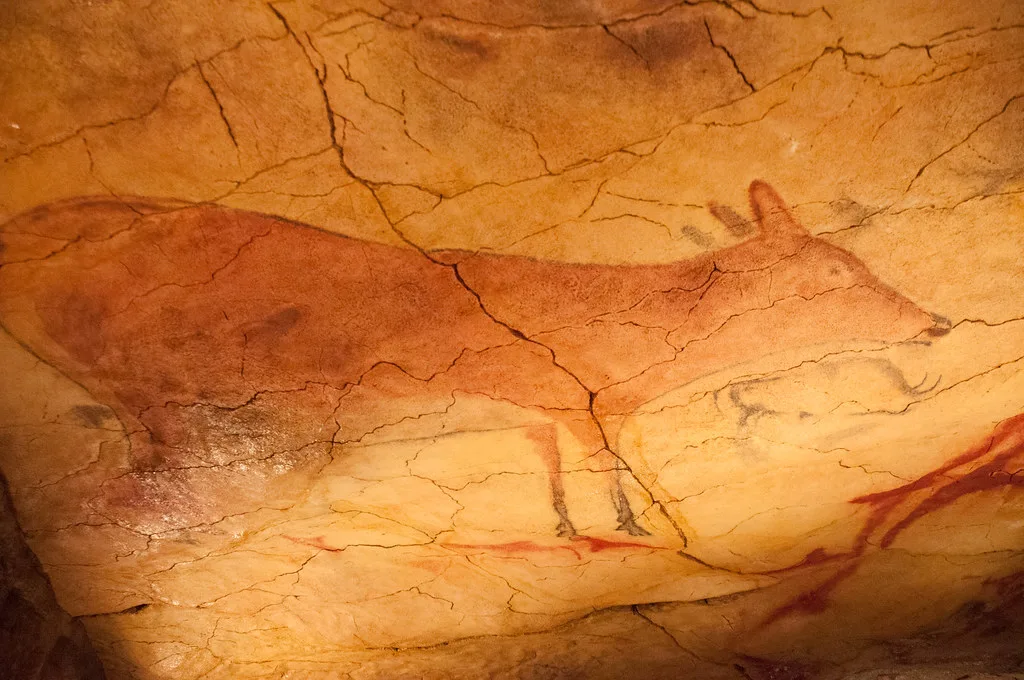
Polychrome Ceiling figures run 125 to 170 cm, and the Neocave reproduces them at full scale, so you can judge their size up close.
| Question | Real cave | Neocave replica |
|---|---|---|
| Access | By appointment only; five people per week; waiting list closed | Open to museum visitors |
| What you see | The original rock, its smell and its true scale | A full-scale reproduction of the cave and its art |
| Cost | No public ticket for the original | Ticket price is listed on the museum's official ticket page |
| Booking | No new applications accepted | Tickets sold through the museum's ticket page |
| Best for | The very few holders of a long-standing appointment | Almost every other traveller, including families and rainy-day visitors |
Real cave vs the Neocave replica: other copies of Altamira
Altamira has been copied elsewhere too. The National Archaeological Museum in Madrid holds a reproduction, the Deutsches Museum in Munich completed one in 1964, and Japan has one dating from 1993. Check each museum's current displays before planning a trip around a copy. The Neocave in Santillana del Mar is the only copy standing beside the original hill.
Altamira National Museum: what's inside
Altamira National Museum and Research Centre has two main draws. One is the Neocave, which shows the polychrome ceiling and a selection of minor works at a comfortable viewing distance. The other is the permanent exhibition The Times of Altamira, which covers prehistoric life on the Iberian Peninsula. Displays include fauna, shells, charcoal, and tools of flint, antler and bone. You also see pigment remains that show how the cave's inhabitants lived. The Neocave's hall area is arranged to show Altamira as a habitation site as well as a painted sanctuary. Behind the galleries, the centre runs research. A programme called The Times of Altamira began in 2003 and reconstructed the cave's history through new archaeology and new dates for the art. The museum has also hosted temporary shows, including one on San rock art from the Drakensberg. Read the museum's official site for what is currently on.
Tickets, opening hours and how to book
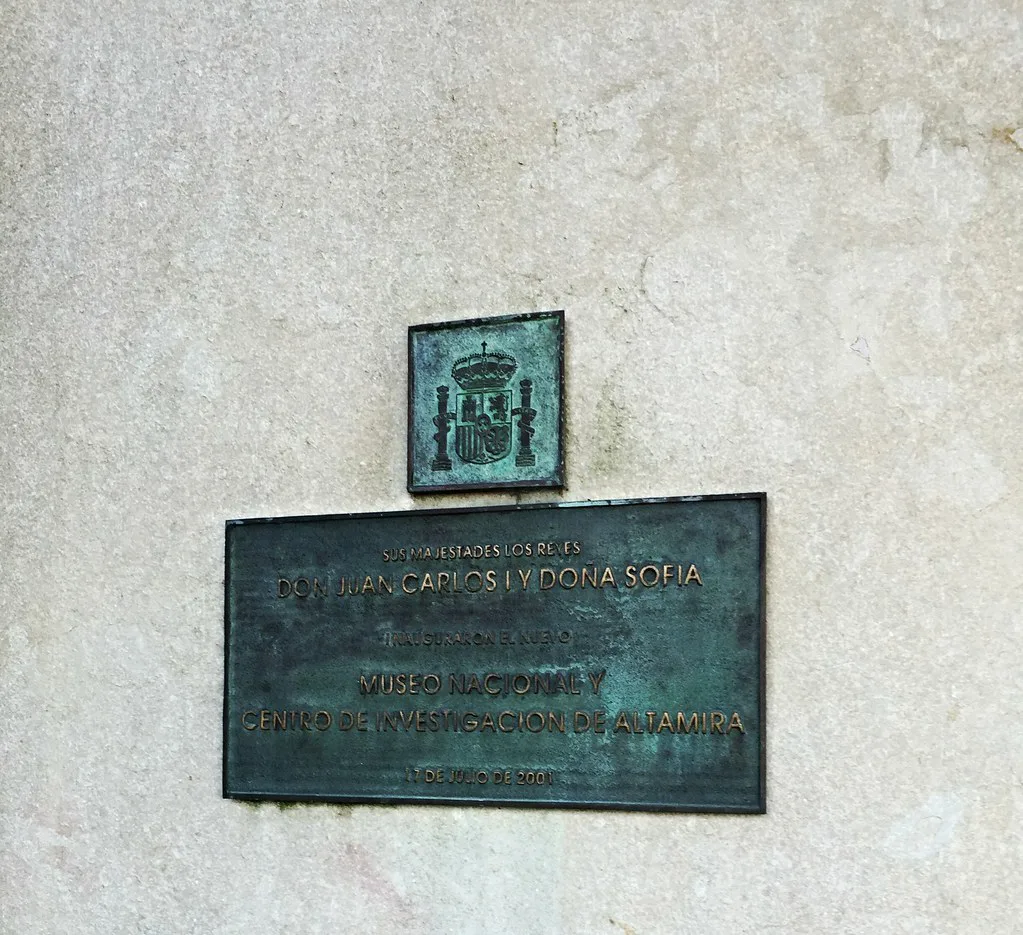
Tickets are sold through the ticket page on the museum's official website, which also lists current prices, hours and closed days. For questions, call +34 942 818 005.
- General information: informacion.maltamira@cultura.gob.es
- Group and booking enquiries: reserva.maltamira@cultura.gob.es
- Postal address: Avda. Marcelino Sanz de Sautuola, 39330 Santillana del Mar, Cantabria
Getting there and getting around
Altamira National Museum stands beside the cave on Avda. Marcelino Sanz de Sautuola, in the Santillana del Mar area of Cantabria. Drive times, bus options and parking change, so use the museum's visit page for current directions.
How long to spend and how to plan the day
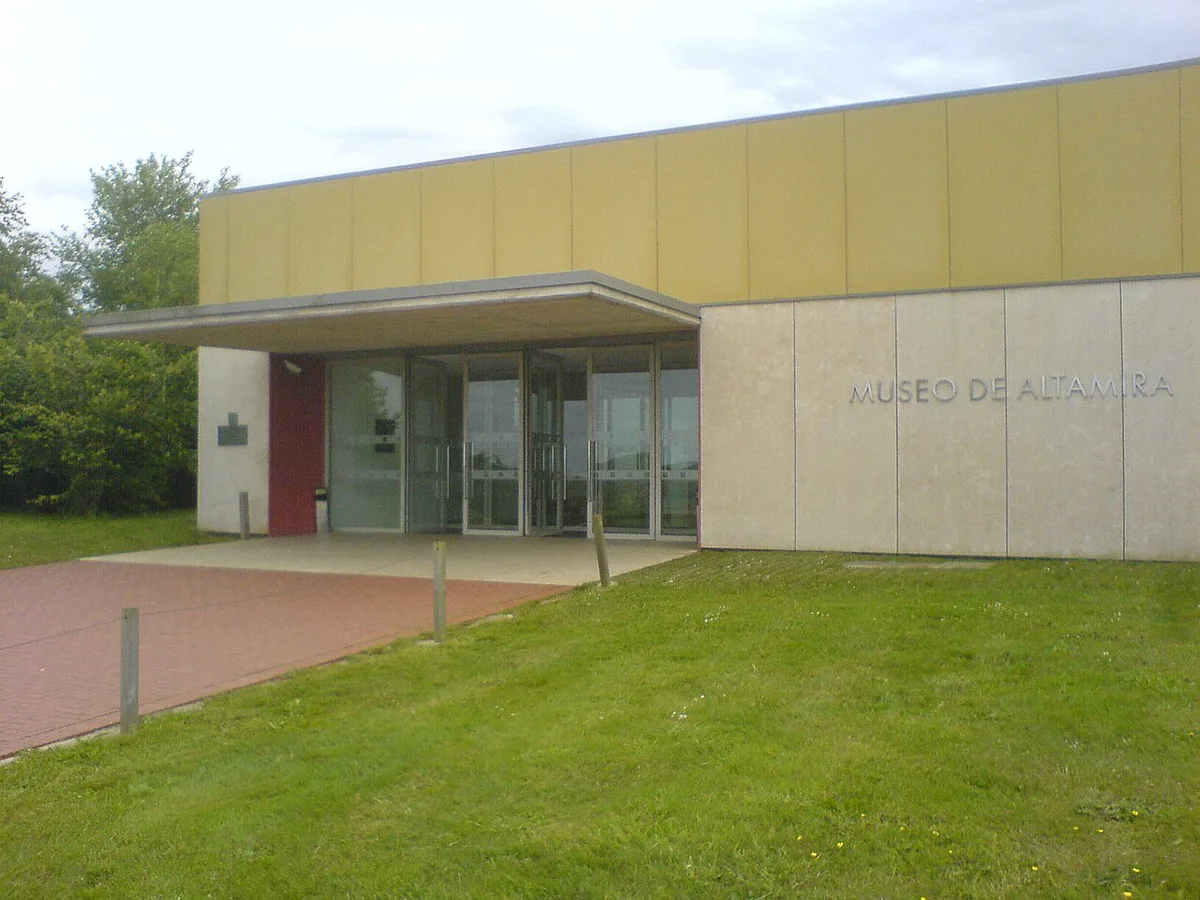
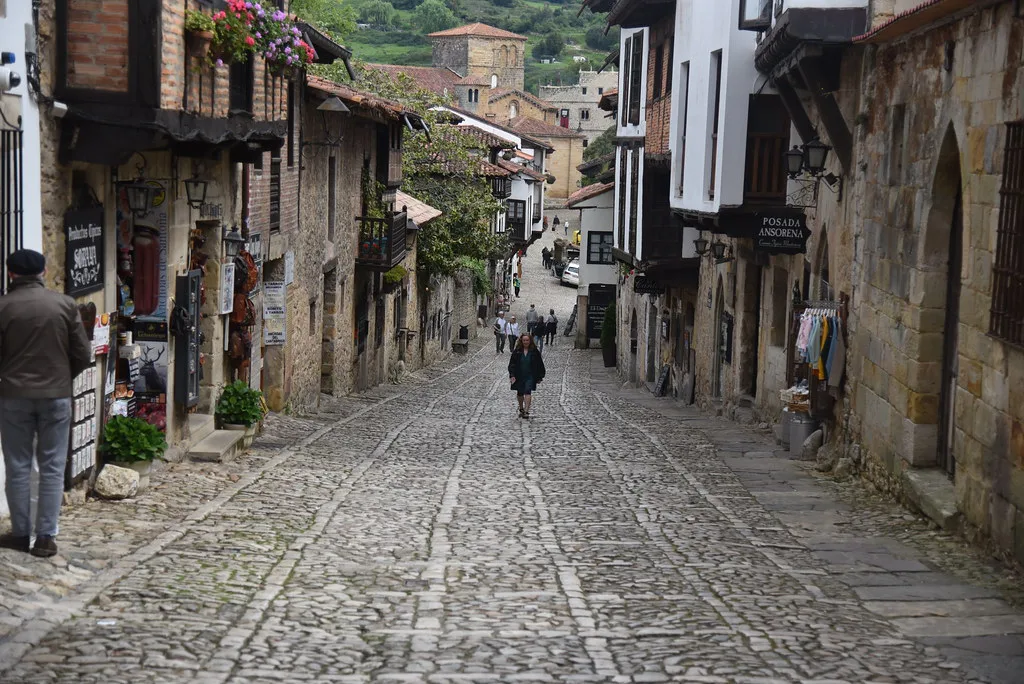
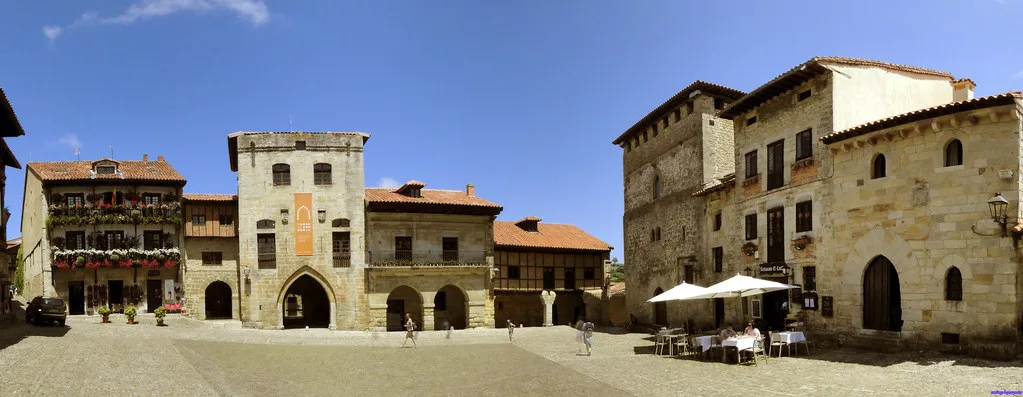
Match your plan to your interest, not to a fixed clock. Santillana del Mar pairs naturally with the museum, as the museum's own location suggests.
| Plan | Who it suits | What to do |
|---|---|---|
| Short stop | Road-trippers crossing northern Spain | Neocave and the highlights of The Times of Altamira |
| Half day | Art and archaeology enthusiasts | Full museum, then a walk in Santillana del Mar |
| Full day | Families and rainy-day travellers | Museum at a slow pace, a long lunch and an unhurried walk through the town |
What the Altamira cave paintings show
The cave is roughly 270 m (about 890 ft) long, with twisting passages and chambers. Its main passage runs from 2 m to 6 m in height. Human occupation stayed at the cave mouth, yet artists painted, drew and engraved along the whole length. They used charcoal, ochre and hematite. Diluting the pigment gave them a range of intensity and a sense of shading. Artists also used the rock's natural bulges and cracks. A swelling in the ceiling could become the haunch of a bison, and a crack could mark a flank. Together, these choices gave flat paint a three-dimensional feel.
The Polychrome Ceiling is the cave's best-known feature. It holds about 25 large figures, most of them bison, plus a hind and two horses. Figures run from 125 to 170 cm (roughly 49 to 67 in) in length, and the hind reaches about 2 m (6.5 ft). Outlines were engraved or drawn, and most bodies were filled with red from ochre. Some figures used yellow or brown, and several carry black shading.
Older work lies in the Ceiling of the Red Horses. It has eleven large red figures, mostly horses, between 150 and 180 cm long, along with hand outlines and rows of dots. None of these uses the rock's relief. Black figures were drawn in charcoal, which has allowed some to be dated by radiocarbon. Themes include horses, aurochs, red deer and human-like faces sometimes called masks. Engraved deer appear throughout the cave. In the Neocave you read all of this up close, so go slowly along the ceiling and compare the red and black work.
Discovery and the forgery controversy
Accounts differ on the first find. One version credits local tiler Modesto Cubillas with discovering the cave in 1868. Another says only that a local hunter found it after the entrance had been sealed by a rockfall. Both agree that amateur archaeologist Marcelino Sanz de Sautuola visited later and began serious exploration in 1879. His eight-year-old daughter María is credited with seeing that the markings were drawings. Spain's tourism board says Sautuola's discovery of the paintings in 1879 marked the worldwide recognition of Paleolithic cave art.
Sautuola published his findings in 1880, backed by the Madrid prehistorian Juan de Vilanova y Piera. Prominent French specialists rejected them. Critics doubted that prehistoric people could paint so well, and the paintings were thought too fresh to be ancient. Sautuola was accused of forgery, partly because the walls showed no soot. Later he suggested that marrow fat could burn with far less smoke.
In 1902, after similar finds elsewhere, Émile Cartailhac published a retraction titled "Mea culpa d'un sceptique". Sautuola had died 14 years earlier and never saw it. This story matters when you stand in front of the replica. The art that looked too good to be old was exactly that good, and you are looking at it.
How old is the art? What science says
Scientists do not fully agree on the age of Altamira's art, and sources give different ranges. Spain's tourism board gives a figure of some 14,000 years for the paintings, but that is a simplification. A 2008 uranium-thorium study found the paintings were made over as long as 20,000 years rather than in a short burst. A 2012 study in the journal Science dated calcite over art in 11 Spanish caves, including Altamira. It dated a red claviform-like symbol in the Polychrome Ceiling area at about 36,000 years. A red dotted horse in the same chamber came out at about 22,000 years. Those results show the paintings span more than 10,000 years.
The Bradshaw Foundation's account gives 35,559 to 15,204 cal BP for the art. The latest bison, a charcoal figure, dates to about 13,130 BP. A rockfall sealed the entrance roughly 13,000 years ago. Treat any single figure as a headline estimate, and expect museum labels to be more careful.
Other Cantabrian cave-art sites
Altamira anchors a wider UNESCO listing. In 2008 the World Heritage property was extended to cover 17 further decorated caves along the Cantabrian coast, under the name Paleolithic Cave Art of Northern Spain. Spain's tourism board names Covalanas as one. Other listed caves include El Castillo, Las Monedas, La Pasiega and Las Chimeneas at Monte Castillo, plus El Pendo, La Garma, Hornos de la Peña and Chufín. The listing also reaches Candamo, Tito Bustillo, Santimamiñe and Ekain. Many are small, fragile, or open only in limited groups. Check the Cantabrian government's culture pages for which can be visited and how to book before you plan a route. The Altamira museum's Times of Altamira exhibition also includes the main archaeological sites in Cantabria.
Where to stay
Santillana del Mar is the obvious base because the museum is in its municipality. Nearby towns offer more choice, and you can compare options on any booking site. Hotel names and prices change often, so no specific properties are recommended here.
Mistakes to avoid
A few assumptions cause most of the disappointment at Altamira.
- Assuming you can walk into the original cave. It is closed to routine visits, and the waiting list takes no new applications.
- Turning up without checking ticket rules. The museum's ticket page is the place to confirm prices and hours.
- Treating the Neocave as a generic copy. It is a full-scale reconstruction made with the museum's research behind it.
- Quoting one age for the art. Scientists give a wide range, from about 36,000 years for the earliest sign to about 13,000 for the last bison.
- Skipping The Times of Altamira. It explains who made the art and how they lived.
Continuing your Spain archaeology route
Altamira is one stop on a much longer map of ancient Spain. Our guide to archaeological sites across Spain collects them by region. For more Paleolithic sites, start with the Archaeological Site of Atapuerca. Then add Siega Verde rock art, which sits in Spain's rock-art tradition. If you are driving inland, ruins at Numantia and Roman Clunia belong to a different period altogether. The same goes for Las Médulas and Segóbriga. In the south and east, Baelo Claudia in Andalusia and Empúries in Catalonia are separate trips. Plan them separately rather than assuming an easy link to Cantabria.
Frequently Asked Questions
Are the caves of Altamira real?
Yes. The original cave exists beside the museum, and its art is the Paleolithic work that Sautuola published in 1880. Most visitors see the Neocave, a full-scale replica, because access to the original is strictly limited.
What is one reason that the Altamira cave is significant?
Altamira was the first place where Upper Paleolithic rock art was identified as such. That identification was disputed until Cartailhac's 1902 retraction. UNESCO inscribed the cave in 1985.
Is Finding Altamira based on a true story?
Yes, loosely. The 2016 film Altamira, released as Finding Altamira outside Spain, dramatises the cave's discovery and the controversy around Sautuola.
Related guides
Continue reading
Guides on the same trip