
Empúries (Ampurias) Guide: Greek and Roman Ruins on the Costa Brava
Last updated November 2026: Empuries, spelled Empúries in Catalan and Ampurias in Spanish, is a Greek and Roman port town beside the sea at L'Escala on the Costa Brava. Greek Neapolis and Roman Emporiae stand next to each other, so one walk covers both civilisations. Go if you want ruins with a sea view and a clear Greek-to-Roman story, and read our wider list of Spanish ancient sites if you are building a longer trip.
Featured image: daves_archive _inactive at current time, CC BY 2.0, via Flickr.
Is Empuries worth visiting?
Yes, if you want to see a Greek colony and a Roman city in one place. Greek colonists from Phocaea founded Emporion, meaning "trading place", around 575 BC. Rome later built a separate colonia, Emporiae, beside it. That split is what makes the site unusual in Spain. Anyone searching for Greek ruins in Spain will find the clearest example here. Skip it only if you dislike open, exposed ground or want a quick photo stop.
Empuries tickets, hours and time to allow
Ticket prices, seasonal hours and last-entry times change, so read them on the official MAC Empúries page before you set off. The same page covers the museum, guided visits and accessibility.
How to get to Empúries
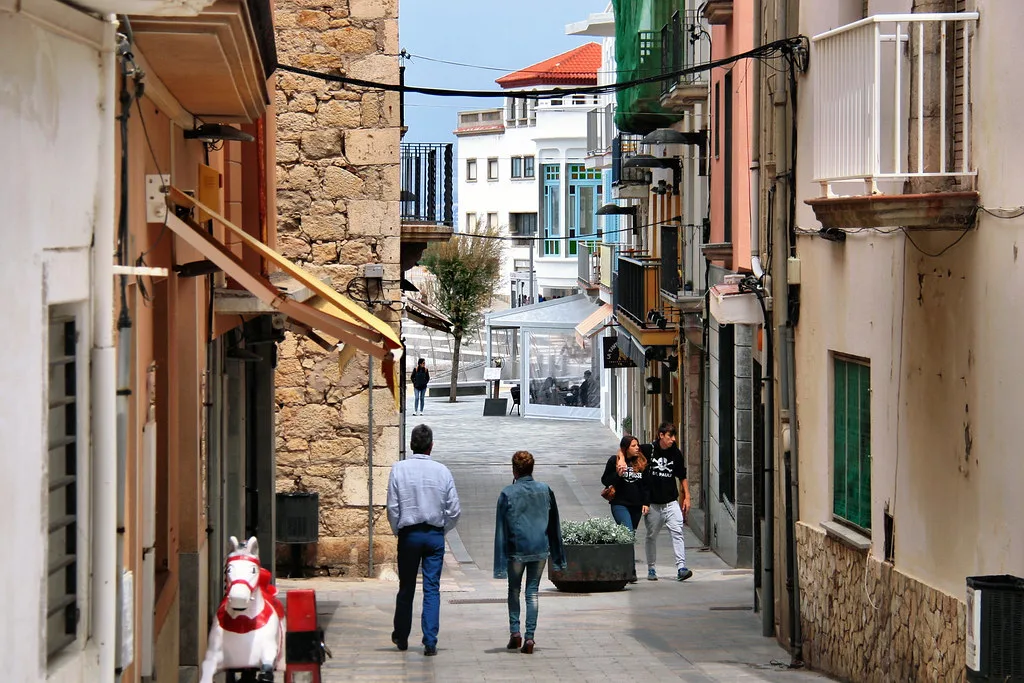
The ruins lie midway between L'Escala and the small village of Sant Martí d'Empúries. There is car parking at the site, and a traffic-free coastal walk leads there from L'Escala. Bus and train links from Barcelona and Girona are listed by Catalonia's tourism portal, which is the place to check current operators.
What to see: Greek Neapolis, Roman city and museum
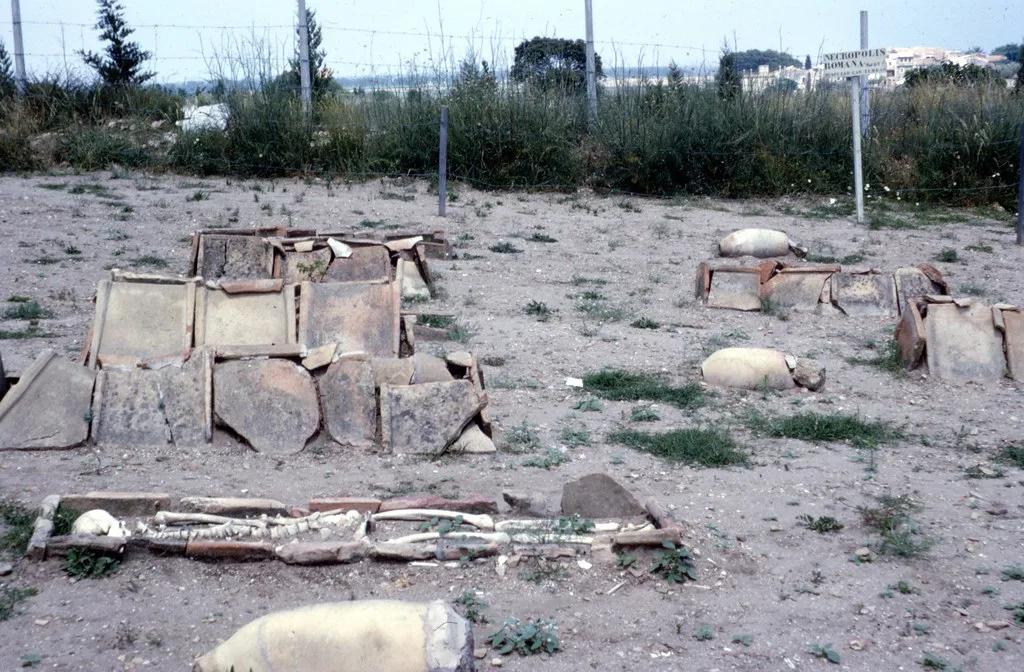
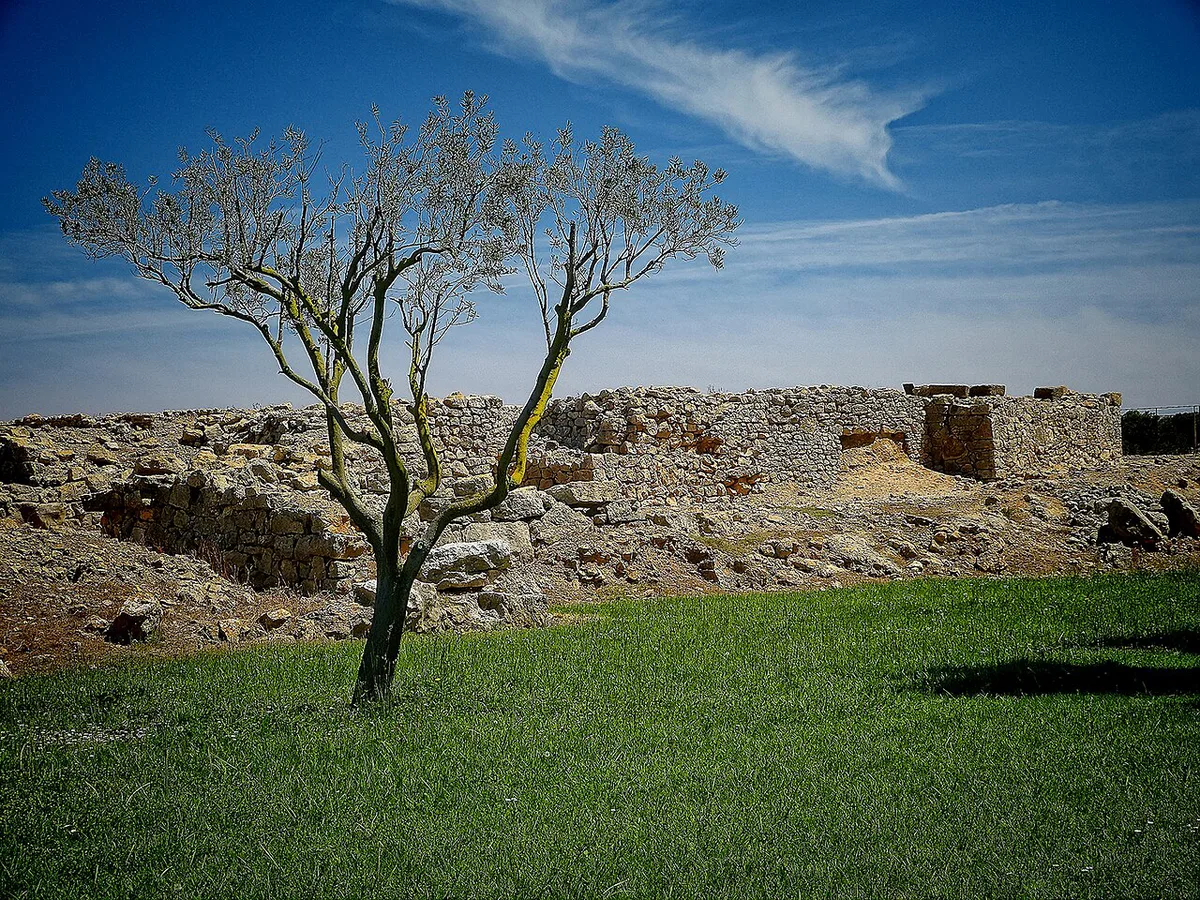
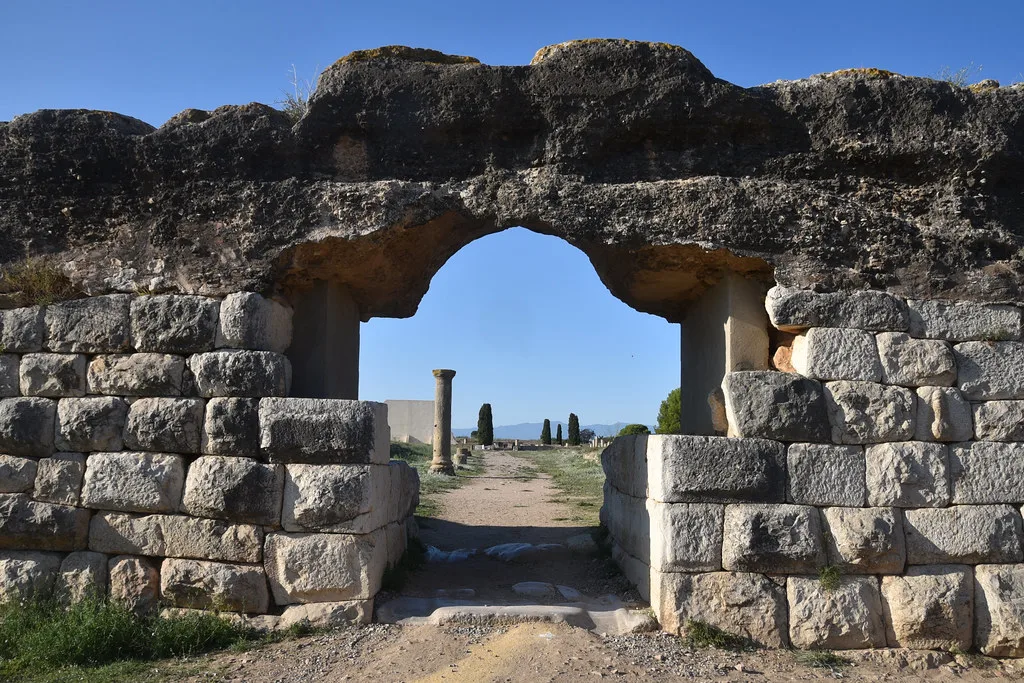
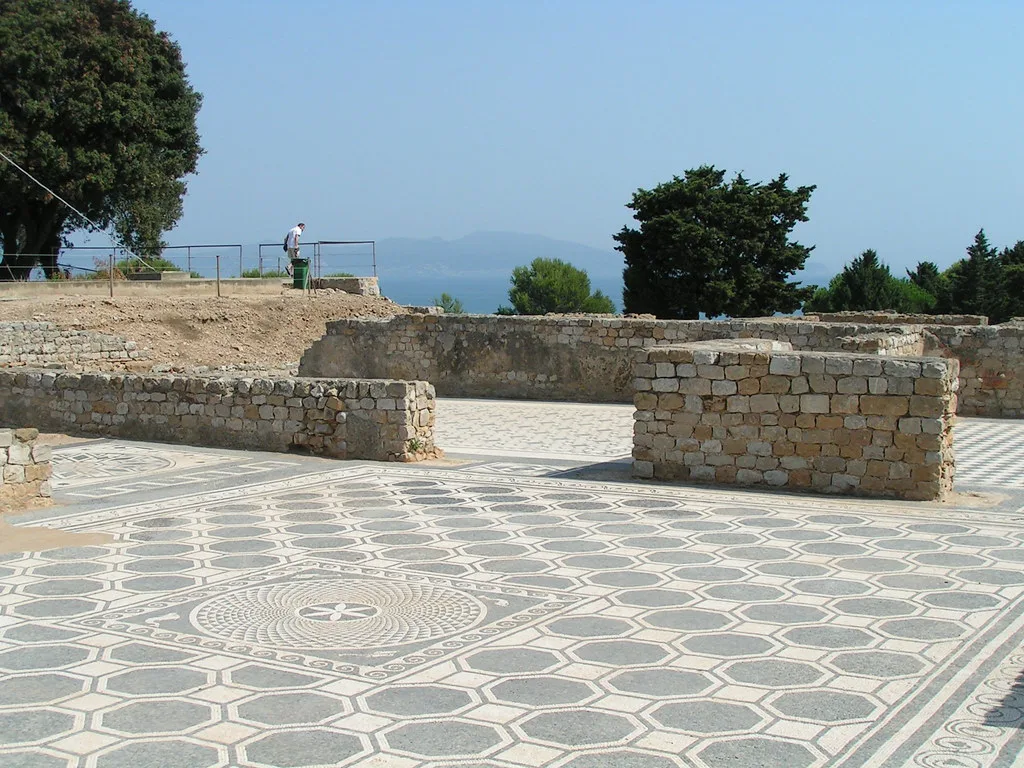
Start on the Greek side. Neapolis, the "new city", dates from about 550 BC and sits inside a walled precinct of roughly 200 by 130 m. Its temples include those of Asclepius and Zeus-Serapis, and an older shrine to Artemis stood there first. Walk on to the agora and the harbour mole. The Roman city is larger than the Greek one, and only some 20% of it has been excavated. Its streets follow a grid that meets at the forum, with a Capitoline temple, a basilica and a curia. Large houses with floor mosaics stand in the eastern part. Outside the wall, which was built in the 2nd century, you can find an amphitheatre and a palaestra.
- Must-see: the Greek temples, the harbour mole, the Roman forum and the mosaic houses.
- Worth the time: the museum, which puts the finds in context before or after the walk.
- Skippable if rushed: the amphitheatre and palaestra outside the wall.
Suggested route by time available
Follow the same order on any budget: Greek Neapolis, then the Roman city, then the museum. That sequence matches the history, so first-timers are not lost.
Only 20% of the Roman city has been excavated, so plan the Roman half of any route around what is visible.
| Time budget | Route | Add if you can |
|---|---|---|
| Short visit | Neapolis, Roman forum, mosaic houses | Harbour mole views |
| Longer visit | Neapolis, Roman city, museum | Amphitheatre and palaestra |
| Half day | Full site and museum | Sant Martí d'Empúries and a beach stop |
Best time to visit and what to bring
The ruins sit on an exposed coast, so shade is scarce and midday summer sun is the main problem. Bring water, a hat and sturdy shoes, and aim for morning or late afternoon.
Sant Martí d'Empúries, the beach and where to stay
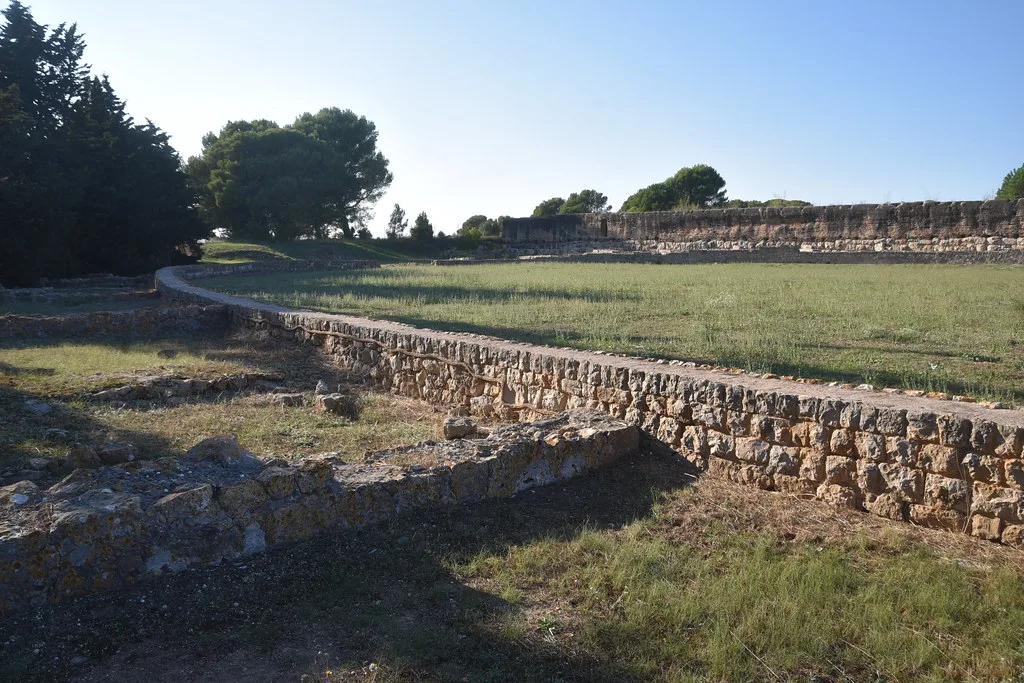
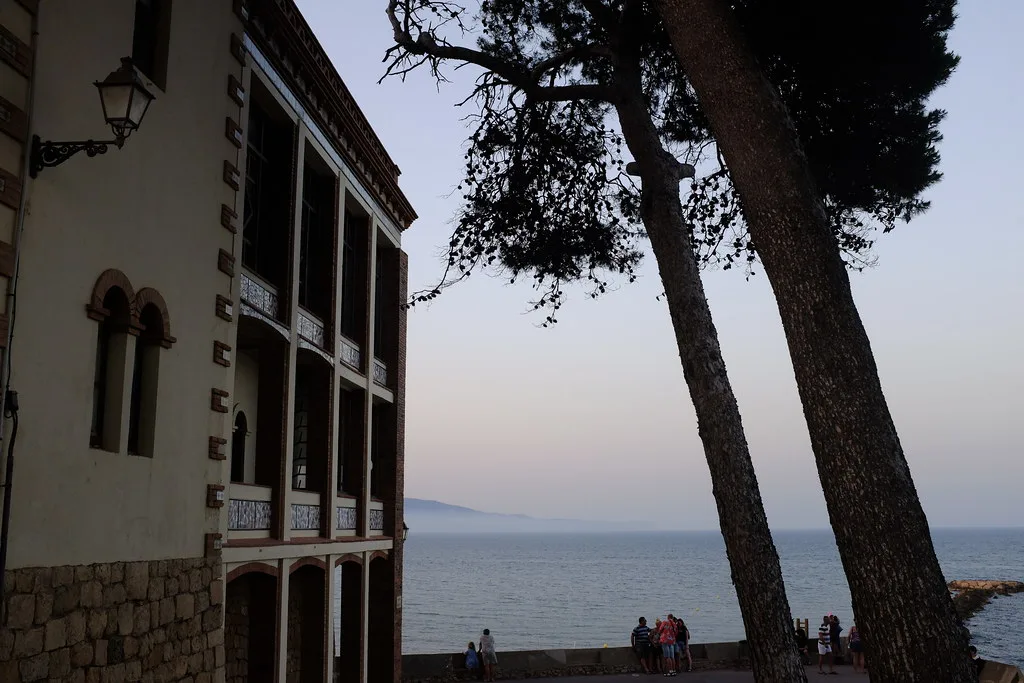
Sant Martí d'Empúries is a medieval village built on the former Palaiapolis island, the "old city" of the first Greek settlers. That island has joined the mainland, and the old harbour has silted up. Little has been excavated there. Stay in L'Escala for beaches and the coastal walk, or in Sant Martí for a quieter base beside the ruins. Girona works as a day-trip base. Visitors in Barcelona can pair this trip with Roman Barcelona on another day. Nearby, the Iberian settlement at Ullastret makes a natural second stop in the same region.
Sant Martí village is medieval, but the island it sits on was settled by Greeks around 575 BC.
Empúries compared with other Spanish ancient sites
Empúries is the only entry here that pairs a Greek town with a Roman one. Other Roman-era sites in our list offer different settings.
| Site | Era | Setting |
|---|---|---|
| Empúries | Greek and Roman | Coastal port town, Costa Brava |
| Ullastret | Iberian | Catalonia, same wider region |
| Roman port town at Baelo Claudia | Roman | Coastal town |
| Roman remains at Sagunto | Roman-era | Valencia region |
| Roman city of Segobriga | Roman | Inland |
Short history for context
Greek colonists settled the island Palaiapolis around 575 BC. About 550 BC they moved to the mainland and founded Neapolis. Scipio began Rome's conquest of Hispania from here in 218 BC. A Roman colonia, Emporiae, followed beside the Greek town. Excavations began in 1908 and are described as ongoing.
Mistakes to avoid
Three errors catch most first-time visitors.
- Arriving at midday in summer, when the site has little shade.
- Skipping the museum, which explains what you are looking at.
- Assuming the Roman city is fully excavated, when most of it still lies underground.
Frequently Asked Questions
Are there Greek ruins in Spain?
Yes. Empúries on the Costa Brava preserves Greek Neapolis, with temples, an agora and a harbour mole. It stands beside a Roman city, so you see both periods in one visit.
Related guides
Continue reading
Guides on the same trip