
Last updated November 2026. Clunia, or Colonia Clunia Sulpicia, is a Roman city on a high plateau at Peñalba de Castro in Burgos province, Spain. It suits Roman-history fans and road-trippers crossing Castile and León, because the site has a large theatre, a forum, baths and mosaics. Plan on driving, and read our guide to archaeological sites in Spain if you are still choosing between ruins.
Featured image: Harold Litwiler, Poppy, CC BY-SA 2.0, via Flickr.
What Clunia Is and Why It Matters
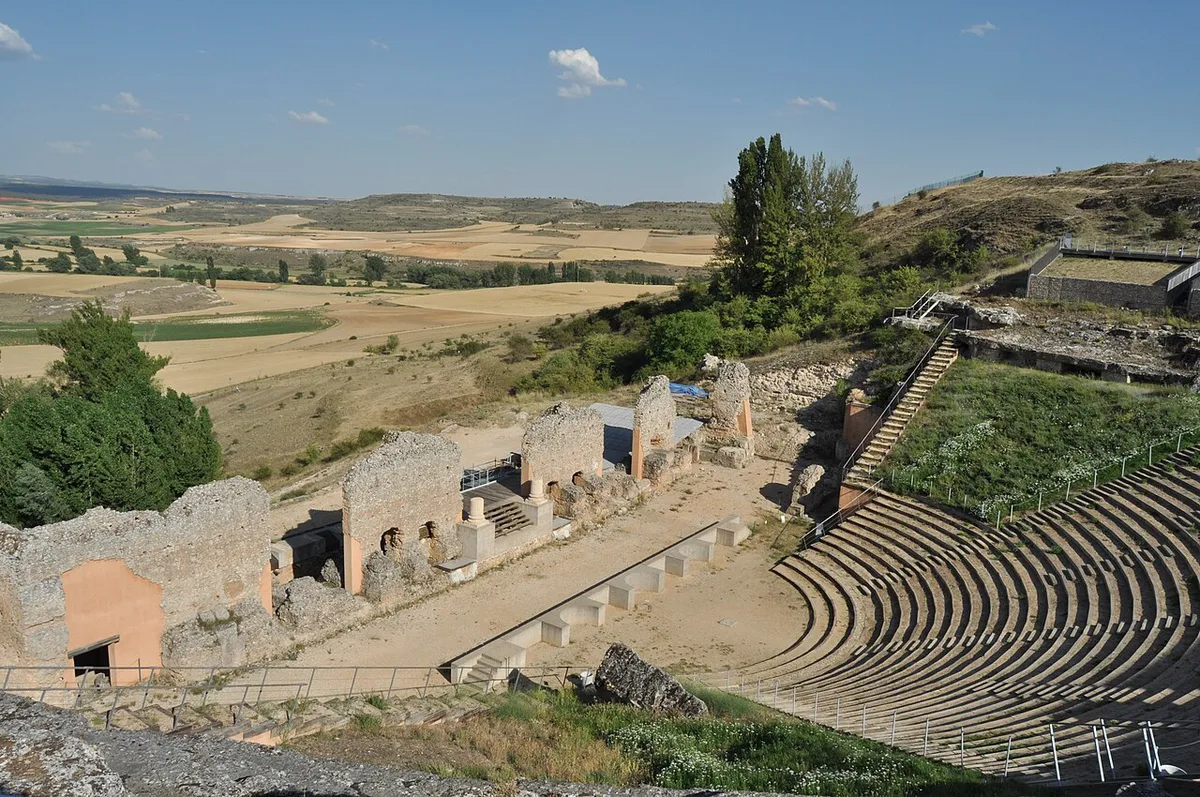
Clunia was a Roman city called Colonia Clunia Sulpicia. Its ruins sit on a plateau at Peñalba de Castro, in Burgos province. This guide covers Clunia in Spain only. Don't confuse it with Cluny in France, which is a separate town with a medieval abbey.
Clunia's History: From Celtiberian Hilltop to Galba's Proclamation
The plateau at Peñalba de Castro was settled before Rome arrived. The Roman city grew on a Celtiberian hilltop community and later took the name Colonia Clunia Sulpicia. The high ground made it easy to defend and gave it wide views over the surrounding Castilian countryside.
Under Rome, Clunia became an administrative centre for a large part of northern Hispania. It is best known for one moment in 68 AD, when Servius Sulpicius Galba, then governor of the province, was acclaimed emperor here. The proclamation set off the chain of events that ended Nero's reign, so a quiet plateau in Burgos province sits at the start of the Year of the Four Emperors.
What the layout tells you
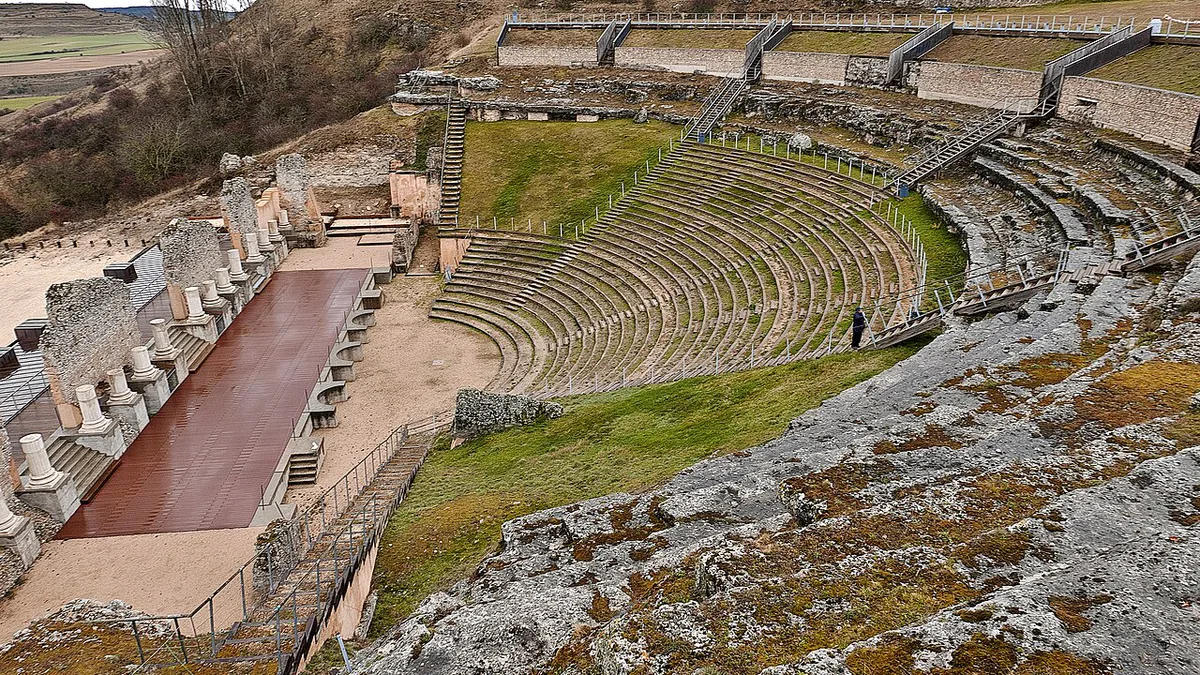
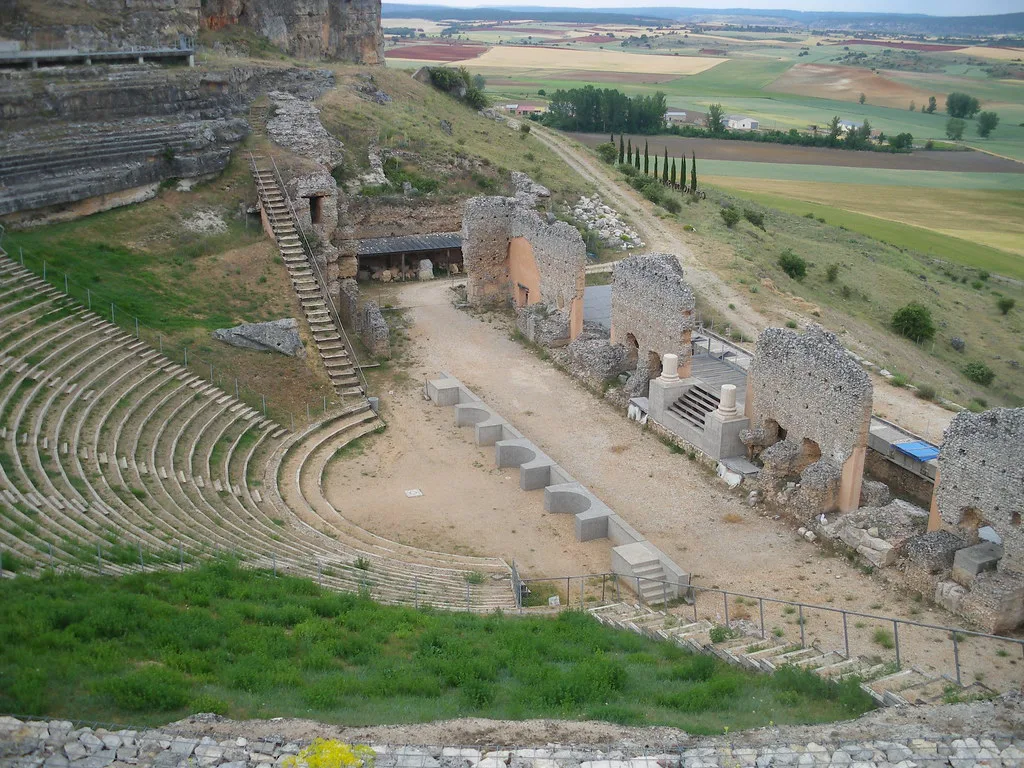
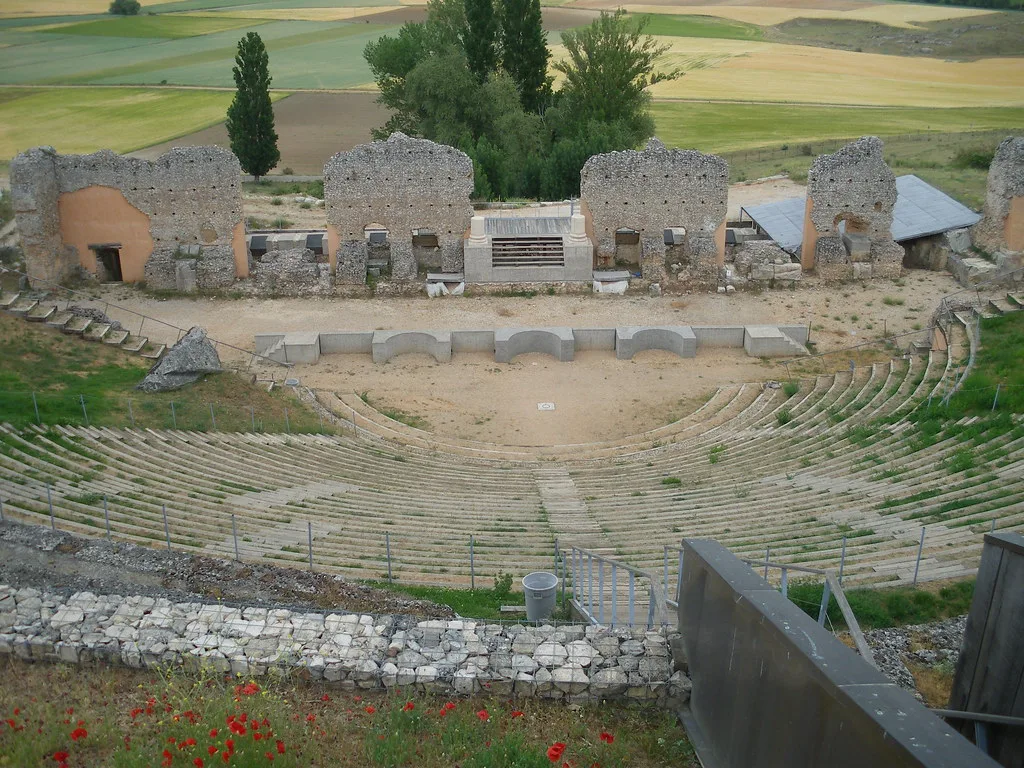
- Theatre: built into the slope of the hill, which is why it reads so clearly from the seating area.
- Forum: the civic and religious heart of the town, where public business was done.
- Baths and houses: these show the domestic side of a provincial Roman city, including the mosaic floors.
The setting today
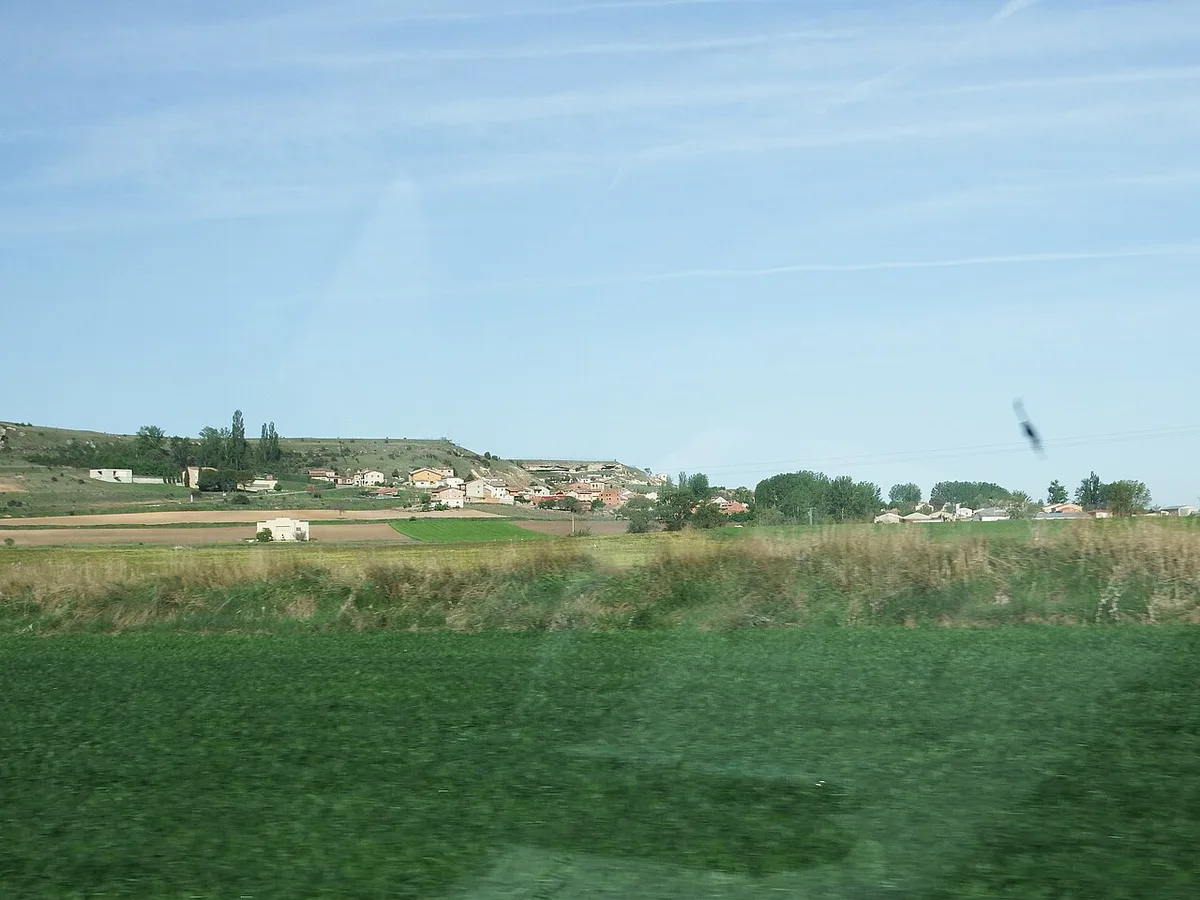
The ancient city covered far more ground than the modern village of Peñalba de Castro, which is tiny. That is why the site feels empty and why services nearby are minimal. Wide skies and open farmland are part of the experience, but plan food, water and fuel before you arrive.
Finds from the excavations are kept partly in regional museums, so if you want pieces displayed in a gallery setting, ask the site or the Burgos tourism office what is currently on show.
What You'll See at Clunia
Clunia is an open-air city site, so you walk the layout of a Roman town rather than a single monument. Local video coverage also points to an underground element, so ask the site about access to it.
- Large theatre: worth it if you want one big, readable Roman structure.
- Forum: worth it if you like picturing the civic centre of a provincial city.
- Baths: worth it if you are curious about daily Roman routines.
- Mosaics: worth it if floors and decoration matter more to you than walls.
Is Clunia Worth the Detour?
Go if you enjoy Roman cities and have a car. Skip it if you rely on public transport or expect a museum-style visit with full interpretation. For a coastal comparison, see the Andalusian Roman town at Baelo Claudia Guide: Roman Ruins at Bolonia Beach, Tarifa. On the Catalan coast, Empúries pairs ruins with a museum. For another Roman theatre, try the Roman site at Segóbriga. Celtiberian history fans can add the siege site at Numantia.
| Site | Access | Best for |
|---|---|---|
| Clunia | Remote plateau; plan on a car | Theatre, forum, baths and mosaics in open country |
| Baelo Claudia | Coastal site in Andalucía | Roman town beside the sea |
| Empúries | Coastal site in Catalonia, with a museum | Ruins plus museum interpretation |
Getting There and Local Logistics
Clunia is remote, and public transport is likely to be limited. The Burgos tourism office is the place to check drive times and transport options.
Tickets, Opening Hours and Seasonality
Admission, closing days, winter hours and guided or underground access change by season. The Castilla y León tourism portal lists current details, so check it before you drive out.
How Long to Plan
A short stop lets you see the theatre and forum. A half-day gives you time for the baths and mosaics at a slow pace. For a full day, combine Clunia with other Burgos-area sights from the tourism office.
Practical Tips and Mistakes to Avoid
A hilltop plateau is exposed, so expect sun and wind and little shelter. Wear sturdy shoes for uneven ground. Don't assume the underground sections are open without checking.
- Don't arrive without confirming the site is open.
- Don't rely on buses for the last stretch.
- Don't mix it up with Cluny in France.
Where to Stay and Eat Nearby
Burgos city is the natural base for a Clunia trip. Bring water and snacks for the site, since a remote plateau offers little on the spot. Pick restaurants in the villages or in Burgos once you know your route.
Related guides
Continue reading
Guides on the same trip