
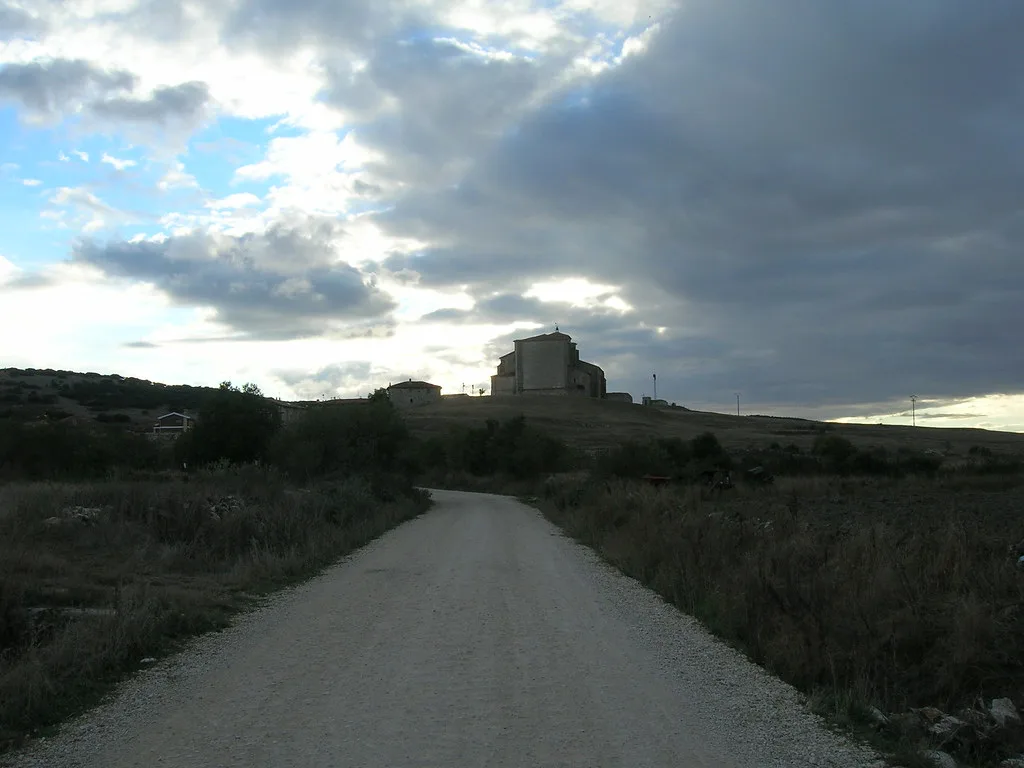
Last updated November 2026. Atapuerca is a UNESCO-listed group of Pleistocene archaeological and paleontological sites near Burgos in Castilla y León, and it ranks among Spain's most important prehistoric places. Visits are guided and need advance reservation, so you can't simply turn up. Burgos is the practical base, and this guide is one of the stops in our wider guide to archaeological sites in Spain.
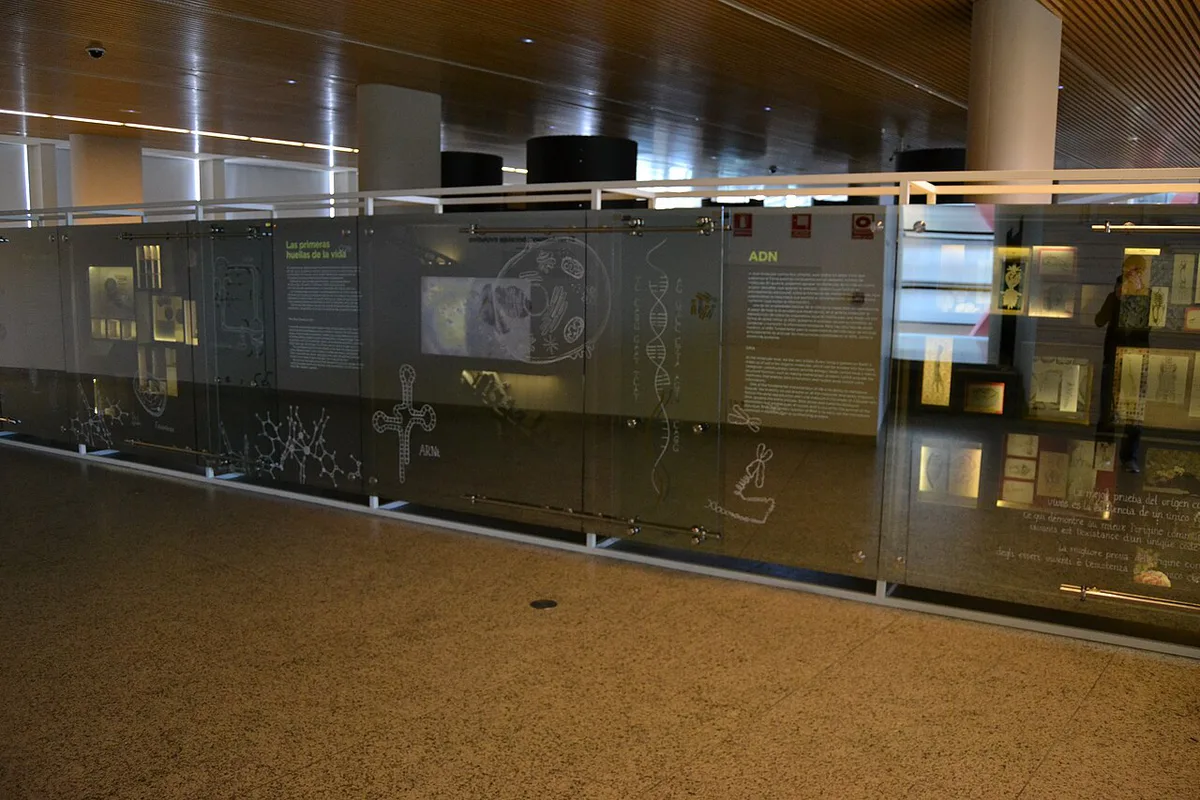
Featured image: FreeCat, CC BY 2.0, via Flickr.
Atapuerca at a Glance
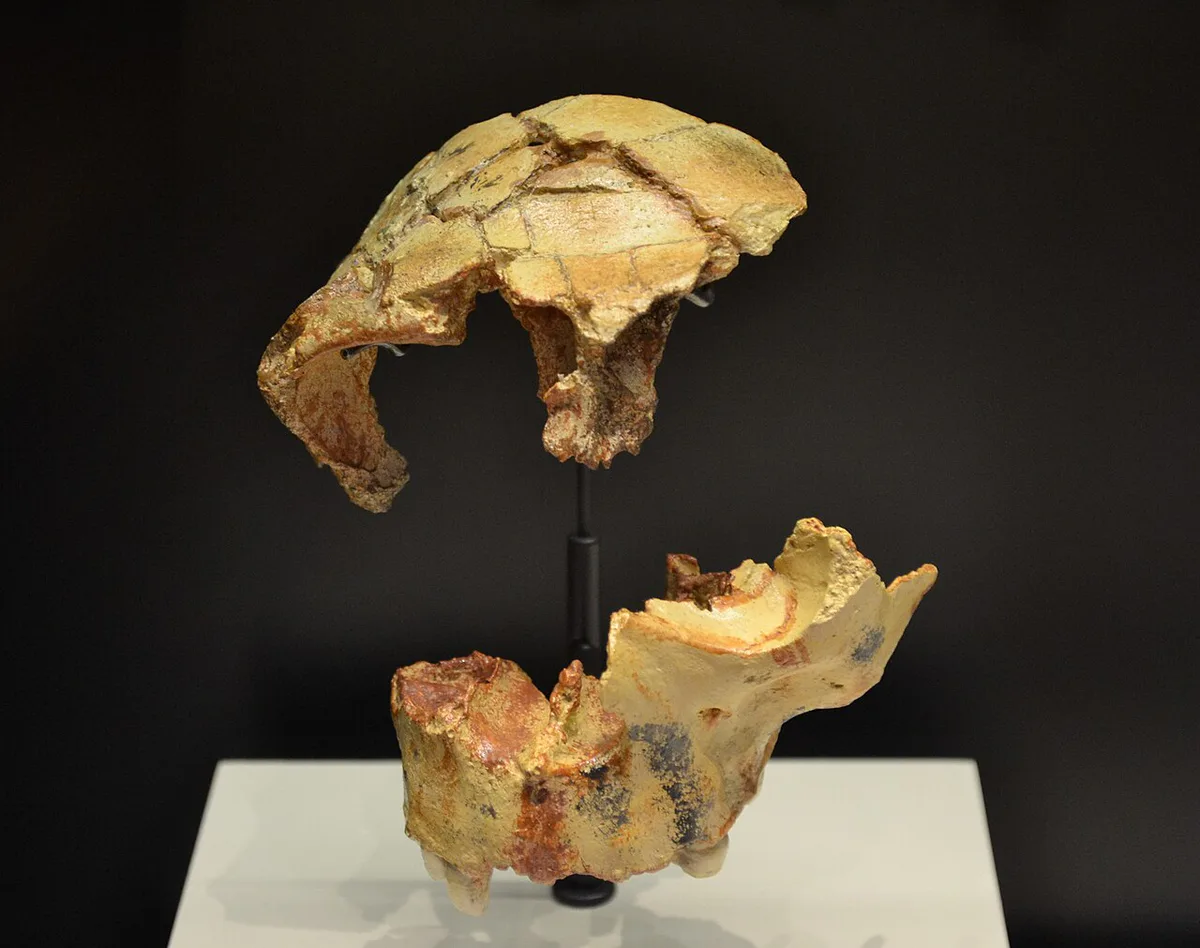
Atapuerca is known for some of the oldest human remains found in Europe. A jawbone and teeth uncovered in July 2007 are thought to be about 1.2 million years old. Excavation continues each year, which is why access is controlled. Distances from Burgos are quoted differently by different guides, so rely on the official Sistema Atapuerca site for the route.
- Where: the Sierra de Atapuerca, near Burgos, Castilla y León
- Status: UNESCO World Heritage listing for early human fossils
- Format: guided visits only, booked in advance
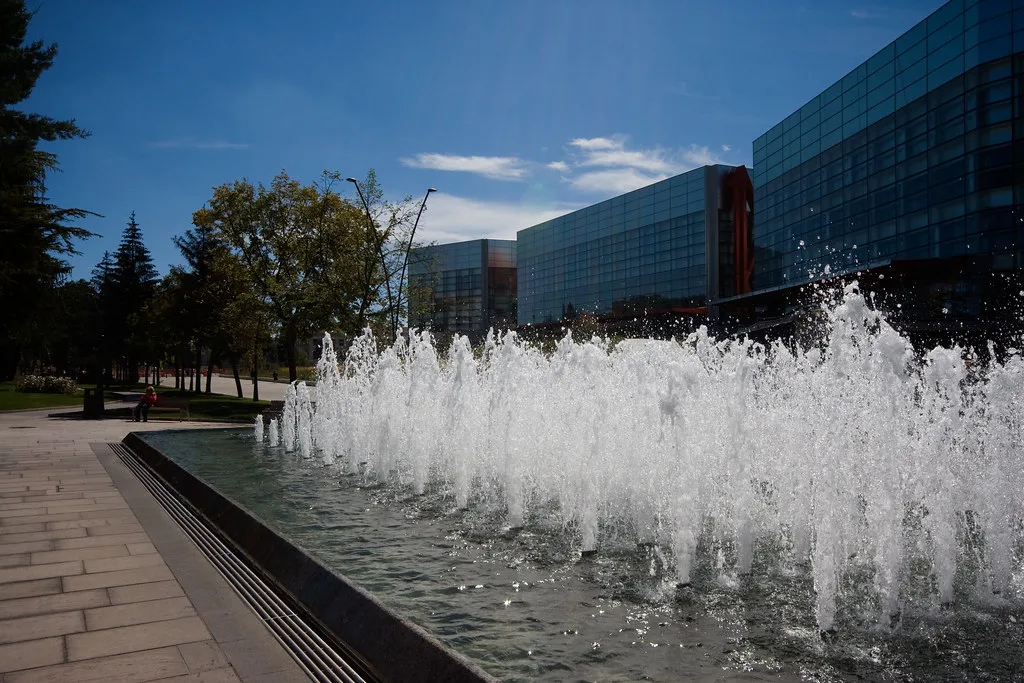
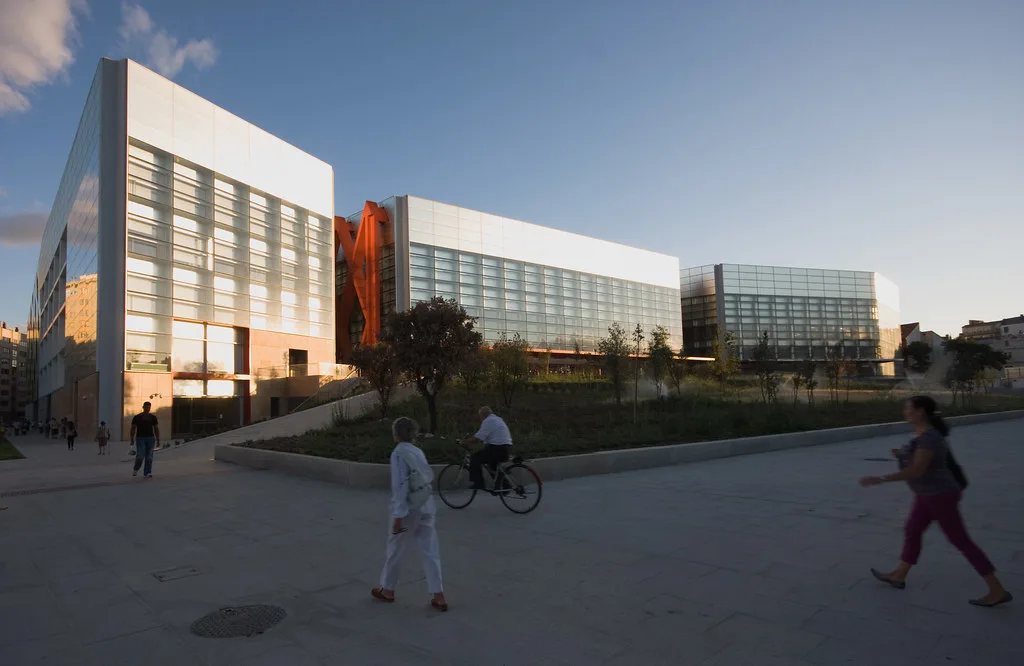
- Best base: Burgos, with the Museo de la Evolución Humana as the fossil showcase
What You Can Visit at Atapuerca
Three separate places make up a full Atapuerca trip, and each has its own logistics. Confusing them is the most common planning mistake. The table separates them so you can decide which ones fit your time.
| Place | What it offers | Where | Booking |
|---|---|---|---|
| Excavation sites (Trinchera del Ferrocarril) | Guided tour of Gran Dolina, Sima del Elefante and Galería | Sierra de Atapuerca | Advance reservation |
| Visitor centre and CAREX | Reception point and experimental archaeology centre | Atapuerca area, under 1 km from the site entrance by one account | Book through the official site |
| Museo de la Evolución Humana | Fossils, reconstructions and context | Burgos | See the museum's own page |
What You Will Actually See on a Guided Visit
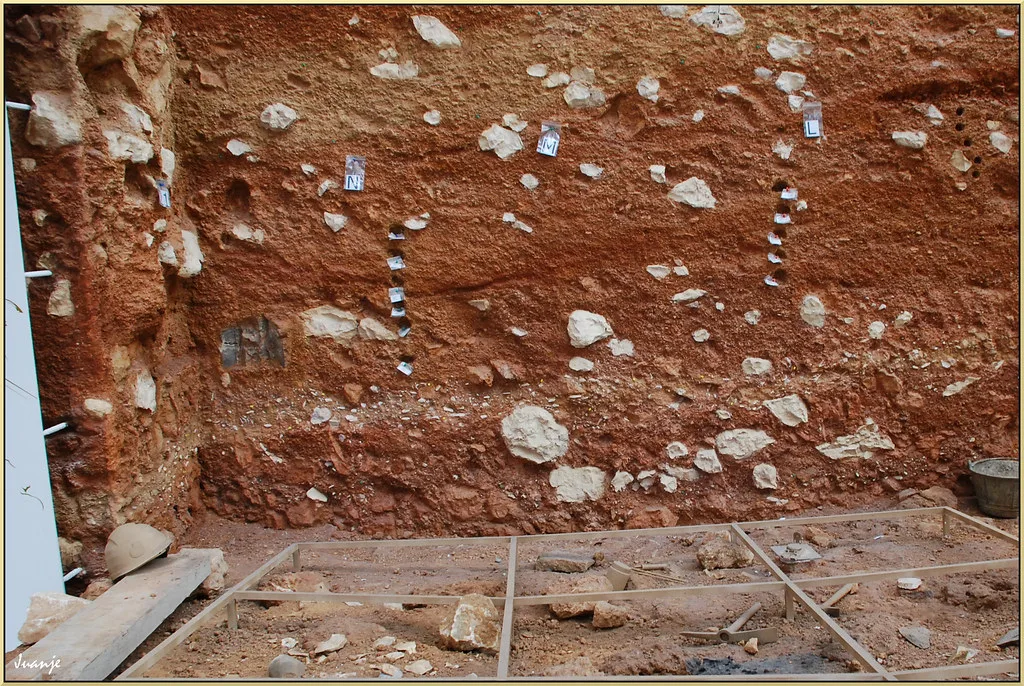
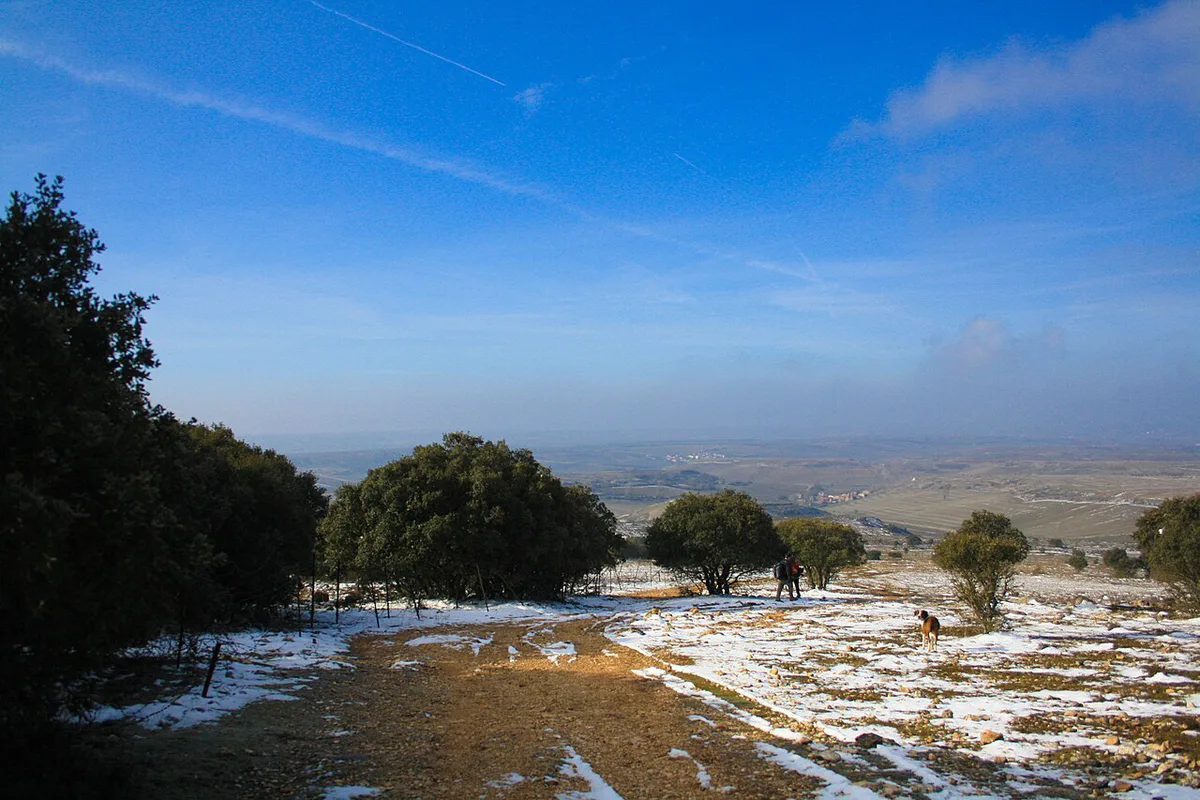
On the guided tour you walk the Trinchera del Ferrocarril, an early twentieth-century railway cutting that exposed cave fill. Guides point out Gran Dolina, Sima del Elefante and Galería in the cutting walls. Expect trenches, sediment layers and scientific explanation, not skeletons in cases. Sima de los Huesos, where the remains of at least 32 individuals were found, is a deep research cave and not a casual tourist stop. Fossils and reconstructions are in the museum in Burgos.
Sima de los Huesos holds remains of at least 32 individuals, yet the Burgos museum is where fossils are actually shown.
Tickets, Booking and Opening Hours
Reserve through the official Atapuerca foundation website, which is the only reliable source for 2026 prices, tour languages and closing days. Hours change by month, and the site can close in bad weather. Older guides list a Monday closure, but confirm the current calendar before you plan around a specific day. Tickets for peak weekends and school holidays can sell out, so book before you fix your Burgos hotel dates.
Getting to Atapuerca from Burgos
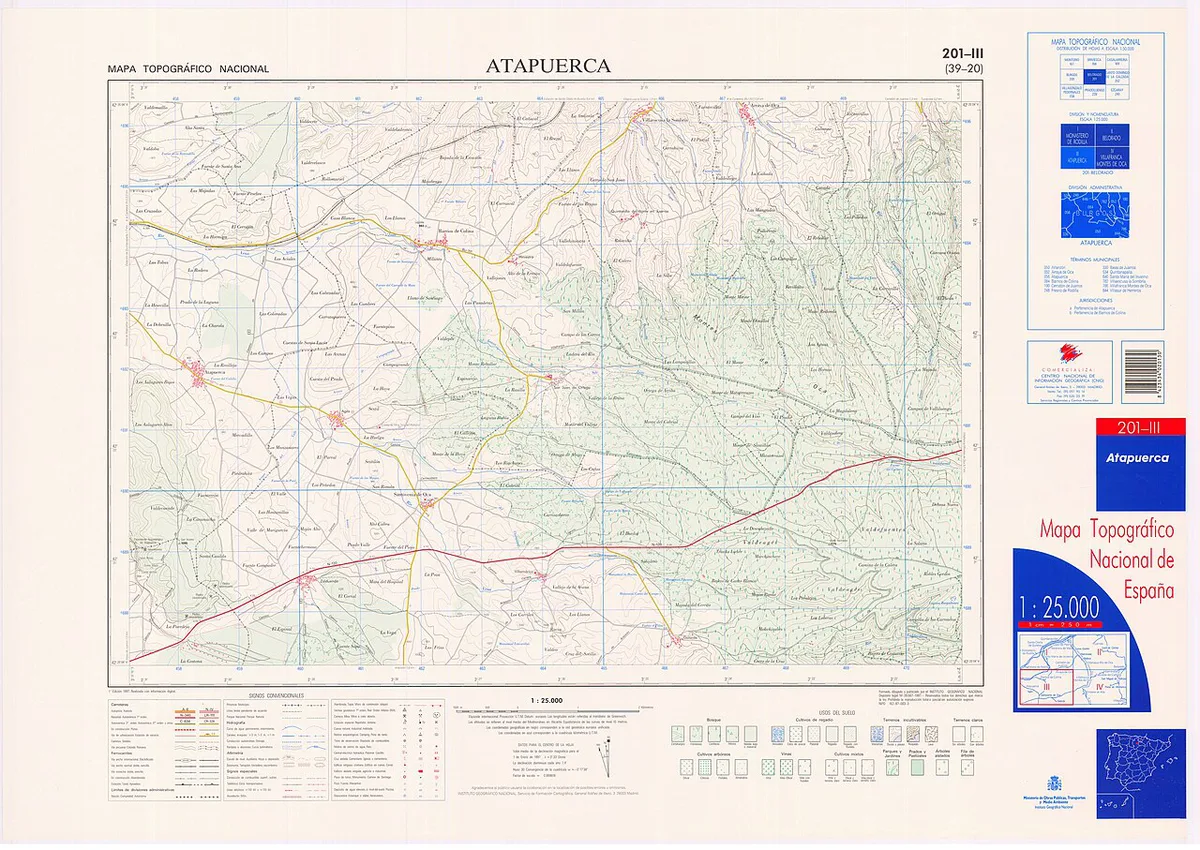
By car, follow the N-120 out of Burgos and then the signs for the site. A car gives you the most flexibility around fixed tour times. Without one, ask the official site or Burgos tourist office about current shuttle or bus options, then price a taxi as the fallback. Walkers on the Camino de Santiago pass through the area, which makes a visit possible on foot if you reserve a slot first.
Take the N-120 out of Burgos, but lock in a tour slot first, since peak weekends can sell out.
Planning Your Time
Decide by how much time you have in Burgos.
- Half day: book the guided tour only, and skip the museum.
- Full day: take the morning tour, then spend the afternoon at the Museo de la Evolución Humana.
- Short Burgos stay: choose the museum alone if you want fossils without the transport.
- Pilgrim plan: reserve a tour slot and check your stage distance first.
Is Atapuerca Worth It?
Atapuerca rewards people who care about human origins and are happy with a guide explaining bare excavation walls. Skip the tour if you want dramatic displays or have no way to reach the site on a fixed slot. Common mistakes are arriving unbooked, expecting fossils on show and leaving out the museum. Wear sturdy shoes for uneven ground. For painted caves instead, read about Altamira's cave art, which belongs to a different era and format. Other Castilla y León options include Numantia and Clunia, and Siega Verde's rock art is another prehistoric stop.
Frequently Asked Questions
What is Atapuerca known for?
Atapuerca is known for early human fossils, including the remains from Sima de los Huesos and a jawbone thought to be 1.2 million years old. UNESCO lists it as a World Heritage property. Excavations are still under way.
Where is the pit of bones?
The pit of bones is Sima de los Huesos, a cave within the Sierra de Atapuerca near Burgos. It is a research site, so a standard guided visit does not usually go down into it.
What are the archaeological sites located in Atapuerca?
Visitors on the guided tour see Gran Dolina, Sima del Elefante and Galería along the Trinchera del Ferrocarril. Sima de los Huesos is part of the complex but is mainly for researchers.
Related guides
Continue reading
Guides on the same trip