
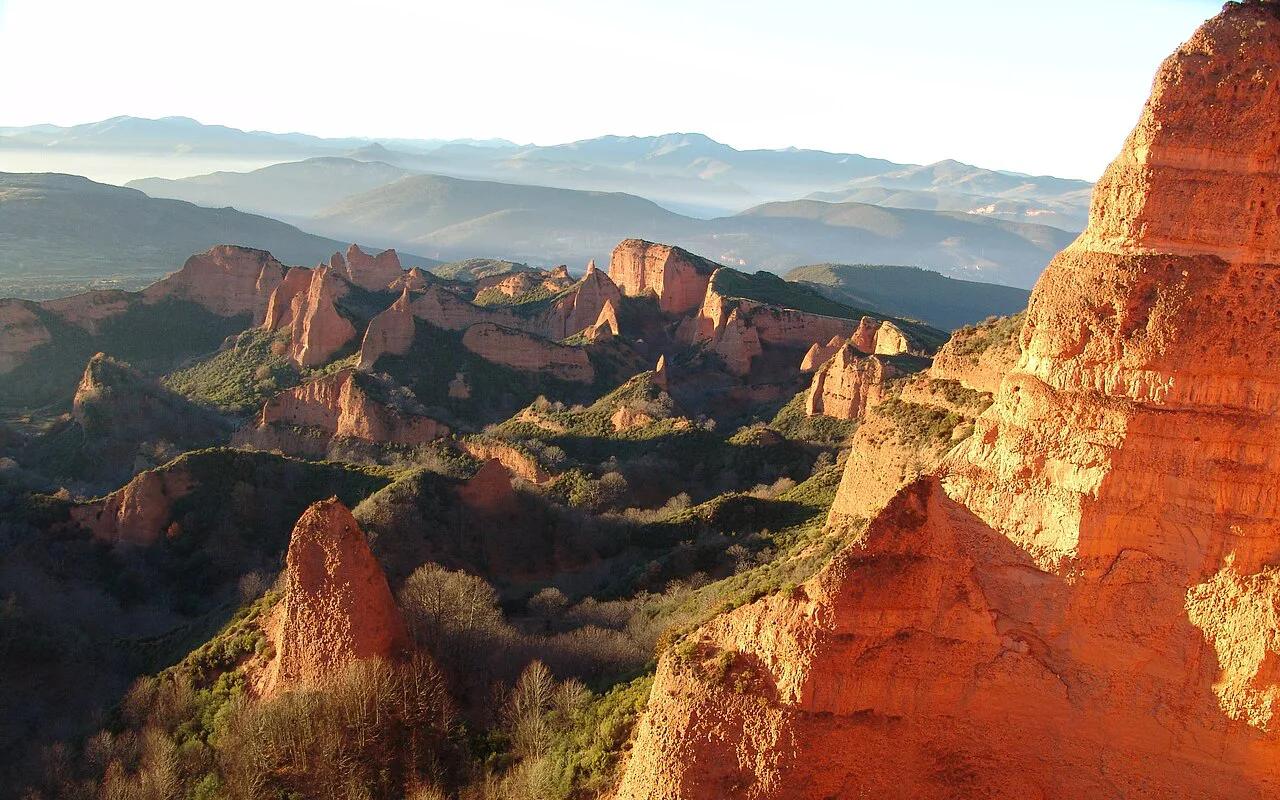
Last updated November 2026: Las Medulas (spelled Las Médulas in Spain) is a Roman gold-mining landscape in El Bierzo, León, and a UNESCO World Heritage Site since 1997. Roman engineers shaped it with a water-driven technique called ruina montium. It suits walkers, photographers and anyone curious about Roman Spain, and the Mirador de Orellán viewpoint is the first stop to make.
Featured image: Rafael Ibáñez Fernández, CC BY-SA 3.0, via Wikimedia Commons.
Las Medulas at a Glance
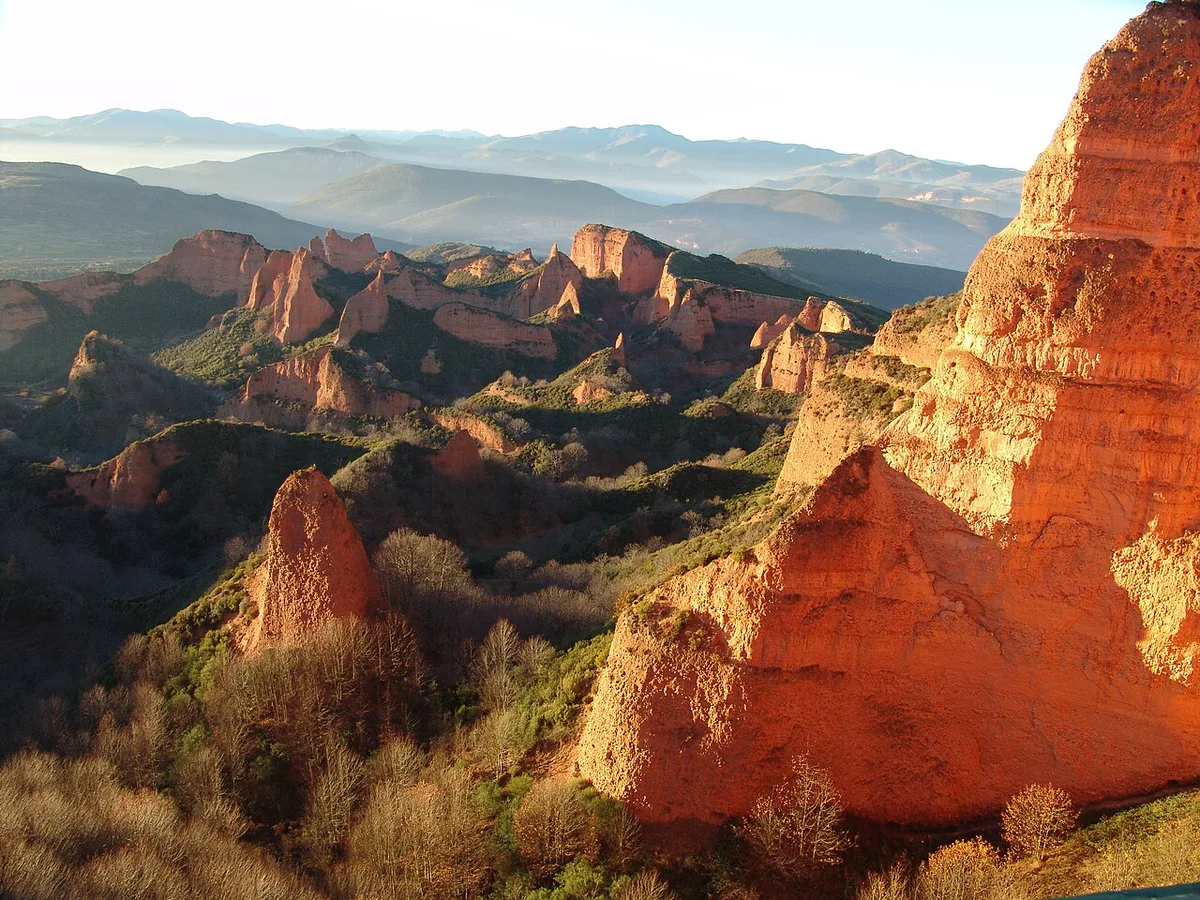
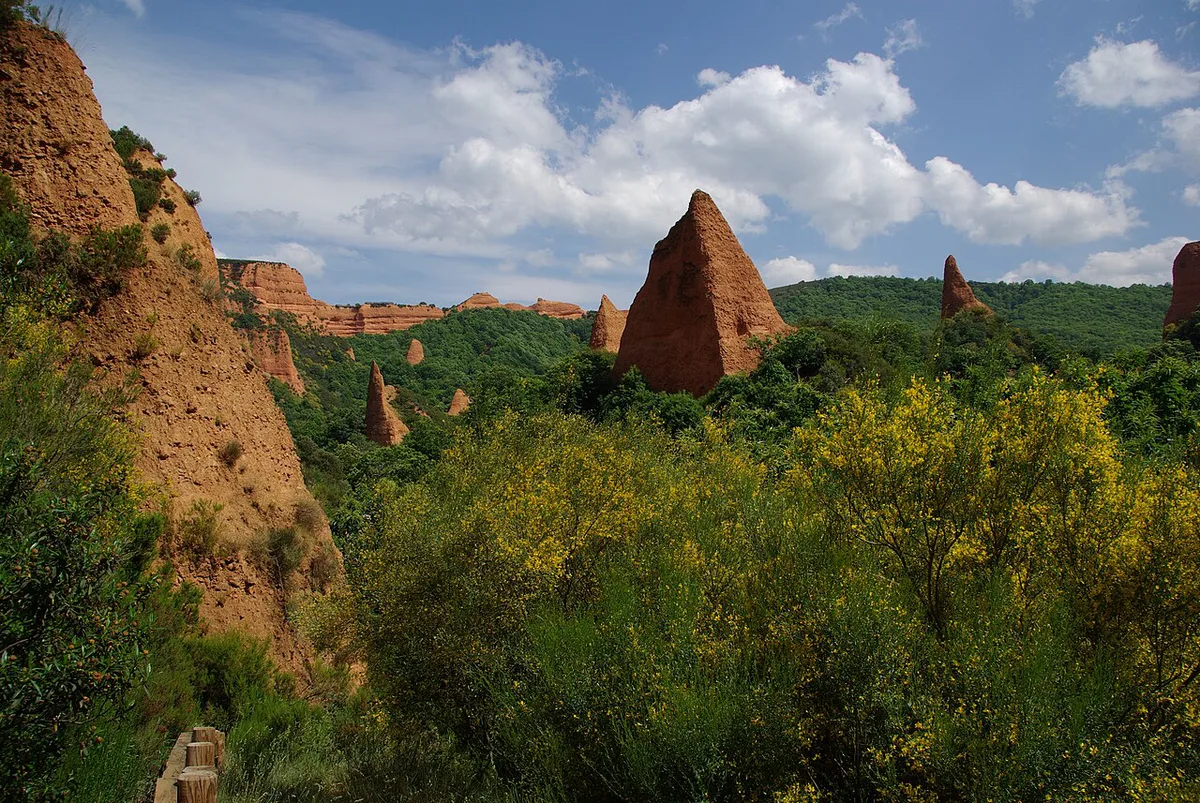
Expect red rock pinnacles, steep cut faces and chestnut woods where a mountain once stood. It is worth the detour if you have a car and a half-day. On a very short itinerary, a viewpoint stop alone still delivers the main image. Pair it with a walk and the gallery if you want to understand how the landscape formed. Visitors who dislike rural driving or uneven trails may find the trip less rewarding.
How Roman Gold Mining Shaped the Landscape
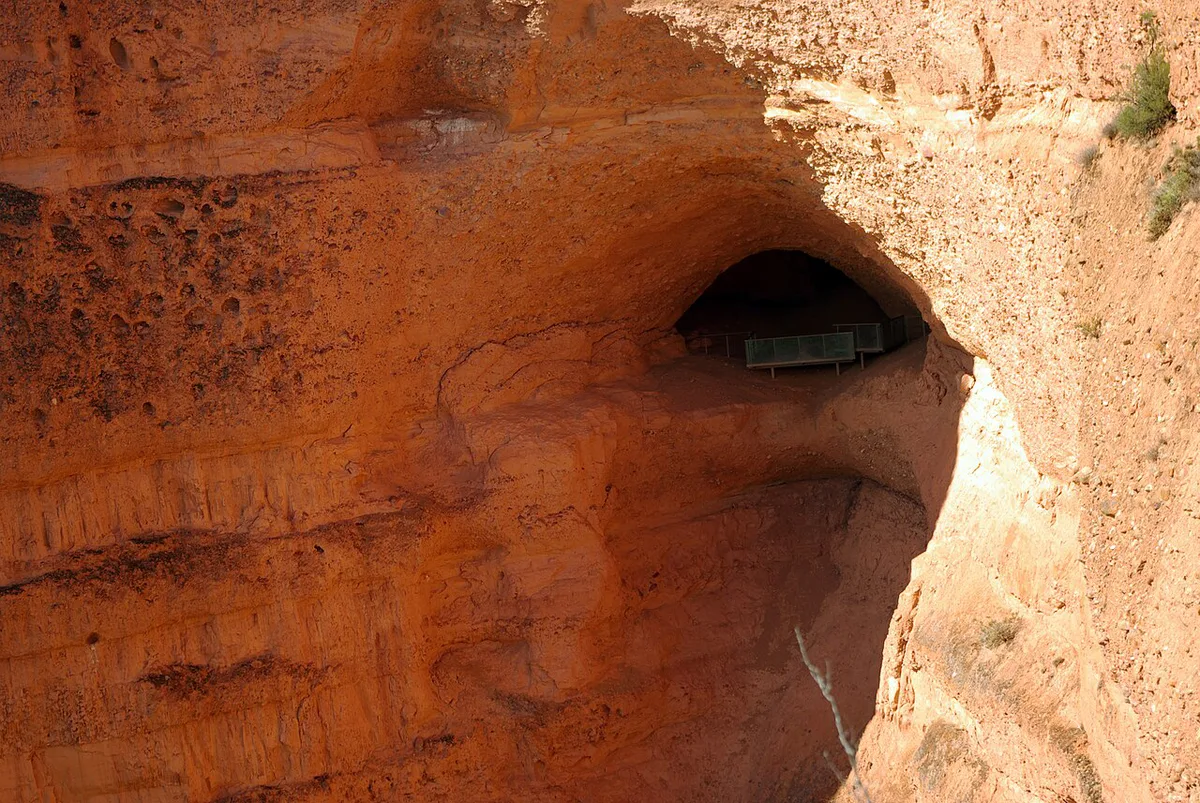
Rome took control of this region around 25 BCE under Augustus. Miners then dug tunnels deep into the hillside. Water from high reservoirs, fed by long canals from the Sierra del Teleno, was released into those tunnels. The pressure cracked the rock, and whole slopes collapsed into muddy debris.
Crews washed that debris through channels to catch the gold. Pliny the Elder, who is said to have served as procurator in the region around 74 CE, described this method in his writing. Spoil heaps and silt were dumped into the valleys.
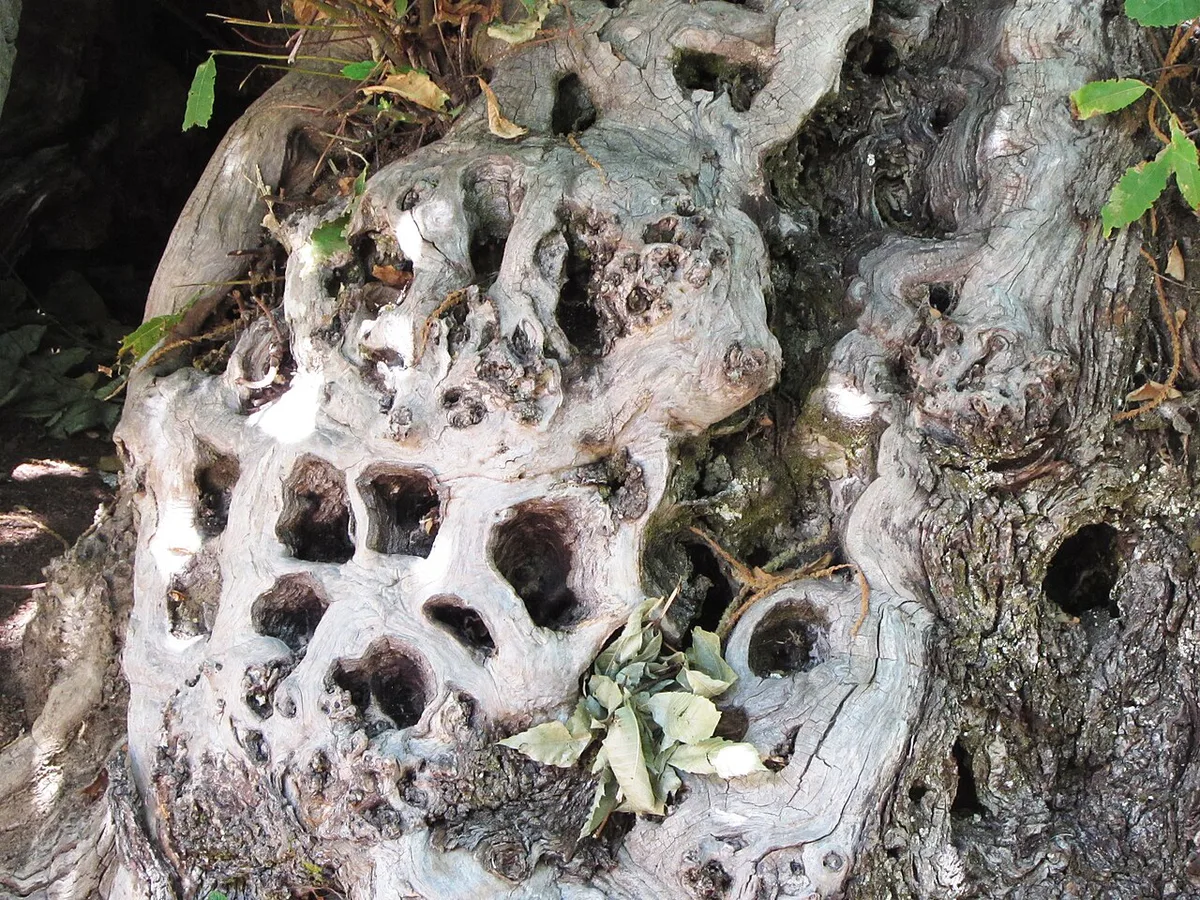
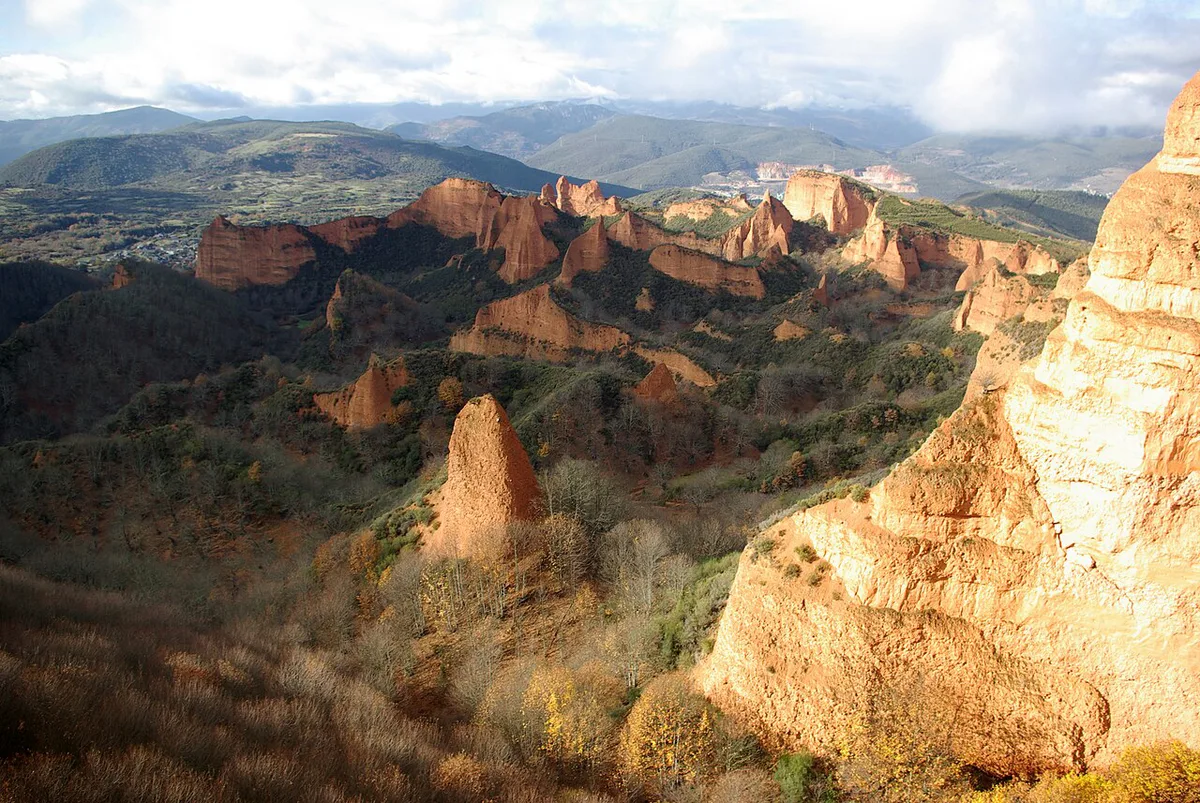
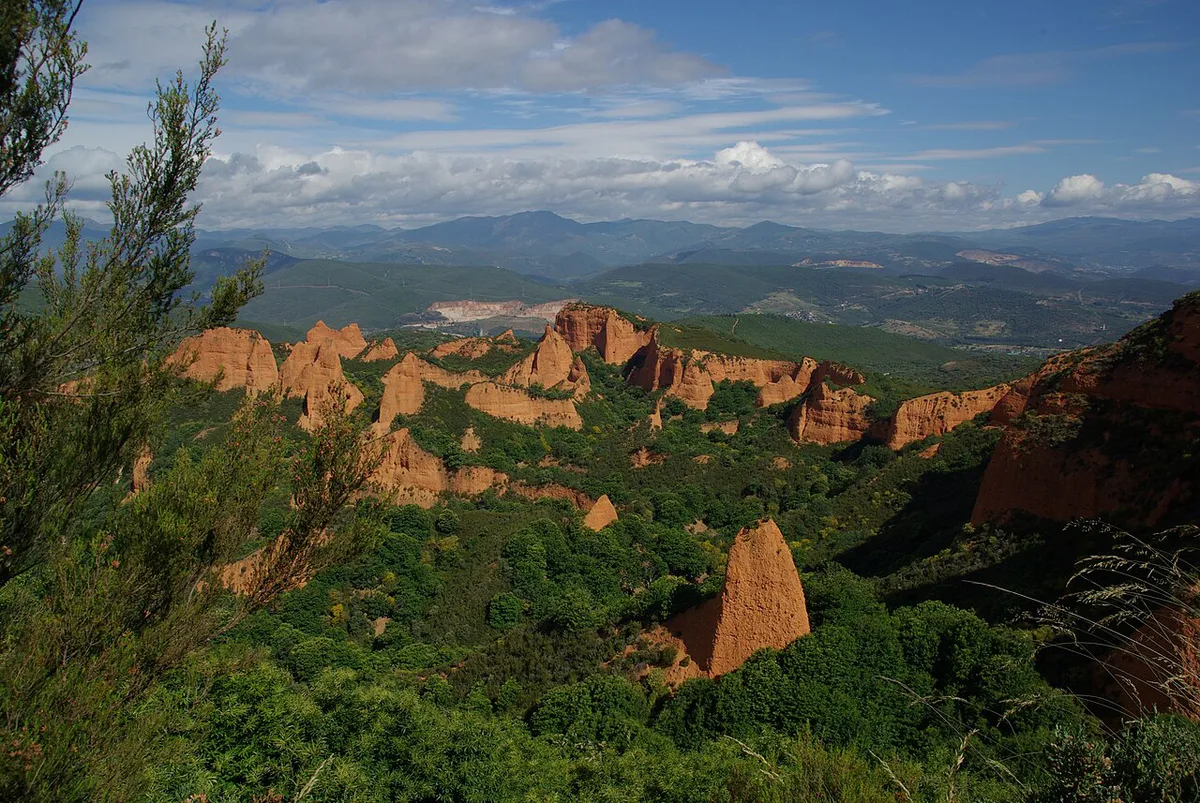
That history explains today's look. Iron-rich rock gives the cut faces their reddish tone, and chestnut trees now cover the old spoil. Accounts differ on the exact length of the canal network, so treat any single kilometre figure with caution.
Best Things To Do in Las Médulas
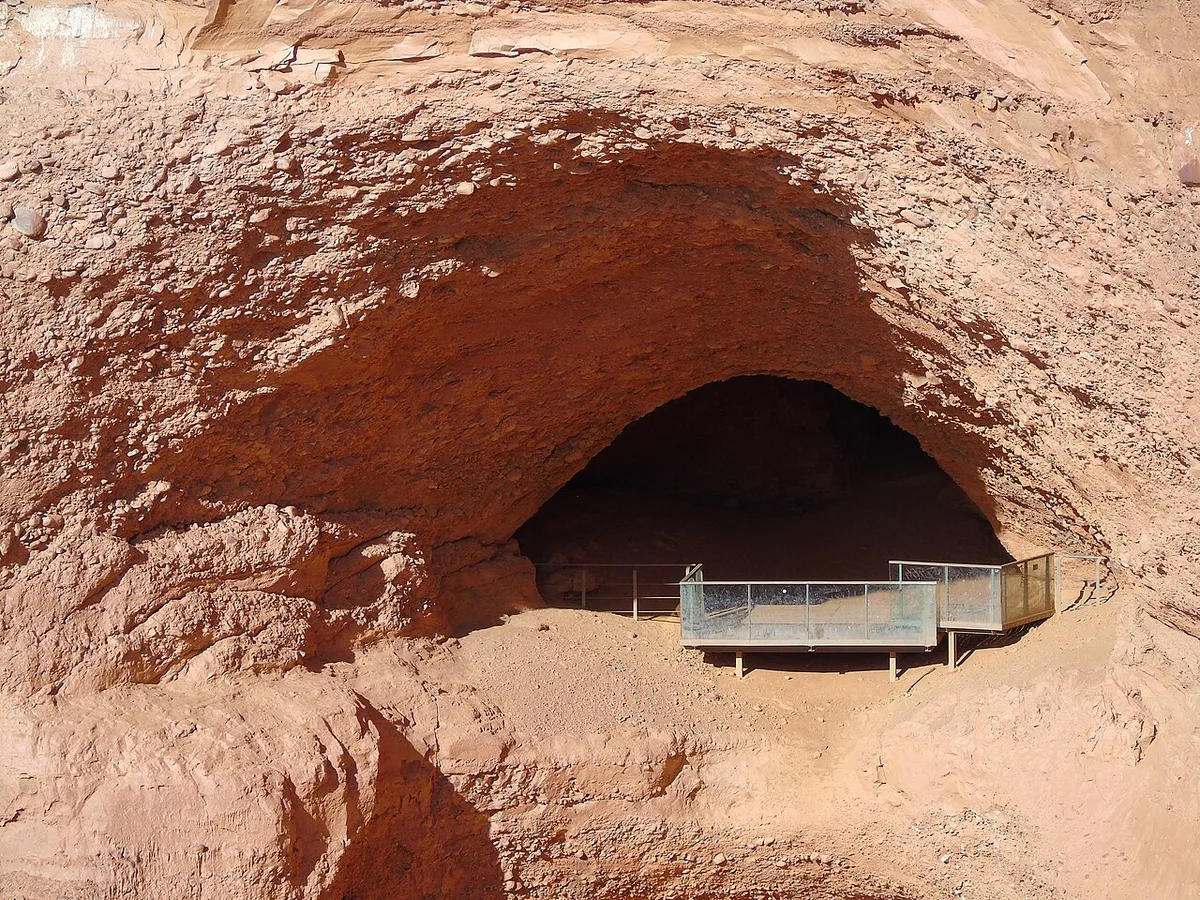
Most visitors combine a few stops in one day. Each one shows a different side of the mining system.
Mud after rain matters on Cuevona, where the descent includes about 100 m of compacted earth, so check conditions before you set off.
- Mirador de Orellán: the classic viewpoint over the red cuts and the chestnut canopy.
- Mirador de Reirigo: described as the broadest view of the mining features, including spoil heaps and the pond Lago Sumido.
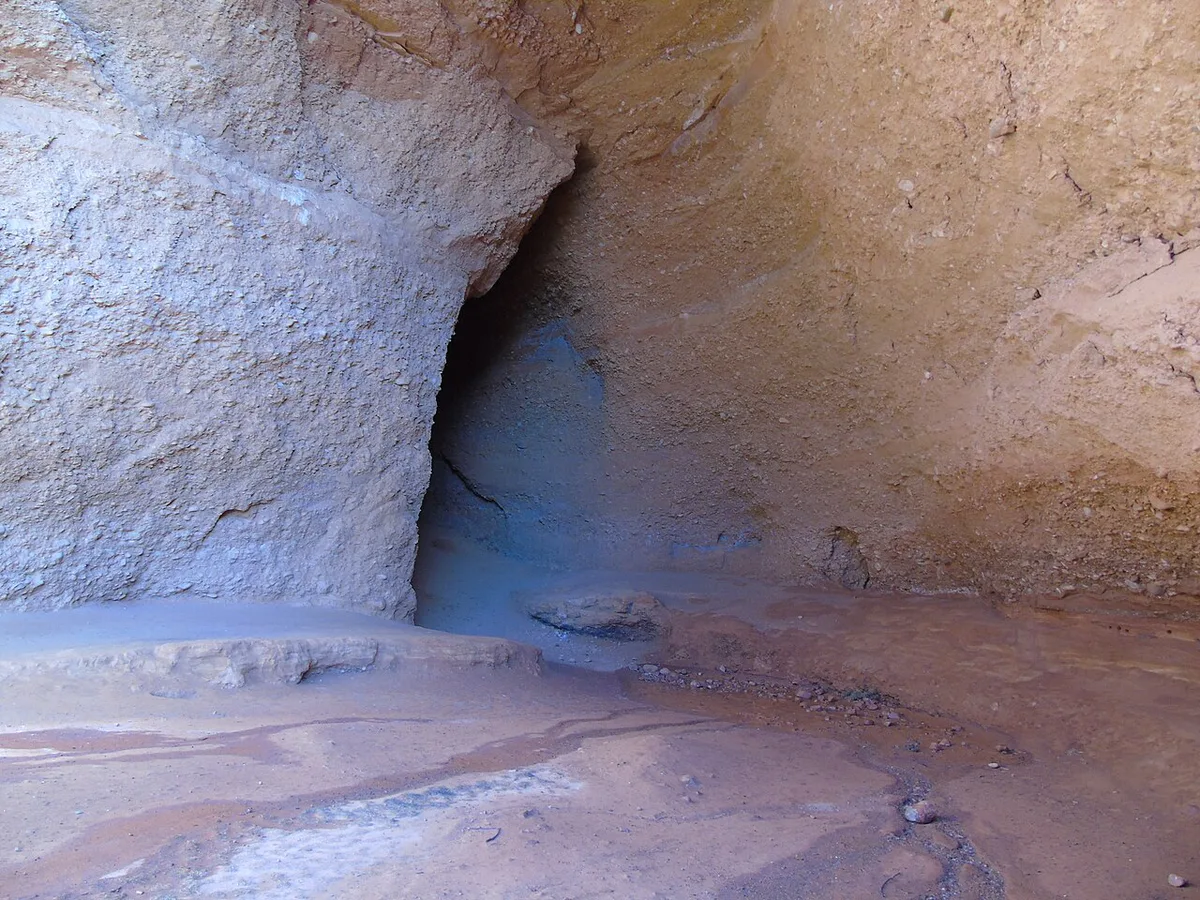
- Orellán gallery: a Roman tunnel section that visitors can walk through. It is separate from the viewpoint, so plan it as its own stop.
- Village of Las Médulas: the starting point for most trails and a place for a coffee break.
- Chestnut woods: shaded paths among old trees on the former spoil ground.
- Cuevona route: starts on a paved stretch, then drops along about 100 m of compacted earth.
Choosing Trails and Viewpoints
Pick a route by your energy and transport. The table shows what each option offers, and conditions can change after maintenance or rain. Prices and hours checked November 2026 where mentioned.
| Option | Effort | Best for | What you see | Access note |
|---|---|---|---|---|
| Viewpoint only | Low | Short stops | Red cuts from Orellán | Parking and short walk; access can change |
| Senda de Las Valiñas | Low to moderate | Village loop | Circular trail from the village, walkable or bikeable | Joins the Reirigo path |
| Reirigo route | Moderate | Panorama seekers | Spoil heaps, drainage channels, Lago Sumido | Reached from the village trail |
| Chaos de Maseiros | Low difficulty | Quieter views | Mirador reached from the village | Passes the Senda al Lago Sumido |
| Cycling route | Moderate | Cyclists | Monumento Natural circuit of 17.7 km (about 11 miles) | Check surface and signage first |
Lago de Carucedo and the Domus Romana
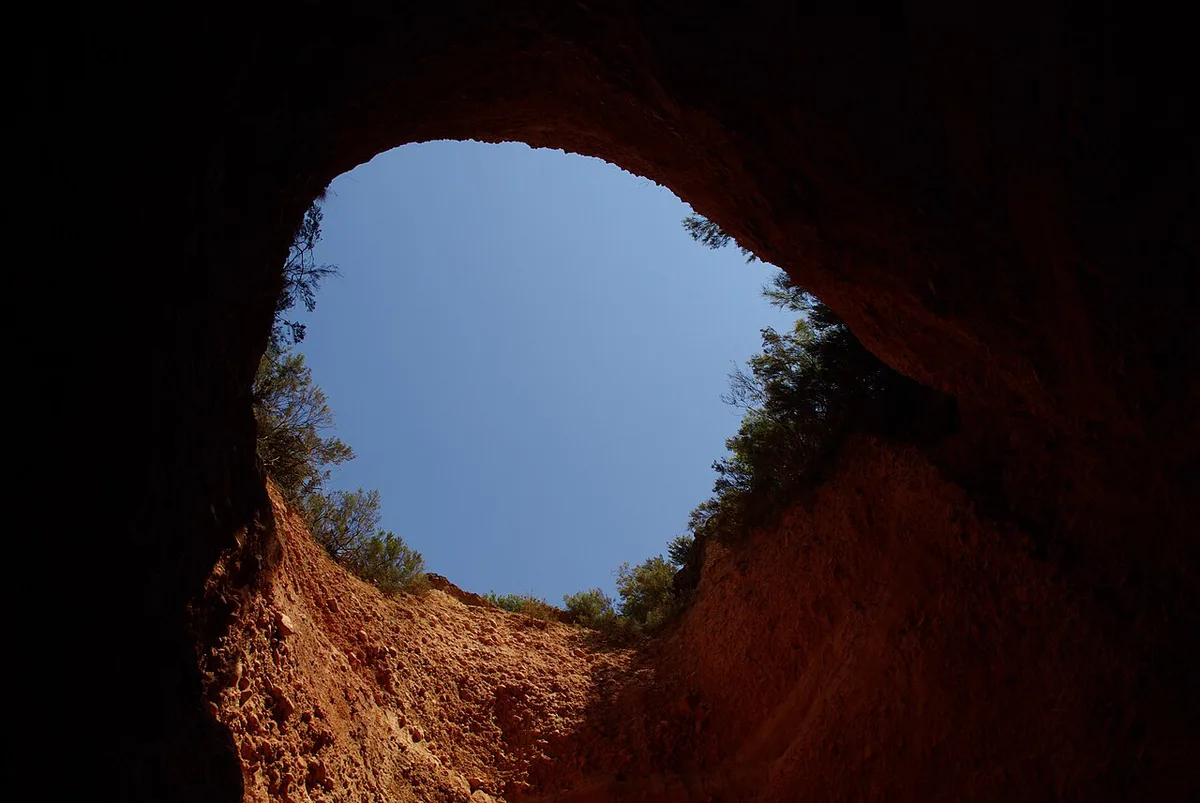
Tailings from the mines blocked a valley and formed Lago de Carucedo, which now matters for waterbird conservation. Kayak rental is available near the lake, though you should check what is operating before you plan around it.
The Domus Romana de Pedreiras de Lago stands on the lake shore. It is not in the village of Las Médulas, so it needs its own stop. A 1.50 m wide concrete-slab path runs around the site, and a footbridge leads to a pavilion sheltering a room with wall painting remnants. Archaeologists consider it probably the administrative hub of the gold mines.
How To Plan Your Time
No official visit-length figure exists, so these plans rest on the stops themselves. Choose the one that fits your day.
| Plan | Stops | Trade-off |
|---|---|---|
| Quick stop | Mirador de Orellán and a village walk | Best picture, least context |
| Half-day | Viewpoint, Orellán gallery, village and one trail | Best balance for most visitors |
| Full day | Half-day plan plus Lago de Carucedo and the Domus Romana | Needs a car and an early start |
Getting There and Getting Around
Las Médulas is rural, and a car is the simplest way in from León, Ponferrada or Astorga. Use a current map for the route and drive time. Public transport may be limited or seasonal, so confirm it with the tourist office before relying on it.
Car travel gives you the village, the viewpoints and the lake in one day. Without a car you can realistically cover only the village and its trails, so a taxi or tour from Ponferrada is the fallback. For parking rules and any peak-time access limits, consult the official Castilla y León tourism pages.
Costs, Tickets, and Opening Hours
Walking the trails and viewpoints is outdoor access, while the Orellán gallery, the Domus and the Casa del Parque may have their own entry rules. Current fees and hours are on the official Castilla y León tourism site above.
When To Go and What To Bring
Autumn brings colour to the chestnut woods, which makes it a strong season for photographs. Summer is hot and exposed on the open cut faces, so start early. Winter weather may limit access on some routes, so check before you travel. Bring sturdy shoes, water and sun protection, and expect mud on the Cuevona descent after rain.
Where To Stay and Eat
Staying in or near the village puts you at the viewpoints for sunrise and sunset light. Basing yourself in Ponferrada, Astorga or León gives more restaurants and hotel choice, at the cost of a longer drive each way. Book accordingly, and check what is open in the village on weekdays out of season.
Mistakes To Avoid
A few planning errors cost visitors the best of the site.
- Arriving late with no daylight margin for the walks.
- Treating the viewpoint and the Orellán gallery as one stop.
- Skipping Lago de Carucedo and the Domus Romana.
- Underestimating heat, or mud after rain.
- Relying on a hotel-listing page for opening hours.
Where To Go Next in Roman Spain
Our guide to 16 Archaeological Sites in Spain: Roman, Prehistoric and Islamic Ruins Worth the Trip maps the wider region. For another Roman landscape, try the Roman city of Clunia. Readers who like excavated streets can add Segobriga's Roman theatre. For wider context on Spain's heritage, see Spain's official tourism site.
Frequently Asked Questions
What did the Romans mine in Spain?
At Las Médulas, the Romans mined gold. They used hydraulic mining to break apart the mountainside and wash out the metal.
Where did Romans get gold from?
In Spain, a major source was Las Médulas in León. Roman miners used flowing water to collapse hillsides and wash the gold from the debris.
Related guides

Continue reading
Guides on the same trip