
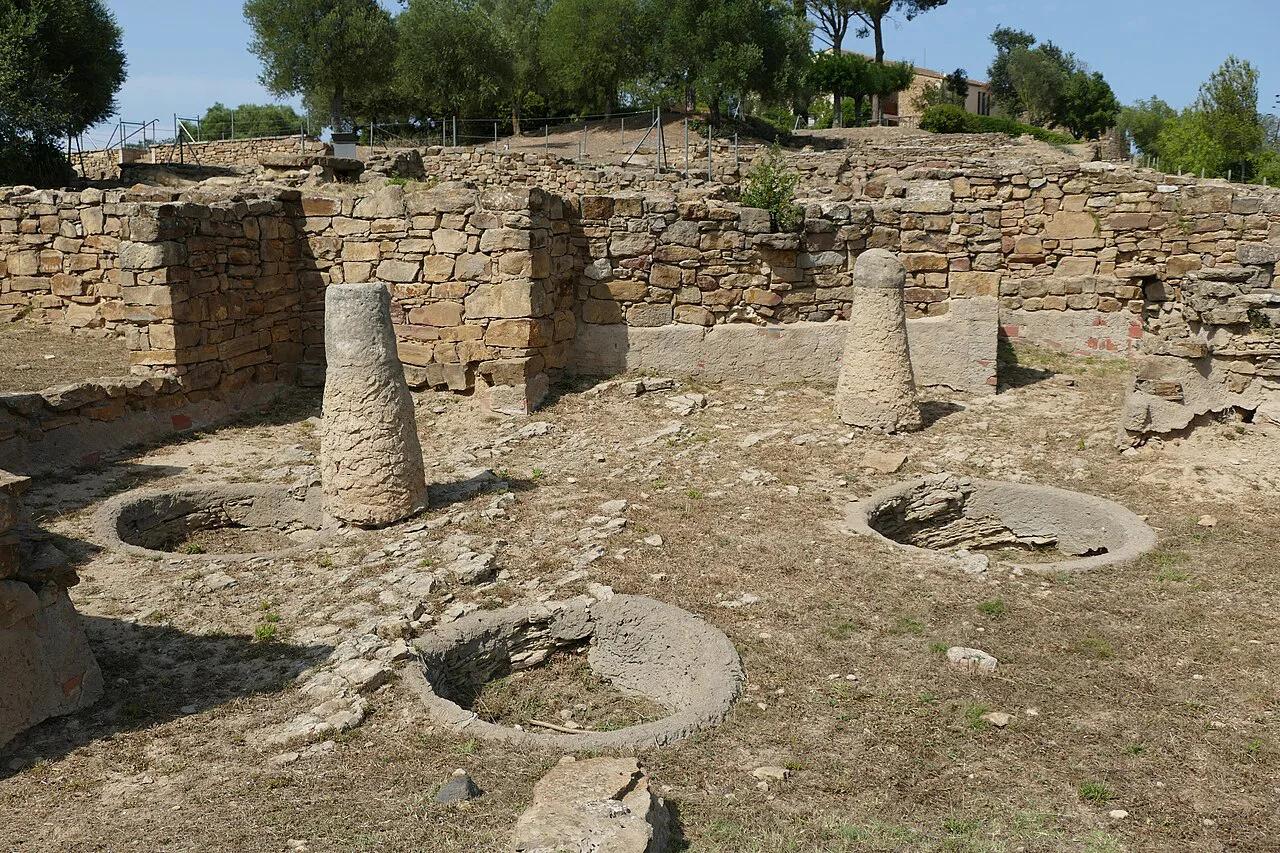
Last updated November 2026: Ullastret is an Iberian settlement and medieval village in the Baix Empordà, in Girona province near La Bisbal d'Empordà. Its main draw is the hilltop city of Puig de Sant Andreu, where the Indigetes tribe built walls, streets, houses and temples from the 6th century BC. It earns a half day if you are driving the Costa Brava, and it fits alongside the other stops in our guide to archaeological sites in Spain.
Featured image: Kritzolina, CC BY-SA 4.0, via Wikimedia Commons.
Ullastret at a Glance
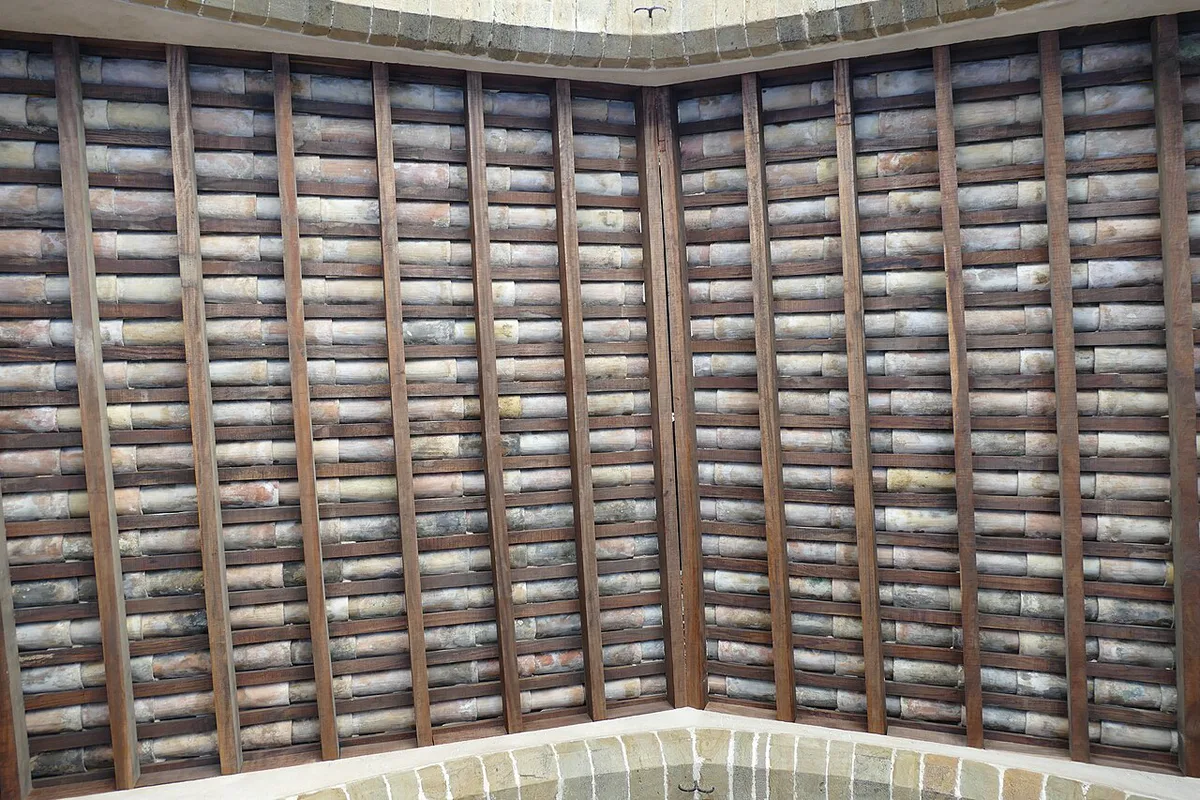
Ullastret sits at 49 m (about 161 ft) above sea level and covers 11 km² (about 4.2 sq mi). It lies on the lower Ter plain, crossed by the River Daró. Two things bring visitors: the Iberian city on Puig de Sant Andreu and the museum that interprets it. The Museu d'Arqueologia de Catalunya runs both as MAC Ullastret.
- What it is: an Iberian city of the Indigetes, plus a small medieval village
- Where it is: Baix Empordà, Girona province, near La Bisbal d'Empordà
- Best for: ancient-history fans, families who like ruins they can walk through, and rainy-day museum stops
- Skip if: you have no car, or you expect reconstructed Roman-style monuments
- Time needed: a half day covers the site, museum and village
What to See in Ullastret
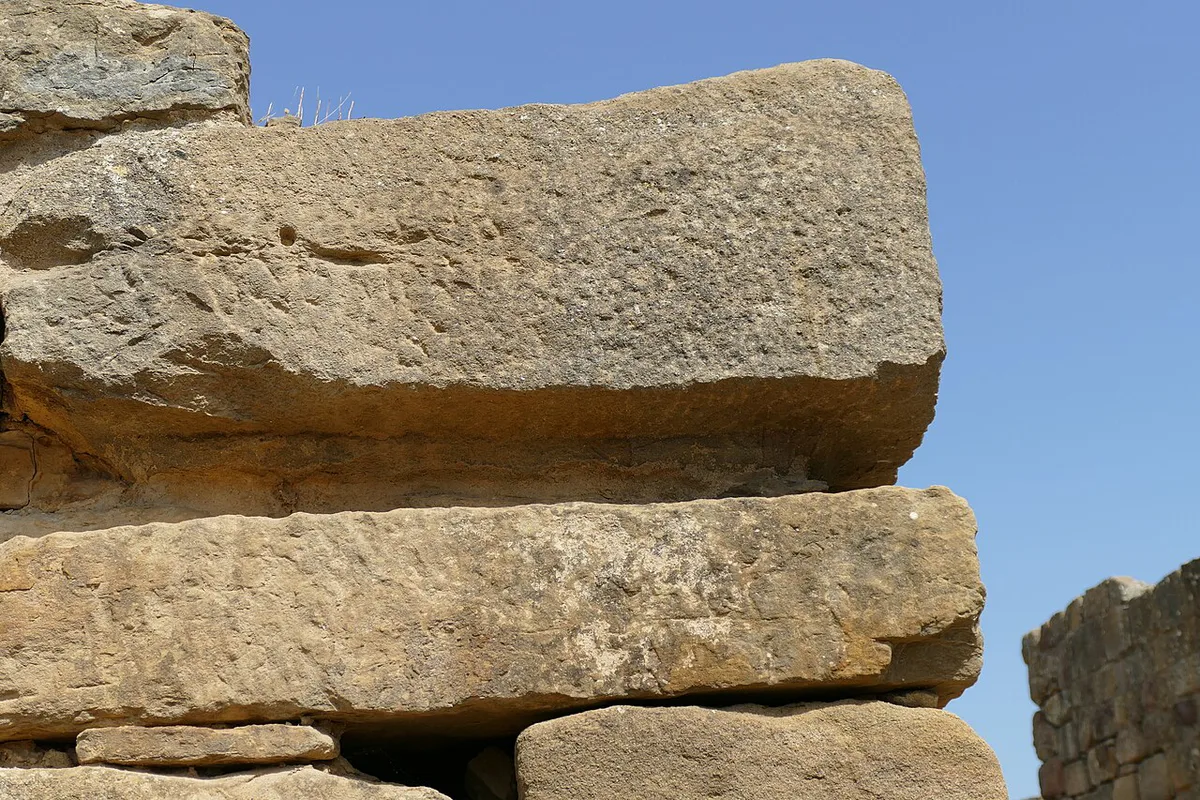
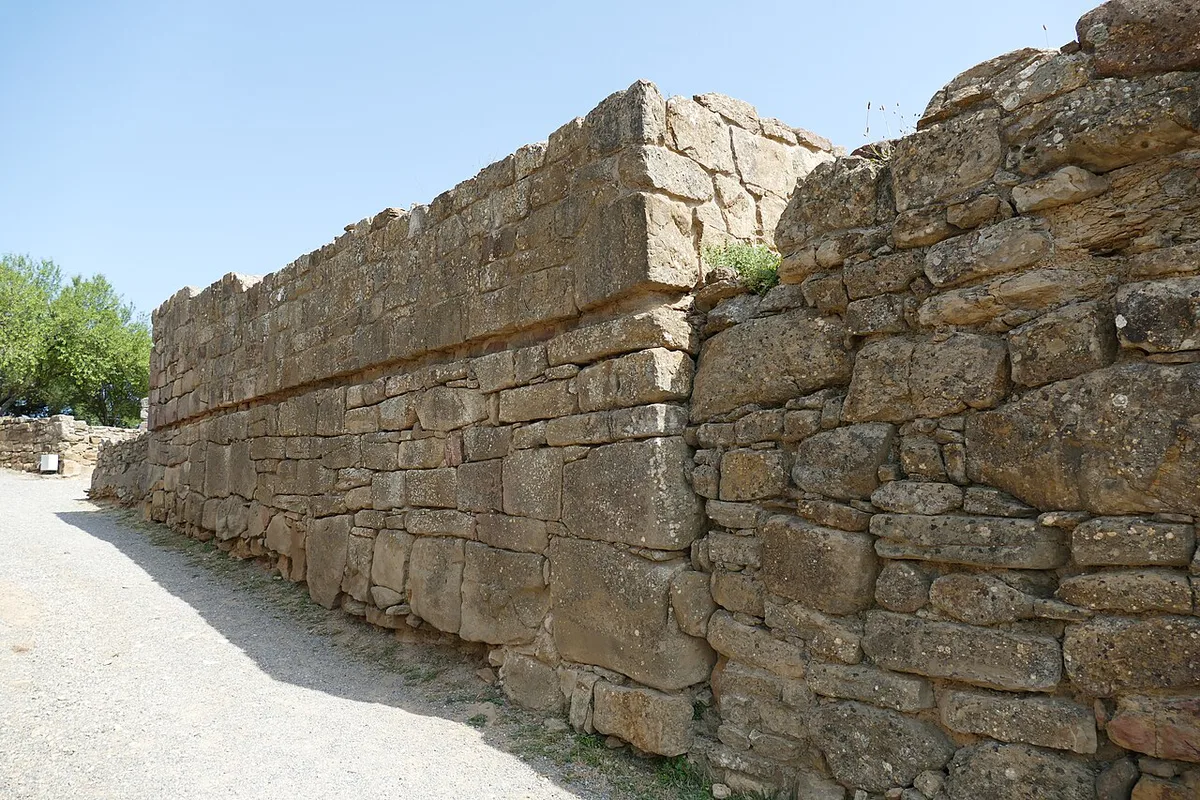
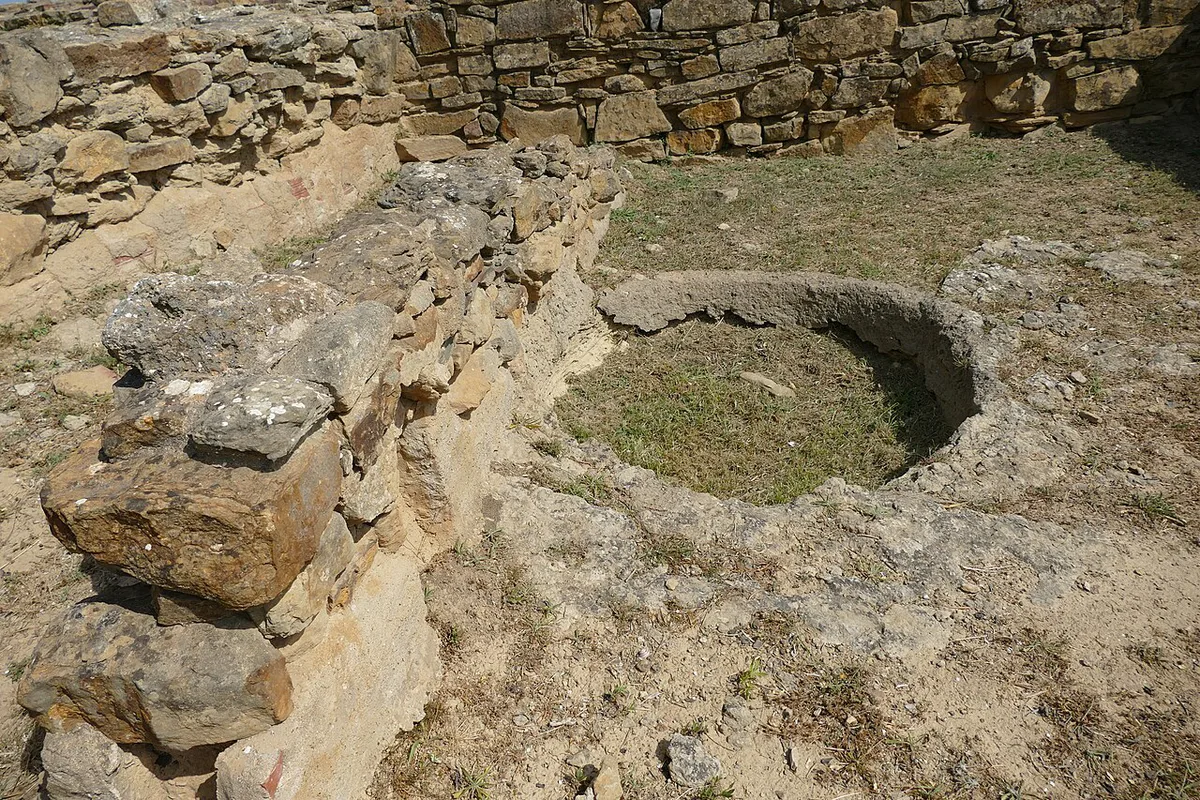
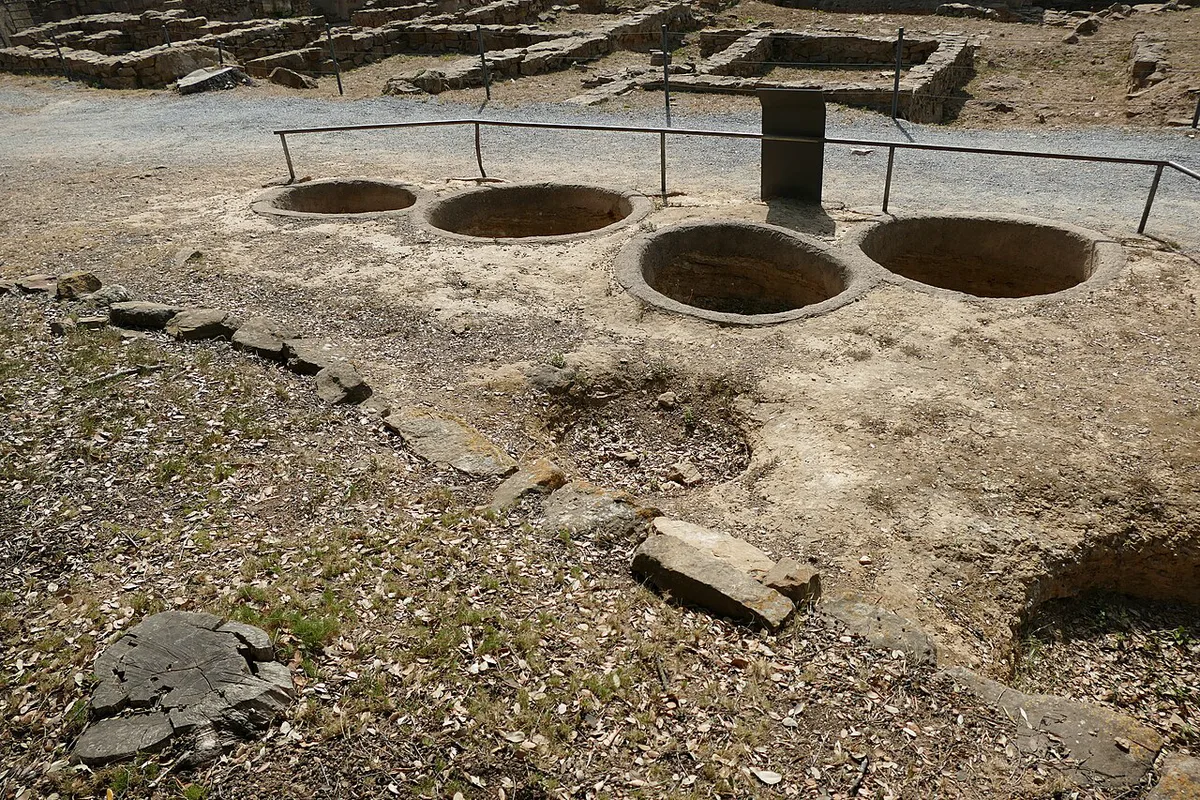
Start at the Iberian settlement of Puig de Sant Andreu. The surviving remains include defensive walls, streets, houses and temple areas, and the hilltop gives a wide view over the Baix Empordà plain. Cisterns are part of the site's layout too. The museum on the site holds the finds and explains how the Indigetes lived here, which makes it the best shelter in hot or wet weather.
- Iberian settlement: walk the walls and street lines, then look for the temple area near the top
- MAC Ullastret museum: use it to put names and objects to the ruins you just saw
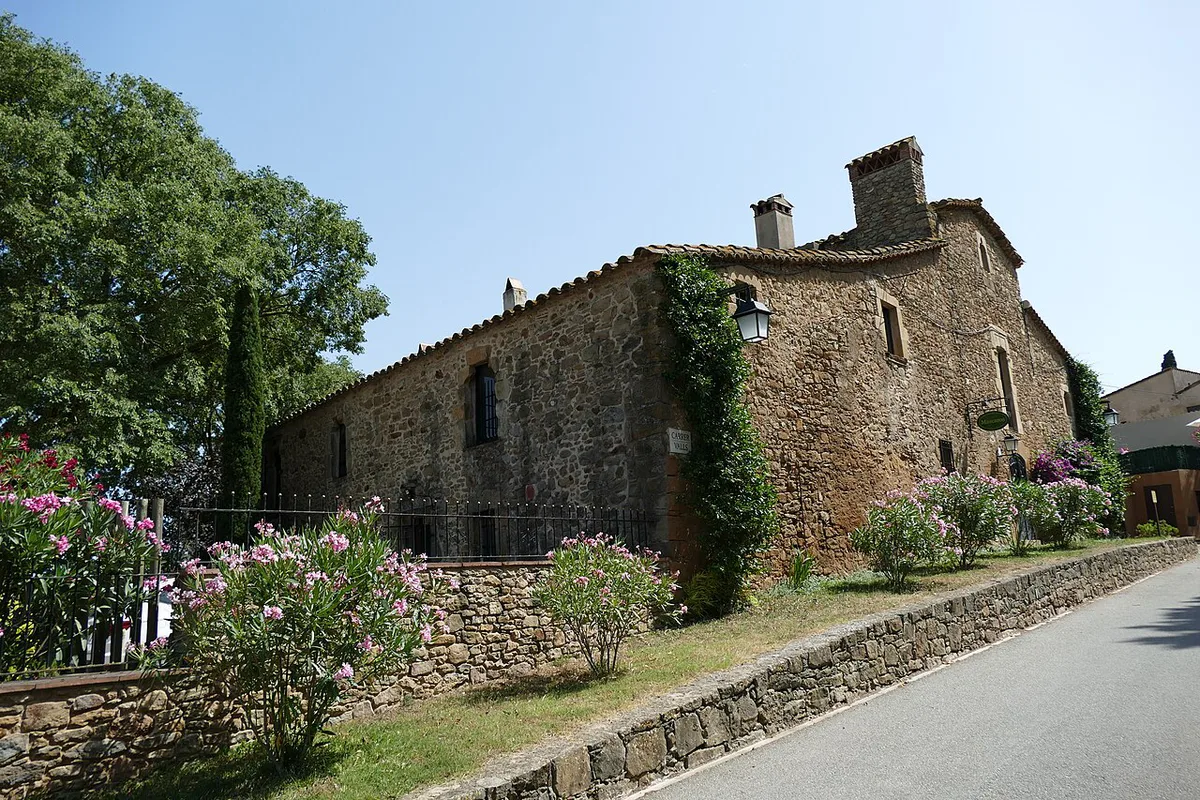
- Medieval village: the Santa Maria parish church, remains of the old wall and the Gothic square
- Viewpoint: the hill's panorama is the best place to understand why the Indigetes settled here
Ullastret vs Empúries: Which Ancient Site Fits Your Day?
Both sites sit in the same corner of Catalonia, so many visitors weigh them against each other. Empúries is the better choice for a Greek and Roman coastal ruin. Ullastret shows the indigenous Iberian side of the same story, on an inland hill.
| Ullastret | Empúries | |
|---|---|---|
| Era | Iberian (Indigetes) | Greek and Roman |
| Setting | Inland hill over the Baix Empordà plain | On the coast |
| Best for | Walls, houses and a site museum | Port-city ruins by the sea |
| Time needed | Half day | Half day |
How Long to Spend and a Sample Plan
A half day works for most people. Arrive early, walk the hilltop first while it is cooler, and move into the museum when the sun gets high. Add the village on foot before lunch. Pairing Ullastret with Empúries in one day is possible by car if you keep each stop short. If you want more Catalan antiquity afterwards, Barcino in Barcelona is the next obvious step.
| Option | What you cover | Best for |
|---|---|---|
| Short stop | Site and museum only | Costa Brava drivers with limited time |
| Half day | Site, museum and village core | Most visitors |
| Full day | Ullastret plus Empúries or a base in Pals | Ancient-history fans with a car |
- Do not arrive without checking opening hours first
- Avoid the hilltop at midday in summer, since shade is scarce
- Do not confuse the hilltop site with the village; they are separate stops
Tickets, Opening Hours and Booking
Ticket prices, hours and closing days change by season and by weekday. Read the current details on the official MAC Ullastret page before you plan the day.
Getting There and Getting Around
A car is the practical choice, because Ullastret lies on the plain near La Bisbal d'Empordà rather than on a main rail line. Check current bus options from Girona with the regional operator, and expect a walk uphill from the parking area to the site.
Where to Stay and Eat
Staying in Ullastret itself keeps you close to the site, while La Bisbal d'Empordà, Pals and Girona offer more rooms and restaurants. Costa Brava visitors can day-trip from the coast. The Catalonia tourism site lists current options and regional food.
Best Time to Visit Ullastret and What to Avoid
Spring and autumn suit the exposed hill best. In summer, go early and bring water and a hat, because shade is limited on the hilltop. After rain, wear shoes with grip, since paths on the site can turn muddy. On very hot or wet days, lean on the museum and keep the walk short. Winter hours can be shorter, so confirm the season's schedule first.
Standing 49 m (about 161 ft) above the plain, the hilltop offers little shade, so plan summer visits for early morning.
How to Tell the Archaeological Site from the Village
Ullastret is easiest to enjoy when you treat it as two separate stops. Puig de Sant Andreu is the hilltop Iberian city, built by the Indigetes from the 6th century BC. It stands above the Baix Empordà plain at 49 m and contains the walls, streets, houses, cisterns and temple areas visitors come to see.
The medieval village is a different stop below the archaeological site. Its Santa Maria parish church, Gothic square and surviving wall sections offer a short change of pace after the ruins. Do not expect the village to be a continuation of the excavated city.
Allow the half day suggested for Ullastret if you want both places and the MAC museum. The municipality covers 11 km², but the visitor sights are concentrated enough to combine comfortably when you are driving. Check the museum opening hours before choosing the order of your visit.
Related guides

Continue reading
Guides on the same trip