
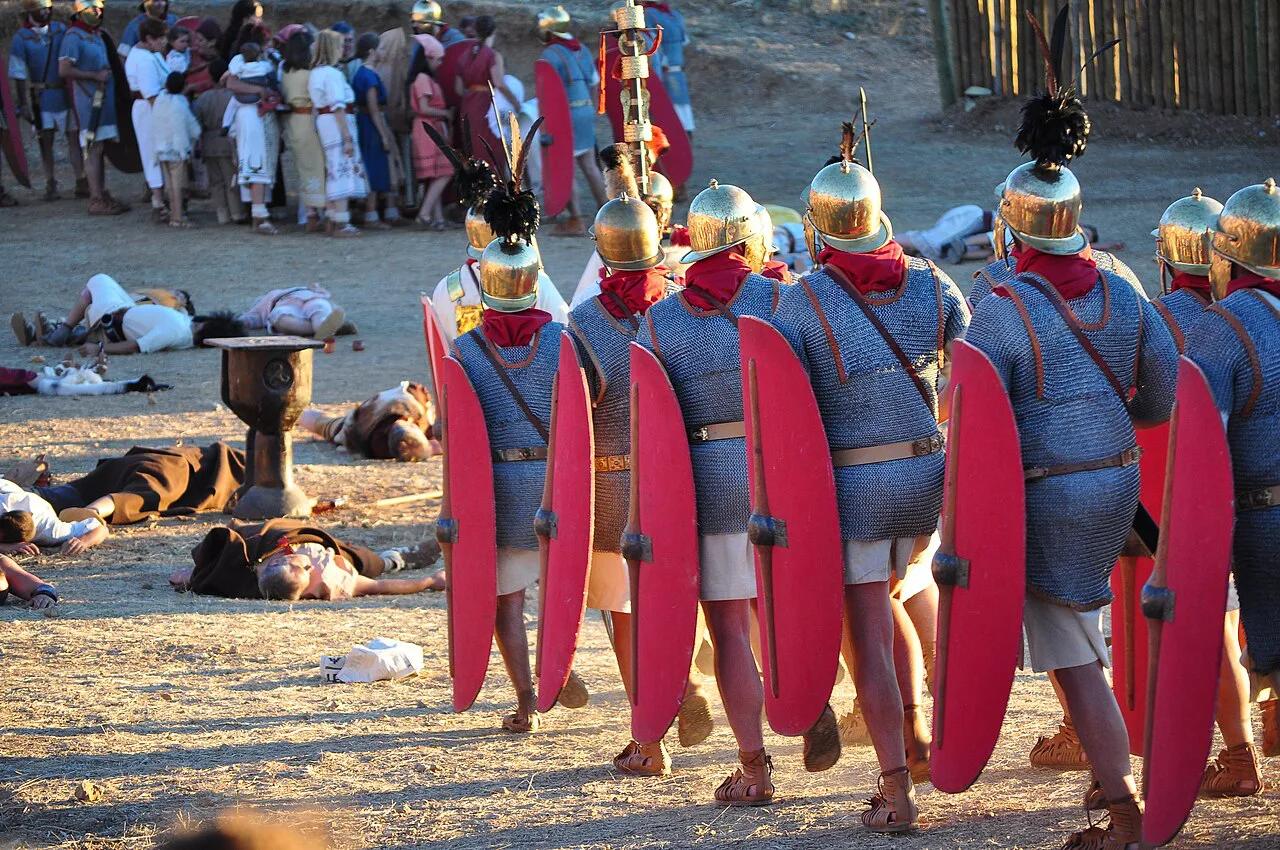
Last updated November 2026: Numantia was a Celtiberian hilltop town on the Cerro de la Muela near Garray, Soria, and it resisted Rome until Scipio destroyed it in 133 BC. Roman reoccupation followed, so the ruins hold both Celtiberian and Roman layers. Use this guide to decide how much time Numantia deserves and how it fits into Spain's wider archaeological circuit.
Featured image: Franciscojhh, CC BY-SA 4.0, via Wikimedia Commons.
Quick Answer: Is Numantia Worth Visiting?
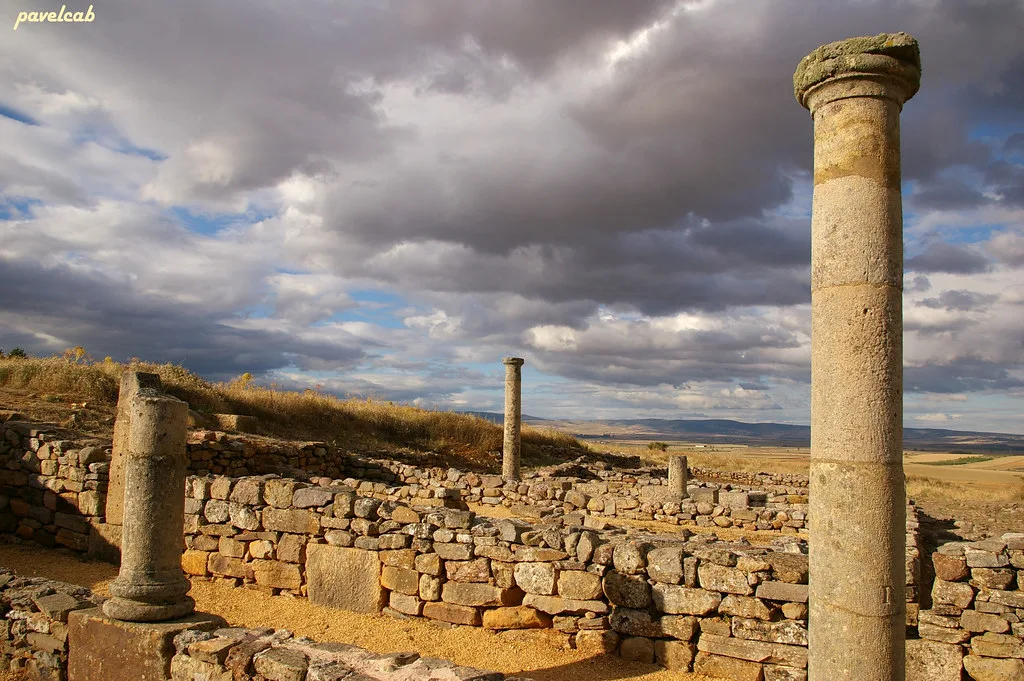
Yes, if you care about Roman Republic history and the story of the Celtiberian resistance. Numantia is a hilltop ruin with partial street plans, not a fully standing Roman city. Visitors who like archaeology, open landscapes and context will get the most from it. Plan a half-day, ideally paired with a museum visit in Soria city. Local tourism offices such as Soria tourism are the best place for current access details.
Numantia in Brief: Celtiberian City, Roman Siege, Later Roman Town
Numantia, called Numancia in Spanish, is a symbol of resistance in Spanish history. Its story runs through several distinct phases.
- 133 BC: Rome conquers the Celtiberian town, and Scipio destroys it.
- 75–72 BCE: The reoccupied city is destroyed again in the Sertorian Wars.
- From 29 BCE: The Cantabrian Wars lead to a new Augustan-era town, a transit city on road XXVII of the Antonine Itinerary.
- Flavian era: Numantia becomes a Roman municipium.
The Story Behind the Siege
Ancient authors tell of a long defence and a dramatic end. Popular retellings often add a mass suicide, and that detail rests on those ancient accounts. Treat it as tradition rather than settled fact. For visitors, the useful point is simple: the site shows how a Celtiberian town became a Roman one. Milestones found nearby name the emperors Claudius (53 CE), Trajan (98–112 CE) and Constantius Chlorus (293–306 CE). They show that the Roman road past Numantia was kept up for centuries.
Numantia as a Roman Municipium: The Flavian Era
Most visitors arrive thinking of 133 BC and stop there. The later Roman town is the part of the hill that is easiest to overlook, and it explains much of what the foundations show.
After the Cantabrian Wars, Numantia was rebuilt as an Augustan-era town. It was no longer a frontier fortress but a settlement on road XXVII of the Antonine Itinerary, the route from Caesaraugusta to Asturica. Under the Flavian emperors, in the later first century CE, it gained the status of a municipium. That meant a Roman-style town with its own magistrates and local government, rather than a native hilltop community under Roman watch.
Three points help on the hill itself:
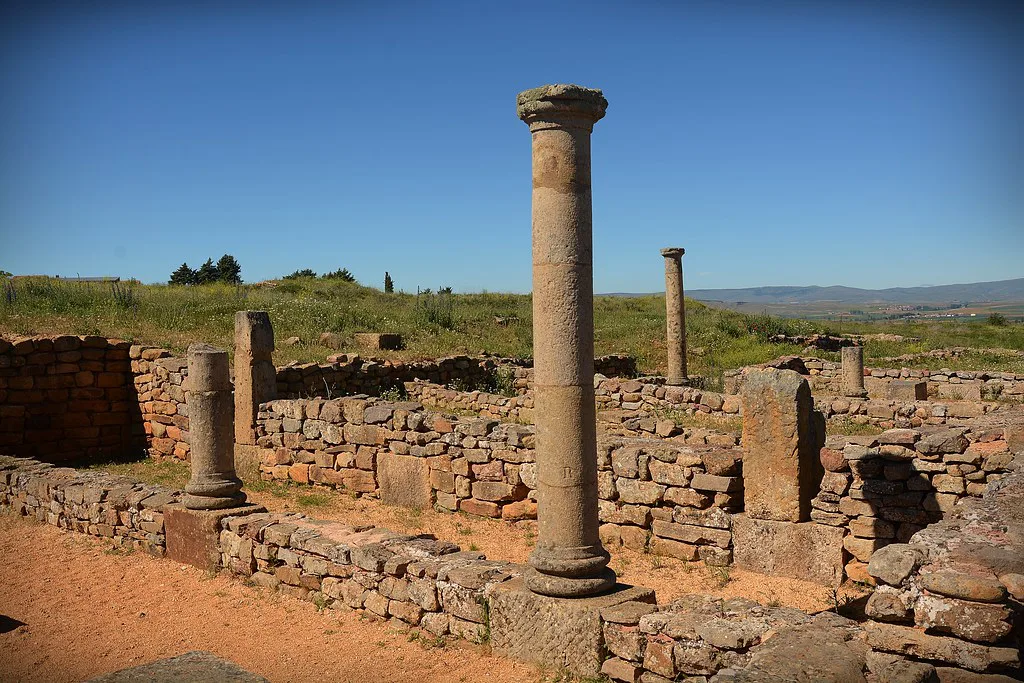
- Street lines come from the Roman town. A regular grid of streets points to the planned Roman phase rather than the earlier Celtiberian layout.
- Layers overlap. The Celtiberian houses, the 75–72 BCE reoccupation and the Roman town share one hill, so a wall you see may belong to any of them. Site signage and the museum are the best guide to which.
- The road matters as much as the town. The milestones of Claudius, Trajan and Constantius Chlorus mentioned above show that the route stayed in use for centuries, long after the siege made Numantia famous.
If you only know the siege story, treat this later phase as the second half of the visit. The hill shows how a conquered town became part of the Roman provincial network, and that is a different story from the one in the ancient historians.
What You Will See on Site
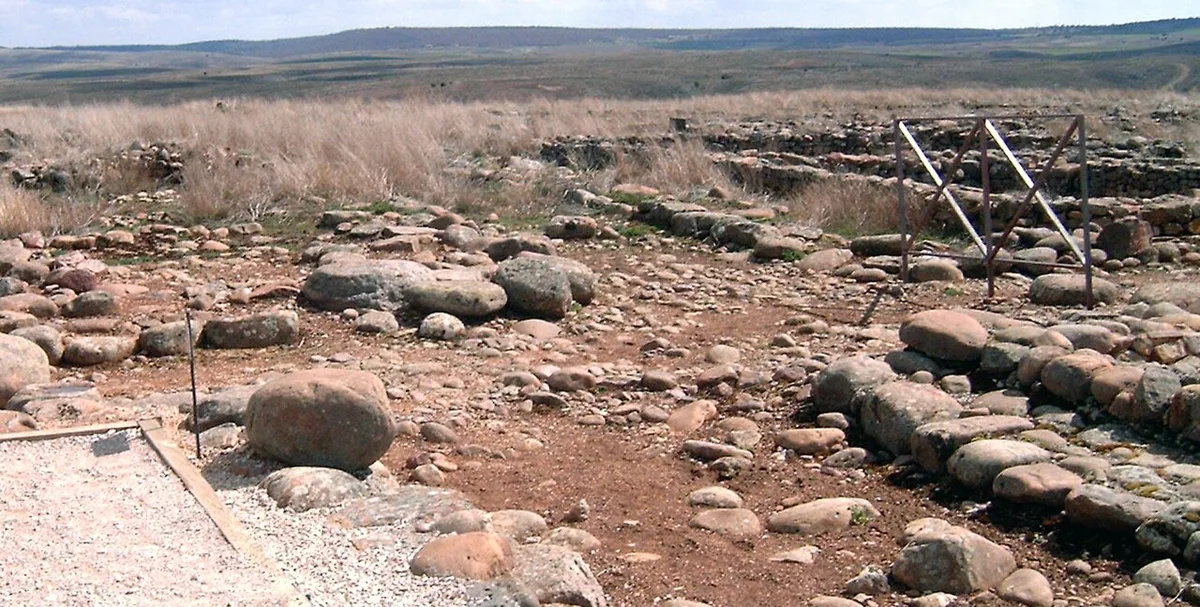
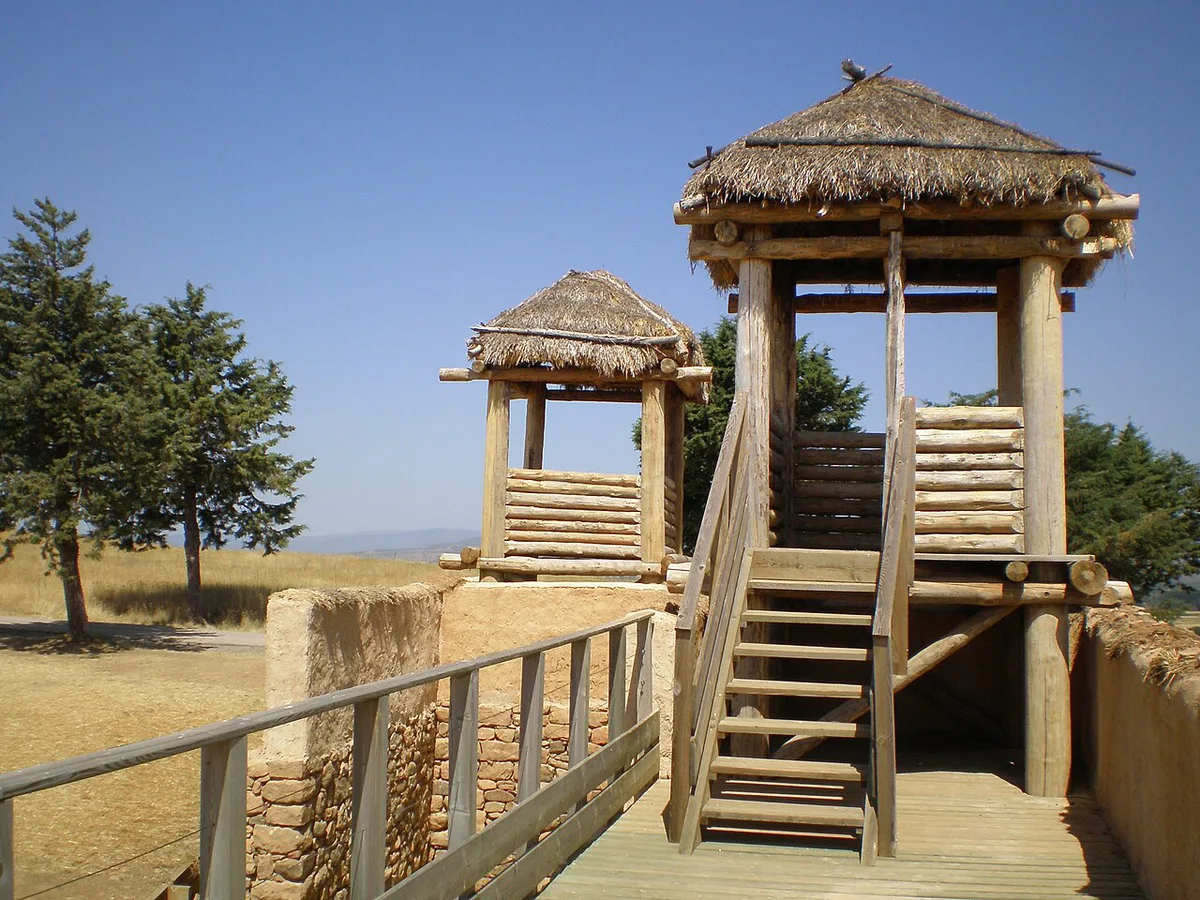
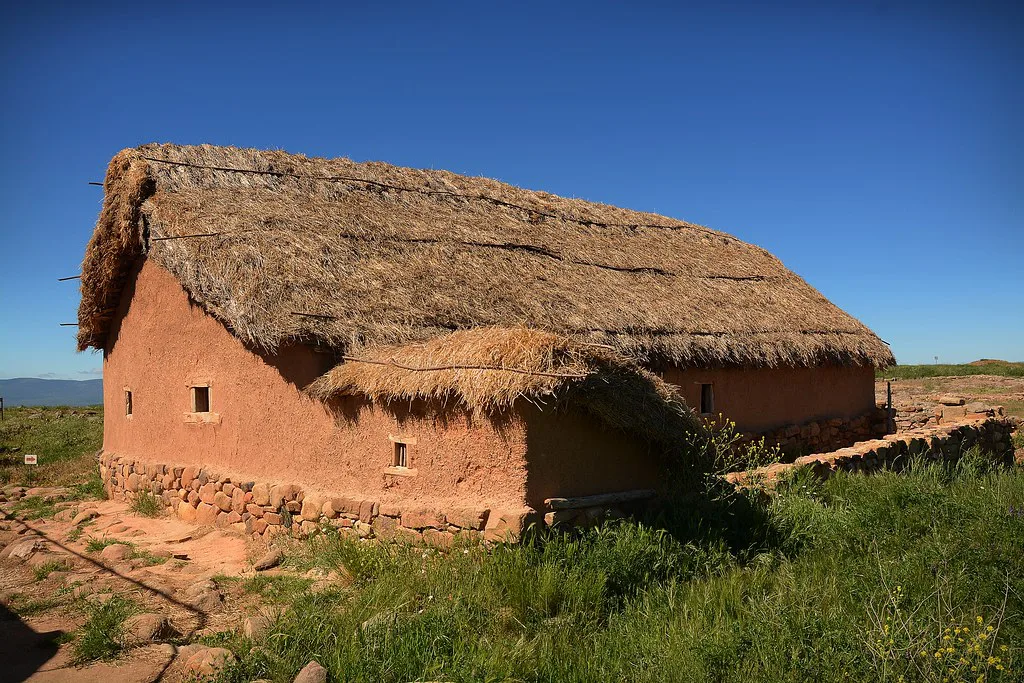
Expect a ruin on the Cerro de la Muela with foundations, street layouts and some reconstructed buildings. Scipio's siege camps around the city are a separate angle for keen visitors. Ask at the site which camps are accessible and signposted. Much of the best pottery is in museums, not on the hill. Celtiberian ware is known for red clay with black painted motifs, plus scenes of warriors, animals and ritual. The "Glass of the warriors" and the "Jug of horsebreaker" are two named examples. The Castilla y León tourism portal lists regional heritage details.
Ruins on the hill reflect the 75–72 BCE reoccupation as well as the earlier Celtiberian town, so expect more than one period.
Scipio's Siege Camps Around Numantia
The ruined town is only half of the siege story. In 134–133 BC Scipio Aemilianus ringed Numantia with a siege wall and a series of camps, and archaeologists have identified several of these on the surrounding hills. Names you may see on maps and signs include Castillejo and Peña Redonda. The Castillejo camp is the one most often described as the best preserved.
Why they are worth a look:
- They show the strategy. Scipio chose to starve the town rather than storm it, and the camps and linking works make that logic visible on the ground.
- They are a different kind of ruin. Expect earthworks and foundation lines in open countryside, not carved stone or reconstructed houses.
- They explain the view. From the Cerro de la Muela you can see how exposed the town was to the surrounding high ground.
Access varies. As noted earlier, ask at the site which camps are open and signposted before you drive out. Some lie on rural tracks where a car is much easier than any other option, so allow extra time beyond the half-day for the hilltop. Wear sturdy shoes and carry water, since there is little shelter on this open plateau.
If time is short, the hilltop and the Museo Numantino give a fuller picture than a rushed run through every camp. Add the camps only if the siege itself is your main interest.
How Long to Plan and a Suggested Route
Allow a half-day for the ruins alone. Add more time if you pair them with the Museo Numantino in Soria city, which is the usual place to see finds from the site. Start at the museum for context, then walk the hilltop with the story fresh. That order helps because the ruin gives you layout, while the museum gives you objects.
Tickets, Opening Hours and Booking
No published fee or schedule is confirmed here. Check the official Numancia site or the Soria tourism office for current hours, seasonal closures and guided options.
Getting There and Getting Around from Soria
Numantia lies near Garray, in Soria province. No public transport timetable is confirmed here, so ask the Soria tourism office about buses and taxis before you plan around them. A car gives the most flexibility on the hilltop and between sites.
Who Should Skip It and Common Mistakes
Skip Numantia if you want standing monuments or quick roadside stops. Avoid these common mistakes instead.
- Expecting a complete city rather than partial ruins.
- Visiting without museum context, so the finds mean little.
- Underestimating weather exposure on an open hilltop.
- Mixing up the ruin on the Cerro de la Muela with the museum in Soria city.
Numantia Compared with Other Spanish Archaeological Sites
Numantia suits travellers who like Roman conquest stories. Other sites in the guide offer different periods and different amounts to see. Clunia is a Roman city in Burgos on the same northern plateau. Road XXVII ran from Caesaraugusta to Asturica, so the two places share a Roman story. For an Iberian contrast, try Ullastret.

| Site | Period | Best for |
|---|---|---|
| Numantia | Celtiberian and Roman | Siege history and hilltop ruins |
| Clunia | Roman | Roman city layout |
| Ullastret | Iberian | Contrast with Celtiberian culture |
| Segobriga | Roman | Roman town and amphitheatre-style remains |
What the Museum Adds to a Numantia Visit
Numantia makes more sense when you see the finds before walking the hill. The Museo Numantino in Soria city is the usual place to view objects associated with the settlement. On the site itself, expect foundations, street lines and reconstructed buildings rather than display cases full of artefacts.
Use the museum visit to establish the sequence before you arrive. The Celtiberian town was destroyed by Scipio in 133 BC. A reoccupied settlement was destroyed again during the Sertorian Wars of 75–72 BCE. The later Roman town developed from 29 BCE, giving the hill more than one period to interpret.
This pairing is especially useful for visitors unfamiliar with Celtiberian pottery. The museum context helps explain the red ware, black painted motifs and figurative decoration that the ruins alone cannot show. Check the museum’s current opening arrangements before building your day around that order.
Related guides

Continue reading
Guides on the same trip