
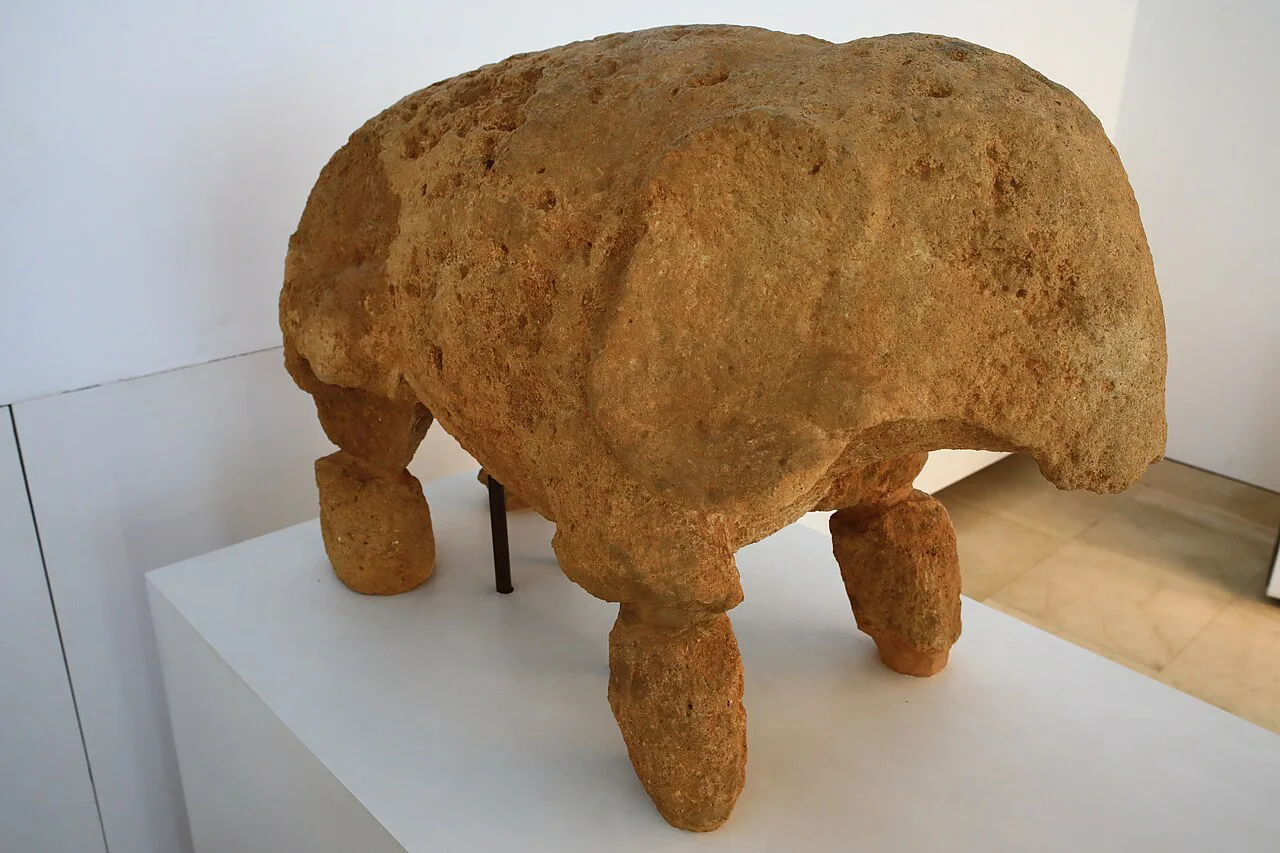
Last updated November 2026: the Carmona necropolis is the Roman burial ground outside the old walls of Carmona, in the province of Seville. Its rock-cut family tombs include the Tumba del Elefante and the Tumba de Servilia. Opening days and ticket rules change, so check the official page before you plan a day trip from Seville.
Featured image: Benjamin Smith, CC BY-SA 4.0, via Wikimedia Commons.
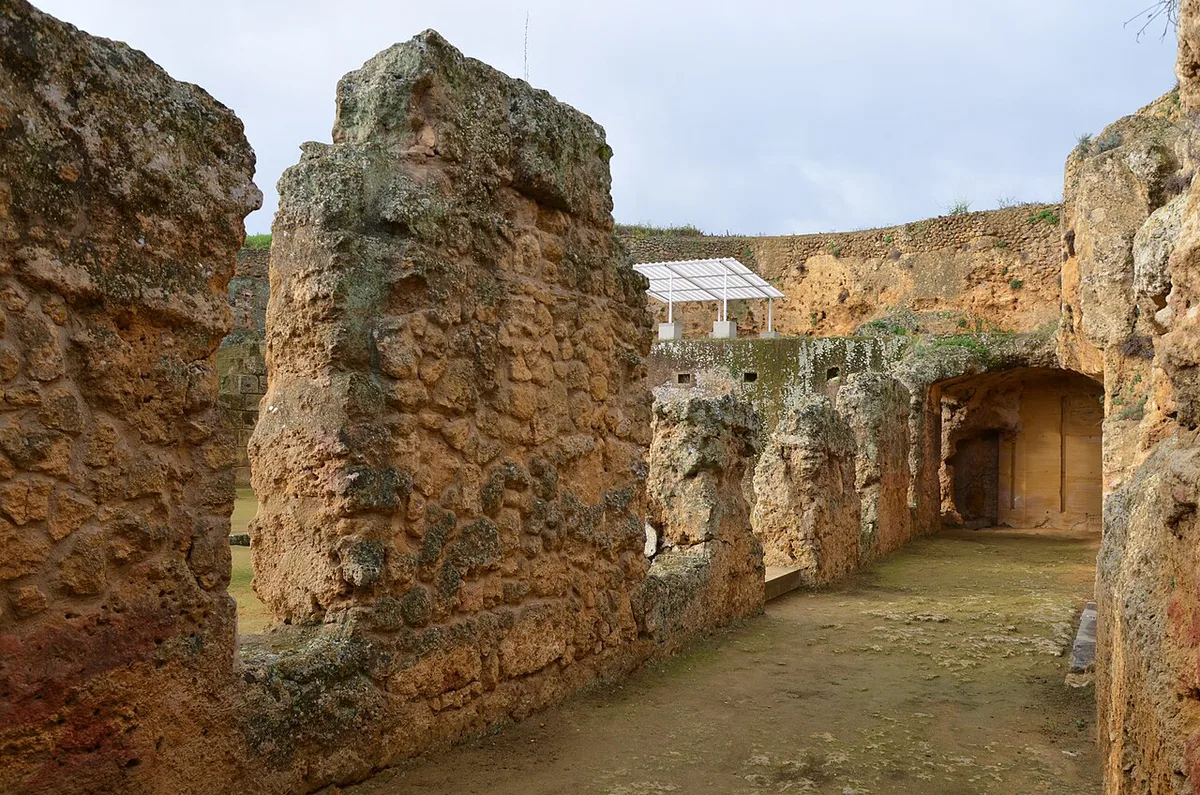
Is the Carmona necropolis worth visiting?
Yes, if you want to see how Romans in Roman Baetica buried their dead in family tombs cut into rock. Skip it if you expect a reconstructed city with streets and forums. Carmona offers a cemetery, a museum and an old town, which is a different kind of day from the coastal ruins at Baelo Claudia Guide: Roman Ruins at Bolonia Beach, Tarifa. Use the table below to decide.
| Traveler | Verdict |
|---|---|
| Roman history or archaeology fan | Visit. Underground chambers and named tombs are the draw. |
| Day-tripper from Seville with limited time | Visit if you can spare a half-day. Pair it with the old town. |
| Family with children | Possible. Chambers and uneven ground suit curious kids, not toddlers. |
| Visitor with mobility limits | Ground is uneven and rocky, so ask the site about access details first. |
| Anyone wanting a reconstructed Roman town | Skip. Choose a larger excavated town instead. |
What the Carmona Roman necropolis is
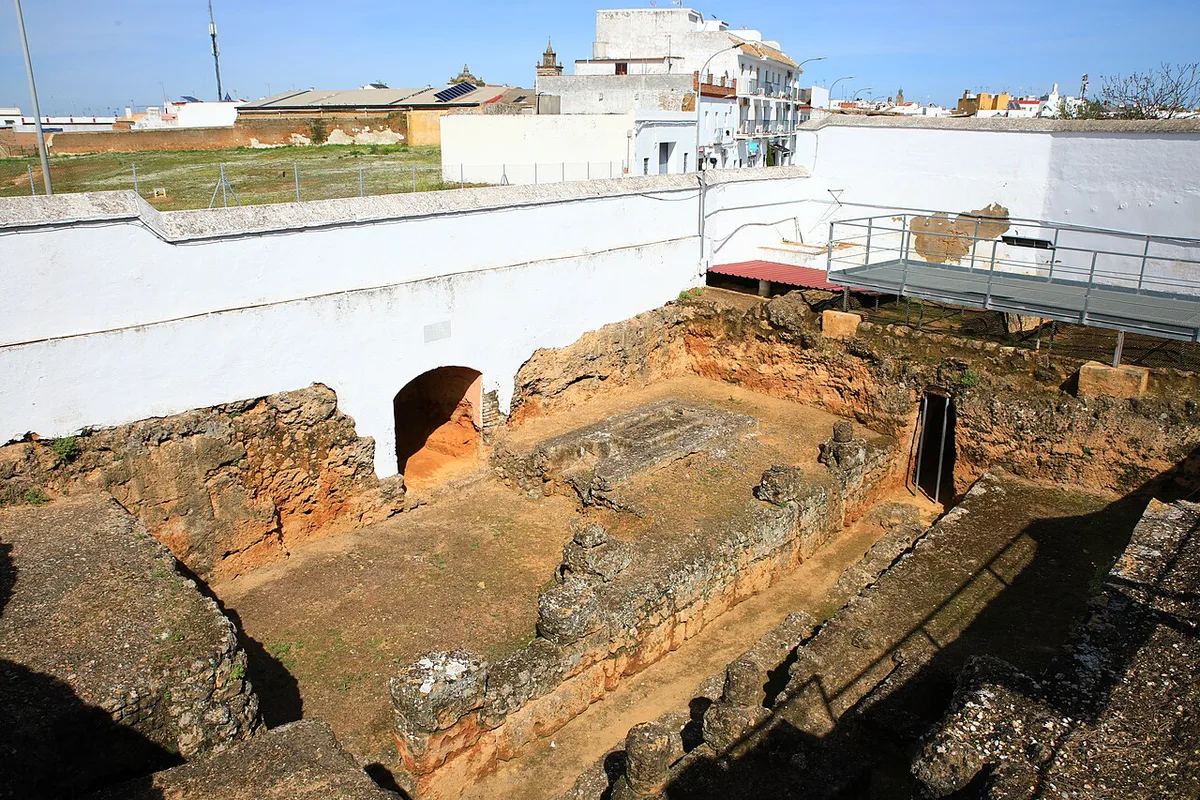
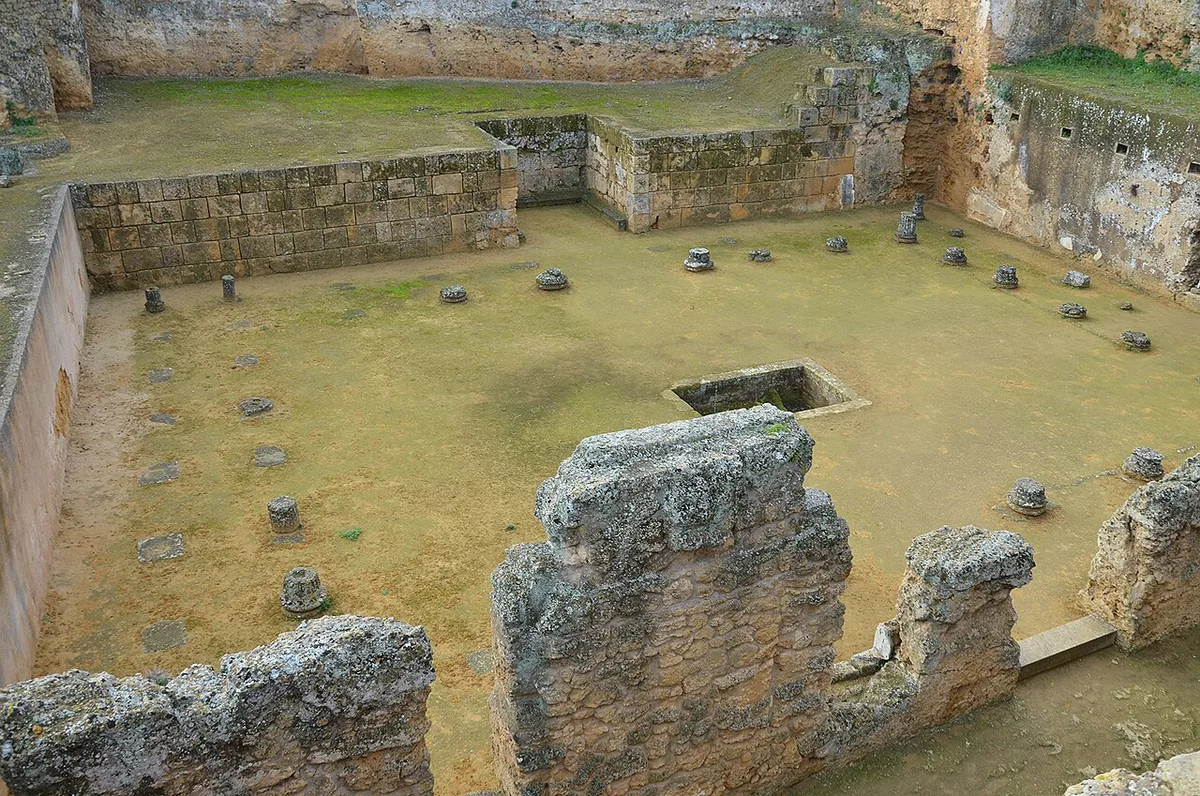
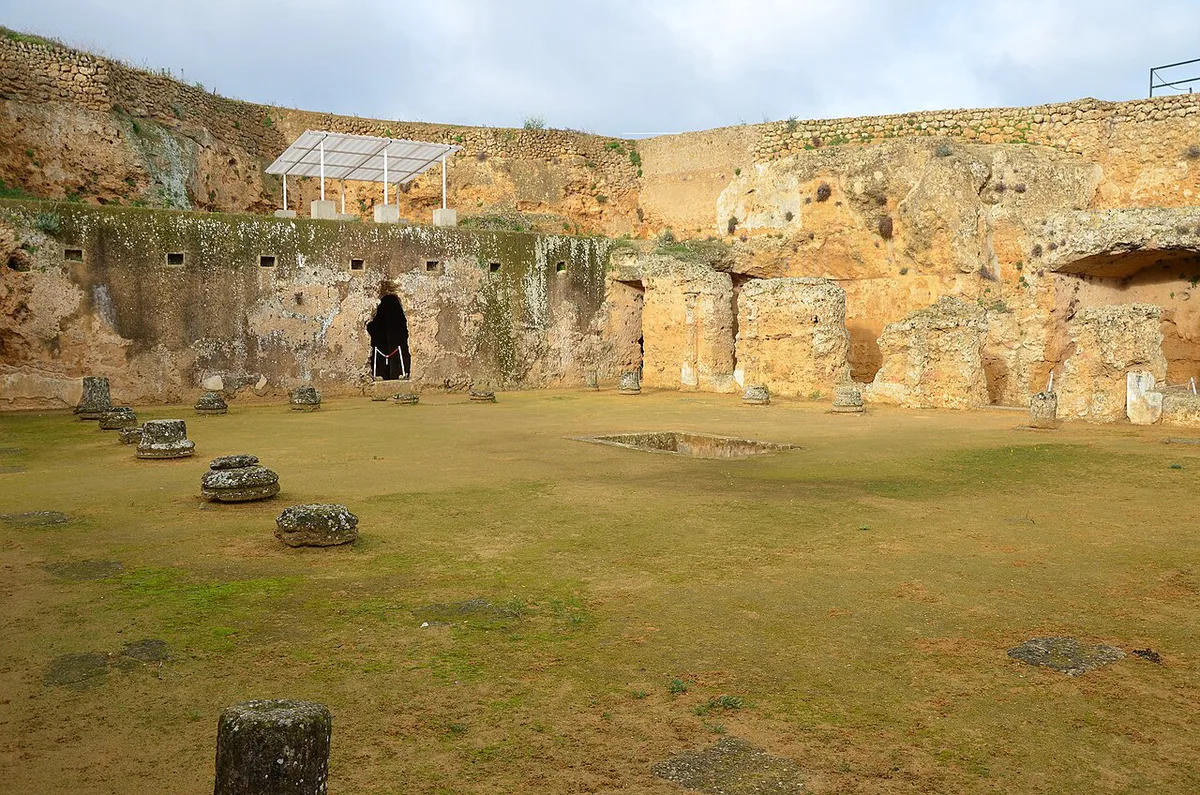
The Necrópolis Romana de Carmona lies outside the walled town. It forms part of the Conjunto Arqueológico de Carmona, which a Junta de Andalucía decree created in 1992, according to Spain's national tourism site. That ensemble also covers the Puerta de Sevilla, the amphitheatre, old stone quarries and pottery workshops. Accounts say the cemetery came to light in the 19th century during construction work, which started formal research. Rock-cut burial chambers and underground structures are spread over several hectares. For wider context, see our guide to Spain's Roman and prehistoric ruins.
What to see on site
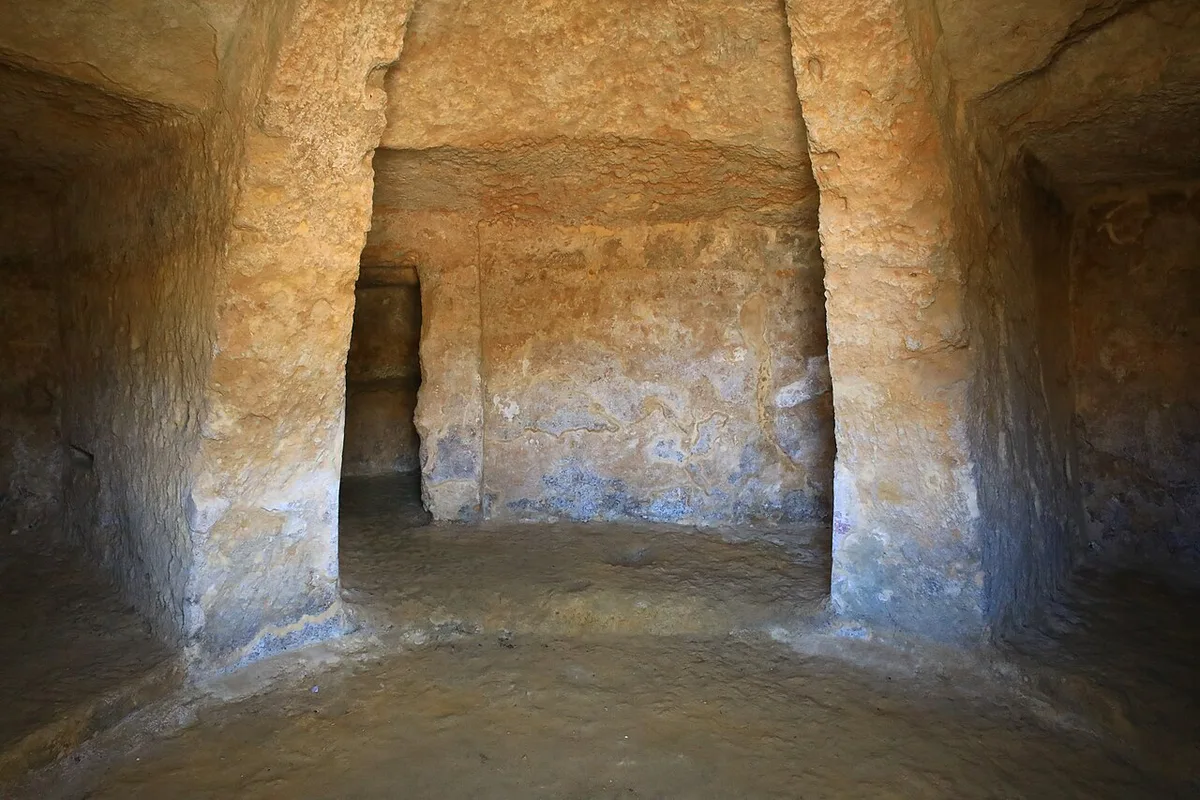
Mapped listings place the museum 88 m and the Tomb of the Elephant 95 m from the site's central coordinates (37.46957, -5.65051). Start with these named stops.
Add about 30 minutes for the amphitheatre, and ask whether it shares your ticket and route.
- Tumba del Elefante (Tomb of the Elephant): the best-known tomb and the usual first stop.
- Tumba de Servilia (Tomb of Servilia): a large family tomb. Painted scenes of daily life have been described here.
- Museo Arqueológico de la Necrópolis: finds from the burial ground. Visit it before the tombs for context.
- Silo de Carmona: a short walk away, about 256 m from the site's central point.
- Amphitheatre: a separate part of the ensemble. Check whether it shares the ticket and route.
Opening hours, tickets and booking
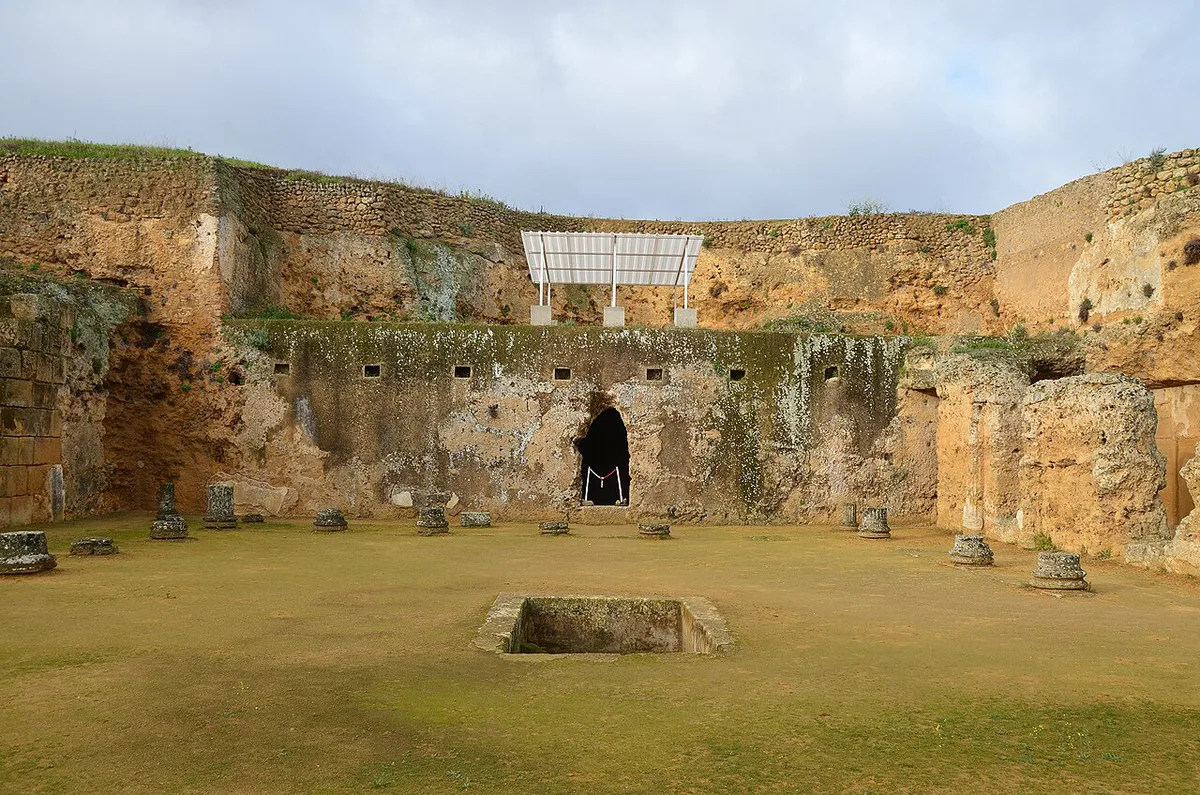
The site's address is Avenida de Jorge Bonsor, 9, 41410 Carmona. Current days, hours and ticket prices are listed on the Junta de Andalucía page for the Conjunto Arqueológico de Carmona. Check it for free-entry categories and whether guided visits are needed, because summer hours often differ.
Getting to Carmona and the site
Carmona sits east of Seville, so most visitors come by car, bus or guided tour. Car gives the most flexibility and lets you park near the necropolis. A bus ties you to its timetable, so know the return time before you leave Seville. A guided tour removes planning but fixes your hours on site. From the Puerta de Sevilla, the necropolis is about 0.7 km (0.4 miles) away. Mapped listings give about 850 m, so treat it as under a kilometre. The walk takes roughly 10 to 15 minutes at an easy pace. Parking and step-free access are not confirmed, so ask the site before you go.
Puerta de Sevilla is under a kilometre on foot. Add 1 to 2 hours for it and the old-town walls.
How long to plan: a half-day in Carmona
These timings are our editorial estimates, not official figures. A relaxed half-day fits the necropolis, the museum and a walk back toward the old town.
| Plan | Estimated time |
|---|---|
| Necropolis only | About 1 hour |
| Necropolis plus museum | About 1.5 to 2 hours |
| Plus amphitheatre | Add about 30 minutes |
| Plus Puerta de Sevilla and old-town walls | Add 1 to 2 hours |
Practical tips and mistakes to avoid
Most problems here come from timing and footwear. Ground is described as uneven and sometimes rocky, so shoes with grip matter more than a camera bag.
- Arriving without checking the open days. Confirm them on the official page.
- Skipping the museum. It explains what you see underground.
- Wearing smooth-soled sandals on rocky paths.
- Visiting at midday in summer. Go in the morning or late afternoon, and carry water.
- Planning only daylight-free time. Good light helps in the chambers, so arrive early.
Where to stay or eat nearby
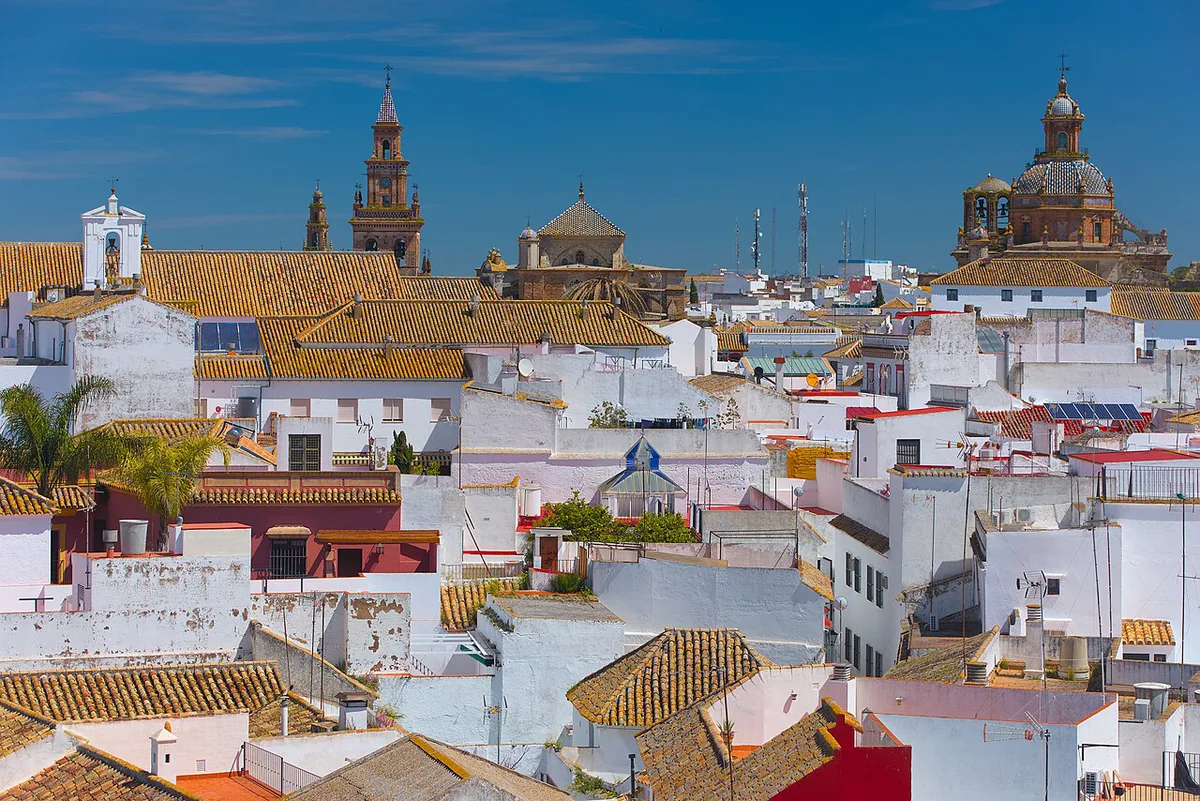
Most visitors return to Seville the same day. Staying in Carmona's old town lets you see the Puerta de Sevilla and walls with fewer crowds in the evening. Pick a place inside the old town to avoid walking uphill with luggage. Look for lunch in the old town rather than near the burial ground.
More Roman and archaeological sites in Spain
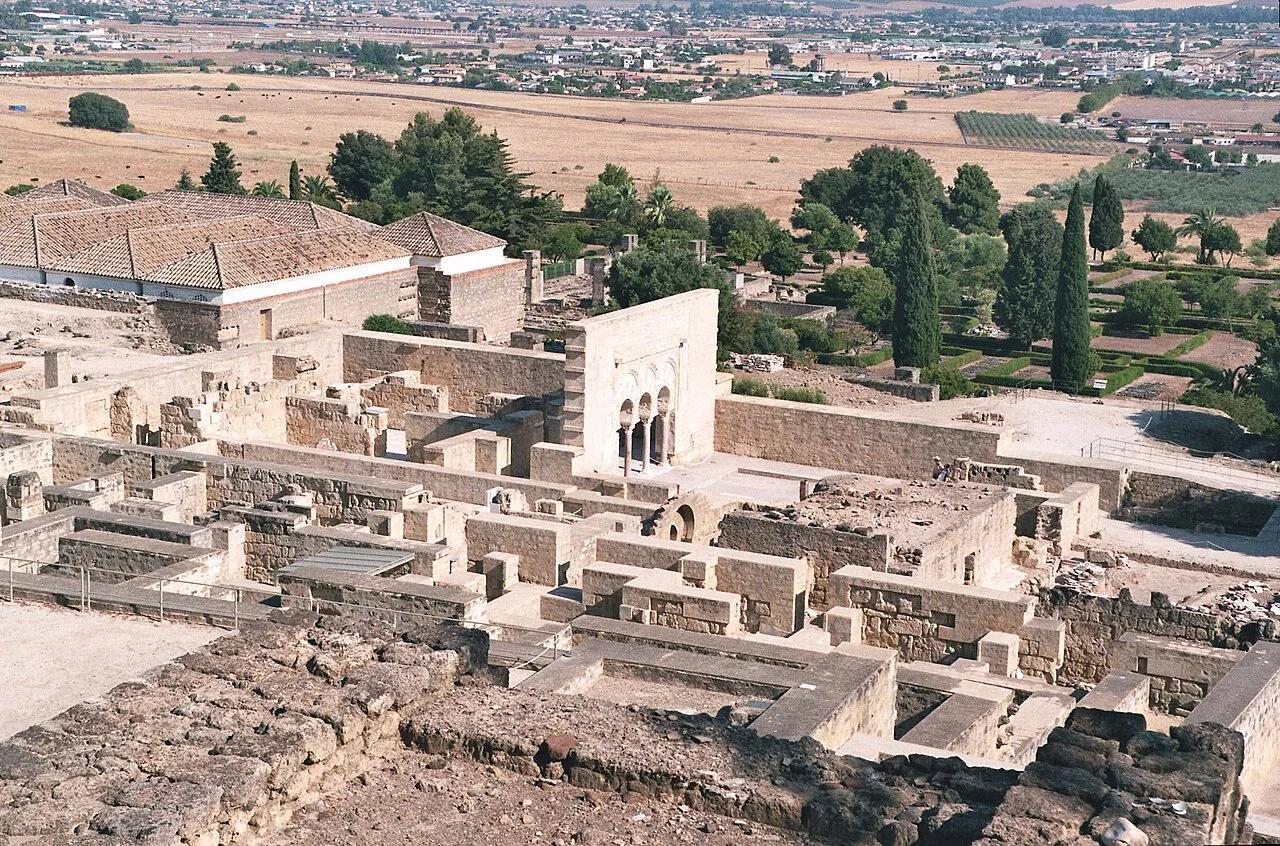
For another Roman site in Andalusia, try Roman Acinipo in Andalusia. Coastal visitors can compare this cemetery with Greek and Roman Empúries. In Valencia, the Roman theatre at Sagunto shows a very different style of monument. For a change of era, the Caliphate-era palace city near Córdoba is a practical Andalusian pairing, though it is Islamic rather than Roman.
Related guides

Continue reading
Guides on the same trip