
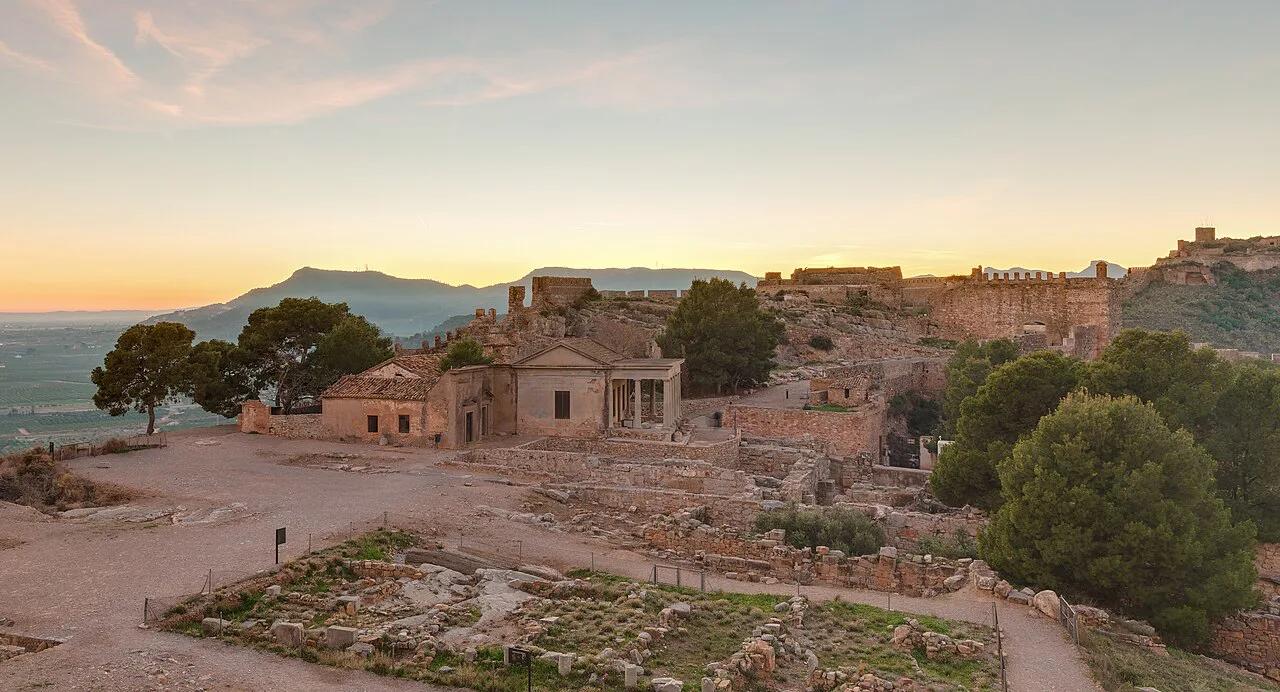
Last updated November 2026: sagunto is a city about 30 km north of Valencia, built over the Iberian and Roman town of Saguntum. Hannibal's siege of Saguntum in 219 BC set off the Second Punic War. Day-trippers from Valencia, archaeology fans and Fallas or Easter visitors will find a half-day plan below. More ruins are covered in our guide to ancient sites across Spain.
Featured image: Diego Delso, CC BY-SA 4.0, via Wikimedia Commons.
Is Sagunto Worth Visiting? Quick Answer
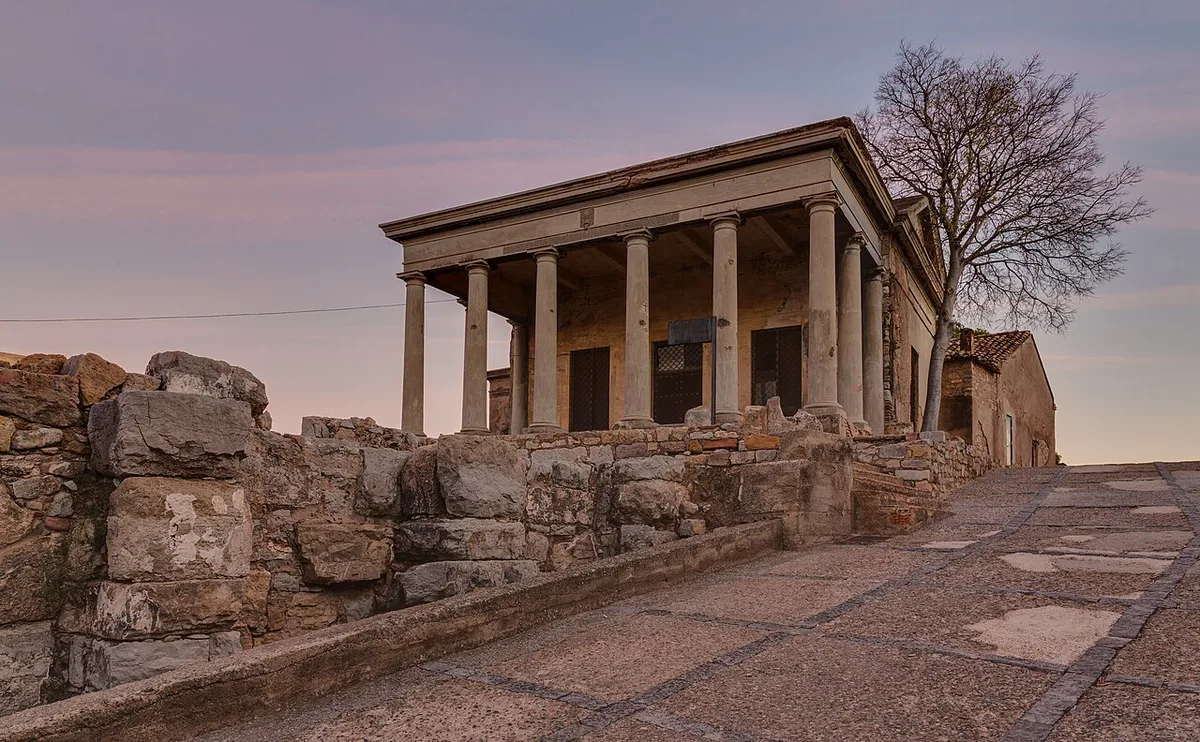
Yes, if Roman and Iberian history interests you. Sagunto sits on the Costa de Valencia in the Camp de Morvedre district, and its old town holds a hilltop castle, a Roman theatre and a Jewish quarter. Anyone with under 3 hours, or who wants only a beach day, will get better value elsewhere on the coast. Sagunto suits a half day from Valencia best.
- Day-trippers from Valencia: castle, theatre and old town in one half day.
- Archaeology fans: Iberian, Roman and medieval layers on a single hill.
- Festival visitors: Fallas in March and Easter Week, with the crowd caveats below.
- Beach-only travelers: skip the old town and go straight to Puerto de Sagunto.
Top Sights in Sagunto
Start with the stone. In the 5th century BC the Iberians walled a settlement on this hill, then known as Arse. Rome later rebuilt it as Saguntum. Our guides to Empúries and Ullastret show how other Iberian and Greek coastal towns compare. Each sight below comes with who it suits.
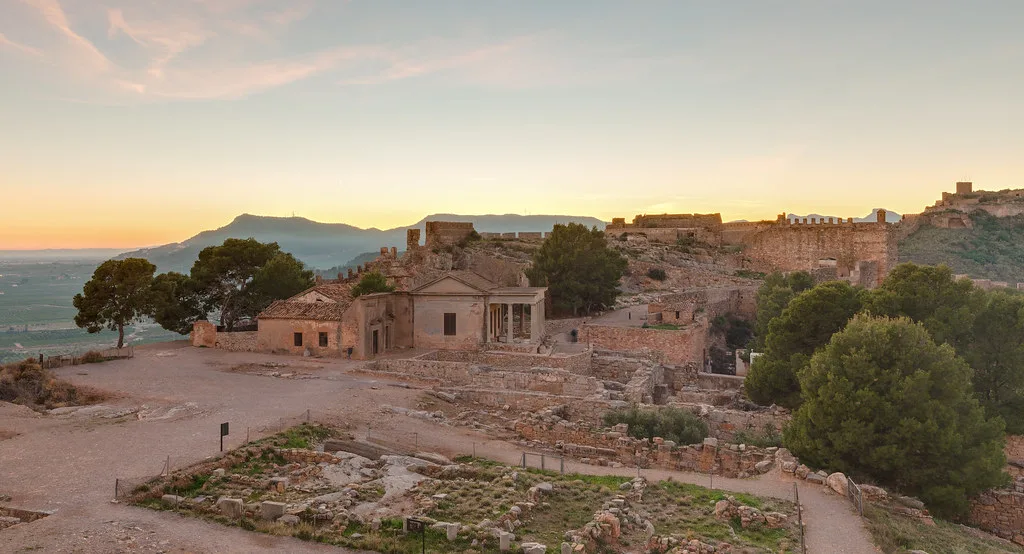
- Sagunto Castle: a fortress almost 1 km long, enclosing Iberian and Roman remains inside Roman and medieval walls. Its elongated site is divided into seven squares and preserves parts of the forum, cisterns, basilica and curia. Suits anyone who can handle a steep climb.
- Roman theatre: built in the 1st century into the hillside, with two semicircular seating areas cut from the rock. It was declared a National Monument in 1896. It was partly restored in the late 20th century, and that restoration remains debated. Published capacity figures differ, so treat any single number with care. Suits architecture and acoustics fans.
- Plaza Mayor and Santa María church: an arcaded square that leads up to the Jewish quarter and castle. Gothic Santa María overlooks it, with the neoclassical City Hall alongside. Suits a coffee stop before the climb.
- Judería (Jewish quarter): narrow whitewashed streets joined by pointed arches. Entry is through the Portal de la juheria arch, between Sang Vella and Castillo streets. Suits slow wandering on the way up.
- Archaeological Museum of Sagunto: the place for finds from the Iberian and Roman town. Suits rainy or very hot hours.
- Roman circus remains: 2nd-3rd century traces beside the Palancia River. Suits completists with spare time.
How to Get to Sagunto From Valencia
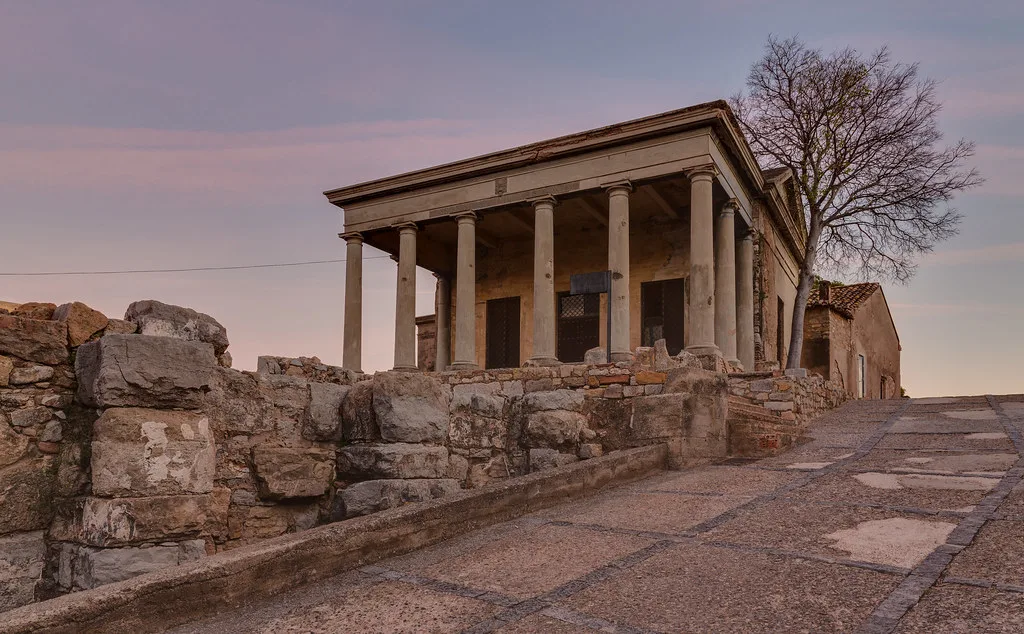
Sagunto lies about 30 km north of Valencia city center, so the trip is short by any mode. Journey times, fares and frequencies change by timetable. Check them on Renfe Cercanías and the official Sagunto tourism site before you travel. The harder part is the last leg, because the old town and castle sit uphill from the modern center.
| Option | Best for | Last leg to the old town | Watch out for |
|---|---|---|---|
| Regional train (Renfe Cercanías) | Car-free day trips | Walk or short local transfer from the station, then climb on foot | Note the last return train |
| Car | Combining Sagunto with the coast | Park near the old town, then climb on foot | Parking pressure during Fallas and Easter |
| Bus | Budget travelers | Local transfer or walk, as above | Find the operator and stop first |
How to Plan Your Time in Sagunto
These are suggested plans, not sourced figures. Slope and midday heat should drive your order. Do the climb early in summer, because the castle has little cover and the old town climb is steep and cobbled.
Suggested Routes: 3 Hours, Half Day or Full Day
Pick the plan that fits your day. In every version, avoid the castle at midday in summer.
- About 3 hours: castle and Roman theatre only. Go up in the morning, then drop to the theatre.
- Half day: add the Plaza Mayor, Santa María church and the Judería, walking up through the old town.
- Full day: add the museum, then finish at Puerto de Sagunto for the beach or steel heritage.
- Mistakes to avoid: assuming the castle and theatre share one ticket, arriving without checking closing days, and skipping the old town route up.
Costs, Tickets and Opening Hours
Published ticket prices and opening hours for the castle, theatre and museum are not fixed in our sources. Check current fees, closing days and guided-visit options on the official Sagunto tourism site or with the city council. Do not assume one ticket covers both monuments.
Where to Stay and Get Around
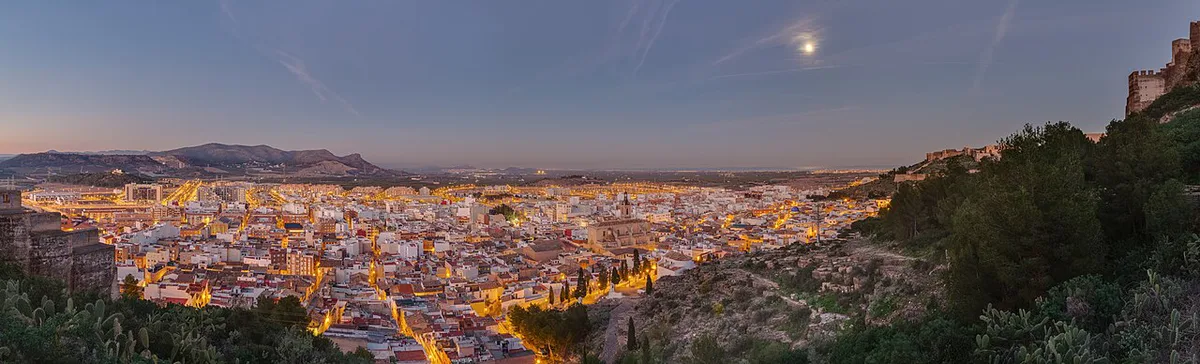
The municipality has three urban nuclei: Ciutat Vella (the old town), Grau Vell and Puerto de Sagunto. Over half the population lives in Puerto de Sagunto, which makes it the practical base for beach, hotels and industrial heritage. The old town suits travelers who want ruins at the doorstep. Staying in Valencia works best if Sagunto is one day among several. Inside the old town, plan to walk. Cars struggle on its narrow, steep streets.
Fallas and Easter Week in Sagunto
Fallas bonfire festival in March and Easter Week bring crowds. Spain's official tourism portal lists Easter Week in Sagunto as 21 to 28 March 2027. Expect pressure on parking, roads and rooms, and book accommodation early. Check the official Fallas dates and any monument closures before fixing a day.
Easter Week falls 21 to 28 March 2027, so book rooms early and plan around parking pressure if you drive in.
Beyond the Ruins: Puerto de Sagunto
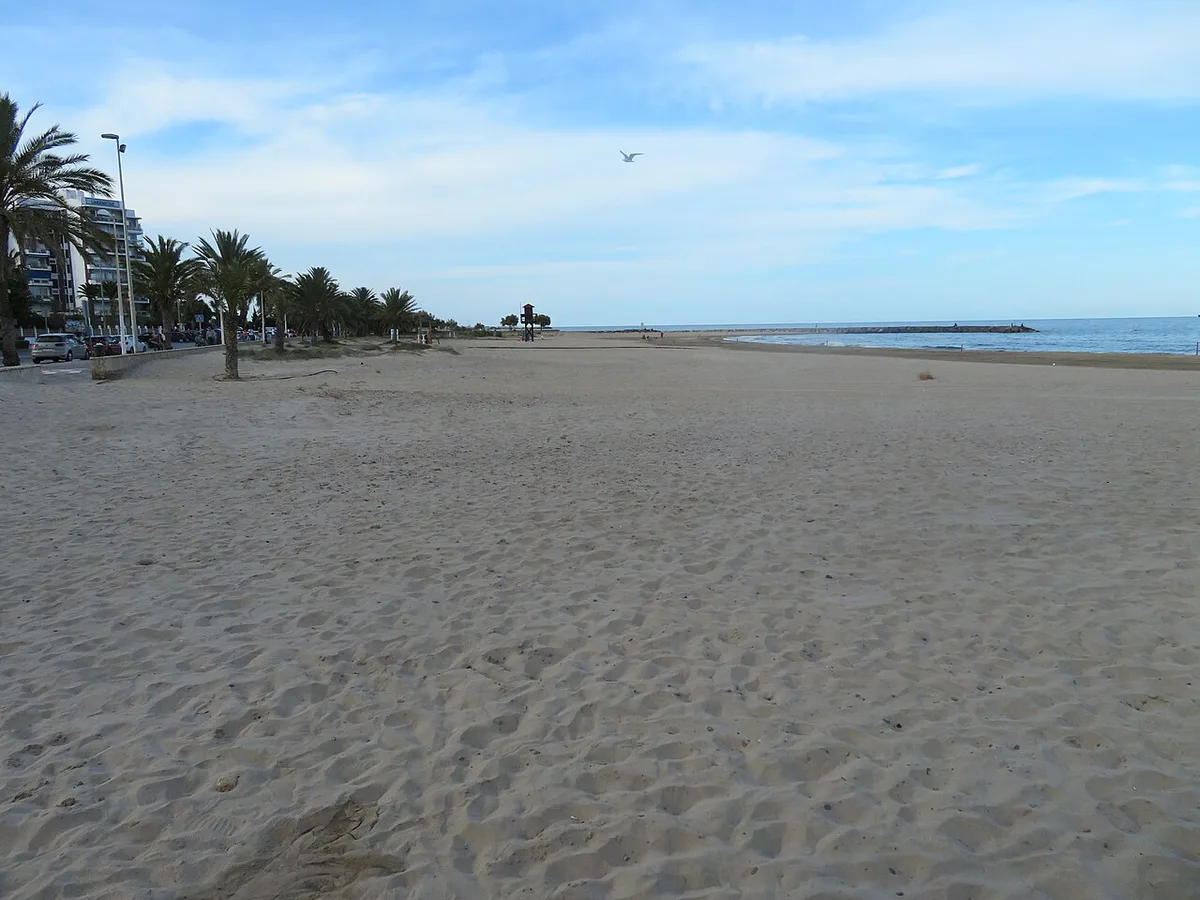
A short distance from the old town, the port has 13 km of sandy beaches backed by dunes. Steel-making shaped the coast here from the late 19th century. The last steel oven closed in April 1984 and is now a visitor attraction, so look up its current name and access before you plan around it. Roman-city fans can continue to Caesaraugusta or Barcino on a longer trip. Fans of a Roman burial ground can compare the Carmona Necropolis: Visiting the Roman Cemetery.
Puerto de Sagunto has 13 km of sandy beaches, and over half the municipality's population lives there, so it works as a beach base.
Frequently Asked Questions
Does Saguntum still exist?
Yes, as the city of Sagunto, spelled Sagunt in Valencian. Its old town still holds the castle, the Roman theatre, the Jewish quarter and the circus remains.
Is Sagunto Castle free?
Entry terms and opening days can change. The official Sagunto tourism site lists the current fee, closing days and guided-visit options.
Related guides

Continue reading
Guides on the same trip