
Baelo Claudia Guide: Roman Ruins at Bolonia Beach, Tarifa
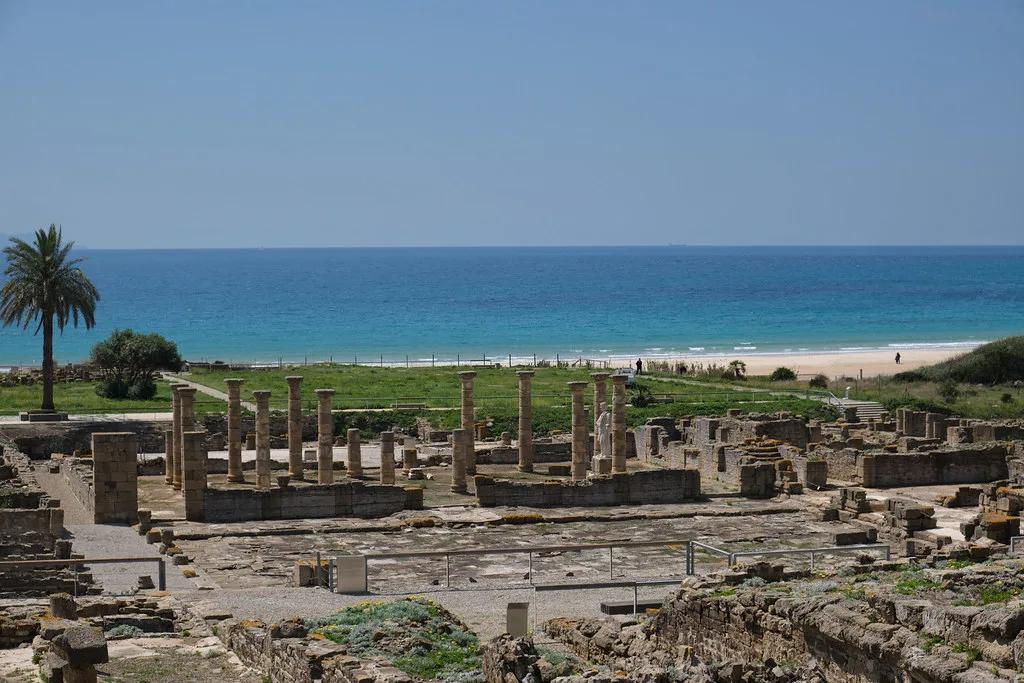
Last updated November 2026. Baelo Claudia is a Roman fish-salting and trading town on the Strait of Gibraltar, set beside Bolonia beach in Tarifa, Cádiz province. It grew rich on tuna, salted fish and garum, and its forum, basilica, theatre and Capitoline temples still stand in a readable street grid. This guide covers how to reach it, what to see, how long to allow and how it fits with the rest of our 16 Archaeological Sites in Spain: Roman, Prehistoric and Islamic Ruins Worth the Trip coverage.
Featured image: diocrio, CC BY-SA 2.0, via Flickr.
Baelo Claudia at a glance
Baelo Claudia sits in the Ensenada de Bolonia, Tarifa, Cádiz, on the Strait of Gibraltar. Wikipedia puts it about 22 km (14 miles) from Tarifa. The town was founded at the end of the 2nd century BC and was abandoned by the 6th century AD. Its wealth came from tuna fishing, salting and garum, the fermented fish sauce that Roman kitchens prized. The Junta de Andalucía runs the site as an archaeological ensemble, and its official Museos de Andalucía page is the place for current hours and rules.
- What it is: a Roman coastal town with its street grid, public buildings and fish-salting works
- Where: Ensenada de Bolonia, Tarifa, Cádiz province, Andalusia
- Best for: history travelers, photographers, and anyone already based in Tarifa or Cádiz
- Time needed: roughly an hour for a quick pass, longer with the visitor centre and beach
- Tickets and hours: see the official page, as rules change
Is Baelo Claudia worth visiting?
Yes, if you are already in the Strait area and want a Roman site that you can read at a glance. Streets, a forum, a basilica, temples, a theatre and industrial salting tanks survive in one compact layout beside the sea. That setting is the main draw. Visitors who want towering reconstructions will find fewer of them here than at some inland sites. Compare it with Empúries on the Costa Brava, another Mediterranean-facing ancient town. Inland Roman cities such as Segóbriga offer a different, more hill-country feel. If you only have a day for the Cádiz coast and no interest in ruins, spend it on Tarifa and the beach instead.
How to get to Baelo Claudia
A car is the easiest way to reach the site. Wikipedia gives about 22 km (14 miles) from Tarifa, so check your own route and timing in a maps app before you leave. Taxis and organized tours also run from the area. Public transport to Bolonia is limited, so look up current services with Tarifa's municipal or tourism office before you rely on it. Cádiz, Málaga and Seville are all longer drives, which makes Tarifa the practical base for a half-day trip.
Count on the 22 km (14 miles) from Tarifa as your baseline, then add time for parking and the visitor centre before you walk the ruins.
| Option | Cost | Flexibility | Effort |
|---|---|---|---|
| Own car | Medium | High | Low |
| Taxi from Tarifa | High | Medium | Low |
| Organized tour | Medium to high | Low | Low |
| Public transport | Low | Low | High |
Tickets, opening hours and visitor centre
Wikipedia reports that admission is free for citizens of the European Economic Area who show ID. That rule may have changed, and the rate for other visitors is not stated there. Read the current admission rule and seasonal hours on the Conjunto Arqueológico Baelo Claudia page. The modern visitor centre opened its museum in 2007 and was designed by Guillermo Vázquez Consuegra. It is described as offering parking, shade, toilets and a shop. Start there for models and finds before you walk the ruins. The national tourism site spain.info also lists the site's address and contact block.
What to see at Baelo Claudia
Follow the town's own logic: enter from the visitor centre, then walk down toward the sea. Each stop below rewards a few minutes of attention.
- Visitor centre and museum: models and finds that explain the layout before you start
- Forum: the open square where the decumanus maximus and cardo maximus cross, with the curia nearby
- Basilica: the courthouse building, about 19.5 by 35.5 m according to Wikipedia
- Capitoline temples: three temples for Jupiter, Juno and Minerva, plus a temple of Isis
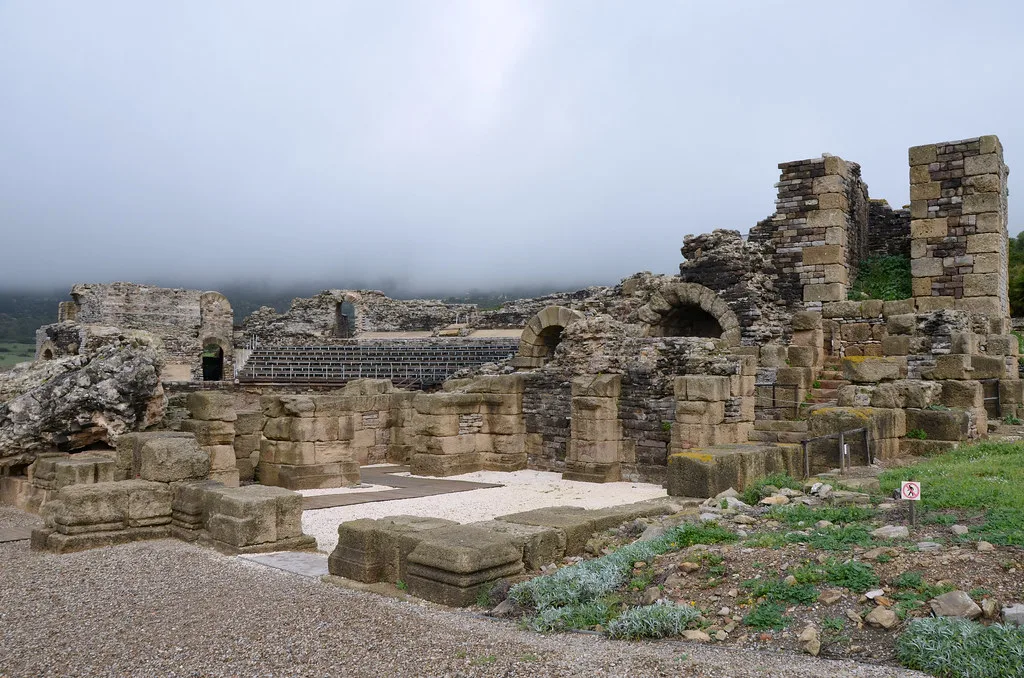
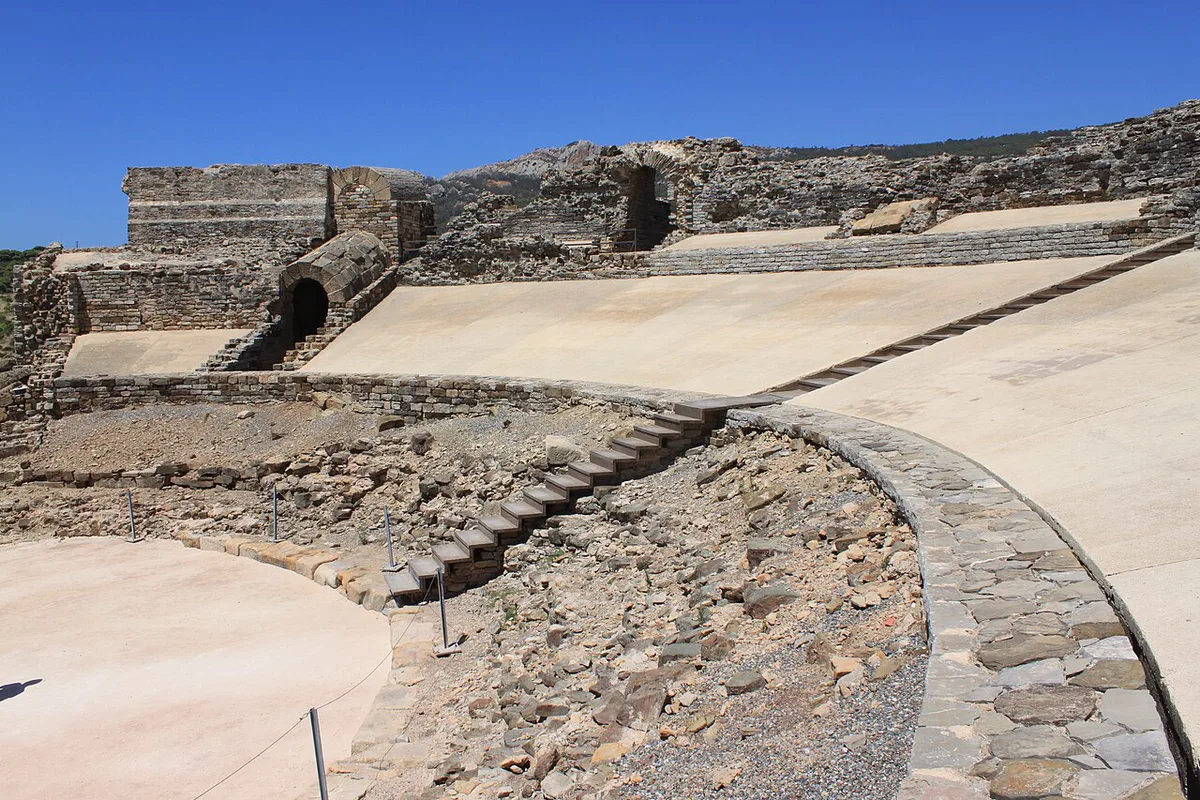
- Theatre: the largest building in town, with room for up to about 2,000 people according to Wikipedia
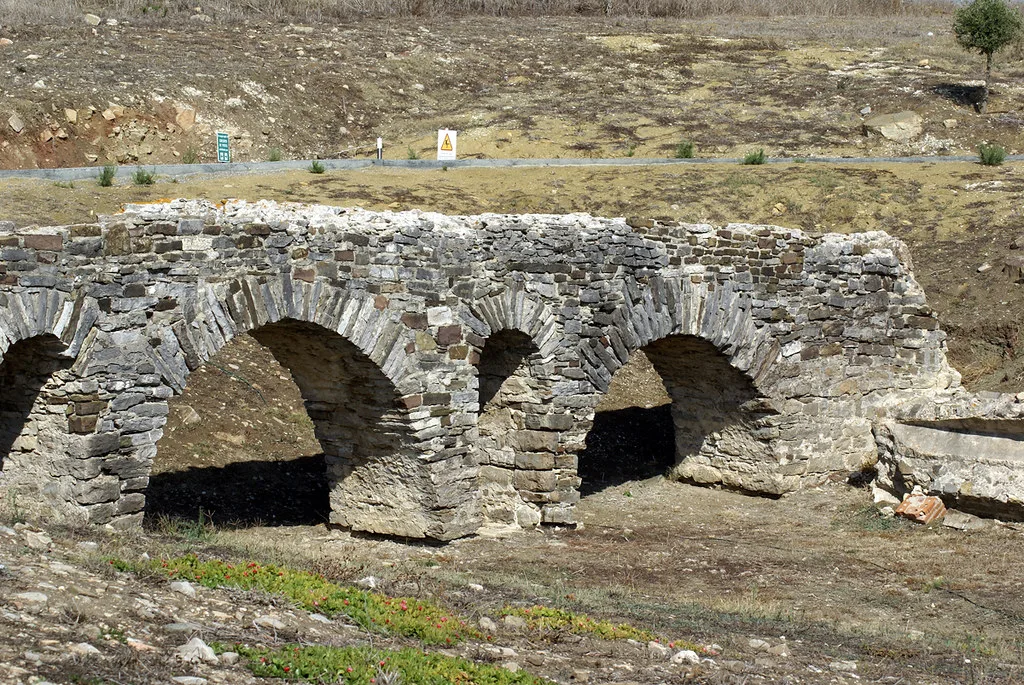
- Garum factories: salting tanks that explain why the town existed
- Market, baths, walls and gates: the everyday infrastructure of a Roman town
How long to spend and the best time of day
Allow about an hour for a quick pass, and extend it if you want to read the museum displays. Shade on the ruins is limited, so bring water, a hat and sunscreen. Morning or late afternoon gives softer light for photos and cooler walking. Wind is common on this stretch of coast, so a light layer helps. Treat the durations below as estimates, not official figures.
| Plan | Who it suits | What you see | What you skip |
|---|---|---|---|
| Quick pass, about 1 hour | Short on time | Forum, basilica, temples, theatre | Museum detail, beach |
| Standard visit, about half a day | Most history travelers | Museum plus full site walk, salting works | Beach time |
| Full day with the beach | Coast and history travelers | Site in the morning, beach and dune after | Other Tarifa stops |
Combine it with Bolonia beach and the dune
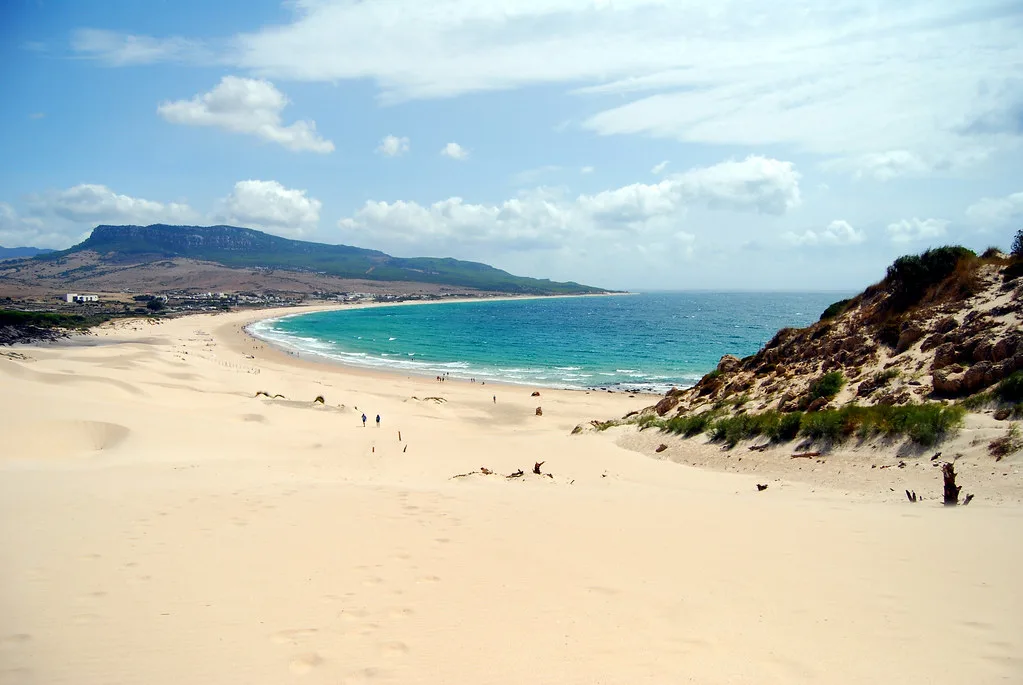
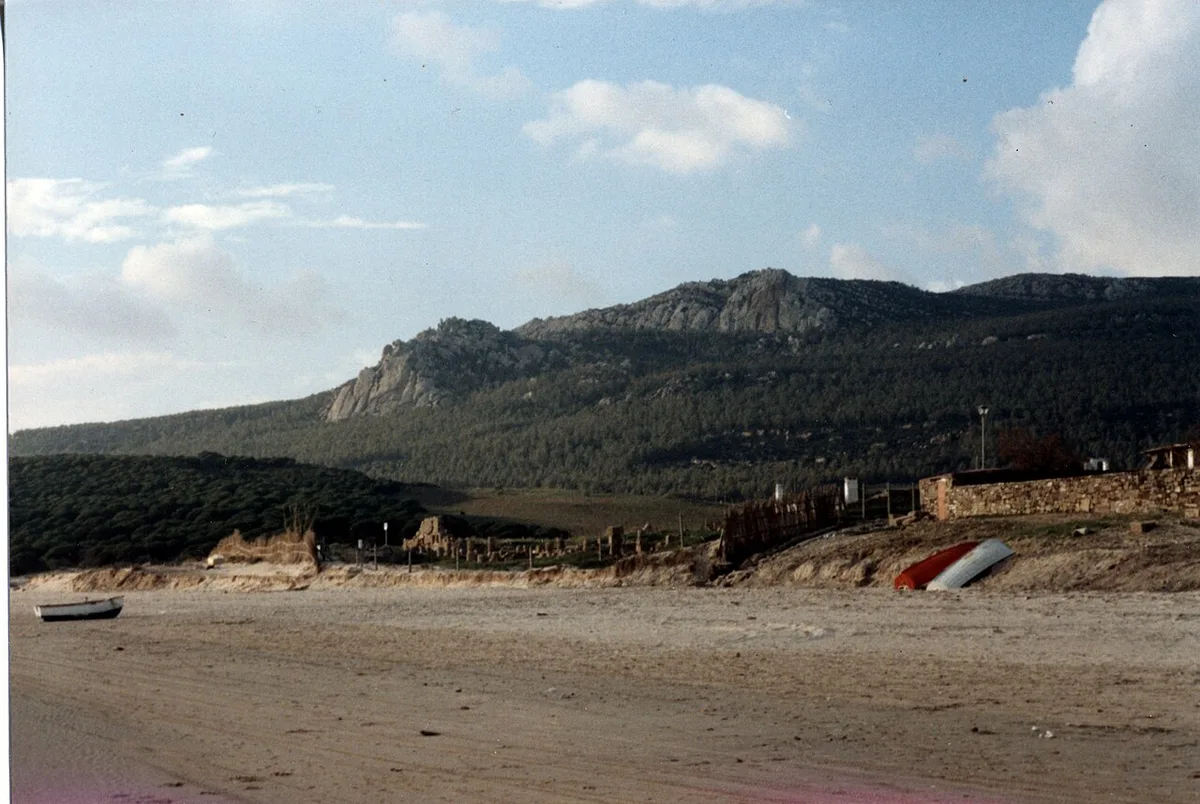
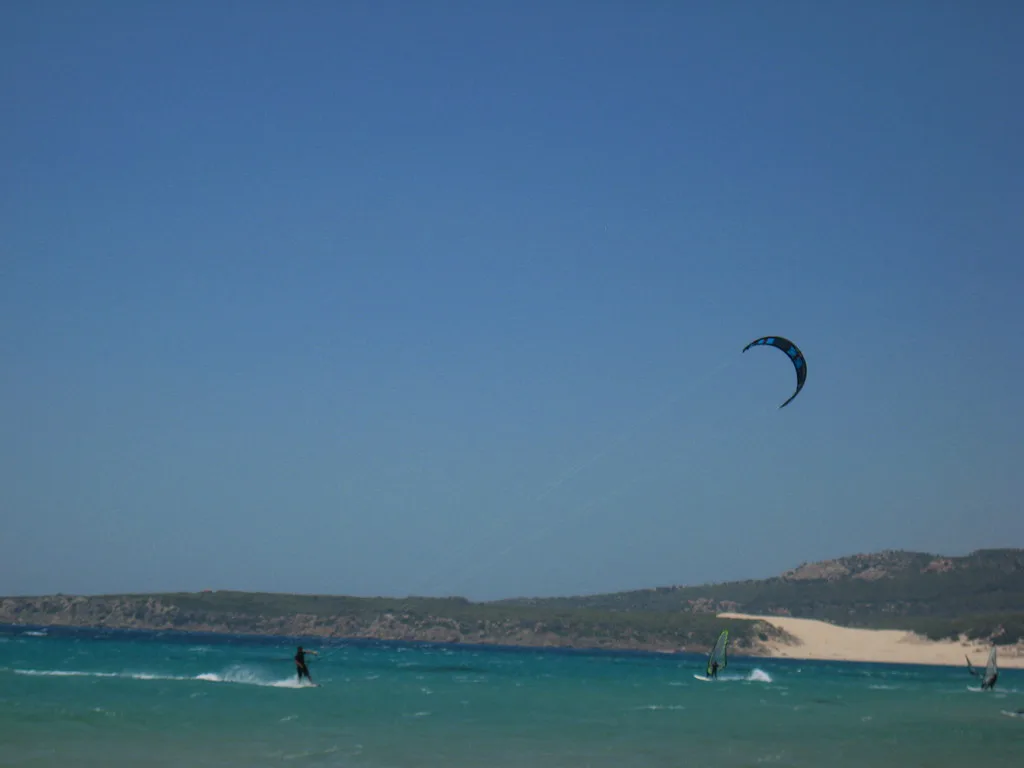
The ruins lie along Bolonia beach, so one stop covers both. Do the site first, while the light is soft and the ground is cooler. Then walk to the sand and the Bolonia dune for the rest of the day. Bring your own water, snacks and sun protection, and check current beach conditions before you go. Facilities and food options vary by season, so ask in Bolonia village rather than relying on a fixed list.
Where to stay near Baelo Claudia
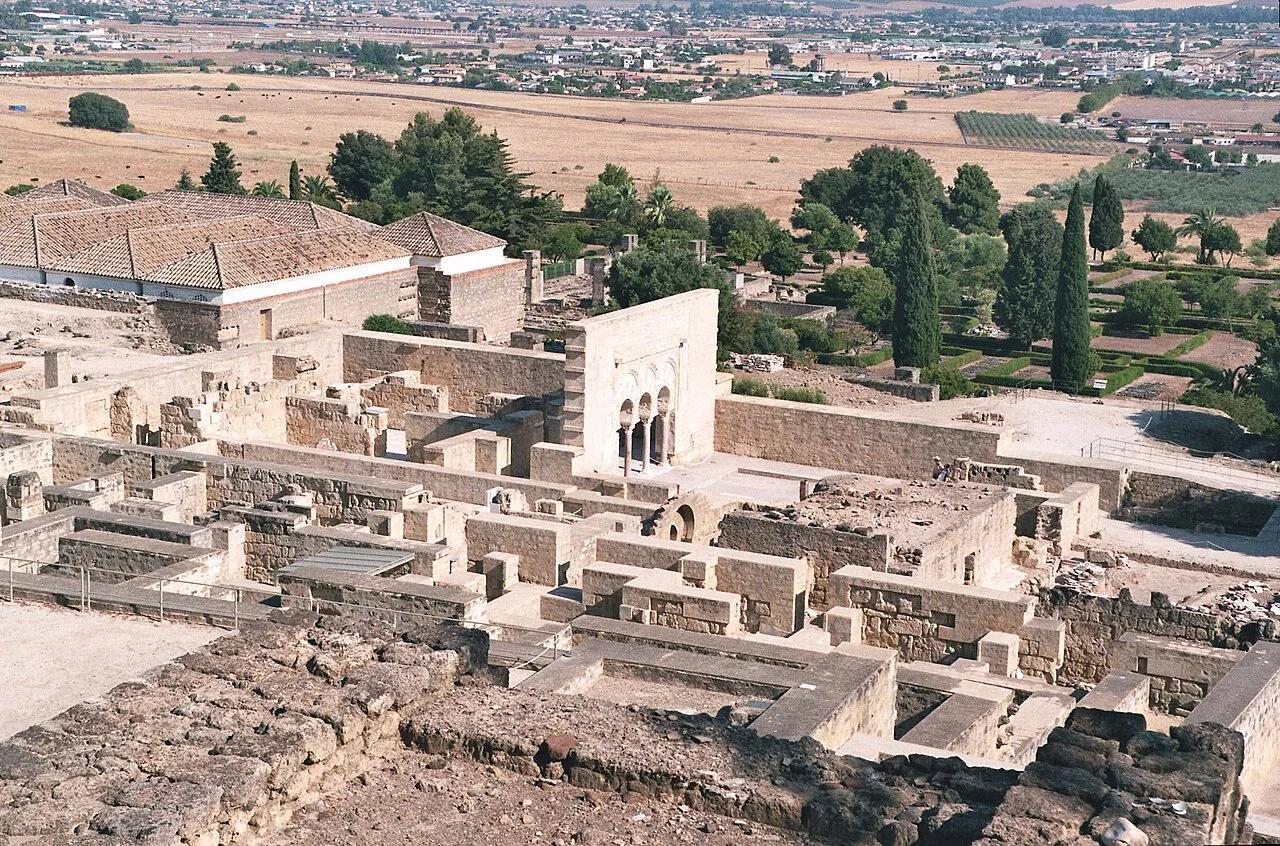
Tarifa is the usual base. It is a wind and surf town with the widest choice of places to stay and eat, and it keeps the drive to the site short. Bolonia village is quieter and puts you beside the ruins and the beach, though choices are fewer. Cádiz is a larger city with more to do in the evening, but it adds a longer drive. If you are building a wider ancient-sites trip through Andalusia, Medina Azahara Guide: What to See and Plan near Córdoba is a natural companion stop. Our Córdoba day-trip plan covers that route, and Carmona's Roman necropolis and Acinipo add further Roman stops in the south.
Mistakes to avoid
A few simple choices decide whether the visit goes well.
- Arriving late and rushing the site before closing
- Assuming public transport will drop you at the entrance
- Skipping the visitor centre, which explains the layout
- Ignoring wind and sun on exposed ruins
- Expecting full reconstructions rather than foundations and standing walls
Frequently Asked Questions
Are there any Roman ruins near Tarifa?
Yes. Baelo Claudia sits at Bolonia, about 22 km (14 miles) from Tarifa according to Wikipedia. It preserves a forum, basilica, theatre, temples and garum works.
Is Bolonia, Spain worth visiting?
Yes, especially if you like history and coast together. The Roman town sits beside Bolonia beach and its dune, so you can see ruins in the morning and swim or walk afterward.
Related guides
Continue reading
Guides on the same trip