
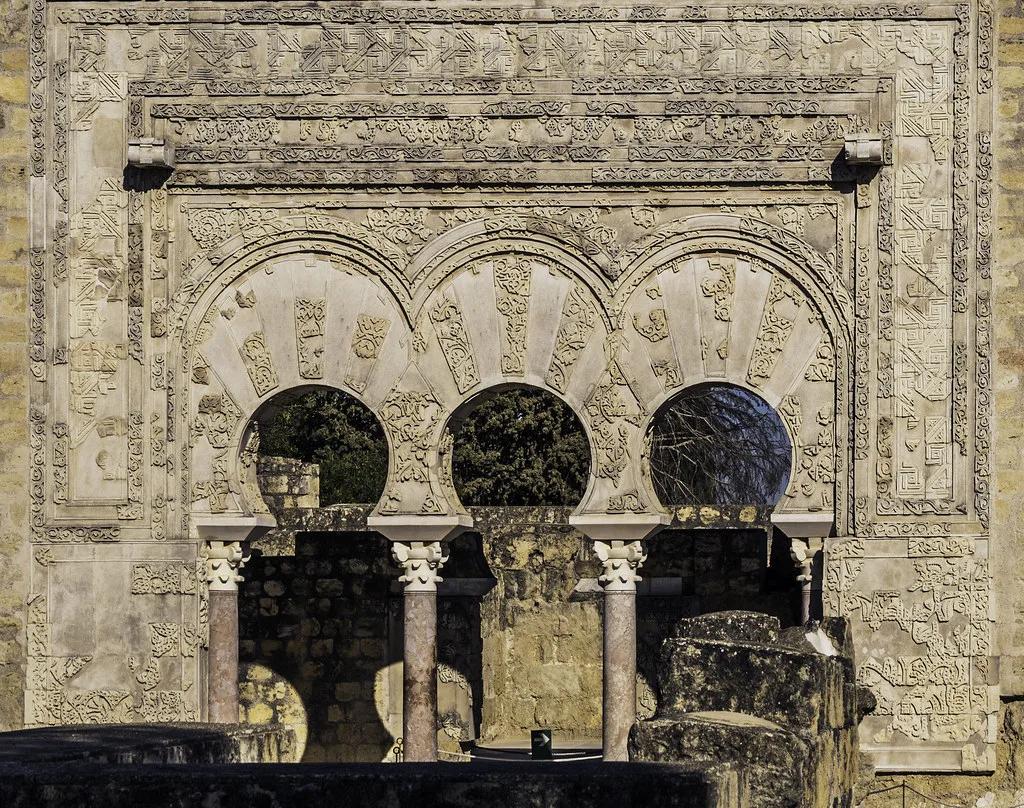
Last updated November 2026. Medina Azahara (Madinat al-Zahra) is a 10th-century Caliphate palace-city outside Córdoba and a UNESCO World Heritage Site. Plan it as a half-day visit. This guide covers what you see, who should go, and how to organise the trip within Spain's wider archaeological sites.
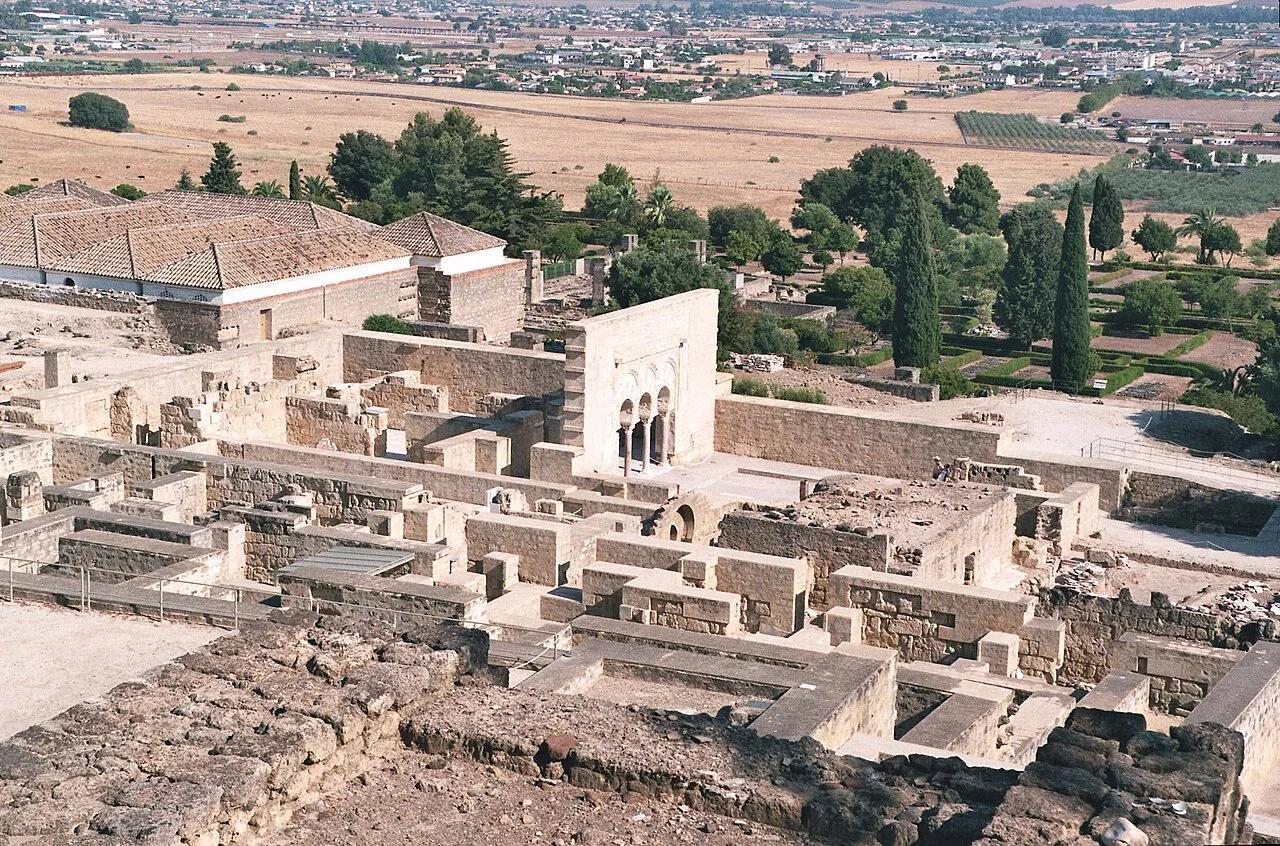
Featured image: Jose Losada Foto, CC BY 2.0, via Flickr.
What Medina Azahara Is and Why It Matters
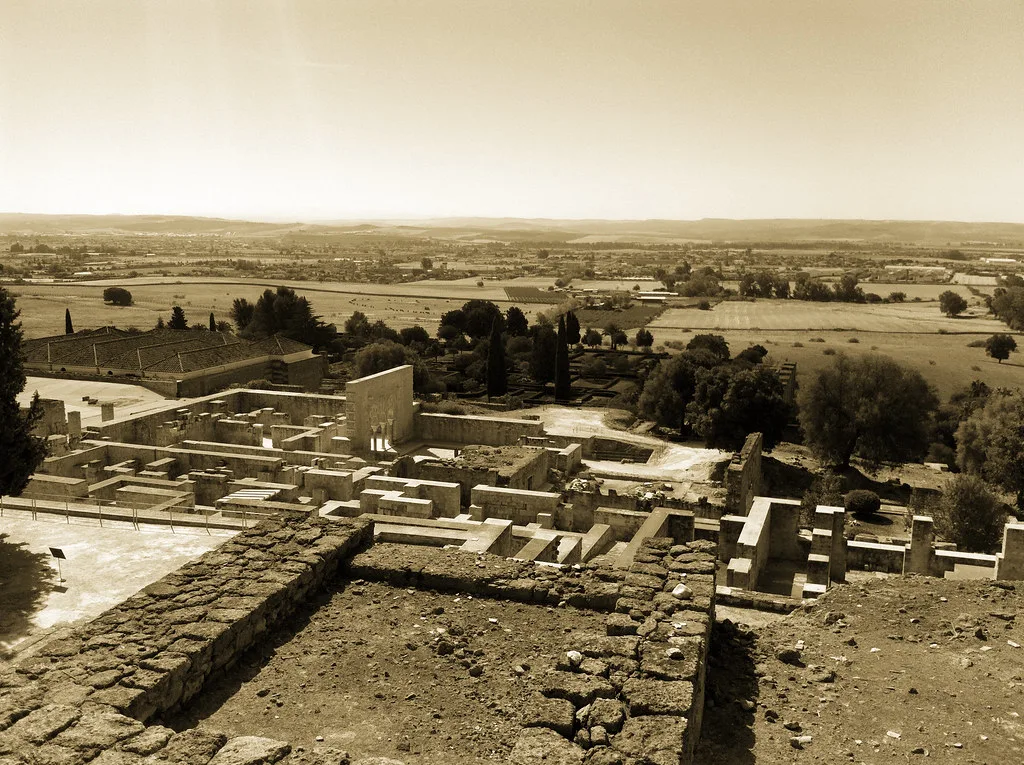
Medina Azahara was built as the capital of the Caliphate of Córdoba. Tour operators credit its construction to the caliph Abd al-Rahman III, who ordered it to show his power over his rivals. It sits about 7 km from Córdoba at the foot of the Sierra Morena. The official Madinat al-Zahra archaeological site is run by the Junta de Andalucía and holds the museum and the excavated remains. Its life as a capital was short, and much of the city was destroyed over the centuries. That brief history is the main reason to visit. You see a caliphal city planned as a single project, not one that grew over time.
History of Madinat al-Zahra: Rise, Fall and Rediscovery
Abd al-Rahman III founded the palace-city after he proclaimed himself caliph, and it was meant to house the court and government as well as show off his authority. Tradition links the name to az-Zahra, a favourite of the caliph, though the story is hard to verify. Workshops, barracks, offices and residences were built around the palaces, so it worked as a seat of power and not only a royal retreat.
Its decline was fast. When the Caliphate of Córdoba collapsed into civil war in the early 11th century, the city was sacked and abandoned. For centuries the ruins served as a quarry, and stone and columns were carried off to build elsewhere in the region. The site was forgotten as a capital until archaeologists began excavating it in the early 20th century. That work continues today.
UNESCO added the site to the World Heritage List in the late 2010s, recognising it as an unusually clear record of a caliphal city. For background reading, see the Wikipedia entry on Medina Azahara.
What You'll See on Site
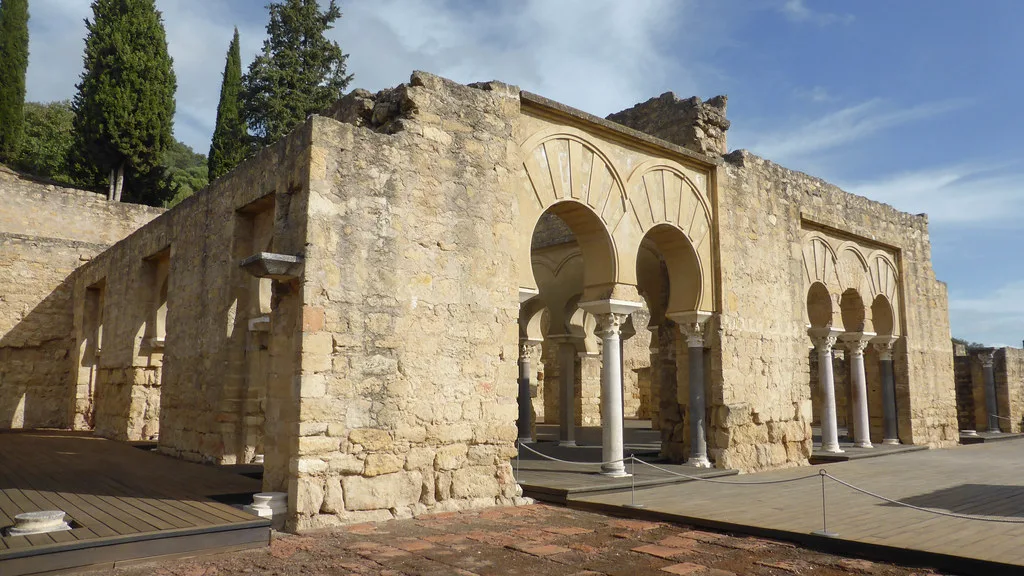
Palaces, courtyards, gardens and mosques make up the city layout. Expect terraces stepping up the hillside, with the most formal buildings placed on the upper levels. The Salón Rico, the reception hall, is the showpiece. Some of what you walk through is reconstructed, and some is original fabric. That mix is why the on-site museum matters. Visit it to understand what you are looking at before you walk the ruins.
- Upper terraces and the Salón Rico reception hall
- The mosque and the surrounding gardens
- The on-site museum, which explains the original layout
Architecture and Layout of the Palace-City
The city climbs the hillside in three broad levels, and the layout is a political statement. The caliph's palace and government buildings occupy the highest terrace. Gardens and reception areas sit below, and the lower terrace held the congregational mosque and the houses of the wider town. A visitor approaching from below would have seen the palace looming above, which was the intended effect.
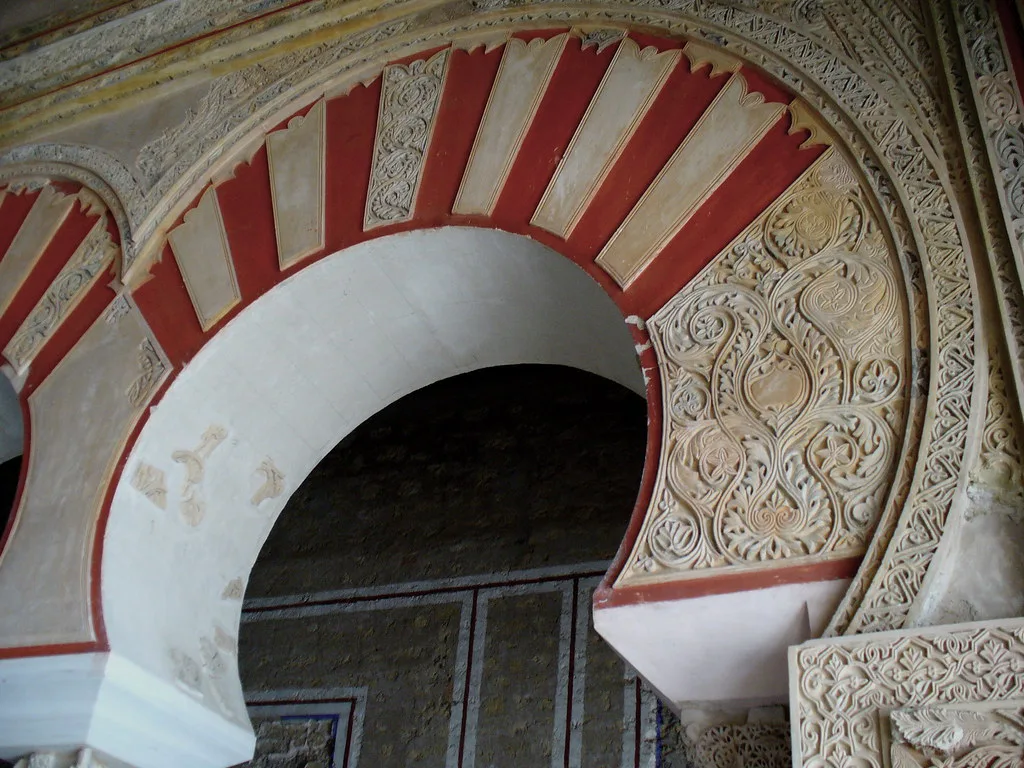
- Horseshoe arches: the signature form of Umayyad architecture in Spain, used for doorways and arcades.
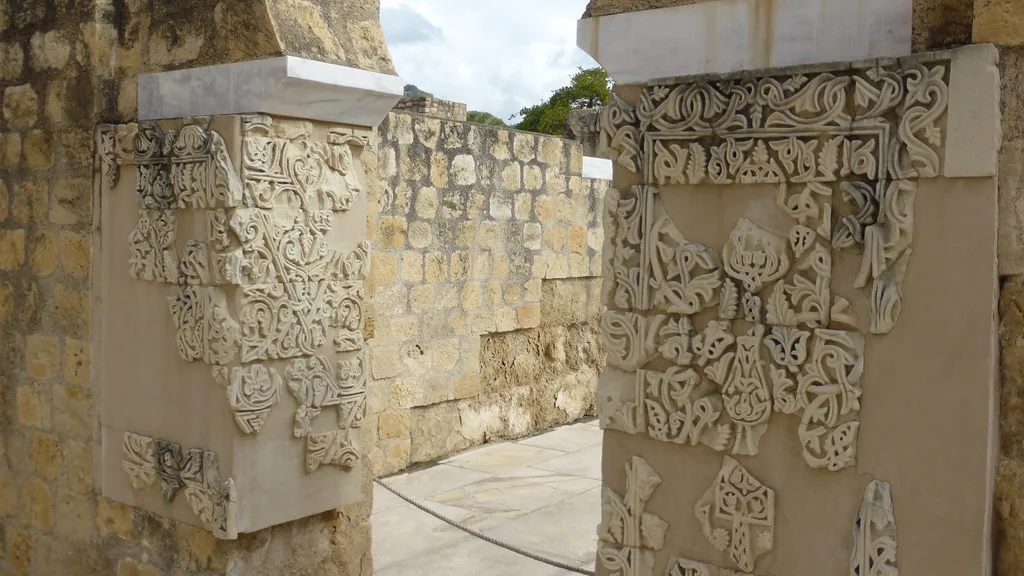
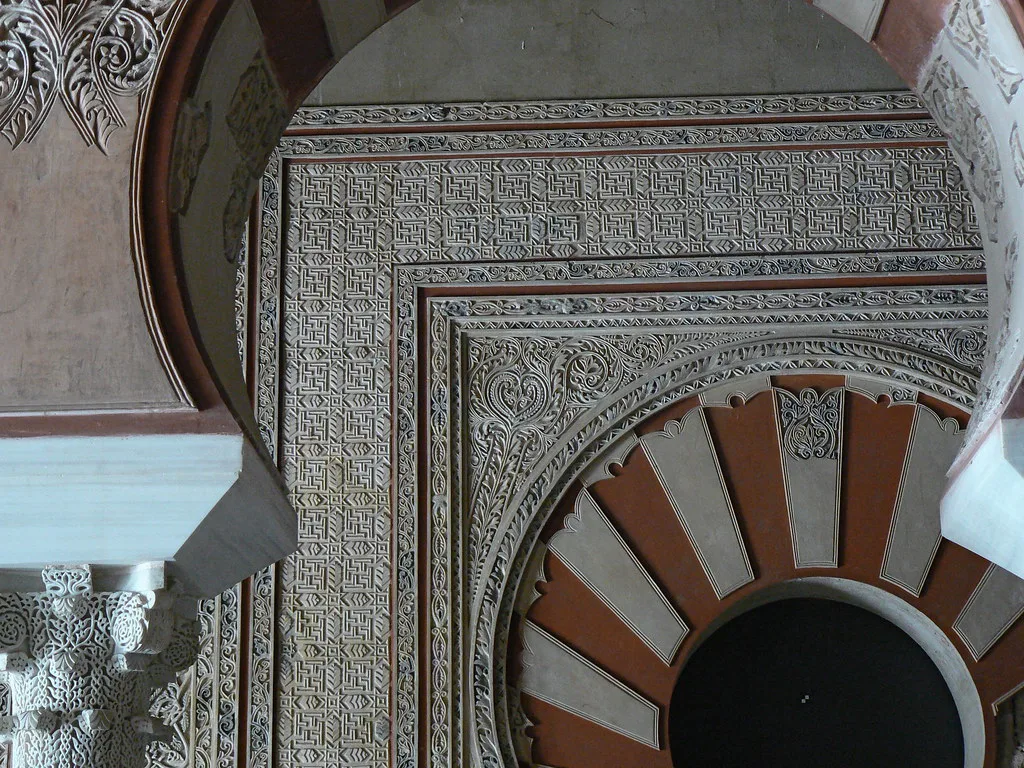
- Carved stone panels: the Salón Rico is known for dense plant-motif carving, which you can study up close.
- Marble columns: columns and capitals were a mark of caliphal status, and many were reused or looted later.
- Garden courts: formal gardens with pools and walkways were part of the design, not an afterthought.
Compare these details with the Mezquita-Catedral in the city. The shared vocabulary of arches, ornament and symmetry makes the visit more rewarding than it looks on a map.
Is Medina Azahara Worth Visiting?
Yes, if you want to understand Umayyad Córdoba beyond the Mezquita-Catedral. Skip it if your Córdoba stay is short and the Mezquita-Catedral already fills your days. Skip it too if you want intact buildings rather than partly reconstructed ruins. Visitors with limited mobility should check terrain and surfaces on the official page, since the site is a hillside excavation.
Archaeology and Conservation: What Is Original
Only part of the city has been excavated, and a large share of the walled area is still unexcavated. Much of what stands today was recovered from collapsed material and put back, so the site mixes original stonework, careful restoration and modern protective structures.
The Salón Rico is the best example. Its walls were reassembled from thousands of fallen fragments, with missing areas filled in to make the decoration readable. The same approach explains the roofed areas and walkways, which protect fragile remains from weather.
When you walk the terraces, look for:
- Stone that has a different tone or finish from its neighbours, which usually signals restoration.
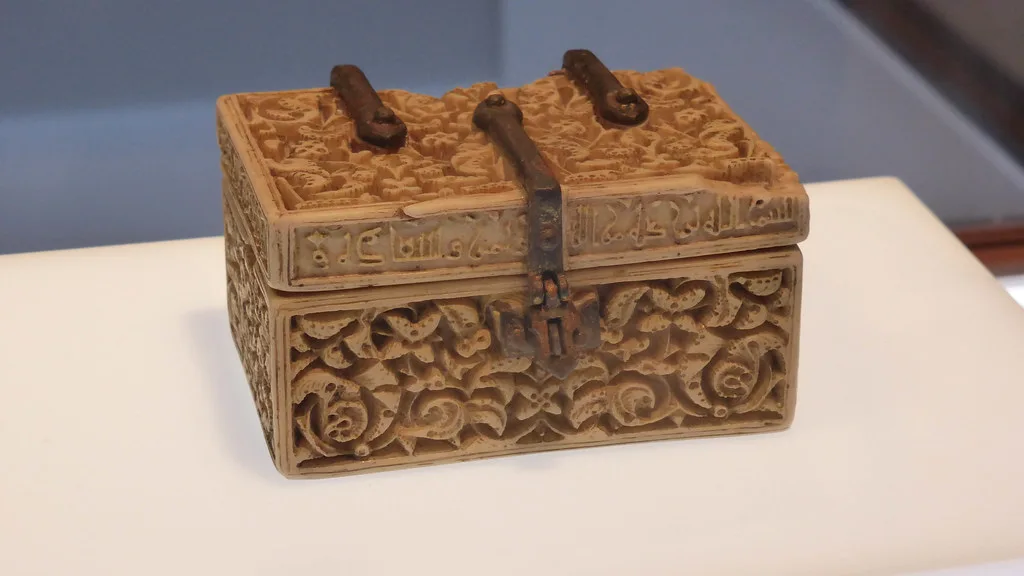
- Carved fragments displayed in the museum, which show how much came out of the ground in pieces.
- Roofed or sheltered sections, where the most delicate decoration is kept out of the sun and rain.
Reading the site this way answers the common complaint that it feels too rebuilt. It is better treated as a worked example of reassembling a lost city than as a set of untouched ruins.
Tickets, Opening Hours and Booking
Ticket rules, seasonal hours, closing days and any free-entry categories are set by the Junta de Andalucía. Check the official visitor information before you go. Look at the museum and site entry terms and any advance booking requirement for your date.
Getting There and Getting Around
Medina Azahara is not walkable from Córdoba. Your main options are a site shuttle, a taxi, a guided tour with transport, or a car. For routes, pickup details and booking steps, read our guide to getting from Córdoba to Medina Azahara. Córdoba's tourism office can confirm city-side logistics.
Sitting about 7 km from Córdoba, the site needs transport booked before you leave the city, not after you arrive.
How Long to Plan and Best Time to Visit
Allow a half day. One operator lists its guided tour at about 3 hours 30 minutes, including the museum. Shade is limited on the terraces, so go in the morning during summer heat. Pair the visit with the Mezquita-Catedral, the Alcázar or the Jewish Quarter on a separate day rather than squeezing both into one.
Guided Tour vs. Self-Guided
A guide adds most where reconstruction blurs the original. Self-guided visits suit people who want a slower pace.
A guided visit of about 3 hours 30 minutes, museum included, fills most of a half day, so it leaves little room for other stops.
| Factor | Guided tour | Self-guided |
|---|---|---|
| Cost | Higher, often bundles entry and transport | Lower, you pay entry and transport separately |
| Time | Fixed schedule, around half a day | Set your own pace |
| Flexibility | Low | High |
| Depth of explanation | Strong, with a local guide | Depends on the museum and signage |
| Transport | Often arranged for you | You arrange the shuttle, taxi or car |
| Best for | First-timers wanting context | Independent travellers and repeat visitors |
Practical Tips and Common Mistakes
A few simple habits prevent most problems.
- Check the day's hours and booking rules before leaving Córdoba.
- Avoid midday in summer, since shade is scarce.
- Do not skip the museum. It explains the reconstructed areas.
- Do not assume you can walk from the city.
Keep Exploring Spain's Archaeological Sites
Medina Azahara is Islamic-era, so other Andalusian sites show a different period. For Roman Andalusia, see the Carmona Necropolis: Visiting the Roman Cemetery. Another coastal option is the Roman town of Baelo Claudia Guide: Roman Ruins at Bolonia Beach, Tarifa. Farther north, Segóbriga is a Roman city in a different region.
Medina Azahara FAQ
Is Medina Azahara close enough to visit from Córdoba? Yes, but it is not a walk from the historic centre. The palace-city lies about 7 km outside Córdoba, so arrange the site shuttle, taxi, guided transport or a car before setting out.
Is the museum worth visiting? Yes. Start there if possible. The museum gives essential context for the partly restored ruins, including the terraces, gardens and reception areas. It makes the hillside layout easier to read on foot.
What period does the site represent? Medina Azahara is a 10th-century Caliphate palace-city. It is most rewarding for visitors interested in Umayyad Córdoba and the wider history behind the Mezquita-Catedral.
Can it fit into one day with central Córdoba? It can, but allow a half day for the museum and archaeological area. Avoid treating it as a quick stop between major monuments, especially in hot weather.
Related guides
Continue reading
Guides on the same trip