
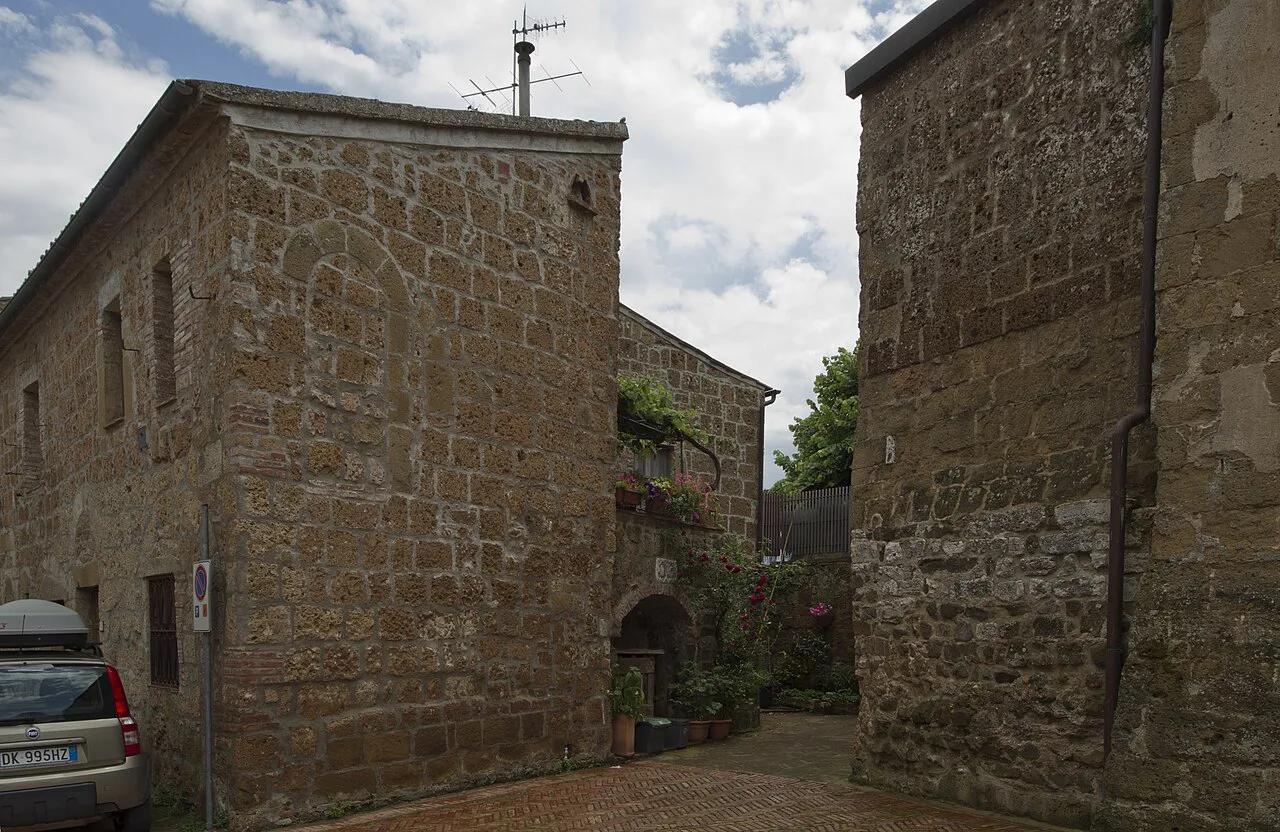
Last updated November 2026. The vie cave are deep, hand-carved trackways cut into soft tuff, linking Sovana, Pitigliano and Sorano in southern Tuscany. Nobody has settled why the Etruscans cut them. This guide ranks the walks, sets out time plans and covers the car problem, and it ties the area into the wider Etruscan sites trail.
Featured image: trolvag, CC BY-SA 3.0, via Wikimedia Commons.
What the Vie Cave Are
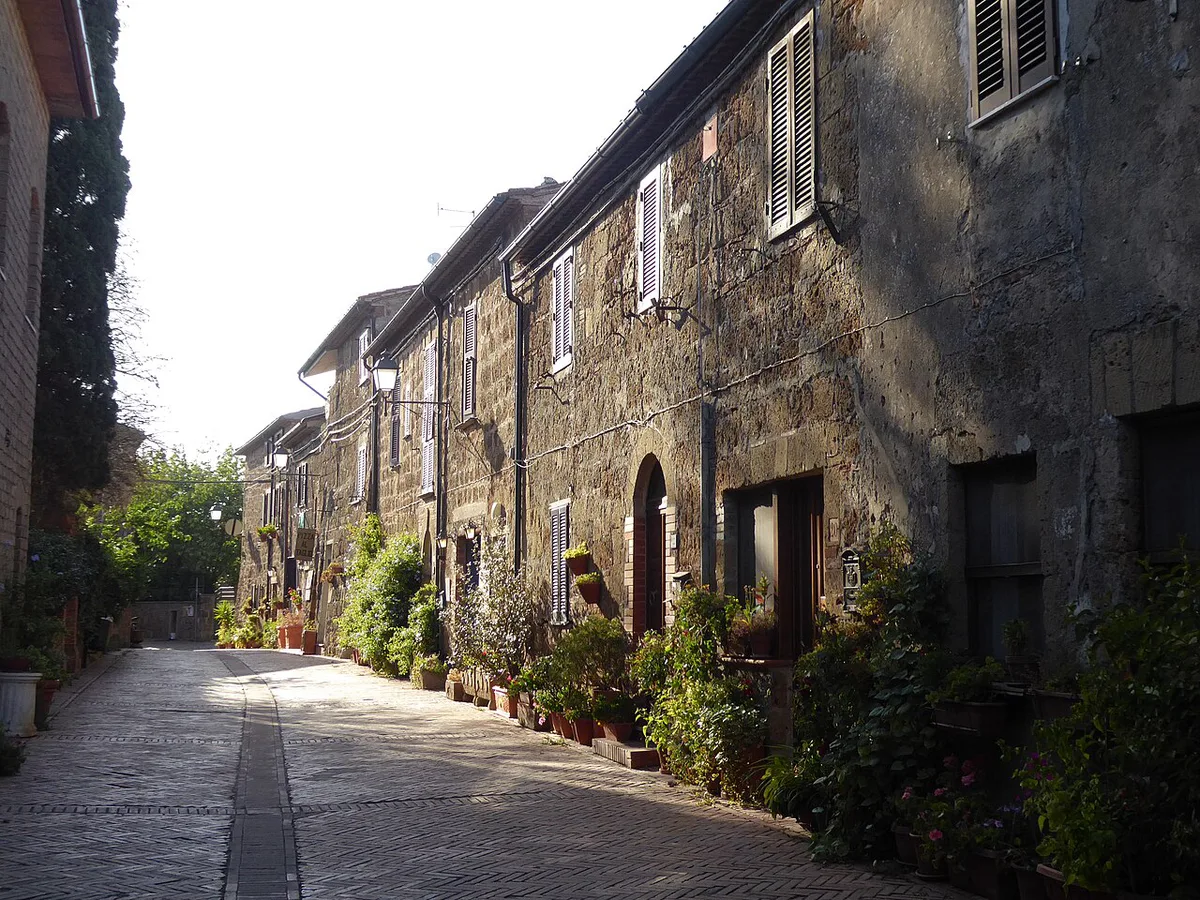
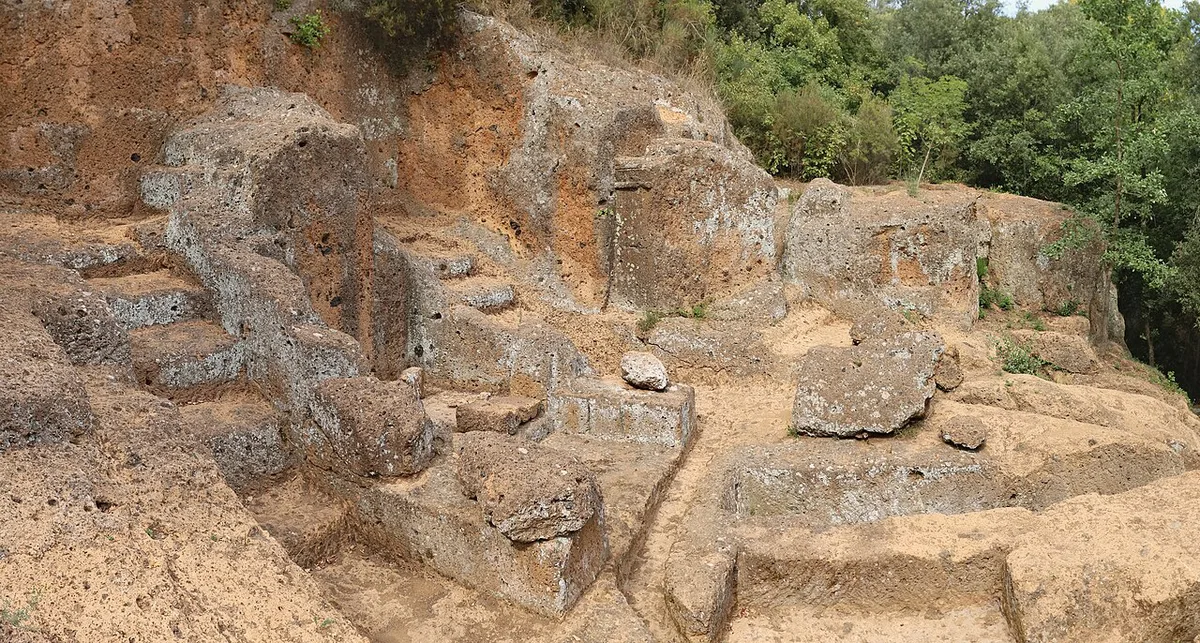
A via cava (plural vie cave) is a sunken road sliced down through tuff, leaving high walls on both sides. Some stretches are as narrow as a corridor, and others are wide enough for a cart. Moss, ferns and small carved niches line many of the walls. Their purpose is debated. Scholars and local guides have proposed travel between settlements and necropoleis, ritual processions, defence and water drainage. Treat each as a theory, because none is proven. For background on the people who cut them, read our guide to who the Etruscans were.
Which Via Cava to Walk First
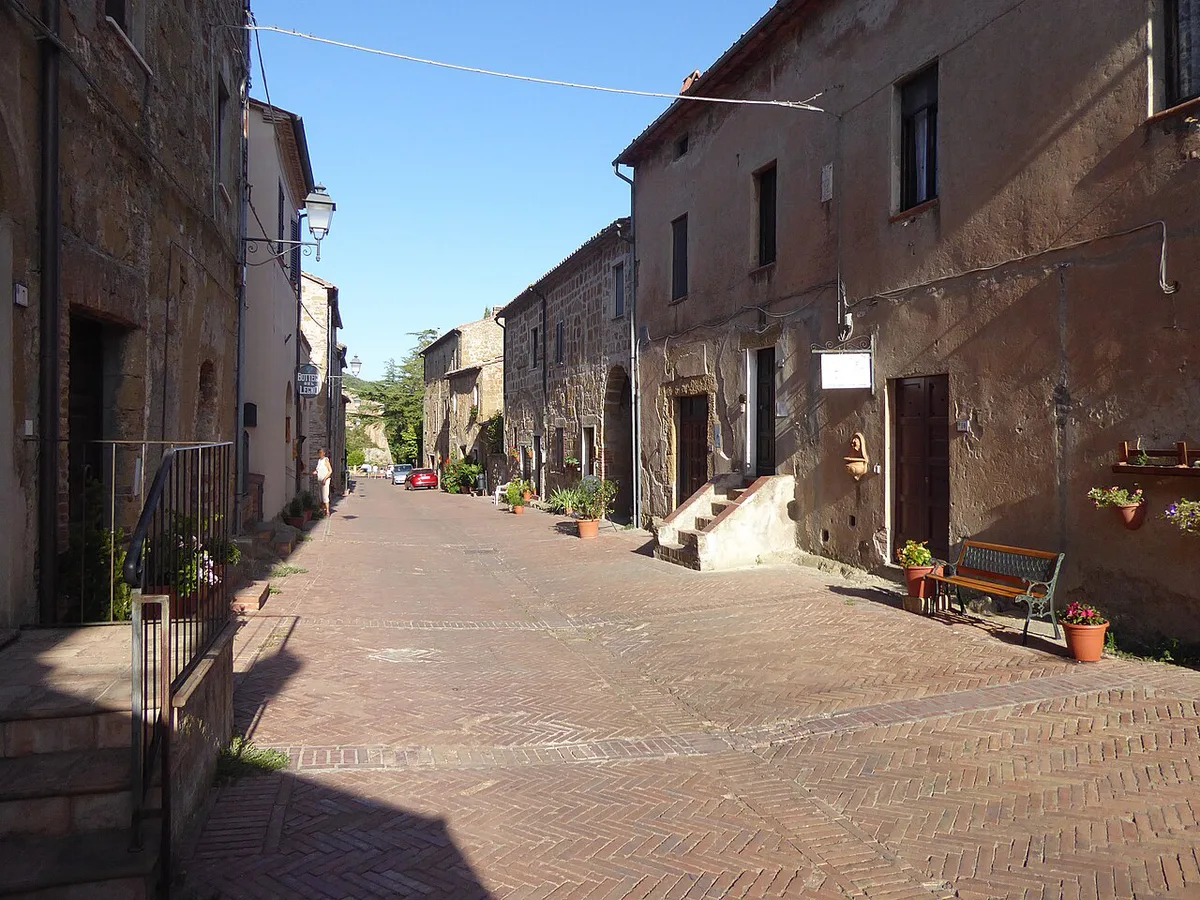
Start in Sovana if you only have time for one base. Its Cavone is the dramatic option, while Pitigliano's routes are gentler. Walking times and difficulty vary by route and weather, so confirm them locally before you set out.
| Base town | Route | Character | Walking time | Best for |
|---|---|---|---|---|
| Sovana | Il Cavone | Dramatic, deep walls | Check locally | Photographers, archaeology fans |
| Sovana | San Sebastiano | Dramatic, twisting | Check locally | Confident walkers |
| Pitigliano | Via Cava di San Giuseppe | Gentle, old tombs in the walls | Check locally | First-timers, families |
| Pitigliano | Fratenuti and Poggio Cani | Mossy, short | Check locally | Short add-on walks |
Photographing the Sunken Roads and Reading the Walls
The vie cave are narrow and deep, so light decides whether a photo works. Direct sun reaches the floor only around midday, when contrast is harsh. Early morning and late afternoon give softer, warmer walls, though the lower sections can already be in shade. Overcast days suit the mossy stretches best, since the greens stay saturated and the shadows stay soft.
What to look for in the walls
- Tool marks: faint vertical grooves left by the people who cut the tuff. Raking light from the side shows them best.
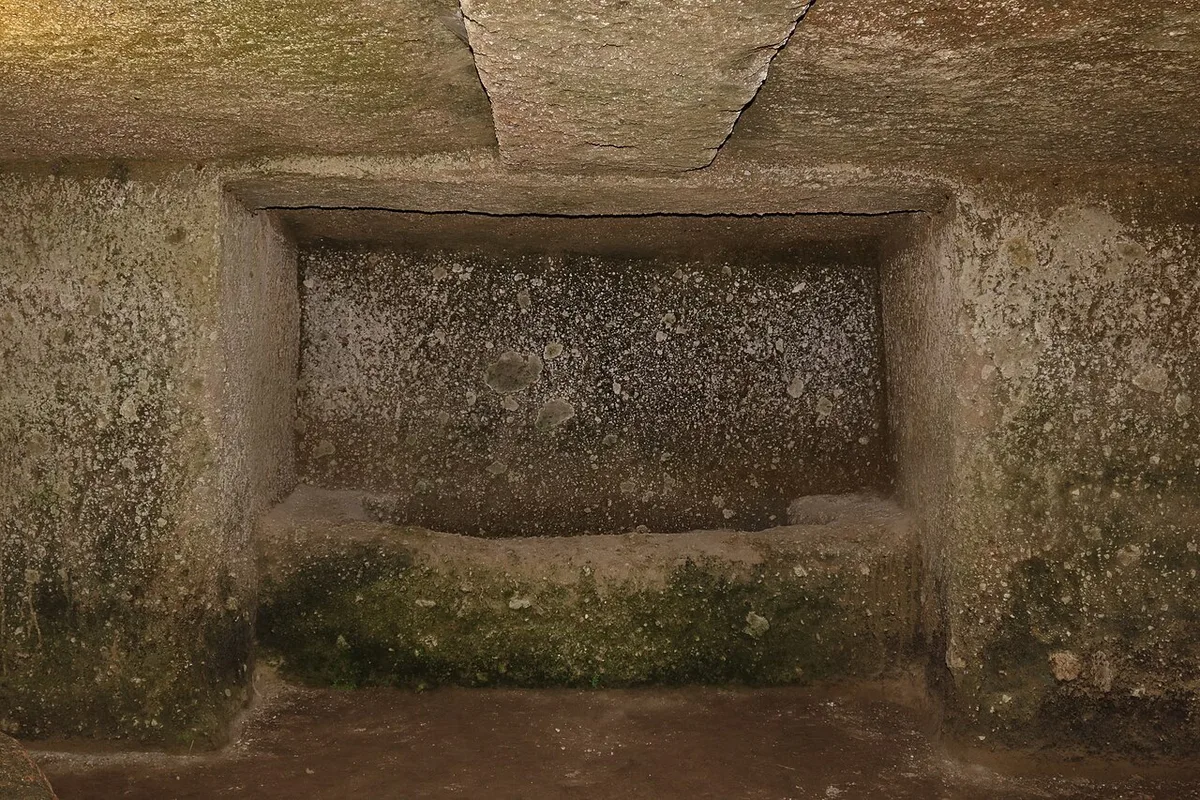
- Niches: small carved recesses, including the ones locals call scacciadiavoli. Their purpose is debated, so treat any explanation as a theory.
- Tomb openings: rock-cut doorways high in some walls, which show that the roads ran alongside burial sites.
- Root curtains and ferns: roots hang from the top edge, and ferns grow where seepage keeps the tuff damp.
Practical tips
- A wide-angle lens, or a phone's wide mode, captures the height of the walls. Including a walker gives a sense of scale.
- Tuff is dim even on bright days. Steady your hands against a tree or the ground, not the walls.
- Keep your gear off the carved faces. Moss and niches are fragile, and the walls can crumble.
- After rain the floors turn muddy and slick, so pick a footing spot before you shoot.
Sovana: The Cavone, San Sebastiano and the Necropolis
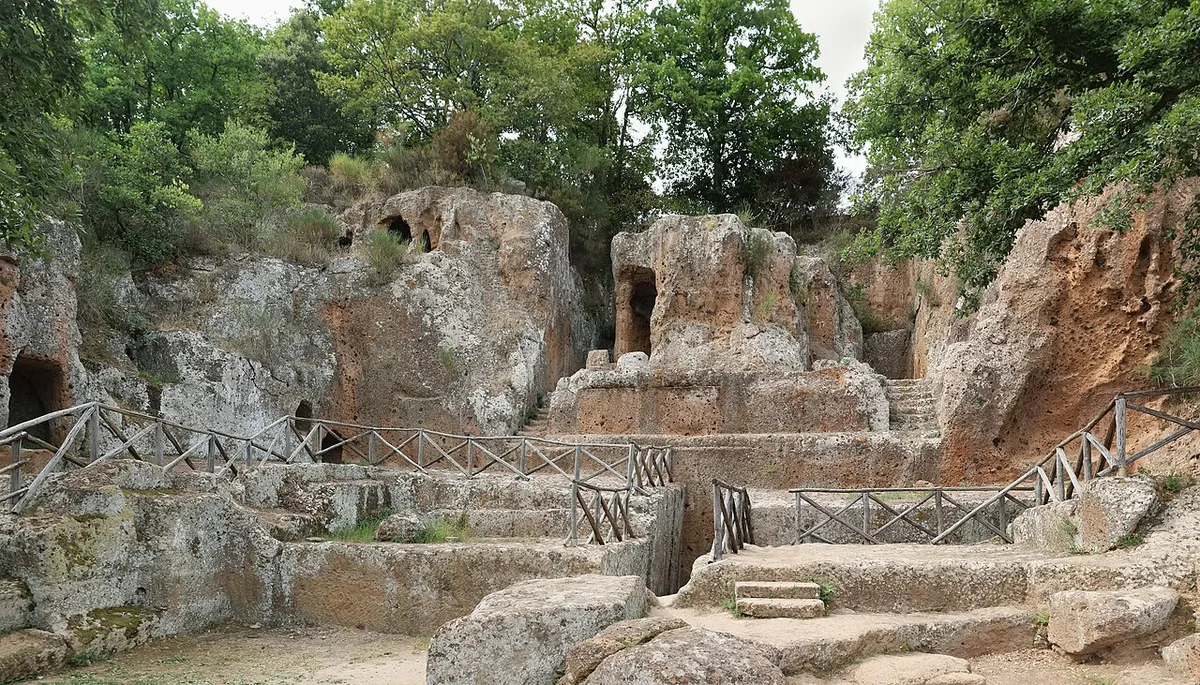
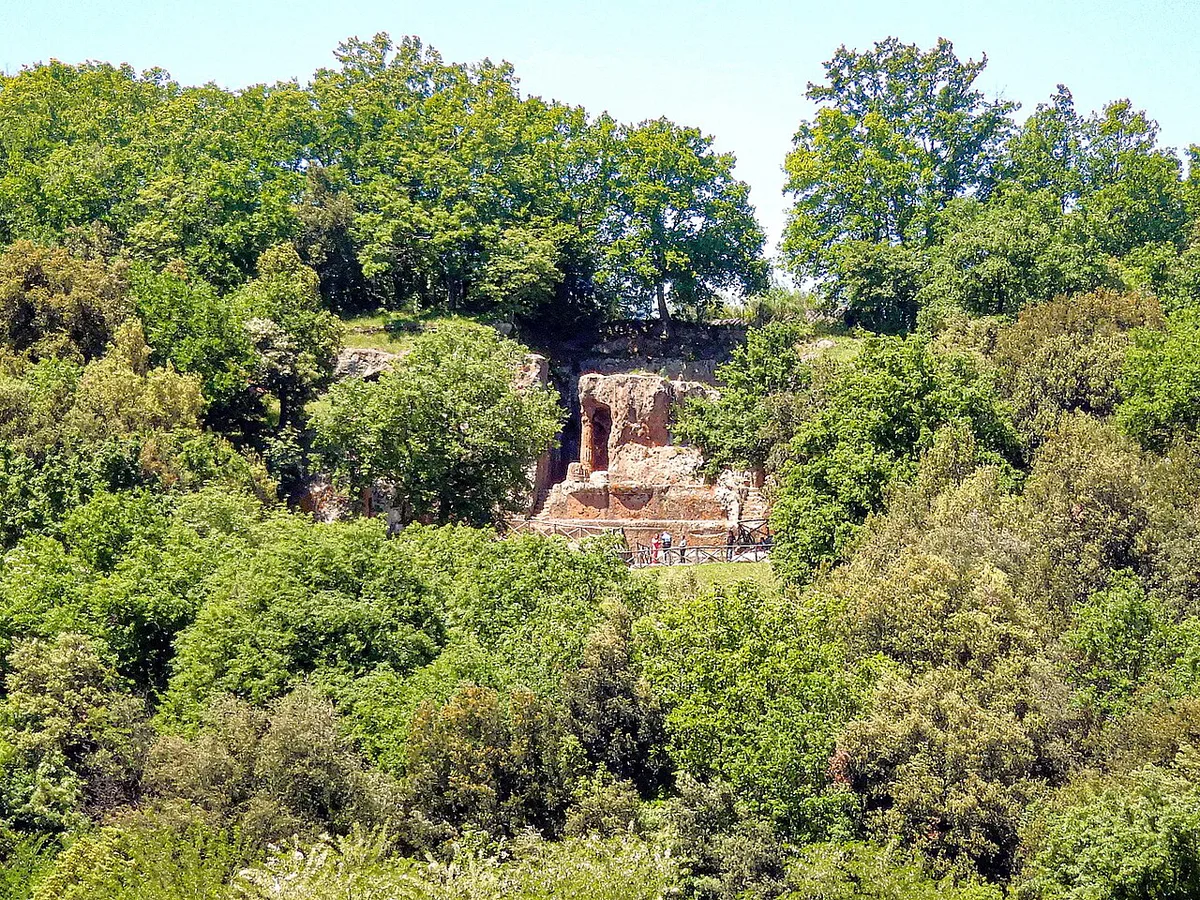
Sovana is the best anchor for the vie cave. Il Cavone is the best-known cut, with niches, carved symbols and tomb openings in its walls. San Sebastiano is another deep, twisting road nearby. Poggio Prisca is reported to connect the village toward its necropolis, which holds the Ildebranda Tomb. That tomb looks more like a temple front than a grave. Do not skip the necropolis, since it explains what the roads served. For the tomb type itself, see our guide to rock-cut Etruscan tombs. Sovana's archaeological areas are managed separately from the free-to-enter paths, so read the Parco Archeologico Città del Tufo for current access.
Pitigliano and Sorano: How They Fit In
Pitigliano has the most services and several cave paths within reach of the old town. San Giuseppe makes a gentle warm-up. Fratenuti has deep moss and a small shrine, and Poggio Cani starts close to the historic centre. Sorano is quieter, with a fortress above the valley. Do not treat the three towns as one loop, because the walks do not join into a single circuit. Plan each town as its own outing.
Plan Your Time: Two Hours to Two Days
Match the plan to your time and base. Use ranges, since walking pace and stops vary.
- Two hours: Sovana only, with the Cavone and the village.
- Half day: Sovana, with the Cavone plus the necropolis and Ildebranda Tomb.
- Full day: Sovana in the morning and Pitigliano in the afternoon.
- Two days: all three towns, with Sorano's fortress on the second day.
Getting There, Parking and Car-Free Options
This part of the Maremma is car-dependent. A rental car from Rome or Florence is the practical choice, and drive times run long on winding roads. Parking exists on the edges of all three towns, with some of it paid. Check the signs on arrival. Public transport is thin and rarely reaches the trailheads. Without a car, base yourself in Pitigliano and ask your accommodation about a local taxi or transfer to Sovana. Rome-based readers who want a rail-friendly Etruscan day should read Tarquinia from Rome: Train, Car or Tour (and Cerveteri) instead.
Tickets, Access and Opening Times
Walking the sunken roads themselves is generally open-air, but the Sovana archaeological park, including the Ildebranda Tomb, may be ticketed. Hours change by season, and erosion or landslides can close a section. Check current ticket prices and hours on the official park site before you travel.
When to Go, What to Wear and Mistakes to Avoid
Spring and autumn are the best seasons. August is hot, and the shaded tuff stays wet in winter, with shorter days. Rain makes the floors slippery and muddy, so postpone after heavy rain. Wear shoes with real grip, carry water and download an offline map. Mistakes to avoid are below.
- Wearing smooth soles after rain.
- Assuming buses reach the trailheads.
- Treating the paths as a single loop.
- Skipping the Sovana necropolis.
- Touching or climbing the moss-covered walls and niches, including the small carved niches that locals call scacciadiavoli.
Walking the Vie Cave With Children, Dogs or Limited Mobility
The vie cave are natural trails, not maintained promenades, and their suitability depends on the route and the weather. Plan around the surface, not the distance.
Families with children
- Start with Pitigliano's Via Cava di San Giuseppe, the gentlest route in this guide, before attempting the deeper cuts at Sovana.
- Keep children away from the edges and the wall tops. In places the road is far below the surrounding ground, and the tuff can be crumbly.
- Choose dry days. Wet floors are slippery for small legs, and a muddy slope is harder to climb back up than it looked going down.
- Carry water and snacks. There are no facilities inside the roads themselves.
Dogs
Dogs are commonly walked on the free-to-enter paths, but rules for the Sovana archaeological areas differ. Check the Parco Archeologico Città del Tufo for current policy before you bring one. Keep the dog on a lead so it does not dig at the moss or the walls.
Limited mobility
The roads have uneven rock, steps cut into the tuff in places and slopes that become slick when wet. They are not suited to wheelchairs or walkers. If someone in your group cannot manage them, split the day. The villages of Sovana and Pitigliano can be explored on foot at a slower pace, while the walkers take the trail. Ask your accommodation or the park office about current conditions, since sections close after erosion or landslides.
Where to Base Yourself and What to Eat
Sovana is small, quiet and walkable. Pitigliano offers more services and a dramatic old town. Sorano sees fewer visitors. After a walk, look for tortelli maremmani, acquacotta and a glass of Morellino di Scansano in a local trattoria. For general planning, see Visit Tuscany.
Combine With Other Etruscan Sites
Sovana pairs well with the coastal tombs at Cerveteri's necropolis and Tarquinia's painted tombs. Nearby stops include Tuscania Travel Guide: Basilicas, Etruscan Museum & Day Plan and Vulci's archaeological park. Further north, try Chiusi's tombs. See finds in context at Rome's Villa Giulia museum.
Related guides



Continue reading
Guides on the same trip



