
9 Thracian Tombs in Bulgaria: Which Ones You Can Visit
Last updated November 2026. Most Thracian tombs Bulgaria offers visitors cluster around Kazanlak, in the Valley of the Thracian Kings. Authentic painted chambers are fragile, so the best-known tomb has a replica nearby. Sveshtari and Aleksandrovo add two tomb stops elsewhere, and sanctuaries like Tatul fill out the wider Thracian picture.
Featured image: Klearchos Kapoutsis, CC BY 2.0, via Flickr.
Quick answer: the Thracian tombs worth visiting
Start around Kazanlak, where one town park and several nearby mounds can fill a day. Sveshtari in the northeast and Aleksandrovo in the south each need their own trip. Open, closed and replica status is the real decision point, because a painted original and a visitable copy are different experiences. This page groups every stop by region, then sorts tombs from sanctuaries and cities, so you can build a route without chasing the wrong site.
Thracian tombs in Bulgaria at a glance
Use this table to compare regions, site types and what you can expect to enter. Ticket prices are not quoted anywhere on this page because they change. Ask at each museum desk or check the official site before you travel.
| Site | Region | Type | Period | Original accessible? | Best for |
|---|---|---|---|---|---|
| Kazanlak Tomb | Kazanlak, Tyulbeto park | Tomb | See the dedicated guide | Replica nearby; ask about the original | First-timers |
| Ostrusha | Kazanlak area | Tomb | Mid-4th century BC | Ask locally | Architecture |
| Shushmanets | Kazanlak area | Tomb | 4th century BC | Ask locally | Architecture |
| Kosmatka | Kazanlak area | Tomb of Seuthes III | 5th century BC | Ask locally | Royal burial history |
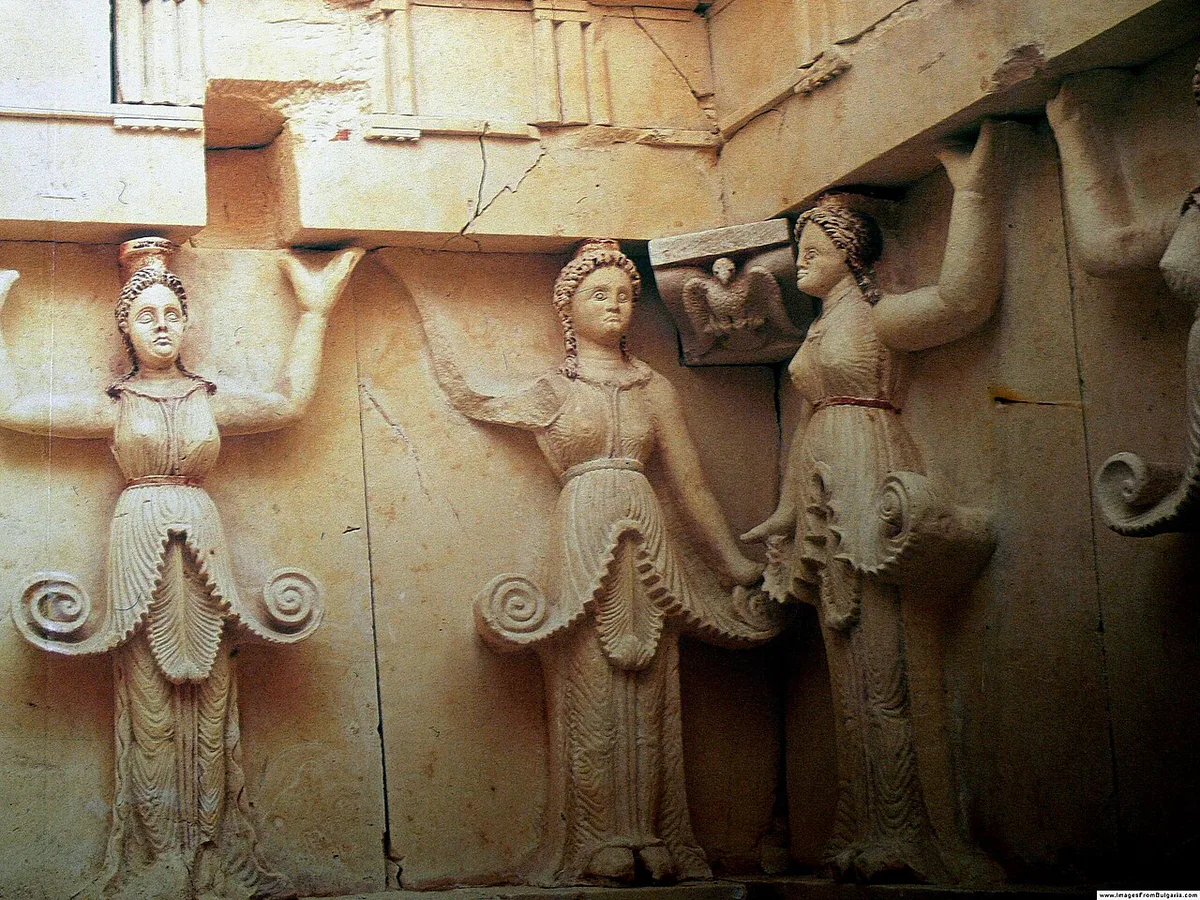
| Sveshtari | Northeast, near Isperih | Tomb | See the dedicated guide | Ask locally | Remote-site fans |
| Aleksandrovo | Southern Bulgaria | Tomb | See the dedicated guide | Ask locally | Painted-tomb seekers |
| Tatul | Eastern Rhodopes | Sanctuary | See the dedicated guide | Open-air site | Ritual landscape |
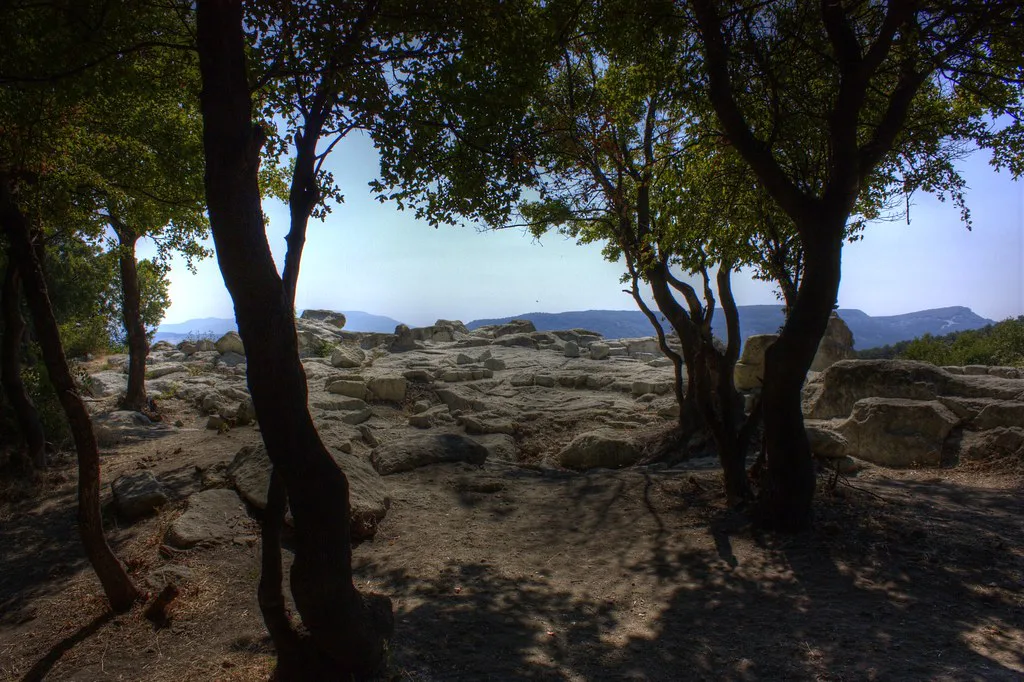
| Perperikon | Eastern Rhodopes | Sanctuary and city | See the dedicated guide | Open-air site | Hilltop ruins |
| Buzovgrad megalith | Kazanlak area | Megalith, not a tomb | About 2000 BC, pre-Thracian | Open-air rock | Short detour |
9 Thracian tombs in Bulgaria and sanctuaries to visit
Each entry below carries a one-line verdict and a note on who should skip it. Items run by region, starting with the Kazanlak cluster.
1. Kazanlak Tomb
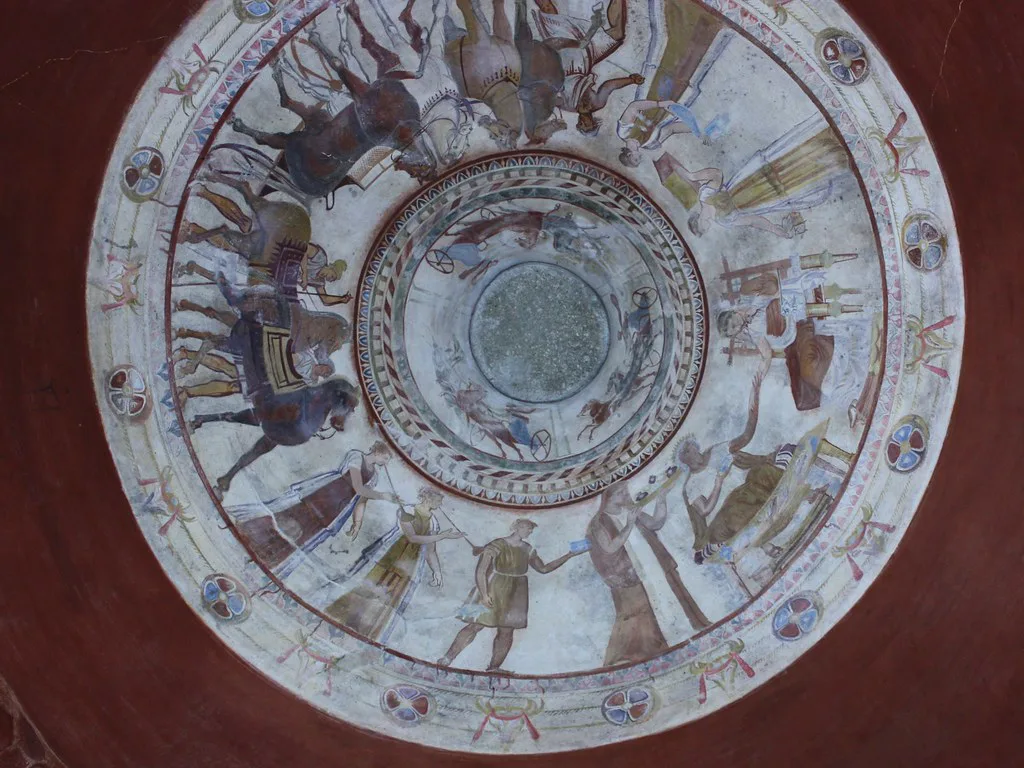
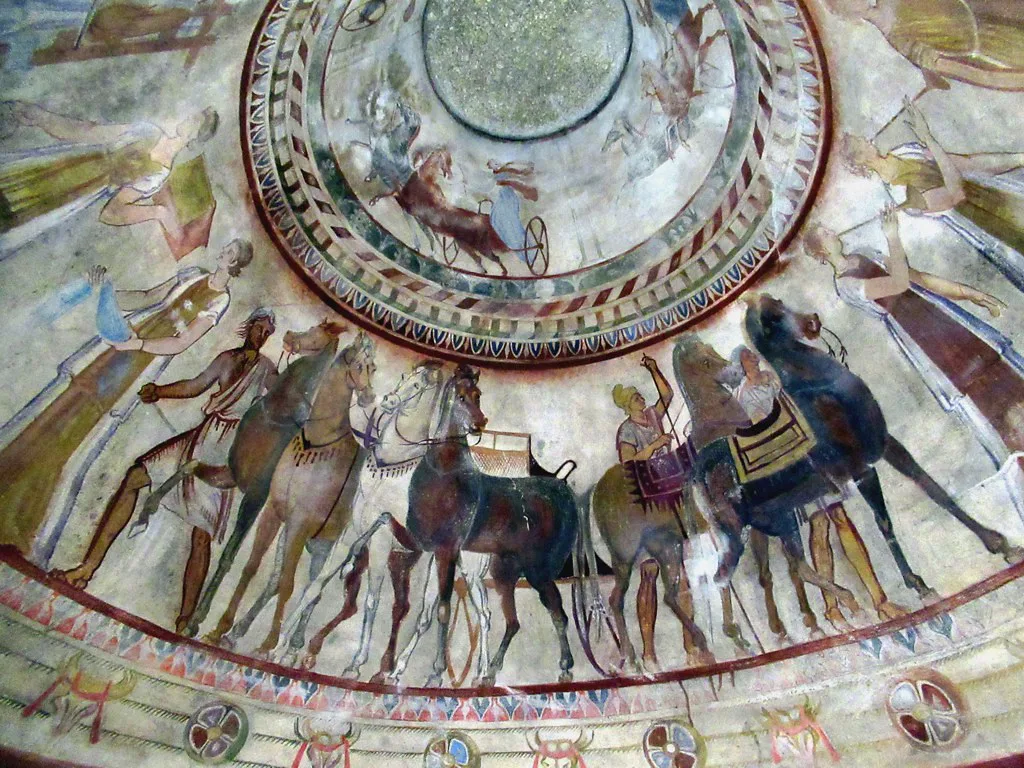
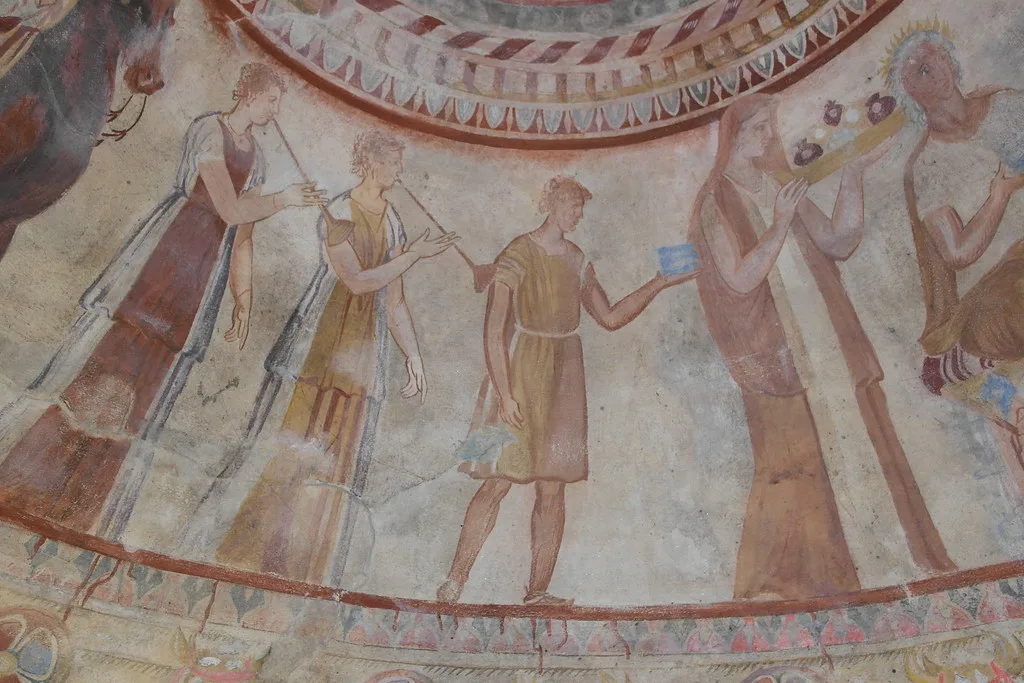
Kazanlak Tomb stands in Tyulbeto park in Kazanlak town. It anchors the Valley of the Thracian Kings, an area said to hold more than 1,500 burial mounds, with only about 300 studied. It is a UNESCO-listed tomb with a painted beehive chamber. Fragile frescoes are the reason a replica stands nearby for most visits.
Our Kazanlak tomb guide covers entry details in full. Skip it if you insist on standing inside the original chamber. Ask at the museum desk whether the original is open on your dates.
2. Ostrusha Tomb
Ostrusha is a Thracian temple-tomb in a mound near Kazanlak, dated to the mid-4th century BC. Its burial chamber is the main draw. Ancient robbers emptied it, so nobody can say for certain who it was built for. You come for architecture, not treasure.
Pair it with the Kazanlak museum and the replica, since the frescoes get the most attention there. Skip it if you only have a few hours and want painted walls.
3. Shushmanets Tomb
Shushmanets is a 4th century BC mound tomb in the Kazanlak area. Like Ostrusha, it was robbed in antiquity. Its signature detail is an Ionic column in the antechamber. The column leans, and visitors often compare it to the tower of Pisa.
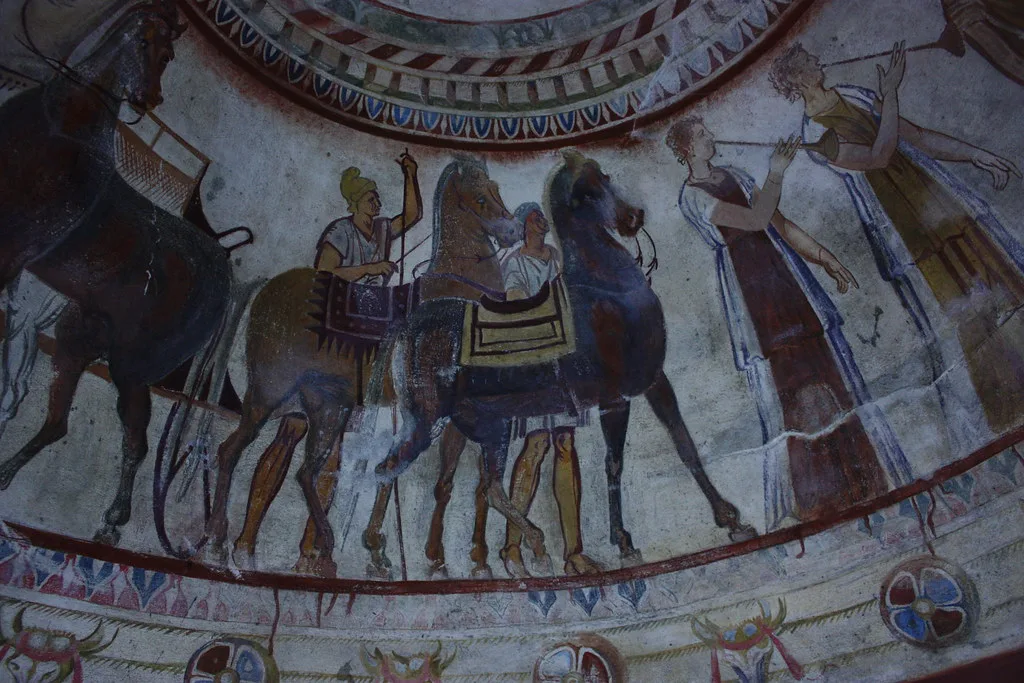
You see structure and stonework rather than gold or paint. Skip it if you are not already touring the valley by car.
4. Kosmatka Tomb
Kosmatka is the mound tomb of the Thracian king Seuthes III, built in the 5th century BC. It is among the earliest sites on this list. Finds from the burial include a golden wreath, a golden wine cup, a helmet and horse-trapping appliqués. These objects sit in museums, not at the mound.
Our Thracian gold guide shows where to see them. Skip it if you want a decorated chamber to walk through.
5. Sveshtari Tomb
Sveshtari lies near Isperih in northeastern Bulgaria, far from the Kazanlak cluster. It deserves its own day. Read our Sveshtari tomb guide before you commit to the drive.
Remoteness is the main trade-off. Public transport options are limited, so plan on a car or a driver. Skip it if your base is Kazanlak or Plovdiv and your time is short.
6. Aleksandrovo Tomb
Aleksandrovo is a Thracian tomb in southern Bulgaria and the second tomb stop outside the Kazanlak valley. It suits readers who already know the Kazanlak painted chamber and want a different example. Our Aleksandrovo tomb guide sets out how to reach it.
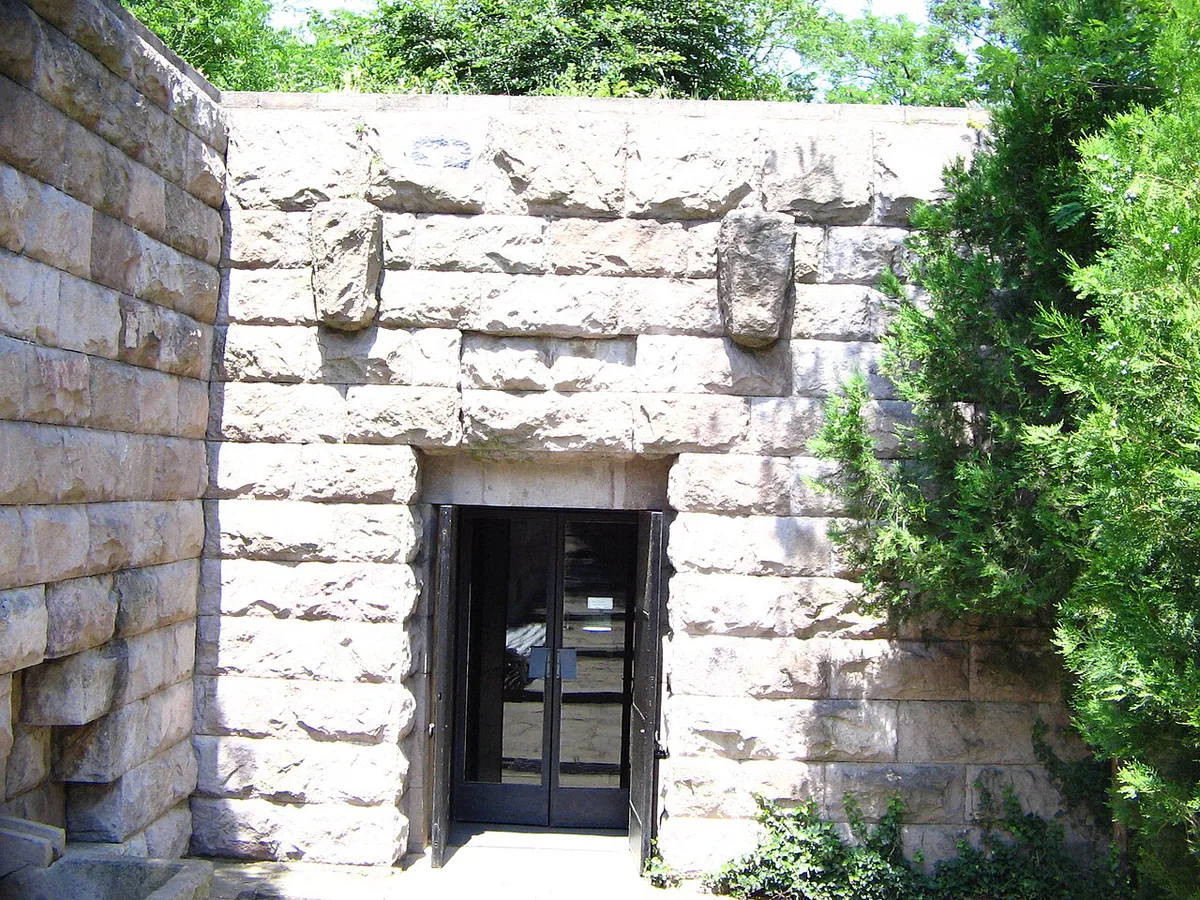
Check access with the local museum before you leave, because small tomb sites often admit visitors only by arrangement. Skip it if you rely on buses and cannot add a taxi leg.
7. Tatul Sanctuary
Tatul is a Thracian sanctuary, not a tomb. It is a ritual site on a rock outcrop, so you walk outdoors instead of entering a chamber. Our Tatul sanctuary guide covers the approach and what to look for.
It suits readers who care about Thracian belief and landscape more than burial architecture. Skip it if you came specifically for frescoes or burial chambers.
8. Perperikon
Perperikon is a Thracian-era city and sanctuary on a hilltop, so it belongs under heritage sites rather than tombs. Our Perperikon guide covers the site in depth.
Bulgaria's official travel portal adds regional context for the Eastern Rhodopes. Skip it if you have limited mobility, since hilltop ruins mean uneven ground and exposed walking.
9. Buzovgrad Megalith
Buzovgrad's megalith is not a Thracian tomb. It dates to about 2000 BC, so it predates the Thracians. Locals call it the door to the Mother Goddess. It was later reused for ritual purposes.
It is a short detour near Buzovgrad in the Kazanlak area, worth adding only if you are already in the valley. Skip it if you want Thracian paintings or royal burials.
Tomb, sanctuary or city: which one do you want?
A tomb is a burial mound with a chamber. A sanctuary or megalith is a ritual site, and a city or fortress is a settlement. Searches for tombs often hide a wish for the wider Thracian heritage. Tatul and Perperikon answer that wish better than another mound. Madara is mostly a medieval Bulgarian monument, so treat the Madara Rider as a separate trip.
How to plan your route and time
Kazanlak works as a one-day base for the valley. Combine Kazanlak Tomb and its replica with Ostrusha, Shushmanets and Kosmatka, and add Buzovgrad if you have energy left. Sveshtari and Aleksandrovo each need a separate day, which pushes a full loop to several days. Kazanlak, Plovdiv and Stara Zagora all work as bases, but distances vary, so check drive times locally. By car you can reach the outlying mounds freely. Without one, plan on Kazanlak town sights and arrange a taxi for the rest.
Kazanlak's valley holds more than 1,500 burial mounds, so one day only scratches its surface. Plan extra time if you want to see more than the headline tombs.
Tickets, opening hours and booking
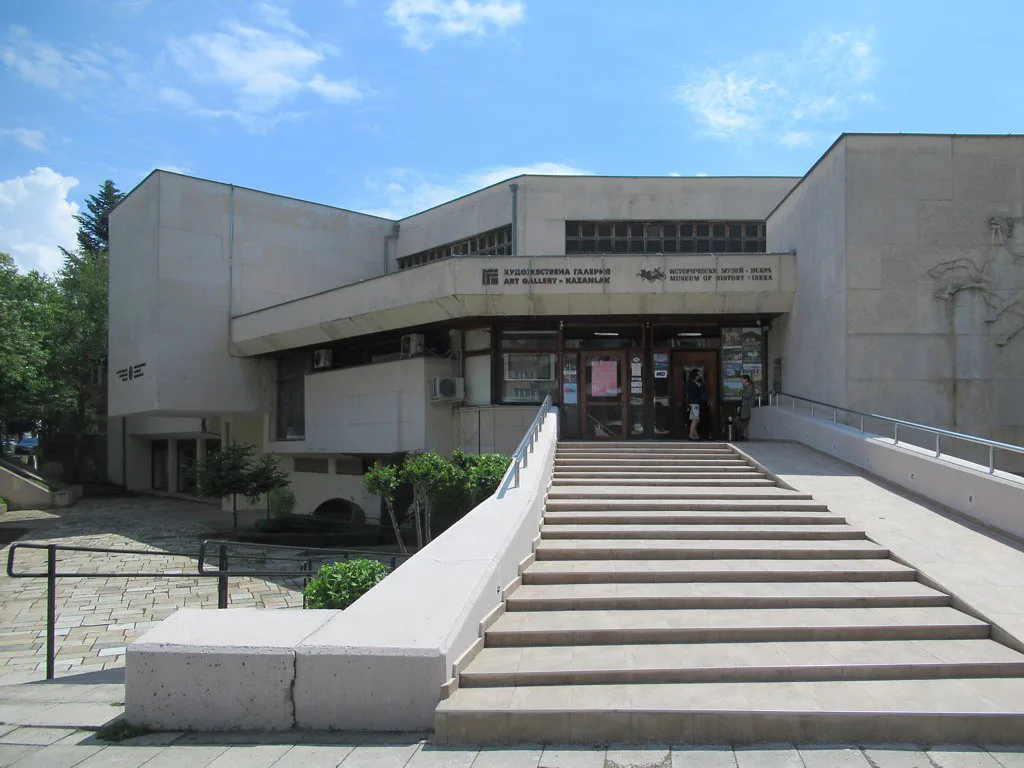
Published prices and hours change with the season, and small tomb sites often run through a museum desk. Ask the Kazanlak museum desk about combined tickets, guided-entry rules and photography. Winter hours are often shorter, so check before you travel.
Mistakes to avoid
Do not assume every tomb is open. Do not arrive in winter without checking hours. Do not rely on a single website for opening times. Do not expect gold at the mounds, because finds from Kosmatka and similar burials are displayed in museums. Do not treat Buzovgrad as a Thracian tomb.
Where to stay
Stay in Kazanlak if the valley is your focus. Choose Plovdiv if you also want city sightseeing and day trips, and Stara Zagora if you prefer a larger town. Sveshtari and Aleksandrovo are easier with an overnight near each site than with a long day trip.
Go deeper: ancient Bulgaria beyond the Thracians
Our Roman Ruins in Bulgaria: Best Sites and Planning Tips overview widens the route. Visit Plovdiv lists Plovdiv sights, including the Roman theatre in Plovdiv. Next door, the Roman stadium shows the same layered city. In the capital, ancient Serdica sits within Sofia, and Sofia's official site lists current visitor information. On the Black Sea coast, Nessebar Old Town: What to See, Tickets & How to Visit adds a peninsula town to the itinerary.
Macedonian royal tombs of the same period survive at Vergina in northern Greece; see our Vergina guide.
Explore More Guides
Keep planning your trip with these guides.
Guides
- Kazanlak Thracian Tomb: Replica, Access & Visit Guide
- Perperikon Travel Guide
- Plovdiv Roman Theatre: Visit Guide, Time & Tips
- Plovdiv Roman Stadium: What to See, Where & Is It Worth It
- Sveshtari Tomb: Visiting the UNESCO Thracian Tomb (Access, Tips)
- Serdica
- Nessebar Old Town
- Aleksandrovo Tomb: Thracian Murals Near Haskovo (Visitor Guide)
- Madara Rider: How to Visit Bulgaria's Cliff Relief
- Tatul Thracian Sanctuary, Bulgaria
- Roman Ruins in Bulgaria: Best Sites and Planning Tips
- Treasures to Know and Where to See Them in Bulgaria