
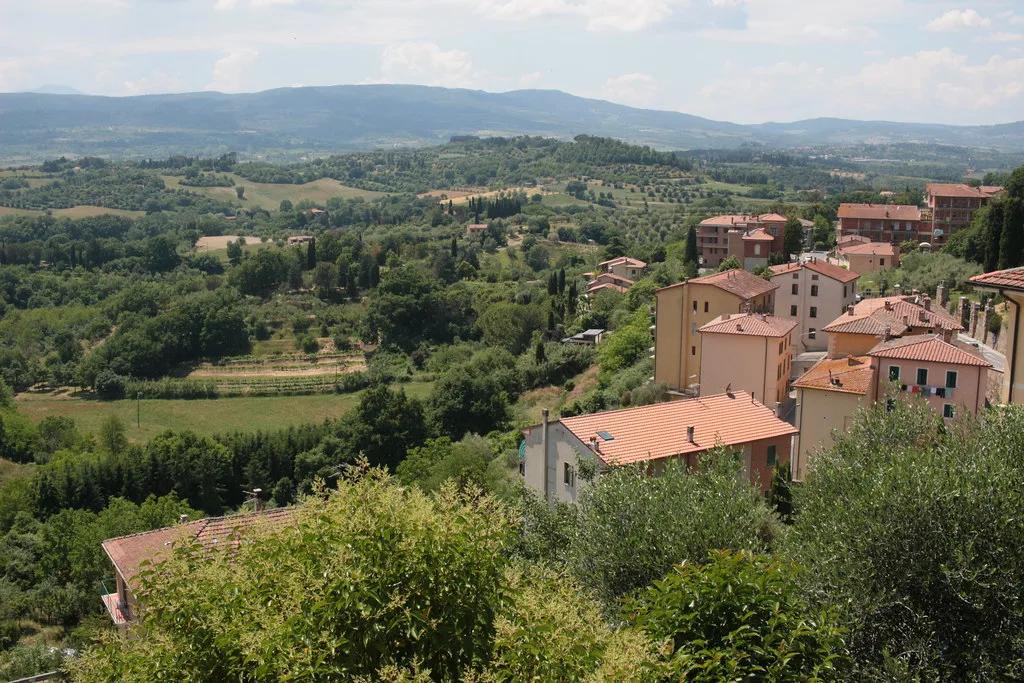
Last updated November 2026. Chiusi is a small hill town in the Province of Siena, Tuscany, and it was already an important city in Etruscan times. Its king was Porsenna, and the Etruscans knew the town as Clevsin. Visitors come for the Etruscan museum, a few painted tombs and the underground cisterns, and the rest of this guide shows how to fit them into one day within the wider network of Etruscan sites.
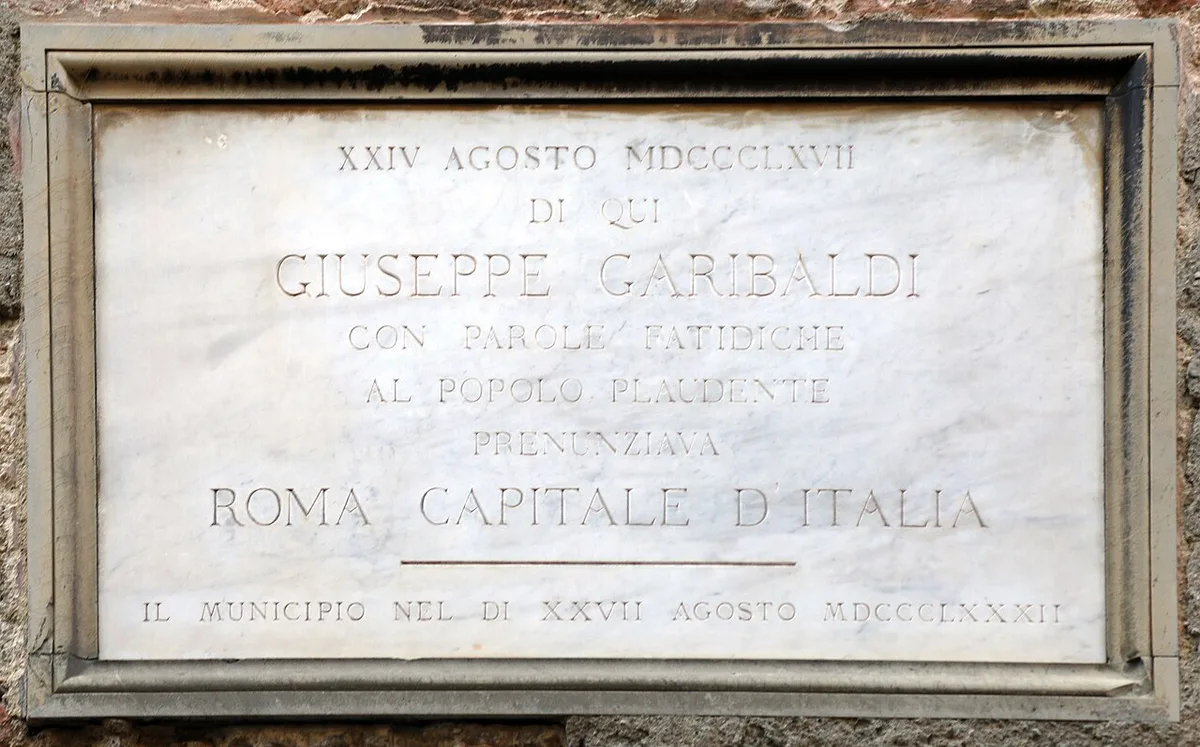
Featured image: k0a1a.net, CC BY-SA 2.0, via Flickr.
Chiusi in brief: is it worth visiting for the Etruscans?
Yes, if you want Etruscan history told through a town museum and a handful of tombs rather than one big necropolis. Chiusi sits in the Val di Chiana, and its attractions are spread between the old town and sites reached by guided visit. Start with who the Etruscans were if the period is new to you.
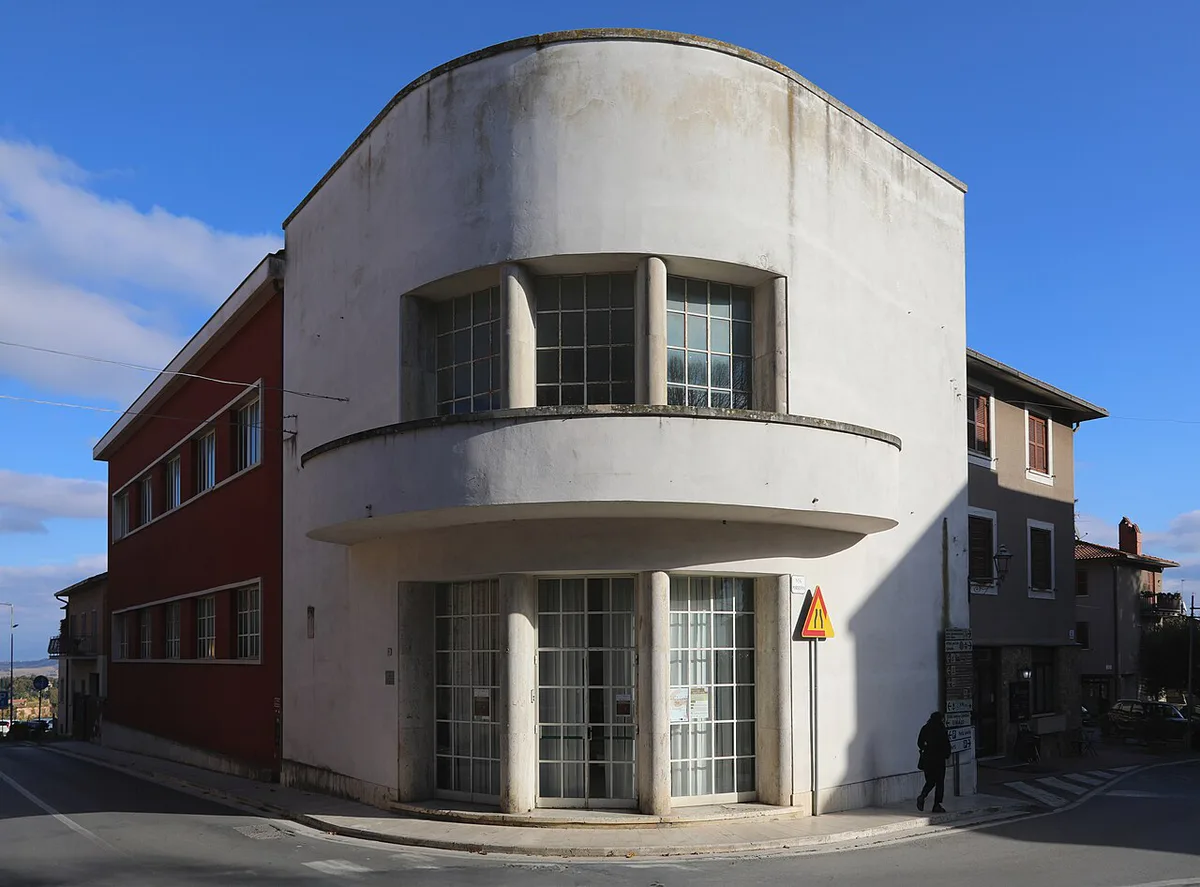
- Go if you like museum-led visits, small-town pacing and the idea of seeing tombs by guided tour.
- Go if you want an inland Etruscan stop that combines easily with Montepulciano, Chianciano Terme, Sarteano or Cetona, all neighbouring comuni.
- Skip if you have only one Etruscan day and want the best-known painted tombs. Choose Tarquinia's painted tombs instead.
- Skip if you are based in Rome without a car. Tarquinia from Rome: Train, Car or Tour (and Cerveteri) is the simpler day.
What to see: the Etruscan sites in and around Chiusi
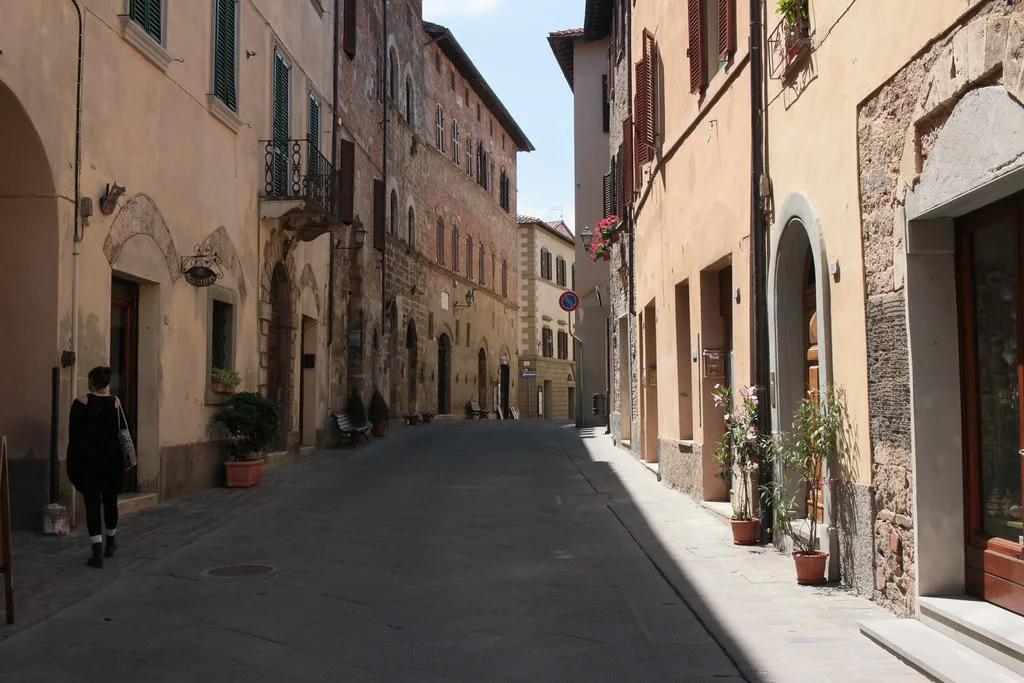
Three things define a visit. The Museo Archeologico Nazionale holds the town's Etruscan finds and is the best first stop. The Tomba della Scimmia and other painted tombs are reached on guided visits rather than walk-in entry. The Labyrinth of Porsenna is a system of underground cisterns beneath the old town. For tomb types and background, read our guide to Etruscan Tombs in Italy: Which to Visit and How.
- Museo Archeologico Nazionale: start here for context on the city and its tombs.
- Tomba della Scimmia and other painted tombs: book a guided visit, because you cannot simply turn up and enter.
- Labyrinth of Porsenna: underground cisterns, best paired with the museum visit.
Tickets, access and opening hours
Tomb visits are guided, so plan them before you travel. Opening days, hours, ticket structure and whether the museum and tomb visits are sold together are set by the national museum network. Read them on the Musei Nazionali di Siena e Chiusi site, and check the Labyrinth of Porsenna's operator separately. Prices and hours were not published in a form we could cite in November 2026, so none are quoted here.
Opening patterns may shift on 3 July, the feast of Santa Mustiola, so check the national museum network's listing for that day.
How to get there and get around
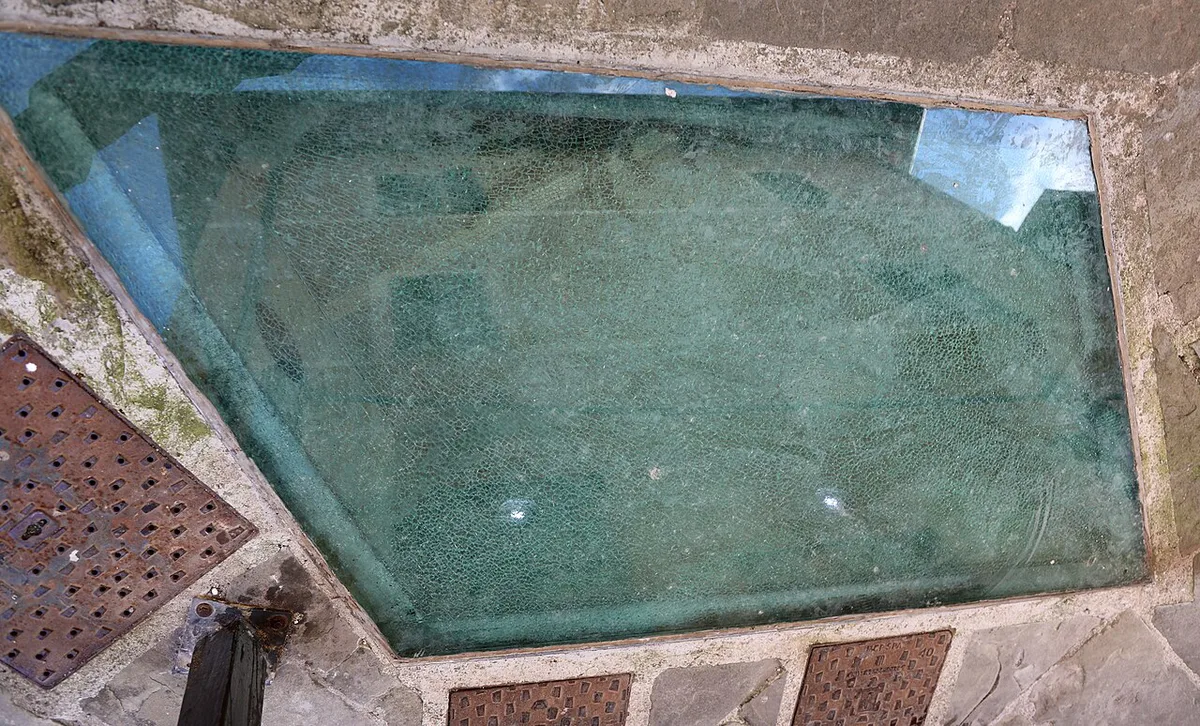
Chiusi has an upper old town and a lower district, Chiusi Scalo, whose postal code is 53044. The old town uses 53043. Chiusi stazione is at Chiusi Scalo, so allow a transfer up to the old town and check it before you commit to a car-free day. Timetables change, so use the rail operator's journey planner on the day. For regional planning, Visit Tuscany is a useful starting point.
A half-day and a full-day plan
On a half day, do the museum first and one guided tomb visit second. Add the Labyrinth of Porsenna only if the timing works. On a full day, add a second guided slot and lunch in the old town. Guided tombs run on set departure times, so build the day around them. Fit the town in on 3 July, the feast of the patron saint Santa Mustiola, only if you enjoy local festivals, since it may change opening patterns.
Chiusi vs other Etruscan sites
Chiusi suits museum-minded visitors who like small towns. The coastal necropolises near Rome and the inland hill-town sites each offer something different, as the table shows.
| Site | What the visit centres on | Where to read more |
|---|---|---|
| Chiusi | Town museum, guided painted tombs, Porsenna cisterns | This guide |
| Tarquinia | Painted tombs in a necropolis | Tarquinia Necropolis: Painted Tombs, Tickets & Visit Tips |
| Cerveteri | Monumental tomb necropolis | Cerveteri Necropolis: Visit Guide & Rome Day Trip |
| Volterra | Etruscan museum in a hill town | Volterra's Etruscan sites |
| Sovana | Tuffstone landscape and sunken roads | Vie Cave Tuscany: Sovana, Pitigliano & Sorano Guide |
Where to stay and eat
Staying in the old town puts you close to the museum. Chiusi Scalo is handier for the station. A base in Montepulciano, Chianciano Terme or Sarteano also works if you have a car and want a wider choice of lodging.
Plan Your Base: Chiusi Scalo or the Old Town
Choose your base according to the first fixed booking of the day. Chiusi stazione is in Chiusi Scalo, the lower district with postal code 53044. The historic centre uses postal code 53043, so check the address carefully when booking accommodation or arranging a pickup.
Stay near the station if you arrive late or leave early by rail. Stay in the old town if the museum, the Labyrinth of Porsenna, and guided tomb visits are your priorities. The two areas are not interchangeable on a tightly timed visit. Allow for the transfer uphill before accepting an early guided departure.
On 3 July, Santa Mustiola’s feast day, reconfirm transport and site arrangements before travelling. Local events can alter normal opening patterns. If your schedule is inflexible, book the guided tomb slot first and choose your overnight base around it.
Frequently Asked Questions
Where is Chiusi located?
Chiusi is a comune in the Province of Siena, Tuscany, in the Val di Chiana. Its neighbours include Montepulciano, Chianciano Terme, Sarteano and Cetona, plus Città della Pieve and Castiglione del Lago across the border in Umbria.
Related guides



Continue reading
Guides on the same trip


