
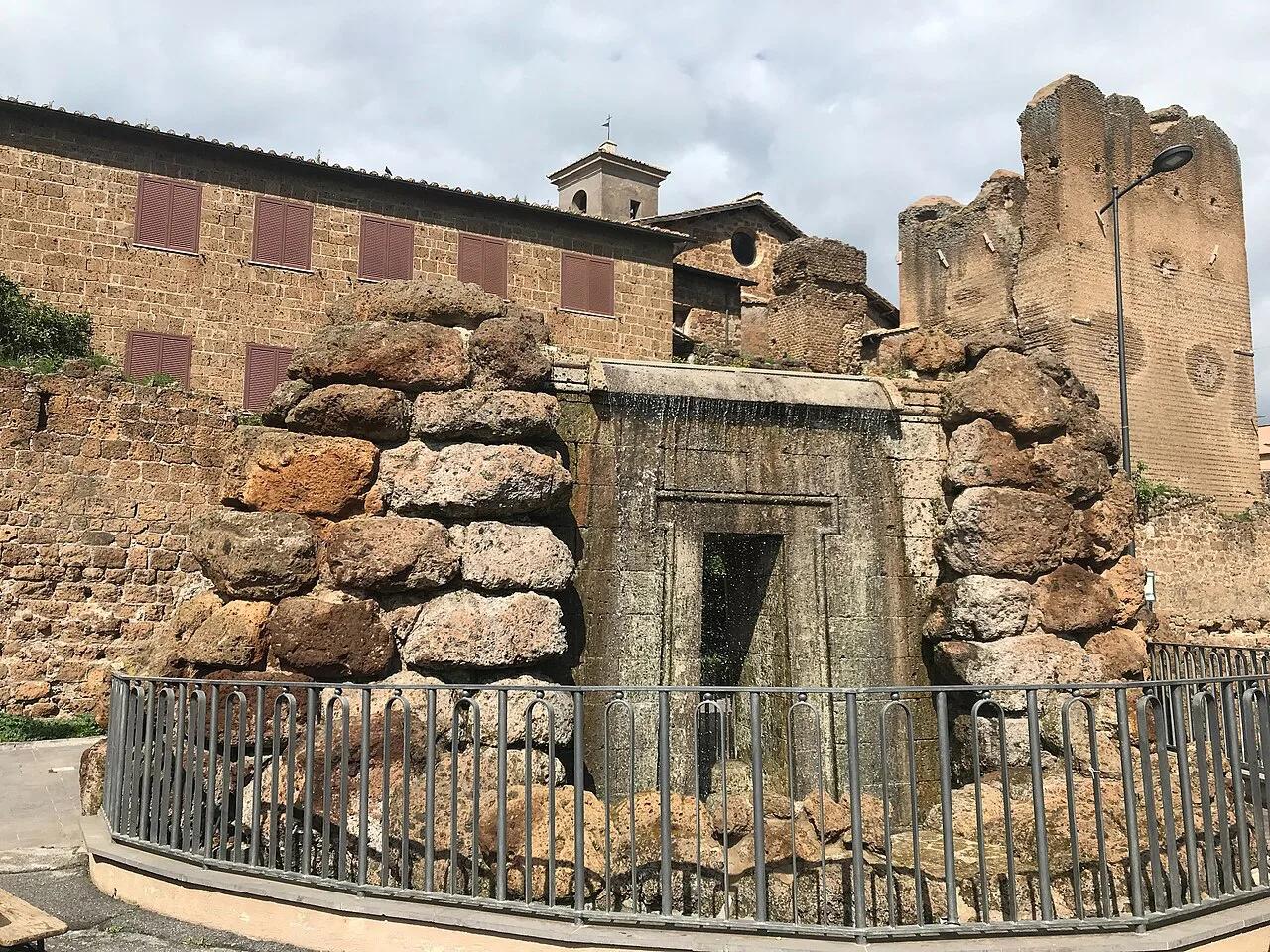
Last updated November 2026: cerveteri, ancient Caere in Lazio, is famous for the Banditaccia necropolis, a UNESCO-listed field of tumulus tombs laid out like a small city of the dead. Allow a half day from Rome, and put it high on your list if you care more about tomb architecture than painted walls. Tarquinia suits fresco hunters better, and this guide shows how to choose between the two.
Featured image: Dieterdreist, CC BY-SA 4.0, via Wikimedia Commons.
Cerveteri at a glance
Banditaccia is a large Etruscan burial ground with tumuli and rock-cut tombs arranged along cut streets, squares and neighbourhoods. UNESCO inscribed it in 2004 together with the necropolis at Tarquinia, and the joint listing dates the burial grounds back as far as the 9th century BC. Competitor-style summaries describe over a thousand burial chambers, tombs and mounds across the area. Walking it feels less like visiting a cemetery and more like wandering a town whose residents have just left. Our verdict: go if you enjoy architecture, open-air archaeology and a quiet half day, and skip it if you only have a few hours in Rome.
| Detail | What to know |
|---|---|
| Ancient name | Caere |
| Region | Lazio, in the Metropolitan City of Rome |
| Main site | Banditaccia necropolis |
| UNESCO listing | 2004, shared with Tarquinia |
| Best for | Tomb architecture, quiet walking, Etruscan history |
| Pairs with | The Cerite National Archaeological Museum |
Is Cerveteri worth it? Who should go and who should skip
Go if you want to see how the Etruscans built for their dead. Tumuli here imitate houses, with cut beams, doorways and chambers that mirror domestic life. D.H. Lawrence wrote in Etruscan Places that these rock-cut tombs are "just like houses", and the description still fits. Visitors who like archaeology on the ground rather than behind glass will get the most from the site. Anyone building a wider Etruscan route should treat it as an anchor stop, alongside the other places in our Etruscan sites overview.
Skip it, or shorten the visit, in a few cases. Short Rome itineraries rarely have room for a half day and a connection out of the city. Small children in summer heat will struggle with the open, shadeless paths. Visitors with limited mobility should expect uneven ground, steps down into some chambers and a long walk between tombs. Those who mainly want painted interiors should read our Tarquinia necropolis guide first, because the experience is different.
Getting to Cerveteri from Rome: train, bus and car compared
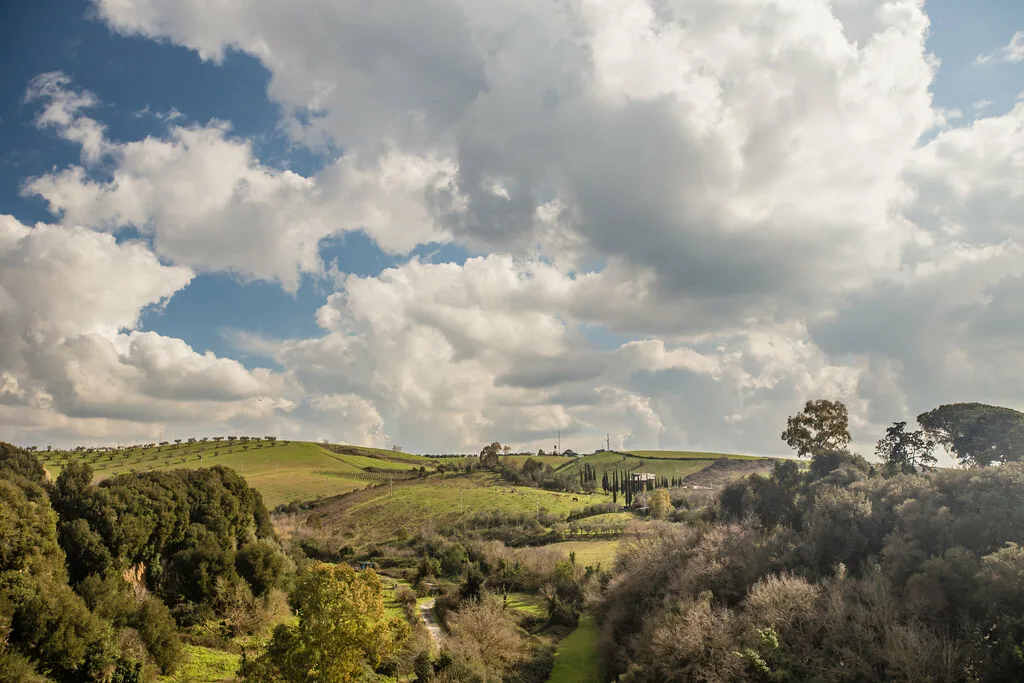
Transport is the main friction point. The necropolis sits outside the town centre, so a public-transport trip usually means a train or regional bus to the town, then a local link or taxi for the final stretch. Exact journey times, fares and frequencies change by timetable, so check Trenitalia and the regional bus operator on the day you travel. Our Cerveteri and Tarquinia day-trip planner covers the route in more detail.
A car is the most flexible option if you want to combine sites. Parking near the necropolis is simpler than in Rome, and you can add a second Etruscan stop in the same day. Without a car, plan your return connection before you enter the site, because gaps between services can be long. Rome-side visitors who want context first can start at the Villa Giulia Museum Rome: Etruscan Visitor Guide, which holds Etruscan finds.

| Option | Effort | Time | Cost level | Best for |
|---|---|---|---|---|
| Train plus local link or taxi | Medium, with a transfer | Depends on timetable | Lowest to moderate | Solo travellers on a budget |
| Regional bus | Medium, with a walk or transfer | Depends on traffic | Low | Flexible visitors without a car |
| Car | Low | Shortest door to door | Fuel and parking | Combining several Etruscan sites |
| Private driver or tour | Lowest | Fixed by the operator | Highest | Families, limited mobility, short trips |
Tickets, opening hours and booking
Ticket prices, hours and last entry are set by the Cerveteri and Tarquinia archaeological park. Check that page for current figures and for any closed tombs.
What to see in the Banditaccia necropolis
Start with the layout. Banditaccia is organised around cut streets, and the Via Sepolcrale is the clearest example of a road lined with tombs on both sides. Walk it slowly to see how tumuli of different sizes sit beside smaller rock-cut chambers. Round mounds rise from a base cut into the tufa, and many have doorways leading to chambers inside. Our guide to Etruscan tomb types explains the differences between tumulus, trench and chamber tombs.
Two tombs are worth looking for by name. Tumulo Mengarelli is one of the big mounds you can approach and read from outside. The Tomb of the Reliefs is known for carved and painted stucco details that reproduce household objects on the walls. Access to individual tombs can rotate, so a named tomb may be closed on your day. Treat the street pattern and the mounds as the main attraction, and the interiors as a bonus.
Inside a typical chamber, expect a rock-cut room with benches or couches cut from the stone. Roof beams are carved in the rock to imitate timber houses. Most chambers are empty now, with finds moved to museums.
- Via Sepolcrale: the main tomb-lined street, best walked slowly
- Tumulo Mengarelli: a large mound that shows how tumuli were built
- Tomb of the Reliefs: stucco details of household objects, if open
- Smaller rock-cut chambers: house-like rooms with carved beams and benches
The Cerite National Archaeological Museum
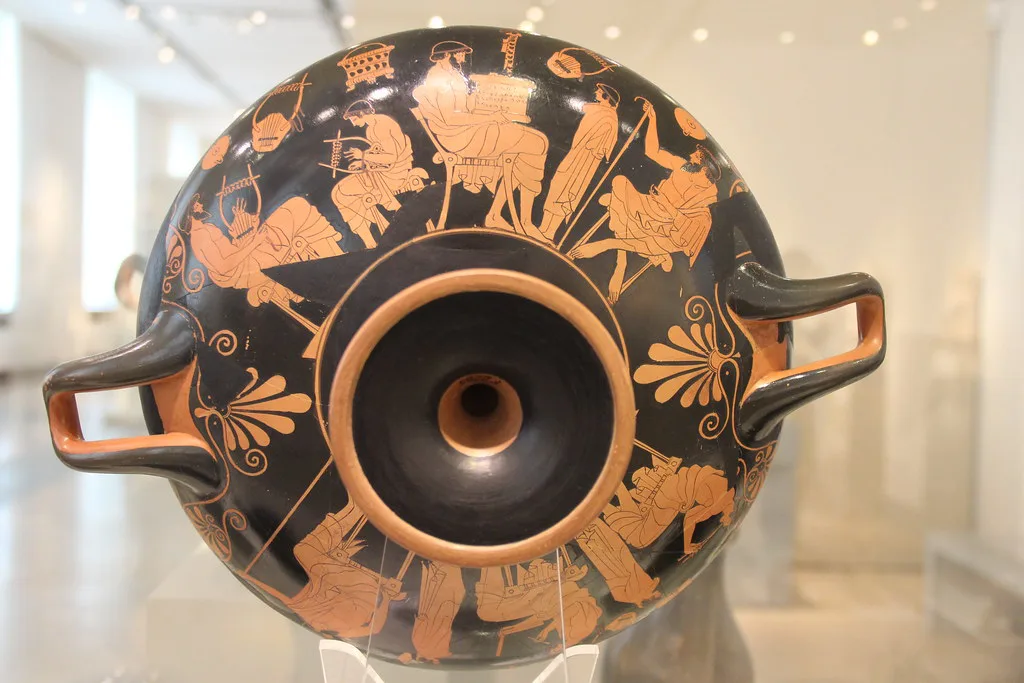
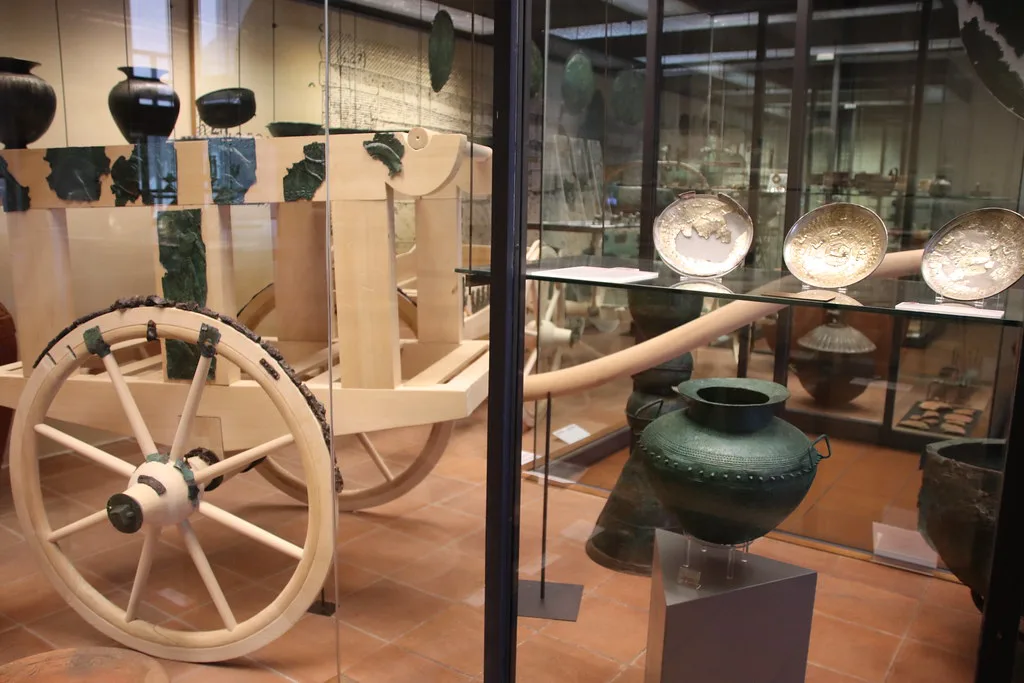
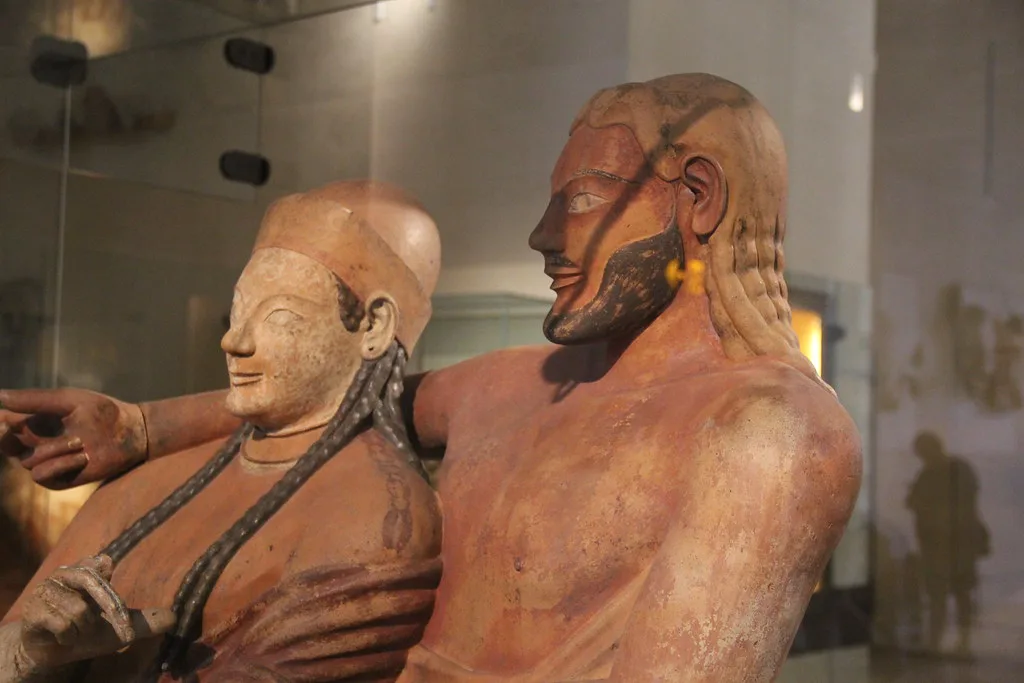
Finds from the necropolis are held in the Cerite National Archaeological Museum, so it belongs on the same trip. Seeing the objects after the tombs helps explain what the empty chambers once held. Funerary goods, pottery and sculpture give the site its human context. Visitors often mention the Euphronios krater in connection with Cerveteri, but its history is complicated. Check the museum's current display before you build a visit around it.
The museum sits in the town rather than at the necropolis. That placement makes it a natural lunch-time stop, and it fits a day with no car. For wider museum context, the Rome-side Villa Giulia national Etruscan museum is the main alternative.
How to plan your time at Cerveteri
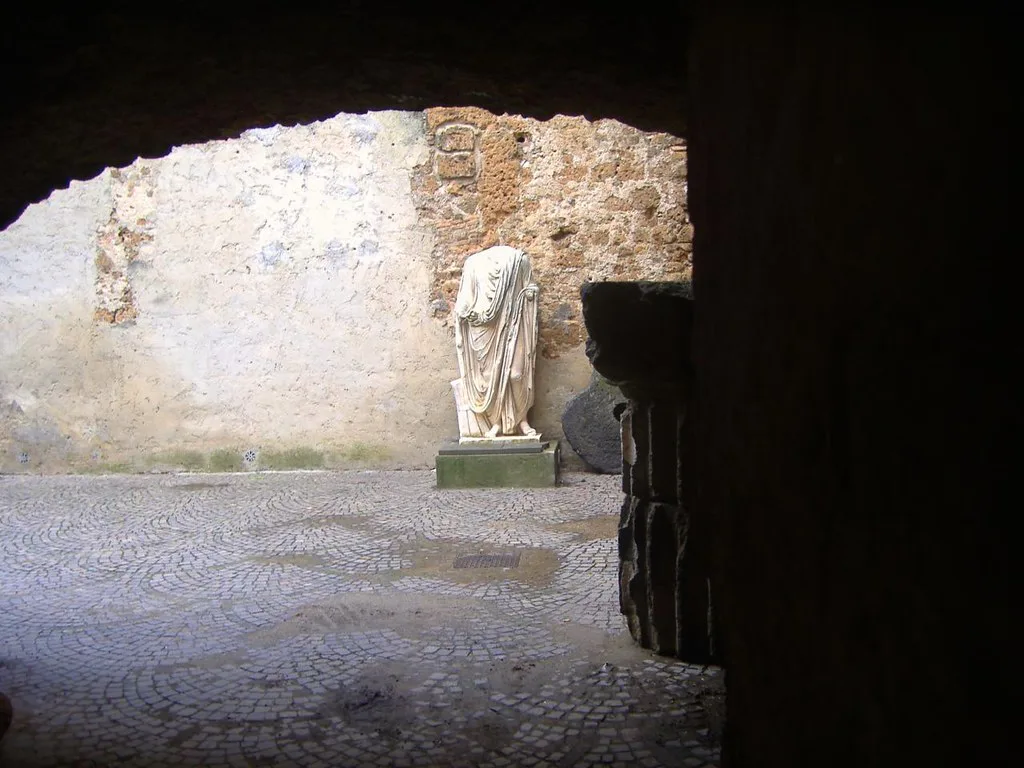
A focused visit to Banditaccia can take two to three hours on foot. Add the museum and a meal in town, and it becomes a half day. A full day makes sense if you travel by public transport and want a relaxed pace. Combining Cerveteri and Tarquinia in one day from Rome is possible by car but rushed on public transport. Our day-trip combination guide shows how to sequence the two.
Start early, because the open site has little shade. Do the necropolis first and the museum second, since the museum is a cooler indoor stop for the afternoon. Anyone with a car and extra days can extend to Vulci's archaeological park, or to Tuscania Travel Guide: Basilicas, Etruscan Museum & Day Plan.
- Two to three hours: necropolis only, if you are tight on time
- Half day: necropolis, museum and lunch in town
- Full day: slow walk, museum and a second nearby stop with a car
- Two sites in one day: realistic by car, rushed by public transport
Cerveteri vs Tarquinia and other Etruscan sites
Both are UNESCO sites, but they reward different interests. Cerveteri has the tomb architecture, with mounds, streets and house-like chambers above ground. Tarquinia, whose Monterozzi necropolis is known for painted tombs, offers frescoes that depict scenes of Etruscan life and ritual. If you only have time for one, choose by what you want to see.
UNESCO inscribed it in 2004 alongside Tarquinia, so the listing doesn't tell you which site to pick. Choose by tombs versus frescoes instead.
Visitors with a car and more time can look further afield. Tuscany has several Etruscan stops, including Volterra, Chiusi, Sovana and Populonia. For background on the people behind these places, read who the Etruscans were. The Etruscans flourished in the Italian peninsula between the 8th and 3rd centuries BC.
| Question | Cerveteri | Tarquinia |
|---|---|---|
| Main draw | Tumuli and tomb streets | Painted tomb interiors |
| Necropolis name | Banditaccia | Monterozzi |
| Best for | Architecture lovers, walkers | Fresco fans, art-focused visitors |
| Museum pairing | Cerite National Archaeological Museum | Museum in Tarquinia |
| Pace | Open-air wandering | Short visits to individual tombs |
Practical tips and mistakes to avoid
Wear closed shoes with grip, because paths are uneven and tufa can be slippery. Bring water and a hat, since shade is limited among the tumuli. Spring and autumn are more comfortable than midsummer for a long walk. Avoid arriving late in the day, because last entry and closed tombs can cut the visit short. Mobile signal and signage can be patchy, so download a map before you go.
- Mistake: planning a tight Rome connection without checking return services
- Mistake: building the day around one named tomb that may be closed
- Mistake: skipping water and shade in summer
- Mistake: trying Cerveteri and Tarquinia by public transport in a single day
Where to eat and stay
Most visitors treat Cerveteri as a day trip from Rome and eat lunch in the town after the museum. Staying overnight in or near the town suits those who want an early start at the necropolis and a slower pace. It also helps anyone planning to continue to Tarquinia or Vulci the next day. Choose lodging by your transport plan rather than by the necropolis alone.
Frequently Asked Questions
Where in Italy did the Etruscans live?
Etruscan cities spread across central Italy, including Lazio and Tuscany. Cerveteri and Tarquinia lie in Lazio, while Volterra, Chiusi and Populonia are in Tuscany.
What to see in Tarquinia?
Tarquinia's Monterozzi necropolis is known for painted tombs with frescoes of Etruscan life and ritual. Read our Tarquinia necropolis guide for the details.
Related guides



Continue reading
Guides on the same trip



