
Last updated November 2026. Volterra Etruscan history survives in a museum collection, a town gate and old walls, not in painted tombs. Volterra was a major Etruscan city, called Velathri, and the Museo Etrusco Guarnacci is the best reason to visit. If you want background first, read who the Etruscans were.
Featured image: The Consortium, CC BY-SA 2.0, via Flickr.
Is Volterra Worth It for Etruscan History?
Yes, if you care about objects and faces more than tomb interiors. Volterra gives you a large collection of funerary urns and a bronze figure that has become a symbol of the Etruscan world. You also get a hilltop town where Etruscan, Roman and medieval layers sit side by side. It fits well into a wider Tuscan trip that already includes Siena or San Gimignano. Our guide to Etruscan sites in Italy shows how Volterra fits among the other places worth a detour.
- Go if you want a museum-led visit with real depth in cinerary urns.
- Go if you are already based in Florence, Siena or Pisa and want a hill-town day.
- Skip if painted tomb chambers are the main goal.
- Skip if you only have a few hours and no plan for the hill climb.
The Etruscan Highlights in Volterra
Etruscan Volterra is concentrated in a few places. Roman remains sit close by, so it helps to know which is which before you start walking.
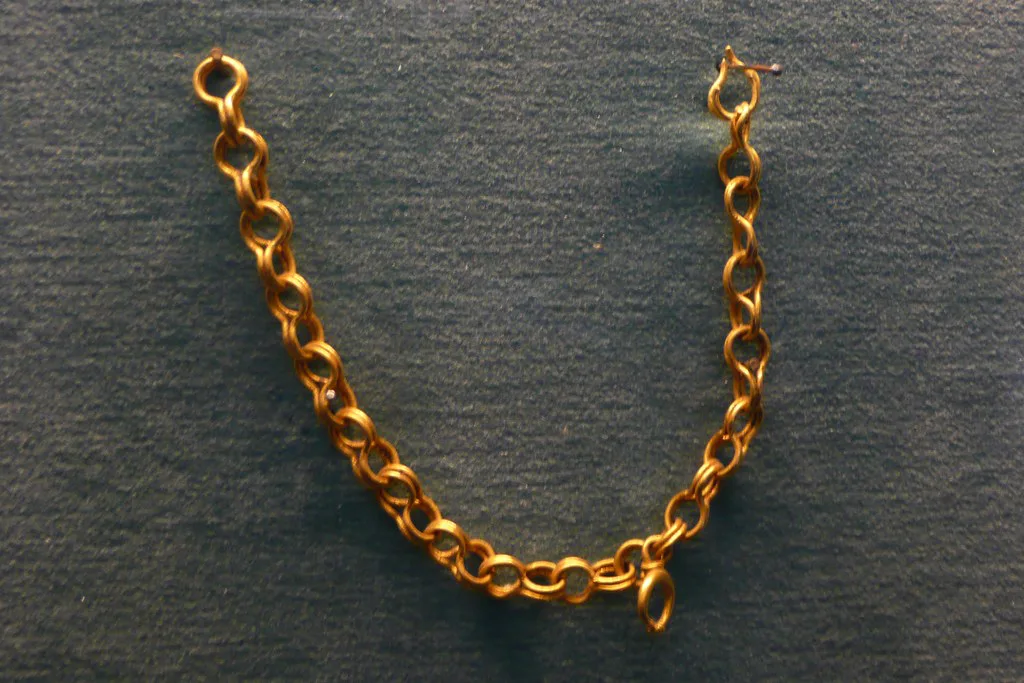
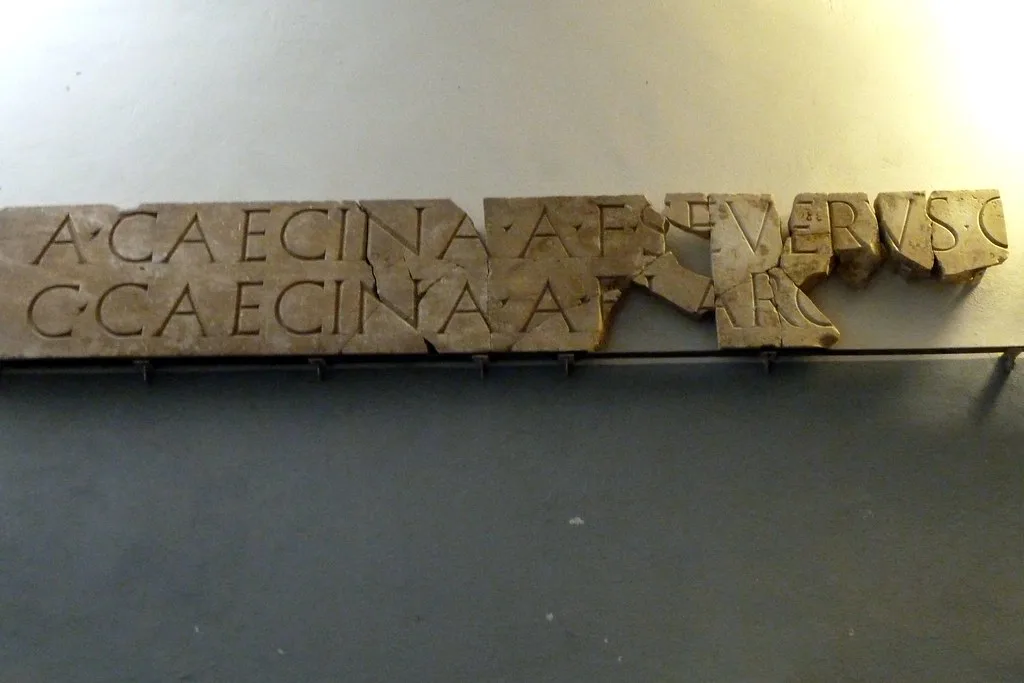
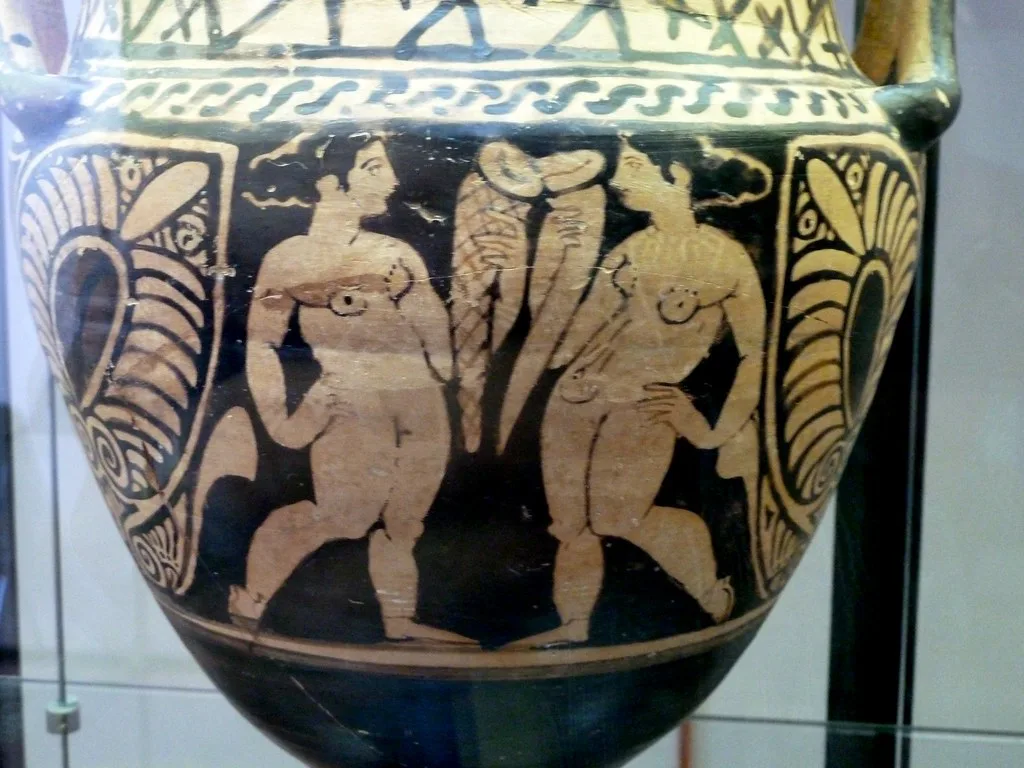
- Museo Etrusco Guarnacci: the town's anchor. Its rooms hold rows of cinerary urns, many carved with figures and mythological scenes. The elongated bronze known as the Ombra della sera is the piece most visitors come to see. The museum's own site, the Guarnacci museum website, covers the collection and current visiting details.
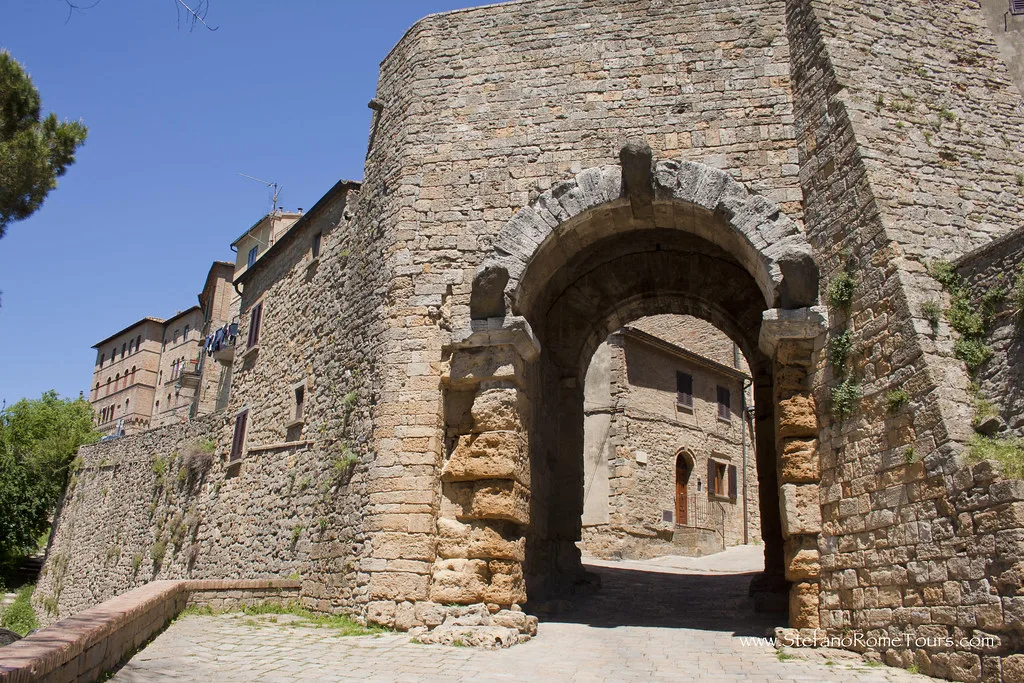
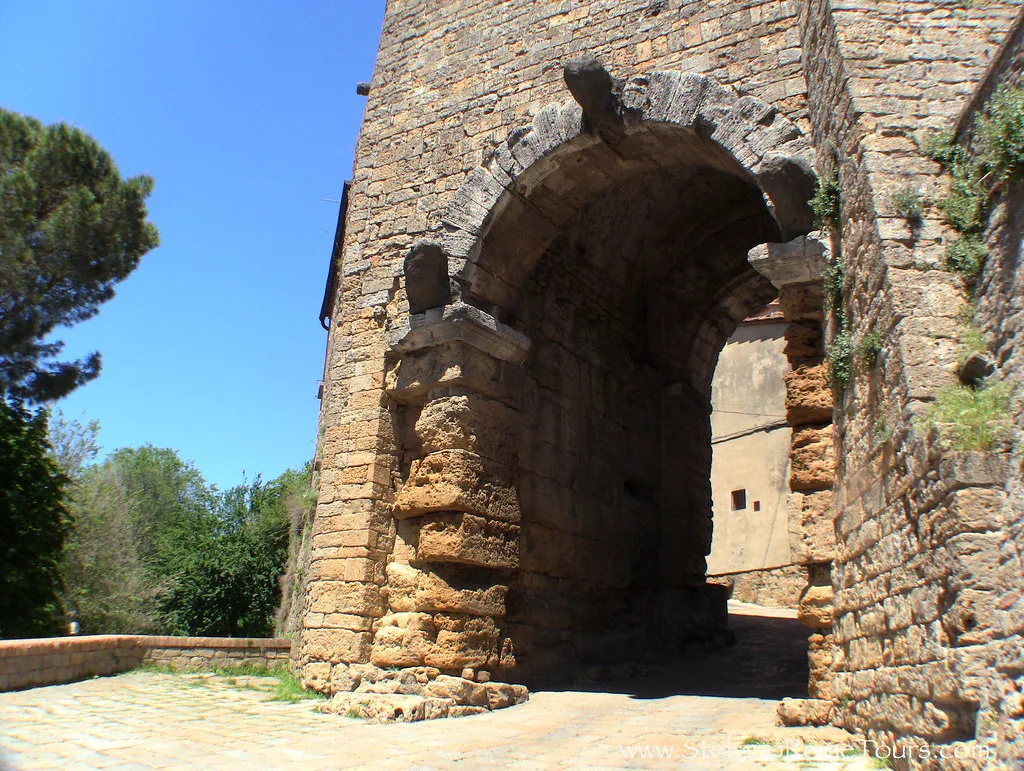
- Porta all'Arco: an arched town gate set into the old defensive walls. It is the clearest outdoor Etruscan landmark in town. Walk through it and look at the heavy stonework around the arch.
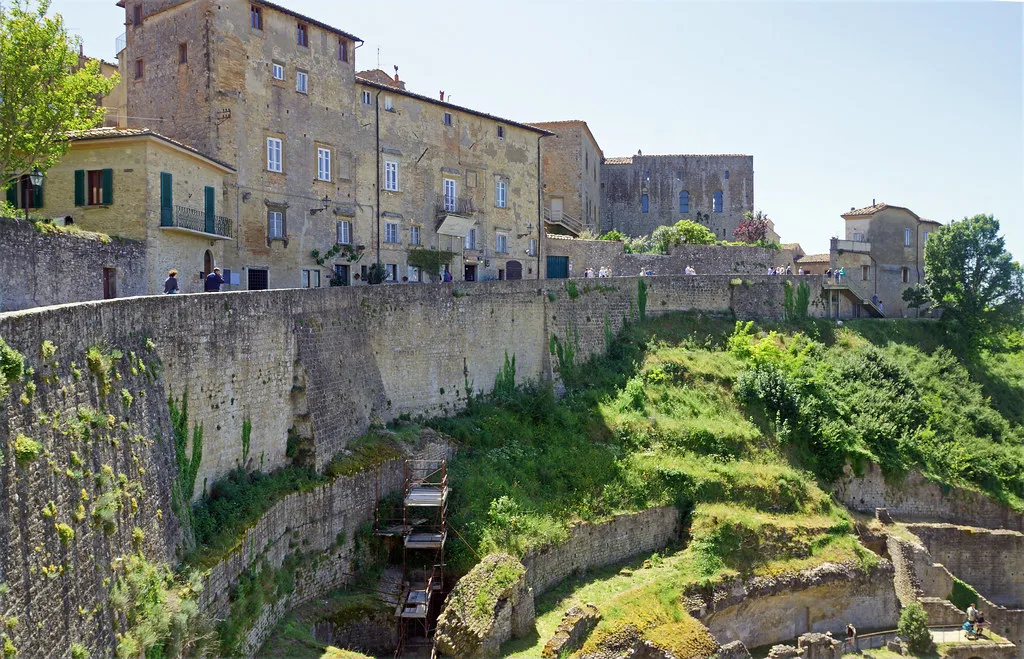
- Etruscan-era walls: stretches of the circuit are still traceable around the hill. Use them to understand how large Velathri was.
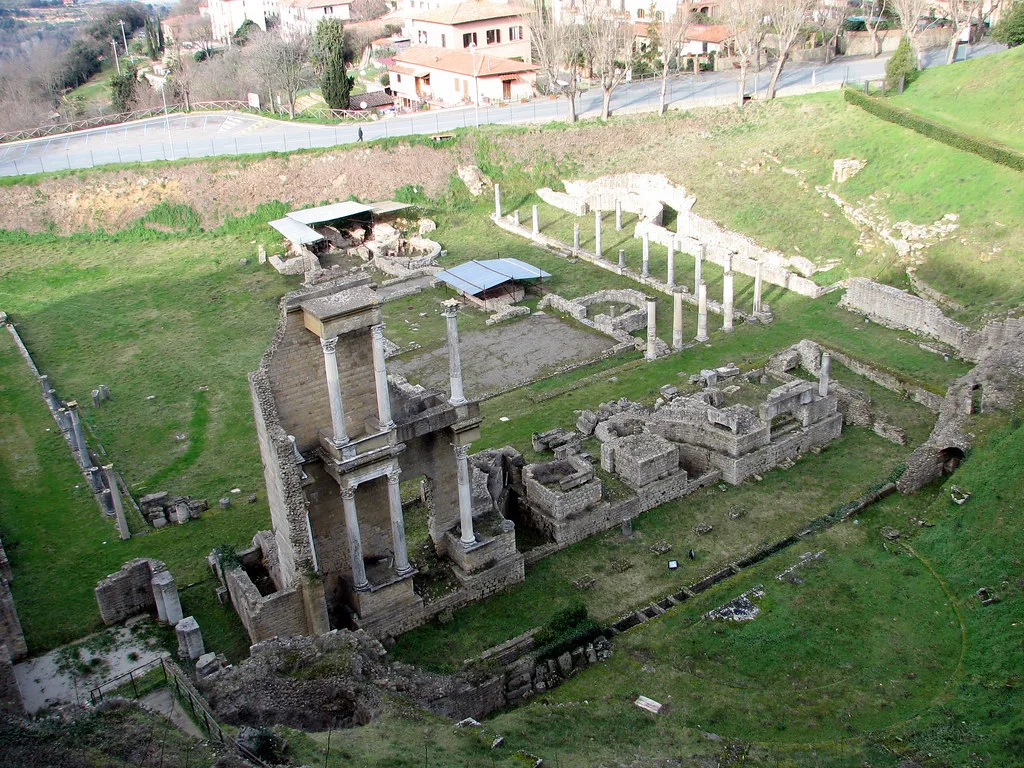
- Acropolis and archaeological park: the high ground of the ancient city, with later Roman-era remains. Check on site what is open on the day you visit.
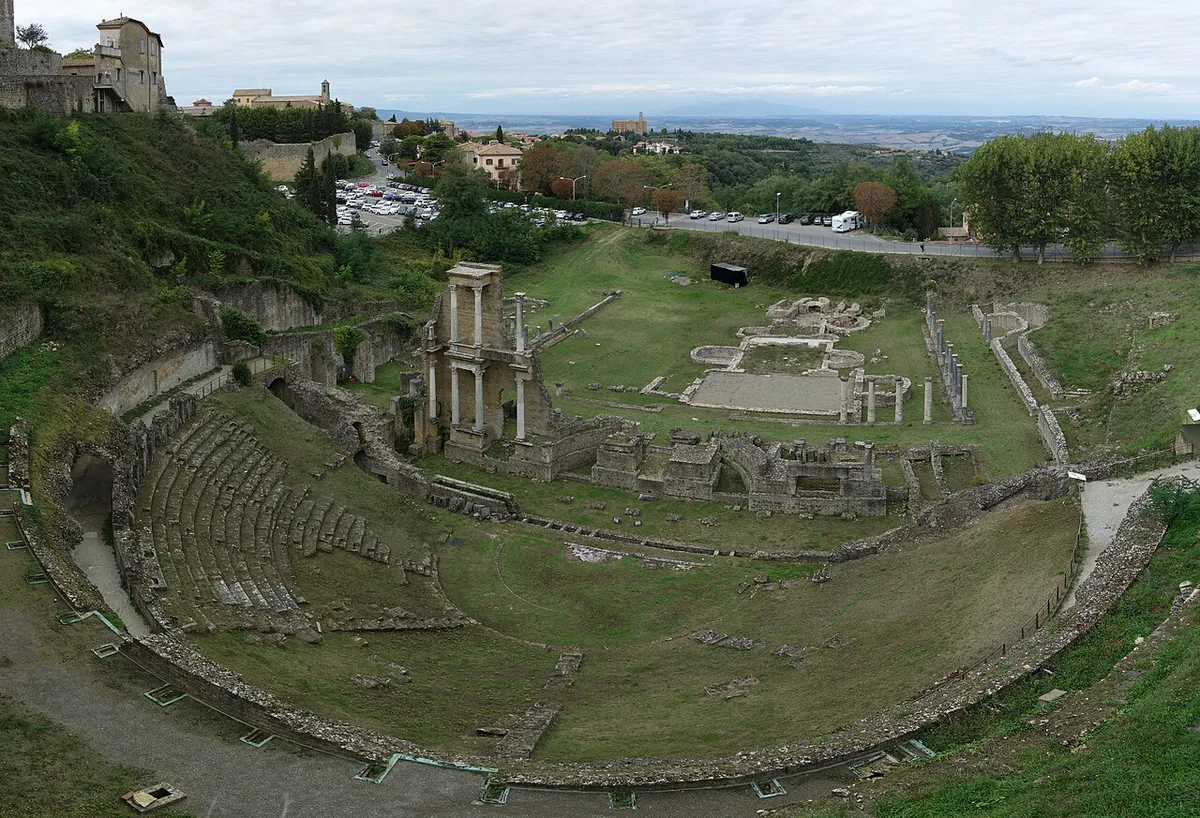
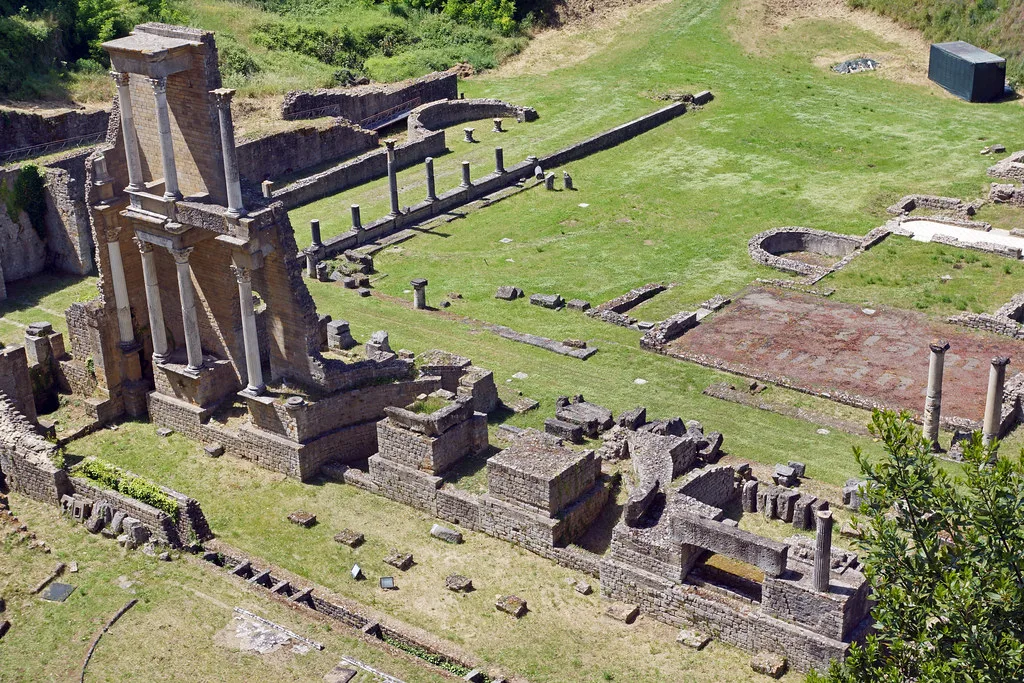
- Roman theatre: close to the Piazza dei Priori area, and Roman rather than Etruscan. Visit it as context for how the town changed after the Etruscan period.
A Half-Day or Full-Day Etruscan Route
Volterra is hilly and paved in uneven stone, so plan your order around effort. Start with the museum while you are fresh, then work outward on foot. Comfortable shoes matter more here than a long checklist.
- Morning: Museo Etrusco Guarnacci. Take your time with the urn rooms and the Ombra della sera.
- Late morning: walk from the museum to Piazza dei Priori and orient yourself. This is the civic centre of the old town.
- Midday: see the Roman theatre as a short contrast, then break for lunch.
- Early afternoon: walk to the Porta all'Arco and follow a stretch of the old walls.
- Late afternoon, full-day option: add the acropolis and archaeological park, then wander the alabaster workshops.
- If time is short: keep the museum and the Porta all'Arco, and cut the theatre and park.
Tickets, Hours, and Booking
Opening hours and ticket structures change by season and around public holidays, so do not rely on a single universal time. Prices and hours are not quoted here because they shift between years. Check the museum's official page for current hours, last entry and ticket prices. The Volterra tourism site is the place to look for combined tickets and local closures. Holiday weekends are the busiest, so buy early when the official page allows it.
Getting There and Around (Car, Bus, Tour)
Volterra sits on a hill and is not on a rail line. Train travelers normally combine a train with a bus, so check current timetables with the operators before you commit. Drivers face restricted traffic zones in the old centre and limited parking, so park outside the core and walk in. Guided day trips from Florence, Siena or Pisa remove the logistics but fix your schedule. The old town itself is compact and walkable, though streets are steep.
- Car: the most flexible option, with parking and traffic-zone friction at the top of town.
- Bus or train plus bus: cheaper and less stressful on parking, but dependent on timetables.
- Guided tour: easiest, with less time for a slow museum visit.
- Day trip or overnight: a day trip covers the Etruscan highlights. Stay overnight if you want the town after day-trippers leave.
Volterra vs the Big Etruscan Necropolis Sites
Painted tombs are mostly elsewhere. For those, read our overview of Etruscan tombs in Italy and start with Tarquinia. Volterra offers the opposite strength: objects, a town and its walls. If you want the larger museum collection in Rome, see Villa Giulia in Rome.
| Site | What you actually see | Best for | Access without a car | Time needed |
|---|---|---|---|---|
| Volterra | Museum urns, gate, walls, hill town | Objects and a walkable town | Bus-linked, no direct rail | Half day to full day |
| Tarquinia | Painted tomb chambers | Wall paintings | Day trip from Rome is common | Half day |
| Cerveteri | Large tumulus necropolis | Tomb architecture | Rome day trip, see Tarquinia from Rome: Train, Car or Tour (and Cerveteri) | Half day |
| Chiusi | Tombs and local museum | Combined museum and tomb stop | Check rail and bus links | Half day |
| Populonia and Baratti: Etruscan City on the Sea (Visit Guide) | Coastal necropolis and acropolis | Seaside setting | Limited, check locally | Half day |
| Sovana | Rock tombs and cut roads | Landscape walking | Difficult without a car | Half to full day |
Mistakes to Avoid and Practical Tips
Most problems come from wrong expectations and poor timing. Volterra rewards a plan, and our Etruscan sites hub helps you pair it with other stops.
- Do not expect tombs in Volterra. Its Etruscan story is told through the museum and the walls.
- Do not arrive late. Last entry can close the museum before you expect.
- Do not underestimate the climb. Streets are steep and cobbled.
- Do not leave holiday weekends unplanned. Book transport and entry early.
- Do not label Roman or medieval sights as Etruscan. The theatre is Roman, and the later town is medieval.
Frequently Asked Questions
Is Volterra a place?
Yes, Volterra is a hill town in Tuscany, Italy. It stood on this hill as the Etruscan city of Velathri.
Where in Italy did the Etruscans live?
Etruscan cities were centered in Tuscany, northern Lazio and parts of Umbria. Volterra is a Tuscan example, while Tarquinia and Cerveteri lie closer to Rome.
Related guides



Continue reading
Guides on the same trip


