
Vulci Archaeological Park: Visit Guide & Planning Tips
Last updated November 2026. Vulci is an ancient Etruscan city and archaeological park in the Maremma, near Montalto di Castro in northern Lazio and close to the Tuscany border. Allow roughly 1.5 to 2 hours for the plateau ruins and the bridge, or a half day with the museum and tombs. Visitors come for open Roman-era ruins, tumuli and river landscape, not for painted tomb interiors, and this guide shows who benefits most from the trip.
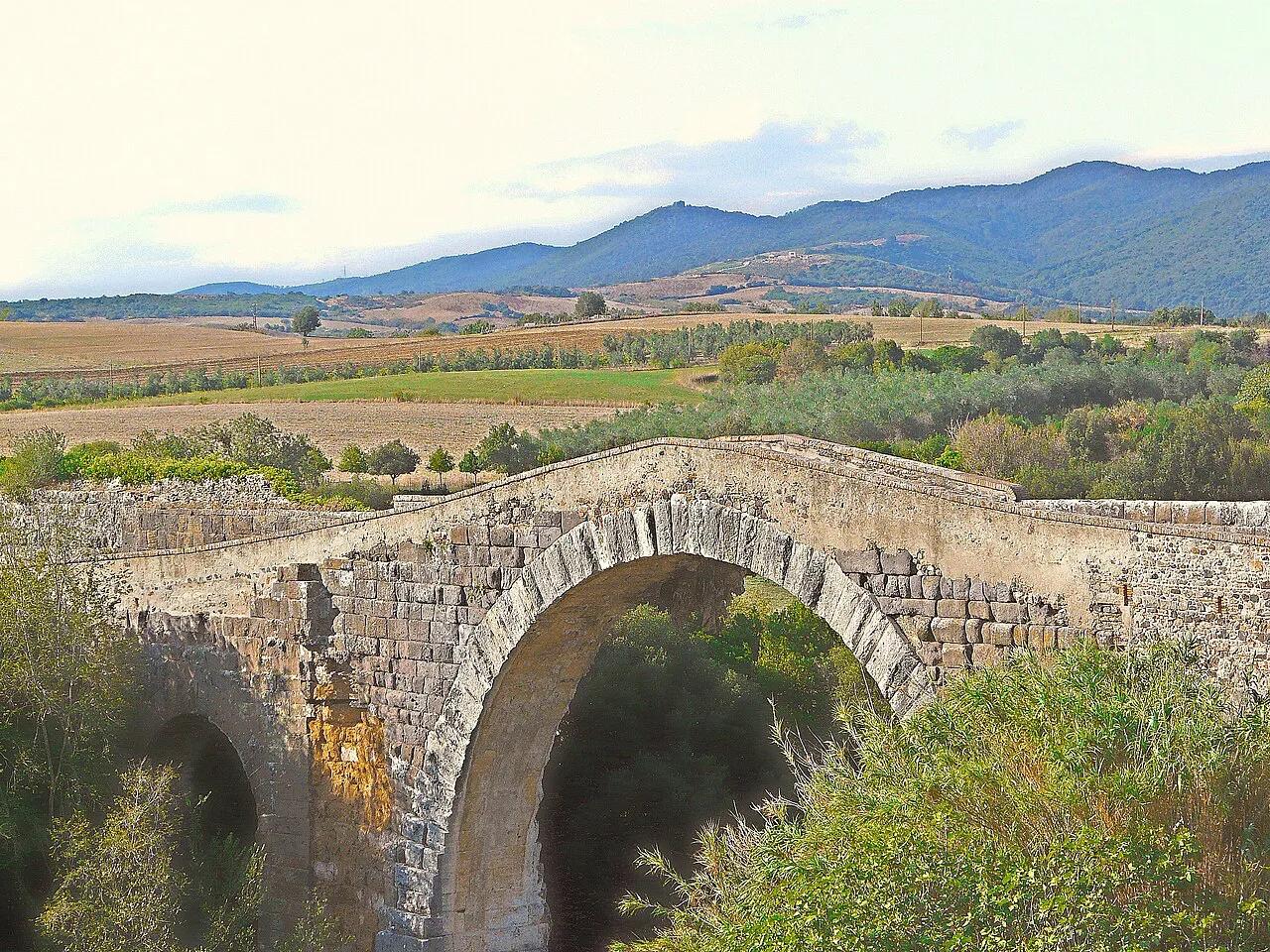
Featured image: Steffen Schulz, CC BY-SA 2.0, via Wikimedia Commons.
What Vulci Is and Whether It's Worth Visiting
Vulci was one of the main cities of Etruria. Its position near the sea made it a trading power toward Greece and the East. Today the site is the Vulci Archaeological Park, a naturalistic park around the excavated Etruscan-Roman city and its necropolises. You do not stay in Vulci, because it is a park and not a town. Visitors usually base themselves in Montalto di Castro, Canino or the nearby Maremma villages. Worth it if you like walking through ruins, tumuli and open countryside, and if you have a car. Skip it if you expect the painted chambers of Tarquinia. For the wider picture, start with our guide to Etruscan sites.
What to See at Vulci
Vulci is spread across a plateau and a river valley, so you walk between separate areas. A short path from the ticket office climbs to the plateau where the Etruscan-Roman city stood. Walking the Roman paving, you reach the Porta Ovest, the Great Temple and the Domus del Criptoportico, whose basement rooms you can descend into. Further along are the Mithraeum, the decumanus and the remains of a Hercules shrine.
- City plateau: Porta Ovest, Great Temple, Roman paving, Domus del Criptoportico and the Mithraeum.
- Fiora valley: the Emporium remains, riverside walls in opus quadratum and kilns used for black-painted vases.
- Necropolises: the main ones are Cavalupo, Ponte Rotto, Osteria, Campo di Maggio and Camposcala, with tumuli, chamber tombs and corridor tombs.
- Tumulo della Cuccumella and the François Tomb, the most famous tombs of the site.
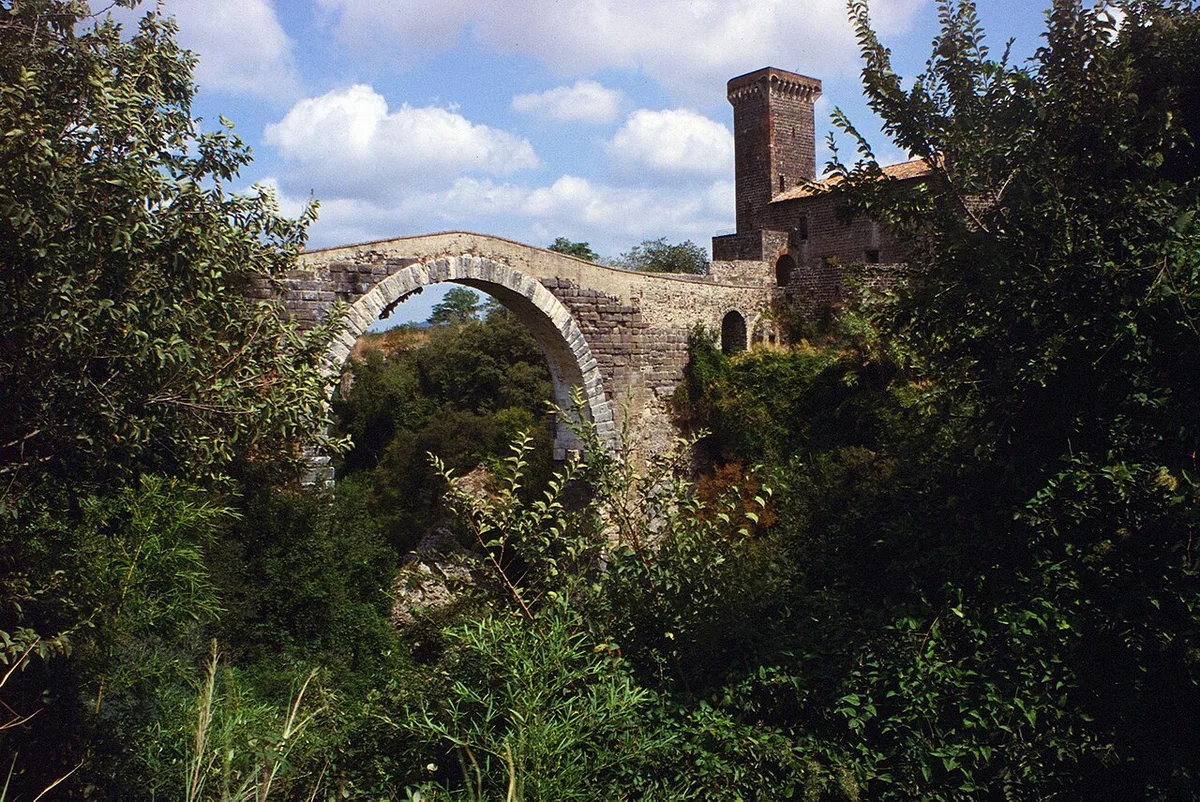
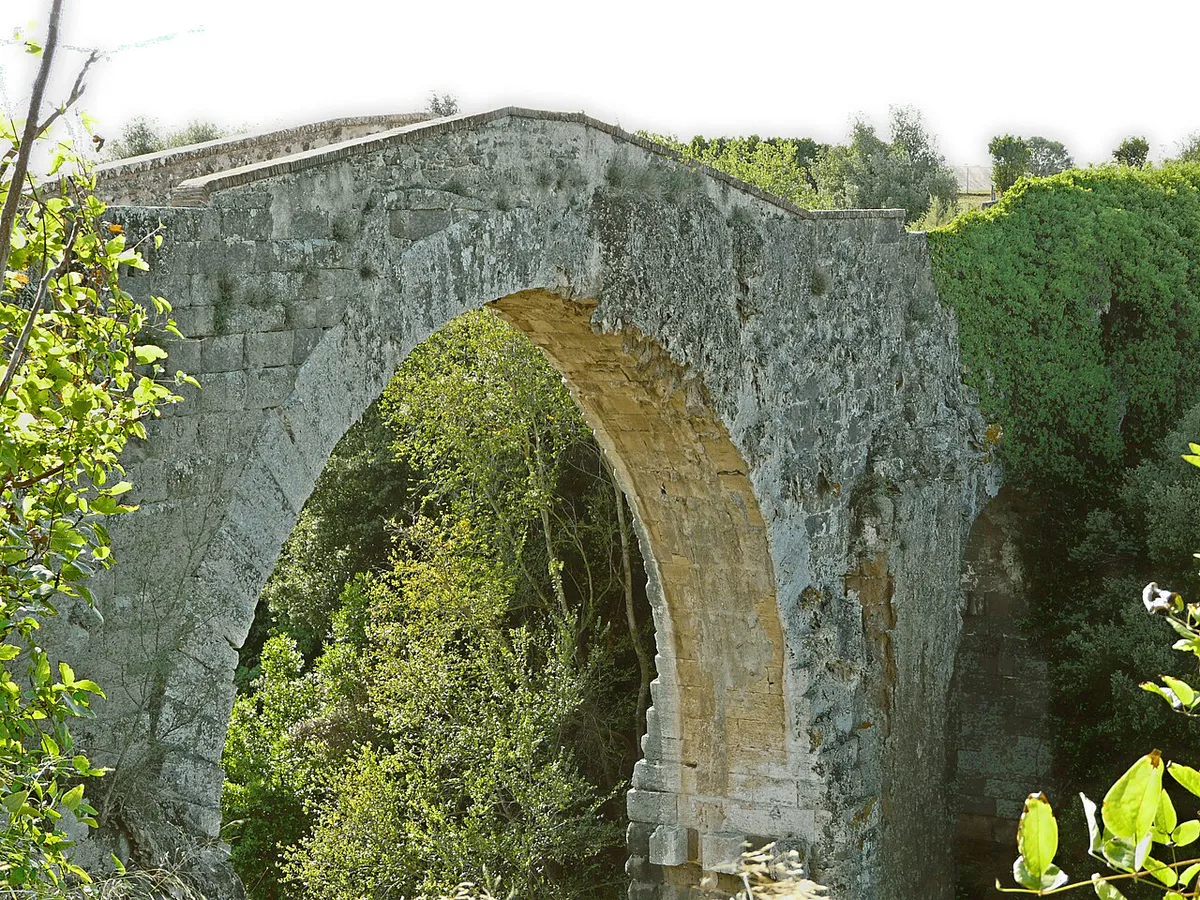
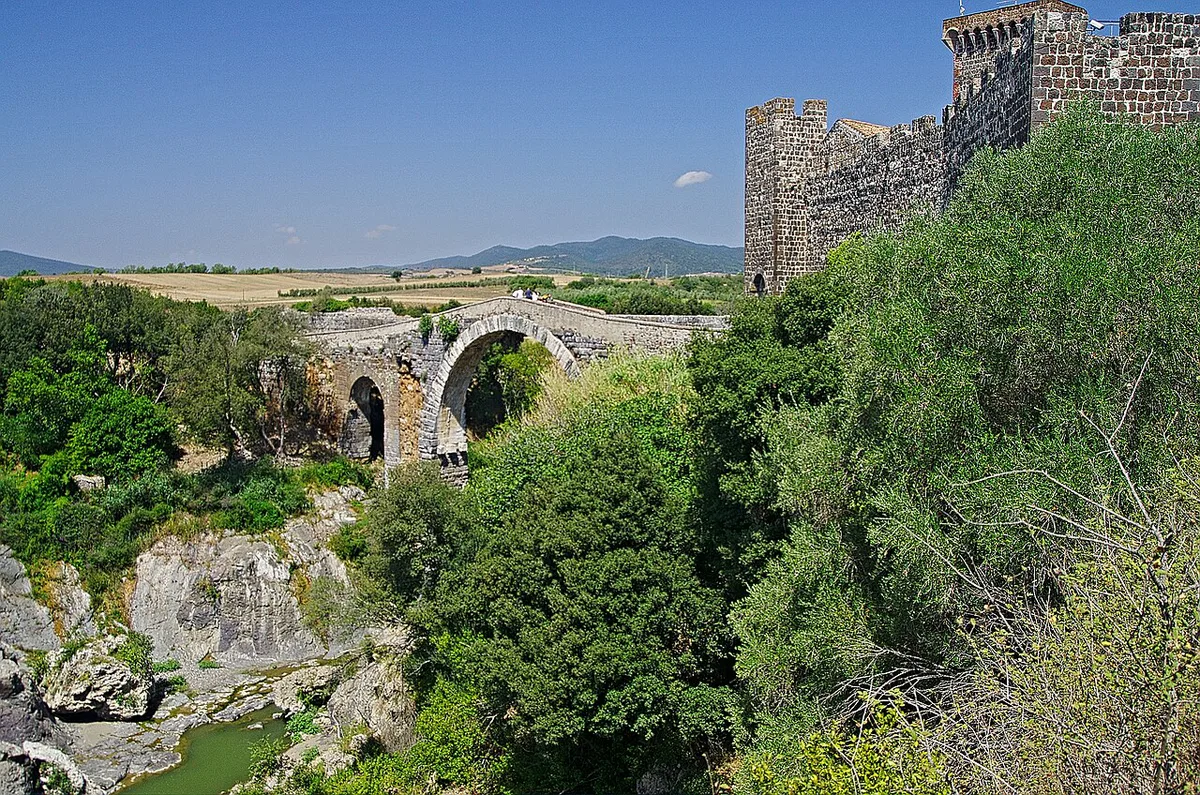
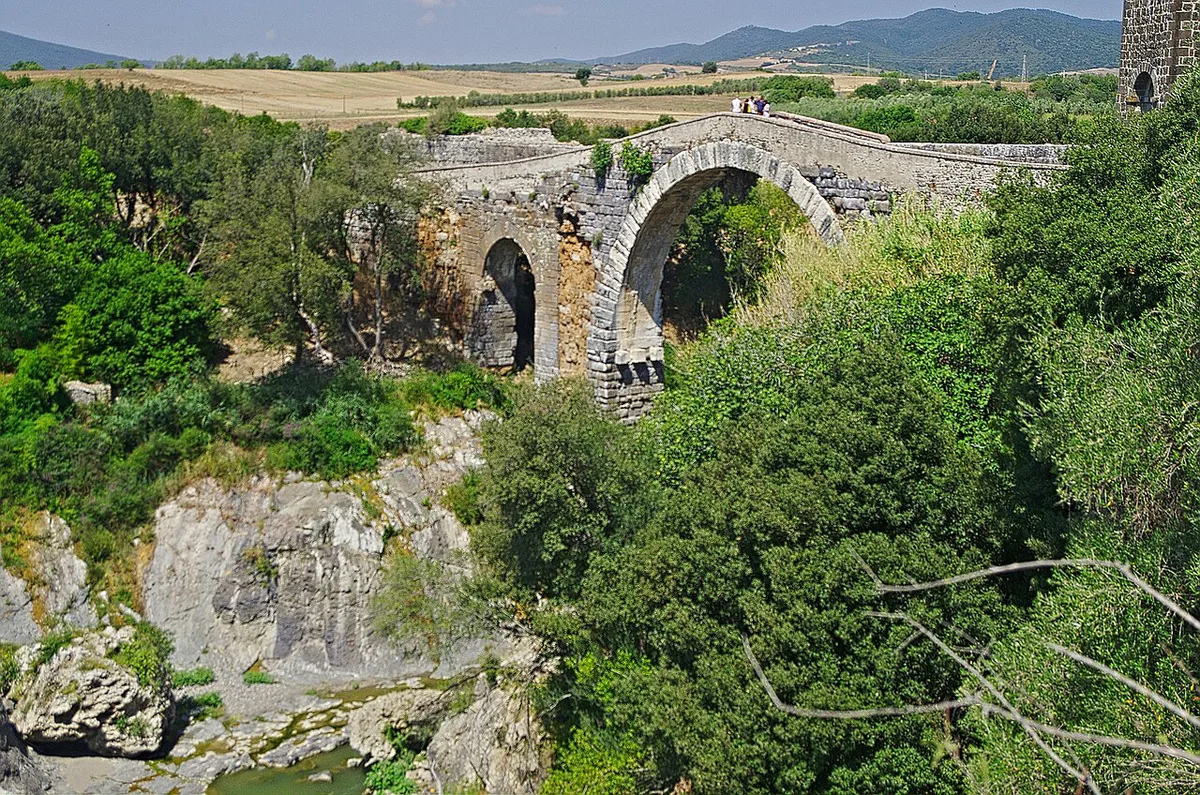
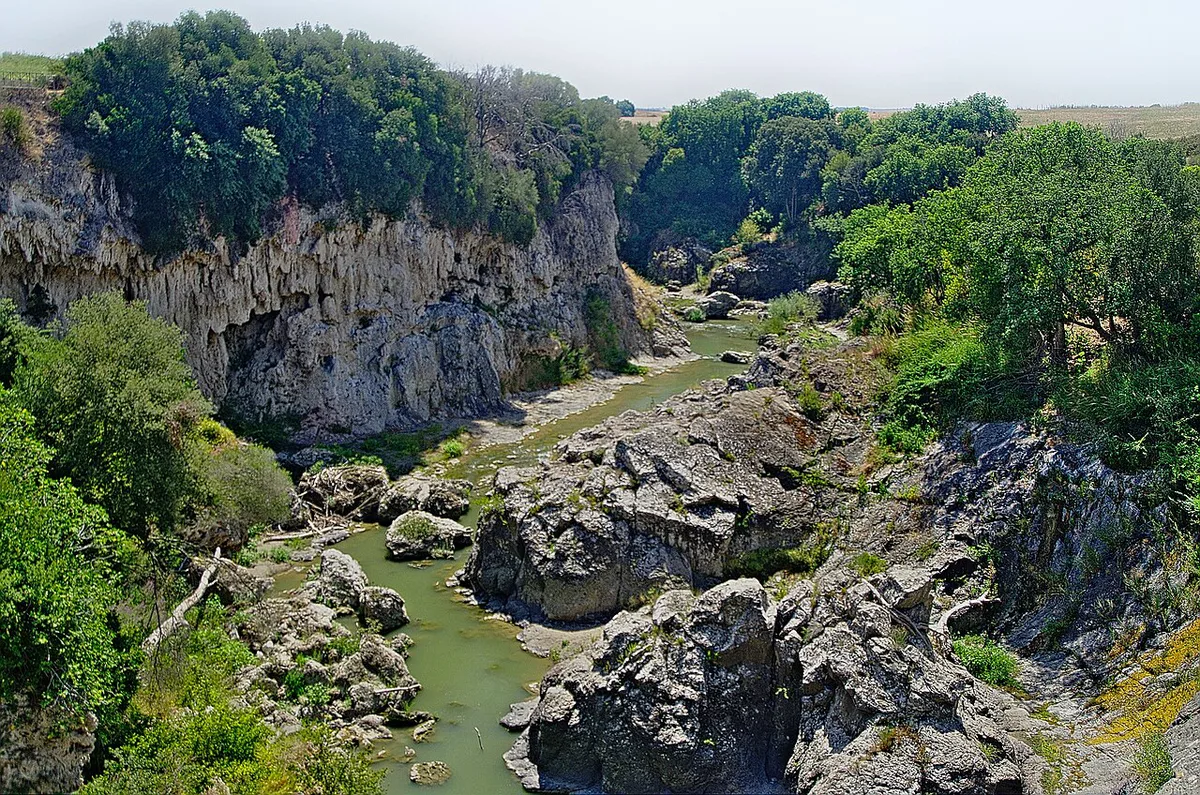
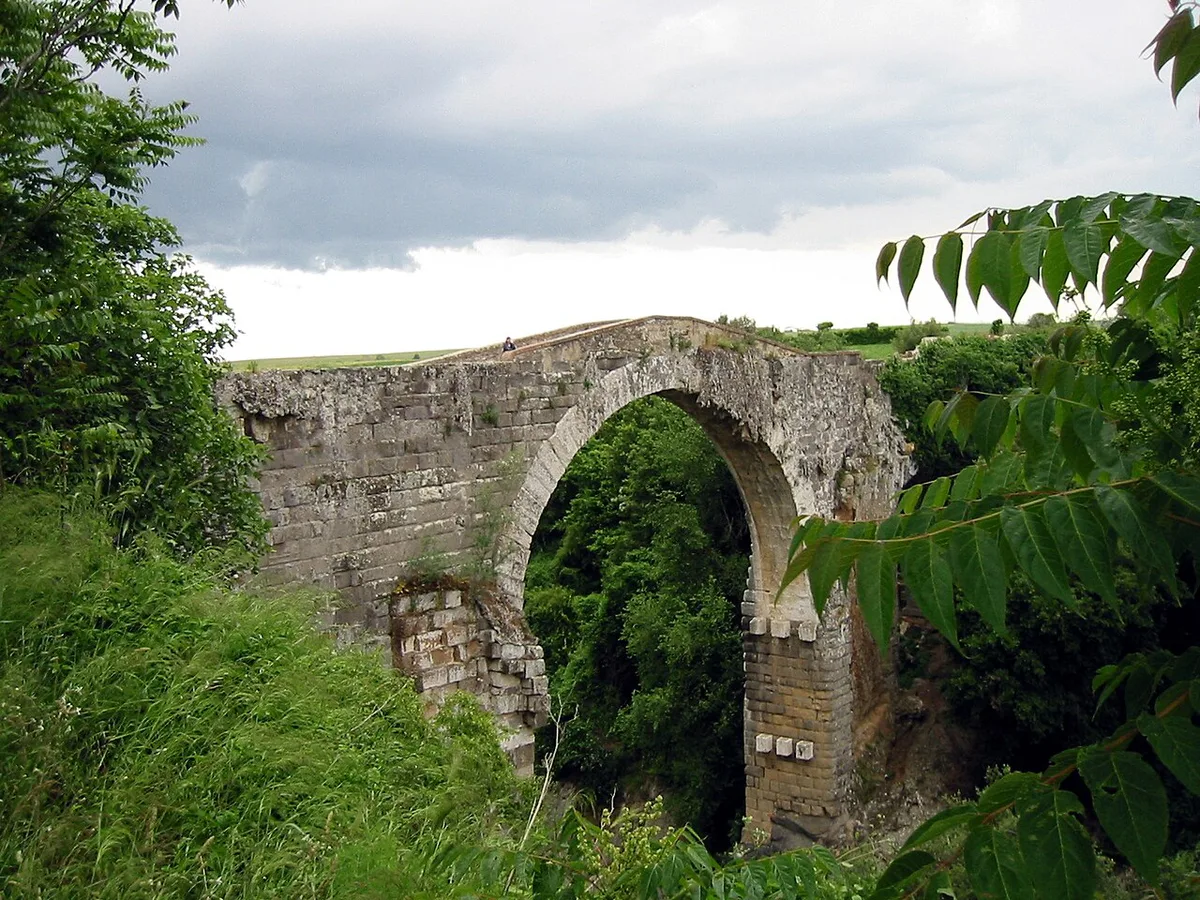
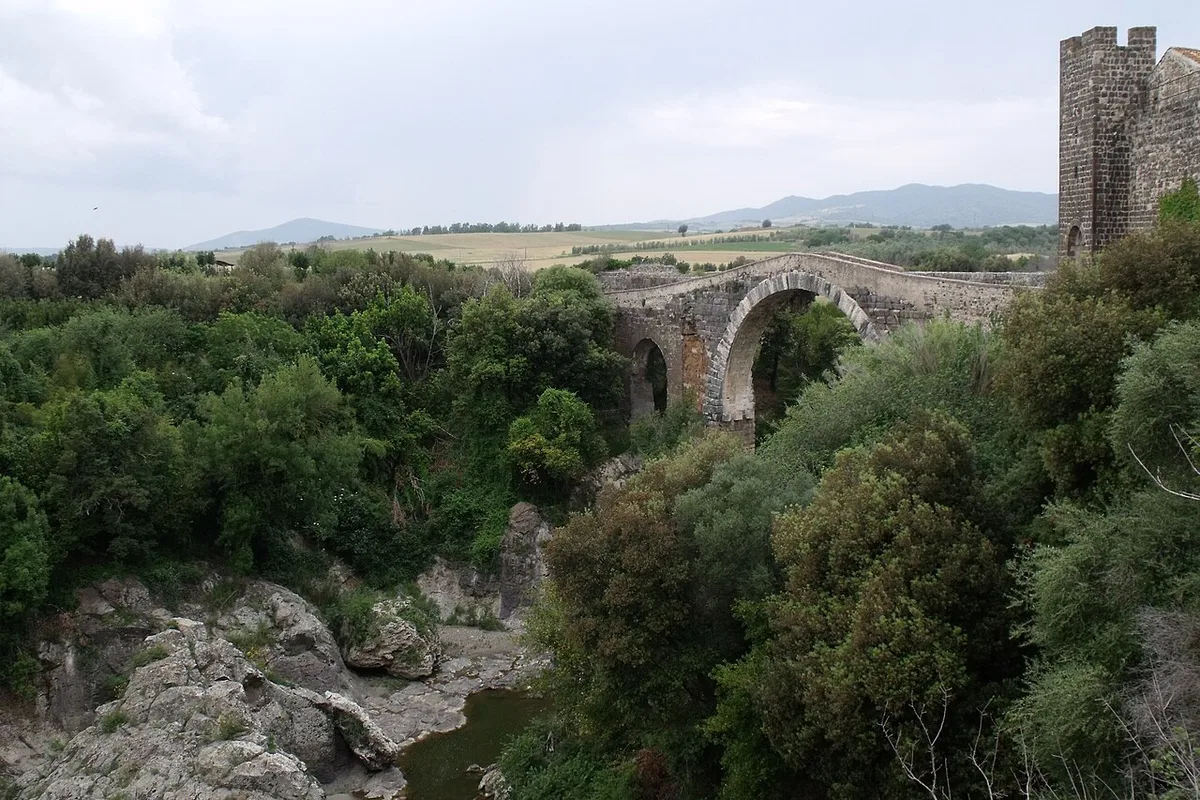
- Ponte dell'Abbadia, nicknamed the Devil's Bridge, spanning the Fiora gorge.
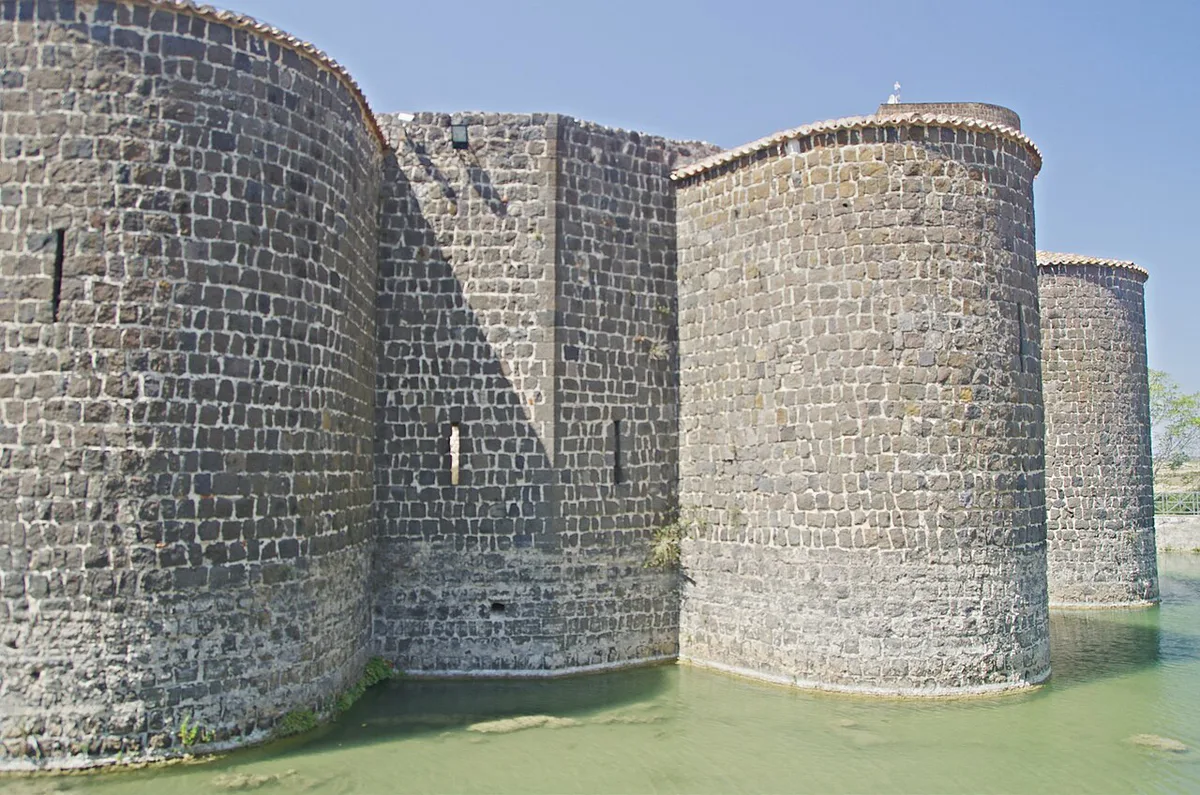
- Castello della Badia, built around 1200, which houses the Vulci archaeological museum.
- Pellicone lake, reached by stairs from the plateau edge, with a refreshment point back near the ticket office.
The François Tomb and Tomb Access
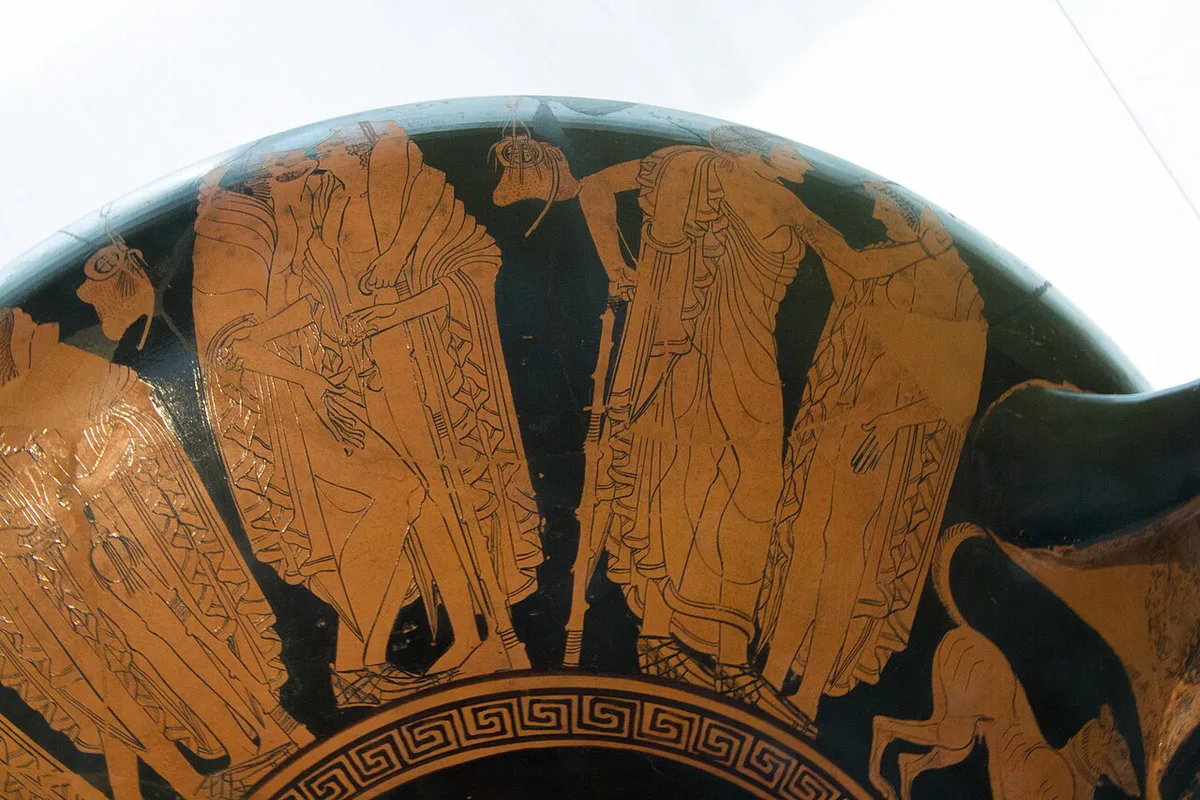
The François Tomb is the best-known tomb at Vulci, and it is usually shown as a guided visit. Its famous frescoes are not kept inside it today, so manage expectations before you go. Ask the park office whether the tomb needs advance booking, what group size applies and which days it opens. For tomb types in general, our overview of Etruscan tombs explains tumuli and chamber tombs. If painted walls are your priority, the Tarquinia Necropolis: Painted Tombs, Tickets & Visit Tips is the stronger choice.
How Long to Spend: Short, Half-Day and Full-Day Plans
These time bands are our editorial estimates, not official figures. Pick the one that fits your car, season and daylight.
In July and August, a full-day plan with the Pellicone walk fits better because hours run until 19:00.
| Plan | Time (editorial estimate) | What it covers |
|---|---|---|
| Short visit | About 1.5–2 hours | City plateau, Roman domus and temple, Devil's Bridge |
| Half day | About 3–4 hours | Adds the Castello della Badia museum and necropolis tombs |
| Full day | Most of a day | Adds the Pellicone lake walk, a longer trek, and possibly the Terme di Vulci |
Tickets, Opening Hours and Booking
Published listings give a full ticket of €8. Prices and hours checked November 2026 against published listings, and September is missing from the seasonal schedule, so confirm those dates on the official site. The park is listed as closed on December 25 and January 1. Bookings run through the Coopculture system named on the park pages. Reduced, guided and museum pricing can differ, so look at the park site before you set off.
Budget separately for the Terme di Vulci, since the €8 full ticket covers only the park.
| Period | Listed hours |
|---|---|
| January 1–March 31 | 09:00–17:00 |
| April 1–June 30 | 09:00–18:00 |
| July 1–August 31 | 09:00–19:00 |
| September | Not listed; check the park site |
| October 1–December 31 | 09:00–17:00 |
Getting to Vulci and Getting Around the Park
Plan on driving, because no rail or bus link is confirmed for the park. From Rome, Viterbo, Orbetello or the Manciano area you reach it by road through the Montalto di Castro and Canino area. Check a current map for the route and parking. If you have no car, ask a local taxi operator in Montalto di Castro about a transfer. Once inside, you walk. Paths between the plateau, the valley and the bridge are mostly unpaved, with stairs down to Pellicone lake. Families can manage the main route, but wheelchair access on unpaved paths and stairs should be checked with the park office first.
Best Time to Visit and What to Bring
Spring and autumn suit the exposed plateau best. July and August hours stretch to 19:00, but summer heat on open ruins offers little shade. Winter days close at 17:00, so start early. After rain, unpaved paths and the valley floor get muddy.
- Sturdy closed shoes for stone, dirt and stairs.
- Water and a hat, since shade is limited on the plateau.
- A rain layer outside summer.
- Cash or card for the refreshment point, which serves Maremma dishes.
Where to Stay and Eat Nearby
Montalto di Castro and Canino are the closest towns to the park. Farther north, Manciano, Saturnia and Pitigliano offer a Maremma base with a longer drive back. Lunch is simplest at the on-site refreshment point near the ticket office. The Terme di Vulci is a separate thermal site, and it is not part of the park ticket. Check whether it is operating and what it costs before you plan a soak.
Vulci vs Tarquinia vs Cerveteri: Which to Prioritize
Vulci offers the most open-air city ruins and landscape. Tarquinia is known for painted tombs, and Cerveteri for its tumulus cemetery. Rome-based travelers without a car should read our Rome day-trip guide to Cerveteri and Tarquinia first. Compare the sites below.
| Site | Best for | Main caveat |
|---|---|---|
| Vulci | City plateau, Roman remains, bridge, walking | Car needed; mostly open ruins |
| Tarquinia | Painted tomb interiors | Less open-air city landscape |
| Cerveteri | Tumulus cemetery | Different feel from a city site |
Combine Vulci with Other Etruscan Stops
Vulci pairs well with the Cerveteri Necropolis: Visit Guide & Rome Day Trip if you are working up the coast. Heading inland, Vie Cave Tuscany: Sovana, Pitigliano & Sorano Guide fit a Maremma base. Tuscania Travel Guide: Basilicas, Etruscan Museum & Day Plan sit on another route. Finds from Vulci are also held in Rome, and the Villa Giulia Museum Rome: Etruscan Visitor Guide is a natural follow-up, with details on its official site. For background on the culture, read who the Etruscans were. Volterra, Chiusi and Populonia are far away, so treat them as separate trips, such as Populonia and Baratti: Etruscan City on the Sea (Visit Guide).
Mistakes to Avoid at Vulci
Most disappointments come from mismatched expectations.
- Expecting painted tombs like Tarquinia's.
- Arriving without a car and without a transfer plan.
- Visiting in midsummer heat without water or a hat.
- Assuming September hours match other months.
- Leaving no time for the François Tomb visit rules.
Related guides



Continue reading
Guides on the same trip



