
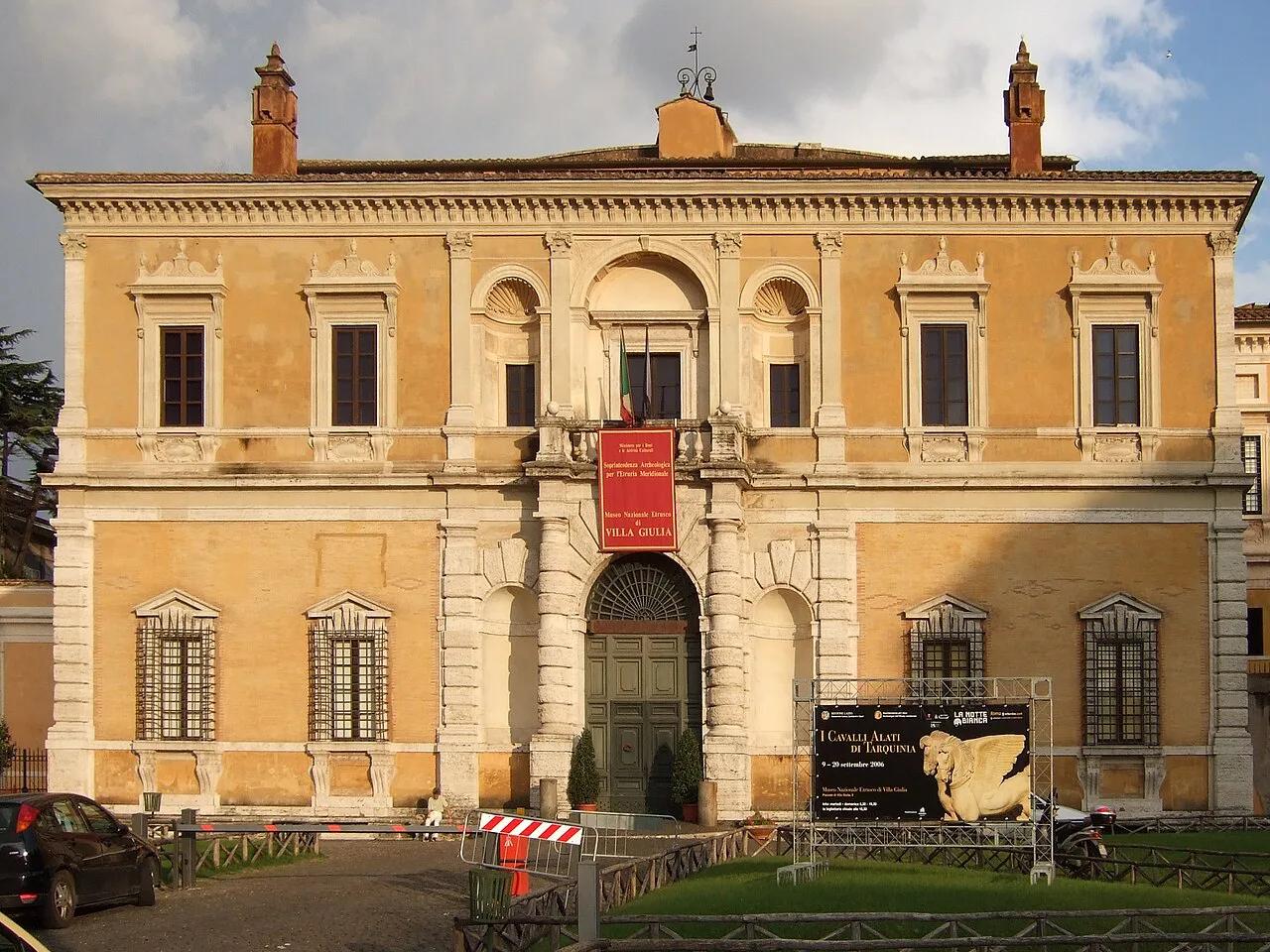
Last updated November 2026. Villa Giulia is the Museo Nazionale Etrusco in Rome, a Renaissance villa that now holds finds from Etruscan sites across central Italy. It suits anyone building an Etruscan itinerary, because it shows you the objects that tomb sites no longer hold. If you are new to the topic, start with who the Etruscans were, and note that this page covers the museum, not a villa rental of the same name.
Featured image: Wikimedia Commons, CC BY 2.5, via Wikimedia Commons.
What Villa Giulia is and why it matters for Etruscan travel
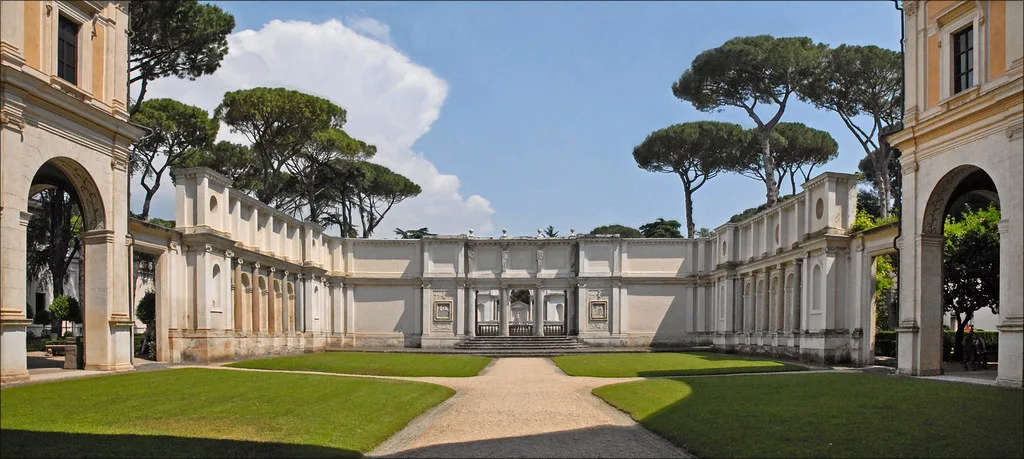
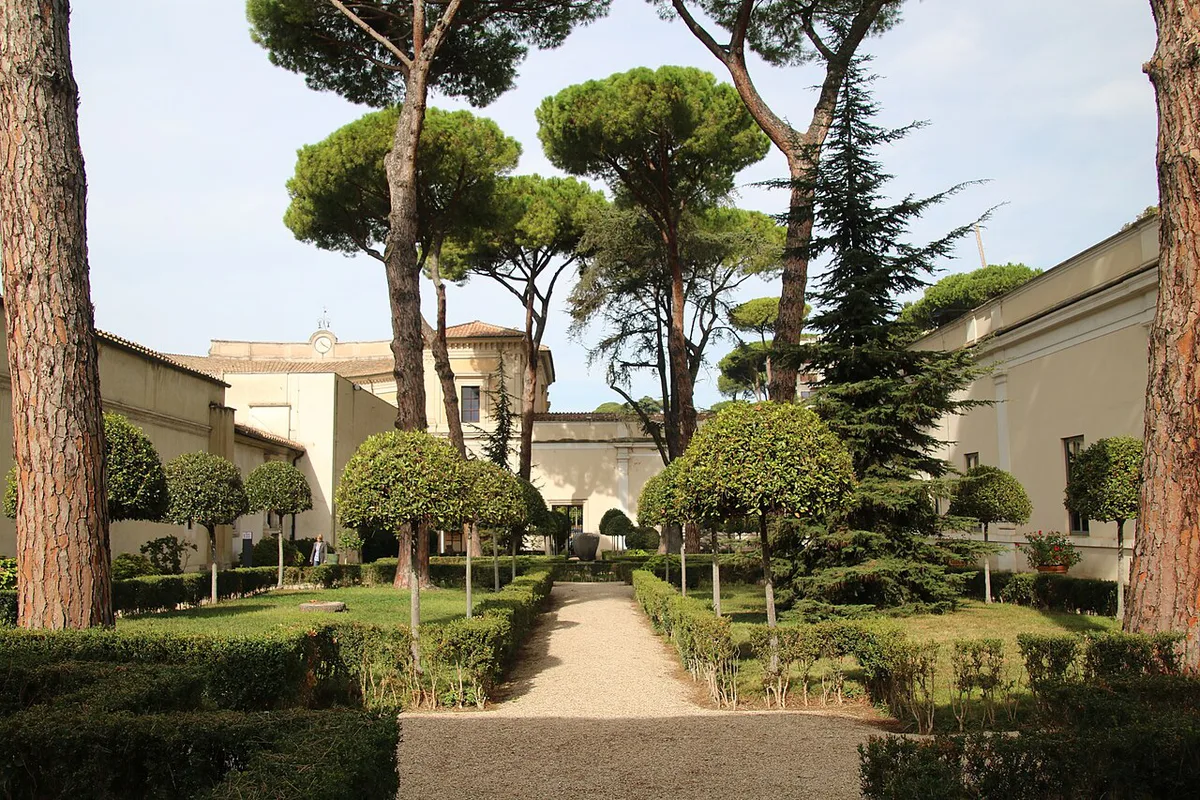
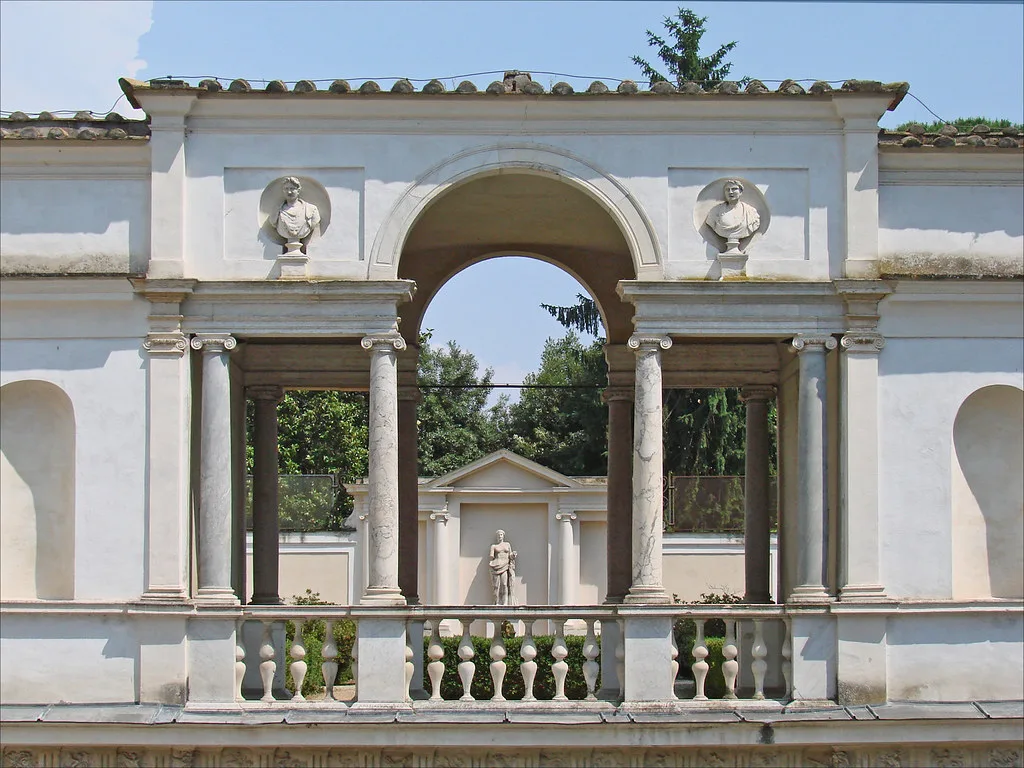
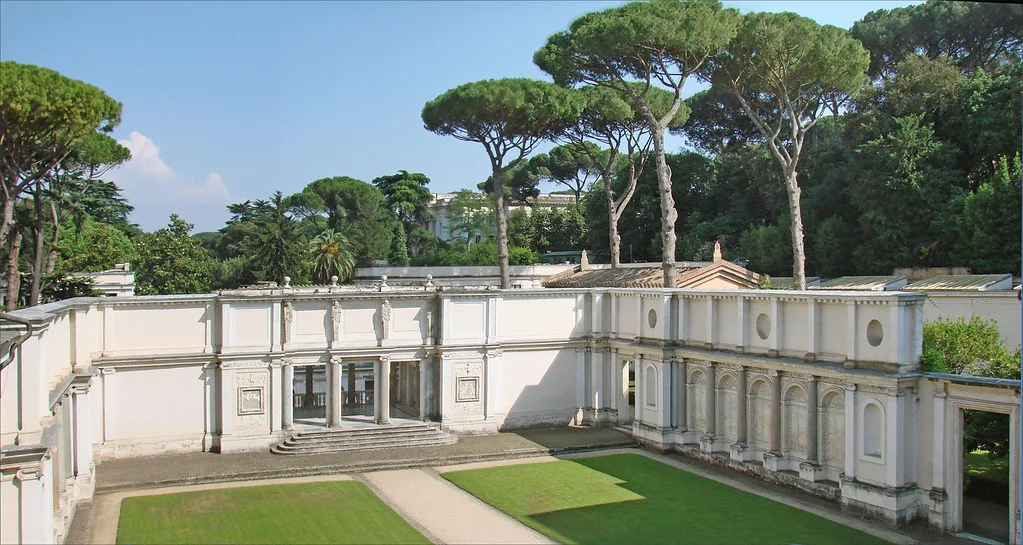
The museum occupies a villa built for Pope Julius III in the mid-16th century. Its garden courtyards and loggias are part of the visit, not just a backdrop. Inside, the collection works as a Rome showcase for the Etruscan world that your Etruscan sites itinerary will take you through.
That role is the reason to go. Tombs at Tarquinia and Cerveteri are mostly empty of their original furnishings, and the best portable finds were moved to museums. Villa Giulia lets you see the sculpture, terracotta and funerary pieces that tell you what those tombs once held.
- Go if you plan to visit Etruscan necropolis sites and want context first or afterwards.
- Go if you have a short Rome stay and want one Etruscan stop.
- Skip or shorten if you only want tomb interiors, since the museum has no tombs in situ.
- Skip if you have no interest in sculpture, ceramics and burial objects.
What to see at Villa Giulia
Pick a few objects and give them time rather than trying to read every case. Two pieces are worth planning around, and each connects to a place you can visit.
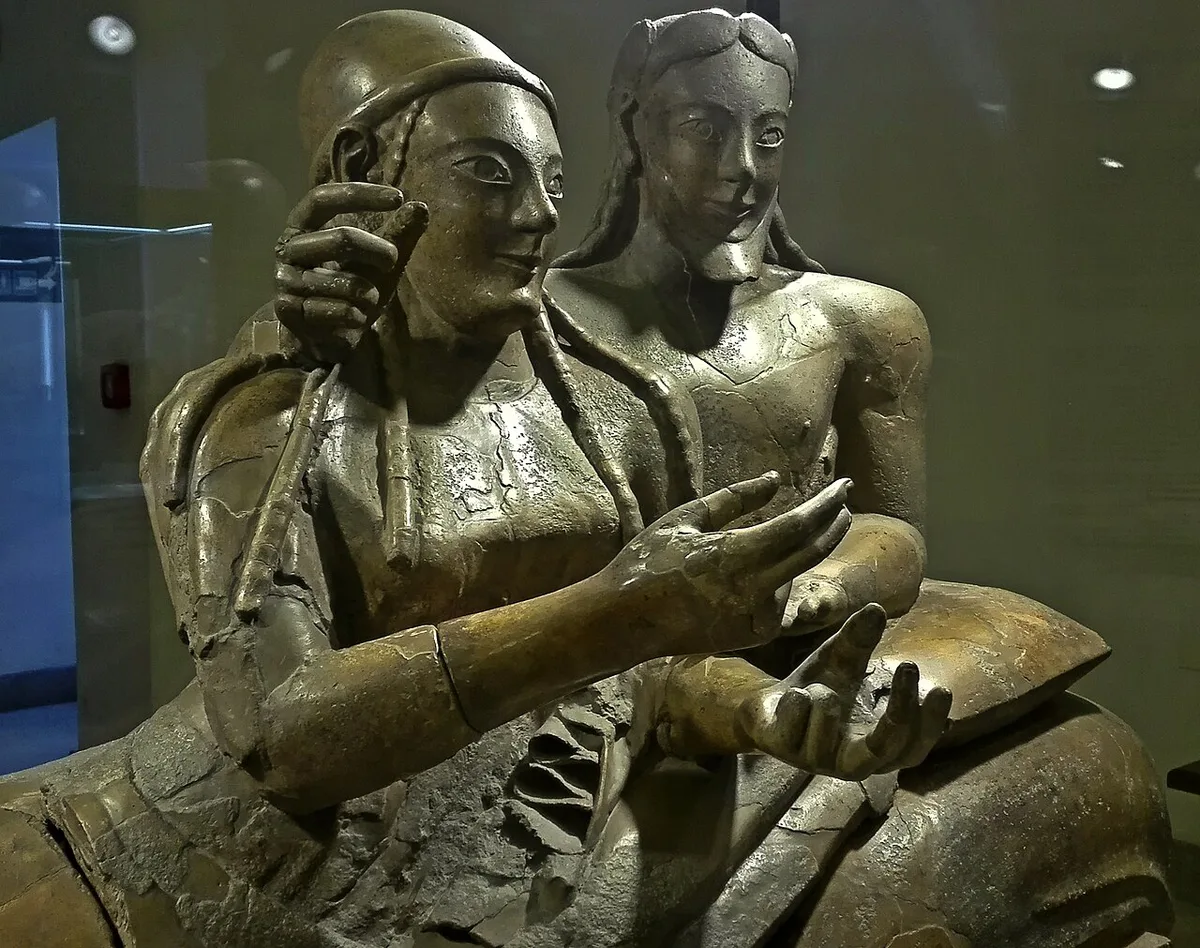
- Sarcophagus of the Spouses: a terracotta funerary monument showing a couple reclining together. It comes from Cerveteri, so it pairs with a visit to the Cerveteri Necropolis: Visit Guide & Rome Day Trip.
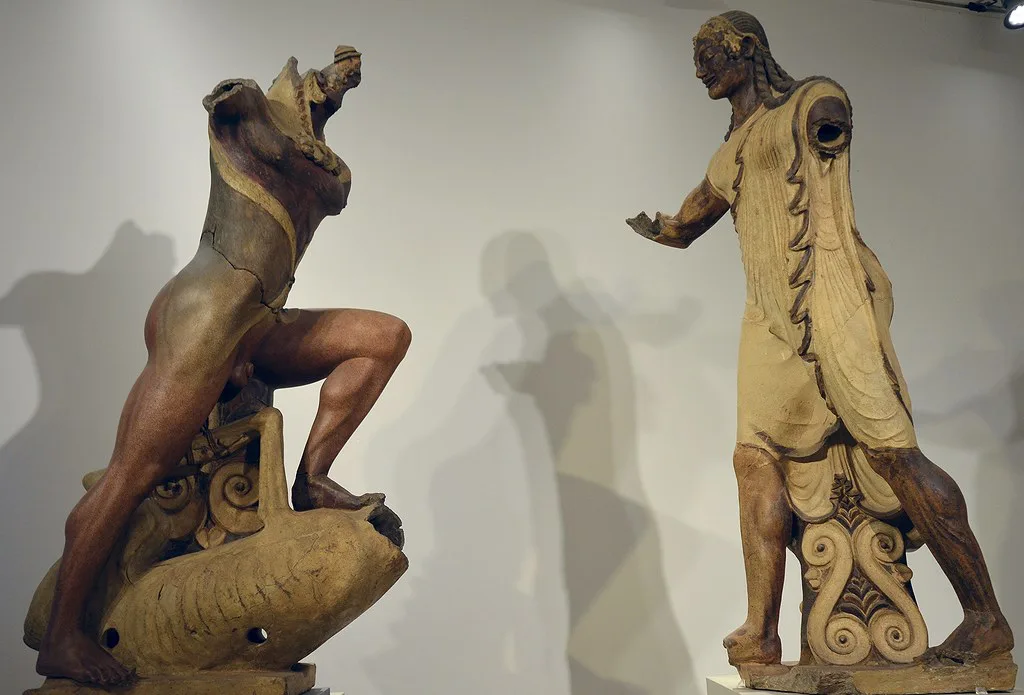
- Apollo of Veii: a terracotta statue of the god in mid-stride, from the Etruscan city of Veii. It shows how skilled Etruscan coroplasts were with large-scale sculpture.
- Funerary and grave goods: the cases of ceramics and personal objects explain what Etruscan Tombs in Italy: Which to Visit and How were furnished with.
- Etruscan sites with their own museums, such as Volterra, show regional collections that Villa Giulia does not replace.
More Villa Giulia pieces worth a stop beyond the headline two
If you have time after the Sarcophagus of the Spouses and the Apollo of Veii, these are the next pieces that repay a slower look. Gallery layouts are rearranged from time to time, so ask at the desk or check the museum's own floor plan for where each one is currently shown.
- Pyrgi Tablets: thin gold sheets from the sanctuary at Pyrgi, the port of Cerveteri, inscribed in both Etruscan and Phoenician. They are among the best evidence that Etruscan cities traded and made treaties across the Mediterranean.
- Cista Ficoroni: an engraved bronze toilet chest with a lid handle shaped like a group of figures. Its engraved scenes are worth studying up close.
- Temple of Alatri reconstruction: a full-scale rebuilt temple front in the garden area. It shows how colourful terracotta roof decoration and painted details once looked, which the bare ruins at excavation sites cannot.
- Nymphaeum: the sunken, columned courtyard at the back of the villa, a rare surviving piece of the original 16th-century design. Go here when the galleries feel crowded.
None of these require special tickets or a guide. Pick two or three rather than trying to cover all of them.
Museum before or after the sites?
Both orders work, and the right one depends on how much time you have. Seeing the museum first gives you a vocabulary of objects before you stand in an empty chamber. Seeing the sites first makes the museum cases feel like answers to questions you already have. For day-trip planning, read our guide to Tarquinia from Rome: Train, Car or Tour (and Cerveteri).
| Plan | Best for | Time cost | What you miss |
|---|---|---|---|
| Museum first | First-time visitors who want context | One Rome visit, then separate site days | Nothing, but the sites feel less surprising |
| Sites first | Painted-tomb fans | Site days first, museum after | Object context while you are in the tombs |
| Museum only | Short Rome stay | Part of one day | Tomb architecture and painted chambers |
Tickets, opening hours and booking
Closing day, last entry, ticket types and any combined or pass tickets change, and a wrong figure costs you a wasted trip. The official museum site is the place to check current hours and booking before you go. Prices and hours were not independently re-verified for this page in November 2026, so rely on the official listing rather than aggregators.
Getting there and visit logistics
Villa Giulia is in Rome, and the museum's official site lists current directions, accessibility details, cloakroom and bag rules, and photography policy. Check that page for transit routes and the walk from your stop, since city bus and tram routes are adjusted from time to time. Plan the garden and any café stop as part of the same visit, but confirm they are open on the day you go.
Combining Villa Giulia with Villa Borghese and nearby stops
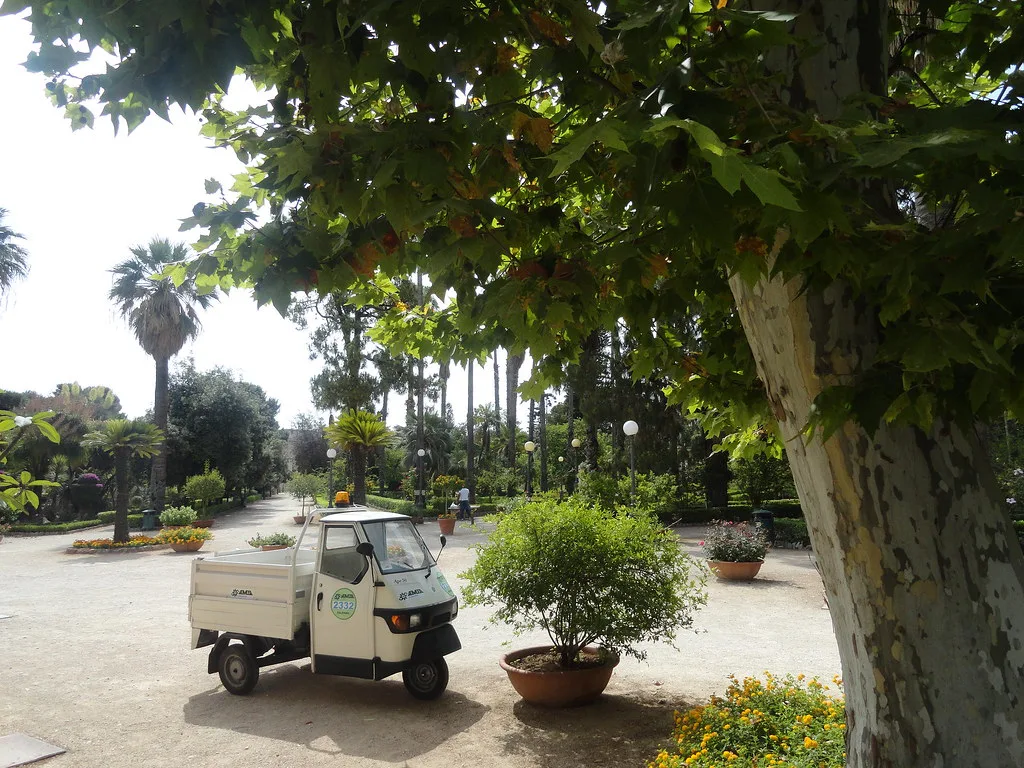
The museum is at Piazzale di Villa Giulia 9, on the edge of Villa Borghese park in Rome's Valle Giulia area. That position makes it easy to build a half day around it rather than treating it as a single stop.
- Walk through the park: arriving on foot from the Villa Borghese side lets you pass the shaded paths and open lawns before the galleries, which suits a slow morning.
- Galleries nearby: the park holds several other major museums, so pair Villa Giulia with only one of them on the same day. Two heavy museum visits back to back leave little energy for the Etruscan rooms.
- Food: the museum's own courtyard café, if open, is the simplest lunch option. Otherwise, plan a break in the park or in the surrounding residential streets, where places are more local than around the central sights.
If you plan to head out to Etruscan sites afterwards, read the logistics in our Hadrian's Villa from Rome guide for a comparable day-trip structure, since both outings leave from central Rome and benefit from an early start.
Check the museum's official page on the day for any closures in the courtyards or café before you build your route around them.
How long to allow
Allow time by ambition rather than by a fixed number. A highlights visit covers the two headline pieces and a few cases. A full visit adds the courtyards, funerary rooms and regional collections.
| Visit style | What you cover | Good for |
|---|---|---|
| Highlights | Sarcophagus of the Spouses, Apollo of Veii, one funerary room | Short Rome stay, or a primer before a day trip |
| Full visit | All major rooms plus the villa courtyards | Etruscan enthusiasts and rainy days |
Mistakes to avoid
Do not expect tomb interiors, because those are at Tarquinia's necropolis and other sites. Do not go without a plan for the sites afterwards, or the museum becomes a stand-alone stop. Check closures before travelling, and use Vulci, Chiusi and Sovana as next steps once you know which object types interested you.
A simple half-day plan at Villa Giulia
Start with the villa itself. The museum occupies a Renaissance residence built for Pope Julius III in the mid-16th century, and its courtyards and loggias are part of the experience. This approach works well if you want an Etruscan-focused stop without treating the museum as a rushed checklist.
Make the Sarcophagus of the Spouses and the Apollo of Veii your 2 fixed priorities. The sarcophagus gives useful context before a visit to Cerveteri. Apollo makes a strong introduction to Etruscan terracotta sculpture and connects the collection to Veii.
Then choose 1 funerary room for ceramics and grave goods. It helps explain why the tombs at Cerveteri and Tarquinia can feel comparatively empty today. Finish with the courtyards rather than skipping them between galleries. Check the official museum listing before leaving, as access arrangements and opening details can change.
Related guides



Continue reading
Guides on the same trip



