
8 Best Ancient Ruins in Europe: Sites by Era and Region
Last updated November 2026. Our shortlist of ancient ruins in Europe covers eight sites across three eras: prehistoric stone monuments, Greek temples and sanctuaries, and Roman towns and engineering. Pick by era first, then by how much effort the journey takes. Each entry below links to a deeper guide for that type of ruin.
Featured image: Isaszas, Public Domain Mark 1.0, via Flickr.
Quick answer: which ancient ruins in Europe to pick
Start with the era that interests you. Filitosa and Rousay suit prehistory, Delos, Paestum and Agrigento suit Greek history, and Ostia Antica, Pont du Gard and Pula suit Roman history. Island sites need the most planning, and mainland sites in Italy are the easiest to add to a city trip.
| Site | Era and type | Access | Best for |
|---|---|---|---|
| Filitosa, Corsica | Prehistoric menhir statues | Road, plan ahead | Megalith fans |
| Rousay, Orkney | Neolithic cairn and broch | Ferry, weather-dependent | Walkers and history buffs |
| Delos, Greece | Greek sacred island | Boat from Mykonos | Archaeology enthusiasts |
| Paestum, Italy | Greek temples | Mainland, rail or road | First-timers |
| Valley of the Temples, Agrigento | Greek temples | Mainland Sicily | Photographers |
| Ostia Antica, Italy | Roman port town | Day trip from Rome | Roman-town seekers |
| Pont du Gard, France | Roman aqueduct bridge | Road | Families and engineering fans |
| Pula Arena, Croatia | Roman amphitheatre | In the town centre | Short stops and city breaks |
What counts as ancient in this guide
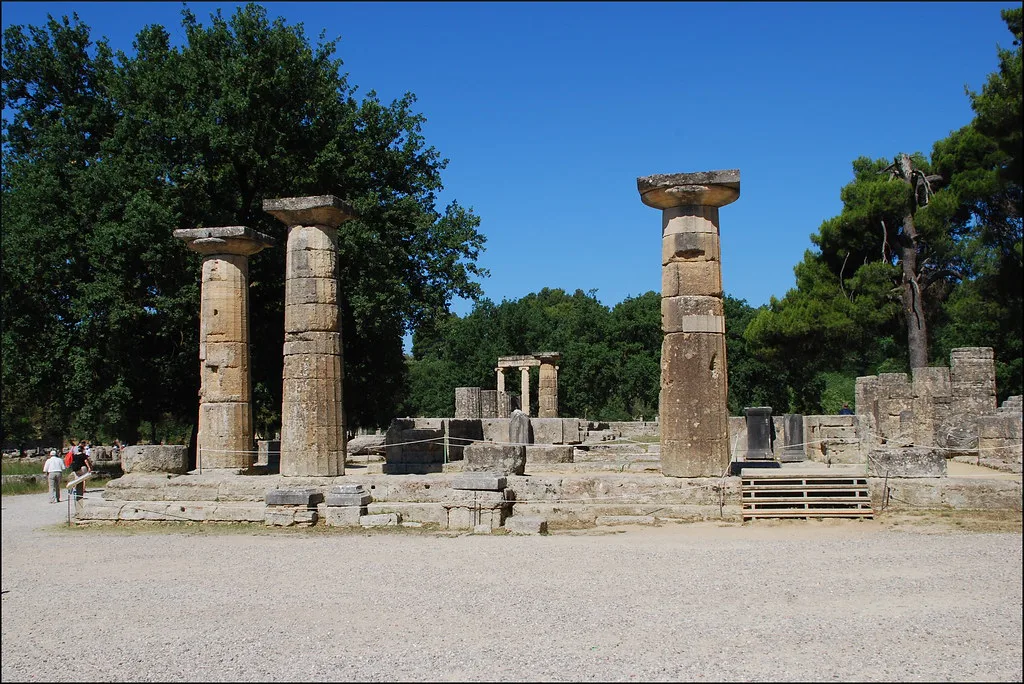
Here, ancient means prehistoric and megalithic monuments, Bronze Age remains, Classical Greek sites and Roman towns and structures. Medieval castles, fortified villages and old town centres are out of scope, however well preserved. Greek and Roman sites often look alike from a distance, but their layouts and building types differ. Our guide to Roman versus Greek ruins explains how to tell them apart on site.
8 Best Ancient Ruins in Europe to Visit
Tickets, hours and ferry schedules change by season, so use the official site linked in each entry before you book. Entries run from oldest to youngest, with times given as estimates.
1. Filitosa, Corsica, France
Filitosa is a prehistoric site in Corsica known for its granite menhir statues. Its remains span the Mesolithic, Neolithic and Bronze Age periods, so you see several eras in one visit. A site museum on the grounds explains the finds before or after you walk the statues.
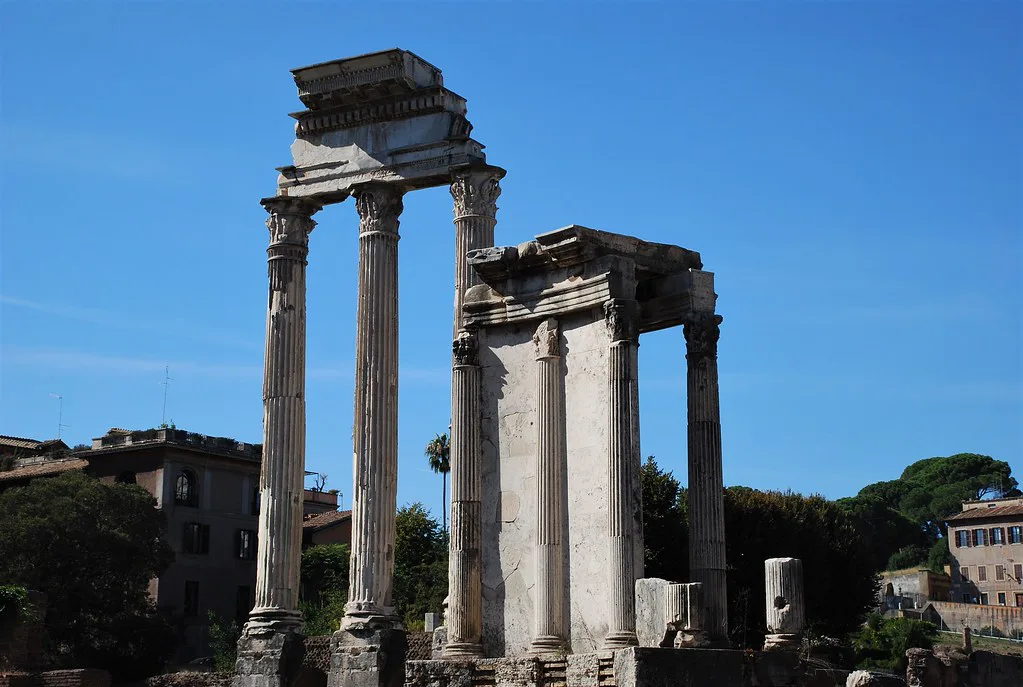
Allow roughly half a day as an estimate, and plan road access in advance. Skip it if you want columns and theatres, because this is a stone-figure site. Our guide to megalithic sites across Europe shows what else to pair it with.
2. Rousay, Orkney, Scotland
Rousay is an island off Scotland's northeast coast with about 150 archaeological sites. Midhowe Broch and Midhowe Chambered Cairn are the headline stops, and the cairn is roughly 5,000 years old. Walking between them puts Neolithic and later remains in one coastal setting.
Saviskaill Bay adds birds and seals if you have spare time. Reaching the island depends on ferry timetables and weather, so leave slack in your day. Skip it if you need a tight schedule or fully paved paths.
3. Delos, Greece
Delos is a sacred island and one of the largest open-air archaeological sites in Greece. Myth names it the birthplace of Apollo, which is why the island held so much religious weight. Boats leave from Mykonos and take under an hour, and the Odysseus sites portal is the place to check current access.
There is little shade, so go early and carry water. Skip it in rough weather, since boat service depends on the sea. For stage-focused trips, see our guide to Ancient Greek Theatres: Best Sites to Visit and How to Plan.
4. Paestum, Campania, Italy
Paestum is a Greek colony site in southern Italy, best known for its temples. Its official archaeological park and museum lets you pair the ruins with the finds on display. Plan a half day as an estimate, longer if you want the museum.
Mainland access makes it a good first Greek site if you are not ready for an island ferry. Skip it if you only want Roman remains. Our guide to Greek Ruins Outside Greece: Best Sites in Europe & Beyond lists more sites like it.
5. Valley of the Temples, Agrigento, Sicily
Agrigento's Valley of the Temples preserves Greek temples on Sicily. It rewards photographers, especially in low light early or late in the day. Open ground and limited shade make midday in peak summer hard going.
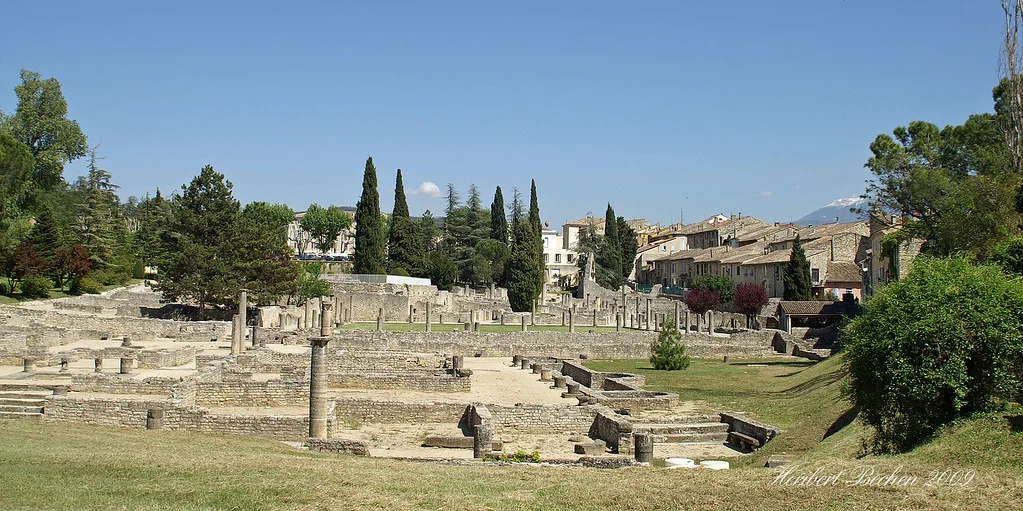
Plan a half day to a full day as an estimate. Skip it if steps and uneven paths are a problem for your group.
6. Ostia Antica, near Rome, Italy
Ostia Antica was Rome's ancient port town, and walking its streets shows how ordinary Romans lived and worked. The archaeological park's official site lists current hours and tickets. It works as a day trip from Rome and suits travelers who want Roman streets without the Colosseum crowds.
Allow a full day as an estimate, since the grounds are large and open. Our guide to Roman Ruins in Europe: Beyond the Big Three covers the wider picture. For other intact sites, see the best-preserved Roman towns.
7. Pont du Gard, France
Pont du Gard is a Roman aqueduct bridge in southern France, and its stacked arches are the main draw. Families and engineering fans do well here, since the structure is easy to read from the ground. The official site carries current tickets and opening details.
A half day is enough as an estimate. Segovia in Spain has its own Roman aqueduct, and Segovia Tourism covers visiting it. Our guide to Roman Aqueducts in Europe: Best Ones to Visit and How They Worked compares both.
8. Pula Arena, Croatia
Pula's Roman amphitheatre stands in the town itself, so you can fit it around a city stay. Short stops suit it, because you do not need a separate expedition. The Croatian National Tourist Board is a starting point for current visitor information.
Skip it if you want a full archaeological park with many buildings. Compare it with other arenas in our guide to Roman Amphitheatres in Europe: Best Sites to Visit and How to Choose. Stage-focused travelers can also read about Roman Theatres in Europe: Best Preserved Sites and How to Visit.
How to choose between ancient sites
Ask four questions: how much time do you have, how will you get there, how much shade and walking can you handle, and do you want the site itself or a museum? Mainland sites such as Paestum, Ostia Antica and Pont du Gard suit short trips. Island sites such as Delos and Rousay need weather margin.
Rousay has about 150 archaeological sites on one island, so with limited time, pick a few stops instead of trying for all of them.
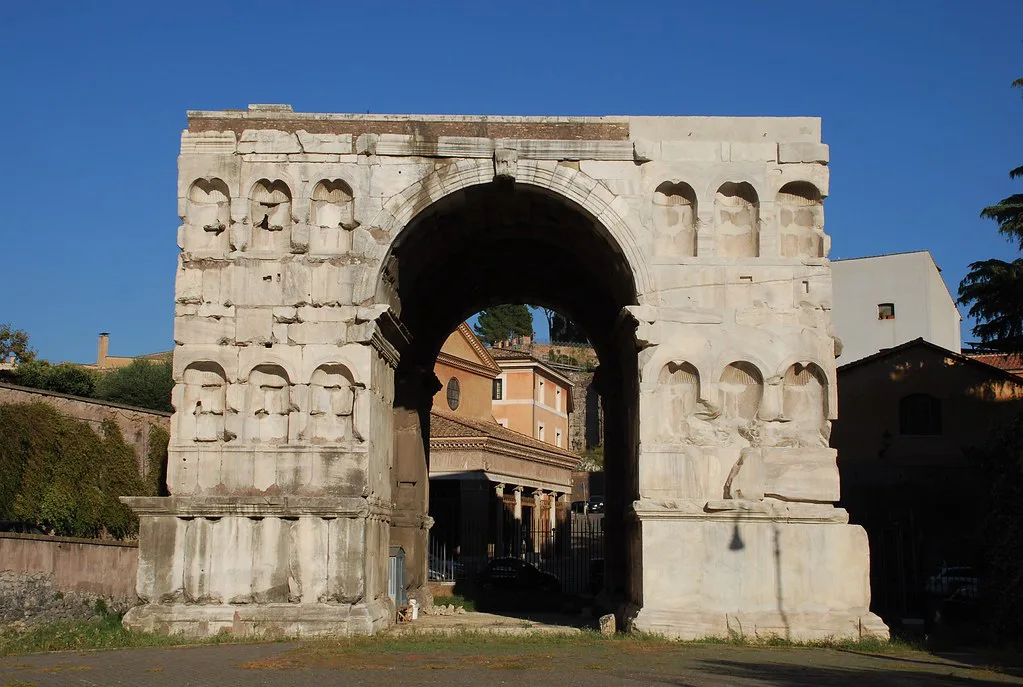
For a Mediterranean route, combine Paestum with Agrigento or add Ostia Antica to a Rome stay. For the British Isles, build a trip around Orkney alone. Underwater sites have different access. Around Naples, the Campi Flegrei archaeological park covers sites reachable on foot or by boat. Our guide to Underwater Ruins in Europe: Where You Can Actually Visit explains what you can do by diving, snorkelling or boat tour.
Planning: tickets, hours, seasons and getting there
Open-air ruins often keep seasonal hours, and some close on one weekday. Check the official site for each park before you travel. Combined tickets exist in some regions, and the Campania tourism pass site is the issuer to check for Campania. Ferry-dependent sites, such as Delos and Rousay, need a backup day in case weather cancels sailings.
Mistakes to avoid and visitor etiquette
Avoid visiting open-air ruins at midday in peak summer, because most have little shade. Do not assume island ferries run on a fixed timetable. Confirm whether entry is guided only, and do not confuse a site museum with the ruins themselves. Stay on marked paths, never climb on walls or columns, and leave stones where they lie.
Explore More Guides
Keep planning your trip with these guides.
Guides
- Greek Ruins Outside Greece: Best Sites in Europe & Beyond
- Roman Ruins in Europe: Beyond the Big Three
- Ancient Greek Theatres: Best Sites to Visit and How to Plan
- Roman Amphitheatres in Europe: Best Sites to Visit and How to Choose
- Roman Aqueducts in Europe
- Megalithic Sites in Europe: Where to See Dolmens, Menhirs and Stone Circles
- Underwater Ruins in Europe: Where You Can Actually Visit
- Roman vs Greek Architecture
- 7 Best Preserved Roman Towns and Sites in Europe
- Roman Theatres in Europe: Best Preserved Sites and How to Visit