Last updated November 2026: Vergina is a town in Imathia, Central Macedonia, northern Greece, and visitors mostly come for its royal tombs and underground museum. The name also belongs to the Vergina star, a symbol you will see far beyond the town. This guide covers eight things to see and do, then routes you to the right guide for each next step.
Featured image: Panegyrics of Granovetter (Sarah Murray), Public domain, via Wikimedia Commons.
What Vergina Is And Why People Visit
Vergina sits in Imathia, part of Central Macedonia, and the regional pages on Visit Greece give wider context for the area. The site is known as ancient Aigai. Its centerpiece is the Museum of the Royal Tombs of Aigai, built underground within the Great Tumulus near Veria. Travelers usually come for the tombs, the grave goods displayed with them, and the link to the Macedonian kings. If you came for the star symbol, jump to item five below. If you are planning a trip, read on.
8 Best Things To See And Do In Vergina
Items one to four cover the museum and the tombs. Items five and six cover the star and the town. Items seven and eight are nearby sites that pair well with a Vergina day. Opening hours and ticket rules change by season, so use the official source named in the tickets section below.

1. Museum of the Royal Tombs of Aigai
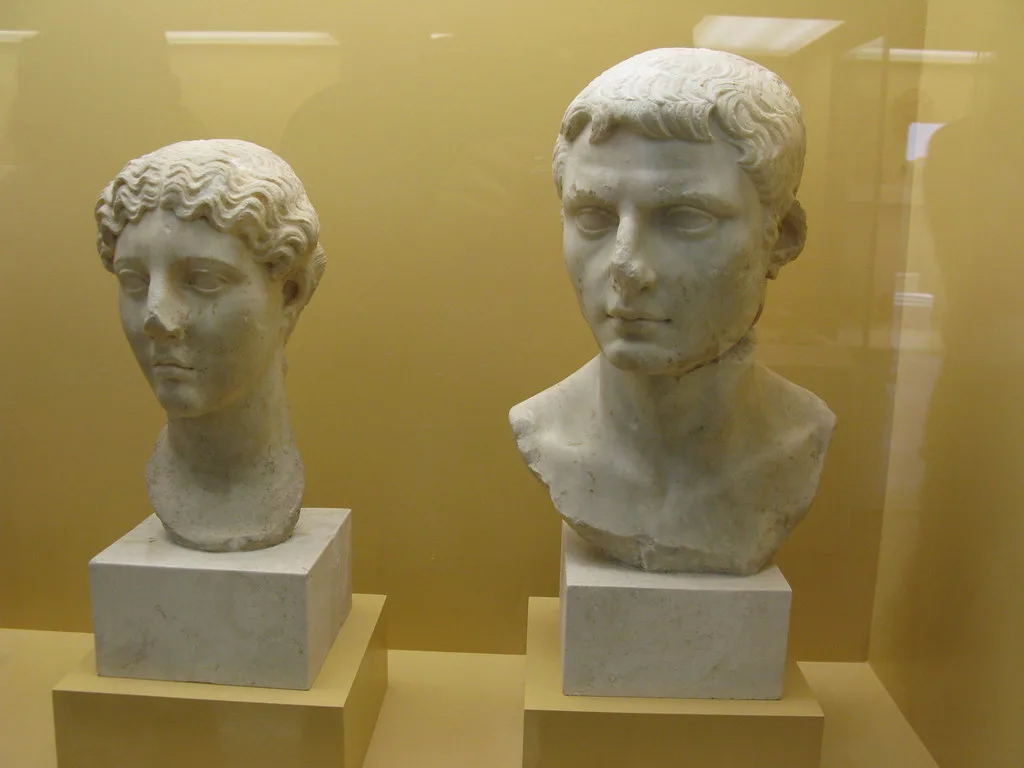
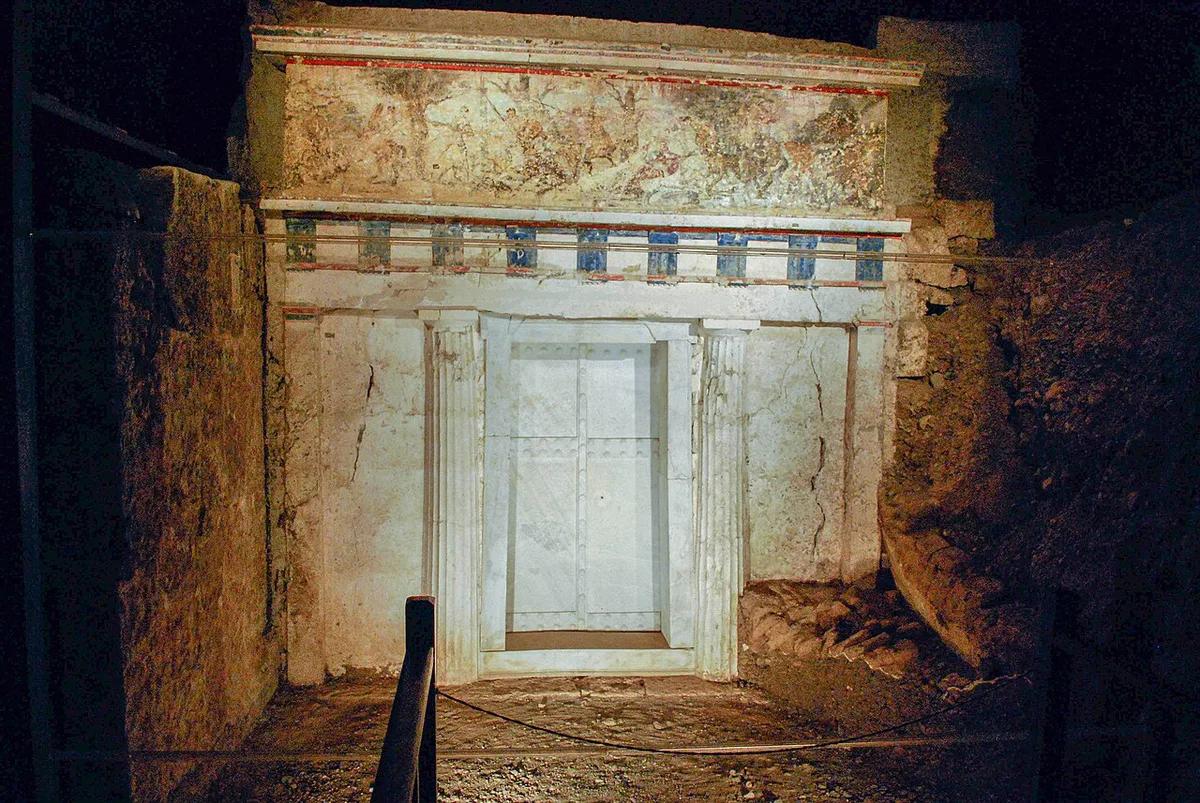
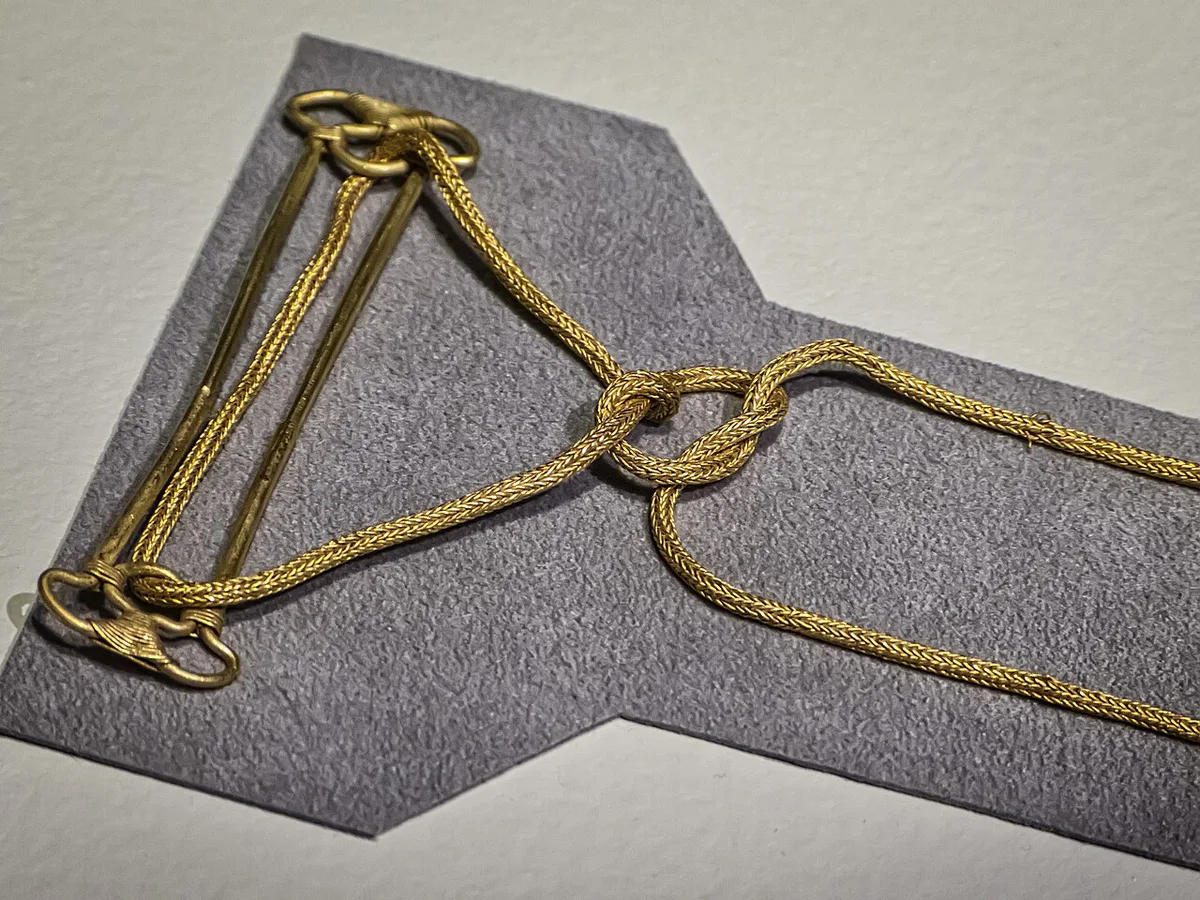
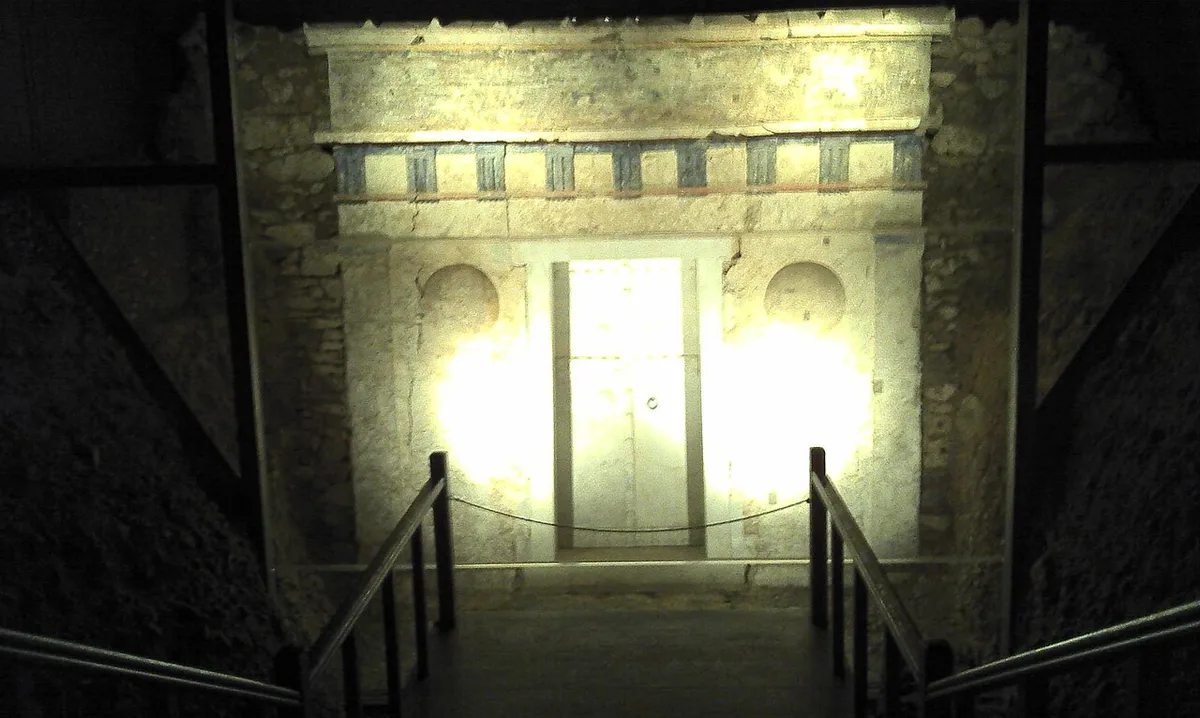
This is the main reason to come to Vergina. The museum is built underground, inside the Great Tumulus, so you walk down into the mound rather than around ruins. Inside, the tomb facades and the objects found with them are displayed in low light. Give the cases time, because the small objects carry as much detail as the monumental fronts.
Plan to spend most of your visit here, and treat the rest of the day as flexible. Skip it if you only want open-air ruins, since this is a dim, indoor experience.

2. The Great Tumulus Setting
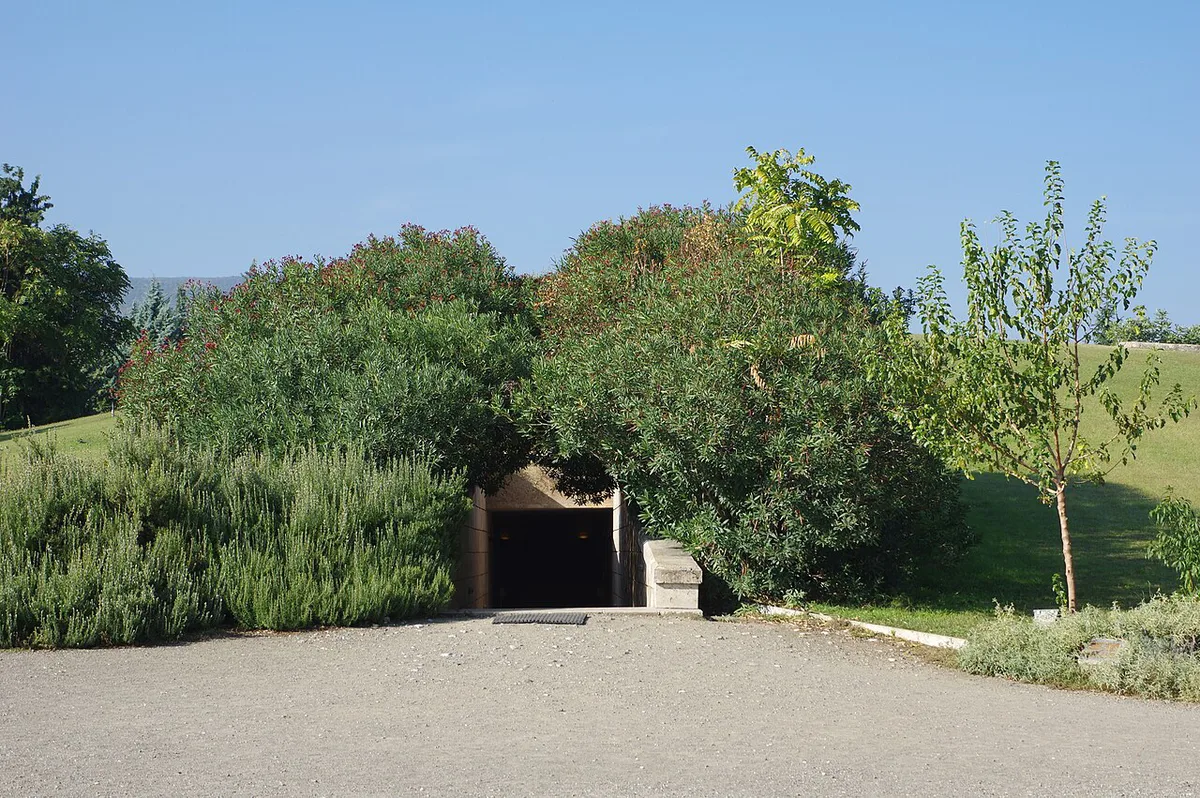
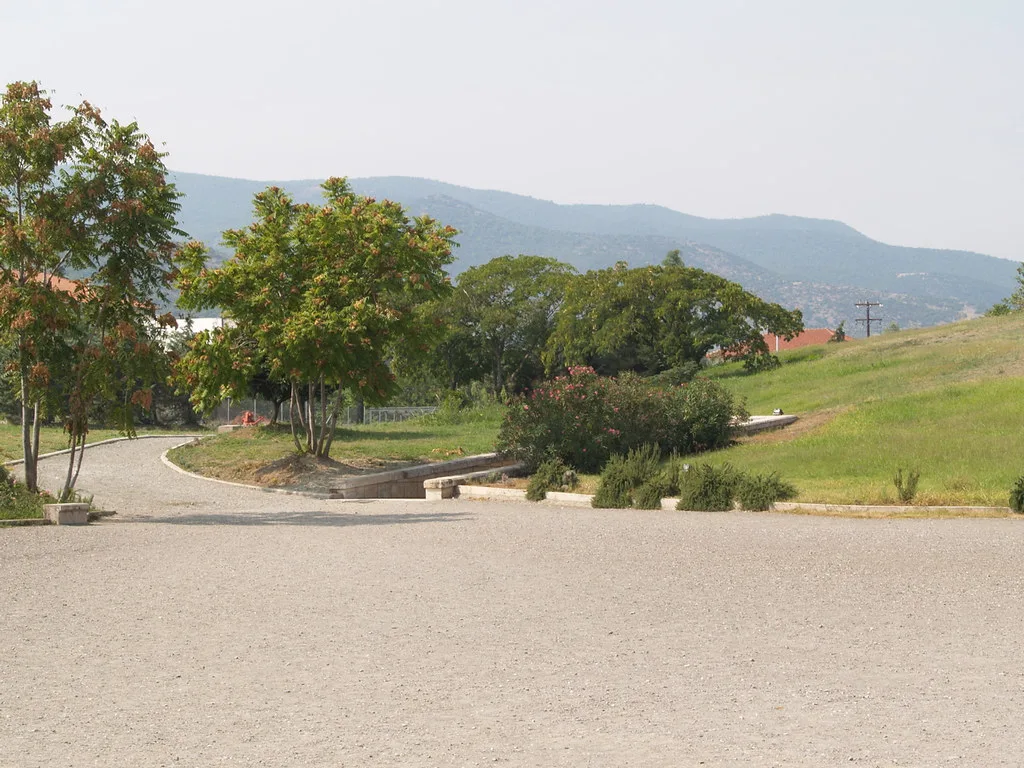
The museum is not a separate building next to a mound. It sits within the Great Tumulus, which is the artificial hill that once covered the royal burials. That arrangement explains the entrance sequence: you approach a grassy rise and then descend into it.
Take a moment outside before going in, because the exterior is the only above-ground view of the site's scale. Skip lingering outside in midsummer heat, as shade is limited on a mound.
3. The Tomb Associated With Philip II
Many visitors head straight for the tomb linked with Philip II of Macedon. Scholars have debated which burial belongs to whom, so treat any single attribution with care. Our guide to the Tomb of Philip II at Vergina: Visitor Guide sets out the evidence and what to look for inside.
Read it before you go if you want the debate in hand while you stand at the facade. Skip the deep reading if you prefer to see the tombs first and read afterward.
4. Other Macedonian Tombs In Context
Vergina is one of several places in northern Greece with built tombs from the Macedonian period. Seeing the royal burials here makes the smaller tombs elsewhere easier to read.
Our overview of Macedonian Tombs: Vergina Royal Tombs Visitor Guide compares the architecture and what each site shows. Skip this comparison if you only have time for the museum itself.
5. The Vergina Star, Or Sun
The Vergina star, also called the Vergina sun, is a sunburst emblem tied to this place by its name. You will meet it on souvenirs, flags and printed material, and it carries a political charge in the wider region.
In Vergina, the useful approach is to look for it as a motif in the museum's displays and to read the labels on site. Skip long debates about the symbol on this trip, because the museum is the better place to ground the question.
6. The Town Of Vergina And Imathia
Vergina itself is a small town in Imathia, and a stop for a coffee or a meal fits around the museum visit. Veria lies near the Great Tumulus and is the closest larger town named in local references.
Expect a quiet rural base, with fewer options than a city. Skip an overnight here if you want nightlife or a wide choice of hotels.
7. Pella, The Macedonian Capital
Pella is the natural second stop, because it pairs the royal story at Vergina with a city site and its own museum. Our guide to Pella covers what remains and what to prioritize.
Together they make a full Macedonian archaeology day. Skip Pella if the tombs already filled your energy and time.
8. Dion Archaeological Park
Dion offers a different mood: a sanctuary and city set in open ground, which balances the dim museum at Vergina. Our page on Dion Archaeological Park: Visiting Guide and Tips explains the layout and walking effort.
It suits travelers who want outdoor ruins after an underground morning. Skip it on a very hot afternoon, since open ground offers little shade.
Is Vergina Worth It, And For Whom?
Prioritize Vergina if you care about Macedonian history, grave goods, or the story behind the star. It also suits travelers who want one clear anchor for a day out. Skip it if you want open-air ruins to wander, or if dim, indoor galleries do not appeal. Families with young children may find the low light and the quiet display style harder going than Dion. Our guide to Alexander the Great Birthplace: Pella and Nearby Sites shows where Vergina fits in the wider Macedonian story.
Getting To Vergina From Thessaloniki
Most visitors base themselves in Thessaloniki and go out for the day. Our dedicated guide to Vergina from Thessaloniki: How to Get There, Costs & Day Plans compares the routes in detail. Timetables and fares change, so check the operator before you travel.
| Option | Best for | Trade-off |
|---|---|---|
| Self-drive | Flexibility and combining sites | You handle parking and navigation |
| Intercity bus | Lower cost, no car needed | Fixed timetable limits a combined day |
| Guided tour | No planning, context from a guide | Set schedule and less time at each stop |
Tickets And Opening Hours For Vergina
Ticket prices, seasonal hours and closing days are set by the Hellenic Ministry of Culture. Check the current figures on the ministry's Odysseus site before you go.
Combine Vergina With Nearby Ancient Sites
Vergina works best with one or two partners. Each site below suits a different kind of traveler.
| Site | Why combine it | Effort | Suits |
|---|---|---|---|
| Pella | Capital city to match the royal tombs | Moderate | History-focused travelers |
| Dion | Open-air sanctuary after the museum | Moderate | Families and walkers |
| Amphipolis | Another Macedonian tomb story | Longer drive | Tomb enthusiasts |
| Philippi | Roman and early Christian ruins | Longer drive | Travelers with a spare day |
| Thessaloniki Roman sites | City-based evening or next-day plan | Low | Anyone staying in the city |
To the north, the Thracians built painted tombs in the same era; see our guide to the Thracian tombs of Bulgaria.
Common Mistakes To Avoid At Vergina
Arriving without checking seasonal hours and closing days is the most common slip. Others include expecting an open-air ruin and planning a Vergina-only day when sites combine well. Our pages on Amphipolis and Philippi suit a separate trip. For the city base, see Rotunda of Galerius, Thessaloniki: Visit Guide and Tips. Farther afield, Dodona and Nikopolis belong to another itinerary entirely.
Explore More Guides
Keep planning your trip with these guides.
Guides
- Vergina from Thessaloniki: How to Get There, Costs & Day Plans
- Tomb of Philip II at Vergina
- Pella Greece
- Dion Archaeological Park: Visiting Guide and Tips
- Philippi, Greece
- Amphipolis Guide
- Macedonian Tombs: Vergina Royal Tombs Visitor Guide
- Rotunda of Galerius, Thessaloniki
- Alexander the Great Birthplace
- Dodona Greece
- Nikopolis (Nicopolis) Greece
Related guides

Continue reading
Guides on the same trip