Pella Greece: Ancient Capital of Macedonia Visitor Guide
Last updated November 2026. Pella, Greece, was the capital of the Kingdom of Macedon and the birthplace of Alexander the Great. It sits in Central Macedonia, a short drive from Thessaloniki, with an open-air excavation and an Archaeological Museum. This guide covers what remains, how long to allow, and whether to pair it with Vergina.
Featured image: Following Hadrian, CC BY-SA 2.0, via Flickr.
Pella Greece at a glance: is it worth visiting?
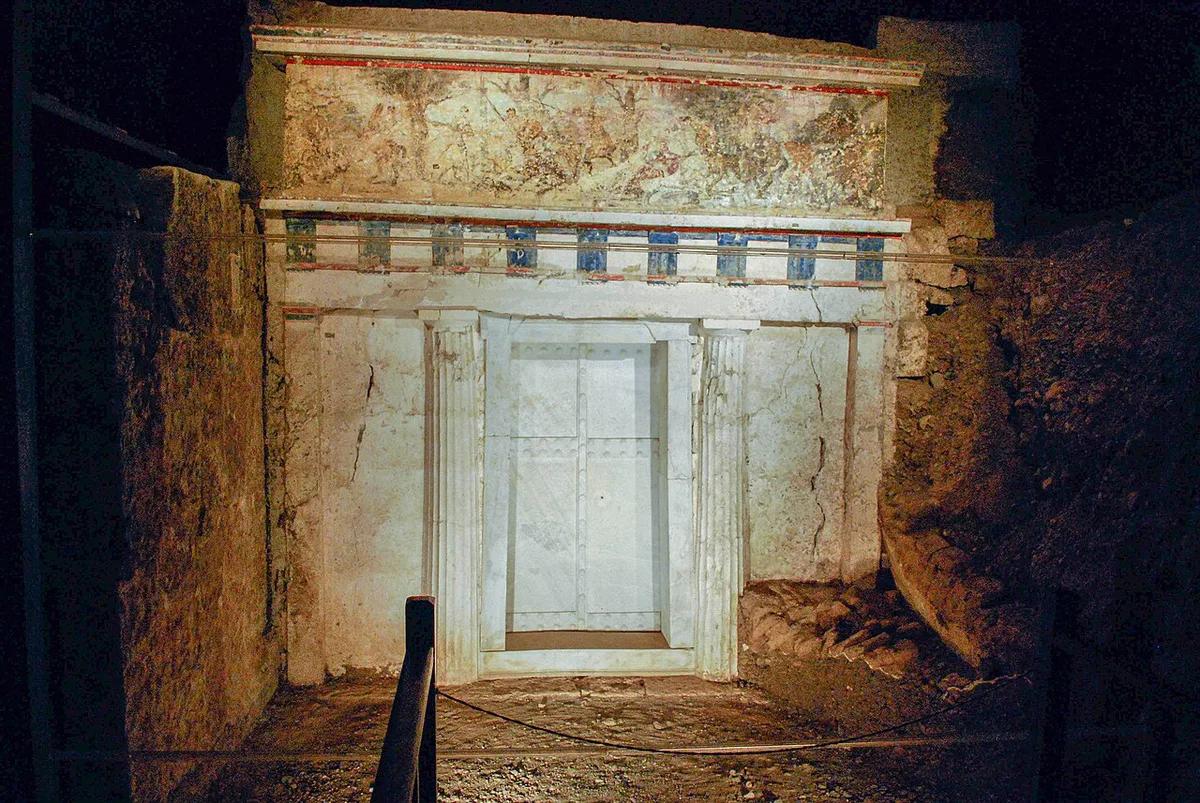
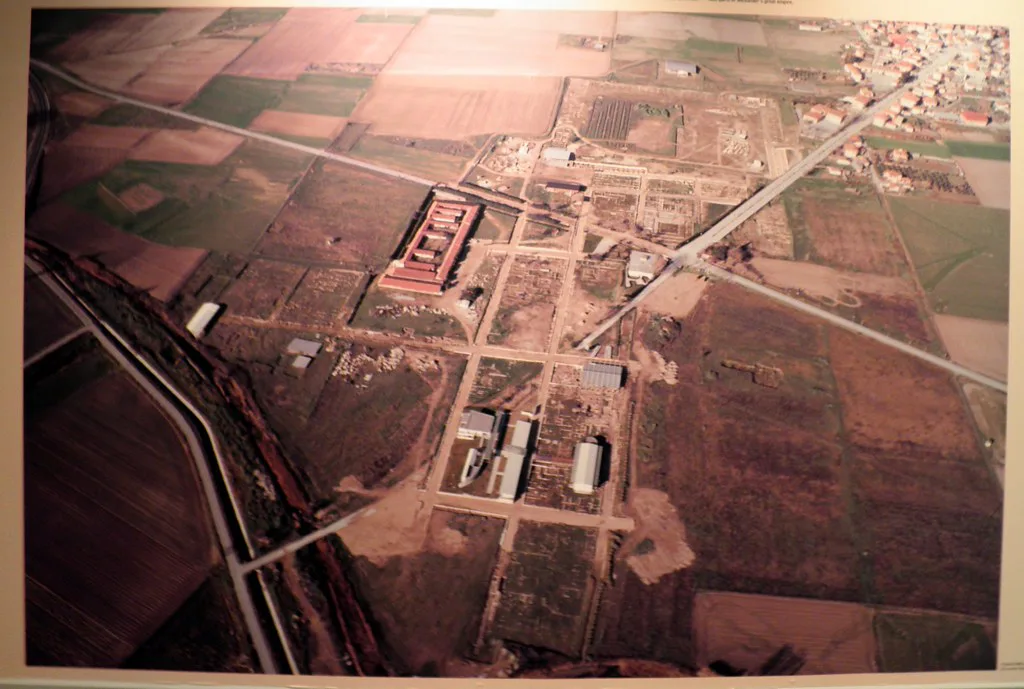
Pella suits readers who like ancient city planning and floor mosaics. It does not suit anyone hoping for standing temples or reconstructed palaces. What survives is mostly foundations, street lines and pebble-mosaic floors. If royal tombs are your priority, start with Vergina and its royal tombs instead.
- Go if you are a history lover who wants to see how a Macedonian capital was laid out.
- Go if you want the museum mosaics and a half-day trip from Thessaloniki.
- Skip if you want dramatic monuments; Vergina or Dion Archaeological Park: Visiting Guide and Tips may suit you better.
- Skip if you have no car and no spare day for bus connections.
What to see at Pella
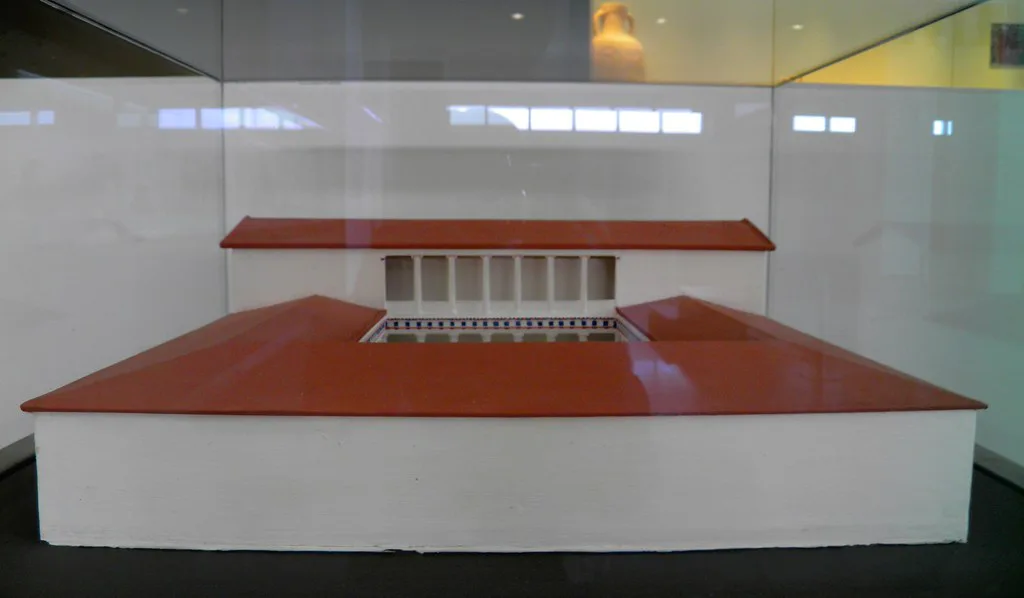
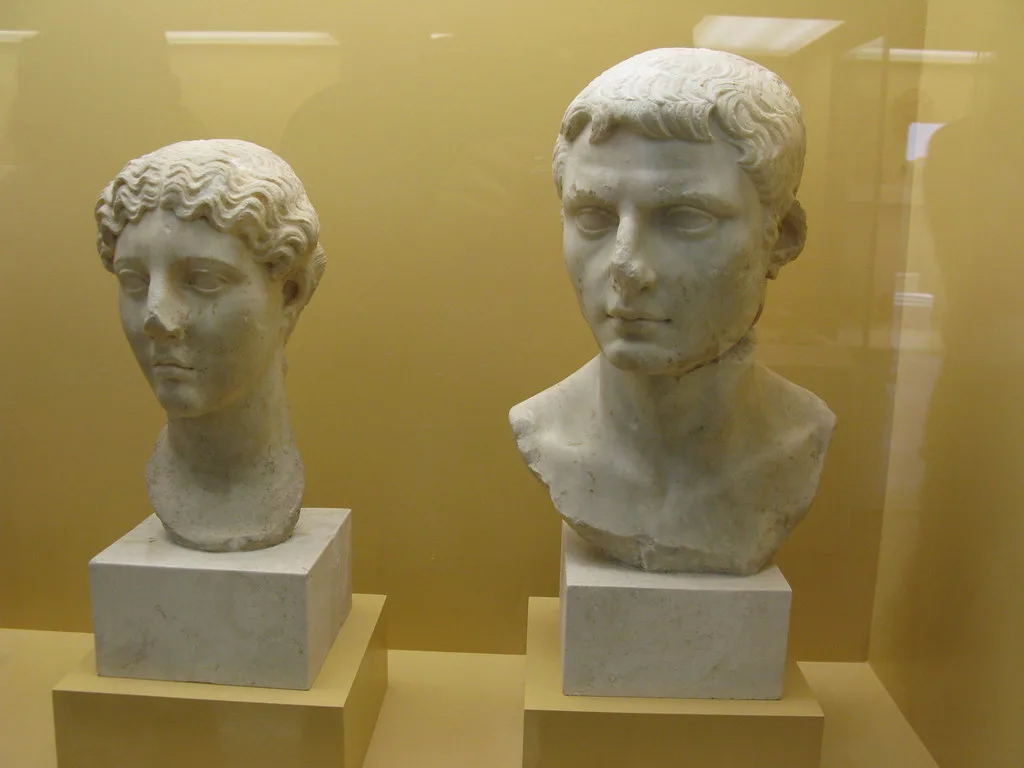
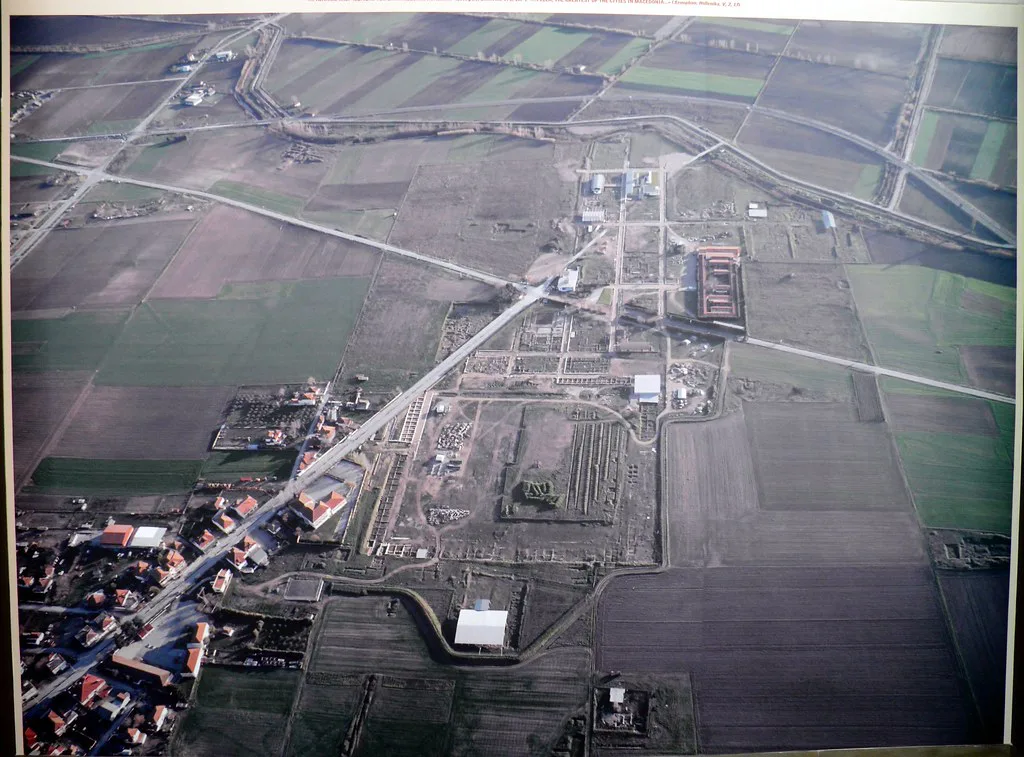
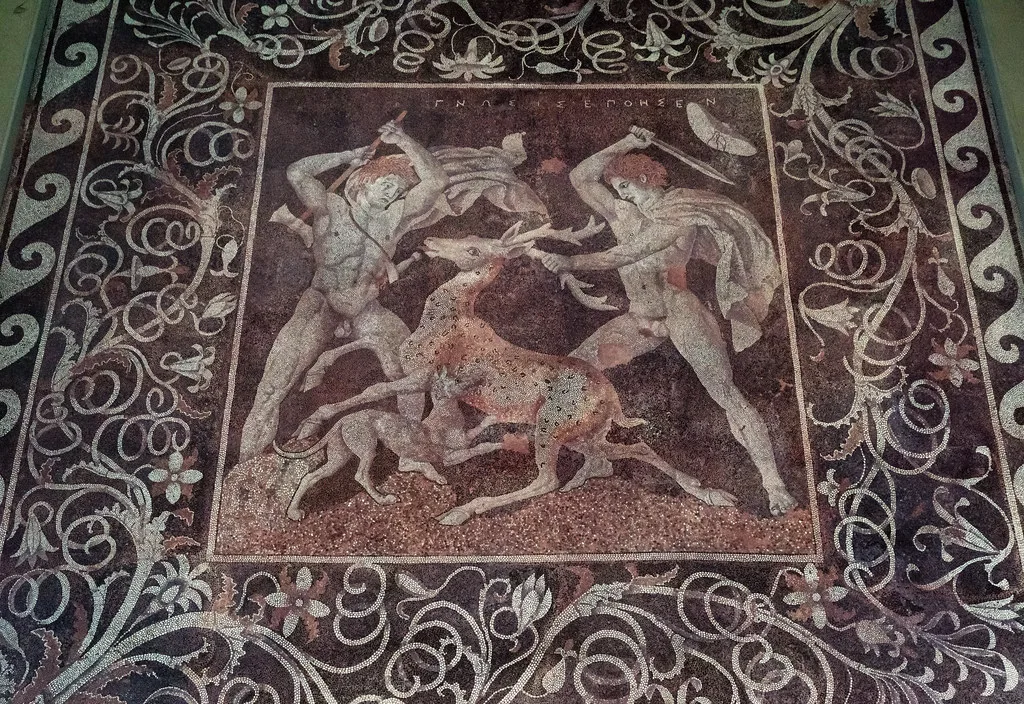
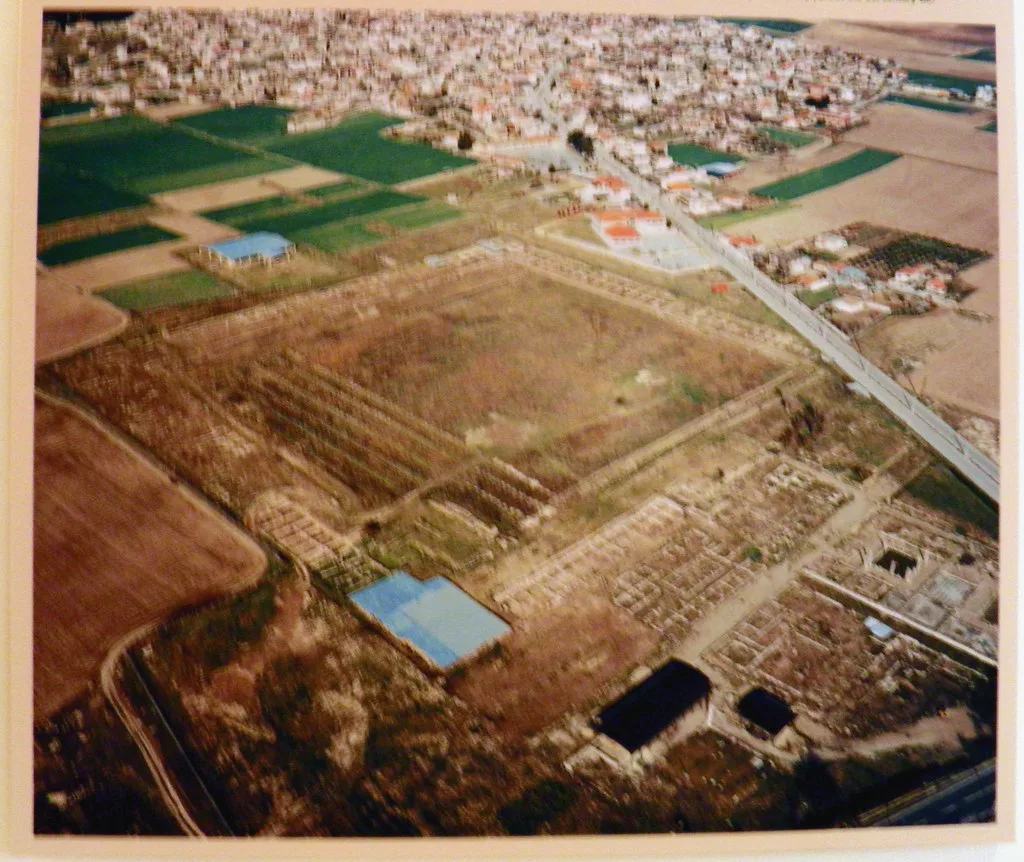
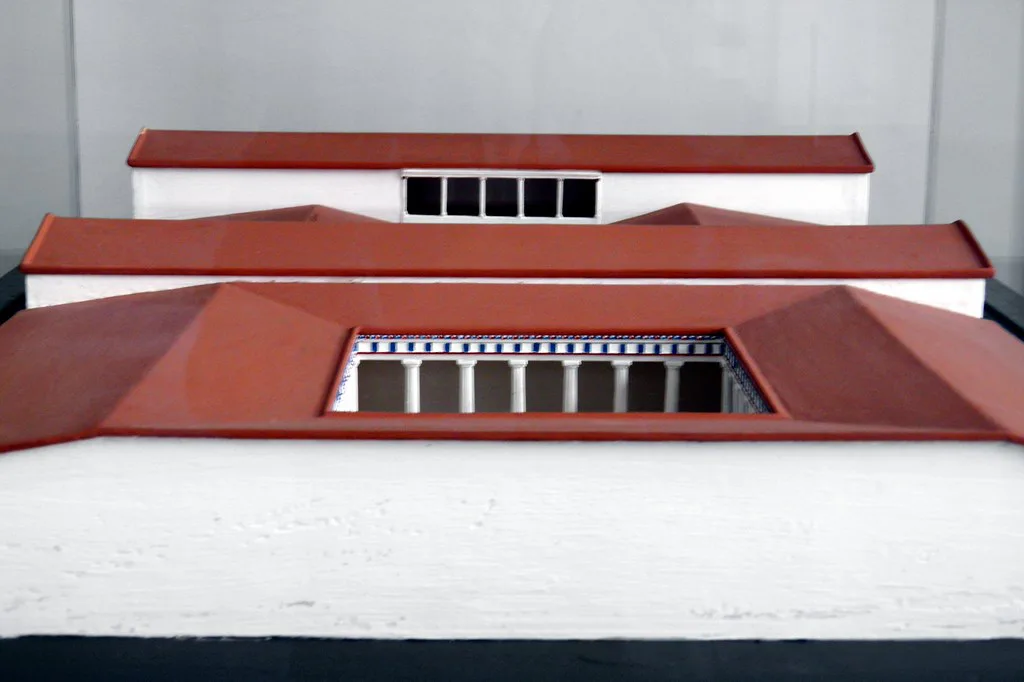
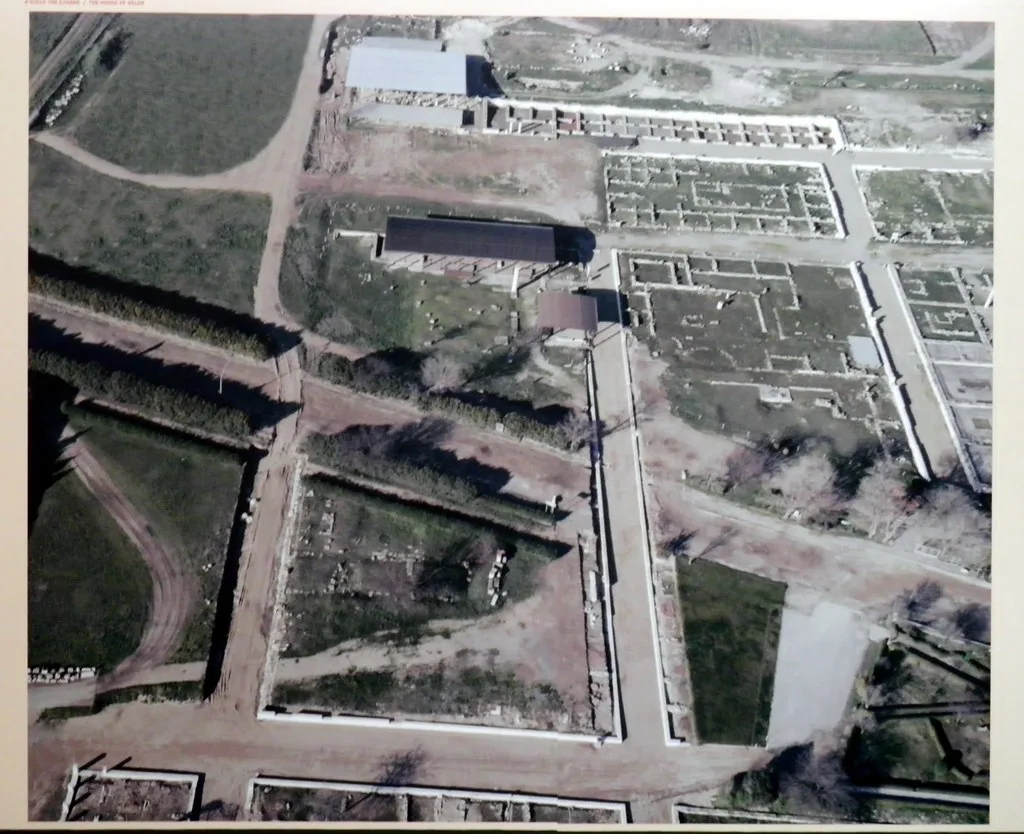
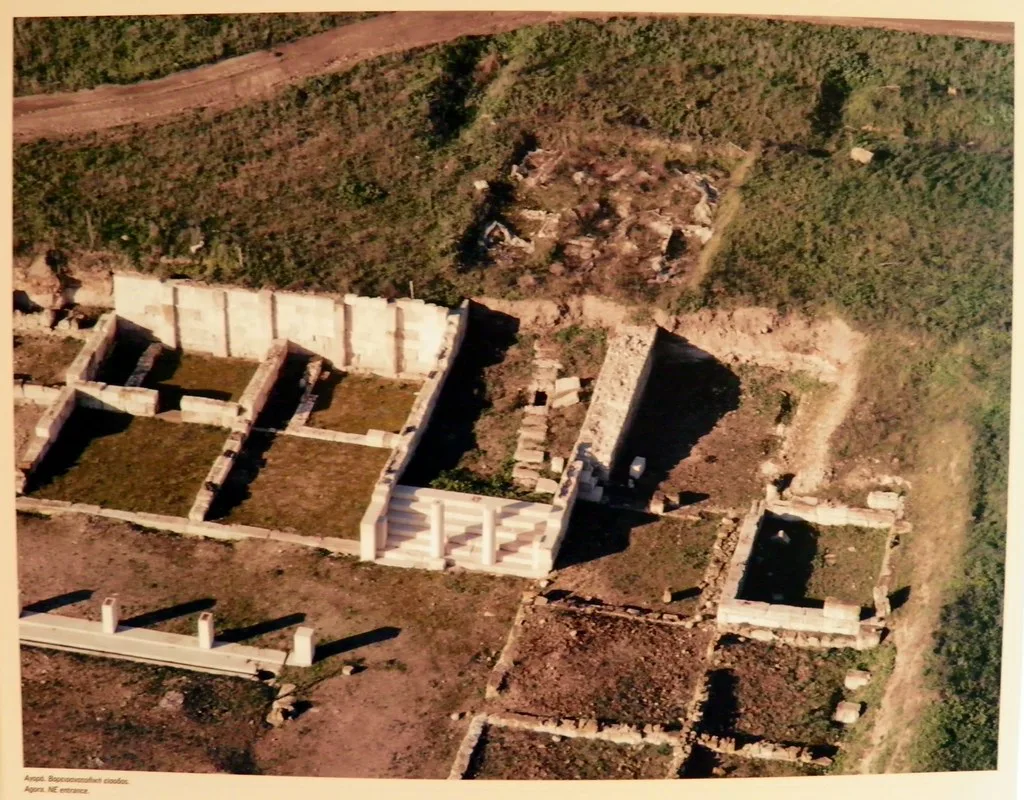
The open-air site shows the bones of the city. Its agora covered about 200 by 181 metres, and city blocks ran roughly 45 metres wide along a regular street grid. Walk the house plans first, then look for the pebble mosaics that made Pella famous. The Archaeological Museum holds the finds, including mosaic scenes of hunting and of Dionysus. Titles vary between sources, so expect labels such as Stag Hunt or Lion Hunt rather than one fixed name. Do not skip the museum, because it explains what the foundations outside once held.
Measure house plans against the roughly 45 metres wide city blocks, and remember the city declined after Rome sacked it in 168 BC.
- Agora and street grid: the clearest sign of planned Macedonian urbanism.
- House remains: floor plans, courtyards and mosaic floors.
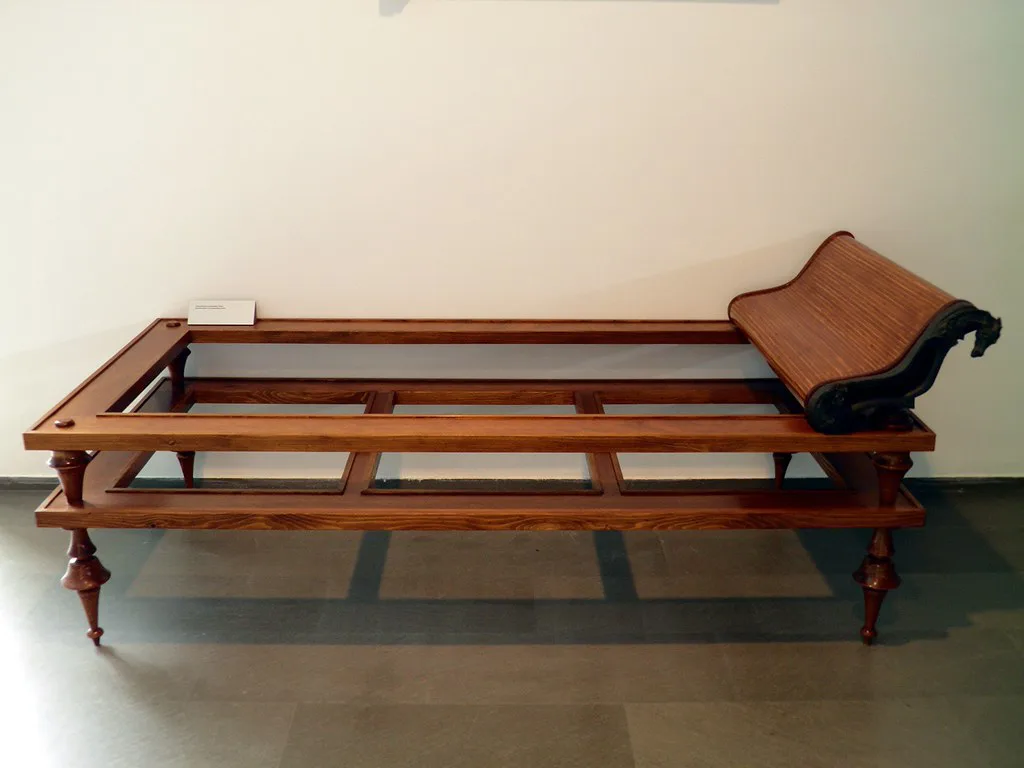
- Museum galleries: mosaics, pottery, figurines and metalwork from the city.
A short history of ancient Pella
Pella is traditionally dated to around 399 BC, when Archelaus made it his capital in place of Aigai, now Vergina. Philip II and Alexander later ruled from here. Over time the harbour silted up and left the site landlocked. Rome sacked the city in 168 BC, and it declined afterwards. For the royal burials, read about the tomb of Philip II.
Who ruled and lived at Pella: Alexander and the Macedonian court
Pella matters because of the people who lived here, so it helps to know the cast before you walk the foundations.
- Archelaus moved the Macedonian capital here around 399 BC. His court drew artists and writers from southern Greece. The painter Zeuxis is traditionally said to have worked for him.
- Philip II turned Macedon into the leading power in Greece. Pella was his administrative base.
- Alexander the Great was born at Pella in 356 BC and grew up in the royal household before leaving on his Asian campaign.
- Aristotle is traditionally said to have tutored the young Alexander, but the lessons took place at Mieza near Naoussa, not at Pella itself.
Pella stayed the Macedonian capital until Rome sacked it in 168 BC, as described above. Keep these names in mind in the museum. Many objects there come from the private houses of the elite who surrounded this court.
How much time to allow
Pella is compact, so it works well as a half-day stop. These are rough planning estimates, not official figures. Add travel time from Thessaloniki to every row.
| Route | Time (estimate) | Best for | Trade-off |
|---|---|---|---|
| Site only | Short visit | Travelers with little time | Misses the mosaics and finds |
| Site plus museum | Half a day | Most first-time visitors | Needs a car or a tour |
| Pella plus Vergina | Full day | History lovers | Long day, tight closing times |
| Pella plus Edessa and Pozar | Full day | Readers who also want nature and thermal baths | Less time for archaeology |
Tickets, opening hours and combined passes
Ticket prices, seasonal hours and closed days are set by the Hellenic Ministry of Culture. Check the Ministry's museum and site pages for current figures and any combined ticket with Vergina.
Getting there and getting around
A car gives the most flexibility from Thessaloniki, and you can set your own closing-time deadline. Intercity buses and guided tours are the fallbacks. Tours trade flexibility for convenience and often pair Pella with Vergina. Public transport adds a return-trip risk, so check the last departure before you leave. For general regional information, see Visit Greece.
Driving from Thessaloniki to Pella: route and timing
Pella lies roughly 40 km west of Thessaloniki, and the drive usually takes 40 to 50 minutes without heavy traffic. That is short enough to make an early start and be back by mid-afternoon.
- Leave Thessaloniki westbound on the motorway and follow the signs toward Giannitsa and Edessa.
- Look for the brown archaeological-site signs for Pella as you approach the area. The site and the museum are both signposted and stand close together.
- Park near the entrance. Visit the open-air excavation first while the day is cooler, then spend the hotter hours in the museum.
Allow extra time on summer weekends and when leaving Thessaloniki in the morning rush. If you plan to add Vergina or Edessa, set a firm departure time for each stop. Both have closing times that can end a full-day route early.
Set your navigation to the site rather than to the village, and check the Ministry of Culture pages for current hours before you leave. The museum and the excavation can have different opening times.
Pella with Vergina and other day-trip pairings
Pella and Vergina fit together as the city and the royal burial ground of the same kingdom. Our Vergina day trip from Thessaloniki covers the logistics. Pella is for urban layout and mosaics. Vergina is for the tombs, and Macedonian Tombs: Vergina Royal Tombs Visitor Guide compares more of them. Edessa and Pozar make a nature and thermal-bath add-on rather than a history stop. For a longer Alexander-themed route, see Alexander the Great Birthplace: Pella and Nearby Sites. Further north, Philippi and Amphipolis suit a longer trip.
Where to stay
Most readers base themselves in Thessaloniki, which also offers Roman sites in Thessaloniki for an extra day. Staying near the site or in Edessa is possible if you want an early start and a quieter evening.
Common mistakes and practical tips
Most problems come from timing and expectations. Arrive well before closing so you can see both the site and the museum. Avoid midday heat in summer, because the excavation has little shade. Winter hours and closed days can change plans, so check them before you go.
- Do not expect reconstructed monuments; look for plans, streets and floors.
- Do not skip the museum.
- Do not rely on a same-day bus return without checking the last departure.
How to divide your time between the site and museum
Pella makes more sense when you treat the excavation and museum as two parts of one visit. The open-air site helps you read the scale of a planned capital. Its agora measured about 200 by 181 metres, while city blocks were roughly 45 metres wide. These dimensions are easier to understand outdoors than from a display case.
The museum supplies the detail that foundations cannot show. Use it to see mosaics, pottery, figurines and metalwork, then connect them with the house plans and streets outside. The hunting scenes and Dionysus mosaic are especially useful for understanding the floors preserved at the site.
If time is limited, do not choose the excavation alone simply because it is outdoors. The site explains Pella’s urban layout, but the museum explains the objects and decoration that gave those buildings meaning. Allow enough time for both, and arrive early enough to avoid having to rush one half of the visit before closing.
Related guides


Continue reading
Guides on the same trip