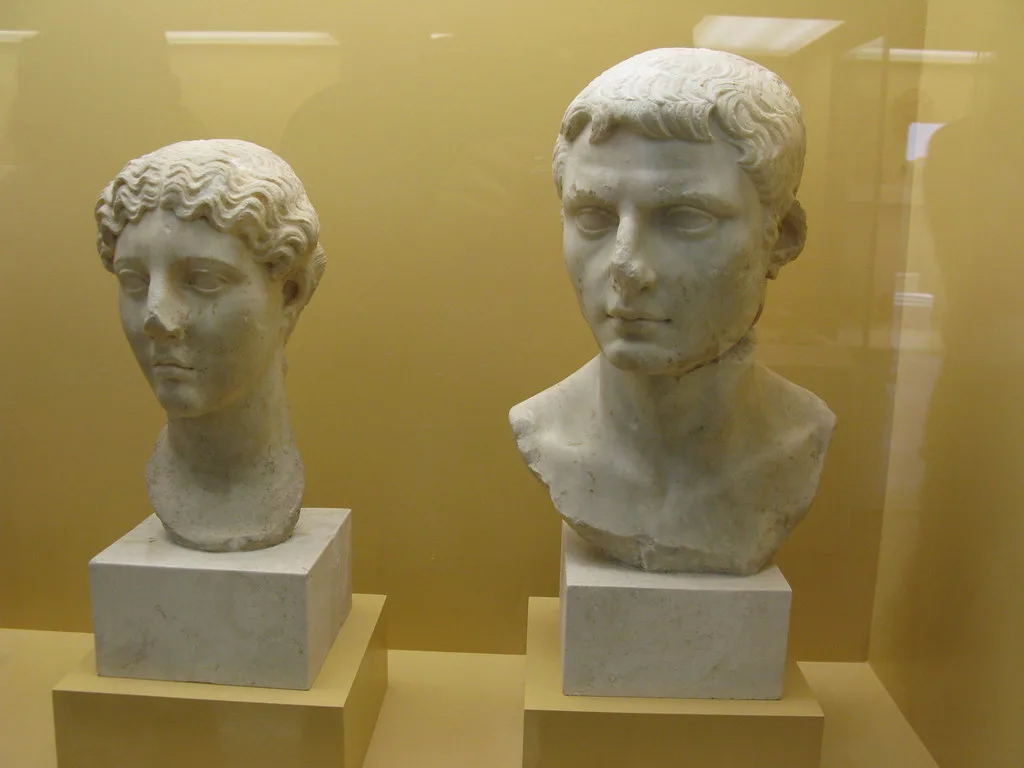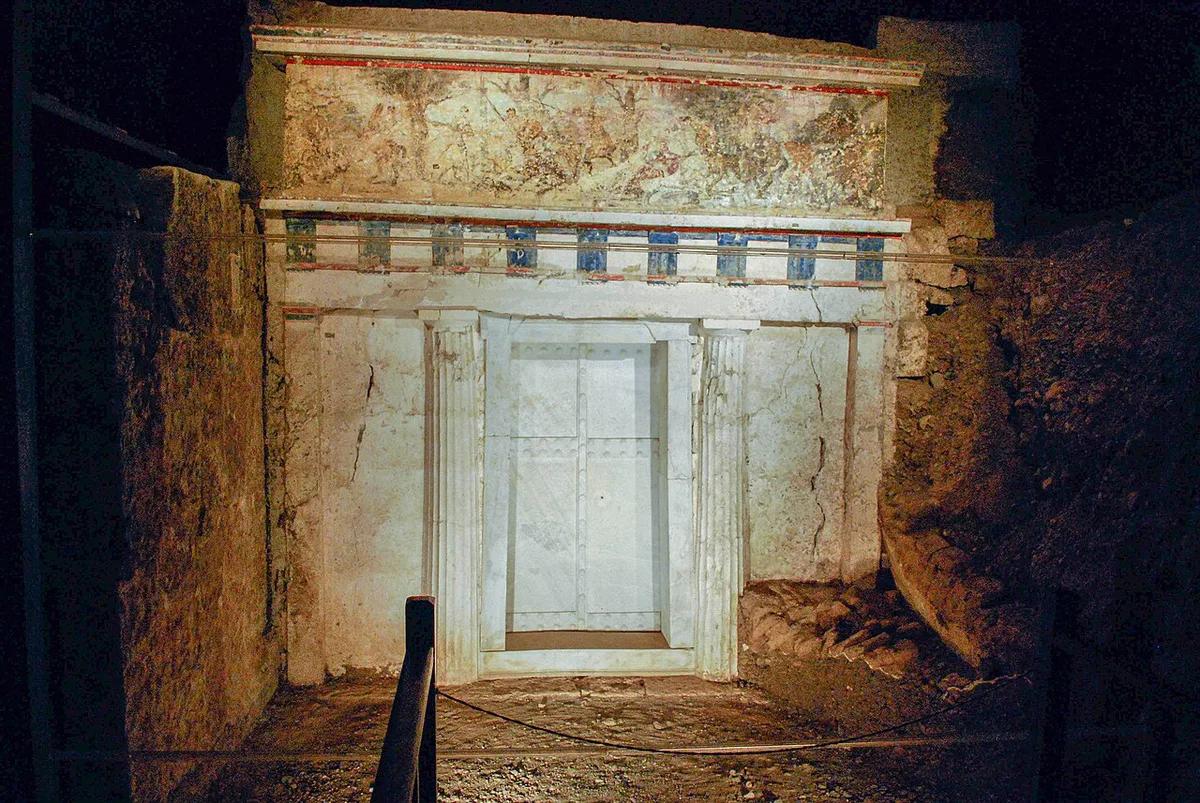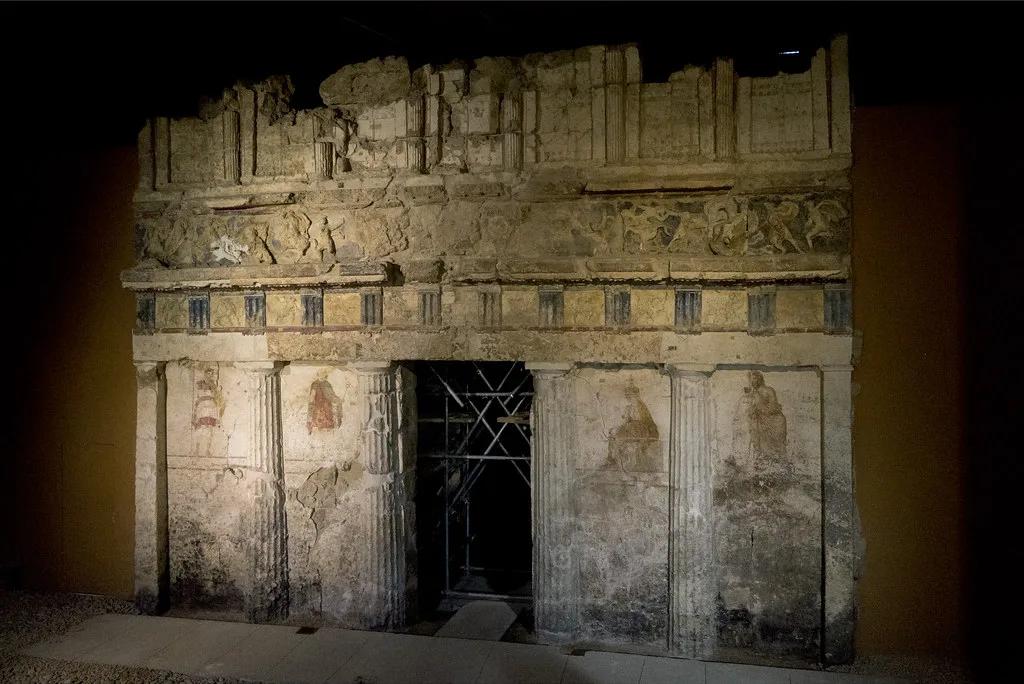
Last updated November 2026. Macedonian tombs are monumental chamber tombs with a vaulted roof, a façade and often painted decoration, built under burial mounds for elite Macedonians in the 4th to 3rd centuries BCE. Best known are the Royal Tombs of Aigai at Vergina, in Imathia. You see them inside a museum built as a covered mound, and that museum is the reason to make the trip from Thessaloniki.
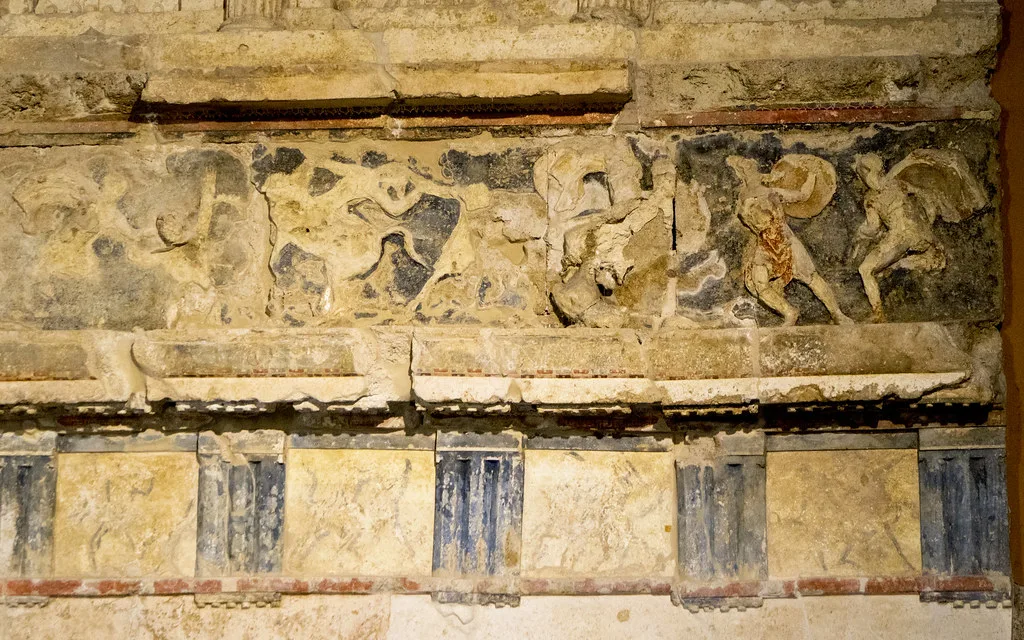
Featured image: Egisto Sani, CC BY-SA 2.0, via Flickr.
What Macedonian tombs are
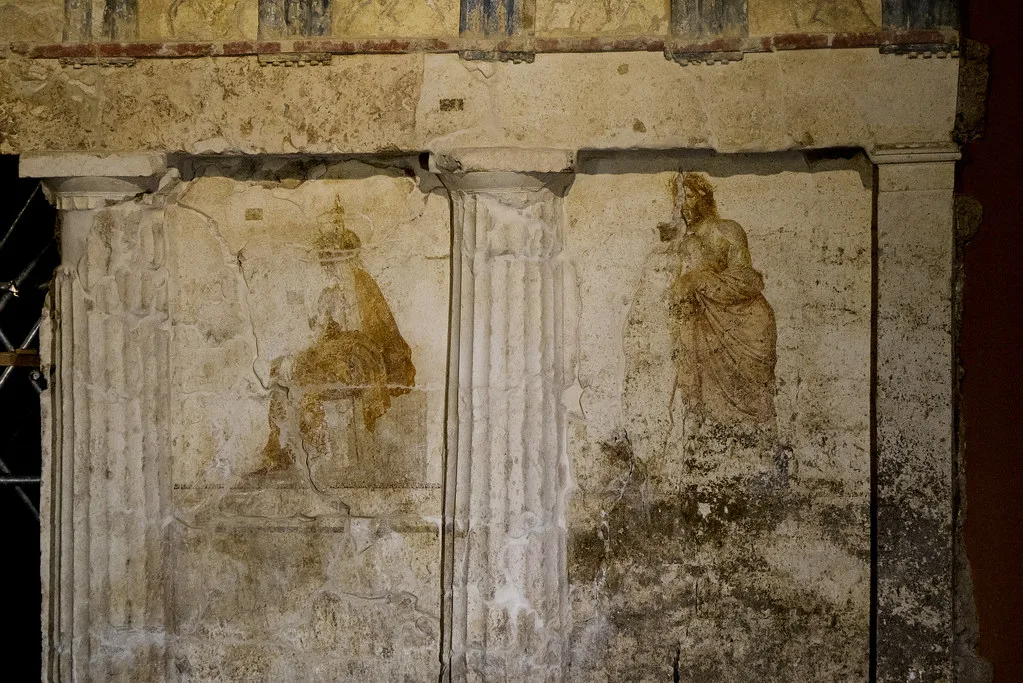
Two meanings share the name. Royal Tombs of Aigai is the group under the Great Tumulus at Vergina, listed by UNESCO. Macedonian tomb is also an architectural type: a chamber under a mound, entered through a façade. For the town, the palace and the wider site, start with our Vergina and ancient Aigai guide. Only the Vergina group is covered in depth here.
Who is buried at Vergina, and why it is disputed
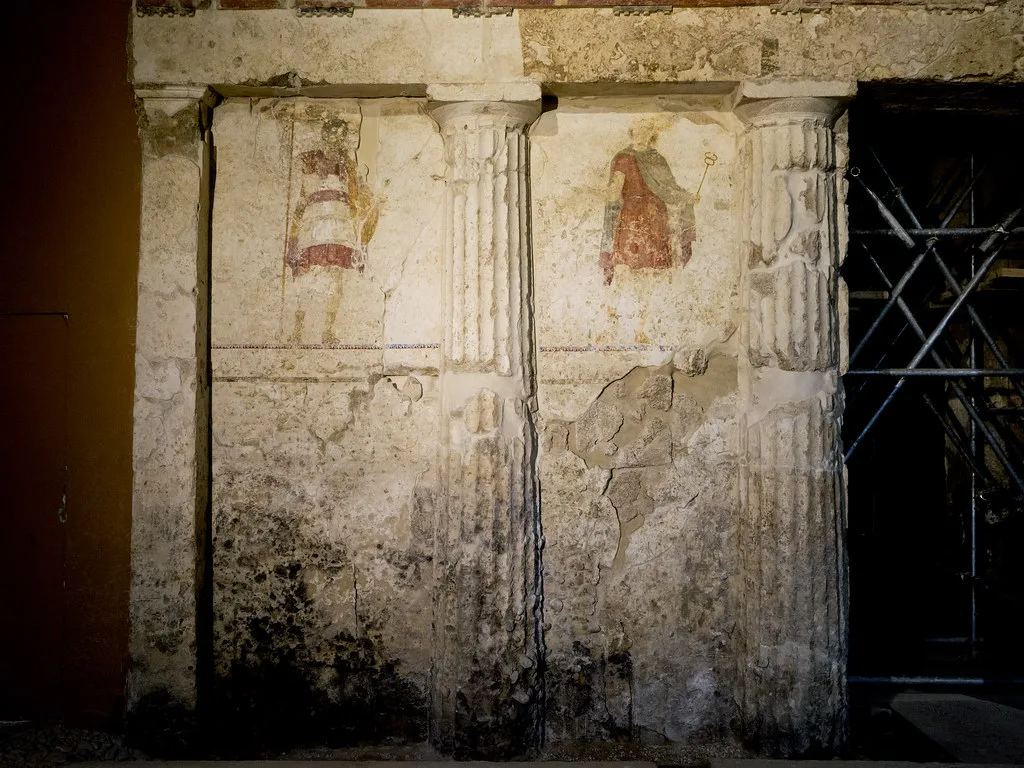
Aigai was the first capital of the Macedonian kingdom and a seat of the Argead dynasty. Philip II was assassinated there in 336 BCE. Manolis Andronikos excavated the Great Tumulus in 1977–1978. Tradition says Tomb II held Philip II. A 2023 review in the Journal of Archaeological Science: Reports argues instead that Tomb I was his and that Tomb II held Philip III Arrhidaeus and Eurydice. Both positions are still in play. Read the full case in our guide to Philip II's tomb.
| Tomb | Traditional attribution | Alternative view |
|---|---|---|
| Tomb I | Looted in antiquity, according to the older reading | Philip II (2023 review) |
| Tomb II | Philip II (Andronikos) | Philip III Arrhidaeus and Eurydice (2023 review) |
| Tomb III | Alexander IV, commonly associated | Not settled; attribution debated |
What you see inside the museum
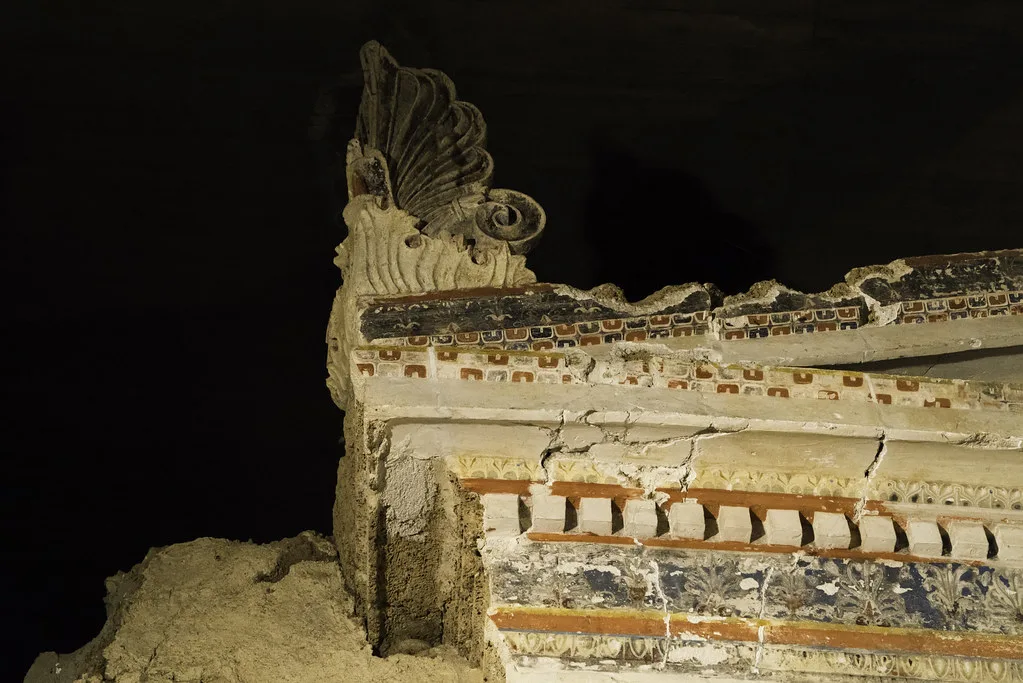
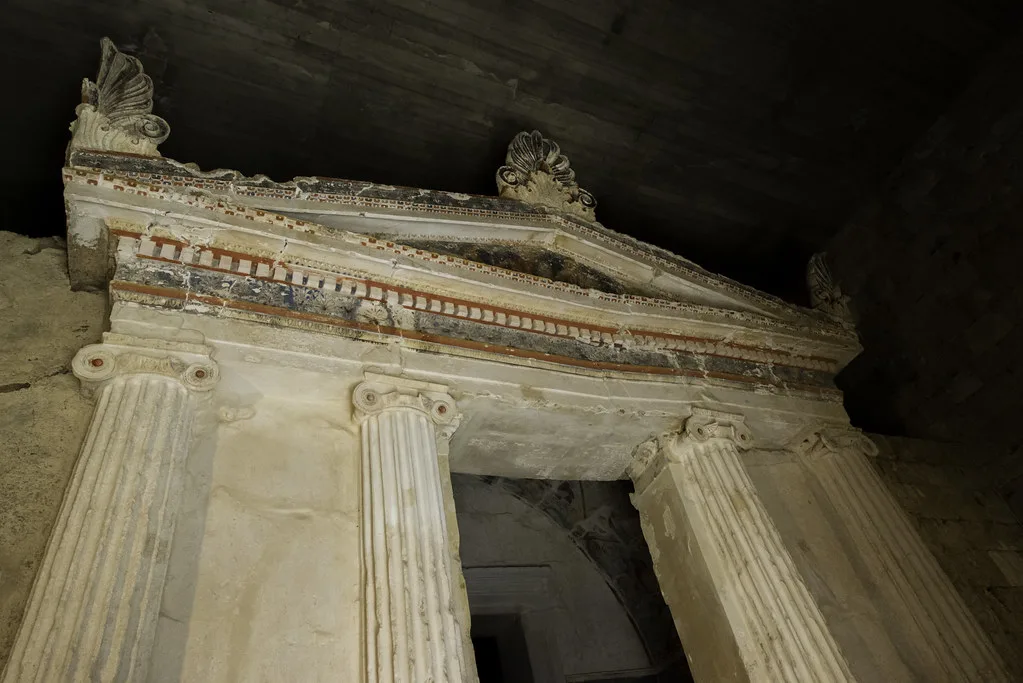
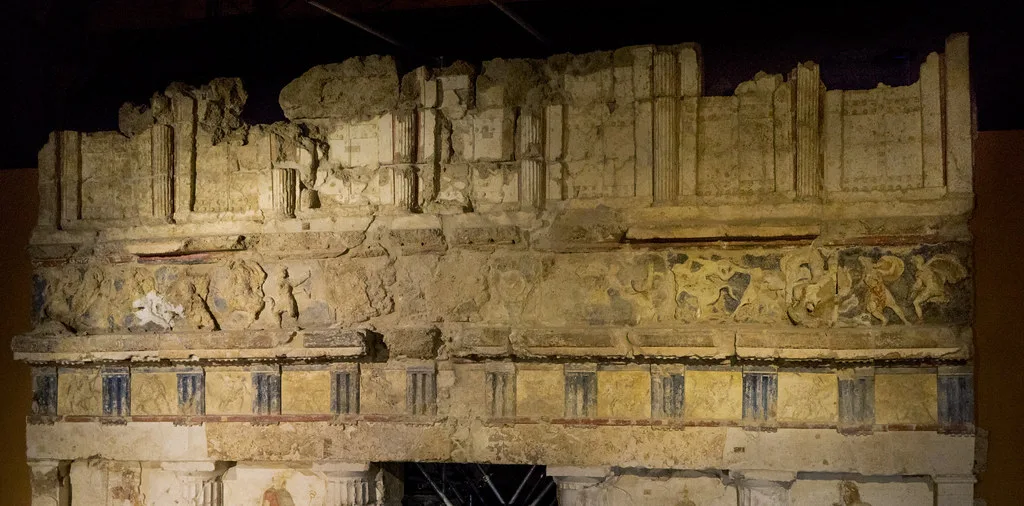
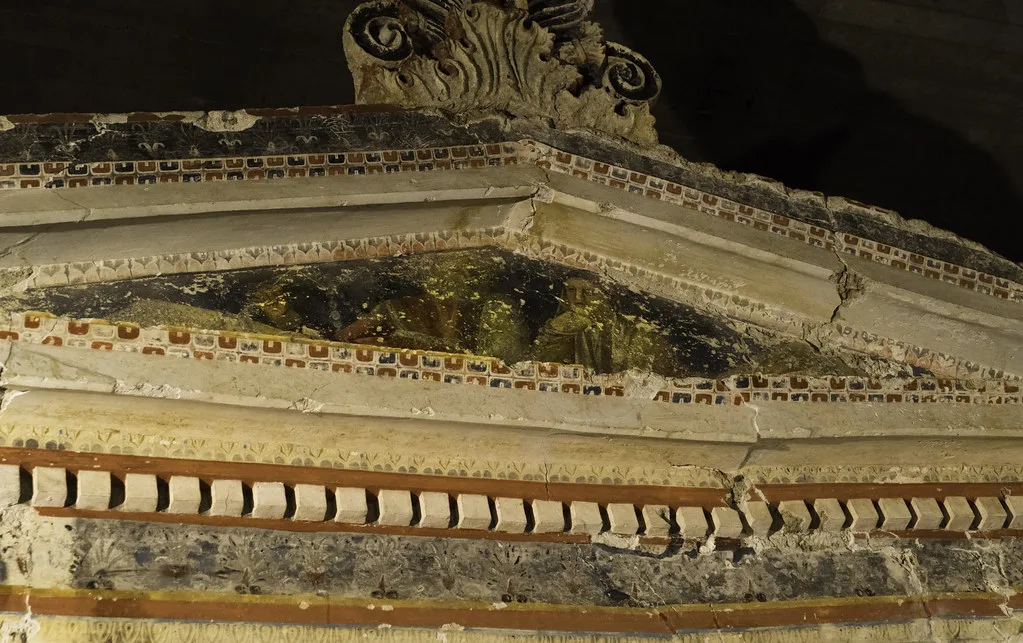
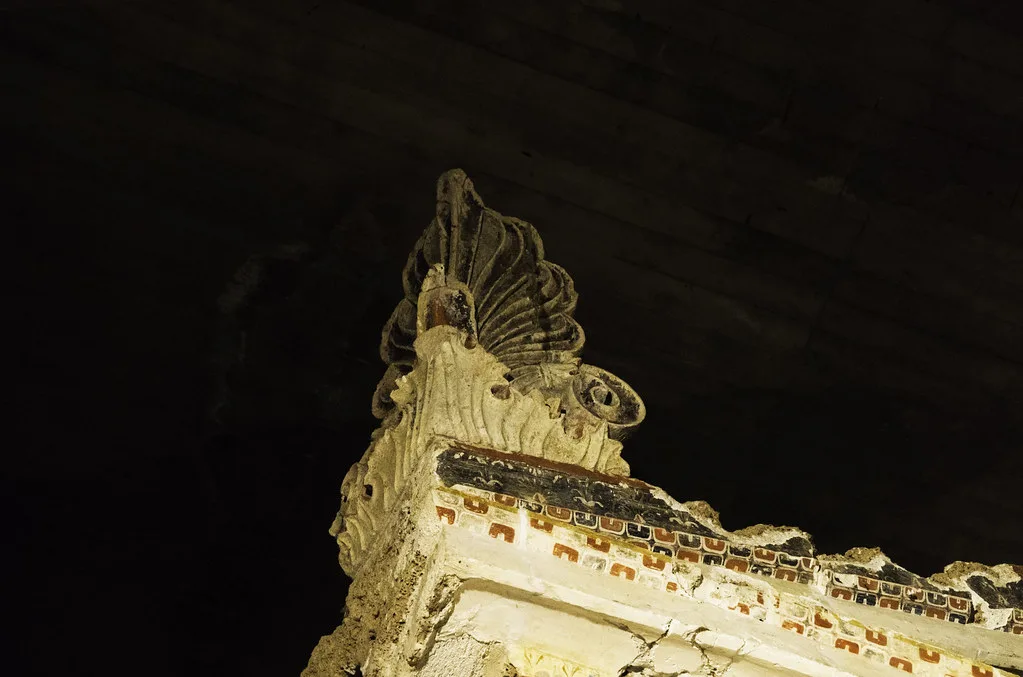
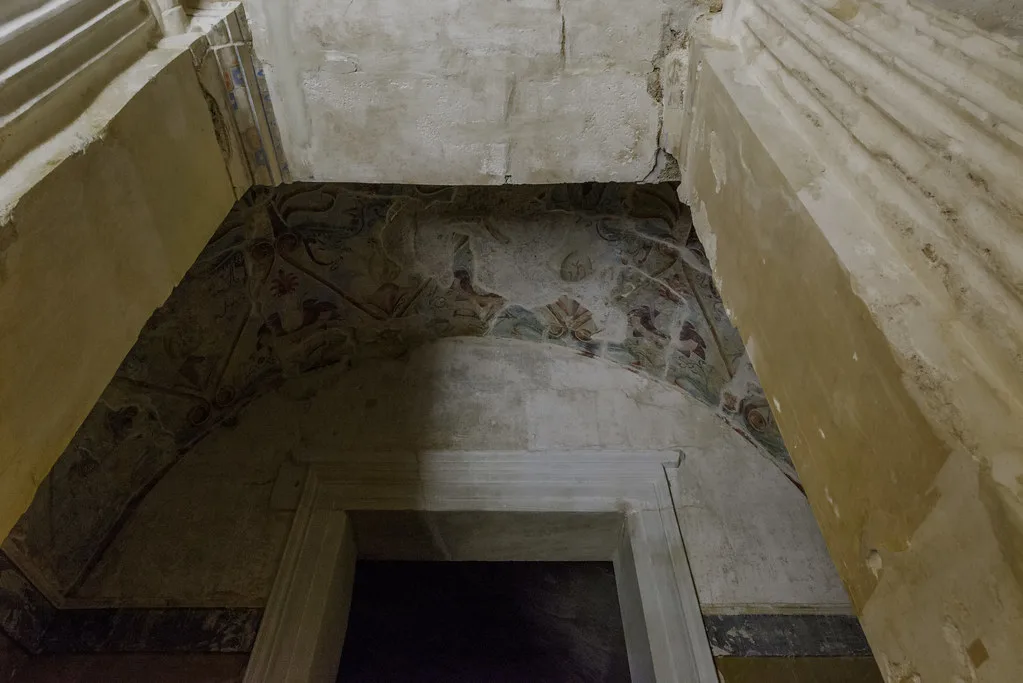
Nothing here is open-air. Museum of the Royal Tombs imitates an ancient burial mound and keeps the tombs as they were found. You walk an underground route past the façades and the painted decoration, including a famous hunting scene. Display cases hold the grave goods: weapons, armor, gold objects, vessels and ivory. Few large Greek paintings survive from antiquity, so the tomb paintings are the rare part of this visit.
Plan your visit: time, tickets and hours
Opening days, hours and ticket prices change by season. Check the Ministry of Culture's Odysseus portal for the current figures.
Getting to Vergina from Thessaloniki
Vergina is reached from Thessaloniki by car, bus, taxi or guided tour. Routes and trade-offs are laid out in our Thessaloniki to Vergina guide.
Palace of Aigai and the theatre: worth adding?
Aigai's palace is a vast fourth-century BCE complex and one of the larger buildings of Classical Greece. Its theatre is associated with Philip II's assassination. History buffs with spare time should add both, because they place the tombs in a living royal city. Short itineraries can skip them and still get the main experience.
Pairing Vergina with Pella and other Macedonian sites
Vergina plus Pella, the later capital is the usual day-trip bundle from Thessaloniki. Pella's museum is smaller, with mosaics and everyday pottery. Our Alexander the Great sites guide helps you pick further stops. Wider Macedonia trips can include Dion Archaeological Park: Visiting Guide and Tips. Another option is Philippi. A third is Amphipolis. Staying in the city? See Roman sites in Thessaloniki. Regional planning ideas are on Visit Greece.
Mistakes to avoid
A few choices decide whether the visit satisfies.
- Expecting open-air tombs: the tombs sit inside the mound-shaped museum.
- Skipping the weekly closing day: check it on the official portal before you leave Thessaloniki.
- Overpacking the day: Vergina and Pella together already make a full outing.
- Treating one identification as fact: Tomb II and Tomb I attributions remain debated.
- Visiting if you want ruins to walk through: the main experience is an underground museum route.
How to read the royal tombs underground
Approach the museum as a sequence of tomb façades, paintings and objects rather than as a set of rooms to rush through. The chambers belong to an elite burial tradition of the 4th to 3rd centuries BCE. Their monumental fronts were designed to be seen before burial beneath a mound.
The Great Tumulus was excavated by Manolis Andronikos in 1977–1978. That discovery explains why the tombs remain at the heart of the display. Pause at the façades before moving to the cases. They show how architecture, painted decoration and burial goods worked together.
Look especially for the hunting-scene painting, then compare it with the weapons, armor, gold vessels and ivory nearby. The museum’s dim, mound-like setting is intentional. It helps visitors understand that these remains were found in a burial landscape, not in a conventional gallery.
Related guides


Continue reading
Guides on the same trip