
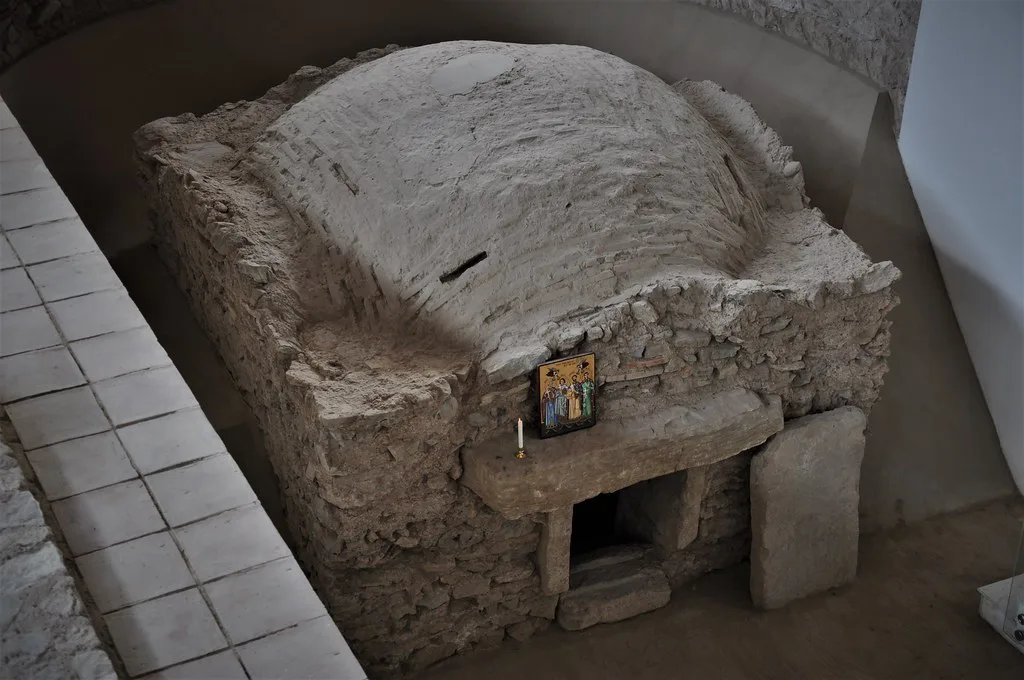
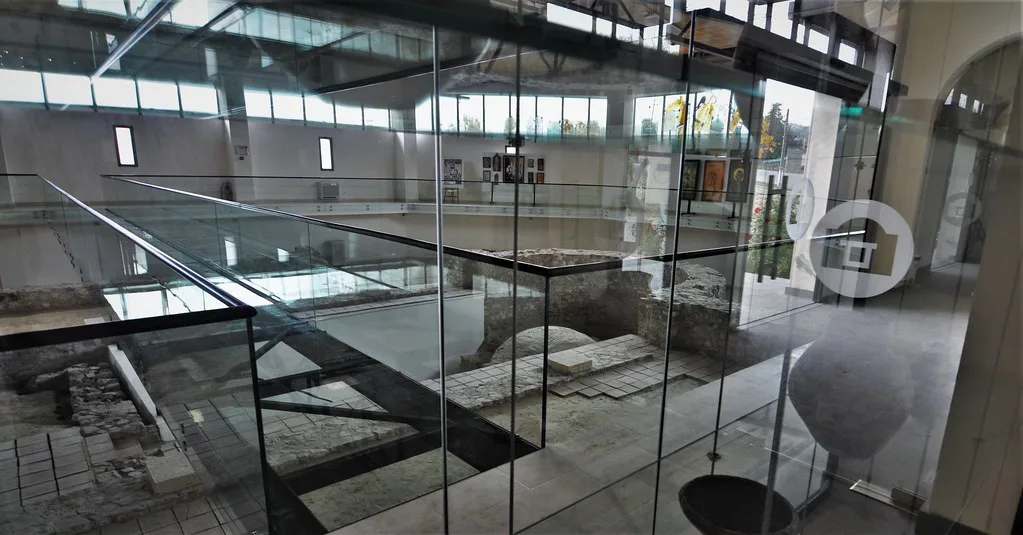
Last updated November 2026: the tomb of Philip II is usually identified as Tomb II, inside the Great Tumulus at Vergina, ancient Aigai, in Imathia, Central Macedonia. You visit it through the Museum of the Royal Tombs of Aigai, an underground museum built beneath the tumulus. Manolis Andronikos found it in 1977, and scholars still debate who lies inside.
Featured image: fusion-of-horizons, CC BY 2.0, via Flickr.
Where is the tomb of Philip II?
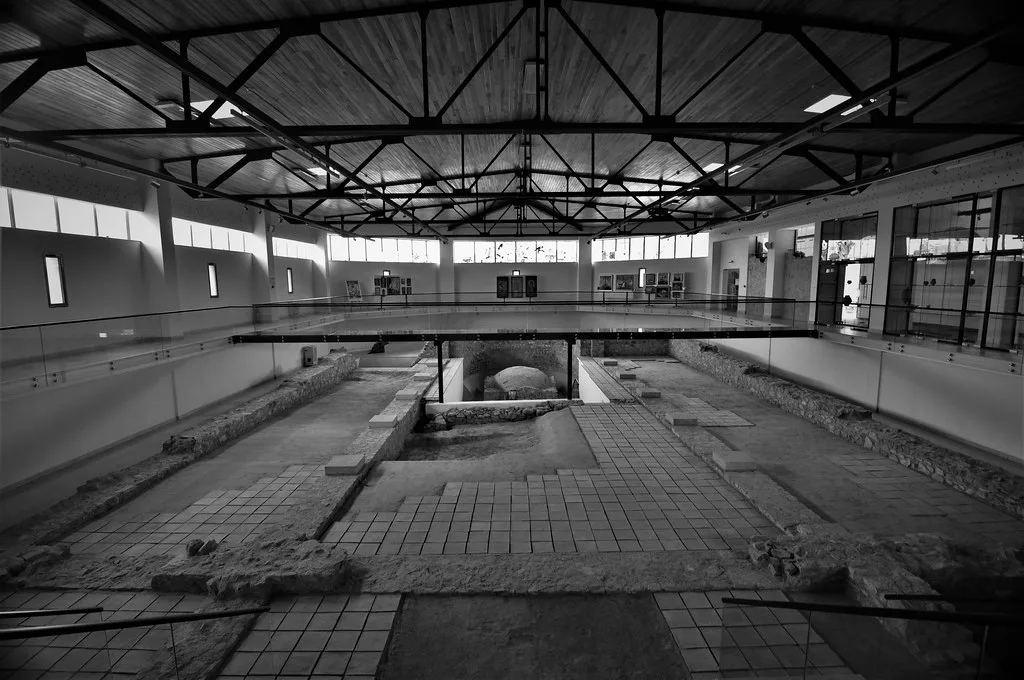
Vergina sits about 13 km southeast of Veroia and about 80 km southwest of Thessaloniki. It lies on the foothills of Mount Pieria, at roughly 120 m above sea level. Ancient Aigai was the first capital of the Macedonian kingdom, and its royal burials lie under the Great Tumulus. A modern roof now covers the main excavation and an exhibition of the major finds. Our Vergina guide covers the wider site.
Is this really Philip II's tomb?
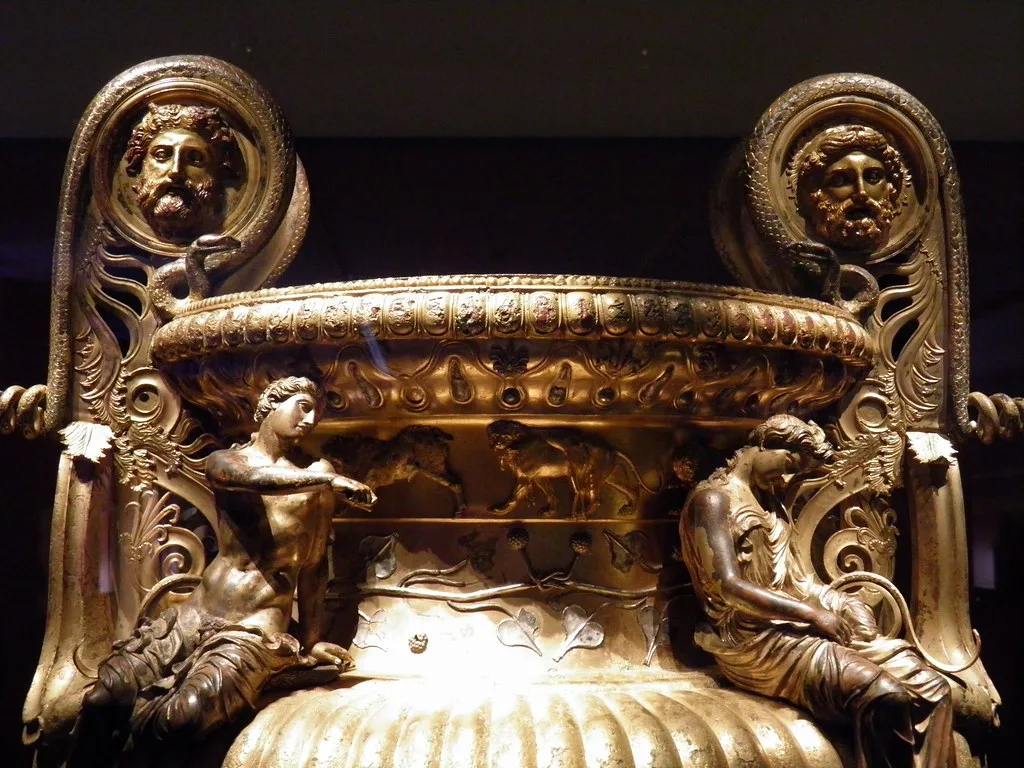
Andronikos began a six-week dig at the Great Tumulus in 1977 and found four chambers. Three more turned up in 1980. He attributed Tomb II to Philip II, who was buried at Aigai in 336 BC, and Tomb III to Alexander IV, son of Alexander the Great. Other studies argue that the weaponry and royal objects in Tomb II belonged to someone else, possibly Philip III Arrhidaeus. Treat the identification as widely held but debated. Philip's burial also frames the succession story in our Alexander the Great Birthplace: Pella and Nearby Sites guide.
How Philip II died and why he was buried at Aigai
Philip II was assassinated in 336 BC at Aigai, during the celebrations for his daughter Cleopatra's wedding. The killer was Pausanias, one of his bodyguards, who struck as the king entered the theatre. That is why the royal burial lies here: Aigai was the dynasty's ceremonial centre, and Macedonian kings were traditionally laid to rest under its tumuli, even after the court moved to Pella.
Philip's reign explains the weight of the tomb. He turned a regional kingdom into the dominant power in Greece, built the army his son Alexander later led into Asia, and won the battle of Chaeronea in 338 BC. His son Alexander the Great took the throne straight after the murder.
The skull and the eye wound
Part of the identification argument rests on the remains. Ancient writers say Philip lost his right eye to an arrow at the siege of Methone in 354 BC. Researchers studying the cremated skull from the main chamber's larnax have pointed to damage around the right eye socket. Others dispute the reading, because cremated bone is hard to interpret, and the debate over the Tomb II occupant continues.
You cannot see the bones up close in a way that settles the question. What the museum does give you is the context to judge the arguments yourself: the weapons, the gold and the paintings are displayed beside the structures that held them.
UNESCO status: the archaeological site of Aigai, including the Great Tumulus and the royal tombs, was inscribed on the World Heritage List in 1996.
What you will see inside the royal tomb
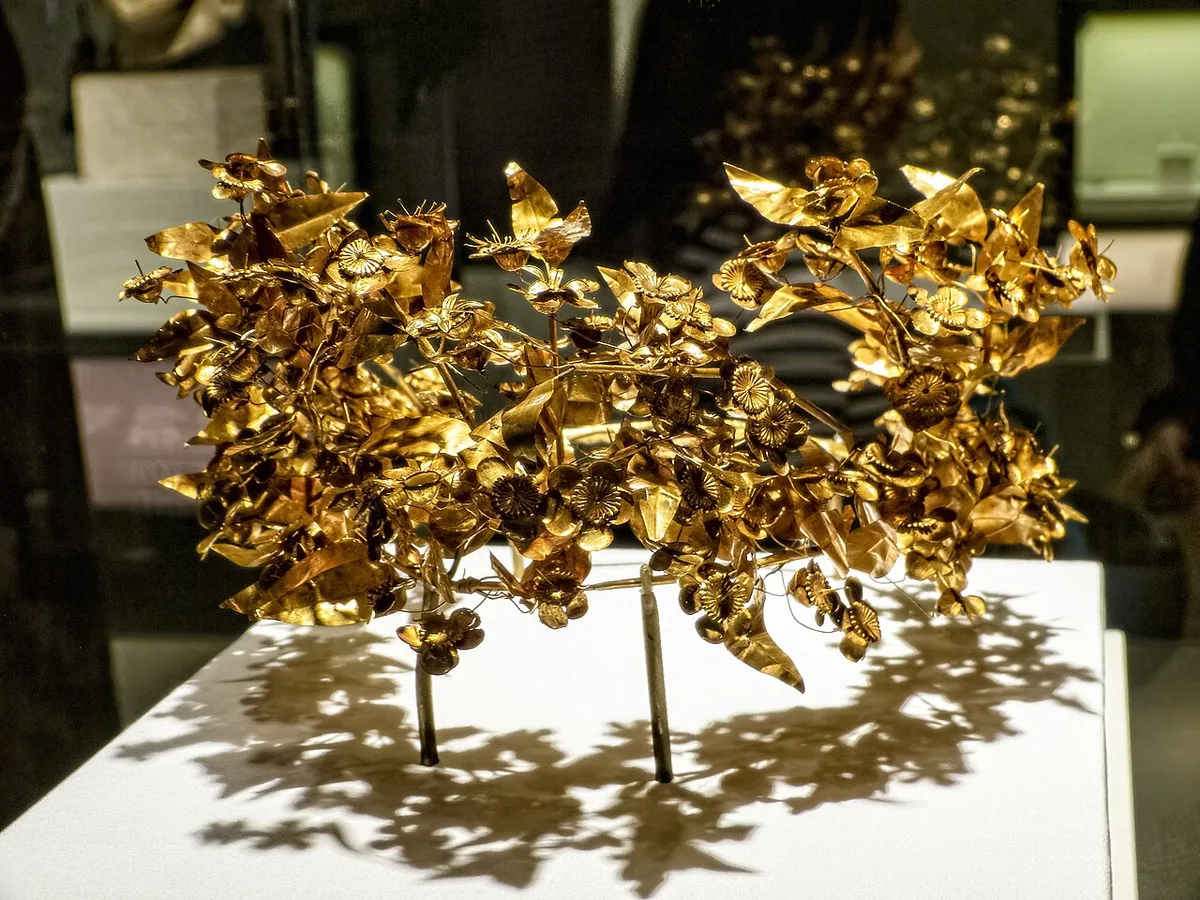
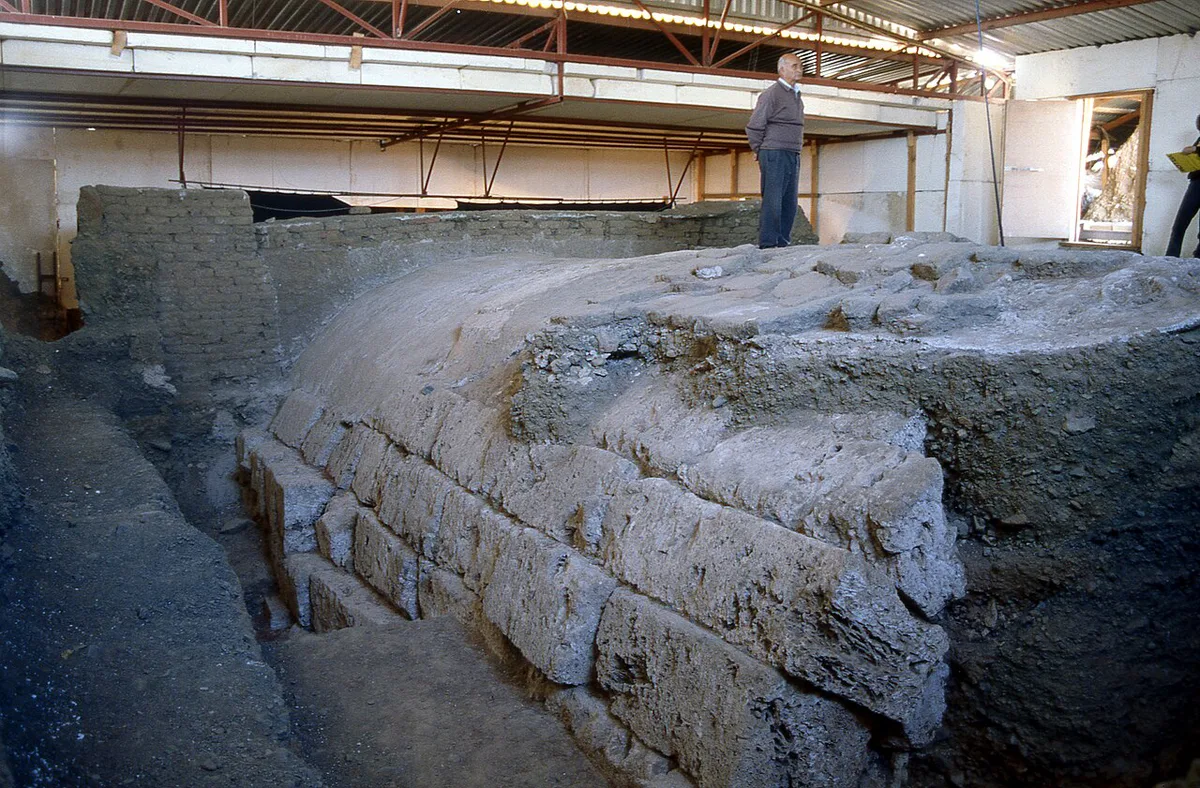
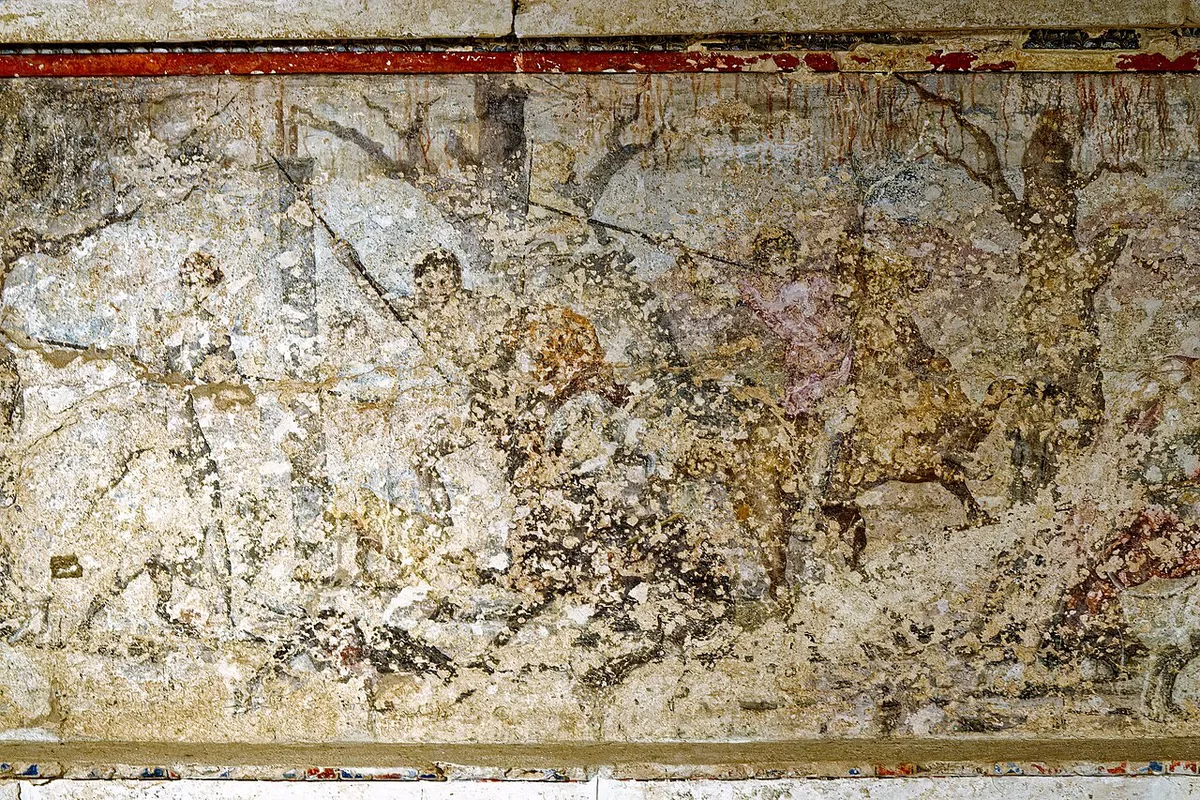
You walk down into a dark, tumulus-shaped museum where the tombs stand beside the finds from them. Tomb II is a barrel-vaulted underground building with two chambers and a monumental façade. It is not a free-standing monument. Photography rules are set by the museum, so ask at the entrance. Other tomb types appear in our Macedonian Tombs: Vergina Royal Tombs Visitor Guide guide.
- Façade: a hunting scene that shows two royal portraits.
- Fresco: the Abduction of Persephone.
- Golden larnax: decorated with the Vergina Sun.
- Gold oak wreath.
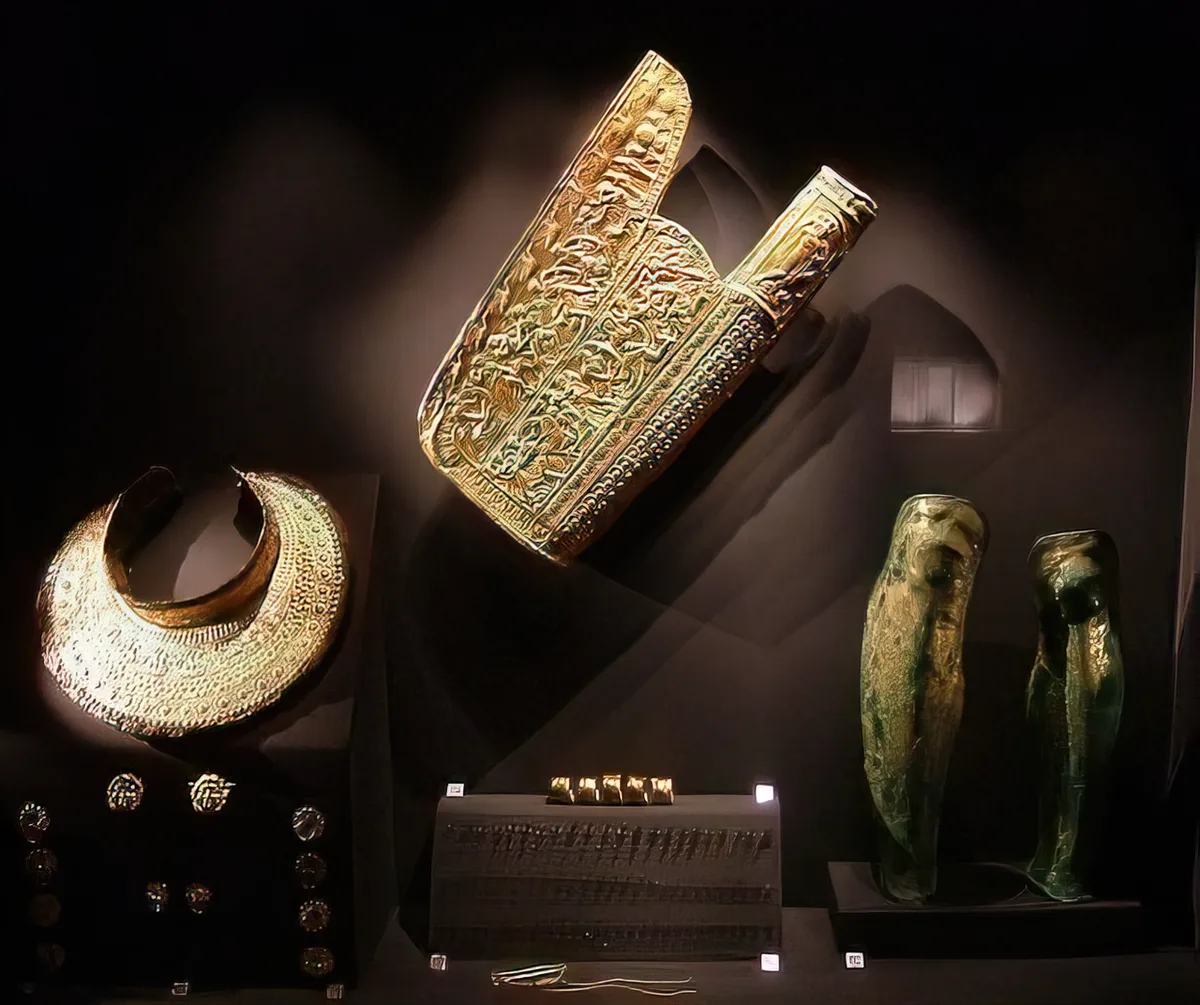
- Weapons and armor from the burial.
- Gold and ivory deathbed.
- Meda: some accounts place Philip's Thracian wife in the antechamber, though this attribution is also contested.
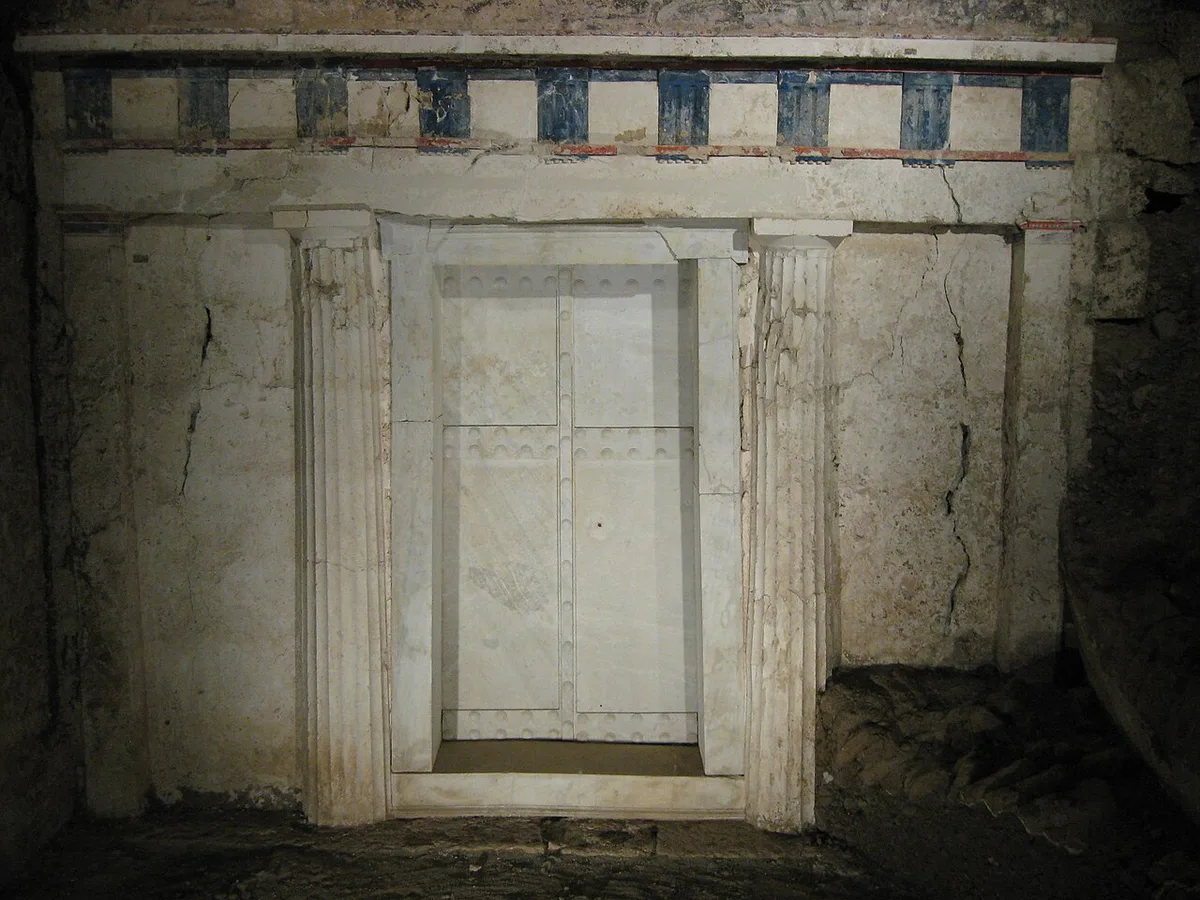
The other royal tombs under the Great Tumulus
Tomb II draws the crowds, but the same museum shows several other burials, and seeing them makes the visit more than a single-chamber stop.
- Tomb I, the Tomb of Persephone: a smaller, older chamber with a painted fresco of the Abduction of Persephone. It was looted in antiquity, so the painting is the main reason to look closely.
- Tomb II: the large barrel-vaulted structure with the hunting-scene façade, usually linked to Philip II and covered above.
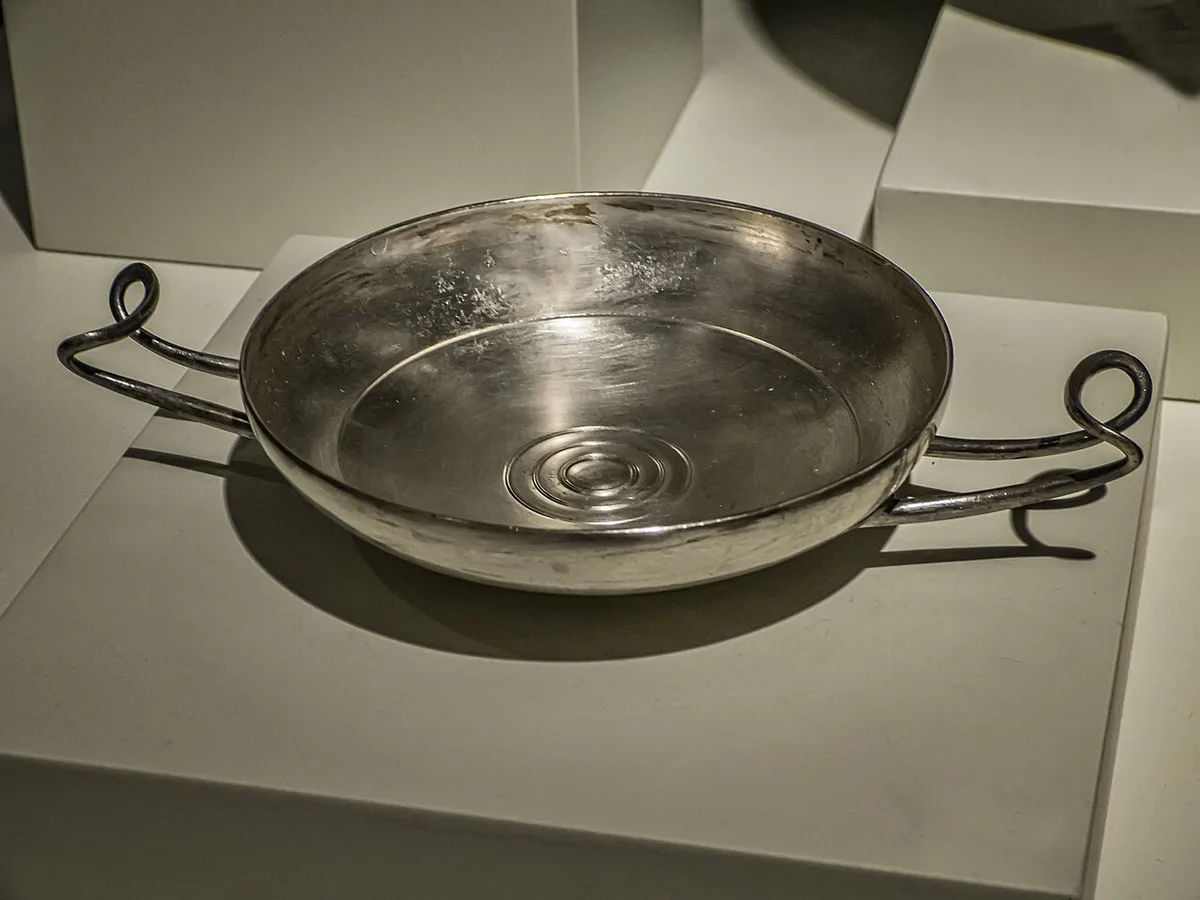
- Tomb III, the so-called Prince's Tomb: attributed by Andronikos to Alexander IV, the young son of Alexander the Great. It contained silver vessels and other fine grave goods.
The tombs differ in size and decoration, and you can compare how Macedonian elite burial changed over a few generations. Spend your first few minutes at the façade of Tomb II, then work through the display cases in order rather than going straight to the gold.
Plan for it: the museum is dim and the displays are dense. If you are short on time, prioritise the Tomb II façade, the larnax and the Persephone fresco, which together take well under the full 2–3 hours.
If tomb architecture appeals to you more broadly, the Thracian chambers covered in our Kazanlak Thracian Tomb guide are a useful comparison, since Thracian and Macedonian elites shared burial customs and royal marriages.
Tickets, opening hours and time needed
Hours are listed as 09:00–17:00, and most visitors plan 2–3 hours for the tombs alone. Arrive well before closing so the descent does not feel rushed. Seasonal hours and the euro ticket price are published by the Ministry of Culture, so use Odysseus, the ministry's portal and the museum's official site. Resellers often show prices in other currencies, so book with the official source.
Driving the 80 km from Thessaloniki eats into the window, since hours run 09:00–17:00.
How to get to Vergina from Thessaloniki
The drive covers about 80 km from Thessaloniki. A bus runs to Veroia, which sits about 13 km from Vergina, and a local connection finishes the trip. Organised tours also run from Thessaloniki. Route details and timetables are in our Vergina from Thessaloniki: How to Get There, Costs & Day Plans guide. Regional background is on Visit Greece, and Veroia is the nearest town for a lunch stop.
Veroia sits about 13 km from Vergina, which makes it an easy lunch stop on a whole-site day.
Tombs, palace or whole site: how to plan your visit
Aigai is a polycentric museum, so the Royal Tombs, the Palace, the theatre and the ancient city are separate stops. Do not assume one ticket or one set of hours covers them all. Check the official site for what is open before you commit to a full day.
- Prioritise it if you want the royal burial context, or you read about Alexander the Great and ancient Macedonia.
- Skip it if you are short on time and want open-air ruins.
- Tombs only: about 2–3 hours.
- Tombs plus palace: add time and check the palace hours.
- Whole site: plan most of a day, with lunch in Veroia.
Combine it with other Macedonian sites
Vergina pairs well with one more site on a long day. Pella suits a second royal-capital stop, so see our Pella guide. Dion offers open-air ruins at Dion Archaeological Park: Visiting Guide and Tips. Eastern routes reach Amphipolis and Philippi, which need their own days.
| Site | What you see | Time needed | Suits |
|---|---|---|---|
| Vergina royal tombs | Underground royal tombs and finds | 2–3 hours | Archaeology and Alexander readers |
| Pella | Macedonian capital remains | Half day | Second stop on a Vergina day |
| Dion | Open-air sanctuary park | Half day | Open-air ruins fans |
| Amphipolis | Tomb and ancient city | Half day | Tomb enthusiasts |
| Philippi | Roman and early Christian ruins | Half to full day | Long Macedonia trips |
Common mistakes and practical tips
Most problems come from timing and expectations. The underground route is dim, so check the museum's accessibility information before you go. Weekdays are usually calmer than weekends, and tour buses cluster in the middle of the day.
- Arriving late without checking closing time.
- Assuming Tomb II is a free-standing monument.
- Expecting the Vergina treasures in Thessaloniki, since they are displayed at the Royal Tombs museum.
- Skipping the other tombs in the same museum.
- Skipping the wider Vergina site after the tombs.
Frequently Asked Questions
When was King Philip's tomb found?
Manolis Andronikos excavated the Great Tumulus at Vergina in 1977. Three more tombs were found there in 1980.
What was the ancient capital of the Macedonian kings?
Aigai, today's Vergina, was the first capital of the ancient Macedonian kingdom. Its royal burials lie under the Great Tumulus.
Related guides



Continue reading
Guides on the same trip

