10 Best Ruins in Athens: Ancient Sites, Tickets & Day Trips
Last updated November 2026. The best ruins in Athens start with the Acropolis and a walkable ring of ancient sites around it, including the Temple of Hephaestus, Roman Agora, Areopagus, Pnyx and Theatre of Dionysus. Four more ruins, at Aegina, Eleusis, Marathon and Brauron, work as day trips. Use the table below to match sites to your time, then read the entries for what each one offers and who can skip it.
Featured image: Tilemahos Efthimiadis, CC BY 2.0, via Flickr.
Ruins in Athens at a Glance
Six sites sit within walking distance of each other in central Athens. Four need a half-day or full day for transport. Ticket types below are indicative, so check the current rules for each site before buying.
| Site | What you see | Time needed | Ticket | Best for | Skip if |
|---|---|---|---|---|---|
| Acropolis | Parthenon, Erechtheion and its six Caryatids | Half a day | Paid, combined ticket available | First-time visitors | You cannot manage steps and slippery marble |
| Theatre of Dionysus | Ancient theatre on the Acropolis south slope | Short stop | See official ticket rules | Theatre and history fans | You are short on time |
| Areopagus Hill | Rocky hilltop with city and Acropolis views | Short stop | See official rules | Views and photos | Rock steps are a problem |
| Pnyx | Hilltop assembly ground | Short stop | See official rules | Democracy buffs | You want standing monuments |
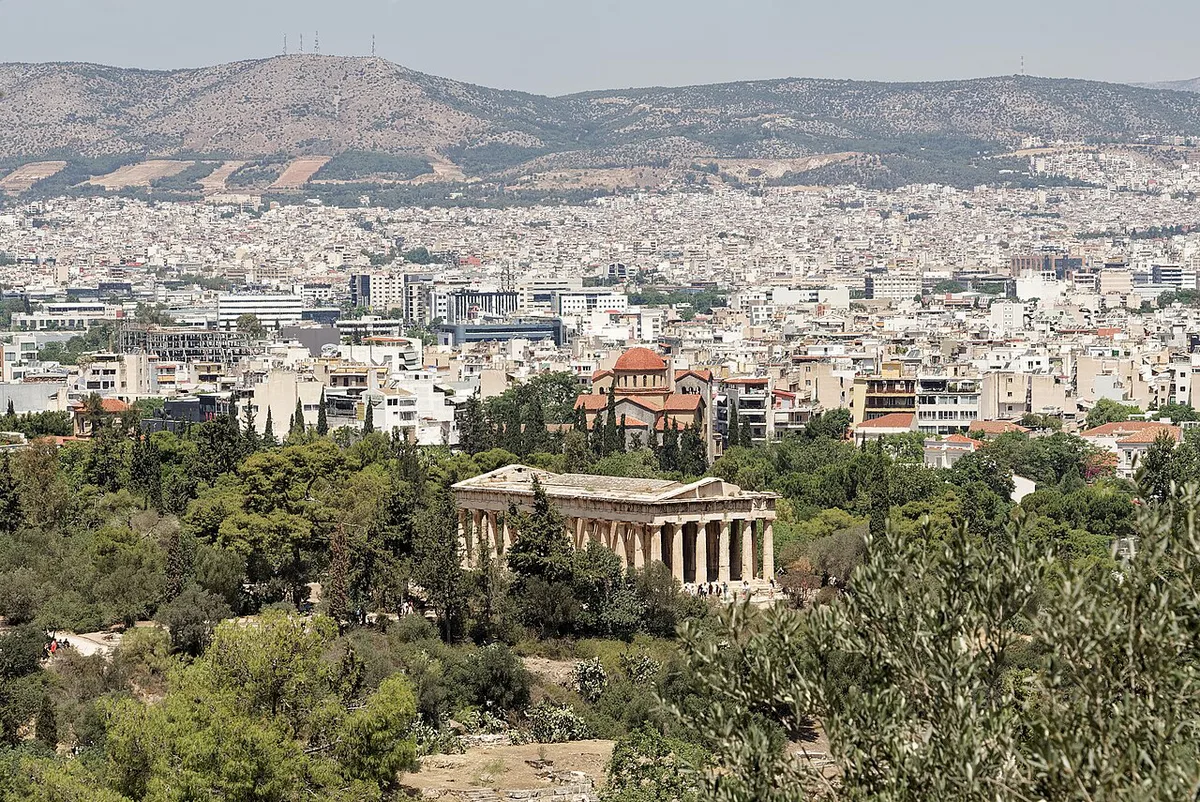
| Temple of Hephaestus | Well-preserved temple above the Ancient Agora | Short to medium | Ancient Agora ticket | Architecture lovers | You dislike open, shadeless sites |
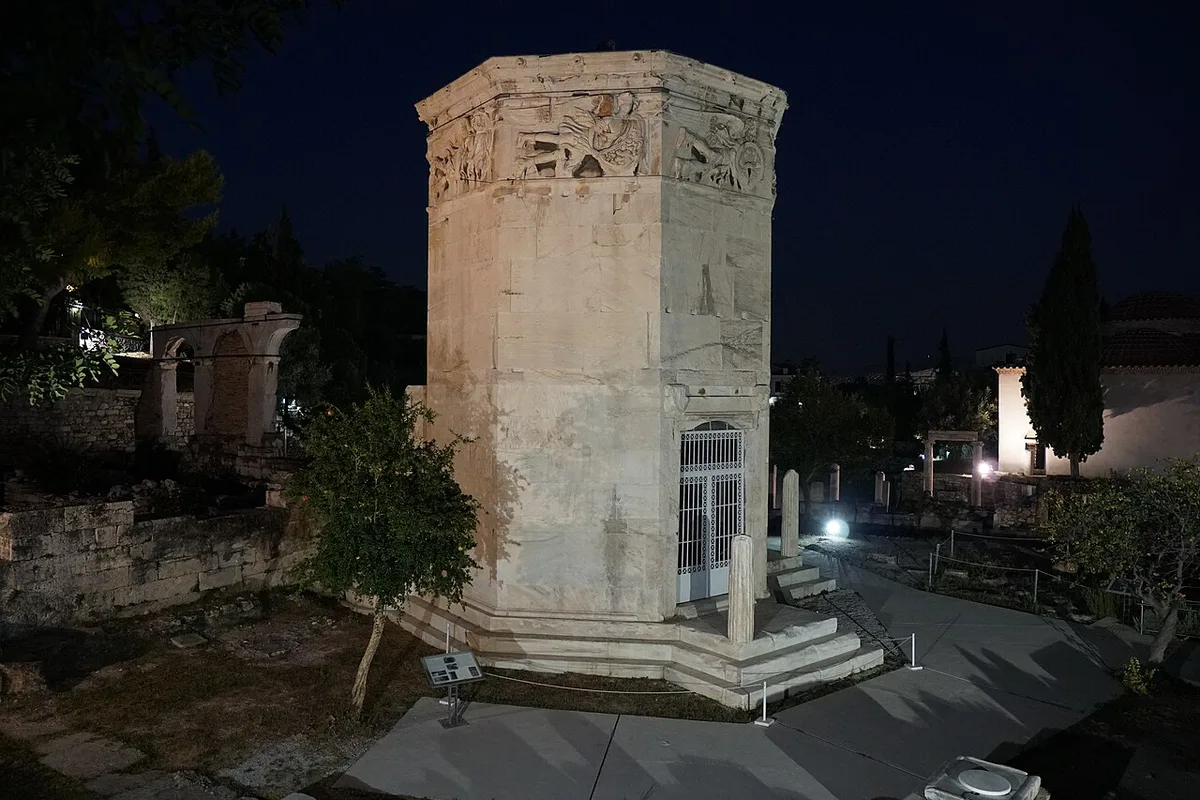
| Roman Agora | Marketplace remains and the Tower of the Winds | Short stop | Separate or combined, check | Compact sightseeing | You have only one ruin to pick |
| Temple of Aphaia | Temple on the island of Aegina | Half a day or more | Separate | Repeat visitors | You only have one day in Athens |
| Eleusis | Sanctuary of the Eleusinian Mysteries | Half a day | Separate | History enthusiasts | You want photogenic columns |
| Marathon Tomb | Burial mound of the Athenian dead | Half a day with transport | See official rules | Battle history fans | You need guaranteed convenience |
| Brauron | Sanctuary of Artemis | Half a day | Separate | Quiet, off-route visitors | You rely on public transit alone |
10 Best Ruins in Athens, Grouped by Location
Prices and hours checked November 2026. Entries run from the central cluster to the day-trip ruins, so you can read them in route order.
1. Acropolis
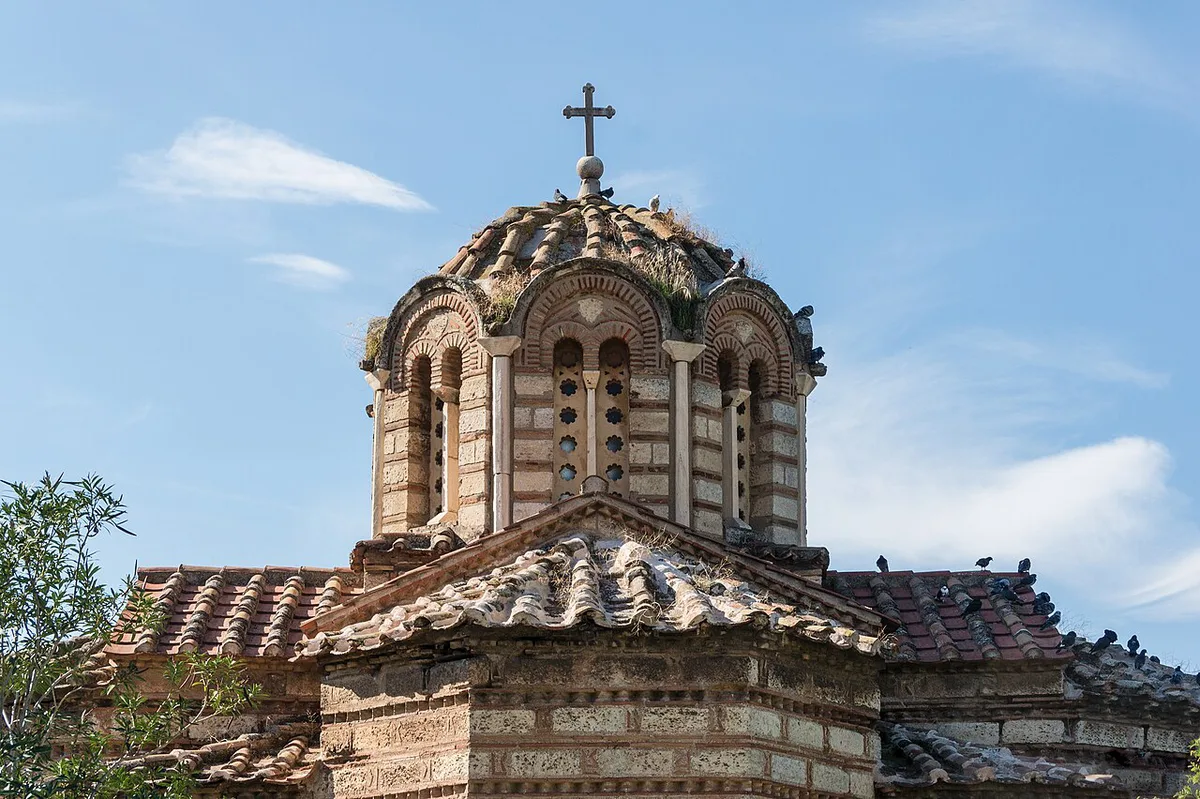
The 2,500-year-old Parthenon is the reason most people come to Athens, and it anchors every ruins itinerary. Look for the Erechtheion, where six Caryatid maidens hold up the porch roof. As of November 24, 2026, the site opens 8:00 AM to 5:00 PM, with admission ending at 4:30 PM.
Visitors report fewer people at the west gate, reached by navigating to Areopagitou 21. Wear non-slip shoes, because the stone paving is slick. Skip the midday slot in summer if heat bothers you.
2. Theatre of Dionysus
This ancient theatre sits on the south slope of the Acropolis, below the main rock. It is a good stop for anyone who wants to see where Athenian drama was staged. Pair it with the Acropolis visit, since both sit on the same hillside.
Walk the slope slowly, as the steps and stones are uneven. Read the full guide to the Theatre of Dionysus Athens: Visit Guide, History & Tickets for details. Skip it if you have under two hours and want only the Parthenon.
3. Areopagus Hill
Areopagus is a rocky outcrop right beside the Acropolis entrance area. Its payoff is the view over the Ancient Agora and the Parthenon above you. Come near sunset in summer, when the light on the marble is softest.
Our guide to Areopagus Hill (Mars Hill) Athens: History, Visit Guide covers the climb. The worn rock can be slippery, so wear shoes with grip. Skip it if steps are difficult, or if you want ruins with standing walls.
4. Pnyx
Pnyx is a hilltop where Athenians met to debate and vote. You see a large terraced platform and the speaker's stand, not columns. It is a quieter stop than the Acropolis and pairs with Areopagus on one route.
Read more on the Pnyx hilltop before you go. Bring water, because shade is limited. Skip it if you only want grand temples and carved stone.
5. Temple of Hephaestus
Temple of Hephaestus stands above the Ancient Agora and keeps most of its columns and roof structure. Photographers like it for clean lines and fewer crowds than the Parthenon. The American School of Classical Studies excavates the surrounding Agora.
See our page on the Temple of Hephaestus, Athens: Tickets, Hours & Visit Tips for the approach. An Acropolis ticket is said to cover the Ancient Agora too. Skip it if you dislike open ground with little shade.
6. Roman Agora
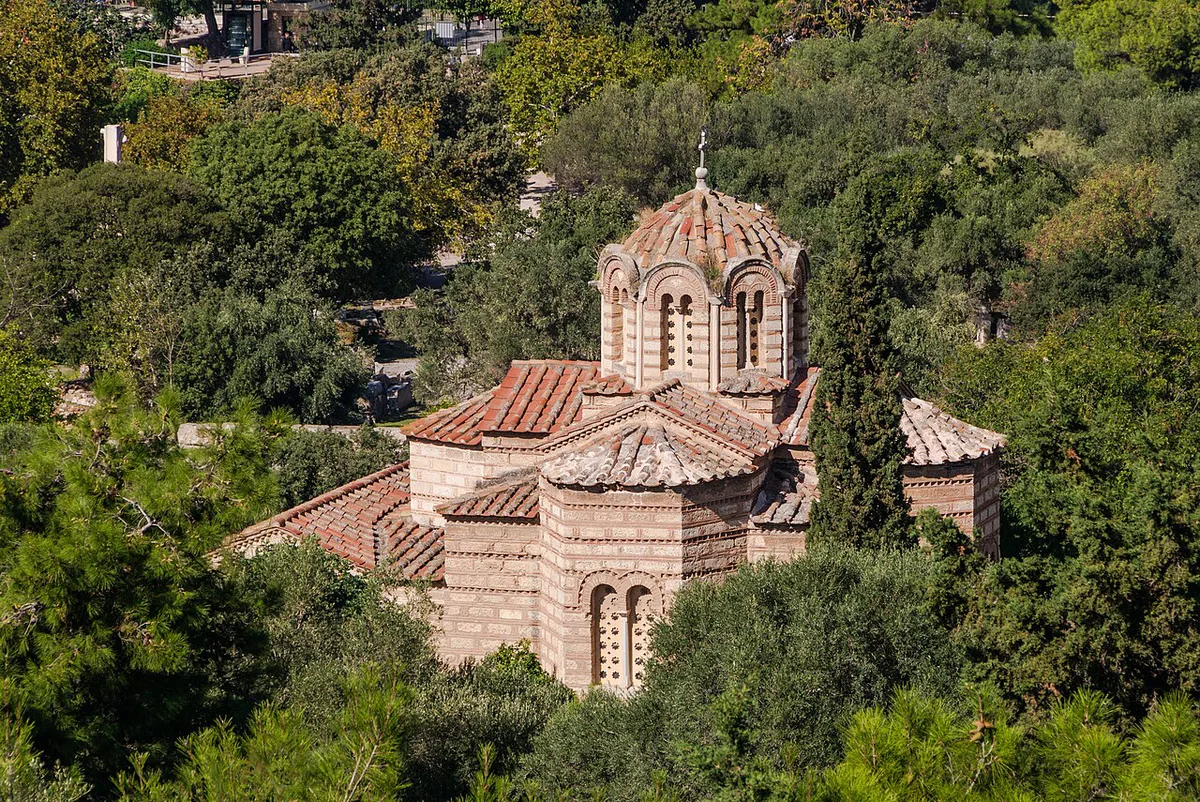
Roman Agora was a marketplace built later than the Greek Agora, and it sits close to Plaka. Its star is the Tower of the Winds, an octagonal clock tower still standing. Allow a short visit, since the site is compact.
Details on the Roman Agora include the approach. It suits people who want one more easy stop between meals. Skip it if you are choosing only one or two sites.
7. Temple of Aphaia, Aegina
Temple of Aphaia stands on the island of Aegina, reached by sea from Piraeus port. Plan a long half-day to a full day for the ferry, transfer and visit. It rewards repeat visitors who have already done the Acropolis.
Learn more about the Temple of Aphaia, Aegina: Getting There, Tickets and What to See and the island logistics. Check ferry times and island bus routes before you go. Skip it on a one-day Athens stay.
8. Eleusis Archaeological Site
Eleusis was the sanctuary of the Eleusinian Mysteries, one of the best-known ancient cults. You walk through low walls, courts and a small museum, not tall monuments. It suits readers who care more about religion and ritual than photographs.
Our Eleusis Archaeological Site: Visit Guide & Mysteries guide has details. The trip needs planning, so look into public transport options. Skip it if you want striking columns.
9. Marathon Tomb
Marathon Tomb is the burial mound for the Athenians who fell in the battle of Marathon. You see a grassy mound, so expect context rather than carved stone. It works best for readers who know the battle's story.
Find the route in our Marathon Tomb (Tumulus of the Athenians): History & How to Visit page. A car or tour makes this trip simpler than buses. Skip it if you only have a half-day.
10. Brauron
Brauron was a sanctuary of Artemis, set well away from the center. You find foundations, a stoa and a quiet rural setting. It is the least visited ruin here, so it suits travelers who dislike crowds.
See our Brauron sanctuary page for the approach. Public transport is limited, so a car or tour is easier. Skip it if you rely only on the metro.
Tickets, Combined Pass and Opening Hours
The Acropolis ticket was listed at €20 in November 2026, and it is said to include six sites such as the Ancient Agora. Buy through the official Hellenic Ministry of Culture e-tickets portal to avoid resale markups. Our Athens Combined Ticket: Does It Still Exist? What to Buy Instead guide explains which sites it covers. The pass pays off when you visit at least three covered sites in a short window. Pay separately if you only want the Acropolis and one more stop. Winter hours are shorter, with the Acropolis closing at 5:00 PM and last admission at 4:30 PM. Some sites offer free entry on First Sundays, though coverage and months vary by site.
How to Plan Your Time at the Ruins in Athens
Daylight shapes your route more than distance does. In winter, sunset arrives about 1.5 hours earlier than the 7:00 PM to 8:30 PM summer window, and temperatures run 7 to 17℃ in late November.
Aim for morning slots, since last Acropolis admission is 4:30 PM while winter sunset arrives about 1.5 hours earlier than summer.
- Half day
- Do the Acropolis and Theatre of Dionysus first, then walk down to the Roman Agora.
- One day
- Add Areopagus, Pnyx and the Temple of Hephaestus in a single hill loop.
- Finish at the Roman Agora to avoid backtracking.
- Two to three days
- Spend day two on one day-trip ruin such as Aphaia on Aegina.
- Use day three for Eleusis, Marathon or Brauron.
Practical Tips and Mistakes to Avoid
Marble polished by centuries of feet is slick, so wear shoes with grip. Arrive early in summer, because the Acropolis has little shade. Use the west gate if the main queue is long. Do not try to fit more than two day-trip ruins into one day, since transport eats the hours. Do not touch the marble, and carry water to every hill site.
Late-November temperatures of 7 to 17℃ suit a visit, but carry water, since hill sites like Pnyx offer limited shade.
Where to Base Yourself and Getting Around
Stay near Plaka, Monastiraki or Thissio to reach the central ruins on foot. Areopagitou is the pedestrian street that links the Acropolis area to Thissio. For day trips, Piraeus port serves the ferry to Aegina, while Eleusis, Marathon and Brauron are easier with a car or guided tour. See Visit Greece for official regional travel information.
Frequently Asked Questions
What are the ruins in Athens called?
The best-known are the Acropolis with the Parthenon, the Ancient Agora with the Temple of Hephaestus, and the Roman Agora. Nearby are the Theatre of Dionysus, Areopagus and Pnyx.
Is Acropolis 7 wonders of the world?
The Acropolis is not among the Seven Wonders of the Ancient World. It remains one of Greece's most visited ancient sites.
Explore More Guides
Keep planning your trip with these guides.
Guides
- Temple of Hephaestus, Athens
- Roman Agora Athens: Tickets, Hours & Is It Worth It?
- Athens Combined Ticket: Does It Still Exist? What to Buy Instead
- Areopagus Hill (Mars Hill) Athens
- Pnyx Athens
- Theatre of Dionysus Athens
- Temple of Aphaia, Aegina
- Eleusis Archaeological Site: Visit Guide & Mysteries
- Marathon Tomb (Tumulus of the Athenians)
- Brauron (Vravrona) Guide
Related guides


Continue reading
Guides on the same trip